



Community hub
Recent from talks
Knowledge base stats:
Talk channels stats:
Members stats:
Gavojdia
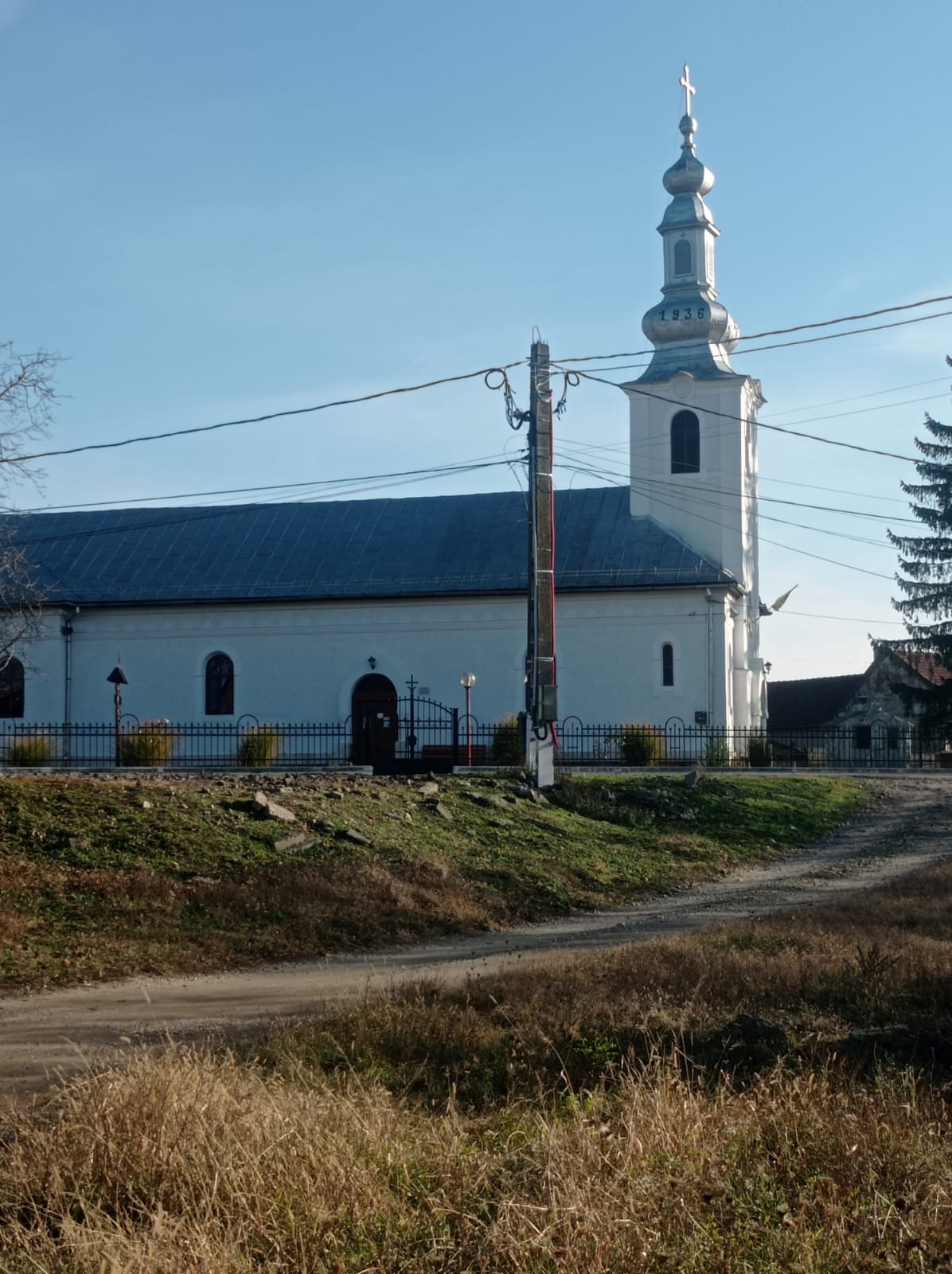
Gavojdia (often spelled Găvojdia; Hungarian: Gavosdia; German: Gawoschdia) is a commune in Timiș County, Romania. It is composed of four villages: Gavojdia (commune seat), Jena, Lugojel and Sălbăgel.
The name Gavojdia has its origin in the Latin quvae which means "hills" and sideo which means "settlement", which would translate as "settlement between hills". There is another theory according to which Gavojdia has its origin in the Slavic gvojd which means "iron" and gvojde which means "blacksmith", since there were many blacksmiths serving the interests of landowners and those who traveled by stagecoach here. Hungarian ethnologists claimed that the origin of the word Gavojdia came from kő which means "stone" and köves which means "stony".
Gavojdia is located in the southeast of Timiș County, in the Lugoj Plain. It covers an area of 74.94 km2 (28.93 mi2), most of which is arable land, the rest being pastures, hayfields, vineyards, orchards and others. Gavojdia is crossed by two main streams, Sudriaș (known locally as Vâna) and Știuca, both collected by the Timiș River. Știuca has its source on the territory of the homonymous village, with intermittent flow. Vâna has a continuous flow, but it is not important for irrigation; its water is good for watering cattle.
The average annual temperature is 11.1 °C (52.0 °F). By season, in winter there is an average temperature of −0.5 °C (31.1 °F), and in summer 20.4 °C (68.7 °F); in spring the temperature averages 11.4 °C (52.5 °F), and in autumn 11.7 °C (53.1 °F). The average annual number of winter days is 18.88 days with temperatures below 0 °C (32 °F). The average annual number of summer days with temperatures above 25 °C (77 °F) is 106.9 days. The average annual rainfall is 639.9 mm (25.19 in). Gavojdia gets maximum rainfall in May, June, August, October and November, while January and February are generally the driest months. The dominant wind blows from the southeast with a frequency of 20%. Wind strength is generally low.
The specific vegetation is that of the plain and hill forests. In forests that have survived deforestation, especially on areas that could not be cultivated due to relief or excess moisture, species such as Quercus cerris (Turkey oak), Quercus pedunculiflora (greyish oak), Quercus robur (pedunculate oak) and Quercus pubescens (downy oak) predominate, in association with Carpinus betulus (hornbeam), Tilia tomentosa (silver linden), Cornus mas (cornel), Alnus glutinosa (alder), Corylus avellana (hazel) and Prunus spinosa (blackthorn). On the wide valleys, with the groundwater closer to the surface, there are clusters of Salix alba (white willow) and Salix × fragilis (crack willow), Populus alba (silver poplar) and Populus nigra (black poplar), Alnus glutinosa (alder), Clematis vitalba (old man's beard) and Rosa canina (dog rose), and on the consolidated ravines grow species such as Robinia pseudoacacia (black locust), Pyrus pyraster (wild pear), Vitis sylvestris (wild grapevine), Gleditsia triacanthos (honey locust), Prunus spinosa (blackthorn) and Rosa canina (dog rose).
The natural meadows are varied from a floristic point of view, with the mesophilic and mesoxerophilic groups dominating; in the areas with the groundwater closer to the surface, the mesophilic and hydrophilic groups prevail. The meadows in the hilly area are made up of species such as Festuca pseudovina and Festuca pratensis (meadow fescue), Agrostis capillaris (bent), Poa pratensis (meadow-grass), Alopecurus pratensis (meadow foxtail), Bromus secalinus (rye brome), Cynodon dactylon (dog's tooth grass), Lotus corniculatus (bird's-foot trefoil) and Lotus tenuis (narrowleaf trefoil), Medicago falcata (yellow lucerne), Trifolium repens (white clover) and Bothriochloa ischaemum (yellow bluestem). On the sunny slopes there are species such as Elymus repens (couch), Rubus caesius (dewberry) and Stipa spp. (feather grass). The meadows in the lowland area are small in size, being made up of species such as Lolium perenne (ryegrass), Festuca valesiaca (Volga fescue), Agrostis capillaris (bent), Dactylis glomerata (cock's-foot), Alopecurus pratensis (meadow foxtail), Lotus corniculatus (bird's-foot trefoil) and Lotus tenuis (narrowleaf trefoil), Trifolium repens (white clover) and Medicago lupulina (black medick).
Associations of Carex spp. (sedge), Juncus effusus (rush) and, more rarely, Typha latifolia (bulrush) and Phragmites australis (reed) develop in the microdepression forms in the meadows and on the valleys, accompanied by Gratiola officinalis (hedgehyssop), Mentha × piperita (peppermint) and Bidens tripartita (three-lobe beggartick).
The following wild flowers and plants grow in fields, hedges and stubbles: Viola tricolor (wild pansy), Capsella bursa-pastoris (shepherd's purse), Lepidium draba (hoary cress), Anagallis arvensis (red pimpernel), Lamium album (white nettle), Urtica dioica (stinging nettle), Russula heterophylla (brittlegill), Taraxacum officinale (dandelion), Aristolochia clematitis (birthwort), Rorippa palustris (yellow-cress), Raphanus raphanistrum (wild radish), Papaver rhoeas (red poppy), Centaurea cyanus (cornflower), Agrostemma githago (corn-cockle), Sambucus ebulus (dwarf elder), Cirsium arvense (field thistle), Consolida regalis (field larkspur), Ranunculus repens (creeping buttercup), Vicia spp. (vetch), Convolvulus arvensis (field bindweed), Matricaria chamomilla (chamomile), Primula veris (cowslip), Achillea millefolium (yarrow), Conium maculatum (hemlock), Echium vulgare (viper's bugloss), Althaea officinalis (marsh mallow), Polygonum aviculare (knotgrass), etc.
Hub AI
Gavojdia AI simulator
(@Gavojdia_simulator)
Gavojdia
Gavojdia (often spelled Găvojdia; Hungarian: Gavosdia; German: Gawoschdia) is a commune in Timiș County, Romania. It is composed of four villages: Gavojdia (commune seat), Jena, Lugojel and Sălbăgel.
The name Gavojdia has its origin in the Latin quvae which means "hills" and sideo which means "settlement", which would translate as "settlement between hills". There is another theory according to which Gavojdia has its origin in the Slavic gvojd which means "iron" and gvojde which means "blacksmith", since there were many blacksmiths serving the interests of landowners and those who traveled by stagecoach here. Hungarian ethnologists claimed that the origin of the word Gavojdia came from kő which means "stone" and köves which means "stony".
Gavojdia is located in the southeast of Timiș County, in the Lugoj Plain. It covers an area of 74.94 km2 (28.93 mi2), most of which is arable land, the rest being pastures, hayfields, vineyards, orchards and others. Gavojdia is crossed by two main streams, Sudriaș (known locally as Vâna) and Știuca, both collected by the Timiș River. Știuca has its source on the territory of the homonymous village, with intermittent flow. Vâna has a continuous flow, but it is not important for irrigation; its water is good for watering cattle.
The average annual temperature is 11.1 °C (52.0 °F). By season, in winter there is an average temperature of −0.5 °C (31.1 °F), and in summer 20.4 °C (68.7 °F); in spring the temperature averages 11.4 °C (52.5 °F), and in autumn 11.7 °C (53.1 °F). The average annual number of winter days is 18.88 days with temperatures below 0 °C (32 °F). The average annual number of summer days with temperatures above 25 °C (77 °F) is 106.9 days. The average annual rainfall is 639.9 mm (25.19 in). Gavojdia gets maximum rainfall in May, June, August, October and November, while January and February are generally the driest months. The dominant wind blows from the southeast with a frequency of 20%. Wind strength is generally low.
The specific vegetation is that of the plain and hill forests. In forests that have survived deforestation, especially on areas that could not be cultivated due to relief or excess moisture, species such as Quercus cerris (Turkey oak), Quercus pedunculiflora (greyish oak), Quercus robur (pedunculate oak) and Quercus pubescens (downy oak) predominate, in association with Carpinus betulus (hornbeam), Tilia tomentosa (silver linden), Cornus mas (cornel), Alnus glutinosa (alder), Corylus avellana (hazel) and Prunus spinosa (blackthorn). On the wide valleys, with the groundwater closer to the surface, there are clusters of Salix alba (white willow) and Salix × fragilis (crack willow), Populus alba (silver poplar) and Populus nigra (black poplar), Alnus glutinosa (alder), Clematis vitalba (old man's beard) and Rosa canina (dog rose), and on the consolidated ravines grow species such as Robinia pseudoacacia (black locust), Pyrus pyraster (wild pear), Vitis sylvestris (wild grapevine), Gleditsia triacanthos (honey locust), Prunus spinosa (blackthorn) and Rosa canina (dog rose).
The natural meadows are varied from a floristic point of view, with the mesophilic and mesoxerophilic groups dominating; in the areas with the groundwater closer to the surface, the mesophilic and hydrophilic groups prevail. The meadows in the hilly area are made up of species such as Festuca pseudovina and Festuca pratensis (meadow fescue), Agrostis capillaris (bent), Poa pratensis (meadow-grass), Alopecurus pratensis (meadow foxtail), Bromus secalinus (rye brome), Cynodon dactylon (dog's tooth grass), Lotus corniculatus (bird's-foot trefoil) and Lotus tenuis (narrowleaf trefoil), Medicago falcata (yellow lucerne), Trifolium repens (white clover) and Bothriochloa ischaemum (yellow bluestem). On the sunny slopes there are species such as Elymus repens (couch), Rubus caesius (dewberry) and Stipa spp. (feather grass). The meadows in the lowland area are small in size, being made up of species such as Lolium perenne (ryegrass), Festuca valesiaca (Volga fescue), Agrostis capillaris (bent), Dactylis glomerata (cock's-foot), Alopecurus pratensis (meadow foxtail), Lotus corniculatus (bird's-foot trefoil) and Lotus tenuis (narrowleaf trefoil), Trifolium repens (white clover) and Medicago lupulina (black medick).
Associations of Carex spp. (sedge), Juncus effusus (rush) and, more rarely, Typha latifolia (bulrush) and Phragmites australis (reed) develop in the microdepression forms in the meadows and on the valleys, accompanied by Gratiola officinalis (hedgehyssop), Mentha × piperita (peppermint) and Bidens tripartita (three-lobe beggartick).
The following wild flowers and plants grow in fields, hedges and stubbles: Viola tricolor (wild pansy), Capsella bursa-pastoris (shepherd's purse), Lepidium draba (hoary cress), Anagallis arvensis (red pimpernel), Lamium album (white nettle), Urtica dioica (stinging nettle), Russula heterophylla (brittlegill), Taraxacum officinale (dandelion), Aristolochia clematitis (birthwort), Rorippa palustris (yellow-cress), Raphanus raphanistrum (wild radish), Papaver rhoeas (red poppy), Centaurea cyanus (cornflower), Agrostemma githago (corn-cockle), Sambucus ebulus (dwarf elder), Cirsium arvense (field thistle), Consolida regalis (field larkspur), Ranunculus repens (creeping buttercup), Vicia spp. (vetch), Convolvulus arvensis (field bindweed), Matricaria chamomilla (chamomile), Primula veris (cowslip), Achillea millefolium (yarrow), Conium maculatum (hemlock), Echium vulgare (viper's bugloss), Althaea officinalis (marsh mallow), Polygonum aviculare (knotgrass), etc.