
Recent from talks
History of Nebraska
Knowledge base stats:
Talk channels stats:
Members stats:
History of Nebraska
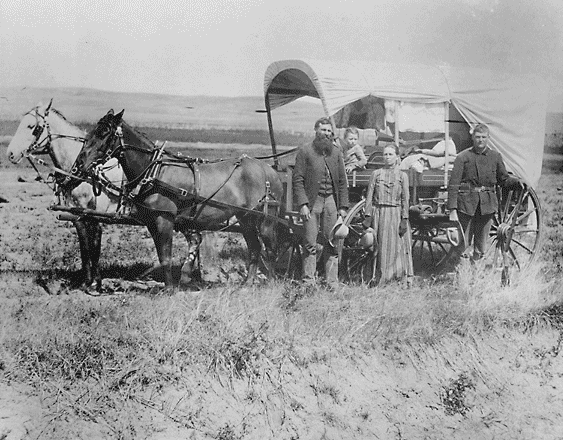
The history of the U.S. state of Nebraska dates back to its formation as a territory by the Kansas–Nebraska Act, passed by the United States Congress on May 30, 1854. The Nebraska Territory was settled extensively under the Homestead Act of 1862 during the 1860s, and in 1867 was admitted to the Union as the 37th U.S. state. The Plains Indians are the descendants of a long line of succeeding cultures of indigenous peoples in Nebraska who occupied the area for thousands of years before European arrival and continue to do so today.
During the Late Cretaceous, between 66 million to 99 million years ago, three-quarters of Nebraska was covered by the Western Interior Seaway, a large body of water that covered one-third of the United States. The sea was occupied by mosasaurs, ichthyosaurs, and plesiosaurs. Additionally, sharks such as Squalicorax, and fish such as Pachyrhizodus, Enchodus, and the Xiphactinus, a fish larger than any modern bony fish, occupied the sea. Other sea life included invertebrates such as mollusks, ammonites, squid-like belemnites, and plankton. Fossil skeletons of these animals and period plants were embedded in mud that hardened into rock and became the limestone that appears today on the sides of ravines and along the streams of Nebraska.
As the sea bottom slowly rose, marshes and forests appeared. After thousands of years the land became drier, and trees of all kinds grew, including oak, maple, beech and willow. Fossil leaves from ancient trees are found today in the state's red sandstone rocks. Animals occupying the state during this period included camels, tapirs, monkeys, tigers and rhinos. The state also had a variety of horses native to its lands.
During the last ice age, continental ice sheets repeatedly covered eastern Nebraska. The exact timing that these glaciations occurred remain uncertain. Likely, they occurred between two million to 600,000 years ago. During the last two million years, the climate alternated between cold and warm phases, respectively called "glacial" and "interglacial" periods instead of a continuous ice age. Clayey tills and large boulders, called "glacial erratics", were left on the hillsides during the period when ice sheets covered eastern Nebraska two or three times. During various periods of the remainder of the Pleistocene and into the Holocene, the glacial drift was buried by silty, wind-blown sediment called "loess".
As the climate became drier grassy plains appeared, rivers began to cut their present valleys, and present Nebraska topography was formed. Animals appearing during this period remain in the state to this day.
Several language groups were represented by the American Indians in present-day Nebraska. The Algonquian-speaking Arapaho lived for more than 1,000 years throughout the western part of Nebraska. In a prehistoric period; Nebraska was home to the Arikara, who spoke a Caddoan language, as did the Pawnee; after 1823 they returned from present-day North Dakota to live with the Skidi Pawnee for two years. The Kiowa once occupied western Nebraska. The eastern range of the Algonquian-speaking Cheyenne included western Nebraska, after the Comanche who had formerly lived in the territory had moved south toward Texas.
The Great Sioux Nation, including the Ihanktowan-Ihanktowana and the Lakota located to the north and west, used Nebraska as a hunting and skirmish ground, although they did not have any long-term settlements in the state.
The Omaha belong to the Siouan-language family of the Dhegihan branch, and have been located along the Missouri River in northeastern Nebraska since the late 17th century, after having migrated from eastern areas together with other tribes. Originally living along the Ohio and Wabash rivers to the east, the Omaha, along with the Dhegihan Ponca, moved into Nebraska in the 1670s. Other Siouan-Dheigihan tribes who moved west from the Ohio River about then were the Osage, Kansa and Quapaw, who settled to the southwestern part of the territory. At that point the Ponca split, and the Omaha settled on Bow Creek in present-day Cedar County. Before 1700, the Iowa, a Siouan people whose language was Chiwere, moved from the Red Pipestone Quarry into Nebraska.
Hub AI
History of Nebraska AI simulator
(@History of Nebraska_simulator)
History of Nebraska
The history of the U.S. state of Nebraska dates back to its formation as a territory by the Kansas–Nebraska Act, passed by the United States Congress on May 30, 1854. The Nebraska Territory was settled extensively under the Homestead Act of 1862 during the 1860s, and in 1867 was admitted to the Union as the 37th U.S. state. The Plains Indians are the descendants of a long line of succeeding cultures of indigenous peoples in Nebraska who occupied the area for thousands of years before European arrival and continue to do so today.
During the Late Cretaceous, between 66 million to 99 million years ago, three-quarters of Nebraska was covered by the Western Interior Seaway, a large body of water that covered one-third of the United States. The sea was occupied by mosasaurs, ichthyosaurs, and plesiosaurs. Additionally, sharks such as Squalicorax, and fish such as Pachyrhizodus, Enchodus, and the Xiphactinus, a fish larger than any modern bony fish, occupied the sea. Other sea life included invertebrates such as mollusks, ammonites, squid-like belemnites, and plankton. Fossil skeletons of these animals and period plants were embedded in mud that hardened into rock and became the limestone that appears today on the sides of ravines and along the streams of Nebraska.
As the sea bottom slowly rose, marshes and forests appeared. After thousands of years the land became drier, and trees of all kinds grew, including oak, maple, beech and willow. Fossil leaves from ancient trees are found today in the state's red sandstone rocks. Animals occupying the state during this period included camels, tapirs, monkeys, tigers and rhinos. The state also had a variety of horses native to its lands.
During the last ice age, continental ice sheets repeatedly covered eastern Nebraska. The exact timing that these glaciations occurred remain uncertain. Likely, they occurred between two million to 600,000 years ago. During the last two million years, the climate alternated between cold and warm phases, respectively called "glacial" and "interglacial" periods instead of a continuous ice age. Clayey tills and large boulders, called "glacial erratics", were left on the hillsides during the period when ice sheets covered eastern Nebraska two or three times. During various periods of the remainder of the Pleistocene and into the Holocene, the glacial drift was buried by silty, wind-blown sediment called "loess".
As the climate became drier grassy plains appeared, rivers began to cut their present valleys, and present Nebraska topography was formed. Animals appearing during this period remain in the state to this day.
Several language groups were represented by the American Indians in present-day Nebraska. The Algonquian-speaking Arapaho lived for more than 1,000 years throughout the western part of Nebraska. In a prehistoric period; Nebraska was home to the Arikara, who spoke a Caddoan language, as did the Pawnee; after 1823 they returned from present-day North Dakota to live with the Skidi Pawnee for two years. The Kiowa once occupied western Nebraska. The eastern range of the Algonquian-speaking Cheyenne included western Nebraska, after the Comanche who had formerly lived in the territory had moved south toward Texas.
The Great Sioux Nation, including the Ihanktowan-Ihanktowana and the Lakota located to the north and west, used Nebraska as a hunting and skirmish ground, although they did not have any long-term settlements in the state.
The Omaha belong to the Siouan-language family of the Dhegihan branch, and have been located along the Missouri River in northeastern Nebraska since the late 17th century, after having migrated from eastern areas together with other tribes. Originally living along the Ohio and Wabash rivers to the east, the Omaha, along with the Dhegihan Ponca, moved into Nebraska in the 1670s. Other Siouan-Dheigihan tribes who moved west from the Ohio River about then were the Osage, Kansa and Quapaw, who settled to the southwestern part of the territory. At that point the Ponca split, and the Omaha settled on Bow Creek in present-day Cedar County. Before 1700, the Iowa, a Siouan people whose language was Chiwere, moved from the Red Pipestone Quarry into Nebraska.
Recent media