Hubbry Logo
Howard KohHoward KohMain
Open search
Howard Koh
Community hub
Howard Koh
logo
8 pages, 0 posts
0 subscribers
Be the first to start a discussion here.
Howard Koh
Howard Koh
from Wikipedia

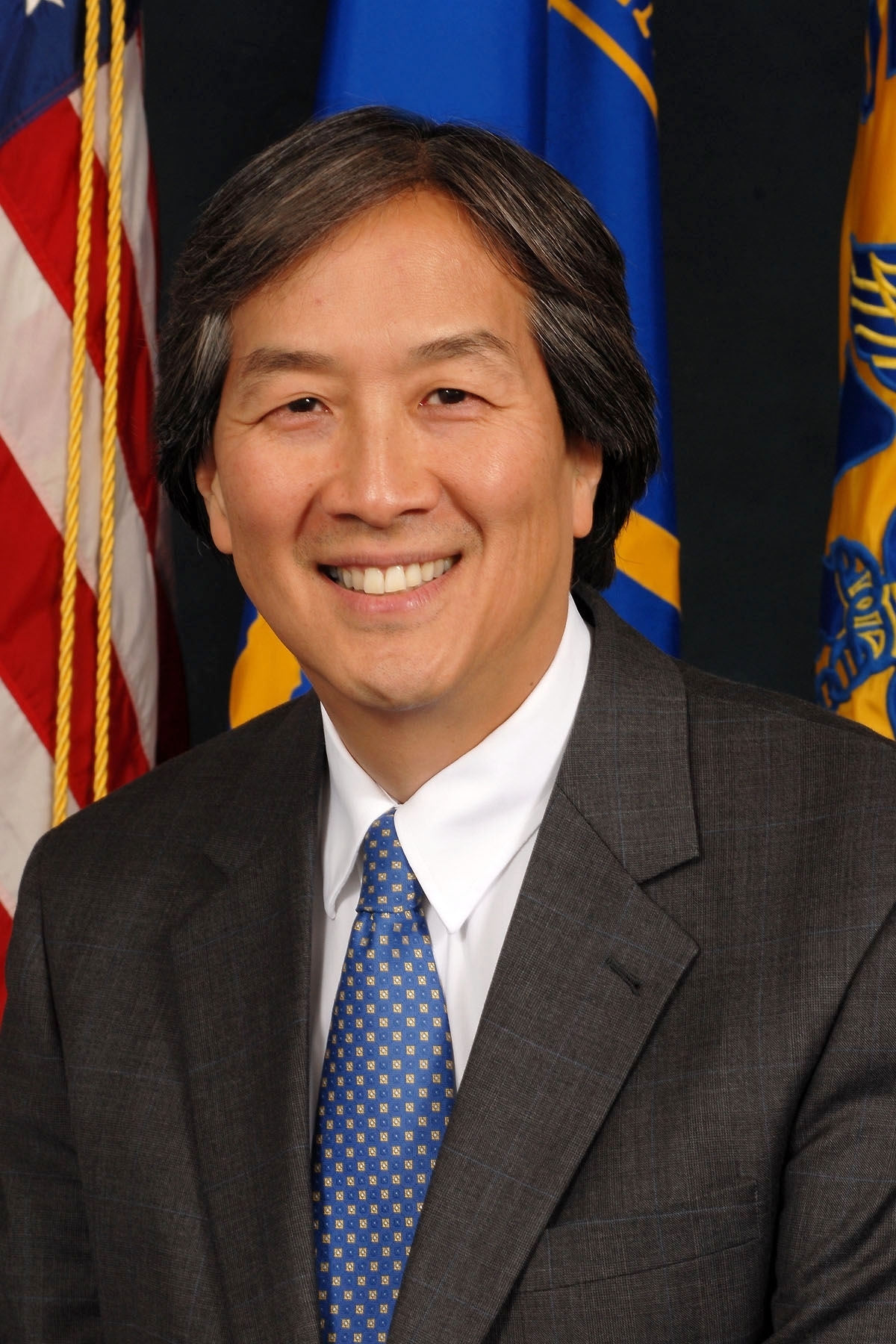
Howard Kyongju Koh (Hangul: 고경주, Hanja: 高京柱; born March 15, 1952) is the former United States Assistant Secretary for Health for the U.S. Department of Health and Human Services (HHS), after being nominated by President Barack Obama and confirmed by the U.S. Senate in 2009.[1][2]

Key Information

Early life and education

[edit]

Koh was born in 1952 to a Korean family in Connecticut. His father was a professor at Central Connecticut State College and his mother was an administrator at Yale University.[3] Koh has seven siblings, including Harold Hongju Koh, the former Legal Adviser of the Department of State and Dean of Yale Law School.

Koh graduated from Yale College in 1973, where he was president of the Yale Glee Club, and Yale University School of Medicine in 1977. He completed postgraduate training at Boston City Hospital and Massachusetts General Hospital, serving as chief resident in both hospitals. He has earned board certification in four medical fields: internal medicine, hematology, medical oncology, and dermatology, as well as a Master of Public Health degree from Boston University School of Public Health in 1995.

Career

[edit]

At Boston University Schools of Medicine and Public Health, he was Professor of Dermatology, Medicine and Public Health as well as Director of Cancer Prevention and Control.

As the Assistant Secretary for Health, Koh oversaw the HHS Office of Public Health and Science, the Commissioned Corps of the U.S. Public Health Service, and the Office of the Surgeon General. He also served as senior public health advisor to the Secretary. At the Office of Public Health and Science, he led an array of interdisciplinary programs relating to disease prevention, health promotion, the reduction of health disparities, women’s and minority health, HIV/AIDS, vaccine programs, physical fitness and sports, bioethics, population affairs, blood supply, research integrity and human research protections. In these various roles, he was dedicated to the mission of creating better public health systems for prevention and care so that all people can reach their highest attainable standard of health.[citation needed] He announced his resignation at the end of July 2014.[4]

Koh previously served as the Harvey V. Fineberg Professor of the Practice of Public Health, Associate Dean for Public Health Practice, and Director of the Division of Public Health Practice at the Harvard School of Public Health.[5] At Harvard, he also served as the principal investigator of multiple research grants related to community-based participatory research, cancer disparities affecting underserved and minority populations, tobacco control and emergency preparedness. He was also Director of the Harvard School of Public Health Center for Public Health Preparedness, which promotes education about bioterrorism, pandemic influenza, and other emerging health threats. He has published over 200 articles in the medical and public health literature.

Koh served as Commissioner of Public Health for the Commonwealth of Massachusetts (1997–2003) after being appointed by Governor William Weld. As Commissioner, Koh led the Massachusetts Department of Public Health, which included a wide range of health services, four hospitals, and a staff of more than 3,000 professionals. In this capacity, he emphasized the power of prevention and strengthened the state’s commitment to eliminating health disparities. During his service, the state saw advances in areas such as tobacco control, cancer screening, bioterrorism response after the September 11 attacks in 2001 and anthrax, health issues of the homeless, newborn screening, organ donation, suicide prevention and international public health partnerships.

Awards and honors

[edit]

He has earned numerous awards and honors for interdisciplinary accomplishments in medicine and public health, including the Distinguished Service Award from the American Cancer Society, the Drs. Jack E. White/LaSalle D. Leffall Cancer Prevention Award from the American Association for Cancer Research and the Intercultural Cancer Council, and the Dr. Harold P. Freeman Lectureship Award. He is an elected member of the Institute of Medicine of the National Academies. President Bill Clinton appointed Koh as a member of the National Cancer Advisory Board (2000–2002). A past Chair of the Massachusetts Coalition for a Health Future (the group that pushed for the Commonwealth’s groundbreaking tobacco control initiative), Koh was named by the New England Division of the American Cancer Society as “one of the most influential persons in the fight against tobacco during the last 25 years”. Other awards include being named to the K100 (the 100 leading Korean Americans in the first century of Korean immigration to the United States), the Boston University School of Public Health Distinguished Alumni Award (the highest award of the School), the Sedgwick Memorial Medal of the American Public Health Association (2014) and an honorary degree from Merrimack College. In recognition of his national contributions to the field of early detection and prevention of melanoma, the Boston Red Sox designated him a “Medical All Star” (2003) which included the ceremonial first pitch at Fenway Park.

Personal life

[edit]

In 1981, Koh married ophthalmologist Claudia Arrigg from Andover, Massachusetts.[6] Arrigg's grandparents had come to Massachusetts from Lebanon in the 1890s. The couple have three children. Their elder son Steven is a professor at Boston University School of Law.[7] Their middle son, Daniel, was chief of staff to Marty Walsh. and their daughter, Katherine, is a doctor at Massachusetts General Hospital.[8]

References

[edit]
[edit]
Revisions and contributorsEdit on WikipediaRead on Wikipedia
from Grokipedia
Howard Kyongju Koh is an American physician and administrator who served as the 14th in the U.S. Department of Health and Human Services from 2009 to 2014, advising on national health policy and leading initiatives in areas such as , chronic disease prevention, and emergency preparedness. Koh, board-certified in , , medical oncology, and , earned his medical degree from and a Master of Public Health from Harvard, following undergraduate studies at . Prior to his federal role, he was Massachusetts Commissioner of from 2003 to 2009, overseeing a department with extensive services including hospitals and research institutes, during which he advanced policies on and . Currently, Koh holds the Harvey V. Fineberg Professorship of the Practice of Leadership at Harvard T.H. Chan School of Public Health and , where he teaches leadership and mentors future professionals. He has received over 70 awards for contributions to medicine and , including the Dr. Legacy Award and six honorary doctorates, reflecting his interdisciplinary impact.

Early Life and Education

Family Background and Early Influences

Howard K. Koh was born to immigrant parents, Kwang Lim Koh and Hesung Chun Koh, who raised their six children with an emphasis on , excellence, and . Koh's father, born on a small island off the coast of , was the first from his community to attend university in ; he later served as a Korean government in the United States before becoming a professor of following a political coup in Korea. His mother, a scholar and administrator, co-founded and chaired the East Rock Institute, the oldest research organization focused on the in the United States. From an early age, Koh's parents instilled in their children a strong orientation toward service and gratitude for opportunities in America, values rooted in their own immigrant experiences of sacrifice and pursuit of the . As Hesung Chun Koh later reflected, "That’s how we raised our children, with a drive not just to excel, but also to serve." This upbringing, amid the challenges of cultural adaptation for Korean immigrants, fostered Koh's , resilience, and commitment to contributing to society, influences that later guided his career in . The family's multigenerational emphasis on and intellectual pursuit, a revered in Korean culture, further reinforced these principles across siblings, including Koh's brother , a legal .

Academic Training

Howard K. Koh received his Bachelor of Arts degree from in 1973, where he served as president of the Yale Glee Club. He then earned his degree from in 1977. Following medical school, Koh completed postgraduate clinical training in at and . Koh achieved board certification from the in 1981, followed by certifications in in 1983, medical in 1984, and from the American Board of Dermatology in 1987. These certifications reflect specialized training in and , areas where he conducted residency and fellowship programs at institutions including . Later in his career, Koh pursued education, obtaining a Master of Public Health degree from School of Public Health in 1995. This advanced degree complemented his clinical expertise, enabling a transition toward population-level health interventions.

Professional Career

Early Medical and Public Health Roles

Following completion of his medical degree from in 1977, Howard Koh pursued postgraduate training that led to board certification in four specialties: , , medical oncology, and . He established a clinical practice focused on in , , while maintaining expertise across these fields. Koh joined the faculty at Schools of Medicine and , where he held professorships in , medicine, and . In these roles, he emphasized preventive approaches, particularly in detection and management, integrating clinical care with population-level strategies. He also earned a Master of degree from in 1995, which further oriented his work toward applications of his medical background. A key early public health contribution at was his directorship of the Cancer Prevention and Control program, where he led initiatives to reduce cancer incidence through education, screening, and policy advocacy. These efforts bridged his clinical and experience with broader goals, such as promoting sun protection behaviors and early detection protocols, prior to his appointment as Commissioner of in 1997.

Massachusetts Commissioner of Public Health

Howard Koh served as Commissioner of for the Commonwealth of from January 1997 to 2003, appointed by Republican William Weld. In this capacity, he directed the Massachusetts Department of (DPH), managing diverse health services, four state-operated hospitals, and a workforce of over 3,000 personnel. His leadership prioritized evidence-based prevention, chronic disease management, and improvements amid fiscal constraints and shifting gubernatorial administrations. A cornerstone of Koh's tenure involved advancing the Tobacco Control Program (MTCP), initially funded by a 1992 voter-approved on products and bolstered by the 1998 Master Settlement Agreement with major manufacturers. Under his oversight, the program expanded multifaceted interventions, including counter-marketing campaigns targeting , community-based cessation support, and restrictions on and sales to minors. These efforts correlated with a reduction in adult prevalence from 25.5% in 1992 to 18.1% by 2002, alongside declines in per capita consumption and initiation rates, though national trends also contributed to the overall drop. Independent evaluations attributed approximately half of Massachusetts's decline during this period to MTCP-specific activities, establishing it as a model for state-level reduction strategies. Koh also initiated the Organ Donation Initiative, a public-private between DPH and regional organ procurement organizations launched in the early 2000s to address stagnant donation rates. The program employed data analytics to identify bottlenecks in the donation process, such as and referral gaps, and implemented targeted interventions like staff , communication protocols, and public education drives. Outcomes included a rise in donor rates from 50% to over 70% in participating hospitals and an increase in organs transplanted per donor from 2.5 to 3.2 between 2001 and 2004, demonstrating the efficacy of systems-level quality improvement in transplantation. This approach emphasized causal factors in process inefficiencies rather than solely awareness campaigns, yielding sustained gains in organ utilization.

U.S. Assistant Secretary for Health

Howard K. Koh was nominated by President on March 25, 2009, to serve as the 14th (ASH) in the U.S. Department of Health and Human Services (HHS). The U.S. unanimously confirmed his nomination on June 22, 2009, following a period of delay resolved by a vote. Koh assumed the role shortly thereafter and served until July 2014, when he resigned to return to . In this position, he advised the HHS Secretary on matters of and , led the Office of the , directed the U.S. Public Health Service Commissioned Corps, and coordinated federal responses to public health emergencies. During his tenure, Koh oversaw the development and implementation of Healthy People 2020, the federal government's decade-long agenda for improving national health outcomes, which emphasized measurable objectives in areas such as preventive care, health disparities reduction, and like access to nutrition and physical activity. He played a central role in launching the National Prevention Strategy in June 2011, a comprehensive framework under the aimed at shifting focus from treatment to prevention through four priorities: healthy and safe community environments, clinical and community preventive services, empowered individuals and families, and elimination of health disparities. Koh also advanced initiatives, including federal plain-language mandates for HHS communications and partnerships to improve patient understanding of medical information, with the goal of reducing costly crisis care cycles. These efforts included coordinating responses to chronic disease burdens and promoting evidence-based interventions in and , building on his prior state-level experience. Koh's leadership prioritized equity in public health, particularly for underserved populations, including low-income groups, racial and ethnic minorities, and Asian American and Pacific Islander communities, through targeted access improvements and cultural competency in federal programs. He testified before Congress on prevention strategies and contributed to interagency coordination on issues like epilepsy surveillance and research, as recommended by the Institute of Medicine. No major controversies or empirical critiques of his specific policy outcomes during this period were documented in federal records or peer-reviewed analyses, though broader debates on prevention funding efficacy persisted amid rising healthcare costs. His departure in 2014 was noted for advancing a prevention-oriented public health infrastructure, with subsequent evaluations crediting Healthy People 2020 for setting data-driven benchmarks despite persistent disparities in outcomes like life expectancy across socioeconomic lines.

Return to Academia and Ongoing Roles

Following his tenure as from 2009 to 2014, Koh returned to the Harvard T.H. Chan School of in the fall of 2014, resuming his academic career after a . Prior to his federal appointment, he had served at Harvard from 2003 to 2009 as associate dean for practice, during which he focused on bridging academic research with governmental applications. At Harvard, Koh holds the position of Harvey V. Fineberg Professor of the Practice of Leadership at the T.H. Chan School of Public Health, a role emphasizing leadership training in public health policy and practice. He also maintains a faculty appointment at the , integrating public health perspectives into policy education. In this capacity, Koh has contributed to curricula on health leadership, drawing from his prior governmental experience to instruct on implementation and crisis response. Koh's ongoing roles extend to advisory and board positions aligned with his academic focus, including service on the for Truth Initiative, where he advises on strategies informed by empirical data from population-level interventions. As of 2025, he serves as the inaugural chair of a initiative at the Harvard T.H. Chan School of , aimed at developing executives through case-based learning and practical simulations. These positions underscore his continued emphasis on translating science into actionable , without involvement in active governmental service post-2014.

Key Public Health Initiatives

Tobacco Control and Cancer Prevention Efforts

During his tenure as Massachusetts Commissioner of from 1997 to 2003, Koh oversaw the implementation and expansion of the Massachusetts Program, a comprehensive initiative launched in 1993 following voter approval of a 25-cent-per-pack tax increase in 1992. The program emphasized campaigns to denormalize use, community-based interventions to promote smoke-free environments, access restrictions, and clinician support for cessation, resulting in a decline in adult prevalence from 25.5% in 1990 to 18.1% by 2002 and serving as a model for state-level efforts nationwide. As chair of the Massachusetts Coalition for a Healthy Future, Koh advocated for policies including higher taxes and restrictions on , which contributed to reduced per capita consumption by over 40% in the program's first decade. In his role as U.S. Assistant Secretary for Health from 2009 to 2014, Koh advanced federal tobacco control through the development of the first-ever National Tobacco Control Strategic Action Plan in 2012, which outlined goals to reduce youth initiation, increase cessation rates, eliminate disparities, and identify emerging products, aiming to make the U.S. tobacco-free by 2020. He oversaw the release of the 2012 Surgeon General's Report Preventing Tobacco Use Among Youth and Young Adults, which synthesized evidence on nicotine addiction's developmental impacts and recommended multifaceted strategies like price increases and flavor bans to curb youth uptake, where smoking accounts for 90% of adult smokers beginning before age 18. Additionally, Koh contributed to the 2014 Surgeon General's Report The Health Consequences of Smoking—50 Years of Progress, underscoring tobacco's role in 480,000 annual U.S. deaths and advocating sustained funding for state programs, which had driven national adult smoking rates down from 42% in 1965 to 18% by 2014. Koh's cancer prevention efforts integrated tobacco control with targeted screening and education, particularly during his time as Director of Cancer Prevention and Control at Schools of Medicine and , where he focused on dermatology-related initiatives. He pioneered applications of principles to prevention, generating early national data on education and detection programs that emphasized UV exposure reduction alongside tobacco avoidance to mitigate risks for tobacco-linked cancers like lung and head/neck varieties. In clinical practice, Koh observed preventable tobacco-induced cancers, informing his advocacy for evidence-based interventions; for instance, he supported community grants under the Affordable Care Act's Prevention Fund to expand cessation services, recognizing smoking's causation of 30% of all cancer deaths. His publications and emphasized causal links between tobacco exposure and cancers, prioritizing empirical reductions in incidence through policy-driven quit rates over unproven alternatives.

HIV/AIDS Strategy and Chronic Disease Management

During his tenure as Assistant Secretary for Health from 2009 to 2014, Howard Koh played a key role in advancing the Obama administration's National HIV/AIDS Strategy (NHAS), released on 13, 2010. The strategy outlined three primary goals: reducing the number of new infections, increasing access to care and optimizing health outcomes for people living with , and reducing -related health disparities. Koh led interdisciplinary efforts within the Department of Health and Human Services (HHS) to implement the NHAS, coordinating across federal agencies to integrate prevention, testing, and treatment services. In public addresses, such as his July 2010 discussion and 2012 remarks at the International AIDS Conference, Koh emphasized targeting high-burden populations—including men who have sex with men, , and Latinos—and regional hotspots, while advocating for a 25% reduction in new infections by 2015. Koh also addressed chronic disease management through strategic frameworks emphasizing prevention and coordinated care, particularly for patients with multiple conditions. In a 2010 co-authored paper, he proposed a framework to improve outcomes for by prioritizing patient-centered care, evidence-based interventions, and cross-sector collaboration, noting that over 25% of U.S. adults managed multiple chronic illnesses by 2008. His October 2011 Senate testimony highlighted HHS initiatives targeting prevalent chronic —heart disease, cancer, , and —which accounted for seven of every ten U.S. deaths and substantial economic costs, advocating behavioral interventions like cessation and to curb modifiable risk factors. Koh integrated these efforts with broader HHS programs, including nutrition guidelines and provisions for preventive services, while contributing to standardized definitions of chronic conditions to enhance and . These approaches underscored a shift toward proactive over reactive treatment, drawing on epidemiological data showing rising chronic amid aging populations.

Other Public Health Priorities

Koh advanced public health efforts in and during his service as from 2009 to 2014, including coordination of Department of Health and Human Services activities supporting the "Let's Move!" campaign initiated by First Lady on February 17, 2010. This initiative targeted a 10% reduction in prevalence by 2020 through strategies such as improving access to healthy foods in schools, enhancing programs, and promoting community-based activity. Koh contributed to related federal guidelines, including the 2010 , which emphasized balancing caloric intake with to combat trends affecting over 30% of U.S. adults by 2010. He chaired the oversight of Healthy People 2020, launched in December 2010 as the U.S. government's decade-long framework for and prevention, setting measurable objectives across 42 topic areas including , maternal and , , and . Under Koh's , the initiative prioritized 26 Leading Health Indicators to track progress on disparities, with interim benchmarks showing modest gains in areas like reduced rates from 6.14 per 1,000 live births in 2009 to 5.96 in 2013. This agenda built on prior decennial plans, incorporating while relying on federal-state partnerships for implementation. Koh also emphasized public health emergency preparedness, leveraging his earlier direction of the Harvard School of Public Health Center for Public Health Preparedness from 2004 to 2008 to inform national strategies during his federal tenure. He supported HHS responses to threats like the 2009 H1N1 pandemic, which infected an estimated 60.8 million Americans and caused 12,469 laboratory-confirmed deaths, by advising on vaccination distribution and surge capacity planning. These efforts included developing frameworks for mass prophylaxis and regional coordination to enhance resilience against and . Additionally, Koh promoted adult initiatives, contributing to policies that increased vaccination coverage for among seniors from 66% in 2009 to 70% by 2013.

Policy Impact and Criticisms

Empirical Outcomes and Achievements

During Howard Koh's tenure as Commissioner of from 2009 to 2013, the state sustained momentum from the longstanding Massachusetts Tobacco Control Program, which had previously reduced adult cigarette smoking prevalence from 23.5% in the early 1990s to 19.4% by the decade's end—a decline nearly four times the national average during that period. Building on this foundation, the program under Koh's oversight contributed to further reductions, with prevalence reaching 16.1% by 2008 and continuing to drop below national levels into the 2010s, alongside decreased per capita cigarette consumption and youth smoking initiation rates. These outcomes were linked to sustained investments in comprehensive interventions, including higher tobacco taxes, smoke-free policies, and counter-marketing campaigns, which averted an estimated 46,000 premature deaths from heart disease alone through reduced smoking-attributable coronary events. Federally, as from 2009 to 2014, Koh co-chaired the development and early implementation of the National HIV/AIDS Strategy (NHAS), launched in 2010 with goals to reduce new infections, enhance care access, and address disparities. By 2012, NHAS progress included a rise in linkage to medical care within three months of diagnosis from 64% in 2009 to 66%, continuous care retention from 41% to 42%, and viral load suppression among people living with from 44% to 52%, reflecting incremental gains in the HIV care continuum amid expanded testing and treatment coordination efforts. Although the strategy's ambitious target of a 25% reduction in new infections by 2015 was not fully met—new diagnoses declined only modestly overall—disparities narrowed in key populations, such as higher linkage rates among Black Americans. Koh also advanced chronic disease prevention, including screening initiatives. In 2013, he challenged stakeholders to pursue bold targets amid plateauing national rates around 65%, catalyzing the National Colorectal Cancer Roundtable's "80% by 2018" goal, which correlated with subsequent upticks to approximately 67% screening prevalence by 2018 through enhanced provider outreach and policy alignment. Nationally, during his federal service, adult prevalence declined from 20.6% in 2009 to 16.8% in 2014, supported by reports and HHS-led priorities he influenced, yielding broader gains in preventable . These metrics underscore policy-driven reductions in risk factors, though attribution to individual leadership remains intertwined with multi-year programmatic and legislative factors.

Critiques of Interventionist Approaches

Critics of government-led interventions, including those advanced under Koh's , contend that measures like the federal ban on flavored cigarettes—praised by Koh as a tool to prevent youth initiation and aid cessation—fail to achieve intended outcomes and instead foster unregulated black markets. Libertarian-leaning analysts argue such prohibitions drive consumers, particularly minors, toward illicit sources lacking quality controls or taxation, potentially exacerbating rather than curbing access. Similarly, the FDA's proposed graphic warning labels for packaging, developed during Koh's time as and intended to vividly depict smoking's health consequences, were struck down by the U.S. Court of Appeals for the D.C. Circuit in 2012 as violating the First Amendment. The court held that the images went beyond factual commercial disclosures, compelling manufacturers to engage in anti-smoking advocacy through "unquestionably scary" visuals that lacked purely informational purpose under established precedents like Zauderer v. Office of Disciplinary Counsel. Free speech advocates and industry representatives viewed this as emblematic of paternalistic overreach, prioritizing behavioral coercion over voluntary education or market-driven reforms. Broader objections to Koh-era emphases on regulatory tools, such as ' 2008 statewide trans fat restrictions in food service—which Koh's enforced—highlight concerns over preempting and industry innovation without sufficient evidence of net benefits beyond self-correcting trends. Economists and policy skeptics argue that disclosure mandates or incentives could achieve risk reduction more efficiently, avoiding the administrative burdens and potential substitution effects seen in early bans, where partial hydrogenated oils were already declining due to voluntary reformulation. These critiques frame interventionism as prioritizing top-down mandates amid systemic biases in institutions toward expansive authority, often undervaluing empirical evaluations of costs and long-term efficacy.

Recognition and Legacy

Awards and Honors

Koh has received over 70 awards and honors recognizing his interdisciplinary contributions to medicine and public health, including six honorary doctorate degrees. Among his most prominent recognitions is the 2014 Sedgwick Memorial Medal, the American Public Health Association's highest honor, awarded for distinguished service and advancement of public health. He also earned the Dr. Martin Luther King Jr. Legacy Award for National Service, acknowledging leadership in health equity. Other notable awards include the Distinguished Service Award from the for efforts in and , the 2013 Honorary Fellow designation from the Society for Public Health Education, its highest honor for advancing , and the 2012 Distinguished Alumnus Award from . In 2025, he received the Anna Bissonnette Award from , Inc., for contributions to leadership. The U.S. Department of Health and Human Services established the annual Dr. Howard K. Koh Award for Excellence in Leadership in 2019, sponsored by the Federal Asian Pacific American Council, reflecting his influence on federal public health service.

Influence on Public Health Field

Koh's tenure as Massachusetts Commissioner of Public Health from 1997 to 2002 established models for state-level tobacco control programs, which reduced smoking prevalence through comprehensive policies including mass media campaigns, smoke-free environments, and youth access restrictions, serving as templates for national and international efforts. His leadership in cancer prevention, particularly melanoma awareness and screening protocols, generated early national data on skin cancer risks and contributed to sustained declines in incidence rates via evidence-based public education. As the 14th from 2009 to 2014, Koh advanced federal prevention priorities under the , including the National Prevention Strategy released in 2011, which integrated with clinical care to address chronic diseases through , , and initiatives. He directed interdisciplinary implementation of the National Strategy in 2010, emphasizing targeted testing, linkage to care, and reduced disparities in affected populations, aligning with empirical data on viral suppression's role in transmission prevention. These efforts influenced subsequent HHS frameworks for chronic disease management, prioritizing upstream interventions over reactive treatment. In academia at Harvard T.H. Chan School of , where he holds the Harvey V. Fineberg Professorship in Leadership, Koh has shaped training for professionals through over 250 publications and mentorship programs focused on translating into , fostering a generation of leaders attuned to disparities and prevention . His oversight of the U.S. Service Commissioned during federal service reinforced its rapid response capabilities, as demonstrated in post-9/11 bioterrorism preparedness, enhancing institutional readiness for emergencies. Overall, Koh's career exemplifies causal linkages between advocacy, empirical outcomes in and cancer metrics, and systemic shifts toward prevention-oriented infrastructure.

References

Add your contribution
Related Hubs
User Avatar
No comments yet.