Hubbry Logo
MedicMedicMain
Open search
Medic
Community hub
Medic
logo
8 pages, 0 posts
0 subscribers
Be the first to start a discussion here.
Contribute something
Medic
Medic
from Wikipedia
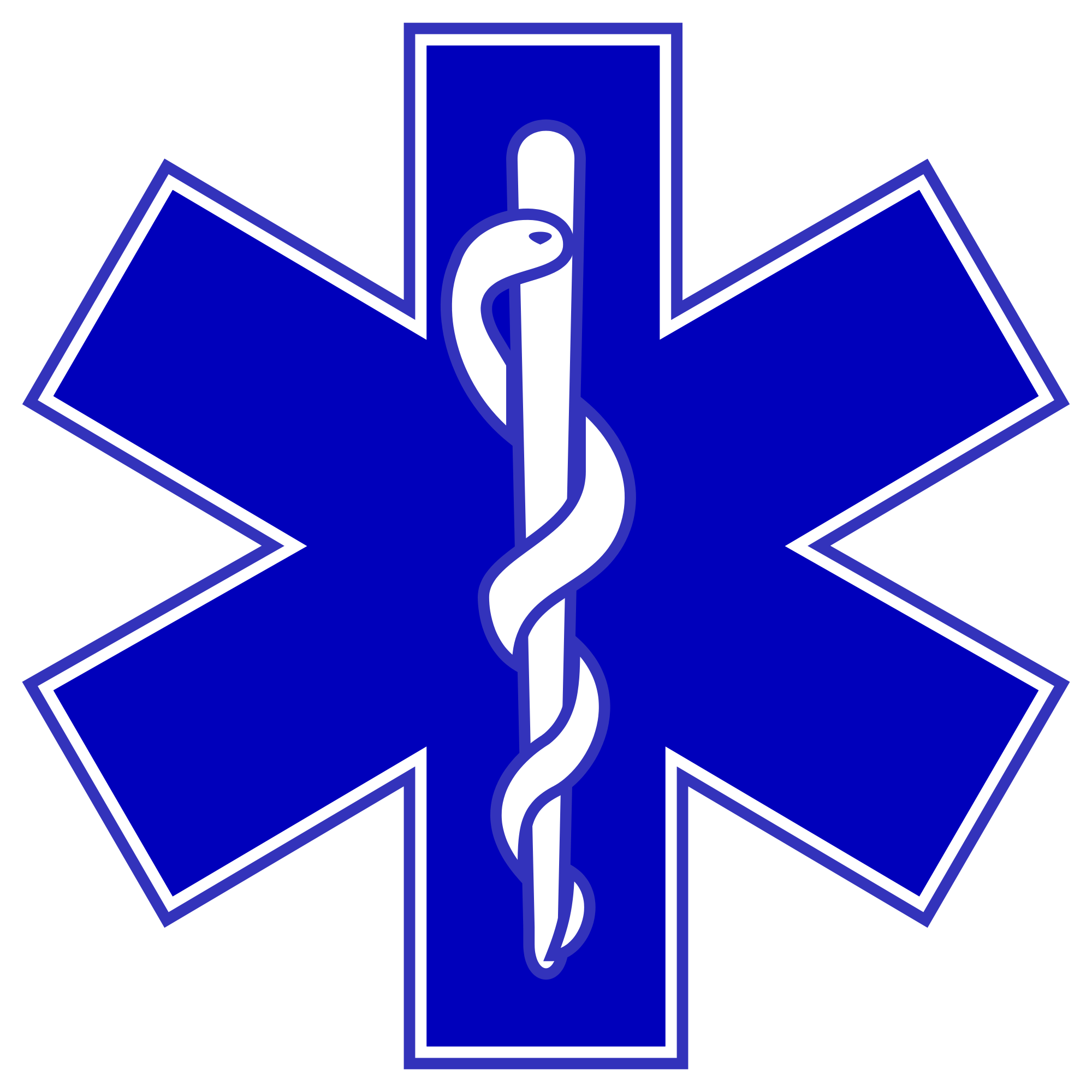
Star of life

A medic is a person trained to provide medical care, encompassing a wide range of individuals involved in the diagnosis, treatment, and management of health conditions. The term can refer to fully qualified medical practitioners, such as physicians,[1] as well as individuals in training, such as medical students.[2] It also includes emergency medical responders, such as paramedics and combat medics,[3] who provide urgent care in pre-hospital or battlefield settings.

Types

[edit]

The following individuals and positions are considered medics in many jurisdictions:

  • Emergency physician[4][5] – A medical doctor (MD or DO) who has undergone specialized postgraduate training in emergency medicine. These professionals work in emergency departments worldwide, providing rapid diagnosis and treatment of acute illnesses and injuries.
  • Physician[6] – Physicians, especially those involved in hospitals or urgent care, are often considered medics. In countries such as the United Kingdom, the term "medic" is often used to describe physicians who follow a non-surgical medical specialty, such as cardiology or endocrinology. These specialties are typically accredited by professional bodies like the Royal College of Physicians.
  • Combat medic[7][8] – A military role found in many nations, referring to trained personnel who provide frontline trauma care to injured soldiers during armed conflict. The title and specific responsibilities vary by country.
  • Paramedic[9] – A civilian emergency medical responder trained to provide advanced pre-hospital care. The role of paramedics is recognized globally, although the level of training and scope of practice may vary by country or region.
  • Medical student[10] – In both civilian and military contexts, individuals studying medicine are sometimes informally referred to as medics, particularly in countries such as the UK and Ireland.
  • Search and rescue medic[11] – In some countries, specialized medics operate in mountain rescue, wilderness rescue, or disaster response teams, trained to provide care in austere or remote environments.

See also

[edit]

References

[edit]
Revisions and contributorsEdit on WikipediaRead on Wikipedia
from Grokipedia
{{About|the medical profession|the American TV series|Medic (TV series)}} A '''medic''' is a healthcare professional or trained to provide treatment and care, often in , , or field settings. The term encompasses a broad range of roles, including combat medics, paramedics, emergency medical technicians (EMTs), and other non-physician providers who deliver , stabilize patients, and assist in and management of health conditions. Medics are distinguished from physicians and surgeons by their typically shorter training periods and focus on immediate, life-saving interventions rather than long-term or specialized , though scopes vary by and context. They play critical roles in operations, civilian emergency services, , and , often operating under protocols from organizations like the or national health authorities. The profession has evolved from ancient healers to modern certified specialists, emphasizing rapid response and preventive care.

Definition and Overview

Core Definition

A medic is an individual trained to provide urgent or emergency medical treatment, often in non-hospital settings such as accident scenes or battlefields, encompassing , trauma stabilization, and basic diagnostics. Usage of the term varies by region; for instance, in , it often refers to a medical student or doctor. This role focuses on immediate intervention to preserve life and prevent further injury until advanced care is available, distinguishing medics from physicians who typically operate in clinical environments. Key characteristics of medics include an emphasis on rapid response to crises, the portability of their skills for deployment in diverse locations, and the ability to operate under resource constraints, such as limited equipment or high-stress conditions. They perform essential tasks like administering intravenous fluids, providing wound care, and conducting (CPR), but generally do not perform specialized surgical functions, which are reserved for surgeons. These attributes enable medics to serve as frontline responders in battles or accidents, bridging the critical gap to more comprehensive medical facilities. The term "medic" derives from the Latin medicus, meaning "physician" or "healer," originating in the as a reference to medical practitioners or students. Its modern usage, emphasizing field-based emergency care, evolved in the , particularly with the formalization of military medical roles during and II. In contemporary contexts, the term encompasses both combat medics and civilian emergency personnel like paramedics. Medics, encompassing roles such as paramedics and emergency medical technicians, differ from physicians in their primary emphasis on pre-hospital stabilization and immediate emergency response rather than comprehensive and ongoing treatment . Physicians hold advanced for diagnostic testing, surgical procedures, and prescribing broad therapeutic regimens, while medics adhere to standardized protocols for urgent interventions like hemorrhage control and . Unlike registered nurses, who often operate within settings with a wider array of and monitoring duties, medics typically exercise greater in uncontrolled field environments during crises, making rapid decisions without direct . In certain emergency contexts, the role of a medic may overlap with that of physician assistants or nurse practitioners, who can extend pre-hospital care through delegated medical direction. The legal for medics is generally restricted to life-saving measures, including , , and administration of select medications via standing orders or protocols, but does not extend to prescribing long-term pharmaceuticals or independent diagnostic ordering. This delineation ensures medics focus on bridging the gap to higher-level care, with variations by ; for instance, , state laws prohibit medics from initiating non-emergency treatments. A defining feature of medics is their mobility, allowing deployment to diverse scenes via or other transport, coupled with strong skills honed for high-stress coordination with and bystanders. They are uniquely trained for adaptability in austere environments, where limited equipment and unpredictable conditions demand quick resourcefulness and resilience.

Historical Development

Origins in Ancient and Medieval Times

The roots of medic-like roles trace back to ancient civilizations, where healers addressed injuries often sustained in warfare or daily life. In around 3000 BCE, figures such as , revered as the earliest known physician and later deified, provided advanced wound care, including the use of sutures to close injuries, honey as an , and raw meat to staunch bleeding. The , dating to approximately 1600 BCE, documents 62 cases of trauma, such as head and neck wounds likely from battlefield contexts, emphasizing immobilization and precise wound closure techniques. In and , military medicine evolved with dedicated practitioners known as iatroi, who treated soldiers' injuries in organized systems. Greek physicians like (c. 460–377 BCE) advocated irrigating wounds with wine and water, applying herbal salves, and allowing suppuration as a process, while his successor (c. 130–200 CE) refined these methods for Roman legions, classifying as "laudable" and promoting amputations for gangrenous limbs below the affected area to preserve tissue. Roman armies integrated medici and iatroi into their structure, with roles like medicus legionis focusing on war wounds and camp diseases, supported by valetudinaria (military hospitals) that facilitated basic evacuation and care without formal training hierarchies. During the medieval period, particularly the (11th–13th centuries), knightly orders like the Hospitallers advanced field through organized hospitals that offered and basic surgery. The Knights Hospitaller, originating as a group caring for pilgrims in around 1099, operated facilities staffed by at least five physicians and three surgeons each, treating over 2,000 patients annually by 1150 with methods including wound cleaning and herbal poultices. Concurrently, in the , scholars such as (c. 936–1013 CE) contributed influential texts on practical , including the use of animal gut for sutures and splints for immobilizing fractures, which informed battlefield treatments across regions. Early medics in these eras relied heavily on herbal remedies for pain and infection, rudimentary via cautery or saws, and evacuation by or comrade assistance, all conducted without standardized training. These practices remained largely informal until the , when the widespread adoption of weapons in introduced more severe, complex traumas like gunshot wounds, necessitating greater organization in military healing to address burns, fragmentation, and infection risks.

Evolution in the Modern Era

The professionalization of medics accelerated in the amid major conflicts that highlighted the need for organized battlefield care. During the (1799–1815), French surgeon developed the "flying " system, consisting of light, horse-drawn wagons equipped with medical supplies and personnel to rapidly evacuate and treat wounded soldiers directly from the front lines, marking a shift from ad-hoc aid to systematic response. This innovation reduced delays in treatment and influenced subsequent military medical doctrines. In the (1861–1865), the Union Army formalized the role of trained stretcher-bearers under Medical Director Jonathan Letterman, who organized dedicated ambulance corps to transport casualties efficiently, integrating basic first aid training and establishing protocols that minimized further injury during evacuation. The 20th century brought further milestones through global wars, embedding medics as essential combat roles. (1914–1918) saw advancements in by the U.S. Medical Department, which provided immediate care under trench conditions through medical officers and litter bearers, including the use of early gas masks to protect against chemical attacks and the implementation of to prioritize severe cases amid overwhelming casualties. These efforts laid the groundwork for forward medical echelons. During (1939–1945), U.S. medics achieved rates exceeding 97% for wounded soldiers who reached stations, largely due to widespread use of penicillin for control and dried plasma for hemorrhage treatment, enabling rapid stabilization in mobile units close to the front. Post-war conflicts refined evacuation tactics and extended medic roles into civilian spheres. The (1955–1975) pioneered helicopter-based medical evacuations, known as "Dustoff" operations, where medics aboard UH-1 Huey helicopters performed en-route care, drastically reducing transport times and mortality from shock and bleeding in remote jungle environments. In 1986, the U.S. (NHTSA) released the EMT-Paramedic National Standard Curriculum, standardizing advanced prehospital training for civilian emergency medics with skills in , bridging military innovations to public . As of 2025, modern medics increasingly integrate digital technologies, particularly in ongoing conflicts like the Russia-Ukraine war (2022–present), where AI-powered wearable devices in field kits enable real-time vital sign monitoring and diagnostic , while telemedicine platforms facilitate remote consultations to optimize evacuations and treatment amid resource constraints. These advancements, tested in Ukraine's , enhance accuracy in injury assessment and , continuing the evolution toward technology-augmented care.

Types of Medics

Military and Combat Medics

and medics are specialized personnel within armed forces who deliver immediate emergency medical care in high-risk environments, often under direct enemy fire. Their primary roles include applying tourniquets to control severe limb hemorrhage, stabilizing casualties through basic life-saving interventions, and facilitating rapid evacuation to higher levels of care. In the U.S. Army, for example, Specialists are trained to provide point-of-wounding treatment, limited , and health protection while operating as part of combat units. Historically, military medics have adapted to wartime demands with innovative tools and protocols. During , U.S. Army medics carried syrettes—compact, single-use injectors containing 27-32 mg of sulfate—for rapid pain relief and shock management in wounded soldiers, included in standard first-aid kits to enable self-administration or quick field application. In modern conflicts, medics follow (TCCC) protocols, developed in 1996 by U.S. forces and now adopted as a Department of Defense standard, which emphasize hemorrhage control, airway management, and casualty movement in tactical settings. Combat medics face unique challenges, including operating in active combat zones where they must balance medical duties with personal survival. Under the of 1949, medical personnel are granted status, entitling them to respect and protection from attack provided they refrain from hostile acts and visibly identify themselves with the Red Cross or equivalent emblem; however, violations remain common in . Historically, their casualty rates have been disproportionately high due to exposure on the front lines—for instance, during , some U.S. medical units reported nearly 100% casualties among company aid men in intense combat, underscoring the inherent dangers of the role. Global variations in military medic practices reflect differing doctrines and operational needs. allies adhere to standardized medical support frameworks outlined in Allied Joint Medical Doctrine (AJMedP-8), which promote through common procedures for casualty care, evacuation, and treatment in multinational operations. In contrast, Russian special forces medics receive training that integrates emergency medical skills with extreme physical endurance exercises to ensure sustained performance in prolonged, austere missions.

Civilian Emergency Medics

Civilian emergency medics, primarily emergency medical technicians (EMTs) and , provide prehospital care in non-combat settings, responding to urgent medical needs such as cardiac arrests, traffic accidents, and drug overdoses. These professionals assess patients at the scene, administer life-saving interventions like automated external for cardiac events or for overdoses, stabilize injuries from accidents, and transport individuals to hospitals via ground or air ambulances. In the United States, the National Registry of Emergency Medical Technicians (NREMT) certifies EMTs at levels including Basic (EMT-B), Advanced (AEMT), and , with paramedics equipped to deliver (ALS) procedures such as and intravenous medication administration. These medics operate in diverse environments, including urban 911 response teams that handle high-volume calls in densely populated areas and rural air ambulance services that cover vast, sparsely populated regions. In developed nations, average EMS response times are about 7 minutes in urban and suburban settings, though rural areas often face delays over 14 minutes due to geographic challenges. For instance, U.S. urban systems typically achieve arrival within 7 minutes from dispatch, contrasting with longer rural intervals that necessitate air medical transport for timely care. In 2024, U.S. EMS agencies, staffed largely by paramedics and EMTs, responded to approximately 60 million EMS activations nationwide, with a significant portion involving interventions like to improve survival rates in out-of-hospital cardiac arrests. These responses underscore the scale of civilian EMS operations, where medics prioritize scene safety, rapid assessment, and en-route treatment to bridge the gap between emergency onset and definitive care. Civilian emergency medics face substantial challenges, including high burnout rates—studies report that around 50% of EMS professionals experience burnout symptoms, often leading to attrition within five years of service due to from frequent high-stress encounters. Additionally, resource disparities between urban and rural areas exacerbate operational strains; urban services benefit from higher funding and staffing, with greater revenue per call, while rural EMS agencies struggle with underfunding, volunteer shortages, and limited equipment, resulting in uneven access to advanced care across regions.

Specialized and Support Medics

Specialized medics extend into niche environments, adapting standard protocols to unique challenges such as isolation, extreme conditions, or specific occupational risks. These roles emphasize preventive care, prolonged monitoring, and coordination with specialized teams, often requiring interdisciplinary knowledge beyond typical urban or scenarios. Flight medics, stationed on helicopters, deliver advanced pre-hospital interventions during aeromedical evacuations, including administration, , and communication with receiving facilities to stabilize critically ill en route. EMTs address hiking-related injuries like sprains, fractures, or environmental exposures in remote settings, where they improvise with limited resources and prioritize delayed evacuations over immediate transport. Industrial medics on manage occupational health threats, such as chemical exposures, hyperbaric diving injuries, and infectious diseases, by conducting routine screenings and responding to emergencies in offshore isolation. In , athletic trainers serving as medics, such as those in the , focus on management through standardized protocols that mandate symptom assessment, cognitive , and a progressive five-phase return-to-participation process before clearing athletes for full activity. medics in clinical trials oversee monitoring, identifying and documenting potential treatment-related harms through systematic patient surveillance and mandatory reporting to oversight bodies like the FDA. These positions demand tailored training, including certifications like the Wilderness First Responder (WFR), an intensive 80-hour program that equips practitioners with skills for extended care in austere environments, such as improvised splinting and environmental hazard mitigation. Emerging specialized roles include aerospace medicine specialists supporting NASA's , who address microgravity-induced injuries like musculoskeletal deconditioning and fluid shifts, with protocols developed since the program's announcement in 2017 and detailed roadmaps from 2019 to mitigate risks during lunar missions.

Training and Qualifications

Educational Requirements

To become a medic, individuals typically pursue entry-level pathways starting with a or equivalent, which serves as the foundational prerequisite for basic (EMT) training programs lasting 120 to 150 hours. For advanced roles like , candidates often complete an program encompassing 1,200 to 1,800 hours of instruction, building on initial EMT certification. These pathways emphasize progressive skill development, with basic EMT focusing on immediate response capabilities and training incorporating more complex interventions. Prerequisites for entry into medic training programs generally include current certification in cardiopulmonary resuscitation (CPR) at the basic life support (BLS) provider level, a clean criminal background check to ensure suitability for patient care roles, and a minimum age of 18 years in the United States, though some states permit training to begin at 17 with certification deferred until 18. These requirements help maintain public safety and professional standards across civilian and military contexts. The core curriculum for medic education covers essential subjects such as human anatomy and , basic , and systematic assessment techniques to evaluate injuries and illnesses effectively. integrates didactic lectures with practical components, including high-fidelity simulations to replicate scenarios and clinical rotations in or settings for real-world application. This blended approach ensures learners develop both theoretical knowledge and hands-on proficiency in a controlled progression. In the United States, basic EMT programs typically span 3 to 6 months depending on full- or part-time enrollment, aligning with the National Highway Traffic Safety Administration's standardized curriculum. Military medic , such as the U.S. Army's Specialist course at , condenses foundational skills into a rigorous 16-week program that combines classroom instruction with field exercises. These durations reflect the need to balance comprehensive preparation with the urgency of deploying medics in high-stakes environments.

Certification and Ongoing Training

In the United States, the National Registry of Emergency Medical Technicians (NREMT) serves as the primary certification body for emergency medical technicians (EMTs), advanced EMTs (AEMTs), and paramedics, ensuring standardized competency across levels. Initial certification requires completion of an approved followed by passing the NREMT cognitive examination, a computer-adaptive test assessing knowledge in areas such as , , and trauma. For EMT candidates, a psychomotor skills examination remains required to demonstrate hands-on proficiency in procedures like patient assessment and bleeding control, while AEMT and paramedic levels transitioned to cognitive-only certification starting July 1, 2024, with skills verified through program completion. Recertification occurs every two years to maintain national certification, mandating 40 hours of for EMTs (divided into 20 national core competencies, 10 local/state requirements, and 10 individual electives), along with skills verification by a training officer. AEMTs require 50 hours, and paramedics 60 hours, focusing on updates in emergency protocols and clinical judgment. These hours must come from accredited providers, such as the Commission on Accreditation for Pre-Hospital Continuing Education (CAPCE), and exclude non-EMS topics. Ongoing training emphasizes practical proficiency and adaptation to evolving threats, including annual drills and trauma case recaps conducted by EMS agencies to review real-world incidents and refine response strategies. For military medics, (TCCC) guidelines require recertification every three years for deploying personnel, with additional refreshers at the discretion of the Services, incorporating skills tables and scenario-based training to sustain combat readiness, as outlined in Department of Defense Instruction 1322.24. Globally, the (WHO) provides guidelines through the Basic Emergency Care (BEC) course, tailored for low-resource settings to train first-contact providers in essential assessments and interventions without formal certification infrastructure. The 2023 updates to BEC integrated pandemic response elements, such as infection control and triage adaptations from experiences, emphasizing scalable training for resource-limited environments to improve outcomes in acute illnesses.

Roles and Responsibilities

Roles and responsibilities of medics vary by type and setting, with the following emphasizing those in civilian emergency contexts such as emergency medical technicians (EMTs) and paramedics.

Primary Duties in Acute Care

In acute care settings, medics, particularly emergency medical technicians (EMTs) and paramedics, prioritize rapid triage and patient assessment to identify and address life-threatening conditions. The ABCDE approach serves as a foundational framework for this process, systematically evaluating Airway, Breathing, Circulation, Disability, and Exposure to ensure immediate threats are managed in order of severity. For instance, airway assessment involves checking for obstructions or inadequate ventilation, while circulation evaluation focuses on detecting hypovolemia through signs like prolonged capillary refill time greater than 2 seconds or cool peripheries. Key interventions during acute crises include and hemorrhage control, tailored to the patient's condition and the medic's . Paramedics may perform advanced airway techniques, such as endotracheal or supraglottic device insertion, to secure a patent airway in cases of obstruction or , always prioritizing basic maneuvers like jaw thrust or suctioning first. For hemorrhage, medics apply direct pressure to wounds, deploy tourniquets on extremities for uncontrolled , or use hemostatic agents like impregnated with clotting promoters to achieve rapid , following protocols that emphasize treating massive hemorrhage before other steps in trauma scenarios. These actions aim to stabilize the patient en route to definitive care, with specialized equipment such as tourniquets referenced briefly as essential tools. Documentation forms a critical component of acute care duties, enabling seamless handoff to hospital teams. Medics complete patient care reports (PCRs), which detail demographics, assessments, interventions, and response to treatment, serving as a legal and for continuity of care. , including , pulse, respirations, and , are monitored and recorded frequently—typically every 5 to 15 minutes during transport for unstable patients—to track trends and guide ongoing interventions. A representative example of these duties in action is stabilizing in trauma patients, where medics initiate fluid after securing vascular access, administering 250 mL boluses of crystalloid solution titrated to restore without delaying . This intervention, combined with hemorrhage control, helps maintain organ and reduces mortality risk by addressing volume loss promptly.

Support and Preventive Roles

Medics play a vital role in preventive health initiatives by conducting education programs, such as teaching (CPR) to community members, which equips civilians with essential lifesaving skills to improve survival rates during cardiac arrests. In disaster zones, medics administer vaccinations to prevent disease outbreaks among vulnerable populations, as demonstrated in models for and emergency response where paramedics efficiently deliver immunizations in high-need settings. Community programs, emerging prominently since the , exemplify medics' preventive contributions by providing non-emergent care like chronic disease monitoring and during home visits, resulting in reductions of up to 20% in non-emergent 911 transports and emergency department visits. These initiatives focus on bridging gaps in access, particularly in rural areas, to lower hospital readmissions and enhance overall outcomes. Beyond prevention, medics fulfill support duties by participating in mass casualty drills, where they simulate and coordination to refine emergency response protocols and build inter-agency collaboration. They also provide to veterans, applying evidence-informed techniques to address (PTSD) symptoms in the immediate aftermath of crises, thereby supporting . Furthermore, medics aid by collecting real-time data during field responses, which enables for trends like injury patterns and potential outbreaks, informing broader disease prevention strategies. A key example of medics' supportive role is their involvement in FEMA's Community Emergency Response Teams (CERT), a national program launched in that trains civilians in basic disaster skills, including light , under medic-led instruction to bolster community preparedness.

Equipment and Techniques

Essential Tools and Gear

Medics, whether in military or civilian contexts, rely on a core set of portable tools for immediate assessment and stabilization in the field. The basic kit typically includes a stethoscope for auscultation, a blood pressure cuff for vital sign monitoring, trauma shears for cutting clothing and bandages, tourniquets for hemorrhage control, and oxygen masks or delivery systems for respiratory support. For combat medics, this kit is often consolidated into an aid bag with a total medical load weighing 25-50 pounds, balancing mobility with essential supplies to address battlefield injuries. Advanced equipment expands capabilities for life-threatening conditions, incorporating automated external defibrillators (AEDs) for response, intravenous (IV) for fluid resuscitation, and epinephrine auto-injectors for treatment. As of 2025, portable ultrasound devices are increasingly adopted in medic , enabling rapid imaging of internal injuries without bulky machinery, particularly in settings where they guide procedures like needle decompression. Vehicle-based gear enhances transport and en route care, with ambulances equipped with adjustable for immobilization and multi-parameter monitors for continuous vital tracking. In operations, fighting vehicles (IFVs) such as the Bradley Armored Medical Treatment Vehicle () feature integrated medical bays stocked with defibrillators, ventilators, and storage for IV supplies to facilitate under fire. To ensure reliability, medics follow strict protocols, including sterilization of reusable items via autoclaving or chemical disinfectants after each use and comprehensive checks at the start of every shift to verify stock levels and expiration dates. These practices, often documented via standardized checklists, prevent and equipment failure during critical interventions.

Key Medical Procedures

Medics employ standardized procedures to deliver rapid, life-saving interventions in high-stress environments, prioritizing airway, breathing, circulation, and rapid to maximize patient outcomes. One foundational technique is the (START) system, developed in 1983 by the Newport Beach Fire Department and Hoag Hospital staff for mass casualty incidents, which categorizes patients into immediate, delayed, minimal, and expectant groups based on quick assessments of respiration, , and mental status. The START process begins by directing patients to a collection point, then evaluating non-ambulatory individuals: assess respirations (if over 30 per minute or absent, tag as immediate or expectant); check radial pulse (absent tags immediate); evaluate mental status via simple commands (failure to follow tags immediate); and apply to remaining patients as delayed or minimal. For tension pneumothorax, a common battlefield and trauma injury causing respiratory distress and circulatory collapse, medics perform needle decompression as an emergent intervention to relieve intrathoracic pressure. The procedure involves selecting the second intercostal space at the mid-clavicular line or the fifth intercostal space at the anterior axillary line on the affected side, inserting a 14- to 16-gauge needle over a syringe through the skin and intercostal muscles until air is aspirated, confirming decompression with a hiss of escaping air and improved vital signs. This technique, recommended in Tactical Combat Casualty Care (TCCC) guidelines, is followed by chest tube insertion when possible to prevent reaccumulation. Cardiopulmonary resuscitation (CPR) follows evidence-based ratios to restore circulation and oxygenation during , with medics delivering 30 chest compressions to 2 ventilations at a rate of 100-120 compressions per minute and depth of at least 5 cm in adults. Compressions are performed with the heel of one hand on the lower half of the , arms extended, allowing full chest recoil between cycles, while ventilations avoid excessive volume to prevent gastric . Historically, medics used (MAST), also known as pneumatic anti-shock garments, to stabilize by inflating compartments around the lower body to redistribute upward, increasing central perfusion pressure. Introduced in the and widely applied in prehospital settings, the procedure entailed wrapping the device below the ribcage, inflating to 100-120 mmHg based on systolic pressure, and monitoring for complications like ; however, due to limited evidence of long-term benefits and risks of over-compression, MAST suits were phased out from standard protocols after 2000 in favor of fluid and hemorrhage control. Procedures are adapted for vulnerable populations, such as , where the provides length-based estimates of weight to guide medication dosing, equipment sizes, and energies without time-consuming calculations, dividing children into color-coded zones for rapid reference during . In end-of-life scenarios, medics incorporate cultural sensitivities by respecting family involvement in decisions, avoiding direct discussions of death in cultures where it is , and aligning interventions with values to maintain dignity. The implementation of TCCC protocols since 2002 has significantly enhanced outcomes in combat settings, with studies showing substantial increases in survival rates for critically injured casualties. Overall, these techniques emphasize efficiency, with tools like tourniquets supporting procedural execution as detailed in equipment guidelines.

Global and Cultural Variations

Differences by Region

Medic practices vary significantly across regions due to differences in infrastructure, training scopes, and policy frameworks. In the United States, paramedics typically have a broader scope of practice, including advanced procedures such as endotracheal intubation, which is authorized in most states as part of emergency airway management. In contrast, the United Kingdom distinguishes between ambulance technicians, who handle basic life support without advanced interventions like intubation, and fully qualified paramedics, whose scope is more limited and focused on supraglottic airway devices amid ongoing debates about routine intubation efficacy. Emergency response systems also differ, with the U.S. relying on the 911 number for unified access to police, fire, and medical services, while the European Union standardizes 112 as a single emergency number accessible across member states for coordinated response. In developing regions like , formal medic services are often limited by resource constraints, leading community health workers (CHWs) to fill critical gaps in emergency care. The World Health Organization's 2025 initiatives, building on 2024 pilots, emphasize integrated training for CHWs, incorporating outbreak detection, risk communication, and basic emergency response to strengthen primary health systems in these areas. Response times in rural frequently exceed two hours due to vast distances, poor road , and limited ambulance fleets, contrasting sharply with urban averages around 24 minutes where services exist. In the region, adaptations to geography and population density shape medic roles uniquely. Australia's , established in 1928, delivers emergency medical transport and to remote communities via aircraft, covering over 7 million square kilometers and responding to urgent cases where ground access is impossible. In , Accredited Social Health Activists () workers, introduced in 2005 under the National Rural Health Mission, manage basic emergencies at the community level, including first-aid for injuries, referral coordination, and distribution of essential supplies like oral rehydration solutions during outbreaks. These regional disparities are exacerbated by a global shortage of health workers, projected by the at 11 million by 2030 (as of 2025), predominantly in low- and middle-income countries, which hampers medic deployment and equitable emergency care worldwide. Medics often face profound ethical dilemmas balancing their duty to provide care with personal safety, particularly in high-risk environments such as zones or areas. The professional obligation to treat, rooted in adaptations of the emphasizing beneficence and non-maleficence, compels medics to intervene despite potential threats to their own well-being, yet this can conflict with self-preservation instincts when facing imminent danger like active gunfire or unstable structures. For unconscious patients, obtaining poses another challenge; in emergencies, medics rely on or presumptive authority to act in the patient's best interest, aligning with ethical principles that prioritize immediate life-saving interventions over full disclosure when time is critical. Legal frameworks worldwide aim to mitigate risks for medics acting in good faith, with Good Samaritan laws providing immunity from civil liability for volunteers rendering emergency aid, though protections vary by state—such as differing requirements for training or the scope of covered acts, with all 50 states offering some form but excluding . For errors, medics may face liability under standards if their actions deviate from the accepted professional care level, evaluated through the "": duty, dereliction, direct causation, and damages, which hold providers accountable only for preventable harm rather than unavoidable outcomes in chaotic settings. Significant events highlight these tensions; during the , medics debated resource allocation in , prioritizing patients based on survival likelihood amid scarce supplies, raising ethical questions about equity and utilitarian choices in overwhelming crises. By 2025, updates to interpretations of the addressed protections for medics in drone-dominated conflicts, urging reevaluation of protocols to safeguard status amid blurred lines from unmanned aerial systems in warfare. Cultural factors further complicate medic practice, with roles in conservative regions often limiting female medics' deployment to certain areas due to societal norms restricting women's mobility or interactions in male-dominated conflict zones. End-of-life decisions also vary by ; for instance, Islamic traditions may emphasize preserving life through aggressive interventions, while some Christian denominations permit withdrawal of treatment if it aligns with natural , influencing medics' approaches to withholding care in religiously diverse settings.

References

Add your contribution
Related Hubs
Contribute something
User Avatar
No comments yet.