
Recent from talks
Minthe
Knowledge base stats:
Talk channels stats:
Members stats:
Minthe
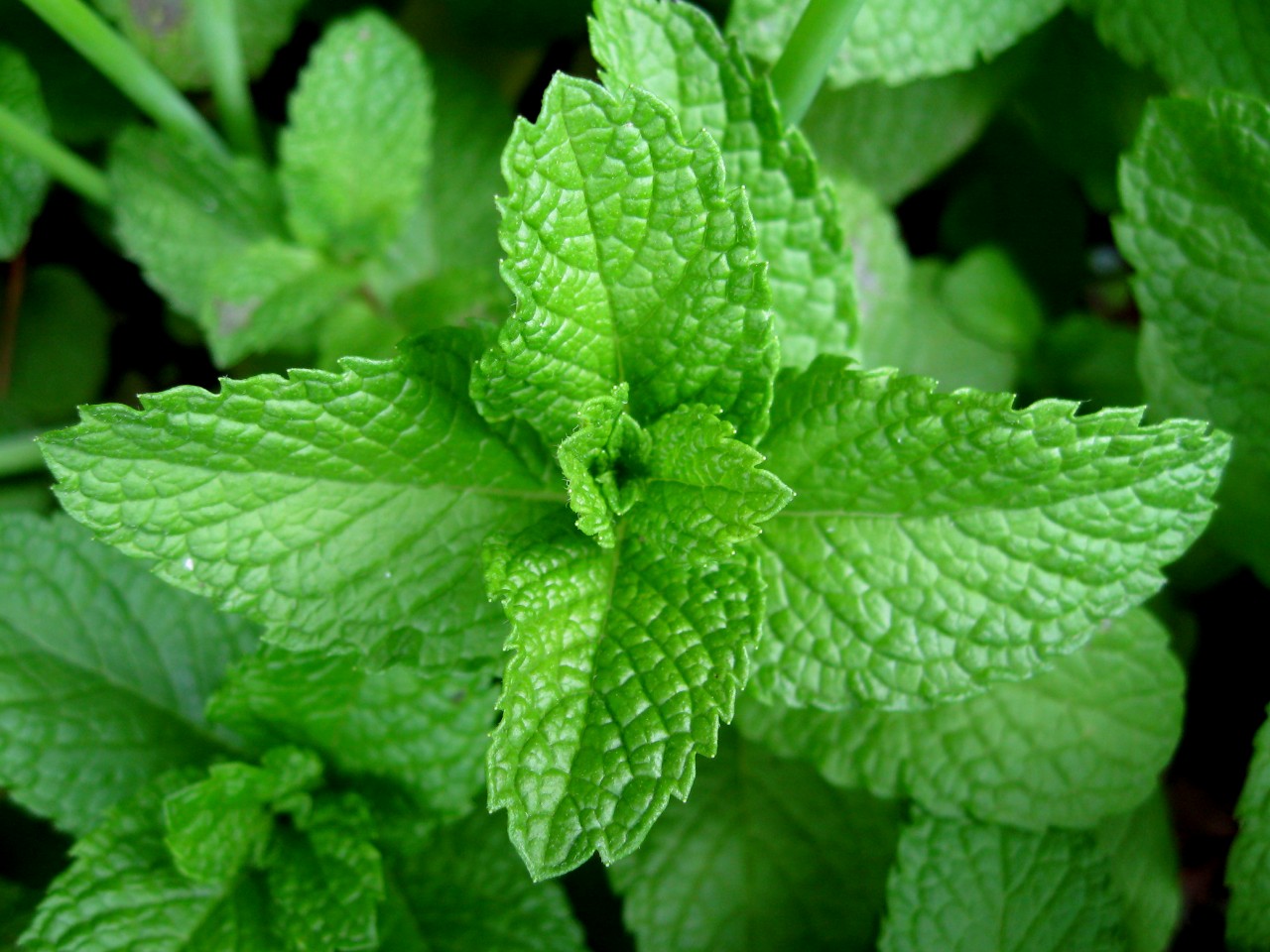
In ancient Greek religion and Greek mythology, Minthe or Mintha (Ancient Greek: Μίνθη, romanized: Mínthē, lit. 'mint') is an underworld naiad associated with the river Cocytus. She was beloved by and mistress to Hades, the king of the underworld, but she was transformed into a mint plant by either his wife Persephone or her mother Demeter. The plant was also called by some as hedyosmos (Ancient Greek: ἡδύοσμος), which means "sweet-smelling".
The ancient Greek noun μίνθη or μίνθα translates to 'mint'. According to Robert Beekes, it is of undoubtedly pre-Greek origin due to the variant ending in "-ᾰ". The -nth-/-nthos- element in menthe has been described as a characteristic of a class of words borrowed from a Pre-Greek language: compare akanthos, Zakynthos, labyrinthos, Korinthos, and hyakinthos. The word has been also found in a Bronze Age tablet, spelled in Linear B as 𐀖𐀲 (mi-ta).
The naiad Minthe, daughter of the infernal river-god Cocytus, became concubine to Hades, the lord of the Underworld and god of the dead. In jealousy, his wife Persephone intervened and metamorphosed Minthe, in the words of Strabo's account, "into the garden mint, which some call hedyosmos (lit. 'sweet-smelling')". A mountain near Pylos was named after Minthe, where one of the few temples of Hades in Greece was situated:
Near Pylus, towards the east, is a mountain named after Minthe, who, according to myth, became the concubine of Hades, was trampled under foot by Core, and was transformed into garden-mint, the plant which some call Hedyosmos. Furthermore, near the mountain is a precinct sacred to Hades
Similarly to that, a scholiast on Nicander wrote that Minthe became Hades' mistress; for this Persephone tore her into pieces, but Hades turned his dead lover into the fragrant plant that bore her name in her memory. Ovid also briefly mentions Minthe and her transformation at the hands of Persephone in his Metamorphoses, but neglects to mention the story behind it.
According to Oppian, Minthe had been Hades' mistress before he had abducted and married Persephone, but he set her aside once he carried off and married his queen. Afterwards, she would boast that she surpassed Persephone in beauty and that Hades would soon return to her and banish Persephone from the subterranean halls. In anger over the nymph's insolence, Persephone's mother Demeter trampled her in anger, obliterating Minthe, and thus from the earth sprang the mint herb.
Bell notes that Demeter went through too much pain following Persephone's abduction and partial return to tolerate any adulterous behaviour against her daughter. Oppian writing that she was trampled to death is perhaps an allusion to the verb μινύθω, minytho, meaning "to reduce". Orpheus wrote that Demeter, seeing the mint sad, hated it, and made it barren.
According to Julius Pollux's Onomasticon, Minthe was mentioned by the poet Cratinus, an Athenian playwright of the Old Comedy, in his lost play Nomoi ("Laws").
Hub AI
Minthe AI simulator
(@Minthe_simulator)
Minthe
In ancient Greek religion and Greek mythology, Minthe or Mintha (Ancient Greek: Μίνθη, romanized: Mínthē, lit. 'mint') is an underworld naiad associated with the river Cocytus. She was beloved by and mistress to Hades, the king of the underworld, but she was transformed into a mint plant by either his wife Persephone or her mother Demeter. The plant was also called by some as hedyosmos (Ancient Greek: ἡδύοσμος), which means "sweet-smelling".
The ancient Greek noun μίνθη or μίνθα translates to 'mint'. According to Robert Beekes, it is of undoubtedly pre-Greek origin due to the variant ending in "-ᾰ". The -nth-/-nthos- element in menthe has been described as a characteristic of a class of words borrowed from a Pre-Greek language: compare akanthos, Zakynthos, labyrinthos, Korinthos, and hyakinthos. The word has been also found in a Bronze Age tablet, spelled in Linear B as 𐀖𐀲 (mi-ta).
The naiad Minthe, daughter of the infernal river-god Cocytus, became concubine to Hades, the lord of the Underworld and god of the dead. In jealousy, his wife Persephone intervened and metamorphosed Minthe, in the words of Strabo's account, "into the garden mint, which some call hedyosmos (lit. 'sweet-smelling')". A mountain near Pylos was named after Minthe, where one of the few temples of Hades in Greece was situated:
Near Pylus, towards the east, is a mountain named after Minthe, who, according to myth, became the concubine of Hades, was trampled under foot by Core, and was transformed into garden-mint, the plant which some call Hedyosmos. Furthermore, near the mountain is a precinct sacred to Hades
Similarly to that, a scholiast on Nicander wrote that Minthe became Hades' mistress; for this Persephone tore her into pieces, but Hades turned his dead lover into the fragrant plant that bore her name in her memory. Ovid also briefly mentions Minthe and her transformation at the hands of Persephone in his Metamorphoses, but neglects to mention the story behind it.
According to Oppian, Minthe had been Hades' mistress before he had abducted and married Persephone, but he set her aside once he carried off and married his queen. Afterwards, she would boast that she surpassed Persephone in beauty and that Hades would soon return to her and banish Persephone from the subterranean halls. In anger over the nymph's insolence, Persephone's mother Demeter trampled her in anger, obliterating Minthe, and thus from the earth sprang the mint herb.
Bell notes that Demeter went through too much pain following Persephone's abduction and partial return to tolerate any adulterous behaviour against her daughter. Oppian writing that she was trampled to death is perhaps an allusion to the verb μινύθω, minytho, meaning "to reduce". Orpheus wrote that Demeter, seeing the mint sad, hated it, and made it barren.
According to Julius Pollux's Onomasticon, Minthe was mentioned by the poet Cratinus, an Athenian playwright of the Old Comedy, in his lost play Nomoi ("Laws").
Recent media