
Recent from talks
Neo-Grec
Knowledge base stats:
Talk channels stats:
Members stats:
Neo-Grec
Néo-Grec was a Neoclassical Revival style of the mid-to-late 19th century that was popularized in architecture, the decorative arts, and in painting during France's Second Empire, the reign of Napoleon III (1852–1870). The Néo-Grec vogue took as its starting point the earlier expressions of the Neoclassical style inspired by 18th-century excavations at Pompeii, which resumed in earnest in 1848, and similar excavations at Herculaneum. The style mixed elements of the Graeco-Roman, Pompeian, Adam and Egyptian Revival styles into "a richly eclectic polychrome mélange." "The style enjoyed a vogue in the United States, and had a short-lived impact on interior design in England and elsewhere."
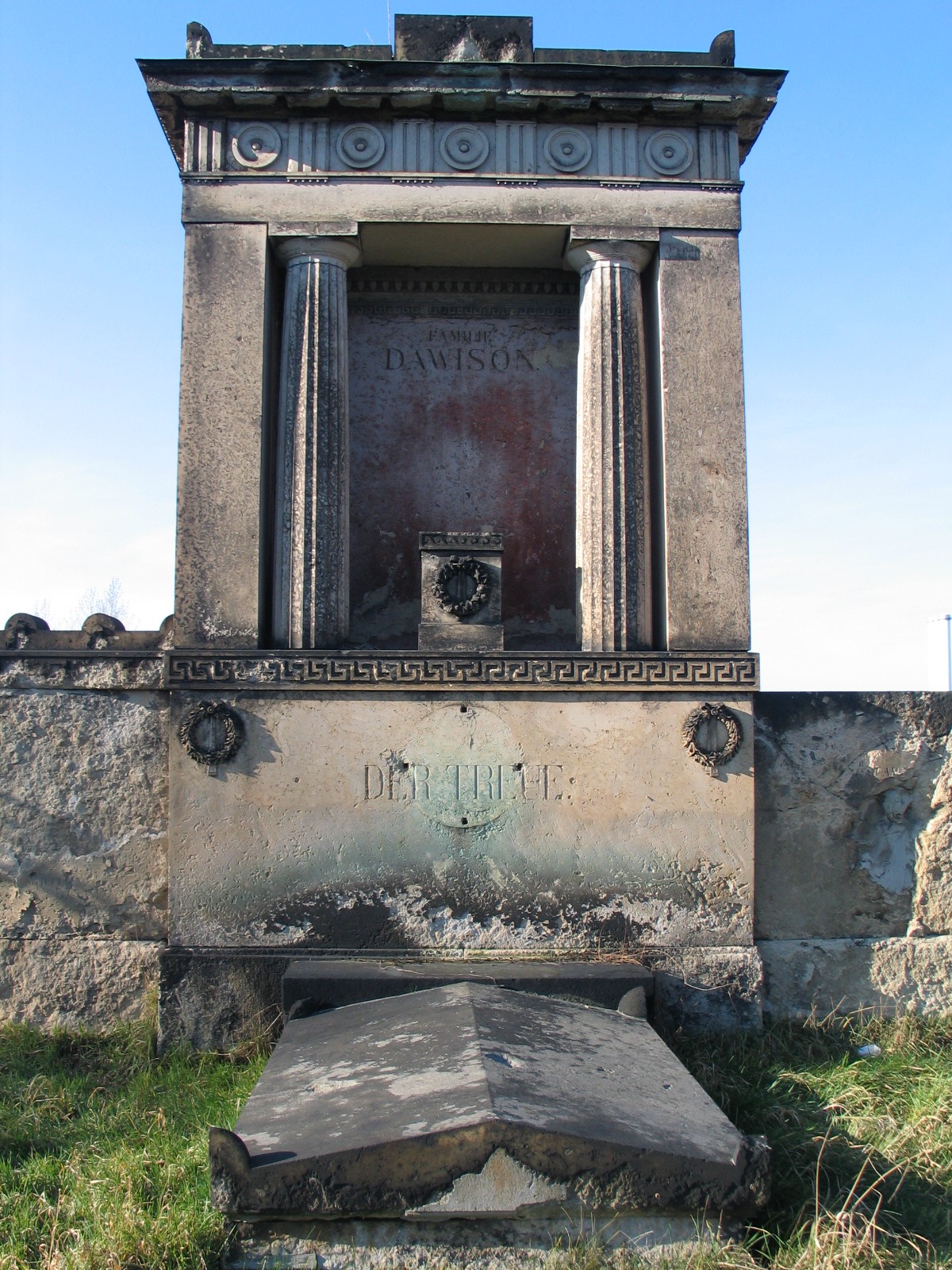
In architecture, the Néo-Grec is not always clearly distinguishable from the Neoclassical designs of the earlier part of the century, in buildings such as the Church of the Madeleine, Paris. The classic example of Néo-Grec architecture is Henri Labrouste's innovative Bibliothèque Sainte Genevieve in Paris, 1843–50, generally seen as the first major public building in this later mode of classicism.
Not only was the Néo-Grec popular in France, but also in Victorian England and especially in the United States, where its severity accorded with the American Renaissance. The architectural historian Neil Levine has explained the style as a reaction against the rigidity of Classicism. According to Levine, Néo-Grec was a somewhat looser style, which "replaced the rhetorical form of classical architectural discourse by a more literal and descriptive syntax of form." It was meant to be a "readable" architecture.
American architect Richard Morris Hunt introduced Néo-Grec massing into his buildings in the late 1860s and 1870s. Hunt's student, Frank Furness, did the same in his early Philadelphia buildings, and experimented with using massing and visual "weight" for dramatic effect.
In the decorative arts, Neo-Grec was based on the standard repertory of Greco-Roman ornament, combining motifs drawn from Greek vase-painting and repetitive architectural motifs like anthemions, palmettes, Greek key with elements from the Adam and Louis XVI styles of early Neoclassicism (c. 1765–1790), and of Napoleonic-era Egyptian Revival decorative arts; it can be identified by the frequent use of isolated motifs of Classical heads and figures, masks, winged griffins, sea-serpents, urns, medallions, arabesques and lotus buds confined within panels, shaped reserves or multiple borders of anthemion, guilloche, and Greek fret pattern. Neo-Grec was eclectic, abstracted, polychromatic, and sometimes bizarre. Its treatment was intentionally dry and linear. Its vignettes and repeating patterns lent themselves to stencilling. Typical "Neo-Grec" color harmonies were rich and harsh: black motifs and outlines against "Pompeian" red, powder blue and puce, bistre and olive drab might be combined in a single decor. The style maintained its supremacy briefly before other fashions came to the top in France.
Frank Furness and furniture maker Daniel Pabst created Neo-Grec furniture for the city house of liquor baron Henry C. Gibson, circa 1870, and for the library of the architect's brother, Horace Howard Furness, circa 1871. They created paneling and furniture for the Manhattan city house of Theodore Roosevelt Sr., circa 1873. Pabst's Modern Gothic exhibition cabinet (circa 1877-80), now at the Metropolitan Museum of Art, mixed Gothic detailing and exaggerated Corinthian capitals.
In painting, the Neoclassical style continued to be taught in the Académie des Beaux-Arts, inculcating crisp outlines, pellucid atmosphere, and a clear, clean palette. However, a formal Neo-Grec group of artists was created in the mid 19th century after growing interest in Ancient Greece and Rome, and especially the later excavations at Pompeii. The Paris Salon of 1847, revealed the academic painter Jean-Léon Gérôme, who in The Cock Fight depicted a composition in which, in a scene of antiquity, a young boy and a girl attend the combat of two cocks. Gérôme gained fame from this exhibition, and in the next year formed the Neo-Grec group with Jean-Louis Hamon and Henri-Pierre Picou—all three pupils in the same atelier under Charles Gleyre.
Gleyre himself adopted the tenets of neo-classicism more strictly than others at the time, adopting the classical style and aesthetic, but almost exclusively applying it to myths and motifs from antiquity, recalling both characters from Greek myth, and antique emblems such as bacchantes and putti. The Neo-Grec group took Gleyre's style and interests, but adapted it from use in history painting as in Gleyre's work, into genre painting. Because they were inspired by discoveries at Pompeii, they were also called néo-pompéiens.
Hub AI
Neo-Grec AI simulator
(@Neo-Grec_simulator)
Neo-Grec
Néo-Grec was a Neoclassical Revival style of the mid-to-late 19th century that was popularized in architecture, the decorative arts, and in painting during France's Second Empire, the reign of Napoleon III (1852–1870). The Néo-Grec vogue took as its starting point the earlier expressions of the Neoclassical style inspired by 18th-century excavations at Pompeii, which resumed in earnest in 1848, and similar excavations at Herculaneum. The style mixed elements of the Graeco-Roman, Pompeian, Adam and Egyptian Revival styles into "a richly eclectic polychrome mélange." "The style enjoyed a vogue in the United States, and had a short-lived impact on interior design in England and elsewhere."
In architecture, the Néo-Grec is not always clearly distinguishable from the Neoclassical designs of the earlier part of the century, in buildings such as the Church of the Madeleine, Paris. The classic example of Néo-Grec architecture is Henri Labrouste's innovative Bibliothèque Sainte Genevieve in Paris, 1843–50, generally seen as the first major public building in this later mode of classicism.
Not only was the Néo-Grec popular in France, but also in Victorian England and especially in the United States, where its severity accorded with the American Renaissance. The architectural historian Neil Levine has explained the style as a reaction against the rigidity of Classicism. According to Levine, Néo-Grec was a somewhat looser style, which "replaced the rhetorical form of classical architectural discourse by a more literal and descriptive syntax of form." It was meant to be a "readable" architecture.
American architect Richard Morris Hunt introduced Néo-Grec massing into his buildings in the late 1860s and 1870s. Hunt's student, Frank Furness, did the same in his early Philadelphia buildings, and experimented with using massing and visual "weight" for dramatic effect.
In the decorative arts, Neo-Grec was based on the standard repertory of Greco-Roman ornament, combining motifs drawn from Greek vase-painting and repetitive architectural motifs like anthemions, palmettes, Greek key with elements from the Adam and Louis XVI styles of early Neoclassicism (c. 1765–1790), and of Napoleonic-era Egyptian Revival decorative arts; it can be identified by the frequent use of isolated motifs of Classical heads and figures, masks, winged griffins, sea-serpents, urns, medallions, arabesques and lotus buds confined within panels, shaped reserves or multiple borders of anthemion, guilloche, and Greek fret pattern. Neo-Grec was eclectic, abstracted, polychromatic, and sometimes bizarre. Its treatment was intentionally dry and linear. Its vignettes and repeating patterns lent themselves to stencilling. Typical "Neo-Grec" color harmonies were rich and harsh: black motifs and outlines against "Pompeian" red, powder blue and puce, bistre and olive drab might be combined in a single decor. The style maintained its supremacy briefly before other fashions came to the top in France.
Frank Furness and furniture maker Daniel Pabst created Neo-Grec furniture for the city house of liquor baron Henry C. Gibson, circa 1870, and for the library of the architect's brother, Horace Howard Furness, circa 1871. They created paneling and furniture for the Manhattan city house of Theodore Roosevelt Sr., circa 1873. Pabst's Modern Gothic exhibition cabinet (circa 1877-80), now at the Metropolitan Museum of Art, mixed Gothic detailing and exaggerated Corinthian capitals.
In painting, the Neoclassical style continued to be taught in the Académie des Beaux-Arts, inculcating crisp outlines, pellucid atmosphere, and a clear, clean palette. However, a formal Neo-Grec group of artists was created in the mid 19th century after growing interest in Ancient Greece and Rome, and especially the later excavations at Pompeii. The Paris Salon of 1847, revealed the academic painter Jean-Léon Gérôme, who in The Cock Fight depicted a composition in which, in a scene of antiquity, a young boy and a girl attend the combat of two cocks. Gérôme gained fame from this exhibition, and in the next year formed the Neo-Grec group with Jean-Louis Hamon and Henri-Pierre Picou—all three pupils in the same atelier under Charles Gleyre.
Gleyre himself adopted the tenets of neo-classicism more strictly than others at the time, adopting the classical style and aesthetic, but almost exclusively applying it to myths and motifs from antiquity, recalling both characters from Greek myth, and antique emblems such as bacchantes and putti. The Neo-Grec group took Gleyre's style and interests, but adapted it from use in history painting as in Gleyre's work, into genre painting. Because they were inspired by discoveries at Pompeii, they were also called néo-pompéiens.
Recent media