
Recent from talks
Ottoman Greeks
Knowledge base stats:
Talk channels stats:
Members stats:
Ottoman Greeks
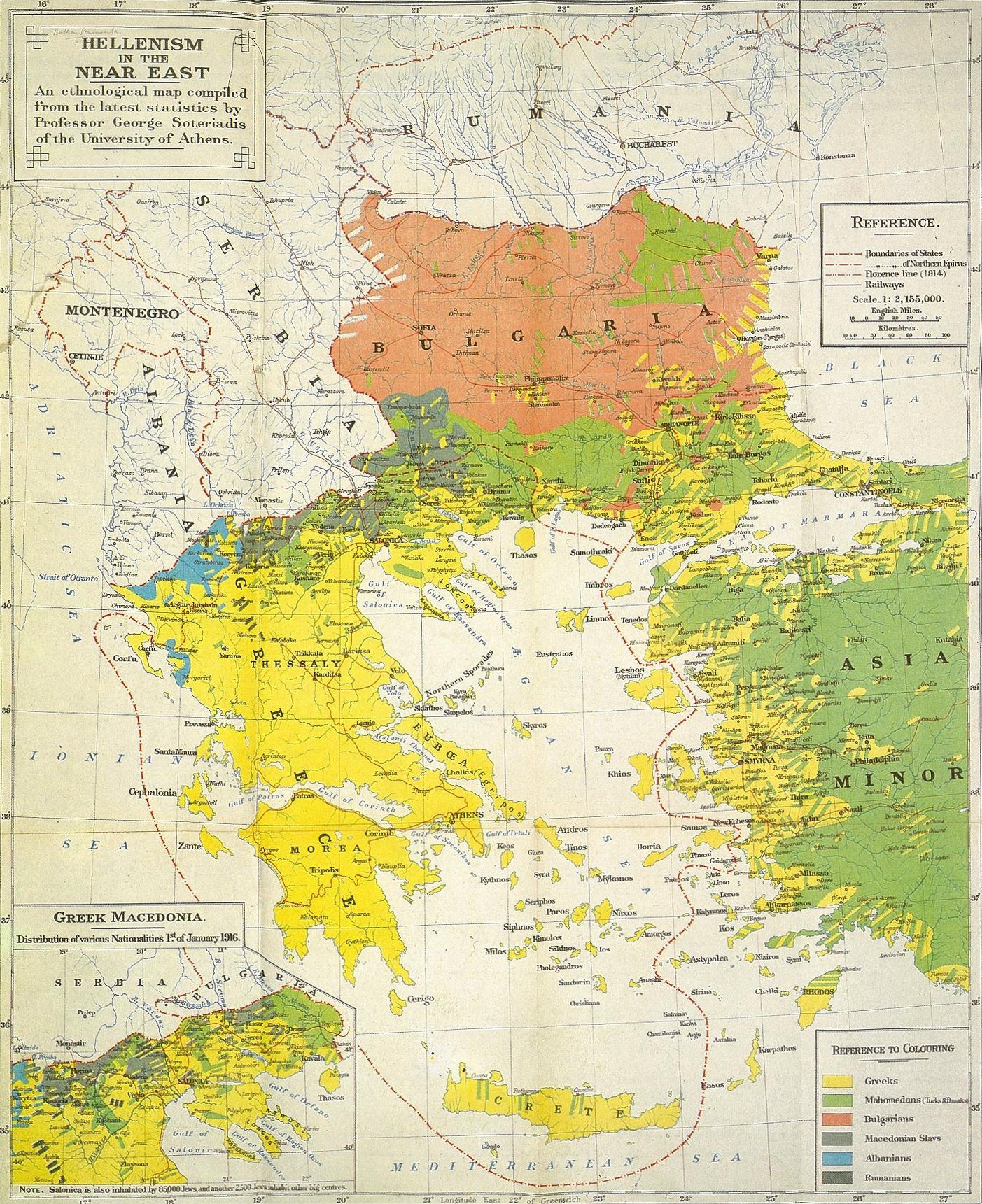
Ottoman Greeks (Greek: Γραικοί, romanized: Graikoi) or Romioi (Greek: Ρωμιοί, romanized: Romioi; Turkish: Osmanlı Rumları) were ethnic Greeks who lived in the Ottoman Empire (1299–1922), a large part of which is in modern Turkey, Greece, Cyprus, the Balkans and the Eastern Mediterranean. There were also sizeable Greek communities elsewhere in the Ottoman Armenia, Ottoman Syria and the Ottoman Caucasus, including in what, between 1878 and 1917, made up the Russian Caucasus province of Kars Oblast, in which Pontic Greeks, northeastern Anatolian Greeks, and Caucasus Greeks who had collaborated with the Russian Imperial Army in the Russo-Turkish War of 1828–1829 were settled in over 70 villages, as part of official Russian policy to re-populate with Orthodox Christians an area that was traditionally made up of Ottoman Muslims and Armenians.
In the Ottoman Empire, in accordance with the Muslim dhimmi system, Greek Christians were guaranteed limited freedoms (such as the right to worship), but were treated as second-class citizens, as members of the Rum millet. Christians and Jews were not considered equals to Muslims: testimony against Muslims by Christians and Jews was inadmissible in courts of law. They were forbidden to carry weapons or ride atop horses, their houses could not overlook those of Muslims, and their religious practices would have to defer to those of Muslims, in addition to various other legal limitations. Violation of these statutes could result in punishments ranging from the levying of fines to execution.
The Ecumenical Patriarch was recognized as the highest religious and political leader (millet-bashi, or ethnarch) of all Orthodox Christian subjects of the Sultan, though in certain periods some major powers, such as Russia (under the Treaty of Küçük Kaynarca of 1774) or Great Britain, later the United Kingdom, claimed the rights of protection over the Ottoman Empire's Orthodox subjects.
The three major European powers, the United Kingdom, France and Russia (known as the Great Powers), took issue with the Ottoman Empire's treatment of its Christian population and increasingly pressured the Ottoman government (also known as the Sublime Porte) to extend equal rights to all its citizens. Beginning in 1839, the Ottoman government implemented the Tanzimat reforms to improve the situation of non-Muslims, although these would prove largely ineffective. In 1856, the Hatt-ı Hümayun promised equality for all Ottoman citizens irrespective of their ethnicity and confession, widening the scope of the 1839 Hatt-ı Şerif of Gülhane. The reformist period peaked with the Constitution, (or Kanûn-ı Esâsî in Ottoman Turkish), which was promulgated on November 23, 1876. It established freedom of belief and equality of all citizens before the law.
On July 24, 1908, Greeks' hopes for equality in the Ottoman Empire brightened with the removal of Sultan Abd-ul-Hamid II (r. 1876–1909) from power and restored the country back to a constitutional monarchy. The Committee of Union and Progress (more commonly called the Young Turks), a political party opposed to the absolute rule of Sultan Abd-ul-Hamid II, had led a rebellion against their ruler. The pro-reform Young Turks deposed the Sultan and replaced him with the ineffective Sultan Mehmed V (r. 1908–1918).
Before World War I, there were an estimated 1.8 million Greeks living in the Ottoman Empire. Some prominent Ottoman Greeks served as parliamentary deputies. In the 1908 Parliament, there were twenty-six (26) Ottoman Greek deputies but their number dropped to eighteen (18) by 1914. It is estimated that the Greek population of the Ottoman Empire in Asia Minor had 2,300 community schools, 200,000 students, 5,000 teachers, 2,000 Greek Orthodox churches, and 3,000 Greek Orthodox priests.
From 1914 until 1923, Greeks in Eastern Thrace and Asia Minor were subject to a campaign of massacres and deportations, involving death marches. The International Association of Genocide Scholars (IAGS) recognizes it as genocide and refers to the campaign as the Greek Genocide.
The Greek Orthodox Christian community, also called the Rum community, has a rich history in Istanbul. Many members of the Rum community are descendants of the native inhabitants of the city, who lived there well before 330 AD when Istanbul was called Byzantium. The Greek Orthodox community has resided in Istanbul through three different empires: the Roman Empire, the Byzantine Empire, and the Ottoman Empire. The Greek population in Istanbul was especially large in the 19th century, when the city was under Ottoman rule. An 1883 Ottoman census registered 152,741 Greeks in Istanbul. In 1897, an estimated 236,000 Greeks lived in Istanbul and accounted for 22% of the city's population. During the 19th century, the Greek Orthodox community was the largest non-Muslim community in Istanbul. The Rum community prospered and boasted a large population in the capital of the Ottoman Empire.
Hub AI
Ottoman Greeks AI simulator
(@Ottoman Greeks_simulator)
Ottoman Greeks
Ottoman Greeks (Greek: Γραικοί, romanized: Graikoi) or Romioi (Greek: Ρωμιοί, romanized: Romioi; Turkish: Osmanlı Rumları) were ethnic Greeks who lived in the Ottoman Empire (1299–1922), a large part of which is in modern Turkey, Greece, Cyprus, the Balkans and the Eastern Mediterranean. There were also sizeable Greek communities elsewhere in the Ottoman Armenia, Ottoman Syria and the Ottoman Caucasus, including in what, between 1878 and 1917, made up the Russian Caucasus province of Kars Oblast, in which Pontic Greeks, northeastern Anatolian Greeks, and Caucasus Greeks who had collaborated with the Russian Imperial Army in the Russo-Turkish War of 1828–1829 were settled in over 70 villages, as part of official Russian policy to re-populate with Orthodox Christians an area that was traditionally made up of Ottoman Muslims and Armenians.
In the Ottoman Empire, in accordance with the Muslim dhimmi system, Greek Christians were guaranteed limited freedoms (such as the right to worship), but were treated as second-class citizens, as members of the Rum millet. Christians and Jews were not considered equals to Muslims: testimony against Muslims by Christians and Jews was inadmissible in courts of law. They were forbidden to carry weapons or ride atop horses, their houses could not overlook those of Muslims, and their religious practices would have to defer to those of Muslims, in addition to various other legal limitations. Violation of these statutes could result in punishments ranging from the levying of fines to execution.
The Ecumenical Patriarch was recognized as the highest religious and political leader (millet-bashi, or ethnarch) of all Orthodox Christian subjects of the Sultan, though in certain periods some major powers, such as Russia (under the Treaty of Küçük Kaynarca of 1774) or Great Britain, later the United Kingdom, claimed the rights of protection over the Ottoman Empire's Orthodox subjects.
The three major European powers, the United Kingdom, France and Russia (known as the Great Powers), took issue with the Ottoman Empire's treatment of its Christian population and increasingly pressured the Ottoman government (also known as the Sublime Porte) to extend equal rights to all its citizens. Beginning in 1839, the Ottoman government implemented the Tanzimat reforms to improve the situation of non-Muslims, although these would prove largely ineffective. In 1856, the Hatt-ı Hümayun promised equality for all Ottoman citizens irrespective of their ethnicity and confession, widening the scope of the 1839 Hatt-ı Şerif of Gülhane. The reformist period peaked with the Constitution, (or Kanûn-ı Esâsî in Ottoman Turkish), which was promulgated on November 23, 1876. It established freedom of belief and equality of all citizens before the law.
On July 24, 1908, Greeks' hopes for equality in the Ottoman Empire brightened with the removal of Sultan Abd-ul-Hamid II (r. 1876–1909) from power and restored the country back to a constitutional monarchy. The Committee of Union and Progress (more commonly called the Young Turks), a political party opposed to the absolute rule of Sultan Abd-ul-Hamid II, had led a rebellion against their ruler. The pro-reform Young Turks deposed the Sultan and replaced him with the ineffective Sultan Mehmed V (r. 1908–1918).
Before World War I, there were an estimated 1.8 million Greeks living in the Ottoman Empire. Some prominent Ottoman Greeks served as parliamentary deputies. In the 1908 Parliament, there were twenty-six (26) Ottoman Greek deputies but their number dropped to eighteen (18) by 1914. It is estimated that the Greek population of the Ottoman Empire in Asia Minor had 2,300 community schools, 200,000 students, 5,000 teachers, 2,000 Greek Orthodox churches, and 3,000 Greek Orthodox priests.
From 1914 until 1923, Greeks in Eastern Thrace and Asia Minor were subject to a campaign of massacres and deportations, involving death marches. The International Association of Genocide Scholars (IAGS) recognizes it as genocide and refers to the campaign as the Greek Genocide.
The Greek Orthodox Christian community, also called the Rum community, has a rich history in Istanbul. Many members of the Rum community are descendants of the native inhabitants of the city, who lived there well before 330 AD when Istanbul was called Byzantium. The Greek Orthodox community has resided in Istanbul through three different empires: the Roman Empire, the Byzantine Empire, and the Ottoman Empire. The Greek population in Istanbul was especially large in the 19th century, when the city was under Ottoman rule. An 1883 Ottoman census registered 152,741 Greeks in Istanbul. In 1897, an estimated 236,000 Greeks lived in Istanbul and accounted for 22% of the city's population. During the 19th century, the Greek Orthodox community was the largest non-Muslim community in Istanbul. The Rum community prospered and boasted a large population in the capital of the Ottoman Empire.
Recent media