



Community hub
Recent from talks
Knowledge base stats:
Talk channels stats:
Members stats:
Patna
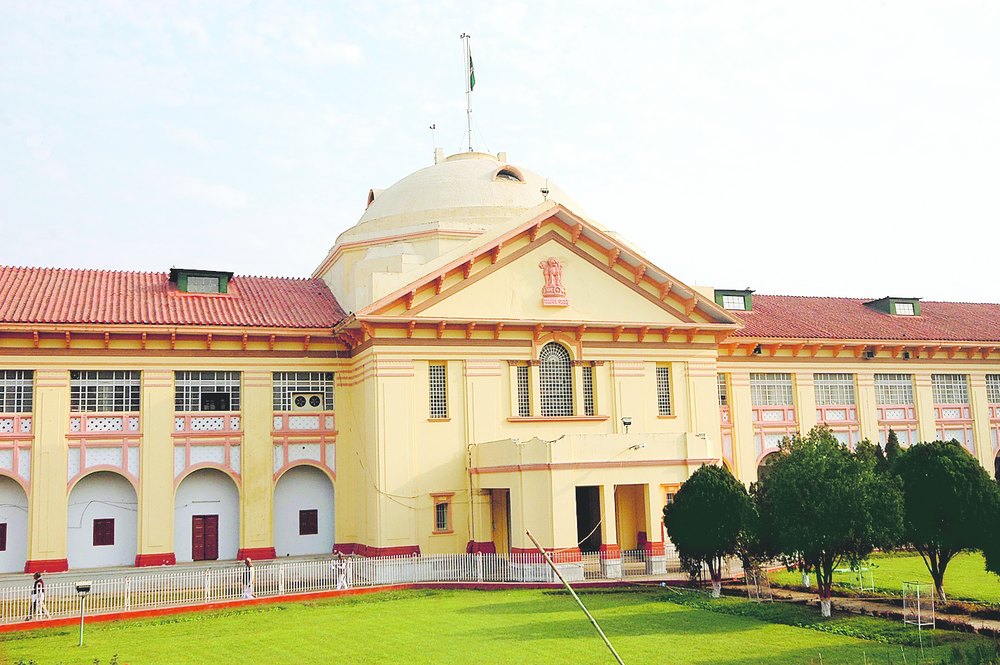
Patna (Hindi: Paṭanā, pronounced [ˈpəʈnaː] ⓘ), historically known as Pāṭaliputra, is the capital and largest city of the Indian state of Bihar. According to the United Nations, as of 2018, Patna had a population of 2.35 million, making it the 19th largest city in India. Covering 250 square kilometres (97 sq mi) and over 2.5 million people, its urban agglomeration is the 18th largest in India. Patna also serves as the seat of Patna High Court. The Buddhist, Hindu and Jain pilgrimage centres of Vaishali, Rajgir, Nalanda, Bodh Gaya and Pawapuri are nearby and Patna City is a sacred city for Sikhs as the tenth Sikh Guru, Guru Gobind Singh was born here. The modern city of Patna is mainly on the southern bank of the river Ganges. The city also straddles the rivers Son, Gandak and Punpun. The city is approximately 35 kilometres (22 mi) in length and 16 to 18 kilometres (9.9 to 11.2 mi) wide.
One of the oldest continuously inhabited places in the world, Patna was founded in 490 BCE by the king of Magadha. Ancient Patna, known as Pataliputra, was the capital of the Magadha Empire throughout the Haryanka, Nanda, Mauryan, Shunga, Gupta, and Pala dynasties. Pataliputra was a seat of learning and fine arts. It was home to many astronomers and scholars including Aryabhata, Vātsyāyana and Chanakya. During the Maurya period (around 300 BCE) its population was about 400,000. Patna served as the seat of power, and political and cultural centre of the Indian subcontinent during the Maurya and Gupta empires. With the fall of the Gupta Empire, Patna lost its glory. The British revived it again in the 17th century as a centre of international trade. Following the partition of Bengal presidency in 1912, Patna became the capital of Bihar and Orissa Province.
Until the 19th century, it was a major trading and commercial hub in India. After independence there were a few downturns but its economy was still stable. After the separation of Jharkhand from Bihar, it lost its glory. As per the Directorate of Economics and Statistics (Government of Bihar), Nominal GDP of Patna District was estimated at INR 63,176.55 crores in 2011-12. As of 2011-12, Patna already recorded per capita gross domestic product of ₹1,08,657, way ahead of many other Indian cities and state capitals. Using figures for assumed average annual growth, Patna is the 21st fastest growing city in the world and 5th fastest growing city in India according to a study by the City Mayors Foundation. Patna registered an average annual growth of 3.72% during 2006–2010. As of 2011-12, the GDP per capita of Patna is ₹1,08,657, and its GDP growth rate is 7.29 per cent. In June 2009, the World Bank ranked Patna second in India (after Delhi) for ease of starting a business.
The name of this city has changed with time. One of the oldest cities of India, there are several theories regarding the origin of the modern name Patna (Bengali: পাটনা; Devanagari: पटना; Kaithi: 𑂣𑂗𑂢𑂰; Gurmukhi: ਪਟਨਾ; Urdu: پٹنہ). It is etymologically derived from Patan (Devanagari: पटन), the name of the Hindu goddess, Patan Devi. Patan Devi Mandir is still in old Patna near Gulzarbagh mandi along with another, Patan Devi Mandir, near Takht Sri Patna Sahib. Many believe Patna derived its name from Patli, a tree variety that was found in abundance in the historic city. It is also seen on the state tourism's logo. The place is mentioned in Chinese traveller Fa Hien's records as Pa-lin-fou. The city has been known by various names through more than 2,000 years of existence – Pataligrama, Pataliputra, Kusumapura, Kusumdhwaja Pushpapuram, Padmavathi, Azimabad and the present-day Patna. Legend ascribes the origin of Patna to the mythological King Putraka who created Patna by magic for his queen Patali, literally "trumpet flower", which gives it its ancient name Pataligrama. It is said that in honour of the queen's firstborn, the city was named Pataliputra. Gram is Sanskrit for village and Putra means son. Legend also says that the Emerald Buddha was created in Patna (then Pataliputra) by Nagasena in 43 BCE.
Traditional Buddhist literature attributes foundation of Patna 490 BCE as Ajatashatru, the king of Magadha, wanted to shift his capital from the hilly Rajagrha (today Rajgir) to a strategically chosen place to better combat the Licchavis of Vaishali. He chose the site on the bank of the Ganges and fortified the area. Gautama Buddha travelled through this place in the last year of his life. He prophesied a great future for this place even as he predicted its ruin due to flood, fire, and feud. According to Dieter Schlingloff, the Buddhist accounts may have presented the grandeur of Patna as a prophecy and that its wooden fortifications, unlike other early historic Indian cities, indicate that it might be much older than thought but only archaeological excavation and C14 dates of its wooden palisades which is presently lacking may establish this.
Megasthenes, the Indo-Greek historian and ambassador to the court of Chandragupta Maurya, gave one of the earliest accounts of the city. He wrote that the city was on the confluence of the rivers Ganga and Arennovoas (Sonabhadra – Hiranyawah) and was 14 kilometres (9 mi) long and 2.82 kilometres (1.75 mi) wide. Megasthenes, the Greek ambassador to India, described the city as the greatest city on earth during its heyday. The Shungas ultimately retained control of Pataliputra and ruled for almost 100 years. The Shungas were followed by the Kanvas and eventually by the Guptas. Some Chinese travellers came to India in pursuit of knowledge and recorded their observations about Pataliputra in their travelogues. One such famous account was recorded by a Chinese Buddhist traveller Fa Hien, who visited India between 399 and 414 CE, and stayed here for many months translating Buddhist texts. When the Chinese Buddhist Monk Faxian visited the city in 400 A.D, he found the people to be rich and prosperous; they practised virtue and justice. He found that the nobles and householders of the city had constructed several hospitals in which the poor of all countries, the needy, the crippled, and the diseased, could get treatment. They could receive every kind of help gratuitously. Physicians would inspect the diseases and order them food, drink, and medicines.[page needed]
In the years that followed, many dynasties ruled the Indian subcontinent from the city, including the Gupta Empire and the Pala kings. With the disintegration of the Gupta empire, Patna passed through uncertain times. Bakhtiar Khilji captured Bihar in the 12th century and destroyed everything, and Patna lost its prestige as the political and cultural centre of India.
The Mughal Empire was a period of unremarkable provincial administration from Delhi. The most remarkable period during the Middle Ages was under the Afghan emperor Sher Shah Suri, who revived Patna in the middle of the 16th century. He built a fort and founded a town on the banks of the Ganges. Sher Shah's fort in Patna does not survive, although the Sher Shah Suri mosque, built in Afghan architectural style, does. Mughal emperor Akbar reached Patna in 1574 to crush the rebellious Afghan Chief Daud Khan. One of the navratnas from Akbar's court, his official historian and author of "Ain-i-Akbari" Abul Fazl refers to Patna as a flourishing centre for paper, stone and glass industries. He also refers to the high quality of numerous strains of rice grown in Patna, famous as Patna rice in Europe. By 1620, the city of Patna was being described as the "chiefest mart towne of all Bengala" (i.e. largest town in Bengal) in northern India, "the largest town in Bengal and the most famous for trade". This was before the founding of the city of Calcutta. Mughal Emperor Aurangzeb acceded to the request of his favourite grandson, Prince Muhammad Azim, to rename Patna as Azimabad, in 1704 while Azim was in Patna as the subedar. Patna or Azimabad did see some violent activities, according to Phillip Mason, writing in the book "The Men Who Ruled India". "Aurangzeb had restored the poll tax (Jazia) on unbelievers, which had to be compounded for. In Patna, Peacock, the factory's chief, was not sufficiently obedient. He was seized, forced to walk through the town bare-headed and bare-footed, and subjected to many other indignities before he paid up and was released." Little changed during this period other than the name. With the decline of the Mughal empire, Patna moved into the hands of the Nawabs of Bengal, who levied a heavy tax on the populace but allowed it to flourish as a commercial centre. The mansions of the Maharaja of Tekari Raj dominated the Patna riverfront in 1811–12. In 1750, the future Nawab of Bengal, Siraj ud-Daulah revolted against his grandfather, Alivardi Khan, and seized Patna, but quickly surrendered and was forgiven. Guru Gobind Singh (22 December 1666 – 7 October 1708), the tenth Guru of the Sikhs, was born as Gobind Rai in Patna to Guru Teg Bahadur, the ninth Guru of the Sikhs, and his wife Mata Gujri. His birthplace, Patna Sahib, is one of the most sacred sites of pilgrimage for Sikhs.
Hub AI
Patna AI simulator
(@Patna_simulator)
Patna
Patna (Hindi: Paṭanā, pronounced [ˈpəʈnaː] ⓘ), historically known as Pāṭaliputra, is the capital and largest city of the Indian state of Bihar. According to the United Nations, as of 2018, Patna had a population of 2.35 million, making it the 19th largest city in India. Covering 250 square kilometres (97 sq mi) and over 2.5 million people, its urban agglomeration is the 18th largest in India. Patna also serves as the seat of Patna High Court. The Buddhist, Hindu and Jain pilgrimage centres of Vaishali, Rajgir, Nalanda, Bodh Gaya and Pawapuri are nearby and Patna City is a sacred city for Sikhs as the tenth Sikh Guru, Guru Gobind Singh was born here. The modern city of Patna is mainly on the southern bank of the river Ganges. The city also straddles the rivers Son, Gandak and Punpun. The city is approximately 35 kilometres (22 mi) in length and 16 to 18 kilometres (9.9 to 11.2 mi) wide.
One of the oldest continuously inhabited places in the world, Patna was founded in 490 BCE by the king of Magadha. Ancient Patna, known as Pataliputra, was the capital of the Magadha Empire throughout the Haryanka, Nanda, Mauryan, Shunga, Gupta, and Pala dynasties. Pataliputra was a seat of learning and fine arts. It was home to many astronomers and scholars including Aryabhata, Vātsyāyana and Chanakya. During the Maurya period (around 300 BCE) its population was about 400,000. Patna served as the seat of power, and political and cultural centre of the Indian subcontinent during the Maurya and Gupta empires. With the fall of the Gupta Empire, Patna lost its glory. The British revived it again in the 17th century as a centre of international trade. Following the partition of Bengal presidency in 1912, Patna became the capital of Bihar and Orissa Province.
Until the 19th century, it was a major trading and commercial hub in India. After independence there were a few downturns but its economy was still stable. After the separation of Jharkhand from Bihar, it lost its glory. As per the Directorate of Economics and Statistics (Government of Bihar), Nominal GDP of Patna District was estimated at INR 63,176.55 crores in 2011-12. As of 2011-12, Patna already recorded per capita gross domestic product of ₹1,08,657, way ahead of many other Indian cities and state capitals. Using figures for assumed average annual growth, Patna is the 21st fastest growing city in the world and 5th fastest growing city in India according to a study by the City Mayors Foundation. Patna registered an average annual growth of 3.72% during 2006–2010. As of 2011-12, the GDP per capita of Patna is ₹1,08,657, and its GDP growth rate is 7.29 per cent. In June 2009, the World Bank ranked Patna second in India (after Delhi) for ease of starting a business.
The name of this city has changed with time. One of the oldest cities of India, there are several theories regarding the origin of the modern name Patna (Bengali: পাটনা; Devanagari: पटना; Kaithi: 𑂣𑂗𑂢𑂰; Gurmukhi: ਪਟਨਾ; Urdu: پٹنہ). It is etymologically derived from Patan (Devanagari: पटन), the name of the Hindu goddess, Patan Devi. Patan Devi Mandir is still in old Patna near Gulzarbagh mandi along with another, Patan Devi Mandir, near Takht Sri Patna Sahib. Many believe Patna derived its name from Patli, a tree variety that was found in abundance in the historic city. It is also seen on the state tourism's logo. The place is mentioned in Chinese traveller Fa Hien's records as Pa-lin-fou. The city has been known by various names through more than 2,000 years of existence – Pataligrama, Pataliputra, Kusumapura, Kusumdhwaja Pushpapuram, Padmavathi, Azimabad and the present-day Patna. Legend ascribes the origin of Patna to the mythological King Putraka who created Patna by magic for his queen Patali, literally "trumpet flower", which gives it its ancient name Pataligrama. It is said that in honour of the queen's firstborn, the city was named Pataliputra. Gram is Sanskrit for village and Putra means son. Legend also says that the Emerald Buddha was created in Patna (then Pataliputra) by Nagasena in 43 BCE.
Traditional Buddhist literature attributes foundation of Patna 490 BCE as Ajatashatru, the king of Magadha, wanted to shift his capital from the hilly Rajagrha (today Rajgir) to a strategically chosen place to better combat the Licchavis of Vaishali. He chose the site on the bank of the Ganges and fortified the area. Gautama Buddha travelled through this place in the last year of his life. He prophesied a great future for this place even as he predicted its ruin due to flood, fire, and feud. According to Dieter Schlingloff, the Buddhist accounts may have presented the grandeur of Patna as a prophecy and that its wooden fortifications, unlike other early historic Indian cities, indicate that it might be much older than thought but only archaeological excavation and C14 dates of its wooden palisades which is presently lacking may establish this.
Megasthenes, the Indo-Greek historian and ambassador to the court of Chandragupta Maurya, gave one of the earliest accounts of the city. He wrote that the city was on the confluence of the rivers Ganga and Arennovoas (Sonabhadra – Hiranyawah) and was 14 kilometres (9 mi) long and 2.82 kilometres (1.75 mi) wide. Megasthenes, the Greek ambassador to India, described the city as the greatest city on earth during its heyday. The Shungas ultimately retained control of Pataliputra and ruled for almost 100 years. The Shungas were followed by the Kanvas and eventually by the Guptas. Some Chinese travellers came to India in pursuit of knowledge and recorded their observations about Pataliputra in their travelogues. One such famous account was recorded by a Chinese Buddhist traveller Fa Hien, who visited India between 399 and 414 CE, and stayed here for many months translating Buddhist texts. When the Chinese Buddhist Monk Faxian visited the city in 400 A.D, he found the people to be rich and prosperous; they practised virtue and justice. He found that the nobles and householders of the city had constructed several hospitals in which the poor of all countries, the needy, the crippled, and the diseased, could get treatment. They could receive every kind of help gratuitously. Physicians would inspect the diseases and order them food, drink, and medicines.[page needed]
In the years that followed, many dynasties ruled the Indian subcontinent from the city, including the Gupta Empire and the Pala kings. With the disintegration of the Gupta empire, Patna passed through uncertain times. Bakhtiar Khilji captured Bihar in the 12th century and destroyed everything, and Patna lost its prestige as the political and cultural centre of India.
The Mughal Empire was a period of unremarkable provincial administration from Delhi. The most remarkable period during the Middle Ages was under the Afghan emperor Sher Shah Suri, who revived Patna in the middle of the 16th century. He built a fort and founded a town on the banks of the Ganges. Sher Shah's fort in Patna does not survive, although the Sher Shah Suri mosque, built in Afghan architectural style, does. Mughal emperor Akbar reached Patna in 1574 to crush the rebellious Afghan Chief Daud Khan. One of the navratnas from Akbar's court, his official historian and author of "Ain-i-Akbari" Abul Fazl refers to Patna as a flourishing centre for paper, stone and glass industries. He also refers to the high quality of numerous strains of rice grown in Patna, famous as Patna rice in Europe. By 1620, the city of Patna was being described as the "chiefest mart towne of all Bengala" (i.e. largest town in Bengal) in northern India, "the largest town in Bengal and the most famous for trade". This was before the founding of the city of Calcutta. Mughal Emperor Aurangzeb acceded to the request of his favourite grandson, Prince Muhammad Azim, to rename Patna as Azimabad, in 1704 while Azim was in Patna as the subedar. Patna or Azimabad did see some violent activities, according to Phillip Mason, writing in the book "The Men Who Ruled India". "Aurangzeb had restored the poll tax (Jazia) on unbelievers, which had to be compounded for. In Patna, Peacock, the factory's chief, was not sufficiently obedient. He was seized, forced to walk through the town bare-headed and bare-footed, and subjected to many other indignities before he paid up and was released." Little changed during this period other than the name. With the decline of the Mughal empire, Patna moved into the hands of the Nawabs of Bengal, who levied a heavy tax on the populace but allowed it to flourish as a commercial centre. The mansions of the Maharaja of Tekari Raj dominated the Patna riverfront in 1811–12. In 1750, the future Nawab of Bengal, Siraj ud-Daulah revolted against his grandfather, Alivardi Khan, and seized Patna, but quickly surrendered and was forgiven. Guru Gobind Singh (22 December 1666 – 7 October 1708), the tenth Guru of the Sikhs, was born as Gobind Rai in Patna to Guru Teg Bahadur, the ninth Guru of the Sikhs, and his wife Mata Gujri. His birthplace, Patna Sahib, is one of the most sacred sites of pilgrimage for Sikhs.