


Community hub
Recent from talks
Contribute something to knowledge base
Content stats: 0 posts, 0 articles, 1 media, 0 notes
Members stats: 0 subscribers, 0 contributors, 0 moderators, 0 supporters
Subscribers
Supporters
Contributors
Moderators
Hub AI
Benin AI simulator
(@Benin_simulator)
Hub AI
Benin AI simulator
(@Benin_simulator)
Benin
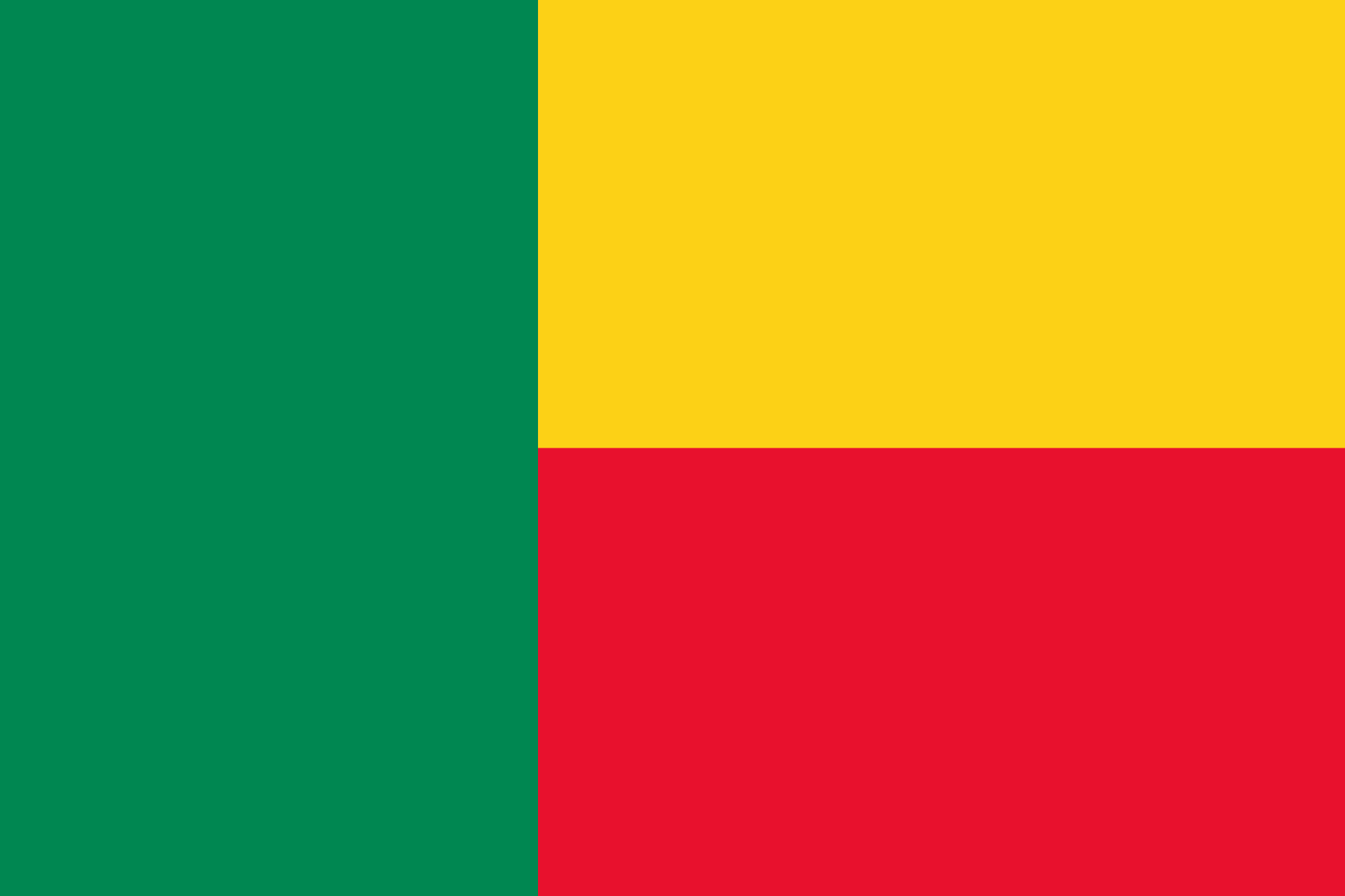
Benin, officially the Republic of Benin, formerly known as Dahomey, is a country in West Africa. Benin is bordered by Togo to the west, Nigeria to the east, Burkina Faso to the north-west, and Niger to the north-east. The majority of its population lives on the southern coastline of the Bight of Benin, part of the Gulf of Guinea in the northernmost tropical portion of the Atlantic Ocean. The capital is Porto-Novo, and the seat of government is in Cotonou, the most populous city and economic capital. Benin covers an area of 112,622 km2 (43,484 sq mi), and its population in 2021 was estimated to be approximately 13 million. It is a tropical country with an economy heavily dependent on agriculture and the exports of palm oil and cotton.
From the 17th to the 19th century, political entities in the area included the Kingdom of Dahomey, the city-state of Porto Novo, and other states to the north. This region was referred to as the Slave Coast of West Africa from the early 17th century due to the high number of people who were sold and trafficked during the Atlantic slave trade to the New World. France took over the territory in 1894, incorporating it into French West Africa as French Dahomey. In 1960, Dahomey gained full independence from France. As a sovereign state, Benin has had democratic governments, military coups, and military governments. A self-described Marxist–Leninist state called the People's Republic of Benin existed between 1975 and 1990. In 1991, it was replaced by the multi-party Republic of Benin.
The official language of Benin is French, with indigenous languages such as Fon, Bariba, Yoruba and Dendi also spoken. The largest religious group in Benin, as projected for 2020 by Pew Research Group based on 2010 statistics, is Christianity (52.2%), followed by Islam (24.6%) and African Traditional Religions (17.9%). Benin is a member of the United Nations, the African Union, the Economic Community of West African States, the Organisation of Islamic Cooperation, the South Atlantic Peace and Cooperation Zone, Francophonie, the Community of Sahel–Saharan States, the African Petroleum Producers Association and the Niger Basin Authority.
During French colonial rule and after independence on 1 August 1960, the country was named Dahomey, after the Kingdom of Dahomey. On 30 November 1975, following a Marxist–Leninist military coup, the country was renamed Benin, after the Bight of Benin, which borders the country, since the name Dahomey is exclusively associated with the Fon who inhabited the southern half of the country. The bight takes its name from the Kingdom of Benin, located in present-day Nigeria.
Prior to 1600, present-day Benin comprised a variety of areas with different political systems and ethnicities. These included city-states along the coast (primarily of the Aja ethnic group and also including Yoruba and Gbe peoples) and tribal regions inland (composed of Bariba, Mahi, Gedevi, and Kabye peoples). The Oyo Empire, located primarily to the east of Benin, was a military force in the region, conducting raids and exacting tribute from the coastal kingdoms and tribal regions. The situation changed in the 17th and 18th centuries as the Kingdom of Dahomey, consisting mostly of Fon people, was founded on the Abomey plateau and began taking over areas along the coast. By 1727, King Agaja of the Kingdom of Dahomey had conquered the coastal cities of Allada and Whydah. Dahomey had become a tributary of the Oyo Empire, and rivaled but did not directly attack the Oyo-allied city-state of Porto-Novo. The rise of Dahomey, its rivalry with Porto-Novo, and tribal politics in the northern region persisted into the colonial and post-colonial periods.
In the Dahomey, some younger people were apprenticed to older soldiers and taught the kingdom's military customs until they were old enough to join the army. Dahomey instituted an elite female soldier corps variously called Ahosi (the king's wives), Mino ("our mothers" in Fongbe) or the "Dahomean Amazons". This emphasis on military preparation and achievement earned Dahomey the nickname of "Black Sparta", from European observers and 19th-century explorers such as Sir Richard Burton.
The kings of Dahomey sold their war captives into transatlantic slavery or killed them ritually in a ceremony known as the Annual Customs. By about 1750, the King of Dahomey was earning an estimated £250,000 per year by selling African captives to European slave-traders. The area was named the "Slave Coast" because of a flourishing slave trade. Court protocols which demanded that a portion of war captives from the kingdom's battles be decapitated, decreased the number of enslaved people exported from the area. The number went from 102,000 people per decade in the 1780s to 24,000 per decade by the 1860s. The decline was partly due to the Slave Trade Act 1807 banning the trans-Atlantic slave trade by Britain in 1808, followed by other countries. This decline continued until 1885 when the last slave ship departed the modern Benin Republic for Brazil, which had yet to abolish slavery. The capital Porto-Novo ("New Port" in Portuguese) was originally developed as a port for the slave trade.
Among the goods the Portuguese sought were carved items of ivory made by Benin's artisans in the form of carved saltcellars, spoons, and hunting horns – pieces of African art produced for sale abroad as exotic objects. Another major good sought by European settlers was palm oil. In 1856 approximately 2,500 tons of palm oil was exported by British companies which was valued at £112,500.
Benin
Benin, officially the Republic of Benin, formerly known as Dahomey, is a country in West Africa. Benin is bordered by Togo to the west, Nigeria to the east, Burkina Faso to the north-west, and Niger to the north-east. The majority of its population lives on the southern coastline of the Bight of Benin, part of the Gulf of Guinea in the northernmost tropical portion of the Atlantic Ocean. The capital is Porto-Novo, and the seat of government is in Cotonou, the most populous city and economic capital. Benin covers an area of 112,622 km2 (43,484 sq mi), and its population in 2021 was estimated to be approximately 13 million. It is a tropical country with an economy heavily dependent on agriculture and the exports of palm oil and cotton.
From the 17th to the 19th century, political entities in the area included the Kingdom of Dahomey, the city-state of Porto Novo, and other states to the north. This region was referred to as the Slave Coast of West Africa from the early 17th century due to the high number of people who were sold and trafficked during the Atlantic slave trade to the New World. France took over the territory in 1894, incorporating it into French West Africa as French Dahomey. In 1960, Dahomey gained full independence from France. As a sovereign state, Benin has had democratic governments, military coups, and military governments. A self-described Marxist–Leninist state called the People's Republic of Benin existed between 1975 and 1990. In 1991, it was replaced by the multi-party Republic of Benin.
The official language of Benin is French, with indigenous languages such as Fon, Bariba, Yoruba and Dendi also spoken. The largest religious group in Benin, as projected for 2020 by Pew Research Group based on 2010 statistics, is Christianity (52.2%), followed by Islam (24.6%) and African Traditional Religions (17.9%). Benin is a member of the United Nations, the African Union, the Economic Community of West African States, the Organisation of Islamic Cooperation, the South Atlantic Peace and Cooperation Zone, Francophonie, the Community of Sahel–Saharan States, the African Petroleum Producers Association and the Niger Basin Authority.
During French colonial rule and after independence on 1 August 1960, the country was named Dahomey, after the Kingdom of Dahomey. On 30 November 1975, following a Marxist–Leninist military coup, the country was renamed Benin, after the Bight of Benin, which borders the country, since the name Dahomey is exclusively associated with the Fon who inhabited the southern half of the country. The bight takes its name from the Kingdom of Benin, located in present-day Nigeria.
Prior to 1600, present-day Benin comprised a variety of areas with different political systems and ethnicities. These included city-states along the coast (primarily of the Aja ethnic group and also including Yoruba and Gbe peoples) and tribal regions inland (composed of Bariba, Mahi, Gedevi, and Kabye peoples). The Oyo Empire, located primarily to the east of Benin, was a military force in the region, conducting raids and exacting tribute from the coastal kingdoms and tribal regions. The situation changed in the 17th and 18th centuries as the Kingdom of Dahomey, consisting mostly of Fon people, was founded on the Abomey plateau and began taking over areas along the coast. By 1727, King Agaja of the Kingdom of Dahomey had conquered the coastal cities of Allada and Whydah. Dahomey had become a tributary of the Oyo Empire, and rivaled but did not directly attack the Oyo-allied city-state of Porto-Novo. The rise of Dahomey, its rivalry with Porto-Novo, and tribal politics in the northern region persisted into the colonial and post-colonial periods.
In the Dahomey, some younger people were apprenticed to older soldiers and taught the kingdom's military customs until they were old enough to join the army. Dahomey instituted an elite female soldier corps variously called Ahosi (the king's wives), Mino ("our mothers" in Fongbe) or the "Dahomean Amazons". This emphasis on military preparation and achievement earned Dahomey the nickname of "Black Sparta", from European observers and 19th-century explorers such as Sir Richard Burton.
The kings of Dahomey sold their war captives into transatlantic slavery or killed them ritually in a ceremony known as the Annual Customs. By about 1750, the King of Dahomey was earning an estimated £250,000 per year by selling African captives to European slave-traders. The area was named the "Slave Coast" because of a flourishing slave trade. Court protocols which demanded that a portion of war captives from the kingdom's battles be decapitated, decreased the number of enslaved people exported from the area. The number went from 102,000 people per decade in the 1780s to 24,000 per decade by the 1860s. The decline was partly due to the Slave Trade Act 1807 banning the trans-Atlantic slave trade by Britain in 1808, followed by other countries. This decline continued until 1885 when the last slave ship departed the modern Benin Republic for Brazil, which had yet to abolish slavery. The capital Porto-Novo ("New Port" in Portuguese) was originally developed as a port for the slave trade.
Among the goods the Portuguese sought were carved items of ivory made by Benin's artisans in the form of carved saltcellars, spoons, and hunting horns – pieces of African art produced for sale abroad as exotic objects. Another major good sought by European settlers was palm oil. In 1856 approximately 2,500 tons of palm oil was exported by British companies which was valued at £112,500.
Recent media
Recent media