
Recent from talks
Saba (island)
Knowledge base stats:
Talk channels stats:
Members stats:
Saba (island)
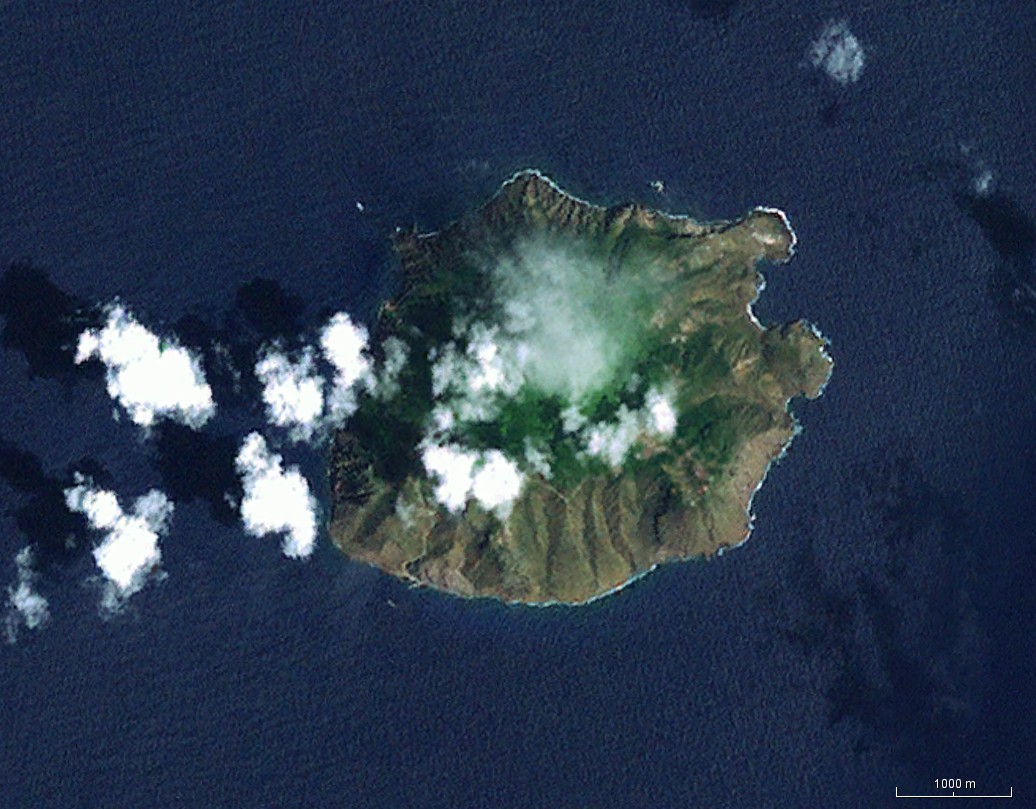
Saba is a Caribbean island and the smallest special municipality (officially "public body") of the Netherlands. It consists largely of the dormant volcano Mount Scenery, which at 870 metres (2,854.3 ft) is the highest point of the entire Kingdom of the Netherlands. The island lies in the northern Leeward Islands portion of the West Indies, southeast of the Virgin Islands. Together with Bonaire and Sint Eustatius it forms the BES islands, also known as the Caribbean Netherlands.
Saba has a land area of 13 square kilometres (5.0 sq mi). The population was 2,158 in January 2025, with a population density of 147 inhabitants per square kilometre (380/sq mi). It is the smallest territory by permanent population in the Americas. Its towns and major settlements are The Bottom (the capital), Windwardside, Zion's Hill, and St. Johns.
Theories about the origin of Saba's name include siba (the Arawakan word for 'rock'), sabot, sábado, and Sheba. The island was referred to by its present name, Saba, as early as 1595 when it appeared in a voyage account by John Hawkins. Before its present name, the island was designated "St. Christopher" (San Cristóbal) by Christopher Columbus.
Archaeological evidence indicates that Saba was first inhabited around 3300 years ago, with the earliest known site at Plum Piece dating to approximately 1300 BC. The island's isolation and rugged terrain suggest that its early settlers possessed advanced maritime navigation skills, likely originating from South America. Over 20 pre-Columbian sites have been found in Saba. The main occupation in Saba seems to have occurred between AD 400 and 1450. During this time the inhabitants of Saba were full horticulturalists living from the cultivation of root crops and the exploitation of the marine environment. They produced pottery vessels, made tools and sculptured objects from stone, shell, animal, bone, and coral.
Christopher Columbus is said to have sighted the island on 13 November 1493. However, he did not land, being deterred by the island's perilous rocky shores. In 1632, a group of shipwrecked Englishmen landed upon Saba. In the 1640s, the Dutch governor of the neighbouring island of Sint Eustatius sent several Dutch families over to colonise the island for the Dutch West India Company. In 1664, refusing to swear allegiance to the English crown, these original Dutch settlers were evicted to St. Maarten by Jamaican governors pirates Edward, Thomas, and Henry Morgan. The Netherlands eventually gained complete control of the island in 1816.
In the 17th and 18th centuries, Saba's major industries were sugar, indigo, and rum produced on plantations owned by Dutchmen living on St. Eustatius, and later fishing, particularly lobster fishing.[citation needed] To work these plantations, enslaved people were imported from Africa. In the 17th century, Saba was believed to be a favourite hideout for Jamaican pirates. England also deported its "undesirable" people to live in the Caribbean colonies, and some of them also became pirates, a few taking haven on Saba. As the island's coast is forbidding and steep, the island became a private sanctuary for the families of smugglers and pirates. One notable Saban pirate was Hiram Beakes, son of the Dutch councillor of the island.
In August 1857, Venezuela and The Netherlands submitted a dispute over the possession of Isla de Aves to arbitration by the Queen of Spain, because the Netherlands considered the island linked to its colony of Saba by a sand bank, and fishermen from St. Eustatius and Saba had used the place to harvest turtles and birds' eggs, while Venezuela argued that it had inherited the island from Spain which had discovered all the Caribbean islands, that the fishermen were not acting on behalf of any government but for a particular interest and that this island was not attached to the territory that the Netherlands had received.
The Spanish decision of June 30, 1865, declared that the ownership of the Island belonged to Venezuela and that the Netherlands should nevertheless be compensated. It argued that even if the two islands had been united, the sandbank was now separate from the island of Saba and that the first state to have a military force and to exercise sovereignty there had been Venezuela, which had inherited it from the Captaincy General of Venezuela.
Hub AI
Saba (island) AI simulator
(@Saba (island)_simulator)
Saba (island)
Saba is a Caribbean island and the smallest special municipality (officially "public body") of the Netherlands. It consists largely of the dormant volcano Mount Scenery, which at 870 metres (2,854.3 ft) is the highest point of the entire Kingdom of the Netherlands. The island lies in the northern Leeward Islands portion of the West Indies, southeast of the Virgin Islands. Together with Bonaire and Sint Eustatius it forms the BES islands, also known as the Caribbean Netherlands.
Saba has a land area of 13 square kilometres (5.0 sq mi). The population was 2,158 in January 2025, with a population density of 147 inhabitants per square kilometre (380/sq mi). It is the smallest territory by permanent population in the Americas. Its towns and major settlements are The Bottom (the capital), Windwardside, Zion's Hill, and St. Johns.
Theories about the origin of Saba's name include siba (the Arawakan word for 'rock'), sabot, sábado, and Sheba. The island was referred to by its present name, Saba, as early as 1595 when it appeared in a voyage account by John Hawkins. Before its present name, the island was designated "St. Christopher" (San Cristóbal) by Christopher Columbus.
Archaeological evidence indicates that Saba was first inhabited around 3300 years ago, with the earliest known site at Plum Piece dating to approximately 1300 BC. The island's isolation and rugged terrain suggest that its early settlers possessed advanced maritime navigation skills, likely originating from South America. Over 20 pre-Columbian sites have been found in Saba. The main occupation in Saba seems to have occurred between AD 400 and 1450. During this time the inhabitants of Saba were full horticulturalists living from the cultivation of root crops and the exploitation of the marine environment. They produced pottery vessels, made tools and sculptured objects from stone, shell, animal, bone, and coral.
Christopher Columbus is said to have sighted the island on 13 November 1493. However, he did not land, being deterred by the island's perilous rocky shores. In 1632, a group of shipwrecked Englishmen landed upon Saba. In the 1640s, the Dutch governor of the neighbouring island of Sint Eustatius sent several Dutch families over to colonise the island for the Dutch West India Company. In 1664, refusing to swear allegiance to the English crown, these original Dutch settlers were evicted to St. Maarten by Jamaican governors pirates Edward, Thomas, and Henry Morgan. The Netherlands eventually gained complete control of the island in 1816.
In the 17th and 18th centuries, Saba's major industries were sugar, indigo, and rum produced on plantations owned by Dutchmen living on St. Eustatius, and later fishing, particularly lobster fishing.[citation needed] To work these plantations, enslaved people were imported from Africa. In the 17th century, Saba was believed to be a favourite hideout for Jamaican pirates. England also deported its "undesirable" people to live in the Caribbean colonies, and some of them also became pirates, a few taking haven on Saba. As the island's coast is forbidding and steep, the island became a private sanctuary for the families of smugglers and pirates. One notable Saban pirate was Hiram Beakes, son of the Dutch councillor of the island.
In August 1857, Venezuela and The Netherlands submitted a dispute over the possession of Isla de Aves to arbitration by the Queen of Spain, because the Netherlands considered the island linked to its colony of Saba by a sand bank, and fishermen from St. Eustatius and Saba had used the place to harvest turtles and birds' eggs, while Venezuela argued that it had inherited the island from Spain which had discovered all the Caribbean islands, that the fishermen were not acting on behalf of any government but for a particular interest and that this island was not attached to the territory that the Netherlands had received.
The Spanish decision of June 30, 1865, declared that the ownership of the Island belonged to Venezuela and that the Netherlands should nevertheless be compensated. It argued that even if the two islands had been united, the sandbank was now separate from the island of Saba and that the first state to have a military force and to exercise sovereignty there had been Venezuela, which had inherited it from the Captaincy General of Venezuela.
Recent media