Hubbry Logo
Seoul ForestSeoul ForestMain
Open search
Seoul Forest
Community hub
Seoul Forest
logo
8 pages, 0 posts
0 subscribers
Be the first to start a discussion here.
Seoul Forest
Seoul Forest
from Wikipedia
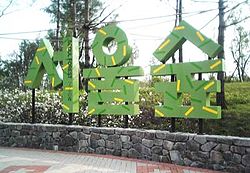
One of the entrances to Seoul Forest.

Key Information

Seoul Forest (Korean서울숲; RRSeoul sup) is a large park in Seongdong District, Seoul, South Korea. It is open year-round, and admission is free. Seoul Forest opened in June 2005. The city government spent 235.2 billion won in development.[1] It is the third largest park in Seoul.[2] Seoul Forest is a massive park dotted with over 420,000 trees and 100 different animals.[3] This nature park is located in Seongsu-dong and covers an area of 1,200 ha (3,000 acres).

Description

[edit]

This Ecologic Park has over 40 different species of roses. This park also has fish. There are also many wetland plant species, including reeds, silver banner grass, and rose-gold pussy willows. There are different types of water plants, such as water chestnut and floating moss. Along with these sights, Seoul Forest also features as an insect garden and outdoor nature classroom for children in its Wetlands Ecological Field.[4]

Amenities

[edit]
  • Cultural Art Park[5] (220,000 m2 or 54 acres)
  • Hangang River Waterside Park (33,000 m2 or 8.2 acres)
  • Experiential Learning Park[5] (85,000 m2 or 21 acres)
  • Marsh Plants Garden[5] (70,000 m2 or 17 acres)
  • Ecological Forest (165,000 m2 or 41 acres):[6] It opens every 5:30~21:30
  • An insect botanical garden: It opens every 10:00~17:00 (Closed every Monday)
  • Butterfly Garden: It opens every 10:00~17:00 (Closed every Monday)

History

[edit]

It was once a royal hunting forest, and later became Seoul's first water purification plant in 1908. In the 1940s, its surrounding area was used as an amusement park. In 1954, a race course was built in the park. In 2004, construction began to convert the park into a forest; this completed in June 2005.[3]

Since August 2017, Seongdong District has implemented a policy to restrict entry to large companies and franchise companies in the area of Seoul Forest Road in Seongsu-dong. Seongdong District restricted the entry of large companies, franchise headquarters, or franchise-type rest restaurants (large coffee shops), general restaurants (large buffet restaurants), bakeries, and cosmetics stores in Seongsu 1-ga 2-dong. Such measures were based on the district unit plan around Ttukseom Island and the ordinance on the designation of local community cooperation and sustainable development zones, and Seongdong District is the first to restrict entry to district unit plans and ordinances outside of central Seoul.[7]

Transport

[edit]

The park is served by Seoul Subway Line 2, Ttukseom station, exit 8 or Bundang Line, Seoul-forest station, exit 3. Buses are also widely available.[3][8]

References

[edit]
[edit]
Revisions and contributorsEdit on WikipediaRead on Wikipedia
from Grokipedia
Seoul Forest is a large situated in Seongdong-gu, , , encompassing approximately 1,160,000 square meters of green space and opened to the public in June 2005. Developed by the on the former Ttukseom district land between the Han River and Jungnang Stream, it serves as a central ecological and recreational hub modeled after New York's , featuring over 120,000 trees and diverse habitats. The park includes specialized zones such as an eco-forest for native and , a cultural arts area with galleries and performance spaces, a reserve, and a deer enclosure housing , drawing millions of visitors annually for activities like picnicking, , and seasonal flower viewing without notable controversies.

Overview

Location and Geography

Seoul Forest is located in , , , encompassing parts of and the Ttukseom area. Its main entrance is at 273 Ttukseom-ro, positioning it within the urban core east of central . The park lies at the confluence of the Han River to the south and the Jungnangcheon Stream to the north, acting as a natural buffer between these waterways and surrounding developed areas. This placement bridges high-density residential and former industrial zones in with the expansive Han River riverside, including proximity to Ttukseom Hangang Park. The terrain of Seoul Forest is largely flat, reflecting the geography of the Han River basin, with minimal elevation changes that support pedestrian paths and water features integrated for landscape enhancement and urban flood management.

Size and Layout

Seoul Forest encompasses approximately 1,150,000 square meters (115 hectares), ranking it among Seoul's largest urban parks and providing a substantial green buffer in the densely built Seongdong-gu district. This extent, roughly one-third the size of New York City's , accommodates Seoul's constrained urban topography while prioritizing accessibility and ecological integration. The park's layout divides this area into five themed zones: the Cultural Arts Park, Ecological Forest, Nature Experiencing Study Field, Butterfly Garden, and Wetland Reserve, each designed to delineate functional spaces while ensuring seamless transitions. These divisions span from open cultural lawns in the south to denser woodlands and wetlands in the north, fostering a linear progression aligned with the site's natural contours and proximity to the Han River. Supporting this organization, the park features over 420,000 planted trees forming a mature canopy, alongside an extensive network of paved and natural walking trails totaling several kilometers that interlink the zones and extend toward adjacent riverside paths. Pedestrian , including bridges over roadways, enhances connectivity to nearby , mitigating urban fragmentation.

History

Pre-20th Century Origins

The area encompassing modern Seoul Forest, historically designated as Ttukseom (or Tteokseom), functioned as a royal hunting ground during the Dynasty (1392–1910). Records indicate its establishment for such purposes dates to the reign of King Taejo (r. 1392–1398), the dynasty's founder, who relocated the capital to Hanyang (present-day ) and allocated peripheral riverine lands for elite pursuits like game hunting, prioritizing monarchical recreation and military training over intensive civilian settlement. This usage aligned with practices of designating expansive, low-density zones near the Han River for falconry, deer, and boar pursuits, which required vast open terrains unsuitable for dense agriculture or housing due to the terrain's marshy and flood-vulnerable characteristics. The site's relative isolation from central Hanyang, combined with recurrent Han River inundations—common in pre-modern Korea's monsoon climate—deterred significant residential or farming encroachment, maintaining it as largely undeveloped and . Joseon administrative records and annals, such as those preserved in the Veritable Records of the Joseon Dynasty, reflect how such royal reserves were protected from private claims, ensuring their availability for periodic royal excursions while serving as buffers against . As the era transitioned into Japanese colonial rule beginning in 1910, Ttukseom underwent negligible alterations in , persisting as a marginal, underutilized expanse on Seoul's eastern periphery amid colonial emphases on core development elsewhere. This continuity stemmed from its peripheral status and environmental constraints, delaying intensive exploitation until subsequent infrastructural projects in the early 20th century.

20th Century Industrial and Recreational Uses

In the aftermath of the Korean War, the Ttukseom area, already hosting Seoul's inaugural water purification plant since 1908, saw intensified use for water treatment to cope with the city's explosive population growth from approximately 1.4 million in 1950 to over 5 million by 1970, driven by rural-urban migration and industrial expansion. The facility processed raw water from the Han River using slow sand filtration methods, supplying up to 200,000 tons daily by the mid-20th century to meet surging demands amid rapid urbanization and limited infrastructure. This industrial prioritization reflected causal trade-offs, as green spaces were subordinated to essential utilities supporting economic recovery, though the plant's operations introduced chemical residues like aluminum sulfate, posing long-term soil contamination risks. By 1954, portions of the site were repurposed for the Ttukseom Racecourse, constructed by the Korea Racing Authority to revive as a recreational outlet following wartime disruptions, with the track opening after completion in May of that year. The facility included a 1,600-meter dirt oval accommodating thousands of spectators, fostering leisure amid the 1960s-1980s when Seoul's GDP rose from $100 to over $5,000, yet it competed for land with ongoing needs and sparked discussions on allocating scarce urban space between public and productive uses. An infield public complemented the racecourse, providing accessible for citizens during the era's growing , though maintenance strained resources amid from vehicle exhaust and fertilizers. The racecourse operated until 1988, when it relocated to to alleviate central Seoul's congestion, leaving underutilized land adjacent to the persisting water plant. The water purification operations continued into the late 20th century but were decommissioned around 2003 following system-wide relocations to modern facilities like those at Ttukdo, resulting in a brownfield site requiring remediation for and sediments accumulated over decades of industrial activity. This transition highlighted tensions between retaining functional infrastructure and reclaiming space for non-industrial purposes, with empirical assessments later confirming elevated contaminant levels necessitating soil treatment prior to ecological restoration.

Planning and Construction (1990s–2005)

In the late 1990s, the Seoul Metropolitan Government initiated plans to transform Ttukseom, a large unused post-industrial site adjacent to the Han River, into an urban park as part of broader efforts to expand green spaces amid rapid urbanization. This decision resolved ongoing controversies over alternative land uses, including high-density housing and commercial development proposals that had been debated due to the site's scarcity in central Seoul. The policy prioritized public access to nature and ecological restoration over revenue-generating options, reflecting empirical evidence from prior urban greening projects that demonstrated improved air quality and resident well-being without proportional economic trade-offs. Construction commenced in the early following the establishment of a basic plan, focusing on site preparation to address from prior industrial activities, foundational infrastructure such as pathways and utilities, and initial landscaping with native vegetation suited to the local . These phases emphasized causal linkages between land remediation and long-term urban , drawing on Seoul's evolving policies that integrated environmental recovery into city planning since the 1990s. The project reached completion in February 2004, with the park officially opening to the public on June 18, 2005, as a key component of the Han River initiatives aimed at reconnecting urban dwellers with natural landscapes. This outcome underscored the effectiveness of government-led reclamation in countering land pressure, yielding a 495,868.5-square-meter public asset that enhanced connectivity without succumbing to developmental pressures.

Features and Amenities

Themed Zones

Seoul Forest is divided into five primary themed zones, each engineered to foster distinct recreational and experiential opportunities amid urban surroundings, emphasizing , aesthetic variety, and low-impact interaction with landscaped environments. These divisions, spanning the park's approximately 1.17 million square meters, integrate open spaces for social activities with naturalistic settings for contemplation, drawing on principles of to mitigate city heat and promote mental restoration through diverse spatial designs. The Cultural Arts Park, the largest zone at 220,000 square meters, centers on communal engagement with vast open lawns ideal for picnics, informal sports, and large-scale events. It incorporates outdoor performance stages and amphitheaters accommodating up to several thousand spectators for concerts and festivals, alongside sculptural art installations and plazas that facilitate public art appreciation and spontaneous gatherings. This zone's layout prioritizes flat, unobstructed terrain to support high foot traffic and programmed cultural activities, reflecting Seoul's municipal goal of blending with artistic expression since the park's opening. The Ecological Forest and adjacent Display Garden emphasize serene, immersive nature experiences through dense canopies of native and ornamental trees covering over 400,000 square meters combined, providing shaded trails for walking and jogging that encourage passive relaxation. Flower beds and themed botanical displays in the garden area feature seasonal blooms, such as tulips in spring and chrysanthemums in autumn, designed for aesthetic viewing and photographic opportunities without intensive maintenance. These elements create micro-environments for quiet reflection, with winding paths that simulate forest immersion while ensuring visitor safety via elevated walkways and signage. Wetland and butterfly zones, integrated within the broader ecological framework, replicate riparian habitats using constructed ponds, marshes, and across roughly 50,000 square meters to offer . Boardwalks and observation decks enable non-intrusive exploration of features and pollinator-friendly plantings, with the garden operational from May to to highlight floral-pollinator dynamics during peak seasons. Engineered for , these areas incorporate filtration systems and to maintain ecological balance while directing visitor flow to minimize and compaction.

Recreational Facilities

Seoul Forest provides dedicated recreational infrastructure for active pursuits, including children's , paths, and outdoor fitness equipment distributed across its themed zones. The Cultural and Arts Park houses a forest equipped with play structures for young visitors, alongside a court for group sports and expansive lawns in the family yard suitable for picnics and informal gatherings. Cycling paths wind through the park, connecting to nearby Hangang Riverside areas via overhead footbridges, with bicycle rentals available adjacent to Gate 5 at rates starting from 4,000 won per hour, requiring photo ID. Outdoor fitness stations feature exercise apparatus such as pull-up bars and stretching equipment, enabling visitors to engage in strength and cardio activities within shaded, tree-lined areas. Rest areas include benches positioned for convenience along major paths, supporting high visitor volumes during peak seasons. Accessibility enhancements post-opening include step-free main entrances, gentle ramps on primary pathways, and Braille blocks guiding visually impaired users, ensuring broad usability without steep slopes or barriers at key access points. These features, implemented by Seoul city authorities, facilitate wheelchair navigation and family-inclusive recreation, though specialized rentals like strollers remain limited to external vendors.

Cultural and Educational Elements

The , located at Entrance #1, houses exhibits detailing the Forest's development from industrial land to an , alongside informational displays on local and conservation efforts. Complementing this, the Educational Experience Park provides interactive exhibits designed to educate visitors on environmental themes, encouraging hands-on engagement with concepts of sustainable urban living distinct from passive observation. Seoul Forest offers structured educational programs, including courses and workshops that address ecological awareness and urban nature integration, often through seasonal eco-focused sessions organized by park management. These initiatives, supported by the Seoul Forest Conservancy, aim to bridge urban residents' disconnection from natural processes via practical learning, such as interpretive sessions on park ecosystems. Volunteer programs further extend this by involving participants in conservation education, fostering a deeper understanding of . In the Cultural & Art Park, permanent and rotating art installations, including sculptures, blend artistic expression with natural surroundings to highlight human-nature . Annual events like the incorporate workshops, performances, and temporary exhibits that promote cultural appreciation of ecological themes, drawing crowds for collaborative creative activities. These programs, managed under city initiatives, emphasize without overlaying external ideological narratives.

Ecology and Biodiversity

Flora and Vegetation

Seoul Forest's vegetation primarily comprises a mix of and trees, shrubs, and established through extensive planting efforts beginning in the early 2000s, with major works completed by the park's opening in June 2005. Initial restoration involved over 48,000 trees, selected to rebuild a on the site's prior industrial and recreational uses, fostering from to mature . By 2022, the park supported over 700 species of and animals combined, reflecting successful enhancement via community-involved plantings and natural regeneration. Key tree species include ginkgo (), tulip tree (), Korean birch (Betula koreana), and others adapted to urban conditions, which contribute to particulate matter capture on surfaces, aiding air purification in the surrounding . Native and regionally common species predominate, with ongoing monitoring to manage invasive exotics—a persistent challenge in Seoul's urban forests—through selective removal and promotion of natives to maintain compositional stability. Studies indicate that such structures enhance PM2.5 reduction, with traits varying seasonally to optimize pollutant deposition. Seasonal dynamics highlight the flora's ecological role: spring features blooms from cherry trees (Prunus spp.), while autumn displays vibrant foliage from ginkgos and maples, correlating with peak air quality benefits as denser canopies filter pollutants. Mature plantings from 2005 now form multi-layered canopies, with efficacy evidenced by sustained species diversity and reduced invasive dominance compared to unrestored urban sites, though full pre-industrial oak-dominated profiles remain aspirational amid urban pressures.

Fauna and Wildlife Management

The deer enclosure in Seoul Forest's Eco Forest zone houses introduced populations of sika deer (Cervus nippon), including Formosan subspecies, alongside roe deer (Capreolus pygargus), enabling public observation for educational purposes via elevated pedestrian bridges that minimize human disturbance. These enclosures support animal welfare through structured management, including the suspension of public feeding on January 1, 2020, to encourage natural foraging behaviors, reduce nutritional imbalances, and lower disease transmission risks from improper foods. Wetland and forested habitats within the park sustain bird populations, including migratory that utilize the area as a stopover during seasonal routes, with observations facilitated by visitor reports and local ecological monitoring. Designated and gardens, operational seasonally from March to October, foster native communities by providing host plants and sheltered environments, contributing to broader maintenance. Management challenges include controlling feral cat influxes, addressed via Seoul's trap-neuter-return (TNR) initiatives that sterilize and monitor stray populations to curb predation on smaller and disease vectors without mass . Enclosure fencing and breeding limits prevent deer overpopulation and resultant overgrazing, while city ordinances impose fines up to 1 million KRW (approximately 673 USD) for feeding wild animals, including in parks like Seoul Forest, to avoid , disruption, and public safety hazards such as aggressive behavior or pathogen spread.

Access and Transportation

Public Transit Connections

Seoul Forest is primarily accessible via the at Seoul Forest Station, where Exits 3 and 4 lead directly to park entrances via pedestrian paths covering approximately 242 meters. This station, operational since the line's extension in December 2023, facilitates high-capacity transit with trains arriving every 5–10 minutes during peak hours, accommodating up to 1,200 passengers per train and serving over 50,000 daily riders on the line segment. Complementary access is available from Ttukseom Station on Line 2 (Exit 8), involving a 537-meter walk along Seoul Forest-gil to the main gate, and Ttukseom Resort Station on Line 7 (Exits 2 and 3), which connect via underpass tunnels and sidewalks optimized for pedestrian flow in the dense Seongdong-gu district. Multiple bus routes integrate with these stations to link Seoul Forest to central districts, including lines such as 341 and N13 that stop at nearby intersections like Ttukseom-ro, enabling transfers from areas like or Jongno without private vehicles. These services, operated by Seoul's extensive network of over 300 routes, prioritize frequency (every 5–15 minutes) and capacity (buses seating 30–40 with standing room for 50+), reducing urban congestion by handling peak loads exceeding 10,000 daily visitors via mass transit. Integration with the card system allows seamless fare payments across subway and buses, with subsidized transfers encouraging modal shifts from cars in Seoul's high-density environment where public options cover 70% of trips. Ongoing metropolitan rail expansions, including Line 7's northward extension toward by 2030, position Seoul Forest near enhanced interchanges without spurring peripheral development, as existing already supports efficient radial access from the city core. This proximity to planned GTX alignments further bolsters connectivity for regional commuters while maintaining the park's role in compact utilization.

Parking and Alternative Access

Seoul Forest maintains a limited on-site parking facility with 211 spaces operating 24 hours daily, including six designated for needs. This constrained capacity, relative to the park's 1.2 million annual visitors, prioritizes reduced vehicular traffic in line with Seoul's policies favoring sustainable mobility over . Parking fees apply at 300 won per 10 minutes, with kiosks at entrances, though the lot often reaches full occupancy on weekends and peak days, directing excess drivers to nearby public lots in or Ttukseom areas. Pedestrian entry points connect directly from surrounding neighborhoods like Seongsu and Wangsimni via sidewalks and overpasses, facilitating walkable access without reliance on vehicles. A 750-meter pedestrian overpass links the park to , enabling seamless extension to the Han River's extensive trail network for eco-conscious approaches. Bicycle paths along the Han River's southern banks provide additional non-motorized routes, with paved segments exceeding 100 km regionally that intersect Seoul Forest boundaries, supporting cycling from upstream or downstream parks like Jamsil or . These alternatives align with the park's ecological emphasis, as vehicular limits help preserve air quality and reduce congestion around the 595,000 m² site.

References

Add your contribution
Related Hubs
User Avatar
No comments yet.