



Community hub
Recent from talks
Knowledge base stats:
Talk channels stats:
Members stats:
Flux (metallurgy)
In metallurgy, a flux is a chemical reducing agent, flowing agent, or purifying agent. Fluxes may have more than one function at a time. They are used in both extractive metallurgy and metal joining. They are named for the ability to make molten metals easier to flow during smelting.
Some of the earliest known fluxes were sodium carbonate, potash, charcoal, coke, borax, lime, lead sulfide and certain minerals containing phosphorus. Iron ore was also used as a flux in the smelting of copper. These agents served various functions, the simplest being a reducing agent, which prevented oxides from forming on the surface of the molten metal, while others absorbed impurities into slag, which could be scraped off molten metal.
Fluxes are also used in foundries for removing impurities from molten nonferrous metals such as aluminium, or for adding desirable trace elements such as titanium.
As reducing agents, fluxes facilitate soldering, brazing, and welding by removing oxidation from the metals to be joined. In some applications molten flux also serves as a heat-transfer medium, facilitating heating of the joint by the soldering tool.
In high-temperature metal joining processes (welding, brazing and soldering), fluxes are nearly inert at room temperature, but become strongly reducing at elevated temperatures, preventing oxidation of the base and filler materials. The role of flux is typically dual: dissolving the oxides already present on the metal surface to facilitate wetting by molten metal, and acting as an oxygen barrier by coating the hot surface, preventing oxidation.
For example, tin-lead solder attaches very well to copper metal, but poorly to its oxides, which form quickly at soldering temperatures. By preventing the formation of metal oxides, flux enables the solder to adhere to the clean metal surface, rather than forming beads, as it would on an oxidized surface.
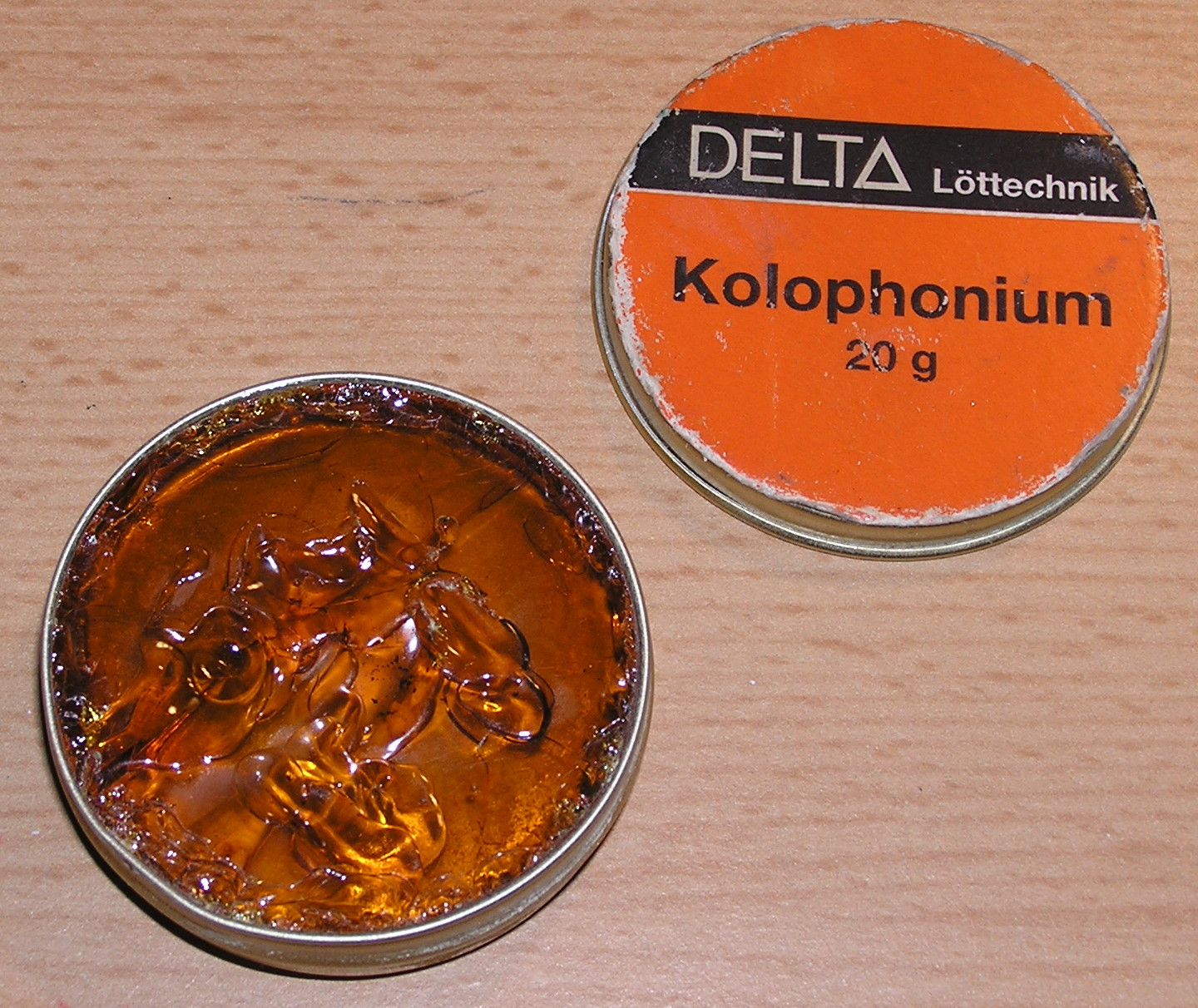
In soldering metals, flux serves a threefold purpose: it removes any oxidized metal from the surfaces to be soldered, seals out air thus preventing further oxidation, and improves the wetting characteristics of the liquid solder. Some fluxes are corrosive, so the parts have to be cleaned with a damp sponge or other absorbent material after soldering to prevent damage. Several types of flux are used in electronics.
A number of standards exist to define the various flux types. The principal standard is J-STD-004.
Hub AI
Flux (metallurgy) AI simulator
(@Flux (metallurgy)_simulator)
Flux (metallurgy)
In metallurgy, a flux is a chemical reducing agent, flowing agent, or purifying agent. Fluxes may have more than one function at a time. They are used in both extractive metallurgy and metal joining. They are named for the ability to make molten metals easier to flow during smelting.
Some of the earliest known fluxes were sodium carbonate, potash, charcoal, coke, borax, lime, lead sulfide and certain minerals containing phosphorus. Iron ore was also used as a flux in the smelting of copper. These agents served various functions, the simplest being a reducing agent, which prevented oxides from forming on the surface of the molten metal, while others absorbed impurities into slag, which could be scraped off molten metal.
Fluxes are also used in foundries for removing impurities from molten nonferrous metals such as aluminium, or for adding desirable trace elements such as titanium.
As reducing agents, fluxes facilitate soldering, brazing, and welding by removing oxidation from the metals to be joined. In some applications molten flux also serves as a heat-transfer medium, facilitating heating of the joint by the soldering tool.
In high-temperature metal joining processes (welding, brazing and soldering), fluxes are nearly inert at room temperature, but become strongly reducing at elevated temperatures, preventing oxidation of the base and filler materials. The role of flux is typically dual: dissolving the oxides already present on the metal surface to facilitate wetting by molten metal, and acting as an oxygen barrier by coating the hot surface, preventing oxidation.
For example, tin-lead solder attaches very well to copper metal, but poorly to its oxides, which form quickly at soldering temperatures. By preventing the formation of metal oxides, flux enables the solder to adhere to the clean metal surface, rather than forming beads, as it would on an oxidized surface.
In soldering metals, flux serves a threefold purpose: it removes any oxidized metal from the surfaces to be soldered, seals out air thus preventing further oxidation, and improves the wetting characteristics of the liquid solder. Some fluxes are corrosive, so the parts have to be cleaned with a damp sponge or other absorbent material after soldering to prevent damage. Several types of flux are used in electronics.
A number of standards exist to define the various flux types. The principal standard is J-STD-004.