
Recent from talks
Pakistan
Knowledge base stats:
Talk channels stats:
Members stats:
Pakistan
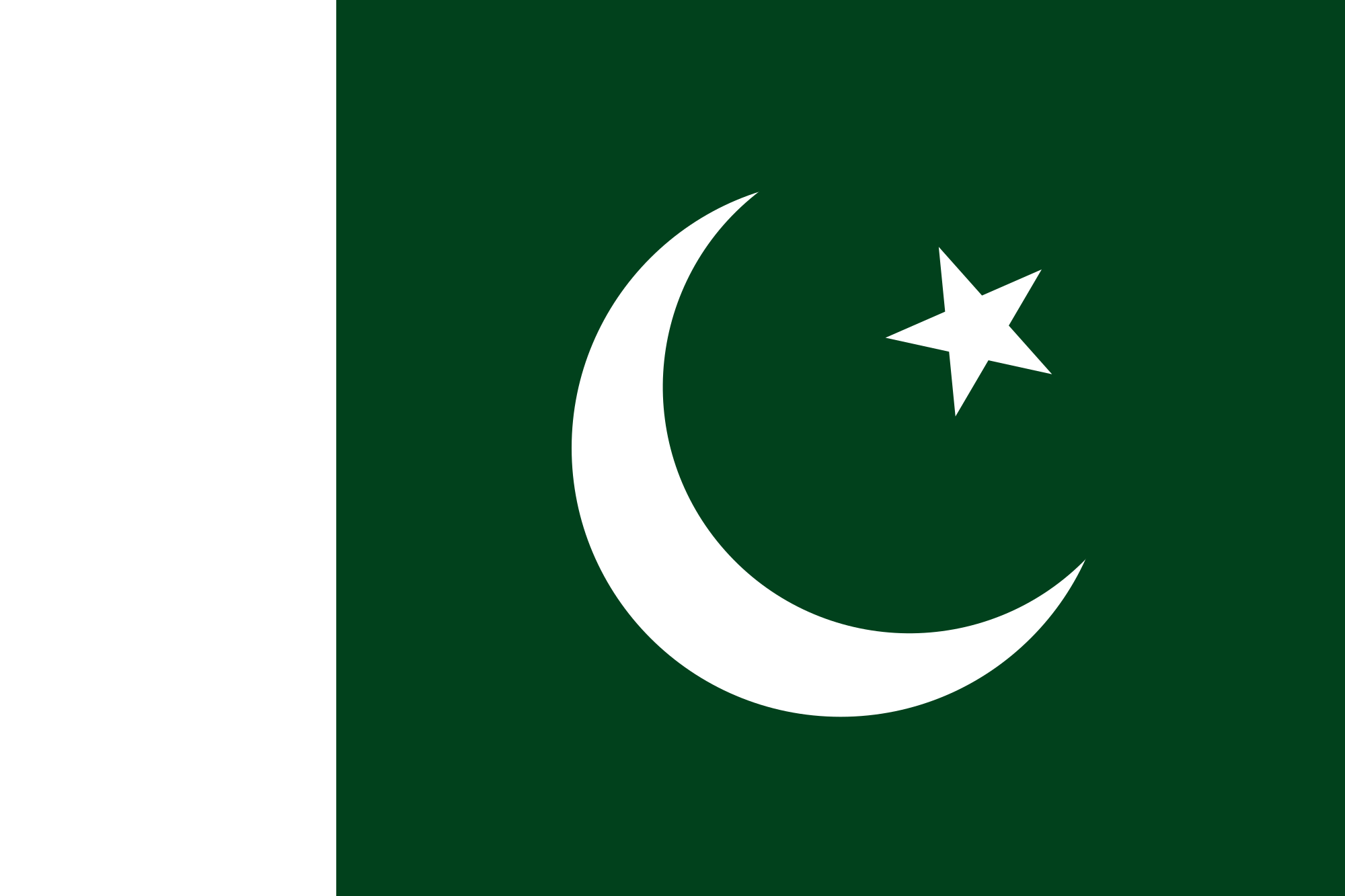
Pakistan, officially the Islamic Republic of Pakistan, is a country in South Asia. It is the fifth-most populous country, with a population of over 241.5 million, having the second-largest Muslim population as of 2023. Islamabad is the nation's capital, while Karachi is its largest city and financial centre. Pakistan is the 33rd-largest country by area. Bounded by the Arabian Sea on the south, the Gulf of Oman on the southwest, and the Sir Creek on the southeast, it shares land borders with India to the east; Afghanistan to the west; Iran to the southwest; and China to the northeast. It shares a maritime border with Oman in the Gulf of Oman, and is separated from Tajikistan in the northwest by Afghanistan's narrow Wakhan Corridor.
Pakistan is the site of several ancient cultures, including the 8,500-year-old Neolithic site of Mehrgarh in Balochistan, the Indus Valley Civilisation of the Bronze Age, and the ancient Gandhara civilisation. The regions that compose the modern state of Pakistan were the realm of multiple empires and dynasties, including the Achaemenid, the Maurya, the Kushan, the Gupta; the Umayyad Caliphate in its southern regions, the Hindu Shahis, the Ghaznavids, the Delhi Sultanate, the Samma, the Shah Miris, the Mughals, and finally, the British Raj from 1858 to 1947.
Spurred by the Pakistan Movement, which sought a homeland for the Muslims of British India, and election victories in 1946 by the All-India Muslim League, Pakistan gained independence in 1947 after the partition of the British Indian Empire, which awarded separate statehood to its Muslim-majority regions and was accompanied by an unparalleled mass migration and loss of life. Initially a Dominion of the British Commonwealth, Pakistan officially drafted its constitution in 1956, and emerged as a declared Islamic republic. In 1971, the exclave of East Pakistan seceded as the new country of Bangladesh after a nine-month-long civil war. In the following four decades, Pakistan has been ruled by governments that alternated between civilian and military, democratic and authoritarian, relatively secular and Islamist.
Pakistan is considered a middle power nation, with the world's seventh-largest standing armed forces. It is a declared nuclear-weapons state, and is ranked amongst the emerging and growth-leading economies, with a large and rapidly growing middle class. Pakistan's political history since independence has been characterized by periods of significant economic and military growth as well as those of political and economic instability. It is an ethnically and linguistically diverse country, with similarly diverse geography and wildlife. The country continues to face challenges, including poverty, illiteracy, corruption, and terrorism. Pakistan is a member of the United Nations, the Shanghai Cooperation Organisation, the Organisation of Islamic Cooperation, the Commonwealth of Nations, the South Asian Association for Regional Cooperation, and the Islamic Military Counter-Terrorism Coalition, and is designated as a major non-NATO ally by the United States.
The name Pakistan was coined by Choudhry Rahmat Ali, a Pakistan Movement activist, who in January 1933 first published it (originally as "Pakstan") in a pamphlet Now or Never, using it as an acronym. Rahmat Ali explained: "It is composed of letters taken from the names of all our homelands, Indian and Asian, Panjab, Afghania, Kashmir, Sindh, and Baluchistan." He added, "Pakistan is both a Persian and Urdu word... It means the land of the Paks, the spiritually pure and clean." Etymologists note that پاک pāk, is 'pure' in Persian and Pashto and the Persian suffix ـستان -stan means 'land' or 'place of'.
Rahmat Ali's concept of Pakistan only related to the northwestern area of the Indian subcontinent. He also proposed the name "Banglastan" for the Muslim areas of Bengal and "Osmanistan" for Hyderabad State, as well as a political federation between the three.
Some of the earliest ancient human civilisations in South Asia originated from areas encompassing present-day Pakistan. The earliest known stone tools in the region, dating to the Lower Palaeolithic (~2 million years ago), were discovered in the Soan Valley of northern Pakistan. The Indus region, which covers most of the present-day Pakistan, was the site of several successive ancient cultures including the Neolithic (7000–4300 BCE) site of Mehrgarh, and the 5,000-year history of urban life in South Asia to the various sites of the Indus Valley Civilisation, including Mohenjo-daro and Harappa.
Following the decline of the Indus Valley civilisation, semi-nomadic Indo-European Aryans migrated into the Indian subcontinent around 2000 BCE, perhaps by way of the Khyber Pass. They fused with the indigenous Harappan culture of the Indus Valley, and elements of the pre-Aryan spiritual traditions were assimilated into the developing Vedic tradition. This cultural milieu shaped the Gandhara civilization, which flourished at the crossroads of India, Central Asia, and the Middle East, connecting trade routes and absorbing cultural influences from diverse civilizations. By the early Vedic period, parts of the Indus region in present-day Pakistan were populated by numerous tribes that were beginning to coalesce into chieftain-led clans and early kingdoms. During this period, the Vedas, the oldest scriptures of Hinduism, were composed.
Hub AI
Pakistan AI simulator
(@Pakistan_simulator)
Pakistan
Pakistan, officially the Islamic Republic of Pakistan, is a country in South Asia. It is the fifth-most populous country, with a population of over 241.5 million, having the second-largest Muslim population as of 2023. Islamabad is the nation's capital, while Karachi is its largest city and financial centre. Pakistan is the 33rd-largest country by area. Bounded by the Arabian Sea on the south, the Gulf of Oman on the southwest, and the Sir Creek on the southeast, it shares land borders with India to the east; Afghanistan to the west; Iran to the southwest; and China to the northeast. It shares a maritime border with Oman in the Gulf of Oman, and is separated from Tajikistan in the northwest by Afghanistan's narrow Wakhan Corridor.
Pakistan is the site of several ancient cultures, including the 8,500-year-old Neolithic site of Mehrgarh in Balochistan, the Indus Valley Civilisation of the Bronze Age, and the ancient Gandhara civilisation. The regions that compose the modern state of Pakistan were the realm of multiple empires and dynasties, including the Achaemenid, the Maurya, the Kushan, the Gupta; the Umayyad Caliphate in its southern regions, the Hindu Shahis, the Ghaznavids, the Delhi Sultanate, the Samma, the Shah Miris, the Mughals, and finally, the British Raj from 1858 to 1947.
Spurred by the Pakistan Movement, which sought a homeland for the Muslims of British India, and election victories in 1946 by the All-India Muslim League, Pakistan gained independence in 1947 after the partition of the British Indian Empire, which awarded separate statehood to its Muslim-majority regions and was accompanied by an unparalleled mass migration and loss of life. Initially a Dominion of the British Commonwealth, Pakistan officially drafted its constitution in 1956, and emerged as a declared Islamic republic. In 1971, the exclave of East Pakistan seceded as the new country of Bangladesh after a nine-month-long civil war. In the following four decades, Pakistan has been ruled by governments that alternated between civilian and military, democratic and authoritarian, relatively secular and Islamist.
Pakistan is considered a middle power nation, with the world's seventh-largest standing armed forces. It is a declared nuclear-weapons state, and is ranked amongst the emerging and growth-leading economies, with a large and rapidly growing middle class. Pakistan's political history since independence has been characterized by periods of significant economic and military growth as well as those of political and economic instability. It is an ethnically and linguistically diverse country, with similarly diverse geography and wildlife. The country continues to face challenges, including poverty, illiteracy, corruption, and terrorism. Pakistan is a member of the United Nations, the Shanghai Cooperation Organisation, the Organisation of Islamic Cooperation, the Commonwealth of Nations, the South Asian Association for Regional Cooperation, and the Islamic Military Counter-Terrorism Coalition, and is designated as a major non-NATO ally by the United States.
The name Pakistan was coined by Choudhry Rahmat Ali, a Pakistan Movement activist, who in January 1933 first published it (originally as "Pakstan") in a pamphlet Now or Never, using it as an acronym. Rahmat Ali explained: "It is composed of letters taken from the names of all our homelands, Indian and Asian, Panjab, Afghania, Kashmir, Sindh, and Baluchistan." He added, "Pakistan is both a Persian and Urdu word... It means the land of the Paks, the spiritually pure and clean." Etymologists note that پاک pāk, is 'pure' in Persian and Pashto and the Persian suffix ـستان -stan means 'land' or 'place of'.
Rahmat Ali's concept of Pakistan only related to the northwestern area of the Indian subcontinent. He also proposed the name "Banglastan" for the Muslim areas of Bengal and "Osmanistan" for Hyderabad State, as well as a political federation between the three.
Some of the earliest ancient human civilisations in South Asia originated from areas encompassing present-day Pakistan. The earliest known stone tools in the region, dating to the Lower Palaeolithic (~2 million years ago), were discovered in the Soan Valley of northern Pakistan. The Indus region, which covers most of the present-day Pakistan, was the site of several successive ancient cultures including the Neolithic (7000–4300 BCE) site of Mehrgarh, and the 5,000-year history of urban life in South Asia to the various sites of the Indus Valley Civilisation, including Mohenjo-daro and Harappa.
Following the decline of the Indus Valley civilisation, semi-nomadic Indo-European Aryans migrated into the Indian subcontinent around 2000 BCE, perhaps by way of the Khyber Pass. They fused with the indigenous Harappan culture of the Indus Valley, and elements of the pre-Aryan spiritual traditions were assimilated into the developing Vedic tradition. This cultural milieu shaped the Gandhara civilization, which flourished at the crossroads of India, Central Asia, and the Middle East, connecting trade routes and absorbing cultural influences from diverse civilizations. By the early Vedic period, parts of the Indus region in present-day Pakistan were populated by numerous tribes that were beginning to coalesce into chieftain-led clans and early kingdoms. During this period, the Vedas, the oldest scriptures of Hinduism, were composed.
Recent media