Hubbry Logo
Donald Ewen CameronDonald Ewen CameronMain
Open search
Donald Ewen Cameron
Community hub
Donald Ewen Cameron
logo
8 pages, 0 posts
0 subscribers
Be the first to start a discussion here.
Donald Ewen Cameron
Donald Ewen Cameron
from Wikipedia

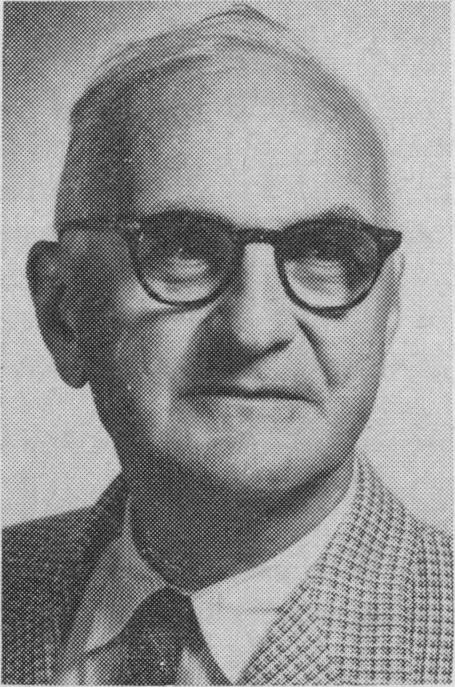
Donald Ewen Cameron ((1901-12-24)24 December 1901 – (1967-09-08)8 September 1967)[1] was a Scottish-born psychiatrist. He is largely known today for his central role in unethical medical experiments, and development of psychological and medical torture techniques for the Central Intelligence Agency. He served as president of the American Psychiatric Association (1952–1953), Canadian Psychiatric Association (1958–1959),[2] American Psychopathological Association (1963),[3] Society of Biological Psychiatry (1965)[4] and the World Psychiatric Association (1961–1966).[5]

Key Information

In spite of his high professional reputation, he has been criticized for, among other things, his experimentation on adults and children, administering electroconvulsive therapy and experimental drugs, including poisons such as curare and hallucinogens such as lysergic acid diethylamide (LSD), to patients and prisoners without their knowledge or informed consent. Some of this work took place in the context of the Project MKUltra program for the developing of mind control and torture techniques, psychoactive poisons, and behavior modification systems.[6] Decades after his own death, the psychic driving technique he developed continued to see extensive use in the torture of prisoners around the world.[7]

Early life and career

[edit]

Donald Ewen Cameron was born in Bridge of Allan, Scotland, the oldest son of a Presbyterian minister. He received an M.B., Ch.B from the University of Glasgow in 1924, a D.P.M. from the University of London in 1925, and an M.D. with distinction from the University of Glasgow in 1936.[8]

Cameron began his training in psychiatry at the Glasgow Royal Mental Hospital in 1925. In 1926, he served as assistant medical officer there[9] and was introduced to psychiatrist Sir David Henderson, a student of Swiss-born US psychiatrist Adolf Meyer. He continued his training in the United States under Meyer at the Phipps Clinic, Johns Hopkins Hospital in Baltimore, Maryland from 1926 to 1928 with a Henderson Research Scholarship.

In 1928, Cameron left Baltimore for the Burghölzli, the psychiatric hospital of the University of Zurich, in Switzerland, where he studied under Hans W. Maier, the successor of Swiss psychiatrist Eugen Bleuler, who had significantly influenced psychiatric thinking.[10] There he met A. T. Mathers, Manitoba's principal psychiatrist, who convinced Cameron in 1929 to move to Brandon, the second largest city of Manitoba, Canada. Cameron stayed there for seven years and was made physician-in-charge of the Reception Unit of the Provincial Mental Hospital. He also organized the structure of mental health services in the western half of the province, establishing 10 functioning clinics; this model was used as the blueprint for similar efforts in Montreal and a forerunner of 1960s community health models.[citation needed]

In 1933, he married Jean C. Rankine, whom he had met while they were students at the University of Glasgow. She was a former captain of the Scottish field hockey team, a competitive tennis player,[11] and lecturer in mathematics at the University of Glasgow. They had four children; a daughter and three sons.

In 1936, he moved to Massachusetts to become director of the research division at Worcester State Hospital only 1 year later. In 1936, he also published his first book, Objective and Experimental Psychiatry which introduced his belief that psychiatry should approach the study of human behavior in a rigorous, scientific fashion rooted in biology. His theories of behavior stressed the unity of the organism with the environment; the book also outlined experimental method and research design. Cameron believed firmly in clinical psychiatry and a strict scientific method.

In 1938 he moved to Albany, New York, where he received his diplomate in psychiatry and thus was certified in psychiatry. From 1939 to 1943 he was professor of neurology and psychiatry at Albany Medical College, and at the Russell Sage School of Nursing, also in the Albany area. During those years, Cameron began to expand on his thoughts about the interrelationships of mind and body, developing a reputation as a psychiatrist who could bridge the gap between the organic, structural neurologists, and the psychiatrists whose knowledge of anatomy was limited to maps of the mind as opposed to maps of the brain. Through his instruction of nurses and psychiatrists he became an authority in his areas of concentration.[citation needed]

Cameron focused primarily on biological descriptive psychiatry and applied the British and European schools and models of the practice. Cameron followed these schools in demanding that mental disturbances are diseases and somatic in nature; all psychological illness would therefore be hardwired, a product of the body and the direct result of a patient's biological structure rather than caused by social environments.[citation needed] Characteristics were thus diagnosed as syndromes emerging from the brain. It is at this juncture that he became interested with how he could effectively manipulate the brain to control and understand the processes of memory.[citation needed] He furthermore wanted to understand the problems of memory caused by aging, believing that the aged brain experienced psychosis.

In 1943, Cameron was invited to McGill University in Montreal by neurosurgeon Dr Wilder Penfield. With a grant from the Rockefeller Foundation, money from John Wilson McConnell of the Montreal Star, and a gift of Sir Hugh Allan's mansion on Mount Royal, the Allan Memorial Institute for psychiatry was founded. Cameron became the first director of the Allan Memorial Institute as well as the first chairman of the Department of Psychiatry at McGill. He recruited psychoanalysts, social psychiatrists and biologists globally to develop the psychiatry program at McGill.[12] From its beginning in 1943, the Allan Memorial Institute was run on an "open door" basis, allowing patients to leave if they wished, as opposed to the "closed door" policy of other hospitals in Canada in the early 1940s. In 1946, Cameron introduced the practice of the day hospital, the first of its kind in North America, permitting patients to remain at home while receiving treatment at the institute during the day, thus avoiding unnecessary hospitalization and allowing the patients to maintain ties with their community and family.[13]

Nuremberg trials

[edit]

In 1945, Cameron, Nolan D. C. Lewis and Paul L. Schroeder, colonel and psychiatrist, University College of Illinois, were invited to the Nuremberg trials for a psychiatric evaluation of Rudolf Hess. Their diagnosis was amnesia and hysteria, per a short commentary in the Journal of the American Medical Association.[14] Hess later confessed that he had faked the amnesia.[15]

Before his arrival in Nuremberg, Cameron had written The Social Reorganization of Germany, in which he argued that German culture and its individual citizens would have to be transformed and reorganized. In his analysis, German culture was made up of people who had the need for status, worshipped strict order and regimentation, desired authoritarian leadership and had a deeply ingrained fear of other countries. The paper stated that German culture and its people would have offspring bound to become a threat to world peace in 30 years. To prevent this, the West would have to take measures to reorganize German society. Other similar psychiatric diagnoses of Germany were published during this time.[16]

Cameron next published Nuremberg and Its Significance. In this, he hoped to establish a suitable method to reinstate a form of justice in Germany that could prevent its society from recreating the attitudes that led it from the Great War to World War II. Cameron viewed German society throughout history as continually giving rise to fearsome aggression. He came up with the idea that if he presented the world and confronted the Germans with the atrocities committed during the war, the world and the Germans would refrain from repeated acts of extreme aggression.[citation needed]; if the greater population of Germany saw the atrocities of World War II, they would surely submit to a re-organized system of justice. Cameron decided that Germans would be most likely to commit atrocities due to their historical, biological, racial and cultural past and their particular psychological nature. All Germans on trial would be assessed according to the likeliness for committing the crime.[citation needed]

Cameron began to develop broader theories of society, new concepts of human relations to replace concepts he deemed dangerous and outdated. These became the basis of a new social and behavioural science that he would later institute through his presidencies of the Canadian, American and World Psychiatric Associations, the American Psychopathological Association and the Society of Biological Psychiatry. With the results of the Manhattan Project, Cameron feared that without proper re-organization of society, atomic weapons could fall into the hands of new, fearsome aggressors.[17] Cameron argued that it was necessary for behavioral scientists to act as the social planners of society, and that the United Nations could provide a conduit for implementing his ideas for applying psychiatric elements to global governance and politics.

Cameron started to distinguish populations between "the weak" and "the strong". Those with anxieties or insecurities and who had trouble with the state of the world were labelled as "the weak"; in Cameron's analysis, they could not cope with life and had to be isolated from society by "the strong". The mentally ill were thus labelled as not only sick, but also weak. Cameron further argued that "the weak" must not influence children. He promoted a philosophy where chaos could be prevented by removing the weak from society.[citation needed]

Social and intrapsychic behaviour analysis

[edit]

In the late 1940s and early 1950s, Cameron continued his work on memory and its relationship to aging. He published a book called Remembering[18] and extended psychiatric links to human biology.[1] In papers published during this time he linked RNA to memory. He furthered his diagnostic definitions of clinical states such as anxiety, depression and schizophrenia.

He began to develop the discipline of social psychiatry which concentrated on the roles of interpersonal interaction, family, community and culture in the emergence and amelioration of emotional disturbance. Cameron placed the psychiatric treatment unit inside of the hospital and inspected its success. Here in the hospital Cameron could observe how the psychiatric patient resembled patients with other diseases that were not psychiatric in nature. In this manner, somatic causes could be compared. The behaviour of a mental patient could resemble the behaviour of a patient with, for example, syphilis, and then a somatic cause could be deduced for a psychological illness. Cameron titled this procedure "intrapsychic" (a term derived from the psycho-somatic relationship of hospital patients).

Cameron began to abandon the Freudian unconscious in favour of a social constructivist's view of mental illness. In his analysis, culture and society played a crucial role in the ability for one to function according to the demands necessary for human survival. Therefore, society should function to select out the weak and unwanted, those apt towards fearsome aggression that threatened society. Psychiatry would play a disciplinary role.

Cameron began to explore how industrial conditions could satisfy the population through work and what kind of person or worker is best suited to industrial conditions. A stronger personality would be able to maintain itself in heavy industrial situations, he theorised, while the weaker would not be able to cope with industrial conditions. Cameron would analyze what conditions produced the stronger worker, what would be the necessary conditions to replicate this personality and to reward the stronger while disciplining the weaker. In his 1946 paper entitled "Frontiers of Social Psychiatry", he used the case of World War II Germany as an example where society poisoned the minds of citizens by creating a general anxiety or neurosis.[19]

Cameron and Freud: civilization and discontents

[edit]

Although Cameron rejected the Freudian notion of the unconscious, he shared the Freudian idea that personal psychology is linked to the nervous nature. He theorized that attitudes and beliefs should reinforce the overall attitudes of the desired society. Like Freud, Cameron maintained that the family was the nucleus of social behavior and anxieties later in life were spawned during childhood. Cameron wanted to build an inventive psychiatric institution to determine rapid ways for societal control while demanding a psychological economy that did not center itself around guilt and guilt complexes. His focus on children included the rights to protection against outmoded, doctrinaire tactics, and the necessity for the implantation of taboos and inhibitions from their parents. Cameron wrote that mental illness was transmitted generationally; thus, the re-occurrence of mental illness could be stopped by remodeling and expanding existing concepts of marriage suitability, as well as the quarantine of mentally ill individuals from the general population. The only cure for mental illness, he theorized, was to eliminate its "carriers" from society altogether.

Cameron believed that mental illness was literally contagious – that if one came into contact with someone with mental illness, one would begin to produce the symptoms of a mental disease. For example, something like rock music could be created by mentally ill people and would produce mentally ill people through infection, which in turn would be transmitted to the genes. Thus, this group would have to be studied and controlled as a contagious social disease. Police, hospitals, government, and schools would need to use the correct psychiatric authority to stop mental contagions from spreading. Cameron also hoped to generate families capable of using authority and techniques to take measures against mental illness, which would later be apparent in Cameron's MKULTRA and MKDELTA experiments.

Cameron and the Germans

[edit]

If we can succeed in inventing means of changing their attitudes and beliefs, we shall find ourselves in possession of measures which, if wisely used, may be employed in freeing ourselves from their attitudes and beliefs in other fields which have greatly contributed to the instability of our period by their propensity for holding up progress

— Cameron on the Germans, in Life is For Living[20]

In Cameron's book Life is For Living, published in 1948, he expressed a concern for the German race in general. Just as Sigrid Schultz stated in Germany will try it again, Cameron fostered a fear for Germans and their genetic determination.[clarification needed] Those Germans affected by the events that led to World War II were of utmost concern. Cameron's concerns extended to his policies determining who should have children and advance to positions of authority. According to Cameron's psychiatric analysis of the German people, they were not suitable to have children or hold positions of authority because of a genetic tendency to organize society in a way that fostered fearsome aggression and would lead to war rather than peace; he would repeatedly use the German as the archetypal character structure on which to ground the most psychologically deviant humans.[citation needed][21]

Mental illness as a social contagion

[edit]

Although society had established sanctions against the spread of infectious diseases, Cameron wanted to extend the concept of contagion to chronic anxiety. He argued that people with mental illnesses could spread and transmit their diseases. He warned that government institutions should take measures against such potential liabilities. Cameron began to base some of his notions on race, as is seen in his theories regarding the German people.

In the late 1940s, Cameron presented his ideas in a lecture entitled Dangerous Men and Women. It describes various personalities that he believed were of marked danger to all members of society. The personality types are as follows:

  • A passive man who "is afraid to say what he really thinks" and "will stand anything, and stands for nothing". "[H]e was born in Munich, he is the eternal compromiser and his spiritual food is appeasement".[22]
  • A possessive type, filled with jealousy and demanding utmost loyalty. This personality type poses a danger to those closest to them, especially children.
  • The insecure man – "They are the driven crowds that makes the army of the authoritarian overlord; they are the stuffing of conservatism ... mediocrity is their god. They fear the stranger, they fear the new idea; they are afraid to live, and scared to die." This third type needs conformity and obeys the dictates of society, adhering to a world of strict standards of right or wrong (which are manipulated by power groups to keep the insecure controlled and dependent). Cameron theorized that this type is dangerous because of its "lust for authority".[22]
  • The last type is the psychopath, the greatest danger in times of political and societal upheaval; this Cameron labeled "the Gestapo".

Cameron believed that a society in which psychiatry built and developed the institutions of government, schools, prisons and hospitals would be one in which science triumphed over the "sick" members of society. He demanded that political systems be watched, and that German people needed to be monitored due to their "personality type", which he claimed results in the conditions that give rise to the dictatorial power of an authoritarian overlord.

Cameron stated, "Get it understood how dangerous these damaged, sick personalities are to ourselves – and above all, to our children, whose traits are taking form and we shall find ways to put an end to them." He spoke about Germans, but also to the larger portion of the society that resembled or associated with such traits. For Cameron, the traits were contagions and anyone affected by the societal, cultural or personality forms would themselves be infected. Cameron used his ideas to implement policies on who should govern and parent in society. The described types would have to be eliminated from society if there was to be peace and progress. The sick were, for Cameron, the viral infection to its stability and health. The described types were the enemies of society and life. Experts must develop methods of forcefully changing attitudes and beliefs to prevent the authoritarian overlord.[22]

MKULTRA Subproject 68

[edit]

During the 1950s and 1960s, Cameron's work attracted the interest of the Central Intelligence Agency's MKUltra mind control program, which began funding his work under MKUltra subproject 68.[23][24] He is unrelated to another CIA psychiatrist, Alan S. Cameron, who helped pioneer psychological profiling of world leaders during the 1970s and was not associated with the behavioral modification research program.[25]

Cameron had hoped to correct schizophrenia by "erasing" existing memories and "reprogramming" the psyche. He commuted from Lake Placid, New York to Montreal every week to work at McGill's Allan Memorial Institute and was paid $69,000 from 1957 to 1964 to carry out MKUltra experiments there, known as the Montreal experiments. In addition to LSD, he experimented with various paralytic drugs such as curare and electroconvulsive therapy at thirty to forty times the normal power.[26] His "psychic driving" experiments consisted of putting a subject into a drug-induced coma for weeks at a time (up to three months in one case) while playing tape loops of noise or simple statements. These experiments were typically carried out on patients who had entered the Institute for minor problems such as anxiety disorders and postnatal depression; many were permanently debilitated after these treatments.[27] Such consequences included incontinence, amnesia, forgetting how to talk, forgetting their parents, and thinking their interrogators were their parents.[28] His work was inspired and paralleled by the psychiatrist William Sargant, who was also involved with the intelligence services (though not with MKULTRA) and experimented extensively on his patients without their consent, causing similar long-term damage.[29]

Sid Taylor stated that Cameron used curare to immobilise his patients during his research. After one test he noted: "Although the patient was prepared by both prolonged sensory isolation (35 days) and by repeated depatterning, and although she received 101 days of positive driving, no favourable results were obtained." Patients were tested in the Radio Telemetry Laboratory, which was built under Cameron's direction. Here, patients were exposed to a range of RF and electromagnetic signals and monitored for changes in behaviour. It was reported that none of the patients sent to the Radio Telemetry Lab showed any signs of improvement.[30][better source needed]

In 1980, the Canadian investigative news program The Fifth Estate interviewed two former patients of Cameron's who were among several of his ex patients who were at that time suing the CIA for the long term effects of Cameron's treatment.[31][2] In her book, In the Sleep Room: The Story of the CIA Brainwashing Experiments in Canada,[32] author Anne Collins explored the history of Cameron and Montreal's Allan Memorial Institute. This was made into a TV mini-series directed by Anne Wheeler in 1998, called The Sleep Room, which also dramatizes the lawsuit of Cameron's ex-patients against the CIA.[33] The son of one of Cameron's patients noted in a memoir that other than Ed Broadbent and Svend Robinson, no Canadian MP brought up the issue in the House of Parliament.[34]

Naomi Klein states in her book The Shock Doctrine that Cameron's research and his contribution to MKUltra were not about mind control and brainwashing, but "to design a scientifically based system for extracting information from 'resistant sources.' In other words, torture."[35] She then cites Alfred W. McCoy: "Stripped of its bizarre excesses, Cameron's experiments, building upon Donald O. Hebb's earlier breakthrough, laid the scientific foundation for the CIA's two-stage psychological torture method."[36]

Cameron is the subject of Stephen Bennett's film Eminent Monsters (2020), which was funded by BBC Scotland and Creative Scotland.[37]

Whether or not Cameron was aware that funding for his experiments was coming from the CIA is unclear; it has been argued that he would have carried out the exact same experiments if funding had come from a source without ulterior motives.[6]

Death

[edit]

Cameron died of a heart attack while hiking with his son in the Adirondack Mountains on September 8, 1967.[38]

See also

[edit]

References

[edit]
Revisions and contributorsEdit on WikipediaRead on Wikipedia
from Grokipedia
Donald Ewen Cameron (24 December 1901 – 8 September 1967) was a Scottish-born psychiatrist who became a prominent figure in mid-20th-century psychiatry through his academic leadership and experimental treatments for severe mental disorders. As director of the Allan Memorial Institute at McGill University from 1943, Cameron developed therapeutic approaches centered on "depatterning" to erase dysfunctional personality structures and "psychic driving" to instill new behavioral patterns, primarily targeting schizophrenia and other psychoses. These involved intensive applications of electroconvulsive therapy, hallucinogenic drugs like LSD, sensory deprivation, and looped audio repetitions, often administered to patients without full disclosure of risks or experimental nature. Cameron's career included significant administrative roles, such as serving as president of the in 1952–1953 and founding president of the World Psychiatric Association in 1961, reflecting his influence in shaping psychiatric standards amid post-World War II advancements in and . His research, partially funded by the Canadian government and undisclosed U.S. intelligence grants totaling over $60,000 from 1957 to 1964, formed Subproject 68 of the CIA's program, which sought defenses against perceived Soviet brainwashing techniques during the . Empirical outcomes of Cameron's protocols, documented in patient records and follow-up studies, demonstrated limited therapeutic success, with many subjects experiencing profound regressions including , loss of motor skills, and persistent , underscoring the causal disconnect between his theoretical models of personality reconstruction and observable physiological harms from excessive electroshock and pharmacological overload. The controversies surrounding Cameron's work emerged publicly in the 1970s through declassified documents and victim testimonies, leading to legal claims against and the Canadian government for non-consensual experimentation that violated emerging ethical norms like those later codified in the and . While Cameron's proponents viewed his methods as bold extensions of Freudian and Pavlovian principles toward curative behavioral engineering, retrospective analyses highlight the absence of rigorous controls, overreliance on anecdotal case reports, and failure to account for irreversible neural damage from repeated convulsions exceeding standard therapeutic doses by factors of 30 to 75. These experiments, conducted on approximately 100–200 patients, many admitted for routine depression or anxiety rather than , exemplify the era's unchecked pursuit of mind-control technologies amid geopolitical tensions, with lasting implications for psychiatric and accountability in state-sponsored research.

Early Life and Education

Childhood and Family Background

Donald Ewen Cameron was born on 24 December 1901 in , a small burgh in , . He was the eldest son of Duncan Cameron, a Presbyterian minister, and Margaret Isabel Conacher. The family's Scottish Presbyterian roots emphasized religious discipline and community involvement, typical of clerical households in early 20th-century rural , where served as a genteel near . Details of Cameron's childhood remain sparse in primary records, with no documented major events or relocations beyond his birthplace. He likely received a conventional in local schools before advancing to the , reflecting the structured path common for sons of middle-class professionals in Edwardian . His upbringing in a ministerial family may have instilled values of moral rigor and intellectual inquiry, influencing his later pursuits in , though direct causal links are unestablished.

Academic and Medical Training

Donald Ewen Cameron attended the from 1919 to 1924, earning his Bachelor of Medicine and Bachelor of Surgery (MB ChB) degree in 1924. He later received a (MD) degree with distinction from the same institution in 1936. Following his initial medical qualification, Cameron commenced psychiatric training at the Glasgow Royal Mental Hospital in 1925. In 1926, he pursued postgraduate work at the Phipps Psychiatric Clinic of Johns Hopkins Hospital in Baltimore, Maryland, under Adolf Meyer, a leading figure in American psychiatry who emphasized psychobiology. He also trained at the Zurich Cantonal Psychiatric Hospital in Switzerland under Eugen Bleuler, known for his work on schizophrenia and association psychology. These experiences shaped Cameron's shift from general toward experimental , influencing his later emphasis on biological and physiological approaches to mental disorders.

Early Professional Career

Initial Positions in Psychiatry

After completing his medical degree from the in 1924, Cameron initially served as a resident surgeon at , but transitioned into psychiatric practice by 1929 when he took a position as a psychiatrist at Brandon Mental Hospital in , . This role marked his entry into institutional , where he began engaging with patient care and research in mental disorders. In 1936, Cameron advanced to Director of Research at in , a position that allowed him to pursue experimental studies on psychiatric conditions, including physiological aspects of . His publications during this period, such as "Heat production and heat control in the schizophrenic reaction" in 1934, reflected an emphasis on objective, biological approaches to mental illness. By 1938, Cameron was appointed Professor of and at Albany Medical College in New York, concurrently serving as psychiatrist-in-chief at Albany Hospital. In these roles, he conducted research on and memory, laying groundwork for his later theoretical developments while critiquing prevailing psychoanalytic methods. These early appointments established Cameron's reputation in American , positioning him for subsequent leadership at .

Involvement in Nuremberg Trials

In 1946, Donald Ewen Cameron was recruited as a consulting for the , where he assisted in evaluating the mental competency of high-ranking Nazi defendants. He worked under Dr. Nolan D. C. Lewis, the chief American for the tribunal, alongside Colonel Paul L. Schroeder, contributing to psychiatric examinations that informed determinations of defendants' fitness to stand trial. These assessments were critical amid debates over psychological defenses, such as claims of due to ideological indoctrination or stress. Cameron's specific involvement included the examination of , Adolf Hitler's deputy, whose and erratic conduct—manifesting as apparent confusion and attempts—prompted detailed psychiatric scrutiny starting in late and continuing through the trials. As Professor of at , Cameron's expertise in organic and functional psychoses positioned him to analyze whether Hess's symptoms indicated genuine or simulation, aligning with broader efforts to reject unsubstantiated pleas. His archived materials include notes and reports on Hess, reflecting a focus on distinguishing authentic mental disorders from potential under interrogation pressures. This role extended to consultations for the (United States v. Karl Brandt et al.), held from December 1946 to August 1947, where Cameron helped contextualize Nazi medical atrocities through psychiatric lenses, emphasizing collective psychological pathologies in the perpetrators rather than excusing them via individual aberrations. His contributions underscored a commitment to empirical mental health evaluations, influencing post-trial understandings of authoritarian without endorsing leniency for war crimes. No records indicate Cameron testified as an , but his advisory input supported the tribunal's rejection of psychiatric defenses in favor of accountability.

Theoretical Developments

Critique of Freudian Psychoanalysis

Donald Ewen Cameron critiqued Freudian for its reliance on unobservable constructs and subjective interpretation, advocating instead for an empirical, experimental approach grounded in measurable psychological processes. In his 1935 book Objective and Experimental Psychiatry, Cameron emphasized the need for psychiatry to adopt scientific methods akin to those in , dismissing psychoanalytic emphasis on hidden drives and free association as insufficiently testable. He argued that mental phenomena should be studied through controlled observations of behavior and physiological responses rather than speculative reconstructions of childhood conflicts or repressed instincts. Central to Cameron's rejection was the Freudian doctrine of the , which he viewed as an unverifiable metaphysical entity that hindered progress in understanding adaptive behaviors. Cameron favored behavioral learning theories, positing that psychological disorders arose from maladaptive conditioned responses rather than intrapsychic conflicts, allowing for direct intervention via reconditioning. Thomas A. Ban, reflecting on Cameron's work, noted that he "had been critical of , rejected what stood for," prioritizing learning mechanisms over psychodynamic frameworks. This stance positioned Cameron against the dominant psychoanalytic schools of the era, which he saw as ideologically rigid and detached from empirical validation. Cameron's impatience with psychoanalysis extended to its therapeutic inefficacy for severe disorders, where prolonged analysis yielded minimal results compared to physiological or behavioral modifications. He contended that psychoanalysis overemphasized verbal insight at the expense of observable change, a view that informed his shift toward techniques like , which bypassed deep analytic probing in favor of repetitive reinforcement. While acknowledging Freud's contributions to recognizing psychological influences on behavior, Cameron maintained that subsequent psychoanalytic elaborations lacked scientific , urging to integrate and experimental data for causal explanations of mental illness. This critique, articulated in lectures and publications throughout and , reflected his broader commitment to a materialist, adaptive model of the mind over Freud's topographic theory.

Analysis of German Collective Psychology

Cameron's engagement with German collective psychology emerged prominently in the aftermath of World War II, particularly through his advisory role in the Nuremberg Trials and related psychiatric evaluations. In November 1945, he traveled to Germany at the behest of U.S. intelligence officials, including Allen Dulles, to assess Rudolf Hess, the Nazi deputy führer captured after his 1941 flight to Britain. Cameron diagnosed Hess with amnesia and hysteria but concluded these conditions did not preclude his fitness to stand trial, attributing the symptoms to a hysterical reaction rather than organic brain damage or deliberate malingering. This individual assessment informed broader inquiries into how ordinary Germans could sustain a regime responsible for systematic atrocities, with Cameron positing that psychological mechanisms enabling obedience and denial were not isolated but culturally embedded. Central to Cameron's analysis was the rejection of purely individualistic explanations, such as Freudian personal neuroses, in favor of collective cultural and behavioral patterns. He contended that German society exhibited recurrent traits of authoritarian submission, status hierarchy obsession, and latent hostility toward out-groups, which historically manifested in aggressive expansions like those under Bismarck and , culminating in . These were not mere historical accidents but symptoms of a societal "compulsion" toward conformity under strong leaders, where dissent was psychologically suppressed through shared delusions of racial superiority and victimhood. Cameron viewed this as a form of psychic contagion, where ideological fervor spread epidemically, eroding critical faculties across the population and enabling complicity in . Influenced by biological psychiatry, Cameron linked these patterns to underlying somatic and potentially genetic substrates, arguing against alone. At post-war conferences, including those organized by Allied units, he endorsed the doctrine of collective guilt, asserting that the German populace bore shared responsibility for Nazi crimes due to widespread rather than by a criminal elite. This stance justified re-education programs aimed at dismantling entrenched mental structures, such as mandatory and cultural reprogramming, to prevent recurrence. He specifically warned in 1945 that unaltered German cultural dynamics would produce a generation by around 1975 capable of reigniting global conflict, framing societal transformation as a psychiatric imperative akin to treating a pathological . Cameron's framework diverged from contemporaneous studies like the Frankfurt School's authoritarian personality theory by emphasizing behavioral reprogramming over psychoanalytic introspection, foreshadowing his later experimental methods. Critics, including later historians, have questioned the empirical basis for attributing inherent flaws to the "German character," noting selection biases in Allied reports and overreliance on interrogations of captured elites. Nonetheless, his analysis influenced U.S. and Canadian policy on German reconstruction, prioritizing psychological surveillance and intervention to foster democratic norms. Empirical data from questionnaires, which screened over 13 million Germans by 1948, supported his view of pervasive ideological residue, with surveys revealing 20-30% residual sympathy for National Socialist tenets even among non-party members.

Mental Illness as Social Contagion

Cameron's theoretical framework extended his observations of in post-World War II Germany to posit that certain mental disorders could propagate through social interactions, functioning analogously to infectious diseases. Influenced by his evaluations at the , where he assessed figures like and reflected on the widespread adoption of Nazi fanaticism among ordinary citizens, Cameron argued that pathological psychological patterns could disseminate via environmental cues and interpersonal contact, eroding rational individual functioning on a societal scale. In works such as his 1935 text Objective and Experimental Psychiatry, Cameron emphasized how social environments shape maladaptive responses, linking familial and communal dynamics to the persistence and spread of and other conditions. He contended that dysfunctional social structures, particularly in families exhibiting recurrent , reinforced erroneous behavioral patterns through repeated exposure, effectively transmitting vulnerability across generations and groups. This perspective informed his advocacy for stringent isolation of the mentally ill, not merely for therapeutic isolation but to potentially contagious psychological deviations and prevent broader societal infiltration. Cameron's views intertwined with eugenic principles, asserting that unchecked reproduction among the afflicted exacerbated hereditary predispositions, amplifying the risk of diffusion. He proposed disciplinary measures, including sterilization, to curb this dual mechanism of spread—social learning compounded by genetic propagation—viewing unchecked mental pathology as a threat to civilizational stability. Such ideas, while rooted in empirical observations of mass ideological shifts like , diverged from prevailing Freudian by prioritizing causal chains of environmental reinforcement over innate drives alone.

Experimental Research

Origins of Psychic Driving and De-Patterning

Donald Ewen Cameron conceived in 1953 as a therapeutic method to treat mental disorders, particularly , by using repetitive verbal cues delivered via audio recordings to access and reprogram repressed or maladaptive thoughts. This approach stemmed from his broader theoretical view of psychiatric conditions as learned behavioral patterns susceptible to unlearning and reconditioning, influenced by post-World War II and physiological research rather than Freudian , which he critiqued as insufficiently empirical. Key influences included Manfred Sakel's 1935 insulin coma therapy for , which Cameron adapted conceptually to induce reversible states of mental regression, and his own earlier experiments, such as a study on heat and cold applications to alter schizophrenic symptoms. De-patterning emerged as a complementary precursor technique, designed to dismantle existing personality structures by reducing patients to an infantile or regressive state, thereby clearing the way for to instill new patterns. Cameron drew from Donald Hebb's 1950s research on and psychological isolation at , integrating elements like prolonged drug-induced sleep, barbiturates, and intensified (ECT) to achieve "differential amnesia" and behavioral erasure. Initial experiments with began in 1954–1955 at the in , where Cameron served as director since 1943, applying these methods to small groups of patients under the institute's innovative "open door" psychiatric framework affiliated with . By 1958, de-patterning was formalized in a study involving 26 schizophrenic patients, using intensive ECT sessions—often exceeding standard intensities—to produce the desired mental blank slate before reconstruction via looped messages played for extended periods. These techniques originated from Cameron's ambition to address chronic psychiatric illnesses through rapid, hospital-efficient interventions, reflecting his emphasis on empirical manipulation of neural and behavioral pathways over prolonged talk therapy. Early applications focused on short-term hospitalization outcomes, with involving negative reinforcement tapes followed by positive ones to rebuild adaptive behaviors, though results were mixed and often led to prolonged patient dependency rather than cures. The methods predated significant external funding, evolving from Cameron's independent research at the institute, though they later intersected with broader interests in behavioral modification.

MKULTRA Subproject 68 and CIA Funding

In 1957, the CIA initiated MKULTRA Subproject 68 to fund research by Donald Ewen Cameron, director of the in , into techniques for altering human behavior through "" and "de-patterning." These methods aimed to erase existing personality patterns via intensive , prolonged drug-induced comas, , and high doses of hallucinogens like , followed by repetitive audio loops of verbal messages played up to 20 hours per day for 10-15 days to instill new behavioral cues. The funding, totaling $69,000, was disbursed starting in January 1957 through the front organization Society for the Investigation of Human Ecology, with Cameron reportedly unaware of the CIA's ultimate interest in potential applications for interrogation and mind control amid concerns over Soviet techniques. The subproject supported experiments conducted between 1957 and 1964 on approximately 100-200 patients, many of whom were treated for or depression without regarding the experimental nature or CIA involvement. Cameron's protocols involved administering electroshocks at intensities 30-75 times standard therapeutic levels, combined with barbiturate-induced comas lasting up to 88 days, intended to regress patients to a childlike state for reprogramming. Declassified records indicate the CIA viewed Cameron's work as promising for developing non-coercive influence methods, though internal evaluations later questioned its efficacy for operational use due to inconsistent results and severe side effects, including permanent , incontinence, and psychological disintegration. Canadian government grants supplemented the CIA funding, providing around $500,000 to the Allan Memorial Institute from 1950 to 1965 for psychiatric research, but Subproject 68 specifically targeted Cameron's behavioral modification studies without direct oversight of ethical protocols. The CIA terminated support in the early 1960s as MKULTRA shifted priorities, destroying most records in 1973 to evade scrutiny, though surviving documents from congressional investigations confirmed the subproject's role in funding unconsented human experimentation. Subsequent lawsuits, such as those by affected patients in the 1980s, revealed the funding's secrecy and lack of accountability, with the U.S. government settling claims under the Federal Tort Claims Act while denying broader liability.

Controversies and Ethical Debates

Patient Harms and Long-Term Outcomes

De-patterning treatments administered by Cameron involved intensive (ECT) at dosages up to 75 times the standard therapeutic intensity, often combined with drug-induced comas lasting up to 86 days via barbiturates and paralytics like , resulting in widespread , disorientation, and regression to childlike states characterized by incontinence and loss of motor skills such as walking or bowel control. Patients frequently emerged unable to recognize family members or perform prior occupational tasks, with documented cases of individuals forgetting years of personal history and basic abilities. Psychic driving, which followed de-patterning, exposed patients to repetitive audio loops of pre-recorded messages—up to 16 hours daily for hundreds of thousands of repetitions via helmet-mounted speakers—often under the influence of megadoses (e.g., 14 injections in one case) or , leading to auditory hallucinations, depersonalization, and emotional volatility including explosive anger and persistent anxiety. Approximately 25% of de-patterned patients in Cameron's studies exhibited ongoing behavioral disturbances, such as hallucinations and paranoid reactions, with some requiring re-hospitalization for residual schizophrenia-like symptoms. Long-term outcomes included lifelong cognitive deficits, with patients like Velma Orlikow reporting inability to compose a simple letter for months or read a book for years post-treatment, alongside chronic instability manifesting as hair-trigger rage and intrusive recollections of looped phrases disrupting daily interactions. Family members of affected individuals, such as those of Charles Tanny, described permanent loss of parental functionality and intergenerational trauma, contributing to lawsuits alleging irreparable psychological damage. While direct deaths linked to these protocols were rare in documented Subproject 68 cases, the severity of harms prompted compensation: in , the U.S. government settled with nine Canadian survivors, and in 1992, Canada awarded C$100,000 each to 77 victims, though over 250 claims were denied due to incomplete records or filing deadlines, underscoring persistent unremedied effects among an estimated 100–200 participants treated between 1957 and 1964. In the 1980s, several Canadian victims of Cameron's experiments at the Allan Memorial Institute filed lawsuits against the CIA in U.S. federal courts, alleging severe and permanent harms from de-patterning and psychic driving techniques funded under MKULTRA Subproject 68. One prominent case involved Velma Orlikow, wife of Canadian Member of Parliament David Orlikow, who underwent treatment for postpartum depression starting in 1957, including prolonged drug-induced comas, high-dose LSD, and repetitive electroconvulsive therapy exceeding standard protocols, resulting in claimed lifelong memory loss, incontinence, and emotional incapacitation that prevented her from caring for her children. These suits, numbering at least nine plaintiffs, sought damages for non-consensual experimentation disguised as therapy, with the CIA settling out of court in 1988 for undisclosed amounts to avoid further disclosure of classified details. In Canada, the federal government acknowledged responsibility for funding aspects of Cameron's research in 1992, offering ex gratia payments of up to $100,000 CAD each to approximately 77 survivors or their families who came forward by the deadline, covering treatments from the and that involved CIA-linked grants totaling $59,467.54 CAD between 1957 and 1960. Individual settlements continued into the 2010s; for instance, in 2017, the government paid $100,000 to Allison Steele, whose mother endured similar experimental regimens including and electroshocks, leading to claims of profound and family disruption. Victims and relatives described outcomes such as total for years of life, regression to infantile states, and intergenerational effects like orphaned parenting roles, attributing these to Cameron's methods which aimed to erase and reprogram personalities without . More recent class-action efforts target Canadian institutions for complicity. A 2022 filing accused the federal government of funding Cameron's psychiatric treatments at the , affiliated with and the Royal Victoria Hospital, despite knowledge of unethical practices. On July 31, 2025, Superior Court authorized a by survivors and families against , the hospital (now part of McGill Health Centre), and , representing those treated between 1948 and 1969 who suffered brainwashing harms, though defendants sought dismissal citing expired limitation periods and prior compensations. As of October 2025, the case remains pending appeal, with plaintiffs arguing institutional negligence enabled CIA-influenced abuses that evaded accountability due to classified funding channels. Earlier U.S. rulings, upheld by Canada's in May 2024, barred direct suits against the CIA, redirecting claims to domestic entities.

Contextual Defenses in Cold War Era

In the aftermath of the (1950–1953), U.S. intelligence officials cited alarming cases of American prisoners issuing false confessions—such as germ warfare allegations—and the post-armistice defection of 21 U.S. soldiers to as evidence of sophisticated communist , fueling a perceived crisis in . This context drove the CIA's launch of in April 1953, a program explicitly designed to counter Soviet and Chinese advances in mind-altering techniques, including interrogation resistance, behavioral modification, and offensive "brainwashing" capabilities, amid broader fears of ideological subversion during the early . Cameron's research under Subproject 68 (funded with approximately $69,000 from 1957 to 1964) was contextualized by CIA overseers as a civilian extension of these imperatives, adapting and repetitive audio loops in to probe de-patterning and reprogramming as potential defenses against enemy . Agency documents framed such experiments as vital responses to "brain warfare," with CIA Director publicly warning in 1953 of communist exploitation of psychological vulnerabilities that could undermine Western resolve without conventional conflict. Defenders within government and intelligence circles, including program architects like , maintained that the urgency of countering totalitarian mind control justified covert funding and methodological risks, arguing that ethical constraints could not impede progress in a contest where adversaries reportedly erased and rebuilt personalities en masse. However, subsequent analyses, including 1977 Senate hearings, revealed that military experts like Lawrence Hinkle had assessed communist techniques as amplified traditional torture rather than revolutionary science, suggesting the rationale rested on exaggerated threat perceptions amplified by public hysteria over terms like "" coined by Edward Hunter in 1950.

Achievements and Legacy

Professional Honors and Influence

Donald Ewen Cameron held several prominent positions in , including Professor of Psychiatry at , Psychiatrist-in-Chief at the Royal Victoria Hospital, and Director of the in . He also served as Research Professor of Psychiatry at the Albany Medical School later in his career. These roles underscored his leadership in academic and clinical , where he advanced research into behavioral therapies and institutions. Cameron was elected President of the for the term 1952–1953, a position that highlighted his influence within the field's leading professional body in . During his tenure, the APA held its annual meeting in from May 4–8, 1953, under his presidency. He received notable awards recognizing his contributions, including the Adolf Meyer Memorial Award, the Samuel Rubin Award, and the Montreal Mental Hygiene Institute Award. These honors reflected contemporary esteem for his theoretical and practical advancements in psychiatric treatment prior to later ethical scrutiny. Cameron's influence extended to shaping psychiatric discourse on topics such as semantic disorders and the social dimensions of mental illness, influencing institutional practices in and internationally through his administrative efforts at national and provincial levels. His leadership fostered collaborations and elevated McGill's department, contributing to broader advancements in psychotherapeutic techniques despite subsequent reassessments of his experimental methods.

Reassessments and Modern Relevance

In scholarly reassessments, Donald Ewen Cameron's psychic driving and de-patterning techniques are viewed as extensions of his earlier therapeutic ambitions to dismantle and reconstruct schizophrenic personalities, predating CIA funding and rooted in 1930s-1950s psychiatric paradigms emphasizing behavioral rearrangement over incremental repair. However, evaluations highlight methodological rigor undermined by empirical failures, with patients experiencing severe memory loss, emotional dysregulation, and dependency lasting decades, as documented in cases like Charles Tanny's post-1950s treatment outcomes. Historians such as Rebecca Lemov reframe Cameron not solely as a "mad scientist" but as a product of Cold War scientific optimism, where over 100 subjects underwent LSD, electroconvulsive therapy exceeding 75 shocks per patient, and prolonged sensory deprivation up to 35 days, yielding no verifiable cures but informing critiques of unchecked ambition in behavioral modification. Ethically, Cameron's experiments, conducted without and often on vulnerable inpatients at the from 1957 to 1964, exemplify violations that spurred post-hoc reforms in psychiatric research, including reinforced emphasis on patient autonomy in codes like the Declaration of Helsinki (1964 onward). While some contextual defenses invoke era-specific fears of Soviet , modern analyses reject these as insufficient to justify harms, positioning his work as a cautionary benchmark for institutional review boards and prohibitions on non-therapeutic human experimentation. No credible evidence supports enduring positive influences on clinical practice, with techniques like extreme abandoned at McGill by 1965 due to inefficacy and risks. Contemporary relevance persists in legal arenas, where survivors' families pursue compensation; a June 2024 Quebec class-action lawsuit against the Canadian government and hospitals alleges ongoing intergenerational trauma from Subproject 68, building on prior settlements like the 1980s U.S. payouts totaling $750,000 to nine victims. Declassified documents and 2024 scholarly compilations by the further illuminate CIA funding ($69,000 contract in 1957) and ethical lapses, informing debates on oversight for intelligence-linked science and parallels to modern coercive persuasion studies in trauma and interrogation ethics. These efforts underscore systemic failures in accountability, with Canada's 1992 $100,000 payments to 77 claimants acknowledging but not fully redressing damages.

Death and Posthumous Recognition

Donald Ewen Cameron died on September 8, 1967, at age 65, from a heart attack while mountain climbing in the of New York. Following of CIA documents in the mid-1970s, Cameron's role in Subproject 68 gained public attention, revealing the non-consensual application of de-patterning and techniques on psychiatric patients at the . These disclosures, stemming from congressional investigations like the 1975 hearings, highlighted the experiments' reliance on CIA funding—totaling approximately $60,000 between 1957 and 1964—without informed patient consent and often resulting in permanent psychological damage. Posthumous scrutiny focused on the ethical breaches, including induced comas via barbiturates, high-dose administration, and repetitive exceeding standard intensities, which violated emerging medical research norms even in the context. Former patients and families filed lawsuits against the CIA and Canadian institutions, leading to out-of-court settlements; notably, in 1992, the Canadian government established a compensation program offering $100,000 to eligible survivors of the , acknowledging institutional complicity without admitting direct liability. Ongoing class-action efforts as of 2024 underscore unresolved claims, with courts recognizing the experiments' lasting harms but debating government responsibility. Cameron's legacy thus shifted from pre-death accolades, such as his 1952–1953 presidency of the , to emblematic status in discussions of psychiatric research abuses and state-sponsored human experimentation.

References

Add your contribution
Related Hubs
User Avatar
No comments yet.