
Recent from talks
Turkology
Knowledge base stats:
Talk channels stats:
Members stats:
Turkology
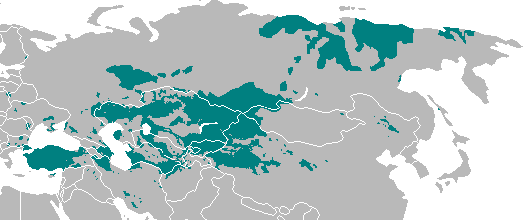
Turkology (or Turcology or Turkic studies) is a complex of humanities sciences studying languages, history, literature, folklore, culture, and ethnology of people speaking Turkic languages and the Turkic peoples in chronological and comparative context. That includes ethnic groups from the Sakha, in eastern Siberia, to the Turks in the Balkans and the Gagauz, in Moldova.
Ethnological information on Turkic tribes for the first time was systemized by the 11th-century Turkic philologist Mahmud al-Kashgari in the Dīwān ul-Lughat it-Turk (Dictionary of Turkic language). Multi-lingual dictionaries were compiled from the late 13th century for the practical application of participants in international trade and political life. One notable such dictionary is the Codex Cumanicus, which contains information for Cuman, Persian, Latin, and German. There are also bilingual dictionaries for Kipchak and Armenian. as well as Kipchak and Russian[citation needed].
In the Middle Ages, Turkology was centered on Byzantine/Greek historians, ambassadors and travelers, and geographers[citation needed]. In the 15th to the 17th centuries the main subject of Turkology was the study of the Ottoman Empire, the Turkish language, and the Turkic languages of Eastern Europe and Western Asia. In 1533 a first hand-written primer appeared, and by 1612 a printed grammar by Jerome Megizer was published, followed by F. Mesgnien-Meninski's four-volume Thesaurus Linguarum Orientalium published in 1680.
Peter Simon Pallas initiated a more scientific approach to Turkology with his Comparative dictionaries of all languages and dialects (1787) which included lexical materials from Tatar, Mishar, Nogai, Bashkir, and other Turkic languages. In the 19th century, Turkology was further developed by M. A. Kazembek's Grammar of the Turkish-Tatar language (1839), O. N. Betlingk Grammar of the Yakut language (1851). A major achievement was the deciphering at the end of the 19th century of the Early Middle Age Orkhon inscriptions by V. Thomsen and W. W. Radloff (1895). By the late 19th century, Turkology had developed into a complex discipline that included linguistics, history, ethnology, archeology, arts and literature.
In the 20th century, the Turkology complex included physical anthropology, numismatics, genetics, ancient Turkic alphabetic scripts, typology, genesis, and etymology, onomastics and toponymy. The appearance of Türkische Bibliothek (1905–1927) inaugurated specialised periodicals, followed by Mitteilungen zur Osmanischen Geschichte (1921–1926). Scientific developments allowed calibrated dating, dendrochronology, metallurgy, chemistry, textile, and other specialized disciplines, which contributed to the development of the Turkological studies. Deeper study of the ancient sources allowed better understanding of economical, social, mythological and cultural forces of the sedentary and nomadic societies. Linguistic studies uncovered preliterate symbioses and mutual influences between different peoples.
The beginnings of modern Turkology and Turkish studies in German-speaking regions can be considered part of the broader field of Oriental studies. In Austria and Germany—especially in imperial centers like Vienna—political interest in the Turkish language led to its institutionalized study. In 1754, Maria Theresa founded the Oriental Academy (Orientalische Akademie) in Vienna, which, although not part of the university, focused heavily on Turkish and French due to political needs. One of its most famous graduates was Joseph von Hammer-Purgstall. During this early period, Turkish was usually studied alongside other Oriental languages or for practical purposes.
In Germany, the Seminary for Oriental Languages (SOS) was established in Berlin in 1887, led by Orientalist Eduard Sachau and supported by both the Prussian state and the German Empire. The institution aimed to train specialists for diplomatic and commercial roles, with Ottoman Turkish being one of the most popular languages. Notable scholars such as Friedrich Giese also taught there. However, after World War I, interest in learning Turkish declined sharply, resulting in the non-renewal of contracts for Turkish instructors at some universities. Although there was some continuity in academic careers after World War II, the influence of the philological tradition gradually weakened toward the end of the 20th century. Today, Ottoman and Turkish studies have become part of an international academic field, with English and Turkish as the main languages of scholarship. The relatively limited international recognition of German-language research is partly due to this shift.
The tradition of studying the Turkish language and the history, civilization, and institutions of the Turkish and Ottoman worlds in France dates back to the 16th century. This development began during the period when diplomatic relations were established between the Kingdom of France and the Ottoman Empire. These relations encouraged the introduction of the Turkish world from the perspective of political alliance.
Hub AI
Turkology AI simulator
(@Turkology_simulator)
Turkology
Turkology (or Turcology or Turkic studies) is a complex of humanities sciences studying languages, history, literature, folklore, culture, and ethnology of people speaking Turkic languages and the Turkic peoples in chronological and comparative context. That includes ethnic groups from the Sakha, in eastern Siberia, to the Turks in the Balkans and the Gagauz, in Moldova.
Ethnological information on Turkic tribes for the first time was systemized by the 11th-century Turkic philologist Mahmud al-Kashgari in the Dīwān ul-Lughat it-Turk (Dictionary of Turkic language). Multi-lingual dictionaries were compiled from the late 13th century for the practical application of participants in international trade and political life. One notable such dictionary is the Codex Cumanicus, which contains information for Cuman, Persian, Latin, and German. There are also bilingual dictionaries for Kipchak and Armenian. as well as Kipchak and Russian[citation needed].
In the Middle Ages, Turkology was centered on Byzantine/Greek historians, ambassadors and travelers, and geographers[citation needed]. In the 15th to the 17th centuries the main subject of Turkology was the study of the Ottoman Empire, the Turkish language, and the Turkic languages of Eastern Europe and Western Asia. In 1533 a first hand-written primer appeared, and by 1612 a printed grammar by Jerome Megizer was published, followed by F. Mesgnien-Meninski's four-volume Thesaurus Linguarum Orientalium published in 1680.
Peter Simon Pallas initiated a more scientific approach to Turkology with his Comparative dictionaries of all languages and dialects (1787) which included lexical materials from Tatar, Mishar, Nogai, Bashkir, and other Turkic languages. In the 19th century, Turkology was further developed by M. A. Kazembek's Grammar of the Turkish-Tatar language (1839), O. N. Betlingk Grammar of the Yakut language (1851). A major achievement was the deciphering at the end of the 19th century of the Early Middle Age Orkhon inscriptions by V. Thomsen and W. W. Radloff (1895). By the late 19th century, Turkology had developed into a complex discipline that included linguistics, history, ethnology, archeology, arts and literature.
In the 20th century, the Turkology complex included physical anthropology, numismatics, genetics, ancient Turkic alphabetic scripts, typology, genesis, and etymology, onomastics and toponymy. The appearance of Türkische Bibliothek (1905–1927) inaugurated specialised periodicals, followed by Mitteilungen zur Osmanischen Geschichte (1921–1926). Scientific developments allowed calibrated dating, dendrochronology, metallurgy, chemistry, textile, and other specialized disciplines, which contributed to the development of the Turkological studies. Deeper study of the ancient sources allowed better understanding of economical, social, mythological and cultural forces of the sedentary and nomadic societies. Linguistic studies uncovered preliterate symbioses and mutual influences between different peoples.
The beginnings of modern Turkology and Turkish studies in German-speaking regions can be considered part of the broader field of Oriental studies. In Austria and Germany—especially in imperial centers like Vienna—political interest in the Turkish language led to its institutionalized study. In 1754, Maria Theresa founded the Oriental Academy (Orientalische Akademie) in Vienna, which, although not part of the university, focused heavily on Turkish and French due to political needs. One of its most famous graduates was Joseph von Hammer-Purgstall. During this early period, Turkish was usually studied alongside other Oriental languages or for practical purposes.
In Germany, the Seminary for Oriental Languages (SOS) was established in Berlin in 1887, led by Orientalist Eduard Sachau and supported by both the Prussian state and the German Empire. The institution aimed to train specialists for diplomatic and commercial roles, with Ottoman Turkish being one of the most popular languages. Notable scholars such as Friedrich Giese also taught there. However, after World War I, interest in learning Turkish declined sharply, resulting in the non-renewal of contracts for Turkish instructors at some universities. Although there was some continuity in academic careers after World War II, the influence of the philological tradition gradually weakened toward the end of the 20th century. Today, Ottoman and Turkish studies have become part of an international academic field, with English and Turkish as the main languages of scholarship. The relatively limited international recognition of German-language research is partly due to this shift.
The tradition of studying the Turkish language and the history, civilization, and institutions of the Turkish and Ottoman worlds in France dates back to the 16th century. This development began during the period when diplomatic relations were established between the Kingdom of France and the Ottoman Empire. These relations encouraged the introduction of the Turkish world from the perspective of political alliance.
Recent media