Hubbry Logo
Val DoonicanVal DoonicanMain
Open search
Val Doonican
Community hub
Val Doonican
logo
8 pages, 0 posts
0 subscribers
Be the first to start a discussion here.
Val Doonican
Val Doonican
from Wikipedia

Key Information

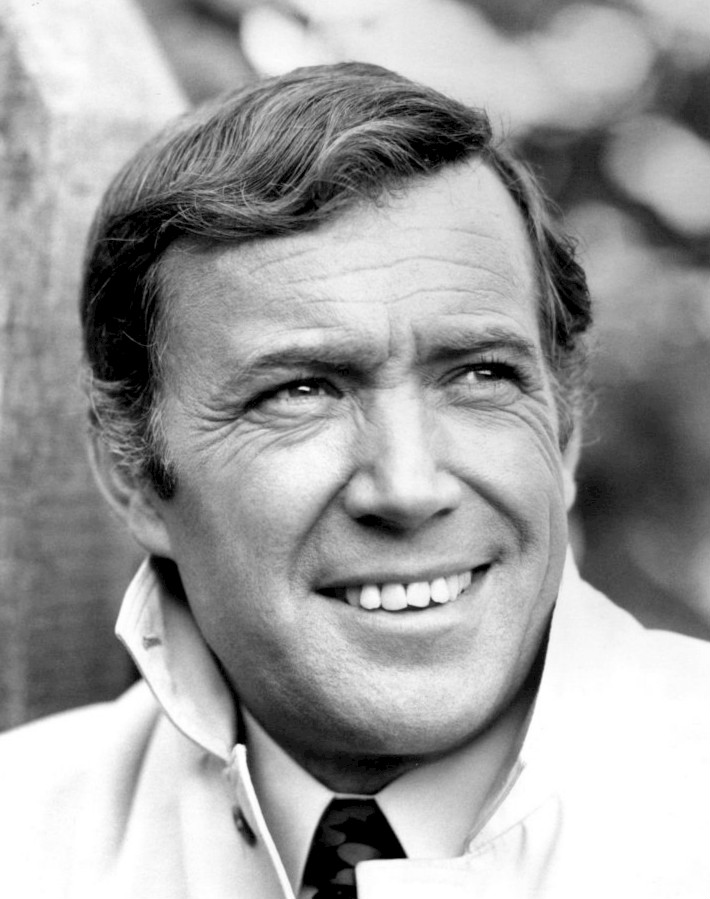
Michael Valentine 'Val' Doonican[2] (3 February 1927 – 1 July 2015) was an Irish singer of traditional pop, easy listening and novelty songs, noted for his warm and relaxed vocal style.

A crooner, he found popular success, especially in the United Kingdom, where he had five successive Top 10 albums in the 1960s as well as several hits on the UK Singles Chart, including "Walk Tall", "Elusive Butterfly" and "If the Whole World Stopped Loving".

The Val Doonican Show, his eponymous variety programme, featured his singing and a selection of guests, and it had a long and successful run on BBC Television from 1965 to 1986. Doonican won the Variety Club of Great Britain's BBC-TV Personality of the Year award three times.[2]

Early years

[edit]

Doonican was born on 3 February 1927 in Waterford, Ireland,[2] the youngest of the eight children of Agnes (née Kavanagh) and John Doonican. He was from a musical family and played in his school band from the age of six.[1]

When his father died in 1941, the teenage Doonican had to leave De La Salle College Waterford to get factory jobs fabricating steel and making orange and grapefruit boxes.[3]

Early career

[edit]

He began to perform in his hometown, often with his friend Bruce Clarke, and they had their first professional engagement as a duo in 1947.[1]

Doonican appeared in a summer season at Courtown Harbour, County Wexford. He was soon featured on Irish radio, sometimes with Clarke, and appeared in Waterford's first-ever television broadcast.[4]

Career in Britain

[edit]

Doonican moved to England in 1951 and joined the Four Ramblers who, in addition to touring the variety stages, were featured on the BBC radio serial the Riders of the Range.[5] In the radio serial, Doonican played one of a number of bunk-house boys who were heard crooning cowboy songs in the gaps between the action. The serial ended in September 1953, and the Ramblers continued to tour the variety theatres, being billed as Ireland's Ambassadors of Song. They also began performing at United States Air Force bases.[1] The Ramblers kept busy for most of the 1950s and in 1960 they supported Anthony Newley on his tour.[3][6] Recognising Doonican's talent and potential as a solo act, Newley persuaded him to leave the singing group and go solo.

He was auditioned for radio as a solo act and appeared on the radio show Variety Bandbox. Soon after his solo career started, he picked up his own radio show in the afternoons on the BBC Light Programme in 1961 called Your Date with Val.[7] In 1962, he had also had a weekly show on Irish TV called Presenting Val Doonican.[8] Variety and cabaret appearances increased, and he received good reviews following his appearance at London's Astor Club in March 1963.[9]

In the late 1950s, Doonican became one of the artists managed by Eve Taylor, the self-described "Queen Bee" of show business, who remained his manager until her death.[10]

After seeing him in a cabaret in London in 1964, impresario Val Parnell booked him to appear on Sunday Night at the Palladium on 31 May 1964.[1] Most unusually, Doonican returned to the show the following week as well.[11]

As a result of his performances, Bill Cotton, then Assistant Head of Light Entertainment at the BBC, offered Doonican his own regular show, Singalong Saturday, starting on 27 June 1964.[12] The series was a success, and he was given another series on BBC1 called "Date with Doonican" starting on 22 February 1965.[13] The TV shows were produced by Yvonne Littlewood and lasted for over 20 years. At their peak, the shows attracted audiences of some 19 million viewers.[4] The shows featured his relaxed crooner style, sitting in a rocking chair wearing cardigans or jumpers,[1] sometimes performing comedic Irish songs including "Paddy McGinty's Goat", "Delaney's Donkey" and "O'Rafferty's Motor Car", as well as easy listening and country material on which he accompanied himself on acoustic guitar. Doonican's songs about O'Rafferty were popular enough for the BBC to publish a book, Val Doonican Tells The Adventures of O'Rafferty, which retold five of the tales, in 1969.[14]

As his TV programmes were variety shows they gave other performers, such as Dave Allen, early exposure.[1] Regular guests included Bernard Cribbins, Bob Todd, the Norman Maen Dancers, the Mike Sammes Singers, and the Kenny Woodman Orchestra. At its height The Val Doonican Show, which featured both American and British acts, had 20 million viewers.[15] In the United States, The Val Doonican Show aired on ABC on Saturday evenings at 8:30 p.m. (7:30 p.m. Central) from 5 June to 14 August 1971.[16]

The Palladium performance also kick-started his recording career. Between 1964 and 1973, Doonican was rarely out of the UK Singles Chart, his greatest successes including the singles "Walk Tall", "The Special Years", "Elusive Butterfly", "What Would I Be" (Decca), "If The Whole World Stopped Loving" (Pye), and "Morning" (Philips); and the albums 13 Lucky Shades of Val Doonican (Decca), and Val Doonican Rocks, But Gently (Pye) which reached number 1 in the UK Albums Chart in December 1967.[5] The 1966 single release "Elusive Butterfly" reached a UK chart peak of number 5[17] and number 3 in Ireland. In all, he recorded over 50 albums.[1] After a spell with Philips Records in the 1970s he also recorded for RCA.[18] He also sang the theme song to the film Ring of Bright Water.

Behind the scenes, Doonican was described as "a perfectionist who knew his limitations but always aimed to be 'the best Val Doonican possible.'"[1] He was sometimes compared to American singer Perry Como, though he claimed his main influence was Bing Crosby.[19] He appeared in three Royal Variety Performances.[1] On 31 December 1976, Doonican performed his hit song "Walk Tall" on BBC One's A Jubilee of Music, celebrating British pop music for Queen Elizabeth II's impending Silver Jubilee.

Doonican won the BBC Television Personality of the Year award in 1966.[1] He was the subject of This Is Your Life in 1970. Eamonn Andrews, a fellow Irishman, met him at the 18th green of the South Herts Golf Club as Doonican played a round of golf.[citation needed] He wrote two volumes of autobiography, The Special Years (1980) and Walking Tall (1985)

Personal life

[edit]

Doonican met his wife, Lynette Rae, when she and the Ramblers supported Anthony Newley on tour. They married in 1962 and had three daughters, Siobhan (who died in 1964, aged seven months) Sarah and Fiona, as well as two grandchildren, Bethany and Scott.[3] In later years they lived at Knotty Green in Beaconsfield, Buckinghamshire.[20]

Doonican officially retired in 1990[21] but was still performing in 2009. He had a second home in Spain,[22] and was a keen golfer and a talented watercolour painter.[5] Another hobby he enjoyed was cooking.[23] In June 2011, he was recognised by the Mayor of Waterford, who bestowed on him "The Freedom of the City".[24]

Death and tributes

[edit]

Doonican died at a nursing home in Buckinghamshire on 1 July 2015, aged 88.[4] His daughter Sarah told The Guardian: "Until 87, he was as fit as a flea. It was just old age, I'm afraid — the batteries ran out."[5] Leading tributes to Doonican, fellow entertainer Bruce Forsyth said, "It is very sad. He was always a lovely man to work with ... He was a very warm person and number one in his field. He brought a lovely warmth with his personality and was a very popular man." Elaine Paige commented on Twitter, "Sad to hear of Val Doonican's passing ... RIP Val", while BBC disc-jockey Tony Blackburn said "So sad to hear that Val Doonican has passed away. He was a lovely man and a true professional who I worked with on several TV shows R.I.P."[25]

[edit]

Discography

[edit]

Chart singles

[edit]
Year Single Chart Positions
UK
[30]
IRE
[31]
AU
[32]
1964 "Walk Tall" 3 2 29
1965 "The Special Years" 7 2 71
"I'm Gonna Get There Somehow" 25
1966 "Elusive Butterfly" 5 3
"What Would I Be" 2 26
1967 "Memories Are Made of This" 11 14
"Two Streets" 39
"If The Whole World Stopped Loving" 3 2 81
1968 "You're The Only One" 37
"Now" 43 - -
"If I Knew Then What I Know Now" 14
1968 "Ring of Bright Water" 48
1970 "Too Many Times" 82
1971 "Ann" 95
1972 "Morning" 12 5 75
1973 "Heaven Is My Woman's Love" 34

Albums

[edit]
  • The Lucky 13 Shades of Val Doonican (Decca, 1964, UK albums chart No. 2)
  • Gentle Shades of Val Doonican (Decca, 1966, UK albums chart No. 5)
  • Val Doonican Rocks, But Gently (Pye, 1967, UK albums chart No. 1)
  • Val (Pye, 1968, UK albums chart No. 6)
  • The World of Val Doonican (Decca, 1969, UK albums chart No. 2, AUS albums chart No. 24[32])
  • Sounds Gentle (Pye, 1969, UK albums chart No. 22)
  • Especially For You (Contour, 1970)
  • If The Whole World Stopped Loving (Contour, 1970)
  • Gentle On My Mind (Contour, 1970)
  • The Blue And The Grey – Songs From The American Civil War (with the George Mitchell Singers, World Record Club, 1970)
  • The Magic of Val Doonican (Philips, 1970, UK albums chart No. 34)
  • This Is Val Doonican (Philips, 1971, UK albums chart No. 40)
  • This Is Val Doonican, Vol.2 (Philips, 1971)
  • Just A Sittin' And A Rockin' (Philips 1971)
  • Morning In The Country (Philips, 1972)
  • Morning Has Broken (Philips, 1972)
  • Rocking Chair Favourites (Philips, 1973)
  • I Love Country Music (Philips, 1975, UK albums chart No. 37)
  • Life Can Be Beautiful (Philips, 1976)
  • Some of My Best Friends Are Songs (Philips, 1977, UK albums chart No. 29)
  • Mr. Music Man (Pickwick, 1981)
  • Quiet Moments (RCA, 1981)
  • Val Sings Bing (RCA, 1982, AUS albums chart No. 84[32])
  • 20 Shades of Green (J&B, 1983 AUS albums chart No. 24[32])
  • At His Very Best (J&B, 1983 AUS albums chart No. 33[32])
  • Some of My Best Friends Are Songs (J&B, 1986 AUS albums chart No. 63[32])
  • Songs From My Sketchbook (Parkfield, 1990, UK albums chart No. 33)
  • The Very Best of Bing Crosby & Val Doonican (J&B, 1991 AUS albums chart No. 85[32])
  • The Very Best of Val Doonican (UMTV, 2008, UK albums chart No. 33)

Source:[33][34]

References

[edit]

Other sources

[edit]
  • Legends – Val Doonican, (BBC Four), December 2007
  • Brooks, T. and Marsh, E. The Complete Directory to Prime Time Network and Cable TV Shows (1998)
[edit]
Revisions and contributorsEdit on WikipediaRead on Wikipedia
from Grokipedia
Val Doonican (3 February 1927 – 1 July 2015) was an Irish singer, comedian, and television personality renowned for his easygoing style, signature performances, and long-running variety shows that entertained families across the and beyond during the and . Born Michael Valentine Doonican in Waterford, , as the youngest of eight children to poor parents Agnes and John, he faced early hardship when his father died of cancer at age 14, prompting him to leave school and work in a local orange box factory. Doonican began performing as a , forming a singing group at age 10, and made his first television broadcast in Waterford before touring in a caravan with a band in the late 1940s. By 1951, he had joined the vocal quartet the Four Ramblers, relocating to where they appeared on radio, television, , and stages, building his reputation in the entertainment scene. Doonican's breakthrough came in 1963 with a guest spot on ITV's Sunday Night at the London , leading to his solo debut and the launch of The Val Doonican Show in 1965, which ran for over 20 years and featured his relaxed guitar-accompanied songs, humorous monologues, and celebrity guests while he lounged in colorful knitwear. Musically, he achieved significant success with five top 10 singles, including "Walk Tall" (1964), "The Special Years" (1965), and "What Would I Be" (1966), alongside more than 50 albums, starting with the chart-topping Val Doonican Rocks, But Gently (1967), making him the first Irish artist to top the . He earned accolades such as TV Personality of the Year in 1966 and performed at three Royal Variety Shows, while his program provided early platforms for talents like Dave Allen. In his later years, Doonican, married to actress Lynnette Rae since 1962 with whom he had two daughters, divided time between homes in and , pursuing hobbies like and Irish landscapes until his peaceful death at age 88 in a .

Early life

Childhood in Waterford

Michael Valentine Doonican was born on 3 February 1927 in Waterford, , the youngest of eight children to parents John Doonican and Agnes (née Kavanagh). The family resided in a modest working-class home on Passage Road, where was a constant reality, with the children sharing a single partitioned room—brothers on one side and sisters on the other. Due to a outbreak among the sisters, the sleeping arrangements shifted further, with their father eventually bedding down in a garden shed until his death. Despite these hardships, Doonican later described his childhood as largely happy, marked by a close bond with his parents; he fondly recalled long Sunday walks with his father, during which they chatted and foraged for berries. His father, who worked at an orange box factory and struggled with alcohol but was known for his wisdom and kindness, played a pivotal role in shaping his early worldview. Doonican attended St Declan's National School in Waterford, where he joined the school band at the age of six. From a young age, he displayed a natural aptitude for , harmonizing songs with siblings, writing and arranging his own compositions, and forming a singing group with friends around the age of ten. The family's musical environment further nurtured these interests, with local performances and fetes providing early opportunities to entertain alongside schoolmate Bruce Clarke. By his early teens, Doonican had appeared on Waterford's inaugural television broadcast, strumming a guitar and showcasing his budding talent. He later attended De La Salle College. Tragedy struck in 1941 when Doonican was 14, as his father succumbed to throat and mouth cancer, plunging the family into deeper financial strain. With no qualifications, he left school immediately to take up employment at the local orange box factory, contributing to the household. This early responsibility instilled resilience, though Doonican often reflected on his father's parting words—that he was no hero—as a grounding influence amid the loss. Subsequent jobs in steel fabrication and similar manual labor sustained him through his later teenage years in Waterford, even as his musical pursuits began to gain traction locally.

Family background and influences

The youngest of eight children born to John and Agnes Doonican (née Kavanagh), Val Doonican grew up in a modest two-room house near the River Suir amid financial hardships. This impoverished environment, marked by his father's struggles with alcohol yet infused with humor and resilience, instilled in Doonican a strong and determination from an early age. The Doonican household was notably musical, with family members regularly singing together, which provided Doonican's first exposure to music and nurtured his innate talent. His older brother John played a pivotal role in his development, teaching him the basics of the and encouraging his musical pursuits during their shared childhood. These familial influences were complemented by external inspirations, such as American cowboy films featuring , whose songs captivated young Doonican and sparked his passion for melody and performance. The sudden death of his father from throat and mouth cancer in 1941, when Doonican was 14, profoundly shaped his early responsibilities and ambitions. Forced to leave De La Salle College and take a job at the orange box factory to help support his mother and siblings, Doonican balanced manual labor with secret musical practice, using the as an outlet for expression amid grief and poverty. This period of adversity, combined with the supportive yet musically vibrant family dynamic, fueled his resolve to pursue entertainment as a means of escape and upliftment, laying the groundwork for his transition from local performer to international star.

Career beginnings

Musical training and early performances in Ireland

Val Doonican, born Michael Valentine Doonican in Waterford, , in 1927, received no formal musical education but developed his skills through self-directed practice and familial influences. As a child, he performed in a school concert at age six, playing tuned jam jars as part of the school band, an experience that sparked his interest in music. He later learned to play the from his older brother John and became proficient on the guitar through daily practice sessions lasting up to six hours, often arranging and writing music by the family peat fire. His early inspirations came from American singing cowboys such as and , whose films he watched avidly, blending these with Irish folk traditions to shape his vocal and instrumental style. Doonican's initial performances were local and informal, beginning in his teenage years after leaving school at 14 to work in a factory following his father's death. He entertained at community fetes in Waterford alongside his friend Bruce Clarke, who played piano and guitar, fostering a collaborative partnership that honed his stage presence. In 1947, the duo secured their first professional engagement at a , marking Doonican's entry into paid performances. Clarke proved in his development, lending him £20 to purchase a Gibson guitar—repaid at £1 per week. These efforts helped overcome Doonican's childhood , transitioning him from amateur settings to more structured gigs. By the late 1940s, Doonican expanded his repertoire through radio and live circuits across . After auditioning successfully for Radio Éireann, he and Clarke became regular broadcasters, including a notable stint busking on Bray seafront where they were spotted for a commercial Donnelly's sausages using a rendition of the Mexican Hat Dance. He briefly joined a band as a despite lacking prior experience, performing for six months before focusing on guitar and vocals. Doonican toured halls and theaters as a solo artist and in duos, writing arrangements for their shows and gaining steady work in and beyond. He also took part in Waterford's first-ever television broadcast. This period solidified his professional foundation, culminating in 1951 when, while touring with Clarke's band, he was invited to join the Irish vocal group the Four Ramblers, prompting his relocation to Britain.

Joining bands and move to Britain

In 1947, Doonican formed a musical duo with his friend Bruce Clarke, securing their first professional engagement that summer at a hotel in Courtown, , where they performed as a guitar-and-piano act. The following year, the pair joined a touring band, expanding their performances across Ireland's dance halls and venues. By 1949, Doonican had briefly taken up drumming in an unnamed Irish band despite lacking experience, a role he held for six months before transitioning back to guitar; he was later reinstated after an incident involving drumsticks. He continued touring extensively with Clarke's band, including appearances on Radio Éireann promoting products like Donnelly's Sausages, which honed his skills in harmony singing and stage presence. In 1951, at age 24, Doonican received an invitation from representatives of the popular Irish harmony group The Four Ramblers, prompting his relocation to to join them as a singer and guitarist. The quartet, known for their vocal arrangements, toured Britain's variety circuit, military bases, and factories, while gaining exposure on programs such as Workers' Playtime and Riders of the Range. Doonican contributed vocal arrangements to the group and remained with them for about a decade, marking his transition from Irish provincial stages to the broader British entertainment scene.

Rise to prominence

Variety circuit and breakthrough hits

After moving to in 1951 with the vocal group the Four Ramblers, Doonican began performing on , including a decade-long stint on the western series Riders of the Range. He soon transitioned to the variety circuit, auditioning successfully for a 15-minute spot on the Variety Bandbox, where he shared anecdotes and songs. Throughout the early , he honed his easygoing style in cabarets and clubs, such as London's Jack of Clubs in , building a reputation for relaxed, sweater-clad performances that blended Irish charm with . Doonican's breakthrough came in 1963 when impresario spotted him in cabaret and booked him for an eight-minute slot on ITV's flagship variety program Sunday Night at the London Palladium. This exposure propelled him to national attention, leading to his first major hit single, "Walk Tall," released in 1964, which peaked at No. 3 on the charts and spent 20 weeks in the Top 40. The song's success marked the start of a string of mid-1960s breakthroughs, including "The Special Years" (No. 7, 1965), "" (No. 5, 1966), "What Would I Be" (No. 2, 1966), and "If the Whole World Stopped Loving" (No. 3, 1967), establishing him as a top easy-listening artist with five successive Top 10 hits. These recordings, characterized by their gentle and sentimental , aligned perfectly with the variety circuit's demand for accessible, feel-good , earning Doonican the BBC Television Personality of the Year award in 1966.

Chart success and recording career

Val Doonican's recording career began in earnest after signing with in the early , where he established himself as a relaxed blending Irish folk influences with easy-listening pop. His debut single, "Walk Tall," released in 1964, marked his breakthrough, reaching number 3 on the UK Singles Chart and spending 20 weeks in the Top 40. This success was followed by a string of hits through the late and early , with Doonican achieving five Top 10 singles in total, including "The Special Years" (number 7, 1965), "" (number 5, 1966), and "If the Whole World Stopped Loving" (number 3, 1967). His chart presence was consistent, with 12 singles entering the UK Top 40 and accumulating 115 weeks on the chart between 1964 and 1973. Doonican's albums proved even more enduring, with 13 entries on the and five reaching the Top 10 during the . His signature release, Val Doonican Rocks, But Gently (1967), topped the for three weeks, displacing ' Sgt. Pepper's Lonely Hearts Club Band and spending 23 weeks in total. Other key albums included The Lucky 13 Shades of Val Doonican (number 2, 1964, 27 weeks) and The World of Val Doonican (number 2, 1966, 31 weeks), showcasing his gentle interpretations of standards and contemporary songs. Over his career, Doonican recorded more than 50 albums, many achieving sales in the millions and emphasizing his warm delivery of love ballads and folk-tinged tunes. His recording style, often accompanied by light and a signature motif in promotion, appealed to family audiences and sustained his popularity into the , with later efforts like Now (1977) still charting modestly. Doonican's reflected a shift from upbeat singles to reflective collections, but his core appeal remained rooted in accessible, heartfelt performances that garnered widespread radio play and enduring fan loyalty.

Television stardom

Debut and The Val Doonican Show

Val Doonican's television career began in his native , where he participated in Waterford's inaugural television broadcast in the mid-1950s, performing with his guitar. His first appearance on British television came in 1957 on the BBC's Beauty Box, marking an early step into the medium. However, Doonican's breakthrough occurred in 1964 on ITV's Sunday Night at the , where he delivered an eight-minute performance on 31 May, impersonating pop stars and singing his single "Walk Tall." The show's producer, , had spotted him at a , and the enthusiastic reception led to a rare follow-up appearance the next week, catapulting Doonican to national prominence and securing recording deals. This success prompted the to offer him his debut regular series, Singalong Saturday, which aired in 1964 and featured Doonican hosting musical segments with guests like Anne Shelton. Building on this momentum, Doonican's next BBC outing was Date with Doonican, a 15-minute variety program that premiered on 22 February 1965, supported by vocal group , dance troupe The Go-Jos, and the Northern Dance Orchestra. The format emphasized Doonican's easygoing style, blending songs, light comedy, and audience interaction. This led directly to his eponymous flagship series, The Val Doonican Show, which debuted as a one-off special on 5 June 1965 before launching as a full series in October of that year on BBC1. The program quickly became a staple of , running for over two decades in various iterations until 1986. The Val Doonican Show showcased Doonican's signature relaxed persona, often seated in a rocking chair while wearing colorful cardigans, delivering folk-tinged songs, humorous monologues, and novelty tunes like "Paddy McGinty's Goat" and "Delaney's Donkey." Episodes typically included high-profile guests—such as Marianne Faithfull, Lulu, and Julie Felix in the 1965 series; Lonnie Donegan and Rita Pavone in 1966; and Cliff Richard with The Shadows in 1967—alongside comedy sketches and musical numbers from resident performers. The show's warm, family-oriented appeal earned Doonican the TV Personality of the Year award in 1966 and a spot at the Royal Variety Performance that same year. By 1970, it had expanded to include international stars like The Edwin Hawkins Singers, and in 1977, it evolved into The Val Doonican Music Show, focusing more on contemporary music while retaining its core format, with final Christmas specials airing until 1983. Over its run, the series launched careers for talents like comedian Dave Allen and amassed millions of viewers, establishing Doonican as a beloved figure in British television.

Specials, guest appearances, and acting roles

Doonican hosted a series of popular Christmas specials as extensions of his series, blending seasonal music, sketches, and guest performances to create festive variety entertainment. These specials, often titled Christmas Eve with Val Doonican or Val Doonican's Christmas Party, aired annually from the late 1960s through the 1980s, attracting family audiences with their warm, relaxed format. For instance, the 1970 Christmas special featured singer performing "And I Love Him" alongside comedian in a comedic skit titled "The Magic ." In 1983, Val Doonican's Christmas Party showcased actor and singer , pop group , novelty act Wall Street Crash, and , emphasizing Doonican's role in bridging musical generations during the holiday season. The 1984 edition, Val Doonican's Very Special Christmas, included duets with Engelbert Humperdinck and , highlighting Doonican's easy-listening style amid elaborate productions. Later specials like the 1986 Christmas Eve with Val Doonican incorporated newsreader and percussionist , while the 1988 installment welcomed for Broadway-inspired numbers, maintaining high viewership through Doonican's signature rocking-chair hosting. These broadcasts, produced by the , often ran for 45–60 minutes and were repeated during the festive period, contributing to Doonican's reputation as a holiday television staple. Beyond his own programs, Doonican made notable guest appearances on prominent British and American television shows, leveraging his rising fame in the 1960s. He debuted on U.S. screens with a 1962 spot on , performing his early hits to introduce his crooning style to international viewers. In the UK, he frequently appeared on starting in 1964, promoting chart singles like "Walk Tall" amid the era's pop explosion. In the 1970s, Doonican served as a storyteller on the children's program Play School, reciting tales in a gentle, engaging manner suited to young audiences. Earlier in his career, Doonican guested on BBC light entertainment series such as Barn Dance and Open House, where he performed Irish folk songs and novelty numbers, honing his solo act before mainstream success. These appearances, often live or semi-scripted, helped transition him from band work to television prominence, with episodes showcasing his guitar accompaniment and humorous anecdotes. Doonican's acting roles were limited compared to his musical output, with his most prominent contribution to film being the theme song for the 1969 British drama Ring of Bright Water, a story of human-animal bonds set in the Scottish Highlands. His involvement centered on recording and performing the titular song, which captured the film's serene, nature-inspired tone and became a minor hit. No major on-screen dramatic roles followed, as Doonican preferred variety performance over scripted acting, though he occasionally incorporated light comedic sketches into his specials.

Later career

Continued recordings and tours

Following the peak of his television career in the 1970s, Val Doonican sustained a steady output of recordings into the 1980s and 1990s, blending original material with compilations that highlighted his easy-listening style. In 1986, he released It's Good to See You on Records, featuring relaxed interpretations of standards accompanied by orchestral arrangements. This was followed by Songs from My Sketch Book in 1990 on Parkfield Records, a personal collection of 14 tracks drawing from his sketchbook of inspirations, including songs like "Delaney's Donkey" and "Walk Tall," which peaked at No. 33 on the . Over his lifetime, Doonican produced more than 50 albums, many of which were reissued or compiled in later decades to capitalize on his enduring popularity, such as The Very Best of Val Doonican in 1980 and 2008 editions. Doonican's touring activity intensified in the later stages of his career, with frequent live performances that outpaced earlier periods in volume. He undertook international tours, including a 1984 visit to documented in official programs, and an extensive three-month tour of and in 1990—his eleventh trip to —where he performed in major venues across cities like , , , and . In the , he ramped up appearances across the and , often in theaters and variety halls, emphasizing his signature guitar-accompanied crooning and humor. Although he announced retirement in 1990, Doonican continued selective touring until 2009, balancing stage work with personal pursuits like . These efforts kept him connected to audiences, reinforcing his reputation as a versatile entertainer into his later years.

Retirement and final projects

After concluding his regular television commitments in the late , Val Doonican continued to perform live, focusing on selective tours and intimate theatre appearances in the UK and that accommodated his preference for afternoon shows. He maintained this schedule into the 2000s, delivering occasional concerts until his full retirement from performing in 2009, after more than six decades in . One of his notable final engagements was "An Evening with Val Doonican" at the London Palladium on 7 October 2007, which highlighted his enduring appeal in variety entertainment. Doonican's retirement allowed him to devote more time to personal pursuits, particularly his passions for and watercolour painting, at which he demonstrated considerable talent. He split his time between his home in Knotty Green, Buckinghamshire, and a property in , enjoying a relaxed lifestyle centered on family and these hobbies. While no new original recordings were produced in his later years, compilations such as the 2006 reissue of Reflections and the 2009 collection The Very Best of Val Doonican kept his music accessible to fans. In the years following his retirement, Doonican received recognition for his contributions, including being awarded the Freedom of Waterford City in 2011, reflecting his lasting ties to his Irish roots. His final projects thus emphasized selective public appearances and a shift toward private creative endeavors, marking a gentle close to a career defined by warmth and accessibility.

Personal life

Marriage and family

Val Doonican met his future wife, the artist and actress Lynnette Rae, while both were performing on a concert tour supporting in . They married in 1962 and remained together for over 50 years until Doonican's death in 2015. Lynnette, who occasionally appeared alongside him in performances, was described by family members as a supportive partner throughout his career. The couple had three daughters: Siobhán, , and . Tragically, their first-born, Siobhán, died at seven months old in 1964 from acute . and grew up to pursue private lives away from the spotlight, though occasionally contributed to family-related projects honoring their father's legacy. Doonican often spoke of his family as his greatest source of comfort, particularly during his retirement years in . Doonican and Lynnette were also grandparents to and Scott. Following Doonican's passing, Lynnette survived him by less than a year, dying in June 2016 after a short illness. The family issued statements highlighting Doonican's role as a devoted husband, father, and grandfather, emphasizing the close-knit nature of their household despite the demands of his public career.

Hobbies, residences, and philanthropy

Doonican was an avid er throughout his life, often participating in pro-celebrity charity events, including a notable 1976 tournament in Ireland alongside and Christy O'Connor Senior to raise funds for charitable causes. He also promoted annual charity tournaments, contributing to various efforts in the and sports communities. His activities were generally low-key, focusing on supporting causes through personal involvement rather than high-profile campaigns. In his leisure time, Doonican pursued watercolour painting as a lifelong passion, creating works inspired by the Irish landscape that were exhibited across the . He enjoyed cooking, often experimenting in the kitchen as a relaxing during his years. remained a favorite pastime, allowing him to combine social engagements with his love for the sport well into his later life. Doonican resided primarily in Knotty Green, near in , , where he and his wife Lynnette raised their family and enjoyed a quiet life after his television career. The couple also owned a second home in , which they used for holidays and relaxation, providing an escape that complemented his interests in painting and . In his final year, following a decline in , he moved to Chilton House nursing home near in , where he passed away peacefully surrounded by family.

Death and legacy

Illness and passing

In his later years, Val Doonican enjoyed a peaceful , maintaining good health well into his eighties despite officially stepping back from performing in 2009. His daughter Sarah noted that he remained "as fit as a flea" until the age of 87, with no significant health issues reported during this period. Doonican passed away peacefully on 1 July 2015 at the age of 88 in a in , . His family confirmed that the was simply , and he was not afflicted by any particular illness at the time. This serene end aligned with the relaxed lifestyle he had cultivated in retirement, surrounded by family in .

Tributes and enduring influence

Following his death on 1 July 2015 at the age of 88, Val Doonican received widespread tributes from fellow entertainers, family, and fans, highlighting his warmth, professionalism, and contributions to . His family described him as "a wonderful husband, father and grandfather" who would be "greatly missed by family, friends and his many fans." Prominent figures in British and Irish showbusiness paid homage to Doonican's character and talent. called him "always a lovely man to work with," praising his "warmth, the voice and the sweaters" and noting he was "number one in his field." Roy Walker, whose career Doonican helped launch, described him as "an example to everybody," a "consummate professional," and "one of the all-time good guys in showbusiness." shared personal memories, calling it "a very sad day for the music industry" and remembering Doonican's "peaceful and funny nature." tweeted "Sad to hear of Val Doonican's passing ... RIP Val," while noted he was "a lovely man and a true professional." Adrian Walsh, who worked with him, said Doonican "exceeded all expectations" and was "a joy and a gent." Doonican's legacy endures through his pioneering role in family-oriented television and easy-listening music, where he became Britain's foremost Irish in the 1960s and 1970s. His series The Val Doonican Show (1965–1986), featuring 25 specials that drew up to 19 million viewers, established him as a "national institution" for wholesome variety entertainment. He achieved five successive top 10 albums in the UK, including The Special Years (1966) and Doonican Rocks – But Gently (1967), the latter displacing ' Sgt. Pepper's Lonely Hearts Club Band from number one. Hits like "Walk Tall" (1964) and "" (1966) showcased his relaxed style, blending Irish folk influences with popular standards, and he recorded over 50 albums across his career. His influence extended to mentoring emerging talent and shaping cultural icons of the era. Doonican provided early platforms for performers like comedian Dave Allen on his show, aiding their breakthroughs in British television. His signature , colorful knitwear, and avuncular charm—likened to a "beacon of musical sanity" with a "delightful Irish lilt"—inspired nostalgic revivals of variety acts and remain symbols of accessible, feel-good entertainment. As the first Irish artist to top the , he paved the way for subsequent Irish entertainers in mainstream British media, earning recognition such as TV Personality of the Year in 1966 and Freeman of Waterford in 2011.

Awards and honors

Music achievements

Val Doonican achieved significant commercial success in the UK music charts during the and early , with five top 10 singles and multiple albums reaching the top ranks. His signature easy-listening style, characterized by relaxed crooning of novelty and pop standards, resonated widely, leading to 12 top 40 singles overall. Notable hits included "Walk Tall" (1964, peak #3), "The Special Years" (1965, peak #7), "" (1966, peak #5), "What Would I Be" (1966, peak #2), and "If the Whole World Stopped Loving" (1967, peak #3), each spending several weeks in the charts and contributing to his reputation as a consistent performer. On the album front, Doonican secured one number-one album and four additional top 10 entries in the UK during the decade, amassing 12 top 40 albums in total. His breakthrough Val Doonican Rocks, But Gently (1967) topped the for three weeks and remained on the chart for 23 weeks, exemplifying his gentle, chair-bound performance persona that translated effectively to recordings. Other key releases like Lucky 13 Shades of Val Doonican (1966, peak #2) and The World of Val Doonican (1969, peak #2) further solidified his chart dominance, with the latter charting for 31 weeks. Throughout his career, Doonican recorded over 50 albums, many of which achieved strong sales in the millions, reflecting his enduring appeal in the easy-listening genre. He received the Gold Badge Award from the of Songwriters, Composers and Authors in 1984. While other formal music awards were limited, his performances earned him recognition as a top-selling of his era, with compilations like The Very Best Of later peaking at #33 in the UK in 2008.

Television and variety accolades

Val Doonican's prominence in British television and variety entertainment was underscored by several prestigious accolades throughout his career. He won the Variety Club of Great Britain's BBC-TV Personality of the Year award three times, with the first honor bestowed in 1966 for his burgeoning success on shows like Sunday Night at the London Palladium and the early series of The Val Doonican Show. These awards recognized his warm, relaxed hosting style and musical performances that captivated family audiences on . In 1969, Doonican received one of the inaugural Television and Radio Industries Club (TRIC) Awards, presented at the first ceremony voted by members of the TV and radio industry; this accolade highlighted his status as a leading light entertainer alongside recipients like Kenneth Horne and The Forsyte Saga. His contributions to variety were further affirmed by three appearances at the Royal Variety Performance, a high-profile showcase for the entertainment industry, in 1967 at the London Palladium, 1968, and 1986. Doonican's enduring impact on television earned him appointment as an Officer of the (OBE) in 1979 for services to television and music. Later, in , he was voted RTÉ's Entertainer of the Year, reflecting his cross-channel appeal in Irish broadcasting as well. These honors cemented his legacy as a beloved figure in light entertainment, blending song, comedy, and charm over decades on both and ITV platforms.

Cultural impact

Val Doonican's relaxed crooning style and television persona have been referenced and parodied in various British media, reflecting his status as a icon. Comedian frequently impersonated him as the character "Val Hooligan," a boisterous rock 'n' roll version of Doonican, in sketches on shows like during the 1980s and 1990s. In music, the name-checked Doonican in their 1967 novelty track "The Intro and the Outro" from the album , where he is humorously introduced as a band member playing himself alongside fictional celebrities. Doonican's novelty songs featuring the character O'Rafferty, such as "O'Rafferty's Motor Car," gained enough popularity to inspire a 1969 children's book, Val Doonican Tells the Adventures of O'Rafferty, published by the and written by Tommie Connor, which adapted the humorous tales for young readers. A contemporary comedy band, The Bar-Steward Sons of Val Doonican, formed in 2006 in , , pays homage through folk songs and covers of Doonican's hits, blending them with irreverent humor; the group has performed at major festivals like and released multiple albums. On panel shows, Doonican was fondly recalled in a 1996 episode of Have I Got News for You, where team captains and spontaneously sang his song "Walk Tall" to express their admiration, highlighting his enduring appeal in circles.

Tribute acts and revivals

Following Val Doonican's death in 2015, his legacy has been honored through various tribute acts that capture his relaxed, easy-listening style and charismatic stage presence. The most prominent is The Bar-Steward Sons of Val Doonican, a folk band formed in in 2006 by frontman Scott Doonican, which parodies and pop songs in a humorous, acoustic format inspired by Doonican's warm vocal delivery and rocking-chair persona. The group has performed over 1,350 live shows across the , earning a reputation as one of the country's hardest-working acts through high-energy tours and appearances that blend with folk elements, continuing into 2025. Other tributes include individual performers evoking Doonican's charm, such as a 2013 one-off act by singer Miss Anna Kronist at a sixties-themed event, where she delivered his hits in woolly, acoustic splendor complete with a revolving and . In 2021, British singer Tony Wall released the "Maybe," explicitly inspired by Doonican's music and influence, serving as a heartfelt homage to his enduring appeal. Revivals of Doonican's work have primarily occurred through digital reissues and streaming accessibility, sustaining interest among new audiences. His catalog, managed by Demon Music Group, saw remastered releases like the 2022 collection Somewhere Out There & More Classics Hits from Val Doonican, featuring tracks such as "Walk Tall" and "Elusive Butterfly" in updated audio quality. Compilations like The Very Best Of Val Doonican (2008, with ongoing digital availability) have amassed millions of streams on platforms such as Spotify and Apple Music, introducing his novelty songs and pop standards to younger listeners via algorithmic playlists and retro-themed content. These efforts, alongside the band's ongoing performances, ensure Doonican's gentle, sweater-clad image and melodic style remain a touchstone for light entertainment revival in the UK.

Discography

Selected albums

Val Doonican's album discography spans over four decades, with more than 50 releases that showcased his warm voice and easy-listening interpretations of popular standards, folk tunes, and contemporary songs. Many of his early albums, released during the height of his television fame in the and , topped the and contributed to his status as a bestselling artist in the genre. These recordings often featured orchestral arrangements and reflected his Irish heritage through selections like "Walk Tall" and "Paddy McGinty's Goat." Selected notable albums are highlighted below, focusing on key studio and compilation releases that achieved significant chart success or cultural impact.
  • The Lucky 13 Shades of Val Doonican (1964, Decca): Doonican's debut , featuring 13 tracks of light-hearted covers, which peaked at No. 2 on the and spent 27 weeks in the top 40.
  • Val Doonican Rocks, But Gently (1967, Pye): A playful collection of rock-influenced standards delivered in Doonican's subdued style, reaching No. 1 on the for three weeks and totaling 23 weeks on the chart.
  • The World of Val Doonican (1968, Decca): A compilation of hits including "Walk Tall," which climbed to No. 2 on the and remained charted for 31 weeks.
  • Gentle Shades of Val Doonican (1966, Decca): An extension of his "Shades" series with soft ballads and folk songs, peaking at No. 5 and charting for 40 weeks in the .
  • Val (1968, Pye): A straightforward studio of personal favorites, reaching No. 6 on the over 11 weeks.
  • Sounds Gentle (1969, Pye): Featuring relaxed renditions of hits like "," this release peaked at No. 21 with 10 weeks on the chart.
  • Now (1970, ): Doonican's exploration of contemporary material, marking his transition to the label.
  • The Special Years (1969, Decca): A nostalgic collection evoking themes, later reissued and recognized for its enduring popularity in compilations.
Later albums like I Love (1974, ) demonstrated his versatility with American influences, while compilations such as The Very Best Of (1980s reissues, various labels) continued to sell well into the digital era.

Chart singles

Val Doonican enjoyed considerable success on the UK Singles Chart from 1964 to 1973, amassing 14 entries in the Top 75, with 12 reaching the Top 40 and 5 entering the Top 10. Although he never achieved a number-one single, his easy-listening covers and originals resonated with audiences, often blending folk, , and pop elements in a relaxed, crooning style that complemented his television persona. His chart runs were notably durable, with several singles spending extended periods in the listings, reflecting sustained popularity during the era. Doonican's breakthrough came with "Walk Tall" in 1964, a country-inspired track that marked his first major hit and established his signature gentle approach. Subsequent releases built on this momentum, including covers like and originals such as "What Would I Be," which became his highest-peaking single at number 2. Two of his Top 10 hits—"Walk Tall" and "If the Whole World Stopped Loving"—reached number 3, each logging over 15 weeks on the chart. Later entries like in 1967 peaked just outside the Top 10 at number 11, underscoring his consistent presence without dominating the summit. The following table lists Doonican's five UK Top 10 singles, highlighting their peak positions and chart durations:
TitlePeak PositionYearWeeks on Chart
What Would I Be2196617
Walk Tall3196421
If the Whole World Stopped Loving3196719
5196612
The Special Years7196513
These tracks exemplify Doonican's ability to adapt contemporary and traditional songs into accessible hits, contributing to his total of 32 weeks in the Top 10 across his career. Beyond the Top 10, singles such as "If I Knew Then What I Know Now" (peaking at 14 in 1971) extended his chart longevity into the early 1970s.

References

Add your contribution
Related Hubs
User Avatar
No comments yet.