


Community hub
Recent from talks
Contribute something
Nothing was collected or created yet.
When the Pawn...
View on Wikipedia
| When the Pawn... | ||||
|---|---|---|---|---|
 | ||||
| Studio album by | ||||
| Released | November 9, 1999 | |||
| Recorded | 1998–1999 | |||
| Studio |
| |||
| Genre | ||||
| Length | 42:39 | |||
| Label |
| |||
| Producer | Jon Brion | |||
| Fiona Apple chronology | ||||
| ||||
| Singles from When the Pawn... | ||||
| ||||
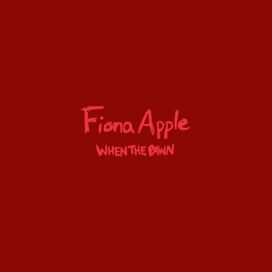
When the Pawn...[a] is the second studio album by the American singer-songwriter Fiona Apple, released by Epic Records in the United States on November 9, 1999.[3] It was produced by Jon Brion.
The album received a Grammy Award nomination for Best Alternative Music Album.[4] In 2010, Spin named the album the 106th-greatest of the last 25 years,[5] and Slant Magazine named it the 79th best album of the 1990s.[6] In 2020, Rolling Stone ranked When the Pawn... at number 108 on its "500 Greatest Albums of All Time" list.[7]
Title
[edit]The album's title is a poem Apple wrote in response to unfavorable reactions from readers to a Spin cover story about her.[8] Richard Harrington of The Washington Post called it Apple's version of Chumbawamba's "I get knocked down, but I get up again".[8] "It came from being made fun of," she said, "and then, of course, it becomes a thing I'm being made fun of for."[9]
Upon its release, When the Pawn... broke the record for longest album title at 444 characters (previously held by a volume in The Best... Album in the World...Ever!),[10][11] though this record was subsequently broken.[b] The full title is:
When the pawn hits the conflicts he thinks like a king
What he knows throws the blows when he goes to the fight
And he'll win the whole thing 'fore he enters the ring
There's no body to batter when your mind is your might
So when you go solo, you hold your own hand
And remember that depth is the greatest of heights
And if you know where you stand, then you know where to land
And if you fall it won't matter, cuz you'll know that you're right
Conception
[edit]When the Pawn… came off the success and controversy of Tidal, her debut album. She had faced a lot of public scrutiny, specifically for her 1997 VMA speech, where she famously stated, "this world is bullshit". The speech urges viewers to be themselves and not compare or change themselves because of the media they are consuming. This outburst came as a response to backlash from her "Criminal" music video.[13] She would continue to have a negative attitude towards the media. Fiona stated that writing music began as a response to fighting with her parents but became cathartic in her life. Apple writes her own music about past experiences she has dealt with. Many songs on the album speak about tumultuous relationships with others as well as with herself. The tumultuous relationship that inspired many of the songs on this album is thought to be with Paul Thomas Anderson.[14] The two were together from 1997-2000 (during the making of this album). The couple began doing drugs together, where Apple would then start a long road of addiction and later recovery which affected later albums.[15] When the Pawn… reflected all these circumstances around the production.
Music and lyrics
[edit]According to Katherine St. Asaph of Pitchfork: "When the Pawn… is about knowing your patterns, knowing the rubble they’ve made of your life—and knowing you’ll do it again." Asaph also said: "[Apple's] vocal roles are larger-than-life: precise and unsingably fast, fit for a technical rapper, or open-throated and dramatic, like a stage diva commandeering an encore."[16]
Release
[edit]The first single, "Fast as You Can", was fairly popular and received moderate radio and video airplay. It reached the top 20 on the US Billboard Modern Rock Tracks chart and became Apple's first top 40 hit on the UK Singles Chart. The follow-up singles, "Limp" and especially "Paper Bag", which was nominated for a Grammy Award, were less successful. Apple's boyfriend at the time, filmmaker Paul Thomas Anderson, directed the videos for all three singles.[17]
In 2019, Apple collaborated with King Princess on a cover of "I Know". The song was released for Spotify's RISE program on January 25.[18]
A reissue by Vinyl Me Please was announced in 2020 featuring a new cover chosen by Fiona herself, marking the album's first ever vinyl pressing.[19]
Reception
[edit]| Aggregate scores | |
|---|---|
| Source | Rating |
| Metacritic | 79/100[20] |
| Review scores | |
| Source | Rating |
| AllMusic |   [21] [21] |
| Chicago Sun-Times | [22] |
| Entertainment Weekly | A[23] |
| The Guardian |  [24] [24] |
| The Independent | [25] |
| Los Angeles Times | [26] |
| NME | 5/10[27] |
| Pitchfork | 8.0/10 (1999)[28] 9.4/10 (2019)[29] |
| Q | [30] |
| Rolling Stone | [31] |
| Slant Magazine | [32] |
| Spin | 8/10[33] |
| The Village Voice | A−[34] |
In comparison to Apple's debut album Tidal, Harrington stated, "When the Pawn is a decidedly more mature work that trades in youthful melodrama for somber ruminations on shattered relationships and romantic obsession".[8] In The New Rolling Stone Album Guide, Jenny Eliscu states that Pawn is "more musically complex and melodically advanced" than the previous album, while focusing on Apple's "sultry voice and moody piano playing".[3] Rob Sheffield of Rolling Stone gave the album three-and-a-half out of five stars, calling it "richer, deeper and stronger than Tidal, in every way", with "a far more muscular approach to both the songs and the singing".[31]
Entertainment Weekly's David Browne awarded the album an A grade, praising Jon Brion's production as well as Apple's songwriting: "Apple hasn't gained much in psychic confidence following the success of Tidal. On When the Pawn..., Apple presents herself as a mental shambles, and she's more than happy to tell us about it."[23] Pitchfork originally gave the album a score of eight out of ten, with reviewer Chip Chanko praising Apple's lyrics, writing: "[Apple] seems older. Her voice is full of a heartfelt soul that seems almost timeless. While Billie Holiday would never have considered the possibility of lines like, 'It won't be long till you'll be/ Lying limp in your own hand,' Apple executes them flawlessly with a modern passion."[35] Amy Linden of Vibe wrote: "When the Pawn... is full of images that resonate. Apple's a sad, sultry woman with a sense of who she is—even if that person isn't someone she wants to be. Once again, her pain brings us joy."[36] In contrast, Piers Martin of NME rated it a 5 out of 10, calling it Apple's "second album of Amos-aping MTV-branded Lilith Fair fodder."[27]
On the U.S. Billboard 200, When the Pawn... debuted and peaked at number 13 with 103,000 copies sold in first week.[37] On March 26, 2020, When the Pawn.. was certified Platinum by the Recording Industry Association of America.[38]
Track listing
[edit]All tracks are written by Fiona Apple; arrangements and orchestration by John Bainbridge.
| No. | Title | Length |
|---|---|---|
| 1. | "On the Bound" | 5:22 |
| 2. | "To Your Love" | 3:40 |
| 3. | "Limp" | 3:29 |
| 4. | "Love Ridden" | 3:22 |
| 5. | "Paper Bag" | 3:39 |
| 6. | "A Mistake" | 4:56 |
| 7. | "Fast as You Can" | 4:38 |
| 8. | "The Way Things Are" | 4:16 |
| 9. | "Get Gone" | 4:07 |
| 10. | "I Know" | 4:55 |
| Total length: | 42:39 | |
| No. | Title | Length |
|---|---|---|
| 11. | "Across the Universe" | 5:06 |
| 12. | "Never is a Promise (Live)" | 6:12 |
| Total length: | 53:57 | |
Personnel
[edit]Musicians
[edit]- Fiona Apple – vocals, piano
- Jon Brion – "all other instruments"[c] (except "Love Ridden")
- Mike Elizondo – bass (except "I Know")
- Matt Chamberlain – drums, percussion (except "A Mistake", "I Know")
- Mike Breaux – woodwinds (1, 3, 7)
- Patrick Warren – Chamberlin (2, 3, 7, 9), Wurlitzer (3, 7)
- Charlie Bisharat, Eve Butler, Susan Chatman, Armen Garabedian, Berj Garabedian, Gerardo Hilera, Peter Kent, Brian Leonard, Robert Peterson, Michele Richards, Edmund Stein, John Wittenberg – violin (4, 9, 10)
- Robert Becker, Denyse Buffman, Scott Haupert, Maria Newman – viola (4, 9, 10)
- Larry Corbett, Paula Hochalter, Suzie Katayama, Daniel Smith – cello (4, 9, 10)
- Greg Cohen – bass guitar (10)
- Jonathan "Butch" Norton – drums, percussion (2, 3)
- Jim Keltner – drums (10)
- Wendell Kelly, Jean Martinelli, John Noreyko, Paul Loredo – horns (5)
Technical personnel
[edit]- Jon Brion – producer, mixing engineer, assistant engineer
- Rich Costey – mixing engineer
- Eddy Scheyer – mastering engineer
- Ian Sefchick – mastering engineer (2020 LP)
- Tom Banghart, Rob Brill, Greg Collins, Bryan Jackson, Steve Mixdorf, John Tyree – assistant engineer
- Fiona Apple – design, cover art concept
Charts
[edit]
Weekly charts[edit]
|
Year-end charts[edit]
|
Certifications
[edit]| Region | Certification | Certified units/sales |
|---|---|---|
| Japan (RIAJ)[47] | Gold | 100,000^ |
| United Kingdom (BPI)[48] | Silver | 60,000‡ |
| United States (RIAA)[49] | Platinum | 1,000,000‡ |
|
^ Shipments figures based on certification alone. | ||
Notes
[edit]- ^ Full title: When the Pawn Hits the Conflicts He Thinks Like a King What He Knows Throws the Blows When He Goes to the Fight and He'll Win the Whole Thing 'Fore He Enters the Ring There's No Body to Batter When Your Mind Is Your Might So When You Go Solo, You Hold Your Own Hand and Remember That Depth Is the Greatest of Heights and If You Know Where You Stand, Then You Know Where to Land and If You Fall It Won't Matter, Cuz You'll Know That You're Right.
- ^ Soulwax's Most of the Remixes, released in 2007, broke Apple's record with 552 characters.[12] Their record was itself broken in 2008 by Chumbawamba, whose album title The Boy Bands Have Won has 865 characters.[11]
- ^ bass, keyboards, vibraphone, guitars, drums, percussion
References
[edit]- ^ Abdel-Gawad, Minna (November 6, 2023). "When the Pawn...'s 24th Anniversary: How Fiona Apple Shaped a Generation of Singer/Songwriters". Atwood Magazine. Retrieved December 22, 2024.
In the 24 years that have passed since a 22-year-old Fiona Apple released her gritty, liberating and poignant alternative pop album When The Pawn…
- ^ "Alternative: Going for Adds" (PDF). Radio & Records. February 11, 2000. p. 110. Retrieved January 24, 2023.
- ^ a b Eliscu, Jenny (2004). "Fiona Apple". In Brackett, Nathan; Hoard, Christian D. (eds.). The New Rolling Stone Album Guide (4th ed.). New York: Fireside. p. 23. ISBN 0-74-320169-8. Archived from the original on June 24, 2021. Retrieved October 3, 2020.
- ^ "Fiona Apple". GRAMMY.com. May 22, 2018. Archived from the original on May 28, 2020. Retrieved June 25, 2018.
- ^ "125 Best Albums of the Past 25 Years". Spin. February 15, 2012. Archived from the original on September 29, 2013. Retrieved January 21, 2016.
- ^ "Best Albums of the '90s". Slant. February 14, 2011. Archived from the original on February 18, 2011. Retrieved May 6, 2011.
- ^ "The 500 Greatest Albums of All Time". Rolling Stone. September 22, 2020. Archived from the original on October 8, 2020. Retrieved September 24, 2020.
- ^ a b c Harrington, Richard (November 28, 1999). "Fiona Apple: The Time Is Ripe". The Washington Post. p. G1. Archived from the original on January 1, 2021. Retrieved September 18, 2017.
- ^ Sutcliffe, Phil, "Hard Core Pawn", Q, March 2000, pp. 46-48
- ^ Cossar, Neil (2010). This Day in Music: An Every Day Record of Musical Feats and Facts: An Every Day Record of Musical Feats and Facts. Omnibus Press. p. 395. ISBN 978-0-857-12362-6.
- ^ a b Mench, Chris (June 5, 2014). "12 Guinness World Records That Exist For No Real Reason". Complex. Archived from the original on June 25, 2018. Retrieved June 25, 2018.
- ^ Fischer, Reed (September 12, 2011). "The Ten Longest Album Titles Ever". New Times Broward-Palm Beach. Retrieved December 23, 2025.
- ^ "Fiona Apple's iconic "this world is bullsh*t" speech". Far Out. May 14, 2022. Retrieved April 4, 2025.
- ^ Berman, Judy. "Fiona Apple: When the Pawn..." Pitchfork. Retrieved April 4, 2025.
- ^ Haylock, Zoe (March 16, 2020). "Fiona Apple Details Ugly Relationship With Paul Thomas Anderson". Vulture. Retrieved April 4, 2025.
- ^ St. Asaph, Katherine (September 28, 2022). "The 150 Best Albums of the 1990s". Pitchfork. Retrieved June 13, 2025.
- ^ Sharf, Zack (October 4, 2017). "The Complete Paul Thomas Anderson Music Video Collection, From Fiona Apple to Radiohead — Watch". IndieWire. Archived from the original on June 19, 2020. Retrieved June 17, 2020.
- ^ Lorusso, Marissa (January 25, 2019). "King Princess and Fiona Apple Collaborate on New Version of 'I Know'". NPR. Archived from the original on January 26, 2019. Retrieved January 25, 2019.
- ^ "VMP on Instagram: "♟ at long last... 'When the Pawn' is here on 180g black vinyl for the first time ever. With a new cover picked by Fiona Apple herself, and a special price for VMP members."".
- ^ "Reviews for When The Pawn... by Fiona Apple". Metacritic. Archived from the original on November 7, 2016. Retrieved April 6, 2016.
- ^ Erlewine, Stephen Thomas. "When the Pawn Hits the Conflicts He Thinks Like a King... – Fiona Apple". AllMusic. Archived from the original on April 4, 2016. Retrieved April 6, 2016.
- ^ Reed, Bobby (November 14, 1999). "Fiona Apple, 'When the Pawn . . .' (Clean Slate/Epic)". Chicago Sun-Times. Archived from the original on November 18, 2018. Retrieved October 17, 2016.
- ^ a b Browne, David (November 12, 1999). "When the Pawn..." Entertainment Weekly. Archived from the original on April 15, 2016. Retrieved April 6, 2016.
- ^ Mulholland, Gary (February 25, 2000). "Wounded to the Core". The Guardian.
- ^ Perry, Tim (February 26, 2000). "Fiona Apple 'When the Pawn...'". The Independent.
- ^ Gardner, Elysa (November 9, 1999). "Assured Apple Challenges Her Audience". Los Angeles Times. Archived from the original on April 21, 2016. Retrieved April 6, 2016.
- ^ a b Martin, Piers (March 15, 2000). "Fiona Apple – When The Pawn..." NME. Archived from the original on June 4, 2000. Retrieved April 6, 2016.
- ^ "Fiona Apple: When the Pawn..." Pitchfork. November 9, 1999.
- ^ "Fiona Apple: When the Pawn..." Pitchfork. March 24, 2019.
- ^ Aizlewood, John (March 2000). "Fiona Apple: When The Pawn Hits The Conflicts..." Q (162): 101. Archived from the original on November 21, 2000. Retrieved August 30, 2018.
- ^ a b Sheffield, Rob (November 25, 1999). "When the Pawn Hits the Conflicts He Thinks Like a King..." Rolling Stone. Retrieved January 4, 2023.
- ^ Cinquemani, Sal (November 2002). "Review: Fiona Apple, When the Pawn". Slant Magazine. Retrieved November 1, 2002.
- ^ Weisbard, Eric (December 1999). "Fiona Apple: When the Pawn Hits the Conflicts He Thinks Like a King / What He Knows Throws the Blows When He Goes to the Fight..." Spin. 15 (12): 215. Archived from the original on June 24, 2021. Retrieved April 6, 2016.
- ^ Christgau, Robert (March 7, 2000). "Consumer Guide: Cleanup Time". The Village Voice. Archived from the original on March 4, 2016. Retrieved April 6, 2016.
- ^ Chanko, Chip. "Fiona Apple: When the Pawn..." Pitchfork. Archived from the original on June 11, 2007. Retrieved January 21, 2016.
- ^ Linden, Amy (December 1999). "Fiona Apple - 'When the Pawn...'". Vibe. 7 (10): 257. ISSN 1070-4701.
- ^ "Nickelback Debuts 'Right' on Top". Billboard. October 12, 2005.
- ^ "Gold & Platinum - Fiona Apple". RIAA. Archived from the original on November 25, 2020. Retrieved April 17, 2020.
- ^ Ryan, Gavin (2011). Australia's Music Charts 1988–2010. Mt. Martha, VIC, Australia: Moonlight Publishing.
- ^ "Lescharts.com – Fiona Apple – When The Pawn Hits The Conflicts He Thinks Like A King....". Hung Medien. Retrieved April 28, 2021.
- ^ "Offiziellecharts.de – Fiona Apple – When The Pawn Hits The Conflicts He Thinks Like A King...." (in German). GfK Entertainment charts. Retrieved April 28, 2021.
- ^ "Irish-charts.com – Discography Fiona Apple". Hung Medien. Retrieved April 28, 2021.
- ^ "Official Scottish Albums Chart on 5/3/2000 – Top 100". Official Charts Company. Retrieved April 28, 2021.
- ^ "Official Albums Chart on 5/3/2000 – Top 100". Official Charts Company. Retrieved April 28, 2021.
- ^ "Fiona Apple Chart History (Billboard 200)". Billboard. Retrieved April 28, 2021.
- ^ "Top Billboard 200 Albums – Year-End 2000". Billboard. January 2, 2013. Archived from the original on May 26, 2018. Retrieved April 28, 2021.
- ^ "Japanese album certifications – Fiona Apple – When the pawn" (in Japanese). Recording Industry Association of Japan. Retrieved October 20, 2019. Select 2007年1月 on the drop-down menu
- ^ "British album certifications – Fiona Apple – When The Pawn". British Phonographic Industry. Retrieved January 10, 2025.
- ^ "American album certifications – Fiona Apple – When the Pawn". Recording Industry Association of America. Retrieved March 29, 2020.
External links
[edit]- When the Pawn... at Discogs (list of releases)
- When the Pawn... at MusicBrainz
- When the Pawn... at Metacritic


When the Pawn...
View on GrokipediaBackground
Conception
Following the commercial success of her debut album Tidal in 1996, which achieved multi-platinum status and established Fiona Apple as a rising star in alternative pop at the age of 18, she began work on her sophomore effort at 19, riding a wave of critical acclaim and industry expectations.[10][6] Apple's songwriting for the album drew heavily from her ongoing therapy experiences and the emotional turbulence of her personal life, including a tumultuous relationship with filmmaker Paul Thomas Anderson that began around 1998 and infused the material with themes of vulnerability, self-doubt, and relational strain.[6][11] Having been in therapy since childhood to address issues like obsessive-compulsive disorder and family conflicts, Apple channeled these sessions into raw, introspective lyrics that explored heartbreak and psychological conflict, with the rocky dynamics of her romance providing specific inspiration for songs about unfulfilled love and emotional chaos.[6][11] In 1997 and 1998, Apple composed much of the album's material at the piano, often drawing from direct interpersonal exchanges; for instance, "Paper Bag" emerged from her reflections on self-deprecating comments made by romantic partners, capturing feelings of inadequacy in love, while "Fast as You Can" addressed the frantic pace of emotional avoidance during relational tension.[12] Building on their successful partnership for Tidal, Apple decided to reunite with producer Jon Brion, presenting him with nearly complete demos and instructing him to expand on the orchestral richness of her debut to better suit the album's intricate emotional layers.[6]Recording and production
Studio sessions
The recording sessions for When the Pawn... spanned several months in 1999, primarily at Ocean Way Recording in Hollywood, with additional work conducted at Chateau Brion Studio, NRG Recording Studios, Andora Studios, and One on One South.[9][13] Under producer Jon Brion's guidance, the sessions followed an iterative structure that began with Apple laying down solo piano and vocal tracks to a click track, followed by Brion's overdubs of guitars, drums, keyboards, and other elements. This method inverted traditional band-first approaches, allowing Apple's core performances to anchor the arrangements; daily three-hour sessions enabled her to review and refine Brion's contributions each evening, fostering a collaborative evolution of the material. Apple entered the process with a folder of ten handwritten songs, which Brion expanded through experimentation, including trials with drummers Matt Chamberlain and Jim Keltner.[14] Apple's drive for precision presented challenges, requiring Brion to build deep trust to match her intuitive vision amid the pressure of following her debut album's success. The production prioritized a warm, organic tone via live band recordings and strategic overdubs, incorporating vintage instruments and analog techniques for depth.[14][9]Key collaborators
Jon Brion served as the primary producer for When the Pawn..., overseeing the album's intricate orchestration and arrangements that blended orchestral elements with pop structures to enhance Fiona Apple's piano-driven compositions.[6] His contributions included layering strings, brass, and unconventional instrumentation, creating a richly textured sound that amplified the emotional depth of the tracks.[15] Brion also performed on multiple instruments throughout the album.[2] Drummer Matt Chamberlain brought dynamic and versatile rhythms to several songs, notably powering the upbeat drive of "Fast as You Can" (track 7) and the swinging groove of "Paper Bag" (track 5), contributing to the album's rhythmic variety and energy.[16] His performances on percussion across tracks 1–5 and 7–9 helped anchor Brion's elaborate arrangements with a sense of propulsion and immediacy.[17] Other key contributors included multi-instrumentalist Patrick Warren on keyboards and Chamberlin, adding atmospheric textures during the recording sessions at Ocean Way in Hollywood, where improvisational elements informed the collaborative dynamics.[2] Fiona Apple maintained strong leadership throughout production, providing direct input on arrangements and exercising veto power over mixes to preserve her artistic vision, ensuring the final product aligned closely with her intentions.[14]Composition
Musical style
When the Pawn... blends elements of alternative rock, chamber pop, and jazz, creating a sound that is both introspective and dynamic. The album's genre influences draw from piano-driven singer-songwriter traditions while incorporating art pop's experimental edges and jazz's rhythmic nuances, resulting in a plush, moody atmosphere that emphasizes emotional depth over straightforward pop structures.[9][6] Producer Jon Brion's contributions help unify these diverse styles into a cohesive, darkly romantic texture, avoiding clichés through intricate layering that enhances the album's intimate yet expansive feel.[6] Central to the album's sonic identity is Fiona Apple's prominent piano playing, which serves as the rhythmic and melodic foundation across tracks, often contrasted with orchestral elements like swelling strings and brass for cinematic swells. Instrumentation includes smoky guitars, funk-infused drums, hazy synths, upright bass, and unconventional percussion such as brushed snares, adding textural variety and a sense of propulsion. Brion's arrangements introduce rock grooves that lighten the compositions, juxtaposing Apple's raw, throaty vocals with lush, traditionalist jazz undertones to create a muscular evolution from her debut.[18][19][15] Specific tracks highlight the album's stylistic range: "Paper Bag" features jazzy swing rhythms with light, high-pitched piano chords evoking a laid-back R&B-soul vibe, while "Fast as You Can" delivers aggressive rock energy through driving beats and viper-like guitar stabs. In contrast, "Love Ridden" leans into balladry with sparse piano and looming strings, building to emotional swells that underscore the album's plush moodiness. These production choices by Brion emphasize orchestral drama against Apple's vocal intensity, fostering a sound that feels both personal and grandly arranged.[20][21][22]Lyrics and themes
The lyrics of When the Pawn... delve deeply into themes of vulnerability, self-doubt, tumultuous relationships, feminist empowerment, and mental health struggles, often drawing from Fiona Apple's personal experiences to create a confessional narrative.[9] Apple has described her songwriting as an unflinching exploration of emotional rawness, a sentiment that permeates tracks reflecting her battles with insecurity and relational turmoil.[9] These themes are framed through a feminist lens, emphasizing agency amid pain, as seen in songs that critique toxic dynamics and assert self-awareness.[23] Apple's lyrical style is poetic and introspective, blending dense wordplay with raw confessionals that evoke literary depth. Her use of metaphor and double entendres adds layers of ambiguity, such as in "Get Gone," where phrases like "get gone" play on departure from a relationship while hinting at ecstatic release, underscoring the complexity of desire and rejection.[9] This approach avoids straightforward storytelling, instead weaving emotional ambiguity to mirror the messiness of human connections.[9] Specific songs highlight these elements vividly. In "Criminal," Apple grapples with guilt and seductive complicity in a flawed romance, portraying herself as both perpetrator and victim in a cycle of self-sabotage that ties into broader mental health struggles.[23] "I Know" captures paranoia and self-doubt, with lyrics that dissect obsessive thoughts in love.[9] Overall, the album's words form a therapeutic outlet, transforming private anguish into universal commentary on resilience and emotional truth.[15]Release and promotion
Commercial release
When the Pawn... was released on November 9, 1999, by Clean Slate/Epic Records in the United States.[24][25] The album was initially issued in CD and cassette formats, with the cover artwork depicting Fiona Apple in a dramatic standing pose against a stark background. Limited vinyl pressings were not available until a 2020 reissue.[26][27] As a follow-up to the multi-platinum success of her debut Tidal, Epic Records—under Sony Music—invested in a significant marketing push, emphasizing broad U.S. distribution through major retail channels before an international rollout in early 2000.[25][9]Marketing and singles
The marketing strategy for When the Pawn... faced unique challenges due to the album's full title—a 90-word poem spanning 444 characters—which set a Guinness World Record for the longest album title at the time and proved difficult to accommodate in advertisements, album spines, and promotional materials. Epic Records typically shortened it to When the Pawn... for practicality in marketing efforts. The lead single, "Fast as You Can," was released on October 5, 1999, shortly before the album's launch, to build anticipation. Its music video, directed by Fiona Apple's then-boyfriend Paul Thomas Anderson, employed experimental techniques including a vintage hand-cranked camera with multiple lenses for a distinctive, dreamlike visual style.[28] Subsequent singles included "Limp," released on February 15, 2000, and "Paper Bag," released in June 2000, both accompanied by music videos directed by Anderson. The "Limp" video featured surreal, narrative-driven imagery, while "Paper Bag" paid homage to 1940s musicals with choreographed dancers and stylized sets.[28][29] Promotional activities encompassed television appearances, such as Apple's performance of "Limp" on Saturday Night Live on February 19, 2000, hosted by Ben Affleck, which highlighted her live piano-driven delivery and helped sustain media buzz.[30] Apple also supported the album with a dedicated tour in 2000, performing tracks like "Fast as You Can" and "Paper Bag" across North American venues to connect with fans through intimate, jazz-influenced sets.[31]Commercial performance
Chart positions
Upon its release in November 1999, When the Pawn... achieved moderate commercial success on various international charts, reflecting Fiona Apple's growing but niche appeal following her debut album Tidal. The album debuted and peaked at number 13 on the US Billboard 200 in December 1999, selling 103,000 copies in its first week, marking her highest charting position to date at the time and spending a total of 18 weeks on the chart.[32] It also appeared on year-end tallies, ranking number 169 on the 2000 Billboard 200.[33] Internationally, the album had more limited impact. In the United Kingdom, it reached a peak of number 46 on the Official Albums Chart and spent two weeks in the top 200.[34] In Australia, it peaked at number 54 on the ARIA Albums Chart.[35]| Chart (1999–2000) | Peak position |
|---|---|
| Australian Albums (ARIA) | 54 |
| UK Albums (OCC) | 46 |
| US Billboard 200 | 13 |
Sales and certifications
When the Pawn... has sold over 1 million copies worldwide. In the United States, sales reached approximately 913,000 copies by 2009 according to Nielsen SoundScan, with stronger performance in North America compared to Europe, where it achieved modest chart placements but limited sales.[5] The Recording Industry Association of America (RIAA) certified the album Gold on February 7, 2000, recognizing shipments of 500,000 units, and Platinum on March 26, 2020, for 1,000,000 units (including streaming equivalents).[39][40] Sales received a boost from streaming in the post-2020 era, contributing to renewed interest and equivalent unit certifications.[41] The album's commercial performance allowed it to recover its production budget—reportedly elevated due to extended studio sessions—and satisfied Epic Records, affirming Apple's viability as an artist despite creative risks.[42]Critical reception
Contemporary reviews
Upon its release in November 1999, When the Pawn... received widespread critical acclaim for its artistic advancement over Fiona Apple's debut album Tidal, with reviewers highlighting her increased maturity and emotional depth. Rolling Stone awarded the album four out of five stars, with critic David Fricke praising Apple's "deeper, more fiercely swinging voice" that pushes melodies toward genuine emotion, describing the record as "richer, deeper and stronger than Tidal, in every way."[43] Similarly, Spin magazine gave it a 9 out of 10, commending the lyrical depth and Apple's portrayal of herself as both victim and provocateur in a "therapy session set to music," emphasizing the album's bold exploration of personal turmoil.[44] Other positive responses echoed this sentiment; Entertainment Weekly assigned an A grade, lauding the "searing honesty" in tracks like "Paper Bag," while Q magazine rated it four out of five stars for its "witty, literate" lyrics that balanced confession with cleverness.[45] However, some reviews were mixed, critiquing elements of overproduction and accessibility. In the Village Voice, Robert Christgau gave the album an A- in his Consumer Guide, acknowledging its ambition and maturity but finding it "more self-conscious and less fun" than Tidal, with dense arrangements occasionally overshadowing the emotional core. NME offered a middling 5 out of 10, arguing the elaborate production sometimes hindered the songs' raw appeal, making them feel less immediate for casual listeners. The original Pitchfork review scored it 8.0 out of 10, appreciating the emotional honesty but questioning the album's occasional opacity in blending jazz-inflected complexity with pop structures.[19] Aggregating 17 reviews, Metacritic reported an average score of 79 out of 100, reflecting broad consensus on the album's emotional honesty and Apple's lyrical prowess, though debates persisted over its accessibility compared to the more straightforward Tidal. Critics generally agreed that When the Pawn... marked a pivotal step in Apple's development, prioritizing introspective intensity over commercial polish.[46]Retrospective appraisals
In the decades following its 1999 release, When the Pawn... has garnered heightened acclaim in retrospective reviews and rankings, often celebrated for its prescience and emotional intensity. Pitchfork's 2019 reappraisal awarded the album a 9.4 out of 10, lauding its "diamond-sharp writing that mines the depths of her psyche and emotion" and positioning it as a cornerstone of Apple's oeuvre.[6] Slant Magazine ranked it number 79 on their 2011 list of the 100 best albums of the 1990s, highlighting its raw bitterness and captivating self-examination.[47] Similarly, Rolling Stone placed it at number 108 on their 2020 edition of the 500 Greatest Albums of All Time, emphasizing Apple's ability to transform personal demons into songs of anger and resilience. In the #MeToo era, the album has undergone feminist rereadings that underscore its unflinching portrayal of relational power dynamics, misogyny, and female rage, themes once dismissed as overly confessional but now viewed as prophetic. Critics have noted how tracks like "Fast as You Can" and "Paper Bag" capture the complexities of emotional manipulation and self-worth, resonating with contemporary discussions of women's experiences in patriarchal structures.[48] A 2020 New Yorker profile contextualized Apple's early work, including When the Pawn..., within the era's emphasis on female bonding and reevaluating past traumas through fresh perspectives.[11] Fiona Apple has reflected on the album's personal stakes in subsequent interviews, describing its creation as a confrontation with industry skepticism and her own vulnerabilities, which amplified its raw authenticity.[9] Despite initial commercial and critical overshadowing by Apple's later releases like Fetch the Bolt Cutters, When the Pawn... has experienced rediscovery in the streaming era, with anniversary retrospectives in 2023 and 2024 affirming its enduring appeal among younger listeners.[49] As of 2025, critics continue to acclaim its influence on indie pop, crediting it with shaping a generation of female singer-songwriters through its blend of jazz-inflected piano, hip-hop rhythms, and introspective lyricism.[50]Track listing
All tracks are written by Fiona Apple.[2]| No. | Title | Length |
|---|---|---|
| 1 | "On the Bound" | 5:23 |
| 2 | "To Your Love" | 3:40 |
| 3 | "Limp" | 3:31 |
| 4 | "Love Ridden" | 3:22 |
| 5 | "Paper Bag" | 3:40 |
| 6 | "A Mistake" | 4:58 |
| 7 | "Fast as You Can" | 4:40 |
| 8 | "The Way Things Are" | 4:18 |
| 9 | "Get Gone" | 4:10 |
| 10 | "I Know" | 4:57 |