



Community hub
Recent from talks
Knowledge base stats:
Talk channels stats:
Members stats:
Wild animal suffering
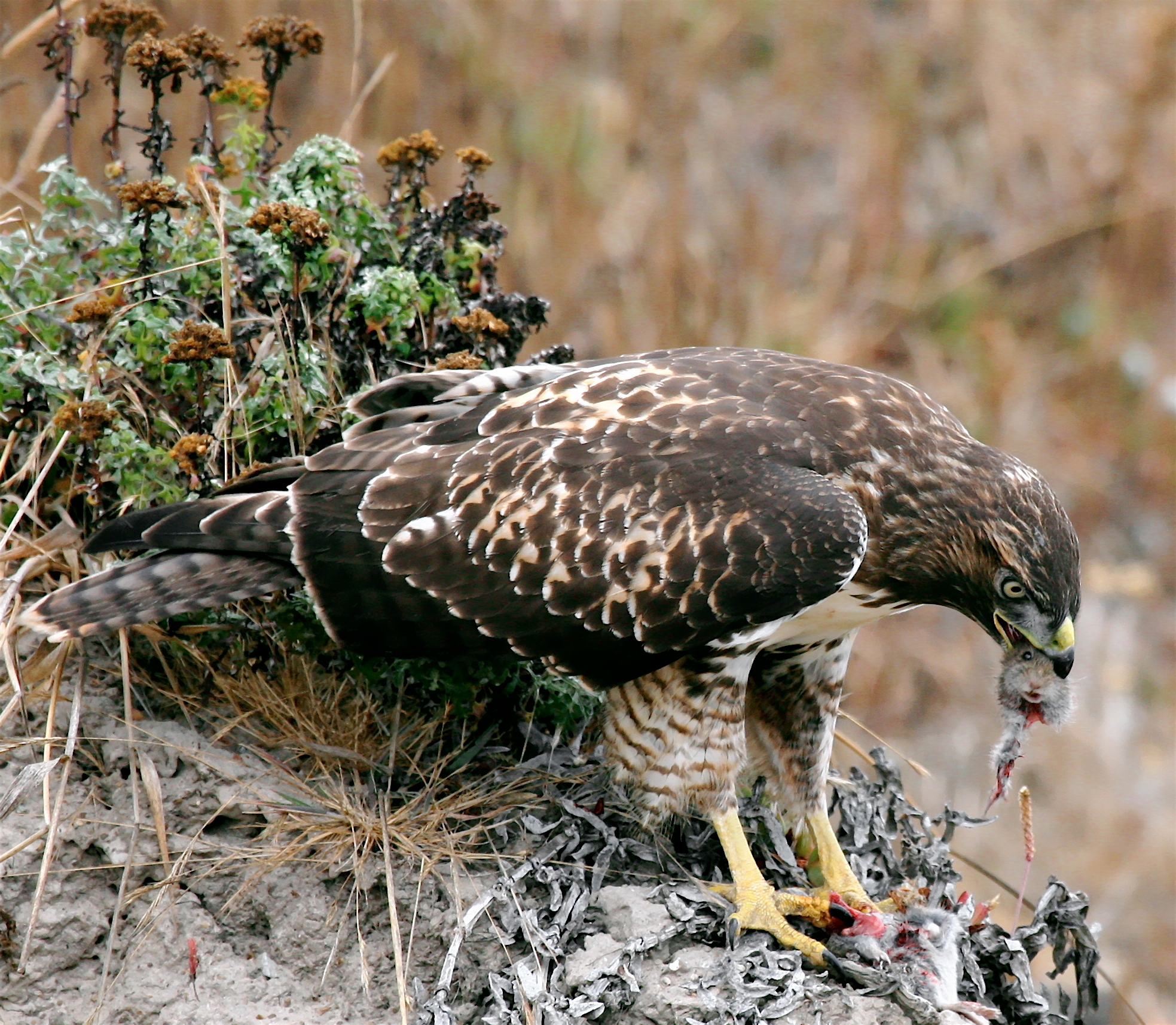
Wild animal suffering is suffering experienced by non-human animals living in the wild, outside of direct human control, due to natural processes. Its sources include disease, injury, parasitism, starvation, malnutrition, dehydration, weather conditions, natural disasters, killings by other animals, and psychological stress. An extensive amount of natural suffering has been described as an unavoidable consequence of Darwinian evolution, as well as the pervasiveness of reproductive strategies, which favor producing large numbers of offspring, with a low amount of parental care and of which only a small number survive to adulthood, the rest dying in painful ways, has led some to argue that suffering dominates happiness in nature. Some estimates suggest that the total population of wild animals, excluding nematodes but including arthropods, may be vastly greater than the number of animals killed by humans each year. This figure is estimated to be between 1018 and 1021 individuals.
The topic has historically been discussed in the context of the philosophy of religion as an instance of the problem of evil. More recently, starting in the 19th century, a number of writers have considered the subject from a secular standpoint as a general moral issue, that humans might be able to help prevent. There is considerable disagreement around taking such action, as many believe that human interventions in nature should not take place because of practicality, valuing ecological preservation over the well-being and interests of individual animals, considering any obligation to reduce wild animal suffering implied by animal rights to be absurd, or viewing nature as an idyllic place where happiness is widespread. Some argue that such interventions would be an example of human hubris, or playing God, and use examples of how human interventions, for other reasons, have unintentionally caused harm. Others, including animal rights writers, have defended variants of a laissez-faire position, which argues that humans should not harm wild animals but that humans should not intervene to reduce natural harms that they experience.
Advocates of such interventions argue that animal rights and welfare positions imply an obligation to help animals suffering in the wild due to natural processes. Some assert that refusing to help animals in situations where humans would consider it wrong not to help humans is an example of speciesism. Others argue that humans intervene in nature constantly—sometimes in very substantial ways—for their own interests and to further environmentalist goals. Human responsibility for enhancing existing natural harms has also been cited as a reason for intervention. Some advocates argue that humans already successfully help animals in the wild, such as vaccinating and healing injured and sick animals, rescuing animals in fires and other natural disasters, feeding hungry animals, providing thirsty animals with water, and caring for orphaned animals. They also assert that although wide-scale interventions may not be possible with our current level of understanding, they could become feasible in the future with improved knowledge and technologies. For these reasons, they argue it is important to raise awareness about the issue of wild animal suffering, spread the idea that humans should help animals suffering in these situations, and encourage research into effective measures, which can be taken in the future to reduce the suffering of these individuals, without causing greater harms.
Animals in the wild may suffer from diseases which circulate similarly to human colds and flus, as well as epizootics, which are analogous to human epidemics; epizootics are relatively understudied in the scientific literature. Some well-studied examples include chronic wasting disease in elk and deer, white-nose syndrome in bats, devil facial tumour disease in Tasmanian devils and Newcastle disease in birds. Examples of other diseases include myxomatosis and viral haemorrhagic disease in rabbits, ringworm and cutaneous fibroma in deer, and chytridiomycosis in amphibians. Diseases, combined with parasitism, "may induce listlessness, shivering, ulcers, pneumonia, starvation, violent behavior, or other gruesome symptoms over the course of days or weeks leading up to death".
Poor health may dispose wild animals to increased risk of infection, which in turn reduces the health of the animal, further increasing the risk of infection. The terminal investment hypothesis holds that infection can lead some animals to focus their limited remaining resources on increasing the number of offspring they produce.
Wild animals can experience injury from a variety of causes such as predation; intraspecific competition; accidents, which can cause fractures, crushing injuries, eye injuries and wing tears; self-amputation; molting, a common source of injury for arthropods; extreme weather conditions, such as storms, extreme heat or cold weather; and natural disasters. Such injuries may be extremely painful, which can lead to behaviors which further negatively affect the well-being of the injured animal. Injuries can also make animals susceptible to diseases and other injuries, as well as parasitic infections. Additionally, the affected animal may find it harder to eat and drink and struggle to escape from predators and attacks from other members of their species.
Many wild animals, particularly larger ones, have been found to be infected with at least one parasite. Parasites can negatively affect the well-being of their hosts by redirecting their host's resources to themselves, destroying their host's tissue and increasing their host's susceptibility to predation. As a result, parasites may reduce the movement, reproduction and survival of their hosts. Parasites can alter the phenotype of their hosts; limb malformations in amphibians caused by Ribeiroia ondatrae, is one example. Some parasites have the capacity to manipulate the cognitive function of their hosts, such as worms which make crickets kill themselves by directing them to drown themselves in water for the purpose of reproduction in an aquatic environment, as well as caterpillars using dopamine containing secretions that manipulate ants to act as bodyguards for protecting the caterpillar from parasites. It is rare that parasites directly cause the death of their host, rather, they may increase the chances of their host's death by other means; one meta-study found that mortality was 2.65 times higher in animals affected by parasites, than those that weren't.
Unlike parasites, parasitoids—which include species of worms, wasps, beetles and flies—kill their hosts, who are generally other invertebrates. Parasitoids specialize in attacking one particular species. Different methods are used by parasitoids to infect their hosts: laying their eggs on plants which are frequently visited by their host, laying their eggs on or close to the host's eggs or young and stinging adult hosts so that they are paralyzed, then laying their eggs near or on them. The larvae of parasitoids grow by feeding on the internal organs and bodily fluids of their hosts, which eventually leads to the death of their host when their organs have ceased to function, or they have lost all of their bodily fluids. Superparasitism is a phenomenon where multiple different parasitoid species simultaneously infect the same host. Parasitoid wasps have been described as having the largest number of species of any other animal species.
Hub AI
Wild animal suffering AI simulator
(@Wild animal suffering_simulator)
Wild animal suffering
Wild animal suffering is suffering experienced by non-human animals living in the wild, outside of direct human control, due to natural processes. Its sources include disease, injury, parasitism, starvation, malnutrition, dehydration, weather conditions, natural disasters, killings by other animals, and psychological stress. An extensive amount of natural suffering has been described as an unavoidable consequence of Darwinian evolution, as well as the pervasiveness of reproductive strategies, which favor producing large numbers of offspring, with a low amount of parental care and of which only a small number survive to adulthood, the rest dying in painful ways, has led some to argue that suffering dominates happiness in nature. Some estimates suggest that the total population of wild animals, excluding nematodes but including arthropods, may be vastly greater than the number of animals killed by humans each year. This figure is estimated to be between 1018 and 1021 individuals.
The topic has historically been discussed in the context of the philosophy of religion as an instance of the problem of evil. More recently, starting in the 19th century, a number of writers have considered the subject from a secular standpoint as a general moral issue, that humans might be able to help prevent. There is considerable disagreement around taking such action, as many believe that human interventions in nature should not take place because of practicality, valuing ecological preservation over the well-being and interests of individual animals, considering any obligation to reduce wild animal suffering implied by animal rights to be absurd, or viewing nature as an idyllic place where happiness is widespread. Some argue that such interventions would be an example of human hubris, or playing God, and use examples of how human interventions, for other reasons, have unintentionally caused harm. Others, including animal rights writers, have defended variants of a laissez-faire position, which argues that humans should not harm wild animals but that humans should not intervene to reduce natural harms that they experience.
Advocates of such interventions argue that animal rights and welfare positions imply an obligation to help animals suffering in the wild due to natural processes. Some assert that refusing to help animals in situations where humans would consider it wrong not to help humans is an example of speciesism. Others argue that humans intervene in nature constantly—sometimes in very substantial ways—for their own interests and to further environmentalist goals. Human responsibility for enhancing existing natural harms has also been cited as a reason for intervention. Some advocates argue that humans already successfully help animals in the wild, such as vaccinating and healing injured and sick animals, rescuing animals in fires and other natural disasters, feeding hungry animals, providing thirsty animals with water, and caring for orphaned animals. They also assert that although wide-scale interventions may not be possible with our current level of understanding, they could become feasible in the future with improved knowledge and technologies. For these reasons, they argue it is important to raise awareness about the issue of wild animal suffering, spread the idea that humans should help animals suffering in these situations, and encourage research into effective measures, which can be taken in the future to reduce the suffering of these individuals, without causing greater harms.
Animals in the wild may suffer from diseases which circulate similarly to human colds and flus, as well as epizootics, which are analogous to human epidemics; epizootics are relatively understudied in the scientific literature. Some well-studied examples include chronic wasting disease in elk and deer, white-nose syndrome in bats, devil facial tumour disease in Tasmanian devils and Newcastle disease in birds. Examples of other diseases include myxomatosis and viral haemorrhagic disease in rabbits, ringworm and cutaneous fibroma in deer, and chytridiomycosis in amphibians. Diseases, combined with parasitism, "may induce listlessness, shivering, ulcers, pneumonia, starvation, violent behavior, or other gruesome symptoms over the course of days or weeks leading up to death".
Poor health may dispose wild animals to increased risk of infection, which in turn reduces the health of the animal, further increasing the risk of infection. The terminal investment hypothesis holds that infection can lead some animals to focus their limited remaining resources on increasing the number of offspring they produce.
Wild animals can experience injury from a variety of causes such as predation; intraspecific competition; accidents, which can cause fractures, crushing injuries, eye injuries and wing tears; self-amputation; molting, a common source of injury for arthropods; extreme weather conditions, such as storms, extreme heat or cold weather; and natural disasters. Such injuries may be extremely painful, which can lead to behaviors which further negatively affect the well-being of the injured animal. Injuries can also make animals susceptible to diseases and other injuries, as well as parasitic infections. Additionally, the affected animal may find it harder to eat and drink and struggle to escape from predators and attacks from other members of their species.
Many wild animals, particularly larger ones, have been found to be infected with at least one parasite. Parasites can negatively affect the well-being of their hosts by redirecting their host's resources to themselves, destroying their host's tissue and increasing their host's susceptibility to predation. As a result, parasites may reduce the movement, reproduction and survival of their hosts. Parasites can alter the phenotype of their hosts; limb malformations in amphibians caused by Ribeiroia ondatrae, is one example. Some parasites have the capacity to manipulate the cognitive function of their hosts, such as worms which make crickets kill themselves by directing them to drown themselves in water for the purpose of reproduction in an aquatic environment, as well as caterpillars using dopamine containing secretions that manipulate ants to act as bodyguards for protecting the caterpillar from parasites. It is rare that parasites directly cause the death of their host, rather, they may increase the chances of their host's death by other means; one meta-study found that mortality was 2.65 times higher in animals affected by parasites, than those that weren't.
Unlike parasites, parasitoids—which include species of worms, wasps, beetles and flies—kill their hosts, who are generally other invertebrates. Parasitoids specialize in attacking one particular species. Different methods are used by parasitoids to infect their hosts: laying their eggs on plants which are frequently visited by their host, laying their eggs on or close to the host's eggs or young and stinging adult hosts so that they are paralyzed, then laying their eggs near or on them. The larvae of parasitoids grow by feeding on the internal organs and bodily fluids of their hosts, which eventually leads to the death of their host when their organs have ceased to function, or they have lost all of their bodily fluids. Superparasitism is a phenomenon where multiple different parasitoid species simultaneously infect the same host. Parasitoid wasps have been described as having the largest number of species of any other animal species.