Hubbry Logo
AdipsiaAdipsiaMain
Open search
Adipsia
Community hub
Adipsia
logo
8 pages, 0 posts
0 subscribers
Be the first to start a discussion here.
Adipsia
Adipsia
from Wikipedia
Adipsia
Other nameshypodipsia
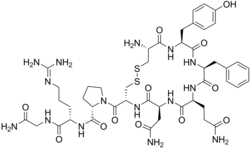
Molecular structure of vasopressin. This hormone is related to Type A and Type B adipsia.

Adipsia, also known as hypodipsia, is a symptom of inappropriately decreased or absent feelings of thirst.[1][2] It involves an increased osmolality or concentration of solute in the urine, which stimulates secretion of antidiuretic hormone (ADH) from the hypothalamus to the kidneys. This causes the person to retain water and ultimately become unable to feel thirst. Due to its rarity, the disorder has not been the subject of many research studies.

Adipsia may be seen in conditions such as diabetes insipidus[3] and may result in hypernatremia.[4] It can occur as the result of abnormalities in the hypothalamus, pituitary and corpus callosum,[5] as well as following pituitary/hypothalamic surgery.[6]

It is possible for hypothalamic dysfunction, which may result in adipsia, to be present without physical lesions in the hypothalamus, although there are only four reported cases of this.[7] There are also some cases of patients experiencing adipsia due to a psychiatric disease. In these rare psychogenic cases, the patients have normal levels of urine osmolality as well as typical ADH activity.[8]

Cause

[edit]

Dopamine

[edit]

Dopamine, a neurotransmitter, has been linked with feeding behaviors. In an experiment, scientists measured how much food and water mice consumed when they were born without dopamine in their systems. They found that without dopamine, the mice would starve and be dehydrated to the point of death. The scientists then injected the mice without dopamine with its precursor, L-DOPA, and the mice started eating again. But, even though the mice were born without dopamine in their systems, they still had the capacity to control their feeding and drinking behaviors, suggesting that dopamine does not play a role in developing those neural circuits. Instead, dopamine is more closely related to the drive for hunger and thirst. Although the lack of dopamine resulted in adipsia in these rats, low levels of dopamine do not necessarily cause adipsia. [9]

The nigrostriatal pathway (highlighted in blue) is crucial for dopamine production and transmission.
Location of the hypothalamus in the brain.

Other findings in support of the role of dopamine in thirst regulation involved the nigrostriatal pathway. After completely degenerating the pathway, the animal becomes adipsic, aphagic, and loses its interest in exploring. Although dopamine plays a role in adipsia, there is no research involving exclusively the relationship between adipsia and dopamine, as changes in dopamine simultaneously mediate changes in eating and curiosity, in addition to thirst.[10]

Hypothalamus

[edit]

Adipsia can tend to result from lesions to hypothalamic regions involved in thirst regulation. These lesions can be congenital, acquired, trauma, or even surgery. Lesions or injuries to those hypothalamic regions cause adipsia because the lesions cause defects in the thirst regulating center which can lead to adipsia. Lesions in that region can also cause adipsia because of the extremely close anatomical proximity of the hypothalamus to ADH-related osmoreceptors.[8]

Diagnosis

[edit]

Symptoms

[edit]

Diagnosing adipsia can be difficult as there is no set of concrete physical signs that are adipsia specific. Changes in the brain that are indicative of adipsia include those of hyperpnea, muscle weakness, insomnia, lethargy, and convulsions (although uncommon except in extreme cases of incredibly rapid rehydration). Patients with a history of brain tumors, or congenital malformations, may have hypothalamic lesions, which could be indicative of adipsia.[4] Some adults with Type A adipsia are anorexic in addition to the other symptoms.[11]

Testing

[edit]

Initial testing for adipsia involves electrolyte, blood urea nitrogen (BUN) and creatinine levels, serum and urine osmolality, blood hormone levels, like vasopressin (AVP). In patients who have defects in thirst regulation and vasopressin secretion, serum vasopressin levels are low or absent.[12] Measurements of urine electrolytes and osmolality are critical in determining the central, rather than renal, nature of the defect in water homeostasis. In adipsia, the fractional excretion of sodium is less than 1%, unless a coexisting defect in AVP secretion is present. In salt intoxication, the urine sodium concentrations are very high and fractional excretion of sodium is greater than 1%. Initial test results may be suggestive of diabetes insipidus. The circulating AVP levels tend to be high, which indicate an appropriate response of the pituitary to hyperosmolality. Patients may have mild stable elevations of serum sodium concentrations, along with elevations in both BUN and creatinine levels and in the BUN/creatinine ratio.[4]

Characteristic

[edit]

Type A

[edit]

Type A (essential hypernatremia syndrome) involves an increase of the level in which solvent molecules can pass through cell membranes (osmotic threshold) for vasopressin release and the activation of the feeling of thirst. This is the most characterized sub-type of adipsia, however there is no known cause for Type A adipsia. There is debate over whether osmoreceptor resetting could lead to the increase in threshold. Other studies have shown that it is the loss of osmoreceptors, not resetting, that cause the change in threshold.[13] Patients with Type A adipsia can be at risk of seizures if they rapidly re-hydrate or quickly add a significant amount of sodium into their bodies. If not treated, Type A adipsia could result in both a decrease in the size of the brain and bleeding in the brain.[11]

Type B

[edit]

Type B adipsia occurs when vasopressin responses are at decreased levels in the presence of osmotic stimuli. Although minimal, there is still some secretion of AVP. This type may be due to some elimination of osmoreceptors.[13]

Type C

[edit]
Dopamine pathways in the brain. The production of dopamine is concentrated in the Ventral Tegmental Area and the Substantia Nigra.

Type C adipsia (type C osmoreceptor dysfunction) involves complete elimination of osmoreceptors, and as a result have no vasopressin release when there normally would be. Type C is generally the adipsia type found in patients with adipsic diabetes insipidus.[13]

Type D

[edit]

Type D is the least commonly diagnosed and researched type of adipsia. The AVP release in this subtype occurs with normally functioning levels of osmoregulation.[13]

Management

[edit]

People affected by adipsia lack the ability to feel thirst; thus, they often must be directed to drink. Adipsic persons may undergo training to learn when it is necessary that they drink water. Currently, there is no medicine available to treat adipsia. For people with adipsia because of hypothalamic damage, there is no surgical or medicinal option to fix the damage. In some cases where adipsia was caused by growths on thirst centers in the brain, surgical removal of the growths was successful in treating adipsia. Although adipsic persons must maintain a strict water intake schedule, their diets and participation in physical activities are not limited. People affected by diabetes insipidus have the option of using the intranasal or oral hormone desmopressin acetate (DDAVP), which is molecularly similar enough to vasopressin to perform its function. In this case, desmopressin helps the kidneys to promote reabsorption of water.[4] Some doctors have reported success in treating psychogenic adipsic patients with electroconvulsive therapy, although the results are mixed and the reason for its success is still unknown.[8] Additionally, some patients who do not successfully complete behavioral therapy may require a nasogastric tube in order to maintain healthy levels of fluids.[8]

See also

[edit]

References

[edit]
[edit]
Revisions and contributorsEdit on WikipediaRead on Wikipedia
from Grokipedia
Adipsia is a rare medical condition defined as the complete absence of sensation, even in the presence of , , or elevated , which can lead to severe fluid and imbalances. It differs from hypodipsia, a partial reduction in , and often co-occurs with disorders of antidiuretic (ADH) secretion, resulting in adipsic . The condition arises from dysfunction in the hypothalamic center, which normally detects changes in above approximately 295 mOsm/kg or to trigger fluid intake. The primary causes of adipsia include structural damage or lesions to the or related regions, such as those from tumors (e.g., germinomas or craniopharyngiomas), traumatic injuries, , or congenital malformations like ectrodactyly-ectodermal dysplasia-cleft syndrome (EEC). Acquired etiologies encompass infections (e.g., ), neurosurgical interventions, , autoimmune disorders, or genetic mutations affecting function. In some cases, psychogenic factors or aging-related decline in perception contribute, particularly in elderly individuals or those with psychiatric conditions. Epidemiologically, fewer than 200 cases have been documented worldwide as of 2023, affecting all age groups, with congenital and traumatic causes more common in children and neoplastic or psychogenic origins in adults. Symptoms of adipsia typically manifest as a lack of urge to drink fluids despite physiological need, leading to chronic hypernatremic dehydration, , , , and frequent urination if associated with . Without intervention, it can progress to severe complications like seizures, , or organ damage due to disturbances. Diagnosis involves clinical assessment of fluid intake response, blood and urine tests for osmolality and sodium levels, (e.g., MRI) to identify hypothalamic lesions, and neurological evaluations. Treatment focuses on preventing through scheduled fluid intake regimens tailored to maintain eunatremia, often combined with behavioral for patients and caregivers. In cases linked to , synthetic ADH analogs like (dDAVP) are administered to regulate balance, while underlying causes such as tumors require targeted therapies like or radiation. Intravenous fluids are used acutely for correction, aiming to replace no more than half the deficit in the first 24 hours to avoid . Prognosis remains challenging, with high morbidity from recurrent , underscoring the need for lifelong monitoring.

Definition and Physiology

Definition

Adipsia is a rare medical condition characterized by the complete absence of the sensation of , even in the presence of or elevated . This distinguishes it from hypodipsia, which involves only a partial reduction in sensation. As a result, individuals with adipsia often fail to consume adequate fluids, leading to chronic —a state of elevated serum sodium levels—despite clear physiological signals of water deficit. Adipsia is frequently comorbid with , where both regulation and antidiuretic hormone secretion are impaired. The condition primarily arises from dysfunction of osmoreceptors in the , which normally detect increases in and trigger to prompt fluid intake. In adipsia, this failure prevents the appropriate response to hyperosmolality, disrupting the body's primary defense against . Adipsia is extremely rare, with fewer than 200 cases reported worldwide, though underreporting is likely. It can occur in individuals of all ages, with causes including , neurosurgical procedures, or other insults to the hypothalamic region more common in adults, and congenital malformations in children. The term has historical roots in mid-20th-century case reports describing "essential hypernatremia," where persistent sodium elevation occurred without evident due to absent .

Thirst Regulation

Thirst regulation is primarily mediated by osmoreceptors located in the , which detect increases in above a normal threshold of approximately 280-295 mOsm/kg. These specialized neurons respond to hyperosmolality by activating neural pathways that stimulate the sensation of , prompting water intake to restore . Additionally, II, generated via the renin-angiotensin system during or hyperosmolality, acts on circumventricular organs to potentiate through both direct neural signaling and enhancement of osmoreceptor sensitivity. This process is closely integrated with the release of antidiuretic hormone (ADH), also known as , from the gland. When osmoreceptors signal elevated , they trigger magnocellular neurons in the supraoptic and paraventricular nuclei of the to synthesize and release ADH into the bloodstream. ADH promotes water reabsorption in the kidneys' collecting ducts, reducing urine output and conserving , while simultaneously amplifying the thirst drive to encourage behavioral intake of fluids. This coordinated neuroendocrine response ensures efficient maintenance of hydration. Key neural circuits underlying thirst involve the subfornical organ (SFO) and the organum vasculosum of the (OVLT), which are circumventricular organs lacking a blood-brain barrier and serving as primary osmosensors. These structures project to hypothalamic regions, including the median preoptic nucleus, to initiate signals. Dopaminergic modulation in the brain's , particularly through projections from the SFO to neurons, enhances the motivational drive for drinking by releasing phasic bursts in response to cues. In adults, daily water turnover is typically 2-3 liters, balanced through -driven and renal responses that adjust to insensible losses, urinary output, and metabolic production. Disruptions in these mechanisms, as seen in adipsia, impair the response and can lead to due to inadequate .

Hypothalamic Disorders

Hypothalamic disorders represent the most common organic etiology of adipsia, primarily arising from structural damage to the thirst-regulating centers in the . Primary causes include , which can disrupt function through direct contusion or secondary effects like vascular rupture, such as . Neurosurgical interventions, particularly those involving the sellar or suprasellar regions like pituitary or resection of hypothalamic tumors, frequently lead to adipsia by inadvertently damaging the organum vasculosum of the (OVLT) or . Tumors such as craniopharyngiomas and hypothalamic astrocytomas compress or infiltrate these structures, while congenital malformations like and impair thirst center development from birth. The pathological effects stem from destruction or compression of osmoreceptors in the , resulting in absent or blunted signals despite hyperosmolality, which disrupts normal water and often leads to chronic . This damage frequently co-occurs with (DI) due to concurrent deficiency in antidiuretic hormone (ADH) production from the supraoptic and paraventricular nuclei, exacerbating fluid imbalance risks like or overhydration. For instance, post-resection patients may exhibit exceeding 2 mL/kg/hour alongside unremarkable , compounded by a complete lack of response even at sodium levels above 150 mEq/L. Adipsia in this context is associated with Type C classification, characterized by organic hypothalamic lesions without primary involvement. Incidence data indicate that adipsia develops in a subset of patients undergoing hypothalamic surgery, with case series reporting rates as low as 1-2% among those with suprasellar tumors, though craniopharyngiomas account for 13-30% of all adipsic DI cases overall. Early case studies from the 1970s onward, including reports of hypernatremic crises post-trauma or tumor excision, underscore the persistent risks despite advances in surgical techniques. Diagnostic clues often include MRI findings of lesions in the anteroventral hypothalamus, such as suprasellar masses or postoperative changes visible on T1-weighted and FLAIR sequences, confirming structural involvement. Fewer than 200 cases of adipsia have been documented worldwide as of 2023.

Dopaminergic Dysfunction

Dopamine serves as a key in modulating the drive, primarily through its actions in the and hypothalamic regions, where it influences the motivational and reward aspects of fluid-seeking behavior. Deficiencies in dopaminergic signaling, such as those occurring in or induced by medications that deplete , can blunt the incentive salience of signals, leading to reduced water intake even in the presence of dehydration. This functional disruption arises from impaired transmission in pathways like the nigrostriatal and mesolimbic systems, rather than structural damage. Experimental evidence from animal models underscores dopamine's critical role in thirst regulation. In dopamine-deficient mice, generated by selective inactivation of the gene in neurons, animals exhibit severe adipsia, failing to consume despite physiological cues, which can be partially reversed by administration of to restore dopamine synthesis. Similarly, rats with 6-hydroxydopamine lesions in the display adipsia and , with reduced drinking responses to hypertonic saline, highlighting dopamine's permissive function in thirst-motivated behavior. In human contexts, treatments for involving D2 receptor antagonists, such as , correlate with deficits in regulation, mimicking adipsic states by suppressing deprivation-induced intake without affecting motor function. involvement in human adipsia remains primarily inferred from animal models, with limited direct clinical evidence. Clinically, adipsia due to dopaminergic dysfunction typically presents with a gradual onset, lacking focal neurological lesions, and may manifest alongside other motivational deficits like hypophagia. In some cases, such as those linked to or neuroleptic use, the condition proves reversible through agonists like , which restore drinking responses to osmotic challenges. This reversibility distinguishes it from more permanent etiologies and supports targeted pharmacological interventions.

Psychogenic and Other Causes

Psychogenic adipsia represents a rare form of thirst absence stemming from psychiatric disorders, where individuals exhibit suppressed fluid intake due to voluntary avoidance or distorted perception, despite intact osmoregulatory mechanisms including normal antidiuretic hormone (ADH) secretion in response to hyperosmolality. This condition has been documented in cases of , , and severe depressive states, often presenting with severe secondary to chronic dehydration. Unlike organic forms, psychogenic adipsia typically shows preserved ADH responsiveness during water deprivation testing, aiding differentiation from neurological etiologies such as dopaminergic dysfunction through targeted endocrine assessments. Case reports from the 2010s illustrate the potential for resolution with psychotherapeutic interventions, such as , which address underlying perceptual distortions and restore normal drinking behaviors without pharmacological alteration of pathways. For instance, a 46-year-old with intractable and due to psychogenic adipsia achieved full recovery following psychiatric treatment, highlighting the reversible nature of this etiology when promptly identified. Such cases underscore the importance of multidisciplinary evaluation involving psychiatrists and endocrinologists, as psychogenic adipsia constitutes fewer than 5% of reported adipsia instances, which number under 200 worldwide. Beyond psychogenic origins, other non-neurological causes include age-related hypodipsia, a partial of sensation prevalent in the elderly that heightens risk but rarely progresses to complete adipsia. This physiological decline, observed in up to 30% of older adults, stems from blunted sensitivity rather than structural damage, often exacerbated by comorbidities limiting access to fluids. Rare genetic or congenital malformations can contribute to adipsia, typically through hypothalamic involvement. Transient forms may arise post-illness, including after severe systemic infections or recovery from critical care, where temporary perceptual alterations resolve spontaneously with supportive hydration. These diverse etiologies emphasize the need for comprehensive history-taking to distinguish behavioral from subtle systemic factors in adipsia management.

Classification

Type A

Type A adipsia, also known as essential hypernatremia syndrome, is defined by a reset osmostat in which the osmotic thresholds for both thirst sensation and antidiuretic hormone (ADH) release are elevated, typically above 300 mOsm/kg, permitting chronic mild without overt symptoms. This condition allows patients to maintain at a higher serum osmolality set point, as the osmoreceptors in the fail to trigger appropriate responses until osmolality exceeds this elevated threshold. The involves partial dysfunction of hypothalamic s responsible for detecting changes in , leading to impaired regulation of and ADH secretion. This dysfunction is often idiopathic or associated with mild head trauma, though hypothalamic lesions have been implicated in early cases; affected individuals exhibit minimal fluid intake driven by habit rather than , sustaining balance until severe ensues. influences in the hypothalamic pathways may contribute to this osmoreceptor impairment in some instances. Clinically, patients with Type A adipsia present with stable serum sodium levels ranging from 145 to 155 mEq/L, reflecting the upwardly reset osmostat, and they remain at these levels due to the absence of thirst-driven overcorrection. However, overhydration—such as from excessive fluid administration—poses a risk of , as the elevated ADH threshold delays appropriate water retention. This subtype was first characterized in the through case reports of patients with chronic unresponsive to standard fluid therapy, highlighting the role of hypothalamic osmoregulatory defects. Type A represents the most studied and presumably common form of adipsia, though exact remains unclear due to the rarity of the condition overall.

Type B

Type B adipsia is characterized by subnormal thirst and antidiuretic hormone (ADH, also known as arginine vasopressin or AVP) responses to osmotic stimuli, manifesting as partial features of . In this condition, patients exhibit decreased sensitivity to changes for both and ADH secretion, leading to impaired renal water conservation and a predisposition to despite partial awareness. This distinction from complete adipsia underscores a selective impairment in the osmoregulatory axis, where both and ADH mechanisms show reduced . The pathophysiology centers on dysfunction within the supraoptic and paraventricular nuclei of the , which are responsible for ADH synthesis and release. Damage to these nuclei disrupts the osmotic sensing and signaling pathways, resulting in inadequate ADH secretion and subnormal even as serum osmolality rises above 300 mOsm/kg. Consequently, remains inappropriately low, typically below 300 mOsm/kg, failing to concentrate in proportion to the elevated and exacerbating free water deficits. Such selective hypothalamic lesions may arise from tumors, trauma, or vascular events, with the nuclei's vulnerability highlighted in cases of focal injury that spares broader thirst osmoreceptors. Clinically, Type B adipsia presents with intermittent episodes of , often triggered by inadequate fluid intake relative to ongoing , though patients may report reduced without appropriately increasing consumption. These episodes can lead to serum sodium levels exceeding 150 mEq/L, accompanied by symptoms such as , , or seizures if severe, but the partial thirst response mitigates extreme compared to other types. The condition responds well to exogenous vasopressin analogs like , which effectively concentrate urine and normalize osmolality. It frequently follows neurosurgical interventions such as resection or clipping, where iatrogenic hypothalamic injury occurs. A 2007 review linked these presentations to selective hypothalamic damage, emphasizing the role of targeted neuronal loss in supraoptic and paraventricular regions without widespread destruction.

Type C

Type C adipsia, also known as adipsic , represents the most severe form of the disorder, characterized by a complete absence of both sensation and antidiuretic (ADH) response to changes in , leading to profound and potentially life-threatening . This subtype involves total failure of function in the , preventing any osmotic-driven regulation of water balance. The pathophysiology stems from extensive destruction of the hypothalamic osmoreceptors and supraoptic nuclei, often resulting from tumors such as craniopharyngiomas or suprasellar lesions, neurosurgical interventions, or cranial irradiation. In these cases, osmotic stimuli fail to elicit ADH release or , though non-osmotic pathways—such as those triggered by or —may preserve some residual ADH secretion. This selective impairment underscores the localized damage to osmotically sensitive neurons while sparing baroregulatory mechanisms. Clinically, Type C adipsia manifests with severe , often exceeding 160 mEq/L (up to 172 mEq/L in reported cases), accompanied by massive of more than 10 L per day due to unchecked renal water loss. Patients experience life-threatening without subjective , leading to symptoms like , seizures, and if untreated; this subtype carries the highest morbidity among adipsic disorders, including risks of venous , , and cognitive deficits. Type C accounts for a substantial proportion of severe adipsia cases, frequently arising post-hypothalamic . Management typically requires lifelong replacement alongside fixed fluid intake schedules to prevent osmotic fluctuations. Recent studies from 2019 highlight the critical need for early recognition of Type C adipsia following , particularly in the triphasic response after pituitary or hypothalamic procedures, to mitigate rapid crises through vigilant monitoring.

Type D

Type D adipsia represents a rare subtype characterized by an isolated impairment in perception, with intact of hormone (ADH) release and preserved renal urine concentration ability. In this condition, arises exclusively from insufficient voluntary fluid intake, as the body's response to hyperosmolality remains functional, preventing or excessive water loss. This selective defect distinguishes it from other adipsia subtypes involving broader dysfunction. The involves targeted disruption of thirst-specific neural pathways in the , particularly osmoreceptors within circumventricular organs such as the and organum vasculosum of the , while sparing the adjacent vasopressin-producing neurons in the supraoptic and paraventricular nuclei. Such selective damage is uncommon and may result from focal lesions, idiopathic processes, or potentially genetic factors, though the latter remains speculative due to limited evidence. Reported etiologies include rare intracranial pathologies like germinomas or anomalous vascular structures, but many cases lack an identifiable cause. Clinically, patients exhibit mild to severe chronic , often in the range of 145–160 mmol/L, without associated or symptoms, as urine osmolality remains appropriately elevated (typically >700 mOsm/kg) in response to . Symptoms are subtle and may include , , or neurological complications like deep vein thrombosis if becomes extreme, but affected individuals often maintain stability through enforced fluid regimens of 1.5–2 L/day. Fewer than 10 cases of isolated Type D adipsia have been reported worldwide, often idiopathic and occurring across ages 5–56 years. Unlike psychogenic causes, which stem from behavioral avoidance, Type D adipsia reflects verifiable organic hypothalamic impairment. This subtype remains understudied, with primary evidence derived from isolated case series; a 2012 Korean report on adipsic hypernatremia highlights diagnostic challenges in resource-limited settings but does not delineate Type D specifically, underscoring the need for further research into its mechanisms and genetic underpinnings.

Clinical Presentation

Symptoms

Adipsia manifests primarily as the absence of sensation despite evident , such as dry and mucous membranes, leading patients to not seek intake voluntarily. This core symptom often goes unnoticed initially, as individuals do not report the typical urge to even in states of deficit. Dehydration-related signs include and arising from , which can impair cognitive function and daily activities. In more severe or prolonged cases, symptoms progress to (rapid breathing), , and potentially seizures due to central nervous system effects. Subtle indicators encompass gradual from inadequate hydration, constipation due to reduced fluid intake, and altered mental status ranging from to disorientation. In children, adipsia may present with nonspecific signs such as , poor feeding, or , complicating early recognition. The condition can have an acute onset following , or hypothalamic , or develop insidiously in chronic forms associated with underlying disorders. Unlike typical , there is no compensatory ; if adipsia coexists with , occurs without increased drinking, exacerbating fluid loss. Adipsia is frequently unrecognized by patients and caregivers until hospitalization for severe electrolyte imbalance, as the lack of thirst masks the urgency of the condition.

Associated Conditions

Adipsia frequently co-occurs with central diabetes insipidus, a condition characterized by deficient antidiuretic hormone secretion that leads to polyuria; this combination, known as adipsic diabetes insipidus, heightens the risk of severe hypernatremia due to impaired thirst response. In a single-center cohort of hospitalized patients with central diabetes insipidus, adipsic cases comprised about 10% of the total. Hypopituitarism is another primary association, often resulting from shared hypothalamic-pituitary axis involvement in suprasellar lesions, with adipsic patients showing a higher prevalence of deficiencies such as central hypothyroidism compared to those with central diabetes insipidus alone. Obesity secondary to hypothalamic damage represents a key comorbidity, particularly following surgical interventions for tumors like craniopharyngiomas, where disruption of satiety-regulating nuclei promotes hyperphagia and rapid weight gain alongside thirst dysregulation. Certain syndromes feature adipsia or hypodipsia as part of broader hypothalamic dysfunction. In Prader-Willi syndrome, a involving imprinted gene deletions on 15q11-q13, abnormal mechanisms can lead to persistent , as documented in pediatric cases with and deficient fluid intake regulation. Post-neurosurgical states, including resections for aneurysms or arteriovenous malformations, account for roughly 40% of reported adipsic cases, often emerging as a complication of damage to centers in the . Rare associations include autoimmune processes, such as those targeting osmoreceptors in the , which can cause adipsic without evident structural lesions; similar autoimmune mechanisms are implicated in rapid-onset obesity with hypothalamic dysfunction and hypoventilation () syndrome. The systemic effects of adipsia primarily stem from chronic , which imposes renal strain through mechanisms like prerenal and , while also elevating risks of complications such as and venous due to hemoconcentration and . Cardiovascular issues may arise indirectly from recurrent and disturbances, potentially exacerbating conditions like venous . In pediatric populations, adipsia often accompanies developmental delays, particularly in cases tied to congenital midline defects or post-surgical sequelae from hypothalamic tumors, where global cognitive and motor impairments compound challenges. Epidemiologically, over 80% of adipsic patients exhibit underlying , including tumors, vascular lesions, or surgical trauma, based on analyses of reported cases.

Diagnosis

Laboratory Testing

Laboratory testing plays a crucial role in confirming adipsia, particularly when associated with (DI), by identifying biochemical markers of water imbalance and impaired (ADH) response. Initial evaluation typically includes measurement of serum sodium and osmolality, where levels exceeding 145 mEq/L and 295 mOsm/kg, respectively, indicate and hyperosmolality consistent with adipsic states due to absent drive. is concurrently assessed; in adipsic DI, it remains inappropriately low (often <300 mOsm/kg) despite elevated serum osmolality, reflecting failure to concentrate urine appropriately. These findings distinguish adipsia from primary polydipsia, where urine osmolality would rise normally. To further evaluate ADH secretion, plasma ADH (or surrogate copeptin) levels are measured following hypertonic saline infusion, which stimulates osmoreceptor activation. In central adipsic DI, ADH levels remain low (<4.9 pmol/L for copeptin) despite plasma osmolality >300 mOsm/kg, confirming deficient release. This test is particularly useful for differentiating central from nephrogenic forms, though it requires careful monitoring in adipsic patients to prevent excessive . Additional static labs, such as () and , help assess severity, with elevated / ratios (>20:1) signaling prerenal from volume depletion. Serum electrolytes beyond sodium are also checked to identify imbalances like or that may exacerbate fluid losses. The water deprivation test, modified for safety in adipsia to mitigate risks of severe , involves supervised fluid restriction with serial monitoring of weight, serum sodium, and osmolality. It is terminated if body weight loss exceeds 3-5% or serum sodium surpasses 150 mEq/L; in healthy individuals, rises above 800 mOsm/kg, but in adipsic DI, it fails to concentrate adequately (<300 mOsm/kg), confirming the diagnosis. Interpretation follows endocrine guidelines emphasizing hypernatremia (>145 mEq/L) paired with dilute (<300 mOsm/kg) and absent as hallmarks of adipsic DI, with dynamic tests confirming ADH deficiency to guide type-specific management. These thresholds, updated in comprehensive reviews, underscore the need for integrated biochemical assessment to avoid misdiagnosis with other syndromes.

Imaging and Functional Tests

Magnetic resonance imaging (MRI) of the and serves as the cornerstone for evaluating structural causes of adipsia, utilizing T1-weighted and T2-weighted sequences to identify lesions, tumors, or post-surgical alterations that disrupt thirst regulation centers. These sequences effectively visualize hypothalamic malformations, neoplasms such as craniopharyngiomas, vascular anomalies, or , which are common etiologies, while also assessing for complications like in hypernatremic states. In cases without visible lesions on MRI, preserved posterior pituitary bright spots may indicate intact synthesis despite adipsic symptoms. Computed (CT) scans are particularly useful in acute settings, such as trauma-induced adipsia, providing rapid assessment of bony structures, acute bleeds, or mass effects in the sellar and suprasellar regions when MRI is contraindicated or unavailable. Overall, localizes organic etiologies with high utility, aiding differentiation from psychogenic or hypodipsia by confirming structural hypothalamic-pituitary axis involvement. Functional tests complement structural imaging by assessing dynamic responses. Osmotic stimulation tests, involving hypertonic saline infusion, evaluate antidiuretic hormone (ADH) release and , often correlating with serum osmolality elevations to confirm impaired in adipsia. In research contexts, functional MRI (fMRI) during these stimuli measures brain activation in thirst-related pathways, such as the .

Management

Fluid and Behavioral Strategies

Management of adipsia primarily relies on non-pharmacological strategies to ensure consistent hydration and prevent hypernatremic dehydration, given the absence of drive. A fixed daily regimen is essential, typically ranging from 1.5 to 3 liters of , adjusted based on body weight, serum osmolality, and output to maintain euvolemia. For instance, patients may be prescribed 2 liters divided into eight 250-milliliter intakes throughout the day, with adjustments made to account for environmental factors like . Compliance is facilitated through external cues, such as wristwatch alarms or reminders, which prompt intake at regular intervals and help overcome the lack of intrinsic motivation. Behavioral training plays a key role in empowering patients and caregivers to recognize and address early signs of , despite the impaired mechanism. Education focuses on identifying physical cues, such as dry mucous membranes, reduced skin turgor, or decreased urine output, through structured programs that include visual aids and repeated demonstrations. Dietary modifications are incorporated to supplement fluid intake, emphasizing foods with high water content like fruits (e.g., , ) and vegetables (e.g., cucumbers, ). These approaches, often delivered via multidisciplinary teams, promote long-term adherence and independence in regulation. Ongoing monitoring is critical to detect imbalances promptly and guide adjustments to the regimen. At home, daily weighing on calibrated scales tracks subtle changes in body weight (aiming for less than 2% fluctuation), while strips provide a simple measure of hydration status, with readings below 1.005 indicating potential . In acute crises, such as severe , inpatient intravenous fluids are administered to correct deficits gradually over 48-72 hours, avoiding rapid shifts that could lead to . These strategies can be integrated with for patients with concurrent to optimize water retention. Evidence from case studies and protocols demonstrates the effectiveness of these approaches in stabilizing serum sodium levels and reducing healthcare utilization. For example, a tailored fluid intake protocol combined with behavioral cues achieved stable sodium concentrations (136-147 mmol/L) and prevented recurrent hospitalizations in adipsic patients over extended periods. Similarly, behavioral modification techniques have enabled independent drinking and community discharge, with reported success in case studies for maintaining euvolemia without frequent admissions. Long-term adherence to scheduled intake and monitoring has been associated with significant reductions in dehydration-related hospitalizations, underscoring the value of proactive, patient-centered implementation.

Pharmacological and Surgical Interventions

In cases of adipsia associated with (DI), (DDAVP), a synthetic analog of antidiuretic hormone (ADH), is administered to replace deficient ADH and reduce by increasing water reabsorption in the renal collecting ducts. Typical dosing is intranasal 5-40 mcg per day or oral 0.1-1.2 mg (100-1200 mcg) per day, titrated based on urine output and serum sodium levels to prevent while avoiding overcorrection. This intervention addresses the underlying deficiency but does not restore thirst sensation, necessitating concurrent fluid management protocols. For adipsia linked to dopaminergic pathway disruptions, such as those modeled by 6-hydroxydopamine lesions in , agonists like may facilitate restoration of drinking behavior by activating D2 receptors and enhancing dipsogenic responses to hypertonic stimuli. Clinical application remains limited and experimental in humans, primarily explored in contexts of hypothalamic dysfunction where agonists counteract inhibitory effects on fluid intake. Surgical interventions are indicated when adipsia results from compressive lesions such as tumors, hematomas, or cysts affecting the hypothalamic thirst center, with resection potentially curative in select cases by relieving structural damage. For instance, excision of craniopharyngiomas or astrocytomas causing adipsic DI has been reported to improve thirst mechanisms postoperatively, though risks include further hypothalamic injury. is rarely considered for refractory adipsia and lacks established efficacy, remaining investigational without routine clinical endorsement. In psychogenic adipsia, often tied to or , (ECT) has demonstrated efficacy in restoring appropriate and water balance, as evidenced by case reports where patients regained normal drinking behavior post-treatment. Outcomes vary with underlying and require multidisciplinary follow-up. Thiazide diuretics, while useful in nephrogenic DI to reduce via sodium reabsorption, are generally avoided in adipsic cases due to heightened risks of , including from unmonitored fluid shifts in the absence of cues. A 2019 management protocol for adipsic DI recommends fixed desmopressin dosing titrated against serial serum sodium measurements (target 135-145 mmol/L) to mitigate recurrent hypernatremic episodes, with emphasis on patient education for consistent fluid intake. These approaches underscore close monitoring to balance antidiuretic effects with dehydration prevention.

Complications and Prognosis

Potential Risks

Adipsia, characterized by the absence of thirst sensation, frequently results in untreated hypernatremia due to inadequate fluid intake, leading to acute complications such as severe dehydration and electrolyte imbalances. Severe hypernatremia can precipitate neurological crises, including seizures and coma, particularly when chronic states are abruptly corrected, as rapid water influx into brain cells induces cerebral edema. Dehydration from adipsia also heightens the risk of acute renal failure, often evidenced by elevations in serum creatinine consistent with acute kidney injury, which exacerbates systemic instability. In chronic cases, sustained promotes recurrent episodes that contribute to the development of (CKD), a condition strongly associated with vascular through dysregulated and . CKD secondary to prolonged adipsia similarly drives by disrupting and calcium-phosphate , increasing fracture risk. Additionally, patients with adipsic exhibit elevated susceptibility to infections, likely due to impaired immune responses from chronic and hyperosmolar stress. Mortality in adipsic diabetes insipidus reaches approximately 20-25% primarily from recurrent electrolyte crises and associated complications. Iatrogenic risks arise during management, as over-rapid rehydration of can trigger osmotic demyelination syndrome, including , through abrupt osmotic shifts damaging neuronal sheaths. These hazards underscore the need for careful monitoring in treatment protocols to prevent .

Long-term Outcomes

The long-term for adipsia varies significantly by subtype, with Type A (characterized by reduced sensitivity and an upwardly reset osmotic threshold above 300 mOsm/kg) and Type D (absent but intact ) generally offering more favorable outcomes due to partial protective mechanisms against severe when patients adhere to structured fluid regimens. In contrast, Type C adipsia, involving complete absence of both and responses to osmotic stimuli, is associated with poor without aggressive intervention, as it predisposes patients to recurrent life-threatening and related complications. Early substantially improves long-term outcomes by facilitating prompt initiation of , while lifelong monitoring of serum sodium and is essential to mitigate risks of chronic or overhydration. Patient education on fixed daily intake protocols and behavioral cues enables many individuals to achieve greater independence in daily , reducing reliance on caregivers. Quality of life in adipsia patients is often compromised by chronic imbalances, which contribute to cognitive impairments such as , short-term memory loss, and in a notable subset of cases. Recent cohort analyses and case series highlight that multidisciplinary approaches, incorporating , , and psychological support with standardized fluid protocols, lead to marked reductions in hospitalization rates for hypernatremic crises. In adipsic cohorts, such as one involving 23 patients followed for a median of 60 months, mortality was elevated (4 deaths, primarily from infections), underscoring the need for vigilant care. Ongoing reveals substantial gaps in longitudinal tracking and functional recovery beyond initial , with limited studies on predictive factors for restoration or complication prevention. Emphasis is placed on strategies to avert secondary issues like (reported in approximately 62% of cases in one series of 13 patients) and broader hypothalamic syndromes, including thermoregulatory dysfunction and , which exacerbate morbidity.

References

Add your contribution
Related Hubs
User Avatar
No comments yet.