Hubbry Logo
Aggregate fruitAggregate fruitMain
Open search
Aggregate fruit
Community hub
Aggregate fruit
logo
8 pages, 0 posts
0 subscribers
Be the first to start a discussion here.
Aggregate fruit
Aggregate fruit
from Wikipedia
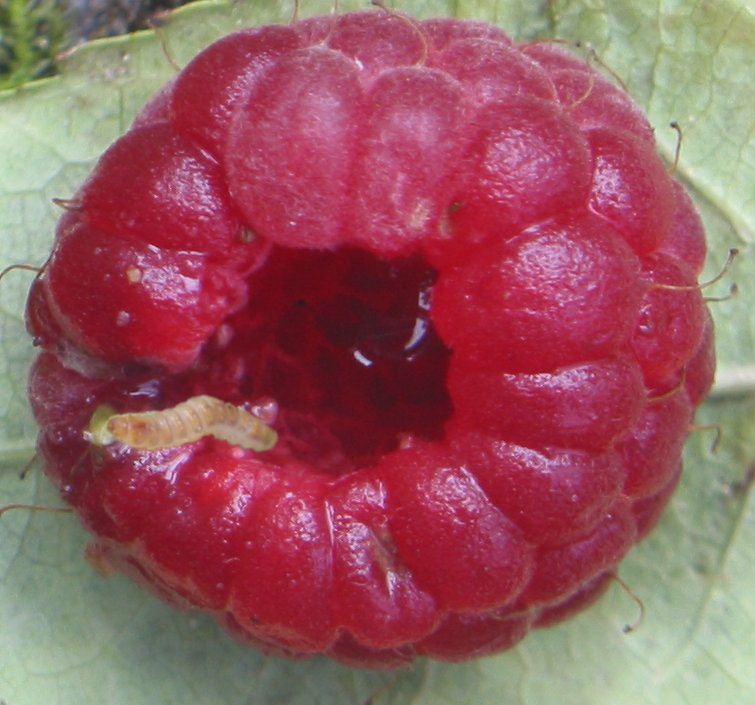
A raspberry fruit (shown with a raspberry beetle larva) is an aggregate fruit, an aggregate of drupelets.
The fruit of an Aquilegia flower is one fruit that forms from several ovaries of one flower, and it is an aggregate of follicles. However, because the follicles are not fused to one another, it is not considered an aggregate fruit.

An aggregate fruit or etaerio (/ɛˈtɪəri/)[1] is a fruit that develops from the merger of several ovaries that were separated in a single flower.[2] In contrast, a simple fruit develops from one ovary, and a multiple fruit develops from multiple flowers. In languages other than English, the meanings of "aggregate" and "multiple" fruit are reversed, so that "aggregate" fruits merge several flowers.[3] The differences in meaning are due to a reversal in the terminology by John Lindley, which has been followed by most English-language authors.[3][4]

Not all flowers with multiple ovaries form aggregate fruit; the ovaries of some flowers do not become tightly joined to make a larger fruit. As a result, many fruits form which are commonly mistaken to be of the aggregate variety. Aggregate fruits may also be accessory fruits, in which parts of the flower other than the ovary become fleshy and form part of the fruit.

The individual parts of an aggregate fruit come in many forms. Common examples are:

A sugar apple fruit forms from the pistils and receptacle of one flower.

The components of other aggregate fruit are more difficult to define. For example, sugar apple (Annona spp.) fruit are made up of individual berry-like pistils fused with the receptacle.[5]

See also

[edit]
  • Multiple fruit, a structure formed from the ovaries of several flowers, that can resemble an aggregate fruit
  • Compound fruit, a term sometimes used when it is not clear whether a fruit is an aggregate fruit, a multiple fruit, or a simple fruit formed from a compound ovary
  • Accessory fruit, a fruit in which some of the flesh is derived from tissue exterior to the carpel
  • Carpel, the "building blocks" of the ovary

References

[edit]
Revisions and contributorsEdit on WikipediaRead on Wikipedia
from Grokipedia
An aggregate fruit is a fruit that develops from the ripened ovaries, or carpels, of a single flower possessing multiple free carpels, resulting in a clustered structure where the individual small fruits (drupelets or achenes) remain distinct yet coalesce into one unit. This formation occurs when a flower with numerous separate ovaries is fertilized, leading to the maturation of each ovary into a small fruit while the receptacles or other floral parts may contribute to the overall structure. Unlike simple fruits, which arise from a single carpel or fused carpels of one flower, aggregate fruits highlight the multi-carpellary nature of the parent flower by retaining visible evidence of the individual components. They are distinct from multiple fruits, which form from the ovaries of many flowers clustered together, as in pineapples. Common examples of aggregate fruits include raspberries, where the drupelets form a hollow, thimble-like structure that detaches easily from the receptacle, and blackberries, which have a similar clustered appearance but remain attached to the receptacle upon picking. Strawberries represent a special case, classified as an aggregate accessory fruit because the true fruits are the small achenes embedded on the enlarged, fleshy receptacle of the flower. Other notable aggregate fruits encompass boysenberries, loganberries, and certain fruits, showcasing the diversity within this category across angiosperm . These fruits play significant roles in by aiding through animal consumption, given their often juicy and flavorful profiles that attract birds and mammals. In botanical classification, aggregate fruits underscore the evolutionary adaptations of flowering plants to enhance pollination and seed distribution, with their structure evolving to protect seeds while promoting ingestion and subsequent excretion by dispersers. Historically, terminological confusion has existed between aggregate and multiple fruits in botanical literature, but modern definitions clearly delineate them based on floral origin.

Definition and Characteristics

Definition

An aggregate fruit, also known as an etaerio, is a type of compound fruit that develops from the multiple separate ovaries (carpels) of a single flower, where each carpel matures into a small individual fruitlet, such as a drupelet or achene, that remain clustered together. This structure arises from an apocarpous gynoecium, in which the carpels are free or distinct in the flower, leading to a collective fruit racing of these fused or adhering fruitlets. The fruitlets can be of various types, including drupelets (as in raspberries), achenes (as in strawberries, though accessory), or follicles (as in magnolias). Unlike accessory fruits, which incorporate tissues from floral parts beyond the —such as the receptacle or floral tube—aggregate fruits consist exclusively of true tissues derived from the ovaries themselves, ensuring that the entire qualifies as a botanical without additional accessory elements. This distinction highlights the purely gynoecial origin of aggregate fruits, contrasting with examples like the , where the fleshy portion is receptacular rather than ovarian. Representative examples include the raspberry (Rubus idaeus), where numerous drupelets cluster around a central core formed by the remnants of the floral receptacle, illustrating the typical aggregate form.

Morphological Features

Aggregate fruits exhibit a distinctive external appearance characterized by a clustered arrangement of numerous small fruitlets, known as drupelets or achenes, attached to a central receptacle or axis. This results in a clustered arrangement that varies in texture and form depending on the fruitlet type, such as bumpy and thimble-like in drupelet fruits like raspberries or cone-like in follicle aggregates like magnolias, typically without a continuous outer skin enveloping the entire fruit. For instance, in raspberries, the fruit separates from the receptacle upon picking, leaving a hollow core that highlights the clustered nature of the fruitlets. Internally, each individual fruitlet of an aggregate fruit consists of a single enclosed by a pericarp derived from the wall. The pericarp may differentiate into exocarp, mesocarp, and endocarp layers, the nature of which varies by fruitlet type (e.g., thin and dry in , fleshy mesocarp and hard endocarp in drupelets). The aggregate as a whole lacks a unified pericarp, with the fruitlets remaining distinctly visible and loosely fused, allowing for separation without damaging the central axis. This modular structure distinguishes aggregate fruits from more integrated types. Aggregate fruits vary widely in size from about 1 cm for small berry-like examples to over 10 cm for cone-like aggregates such as in magnolias, depending on the species. Their coloration varies widely, often from red to black, primarily due to the presence of pigments in the exocarp of the fruitlets, which provide properties and visual appeal. These pigments contribute to the vibrant hues observed in common examples like raspberries and blackberries.

Formation and Development

Ovary Fusion Process

In aggregate fruits, the process originates from flowers exhibiting an apocarpous , characterized by multiple independent carpels, each enclosing a separate , all positioned on a shared floral receptacle. This configuration allows for the potential development of numerous small fruits, or fruitlets, from a single flower, distinguishing it from syncarpous gynoecia where carpels fuse early. Pollination serves as the initial trigger, enabling pollen tubes to reach the ovules within each carpel's independently, resulting in where one sperm fertilizes the egg to form the and another fuses with the central cell to initiate development. This fertilization event prompts the autonomous enlargement of each into a fruitlet, with the ovules transforming into seeds, while the ovaries themselves do not merge or fuse with one another during this phase. Post-fertilization, the developing fruitlets adhere to the common receptacle, which undergoes significant growth and expansion to accommodate and interconnect the cluster, forming a cohesive yet compound structure without true fusion of the pericarp tissues from adjacent ovaries. In examples such as raspberries (), this receptacle elongation elevates the drupelets into a coherent aggregate, maintaining their distinct identities while enhancing overall structural integrity.

Maturation Stages

The maturation of aggregate fruits, such as those in the genus (e.g., raspberries), proceeds through distinct phases following the initial formation of multiple fruitlets from the separate ovaries of a single flower. In the early growth stage, rapid occurs in each fruitlet shortly after and fertilization, establishing the basic structure and size; this is succeeded by a phase of cell expansion that contributes to overall enlargement, with growth synchronized across fruitlets by hormonal signals, particularly produced by developing , which promotes coordinated development and prevents uneven maturation. During the ripening phase, aggregate fruits undergo biochemical transformations in individual fruitlets, including enzymatic breakdown of cell walls by hydrolases such as and polygalacturonase, which release side-chain residues and solubilize pectins, resulting in tissue softening. Concurrently, degradation of by chlorophyllase enzyme activity leads to loss of green pigmentation and the emergence of vibrant colors like red in raspberries, enhancing visual appeal and signaling edibility. In the senescence stage, aggregate fruits may exhibit uneven among fruitlets due to variations in development or environmental factors, potentially causing partial detachment of underripe drupelets and increased susceptibility to mold, which compromises fruit integrity and .

Types and Examples

Drupelets in

In the family, aggregate fruits composed of drupelets are prominent examples, particularly in the genus . A drupelet is a small derived from a single , featuring a fleshy exocarp and mesocarp surrounding a stony endocarp that encases a single , akin to the structure of larger drupes like peaches or cherries. These drupelets cluster together on a common receptacle, or , forming the overall aggregate fruit after and development from multiple carpels in a single flower. Key species exemplifying drupelet-based aggregates include , the red raspberry, which produces bright red fruits consisting of numerous drupelets attached to a central , resulting in a hollow-cored structure upon harvest. In contrast, , the common blackberry, forms darker purple-to-black aggregates with a solid core, as the torus remains firmly attached to the drupelets and detaches from the plant during picking. These differences in torus attachment influence fruit texture and handling; raspberries separate cleanly from their persistent torus on the plant, yielding a softer, cavity-filled result, while blackberries retain the torus, providing a cohesive, firmer . The development of these drupelets in ensures a collective that enhances protection and dispersal potential, with each drupelet's endocarp offering individual resilience against environmental stresses. Variations in drupelet number and arrangement contribute to species-specific traits, such as the raspberry's typically 75–125 drupelets per , similar to the blackberry's clustering, optimizing the aggregate's overall morphology for maturation. Other hybrids, such as boysenberries and loganberries, also form aggregate drupelet s with comparable structures.

Achenes in Other Families

An is defined as a dry, indehiscent fruitlet containing a single , where the thin pericarp remains unfused to the seed coat except at the point of attachment. This structure distinguishes achenes from other fruitlets like drupelets, which have a stony endocarp. In aggregate fruits composed of achenes, multiple such fruitlets develop from the separate carpels of a single apocarpous flower, forming a cluster on the receptacle. A prominent example is the garden strawberry, × ananassa, where the familiar red, fleshy structure is actually an enlarged receptacle bearing numerous s on its surface; these achenes, often mistaken for seeds, constitute the true fruits. Each achene in the strawberry aggregate encloses one seed and features a persistent style, contributing to the overall appearance. In contrast, species in the family, such as (buttercups), produce aggregates of achenes that form compact, head-like clusters without a fleshy receptacle; for instance, Ranunculus occidentalis develops an aggregate of compressed, pumpkin-seed-shaped achenes, each with a short, hooked or straight style for dispersal. These aggregates in non-Rosaceous families like exhibit unique traits that facilitate identification, such as the dry, non-fleshy clustering of fruitlets in , where the achenes are tightly packed into globose or cylindrical heads, often with beaked or winged styles enhancing visual distinction from solitary achenes in other dry fruits. Unlike the embedded, seed-like appearance of achenes on a fleshy base, buttercup aggregates present as exposed, matte-surfaced clusters that emphasize their dry nature and aid in taxonomic classification within the family. Aggregate fruits can also form from other fruitlet types in additional families. For example, in , species like produce aggregates of follicles that split open to release seeds, while in , fruits like the () consist of aggregates of small berries clustered on a central axis.

Comparisons with Other Fruit Types

Versus Simple Fruits

Simple fruits develop from a single of a single flower, which may consist of one carpel or multiple fused carpels (syncarpous ), resulting in a unified fruit structure. For example, the (Prunus persica) forms as a simple from a single carpel, with the pericarp differentiating into a fleshy mesocarp surrounding a hard endocarp enclosing the . In contrast, aggregate fruits, which form from multiple separate ovaries (apocarpous polycarpellary gynoecium) within one flower, develop as a cluster of individual fruitlets attached to a common receptacle, creating a compound structure distinct from the single-unit development of simple fruits. This multi-ovary origin leads to key structural differences: simple fruits exhibit a continuous pericarp from one ovary wall, while aggregate fruits feature discrete pericarp layers around each fruitlet, often with the receptacle providing additional cohesion and fleshiness. Regarding dispersal, simple fruits typically release seeds as an isolated unit through mechanisms like dehiscence, decay, or animal ingestion of the whole fruit, whereas aggregate fruits disperse as a cohesive cluster, enhancing attractiveness to dispersers via collective mass and often fleshy tissues. Both simple and aggregate fruits originate from the ovaries of angiosperm flowers, representing adaptations in reproductive morphology; however, aggregate fruits specifically reflect the polycarpellary condition, where multiple unfused carpels allow for the formation of multiple fruitlets from a single floral unit, diversifying seed packaging strategies within the same flower.

Versus Multiple Fruits

Multiple fruits, also known as composite fruits, develop from the ovaries of multiple flowers that are clustered together in an , resulting in the fusion of the individual fruitlets into a single structure along with the surrounding floral parts. A classic example is the pineapple ( comosus), where the edible portion forms from the coalesced ovaries and receptacles of numerous flowers on a central axis. In contrast, aggregate fruits arise from the multiple carpels of a single flower, forming an intraflower compound structure without involving ovaries from separate flowers; this differs from the interflower fusion seen in multiple fruits. Aggregate fruits typically lack the elongated central axis characteristic of multiple fruits, as their development is confined to the receptacle of one flower. Both aggregate and multiple fruits are classified as types of compound fruits in traditional .

Biological and Practical Significance

Pollination and Dispersal

The flowers producing aggregate fruits typically feature multiple carpels, each bearing a stigma that increases the opportunities for successful pollen deposition and fertilization. These flowers are generally entomophilous, relying on insect pollinators such as bees for effective pollen transfer. In raspberries (Rubus idaeus), for example, each flower contains up to 100 or more pistils, and pollination by honeybees and bumblebees ensures the development of individual drupelets from each fertilized ovary, leading to fuller and higher-yielding fruits compared to wind or self-pollination alone. Dispersal of aggregate fruits occurs mainly through zoochory, where animals are drawn to the vibrant colors and fleshy textures of the clustered fruitlets. Endozoochory predominates, as birds and mammals consume the fruits, with surviving passage through the digestive system thanks to protective tough pericarps or coats that resist digestion and may even benefit from for improved . Raspberries exemplify this, as their drupelets are ingested by vertebrates like birds and small mammals, which then deposit viable via feces in nutrient-rich sites away from the parent plant. This clustered structure confers an adaptive advantage by presenting a concentrated, high-reward food source that attracts dispersers more effectively than isolated , while the multiplicity of seeds per fruit hedges against complete loss during partial consumption, thereby elevating the probability of at least some seeds reaching suitable sites and bolstering overall .

Culinary and Economic Value

Aggregate fruits, particularly those from the family such as strawberries, raspberries, and blackberries, hold significant culinary value due to their vibrant flavors, textures, and nutritional profiles. They are widely consumed fresh for their natural sweetness and juiciness, often featured in salads, desserts, and smoothies. In processed forms, these fruits are transformed into jams, jellies, pies, and preserves. Beyond taste, aggregate fruits contribute health benefits through high antioxidant content, notably and its derivatives in species like raspberries and blackberries, which exhibit strong free radical scavenging activity and potential effects. Commercial cultivation of aggregate fruits is predominantly concentrated in temperate regions, including , , and parts of , where cool climates and well-drained soils support optimal growth. Strawberries, raspberries, and blackberries together account for global production of approximately 10 million metric tons annually in the early , with strawberries alone reaching approximately 8.93 million tons in 2021. Major producers include for strawberries (over 3.3 million tons), for raspberries (174,000 tons), and for blackberries (approximately 171,000 tons). Cultivation faces challenges such as short —typically 2-7 days for fresh berries at due to high moisture content and susceptibility to decay—necessitating rapid harvesting, logistics, and post-harvest treatments like modified atmosphere . Economically, aggregate fruits are pivotal in , driving substantial revenue through fresh, frozen, and processed markets. Strawberries represent the leading aggregate fruit crop, with global surpassing $15.88 billion in 2024 and projected to reach $16.61 billion in 2025, supported by high consumer demand for year-round supply via and off-season production. In the United States, strawberry production alone generated $3.42 billion in 2021, underscoring their role in agricultural exports and domestic consumption. Breeding programs focus on enhancing resistance, such as to and viral pathogens in raspberries, to reduce losses and improve yields, with public institutions developing resilient varieties that integrate traits like extended and climate adaptability. As of 2023, global production has continued to rise, with strawberries at about 9.1 million tons, raspberries around 0.9 million tons, and blackberries approximately 0.7 million tons.

References

Add your contribution
Related Hubs
User Avatar
No comments yet.