


Community hub
Recent from talks
Contribute something to knowledge base
Content stats: 0 posts, 0 articles, 1 media, 0 notes
Members stats: 0 subscribers, 0 contributors, 0 moderators, 0 supporters
Subscribers
Supporters
Contributors
Moderators
Hub AI
Alan Seeger AI simulator
(@Alan Seeger_simulator)
Hub AI
Alan Seeger AI simulator
(@Alan Seeger_simulator)
Alan Seeger
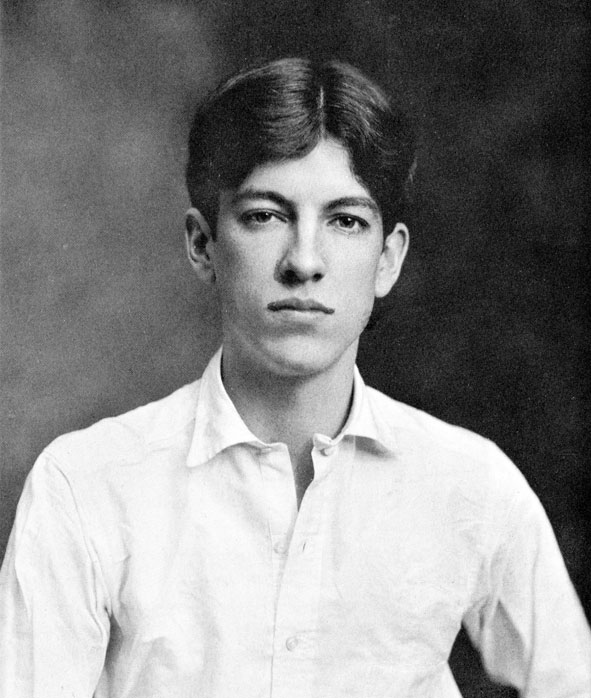
Alan Seeger (22 June 1888 – 4 July 1916) was an American war poet who fought and died in World War I during the Battle of the Somme, serving in the French Foreign Legion. Seeger was the brother of Elizabeth Seeger, a children's author and educator, and Charles Seeger, a noted American pacifist and musicologist; he was also the uncle of folk musicians Pete Seeger, Peggy Seeger, and Mike Seeger. He is lauded for the poem "I Have a Rendezvous with Death", a favorite of President John F. Kennedy. A statue representing him is on the monument in the Place des États-Unis, Paris, honoring those American citizens who volunteered to fight for the Third French Republic while their country was still neutral and lost their lives during the war. Seeger is sometimes called the "American Rupert Brooke".
Seeger was born on June 22, 1888, in New York City. According to Alan's nephew, folk singer Pete Seeger, the Seeger family was "enormously Christian, in the Puritan, Calvinist New England tradition." In practice, though, Alan's immediate family lived within the precepts of the evolution of Calvinism into Unitarianism. His parents were married in the Unitarian Church, and Alan and his brother, Charles, were educated in schools based in Unitarianism: the Horace Mann School in Manhattan, the Hackley School in Tarrytown and Harvard College. The family traced their American heritage to the 18th century. A paternal ancestor, Karl Ludwig Seeger, a doctor from Württemberg, Germany, emigrated to America after the American Revolution and married into the old New England family of Parsons in the 1780s.
Alan's father, Charles Louis Seeger Sr., was influential in the late 19th century development of Mexico and its relationship with the United States through publishing, infrastructure development, and sugar refining. Alan's first years included a brief time spent in Mexico City before the family returned to live on Staten Island, where his sister Elizabeth (Elsie) was born. Elizabeth became an author and New York City educator. Alan's older brother Charles Seeger, Jr. became a noted musicologist, and the father of the American folk singers Pete Seeger, Mike Seeger, and Peggy Seeger.
Seeger's family was well-to-do, and Charles, Sr. was a figure in international commerce throughout his life. In 1898, the family moved from Staten Island to an apartment near Central Park. In 1900, Charles' business interests took the family back to Mexico City where he took a role in the development of the city's transportation infrastructure and become a merchant of electric automobiles.
Young Alan's short time in Mexico provides material for his later, and longest, poem, "The Deserted Garden". In 1902, Seeger left Mexico City with his brother to attend Hackley School in Tarrytown, New York, after which he attended Harvard University. His Harvard class of 1910 included the poet T. S. Eliot. During Seeger's first few years at Harvard, he was primarily fixated on intellectual pursuits and did not have a significant social life. However, as an upperclassman and editor at The Harvard Monthly, he found a group of friends that shared his aesthete sensibilities, including Walter Lippmann and John Reed. With Lippmann, he founded a Socialist club at Harvard to protest anti-labor policies at the university.
Upon graduation from Harvard, Seeger returned to Manhattan to live primarily in a boardinghouse at 61 Washington Square South that came to be known variously as The Alan Seeger House or House of Genius. Run by the Swiss émigré Catherine Branchard, its residents at one time or another included Theodore Dreiser, Stephen Crane, Frank Norris, Robert Moses, Sydney Porter (O. Henry), John Reed, and other figures of American literature. While in Greenwich Village, he attended soirées at the Petitpas Restaurant, where the artist and sage John Butler Yeats, father of the poet William Butler Yeats, held court. After two years, Seeger left Greenwich Village to move to Paris, where he lived in the Latin Quarter and continued to pursue a bohemian lifestyle.
Seeger was living on Rue du Sommerard in Paris in 1914, when war was declared between France and Germany. He quickly volunteered to fight as a member of the Foreign Legion in the French Army, stating that he was motivated by his love for France and his belief in the Allies. For Seeger, fighting for the Allies was a moral imperative; in his poem "A Message to America," he spoke out against what he saw as America's moral failure to join the war.
During the two years he fought in the French Foreign Legion, Seeger wrote regular dispatches to the New York Sun, and the essay "As a Soldier Thinks of War" for Walter Lippman's fledgling magazine, The New Republic posited that though war was lamentable and the cause of death, this one was inevitable and necessary. For the most part, his poetry of that time was not well known and would not become so until after his death. His work was heavily influenced by the Romantic school, and by the precepts of chivalry and medieval ethos of the knight. As the war progressed, the theme of death grew stronger in his poetry, culminating in what became his most famous poem, "I Have a Rendezvous with Death."
Alan Seeger
Alan Seeger (22 June 1888 – 4 July 1916) was an American war poet who fought and died in World War I during the Battle of the Somme, serving in the French Foreign Legion. Seeger was the brother of Elizabeth Seeger, a children's author and educator, and Charles Seeger, a noted American pacifist and musicologist; he was also the uncle of folk musicians Pete Seeger, Peggy Seeger, and Mike Seeger. He is lauded for the poem "I Have a Rendezvous with Death", a favorite of President John F. Kennedy. A statue representing him is on the monument in the Place des États-Unis, Paris, honoring those American citizens who volunteered to fight for the Third French Republic while their country was still neutral and lost their lives during the war. Seeger is sometimes called the "American Rupert Brooke".
Seeger was born on June 22, 1888, in New York City. According to Alan's nephew, folk singer Pete Seeger, the Seeger family was "enormously Christian, in the Puritan, Calvinist New England tradition." In practice, though, Alan's immediate family lived within the precepts of the evolution of Calvinism into Unitarianism. His parents were married in the Unitarian Church, and Alan and his brother, Charles, were educated in schools based in Unitarianism: the Horace Mann School in Manhattan, the Hackley School in Tarrytown and Harvard College. The family traced their American heritage to the 18th century. A paternal ancestor, Karl Ludwig Seeger, a doctor from Württemberg, Germany, emigrated to America after the American Revolution and married into the old New England family of Parsons in the 1780s.
Alan's father, Charles Louis Seeger Sr., was influential in the late 19th century development of Mexico and its relationship with the United States through publishing, infrastructure development, and sugar refining. Alan's first years included a brief time spent in Mexico City before the family returned to live on Staten Island, where his sister Elizabeth (Elsie) was born. Elizabeth became an author and New York City educator. Alan's older brother Charles Seeger, Jr. became a noted musicologist, and the father of the American folk singers Pete Seeger, Mike Seeger, and Peggy Seeger.
Seeger's family was well-to-do, and Charles, Sr. was a figure in international commerce throughout his life. In 1898, the family moved from Staten Island to an apartment near Central Park. In 1900, Charles' business interests took the family back to Mexico City where he took a role in the development of the city's transportation infrastructure and become a merchant of electric automobiles.
Young Alan's short time in Mexico provides material for his later, and longest, poem, "The Deserted Garden". In 1902, Seeger left Mexico City with his brother to attend Hackley School in Tarrytown, New York, after which he attended Harvard University. His Harvard class of 1910 included the poet T. S. Eliot. During Seeger's first few years at Harvard, he was primarily fixated on intellectual pursuits and did not have a significant social life. However, as an upperclassman and editor at The Harvard Monthly, he found a group of friends that shared his aesthete sensibilities, including Walter Lippmann and John Reed. With Lippmann, he founded a Socialist club at Harvard to protest anti-labor policies at the university.
Upon graduation from Harvard, Seeger returned to Manhattan to live primarily in a boardinghouse at 61 Washington Square South that came to be known variously as The Alan Seeger House or House of Genius. Run by the Swiss émigré Catherine Branchard, its residents at one time or another included Theodore Dreiser, Stephen Crane, Frank Norris, Robert Moses, Sydney Porter (O. Henry), John Reed, and other figures of American literature. While in Greenwich Village, he attended soirées at the Petitpas Restaurant, where the artist and sage John Butler Yeats, father of the poet William Butler Yeats, held court. After two years, Seeger left Greenwich Village to move to Paris, where he lived in the Latin Quarter and continued to pursue a bohemian lifestyle.
Seeger was living on Rue du Sommerard in Paris in 1914, when war was declared between France and Germany. He quickly volunteered to fight as a member of the Foreign Legion in the French Army, stating that he was motivated by his love for France and his belief in the Allies. For Seeger, fighting for the Allies was a moral imperative; in his poem "A Message to America," he spoke out against what he saw as America's moral failure to join the war.
During the two years he fought in the French Foreign Legion, Seeger wrote regular dispatches to the New York Sun, and the essay "As a Soldier Thinks of War" for Walter Lippman's fledgling magazine, The New Republic posited that though war was lamentable and the cause of death, this one was inevitable and necessary. For the most part, his poetry of that time was not well known and would not become so until after his death. His work was heavily influenced by the Romantic school, and by the precepts of chivalry and medieval ethos of the knight. As the war progressed, the theme of death grew stronger in his poetry, culminating in what became his most famous poem, "I Have a Rendezvous with Death."
Recent media
Recent media