
Recent from talks
Anglo-Iraqi War
Knowledge base stats:
Talk channels stats:
Members stats:
Anglo-Iraqi War
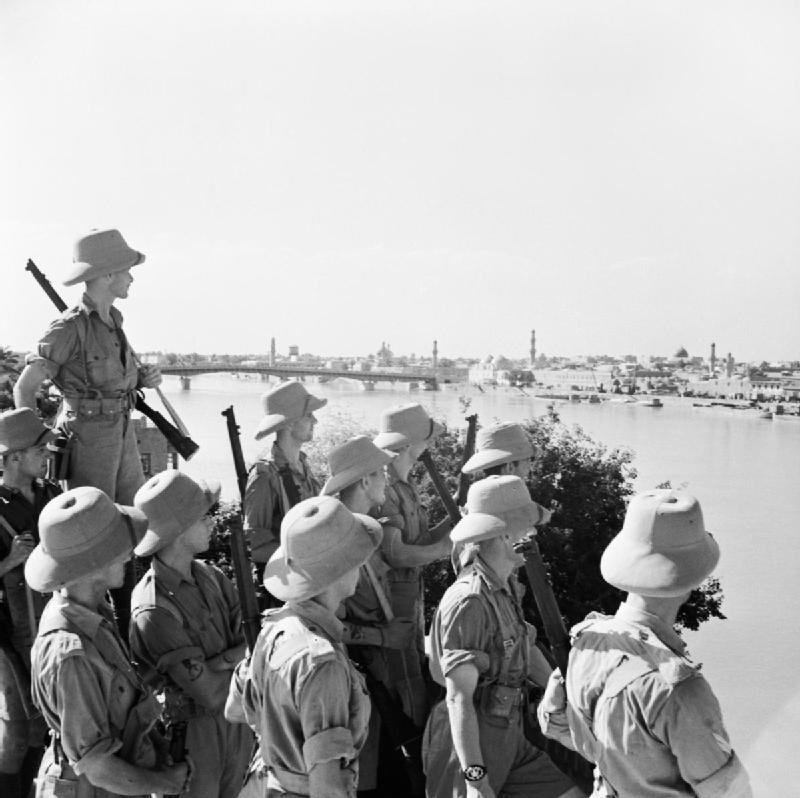
The Anglo-Iraqi War was a British-led Allied military campaign during the Second World War against the Kingdom of Iraq, then ruled by Rashid Ali al-Gaylani who had seized power in the 1941 Iraqi coup d'état with assistance from Germany and Italy. The campaign resulted in the downfall of Gaylani's government, the re-occupation of Iraq by the British, and the return to power of the Regent of Iraq, Prince 'Abd al-Ilah, a British ally.
Mandatory Iraq had been governed by the British since 1921. Prior to Iraq's nominal independence in 1932, Britain concluded the Anglo-Iraqi Treaty of 1930, which was opposed by Iraqi nationalists, including Rashid Ali al-Gaylani. Although Iraq was considered a neutral power under Regent Abd al-Ilah, it had a pro-British government. In April 1941, Iraqi nationalists organized the Golden Square coup, with assistance from Nazi Germany and Fascist Italy. The coup ousted Abd al-Ilah and installed al-Gaylani as Prime Minister. He officially established cordial relations with the Axis powers, prompting the Allies to respond. For the Allies, Iraq represented an important land bridge between British forces in Egypt and India.
Following a series of skirmishes, Allied airstrikes were launched against Iraq on 2 May. The campaign resulted in the collapse of al-Gaylani's short-lived government, and re-installed Abd al-Ilah as the Regent. This increased the influence of the Allies in the Middle Eastern theatre.
The Kingdom of Iraq (also referred to as Mesopotamia) was governed by Great Britain under a League of Nations mandate, the British Mandate of Mesopotamia, until 1932, when Iraq became nominally independent. Before granting independence, Britain concluded the Anglo-Iraqi Treaty of 1930, which included permission to establish military bases for British use, and allowed unrestricted movement of British forces through the country upon request to the Iraqi government. The conditions of the treaty were imposed by the British to ensure control of Iraqi petroleum. Many Iraqis resented these conditions which left Iraq still under the control of the British Government.
After 1937, no British troops were left in Iraq and the government had become solely responsible for internal security. The Royal Air Force (RAF) had been allowed to retain two bases: RAF Shaibah, near Basra and RAF Habbaniya (Air Vice-Marshal Harry George Smart, also air officer commanding RAF Iraq Command), between Ramadi and Fallujah. The bases protected British petroleum interests and were a link in the air route between Egypt and India. At the beginning of the Second World War, RAF Habbaniya became a training base, protected by No. 1 Armoured Car Company RAF and locally raised mainly Assyrian troops, the RAF Iraq Levies, sometimes known as Assyrian levies.
In September 1939, the Iraqi Government broke off diplomatic relations with Nazi Germany. In March 1940, the nationalist and anti-British Rashid Ali replaced Nuri as-Said as Prime Minister of Iraq. Rashid Ali made covert contacts with German representatives in Ankara and Berlin, though he was not yet an openly pro-Axis supporter. In June 1940, when Fascist Italy joined the war on the side of Germany, the Iraqi government did not break off diplomatic relations. The Italian Legation in Baghdad became the chief centre for Axis propaganda and for fomenting anti-British feeling. The Italians were aided in their propaganda efforts by Amin al-Husseini, the Grand Mufti of Jerusalem, who had been installed by the British in 1921. The Grand Mufti had fled from the British Mandate of Palestine shortly before the war, and later received asylum in Baghdad. In January 1941, Rashid Ali resigned as prime minister and was replaced by Taha al-Hashimi amidst a political crisis and a possible civil war.
On 31 March, the Regent of Iraq, Prince 'Abd al-Ilah, learned of a plot to arrest him and fled Baghdad for RAF Habbaniya. From Habbaniya he was flown to Basra and given refuge on the gunboat HMS Cockchafer. On 1 April, Rashid Ali and the Golden Square (four senior military commanders) seized power in a coup d'état. Rashid Ali proclaimed himself "Chief of the National Defence Government". The Golden Square deposed Prime Minister Taha al-Hashimi and Rashid Ali again became Prime Minister of Iraq. Ali did not overthrow the monarchy and named a new Regent to King Faisal II, Sharaf bin Rajeh. Faisal and his family took refuge in the home of Mulla Effendi. The Golden Square also arrested pro-British citizens and politicians, but many managed to escape through Transjordan.
The Golden Square intended to refuse further concessions to Britain, retain diplomatic links with Fascist Italy, and exile prominent pro-British politicians. They thought Britain was weak and would negotiate with them. On 17 April, Ali asked Germany for military assistance in the event of war with Britain. Ali also tried to restrict British rights under Article 5 of the 1930 treaty when he insisted that newly arrived British troops be quickly transported through Iraq and to Palestine.
Hub AI
Anglo-Iraqi War AI simulator
(@Anglo-Iraqi War_simulator)
Anglo-Iraqi War
The Anglo-Iraqi War was a British-led Allied military campaign during the Second World War against the Kingdom of Iraq, then ruled by Rashid Ali al-Gaylani who had seized power in the 1941 Iraqi coup d'état with assistance from Germany and Italy. The campaign resulted in the downfall of Gaylani's government, the re-occupation of Iraq by the British, and the return to power of the Regent of Iraq, Prince 'Abd al-Ilah, a British ally.
Mandatory Iraq had been governed by the British since 1921. Prior to Iraq's nominal independence in 1932, Britain concluded the Anglo-Iraqi Treaty of 1930, which was opposed by Iraqi nationalists, including Rashid Ali al-Gaylani. Although Iraq was considered a neutral power under Regent Abd al-Ilah, it had a pro-British government. In April 1941, Iraqi nationalists organized the Golden Square coup, with assistance from Nazi Germany and Fascist Italy. The coup ousted Abd al-Ilah and installed al-Gaylani as Prime Minister. He officially established cordial relations with the Axis powers, prompting the Allies to respond. For the Allies, Iraq represented an important land bridge between British forces in Egypt and India.
Following a series of skirmishes, Allied airstrikes were launched against Iraq on 2 May. The campaign resulted in the collapse of al-Gaylani's short-lived government, and re-installed Abd al-Ilah as the Regent. This increased the influence of the Allies in the Middle Eastern theatre.
The Kingdom of Iraq (also referred to as Mesopotamia) was governed by Great Britain under a League of Nations mandate, the British Mandate of Mesopotamia, until 1932, when Iraq became nominally independent. Before granting independence, Britain concluded the Anglo-Iraqi Treaty of 1930, which included permission to establish military bases for British use, and allowed unrestricted movement of British forces through the country upon request to the Iraqi government. The conditions of the treaty were imposed by the British to ensure control of Iraqi petroleum. Many Iraqis resented these conditions which left Iraq still under the control of the British Government.
After 1937, no British troops were left in Iraq and the government had become solely responsible for internal security. The Royal Air Force (RAF) had been allowed to retain two bases: RAF Shaibah, near Basra and RAF Habbaniya (Air Vice-Marshal Harry George Smart, also air officer commanding RAF Iraq Command), between Ramadi and Fallujah. The bases protected British petroleum interests and were a link in the air route between Egypt and India. At the beginning of the Second World War, RAF Habbaniya became a training base, protected by No. 1 Armoured Car Company RAF and locally raised mainly Assyrian troops, the RAF Iraq Levies, sometimes known as Assyrian levies.
In September 1939, the Iraqi Government broke off diplomatic relations with Nazi Germany. In March 1940, the nationalist and anti-British Rashid Ali replaced Nuri as-Said as Prime Minister of Iraq. Rashid Ali made covert contacts with German representatives in Ankara and Berlin, though he was not yet an openly pro-Axis supporter. In June 1940, when Fascist Italy joined the war on the side of Germany, the Iraqi government did not break off diplomatic relations. The Italian Legation in Baghdad became the chief centre for Axis propaganda and for fomenting anti-British feeling. The Italians were aided in their propaganda efforts by Amin al-Husseini, the Grand Mufti of Jerusalem, who had been installed by the British in 1921. The Grand Mufti had fled from the British Mandate of Palestine shortly before the war, and later received asylum in Baghdad. In January 1941, Rashid Ali resigned as prime minister and was replaced by Taha al-Hashimi amidst a political crisis and a possible civil war.
On 31 March, the Regent of Iraq, Prince 'Abd al-Ilah, learned of a plot to arrest him and fled Baghdad for RAF Habbaniya. From Habbaniya he was flown to Basra and given refuge on the gunboat HMS Cockchafer. On 1 April, Rashid Ali and the Golden Square (four senior military commanders) seized power in a coup d'état. Rashid Ali proclaimed himself "Chief of the National Defence Government". The Golden Square deposed Prime Minister Taha al-Hashimi and Rashid Ali again became Prime Minister of Iraq. Ali did not overthrow the monarchy and named a new Regent to King Faisal II, Sharaf bin Rajeh. Faisal and his family took refuge in the home of Mulla Effendi. The Golden Square also arrested pro-British citizens and politicians, but many managed to escape through Transjordan.
The Golden Square intended to refuse further concessions to Britain, retain diplomatic links with Fascist Italy, and exile prominent pro-British politicians. They thought Britain was weak and would negotiate with them. On 17 April, Ali asked Germany for military assistance in the event of war with Britain. Ali also tried to restrict British rights under Article 5 of the 1930 treaty when he insisted that newly arrived British troops be quickly transported through Iraq and to Palestine.
Recent media