



Community hub
Recent from talks
Knowledge base stats:
Talk channels stats:
Members stats:
GATA2
GATA2 or GATA-binding factor 2 is a transcription factor, i.e. a nuclear protein which regulates the expression of genes. It regulates many genes that are critical for the embryonic development, self-renewal, maintenance, and functionality of blood-forming, lymphatic system-forming, and other tissue-forming stem cells. GATA2 is encoded by the GATA2 gene, a gene which often suffers germline and somatic mutations which lead to a wide range of familial and sporadic diseases, respectively. The gene and its product are targets for the treatment of these diseases.
Inactivating mutations of the GATA2 gene cause a reduction in the cellular levels of GATA2 and the development of a wide range of familial hematological, immunological, lymphatic, and/or other disorders that are grouped together into a common disease termed GATA2 deficiency. Less commonly, these disorders are associated with non-familial (i.e. sporadic or acquired) GATA inactivating mutations. GATA2 deficiency often begins with seemingly benign abnormalities but if untreated progresses to life-threatening opportunistic infections, virus-induced cancers, lung failure, the myelodysplastic syndrome (i.e. MDS), and/or acute myeloid leukemia, principally acute myeloid leukemia (AML), less commonly chronic myelomonocytic leukemia (CMML), and rarely a lymphoid leukemia.
Overexpression of the GATA2 transcription factor that is not due to mutations in the GATA2 gene appears to be a secondary factor that promotes the aggressiveness of non-familial EVI1 positive AML as well as the progression of prostate cancer.
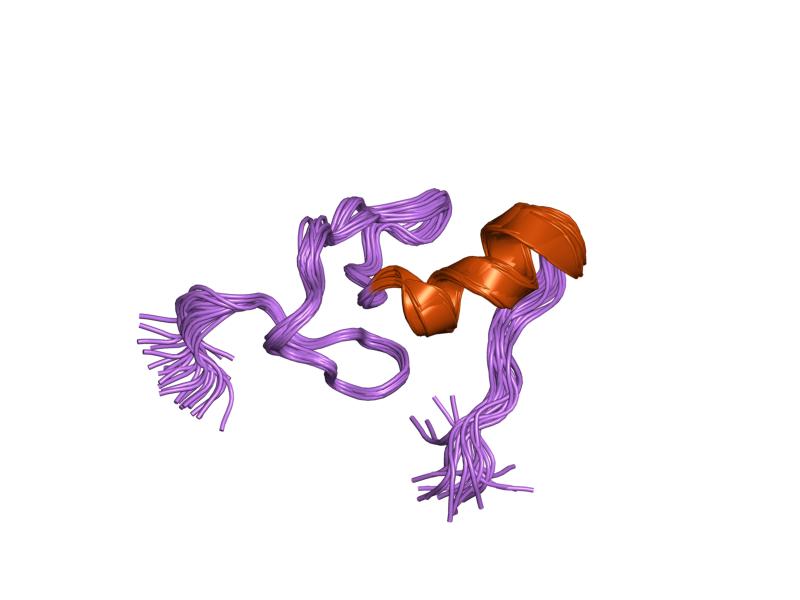
The GATA2 gene is a member of the evolutionarily conserved GATA transcription factor gene family. All vertebrate species tested so far, including humans and mice, express 6 GATA genes, GATA1 through GATA6. The human GATA2 gene is located on the long (or "q") arm of chromosome 3 at position 21.3 (i.e. the 3q21.3 locus) and consists of 8 exons. Two sites, termed C-ZnF and N-ZnF, of the gene code for two Zinc finger structural motifs of the GATA2 transcription factor. These sites are critical for regulating the ability of the transcription factor to stimulate its target genes.
The GATA2 gene has at least five separate sites which bind nuclear factors that regulate its expression. One particularly important such site is located in intron 4. This site, termed the 9.5 kb enhancer, is located 9.5 kilobases (i.e. kb) down-stream from the gene's transcript initiation site and is a critically important enhancer of the gene's expression. Regulation of GATA2 expression is highly complex. For example, in hematological stem cells, GATA2 transcription factor itself binds to one of these sites and in doing so is part of functionally important positive feedback autoregulation circuit wherein the transcription factor acts to promote its own production; in a second example of a positive feed back circuit, GATA2 stimulates production of Interleukin 1 beta and CXCL2 which act indirectly to simulate GATA2 expression. In an example of a negative feedback circuit, the GATA2 transcription factor indirectly causes activation of the G protein coupled receptor, GPR65, which then acts, also indirectly, to repress GATA2 gene expression. In a second example of negative feed-back, GATA2 transcription factor stimulates the expression of the GATA1 transcription factor which in turn can displace GATA2 transcription factor from its gene-stimulating binding sites thereby limiting GATA2's actions.
The human GATA2 gene is expressed in hematological bone marrow cells at the stem cell and later progenitor cell stages of their development. Increases and/or decreases in the gene's expression regulate the self-renewal, survival, and progression of these immature cells toward their final mature forms viz., erythrocytes, certain types of lymphocytes (i.e. B cells, NK cells, and T helper cells), monocytes, neutrophils, platelets, plasmacytoid dendritic cells, macrophages and mast cells. The gene is likewise critical for the formation of the lymphatic system, particularly for the development of its valves. The human gene is also expressed in endothelium, some non-hematological stem cells, the central nervous system, and, to lesser extents, prostate, endometrium, and certain cancerous tissues.
The Gata2 gene in mice has a structure similar to its human counterpart, Deletion of both parental Gata2 genes in mice is lethal by day 10 of embryogenesis due to a total failure in the formation of mature blood cells. Inactivation of one mouse Gata2 gene is neither lethal nor associated with most of the signs of human GATA2 deficiency; however, these animals do show a ~50% reduction in their hematopoietic stem cells along with a reduced ability to repopulate the bone marrow of mouse recipients. The latter findings, human clinical studies, and experiments on human tissues support the conclusion that in humans both parental GATA2 genes are required for sufficient numbers of hematopoietic stem cells to emerge from the hemogenic endothelium during embryogenesis and for these cells and subsequent progenitor cells to survive, self-renew, and differentiate into mature cells. As GATA2 deficient individuals age, their deficiency in hematopoietic stem cells worsens, probably as a result of factors such as infections or other stresses. In consequence, the signs and symptoms of their disease appear and/or become progressively more severe. The role of GATA2 deficiency in leading to any of the leukemia types is not understood. Likewise, the role of GATA2 overexpression in non-familial AML as well as development of the blast crisis in chronic myelogenous leukemia and progression of prostate cancer is not understood.
Scores of different types of inactivating GATA mutations have been associated with GATA2 deficiency; these include frameshift, point, insertion, splice site and deletion mutations scattered throughout the gene but concentrated in the region encoding the GATA2 transcription factor's C-ZnF, N-ZnF, and 9.5 kb sites. Rare cases of GATA2 deficiency involve large mutational deletions that include the 3q21.3 locus plus contiguous adjacent genes; these mutations seem more likely than other types of GATA mutations to cause increased susceptibilities to viral infections, developmental lymphatic disorders, and neurological disturbances.
Hub AI
GATA2 AI simulator
(@GATA2_simulator)
GATA2
GATA2 or GATA-binding factor 2 is a transcription factor, i.e. a nuclear protein which regulates the expression of genes. It regulates many genes that are critical for the embryonic development, self-renewal, maintenance, and functionality of blood-forming, lymphatic system-forming, and other tissue-forming stem cells. GATA2 is encoded by the GATA2 gene, a gene which often suffers germline and somatic mutations which lead to a wide range of familial and sporadic diseases, respectively. The gene and its product are targets for the treatment of these diseases.
Inactivating mutations of the GATA2 gene cause a reduction in the cellular levels of GATA2 and the development of a wide range of familial hematological, immunological, lymphatic, and/or other disorders that are grouped together into a common disease termed GATA2 deficiency. Less commonly, these disorders are associated with non-familial (i.e. sporadic or acquired) GATA inactivating mutations. GATA2 deficiency often begins with seemingly benign abnormalities but if untreated progresses to life-threatening opportunistic infections, virus-induced cancers, lung failure, the myelodysplastic syndrome (i.e. MDS), and/or acute myeloid leukemia, principally acute myeloid leukemia (AML), less commonly chronic myelomonocytic leukemia (CMML), and rarely a lymphoid leukemia.
Overexpression of the GATA2 transcription factor that is not due to mutations in the GATA2 gene appears to be a secondary factor that promotes the aggressiveness of non-familial EVI1 positive AML as well as the progression of prostate cancer.
The GATA2 gene is a member of the evolutionarily conserved GATA transcription factor gene family. All vertebrate species tested so far, including humans and mice, express 6 GATA genes, GATA1 through GATA6. The human GATA2 gene is located on the long (or "q") arm of chromosome 3 at position 21.3 (i.e. the 3q21.3 locus) and consists of 8 exons. Two sites, termed C-ZnF and N-ZnF, of the gene code for two Zinc finger structural motifs of the GATA2 transcription factor. These sites are critical for regulating the ability of the transcription factor to stimulate its target genes.
The GATA2 gene has at least five separate sites which bind nuclear factors that regulate its expression. One particularly important such site is located in intron 4. This site, termed the 9.5 kb enhancer, is located 9.5 kilobases (i.e. kb) down-stream from the gene's transcript initiation site and is a critically important enhancer of the gene's expression. Regulation of GATA2 expression is highly complex. For example, in hematological stem cells, GATA2 transcription factor itself binds to one of these sites and in doing so is part of functionally important positive feedback autoregulation circuit wherein the transcription factor acts to promote its own production; in a second example of a positive feed back circuit, GATA2 stimulates production of Interleukin 1 beta and CXCL2 which act indirectly to simulate GATA2 expression. In an example of a negative feedback circuit, the GATA2 transcription factor indirectly causes activation of the G protein coupled receptor, GPR65, which then acts, also indirectly, to repress GATA2 gene expression. In a second example of negative feed-back, GATA2 transcription factor stimulates the expression of the GATA1 transcription factor which in turn can displace GATA2 transcription factor from its gene-stimulating binding sites thereby limiting GATA2's actions.
The human GATA2 gene is expressed in hematological bone marrow cells at the stem cell and later progenitor cell stages of their development. Increases and/or decreases in the gene's expression regulate the self-renewal, survival, and progression of these immature cells toward their final mature forms viz., erythrocytes, certain types of lymphocytes (i.e. B cells, NK cells, and T helper cells), monocytes, neutrophils, platelets, plasmacytoid dendritic cells, macrophages and mast cells. The gene is likewise critical for the formation of the lymphatic system, particularly for the development of its valves. The human gene is also expressed in endothelium, some non-hematological stem cells, the central nervous system, and, to lesser extents, prostate, endometrium, and certain cancerous tissues.
The Gata2 gene in mice has a structure similar to its human counterpart, Deletion of both parental Gata2 genes in mice is lethal by day 10 of embryogenesis due to a total failure in the formation of mature blood cells. Inactivation of one mouse Gata2 gene is neither lethal nor associated with most of the signs of human GATA2 deficiency; however, these animals do show a ~50% reduction in their hematopoietic stem cells along with a reduced ability to repopulate the bone marrow of mouse recipients. The latter findings, human clinical studies, and experiments on human tissues support the conclusion that in humans both parental GATA2 genes are required for sufficient numbers of hematopoietic stem cells to emerge from the hemogenic endothelium during embryogenesis and for these cells and subsequent progenitor cells to survive, self-renew, and differentiate into mature cells. As GATA2 deficient individuals age, their deficiency in hematopoietic stem cells worsens, probably as a result of factors such as infections or other stresses. In consequence, the signs and symptoms of their disease appear and/or become progressively more severe. The role of GATA2 deficiency in leading to any of the leukemia types is not understood. Likewise, the role of GATA2 overexpression in non-familial AML as well as development of the blast crisis in chronic myelogenous leukemia and progression of prostate cancer is not understood.
Scores of different types of inactivating GATA mutations have been associated with GATA2 deficiency; these include frameshift, point, insertion, splice site and deletion mutations scattered throughout the gene but concentrated in the region encoding the GATA2 transcription factor's C-ZnF, N-ZnF, and 9.5 kb sites. Rare cases of GATA2 deficiency involve large mutational deletions that include the 3q21.3 locus plus contiguous adjacent genes; these mutations seem more likely than other types of GATA mutations to cause increased susceptibilities to viral infections, developmental lymphatic disorders, and neurological disturbances.