Hubbry Logo
AutoregulationAutoregulationMain
Open search
Autoregulation
Community hub
Autoregulation
logo
8 pages, 0 posts
0 subscribers
Be the first to start a discussion here.
Autoregulation
Autoregulation
from Wikipedia
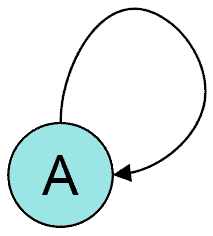
General scheme of the autoregulation

Autoregulation is a process within many biological systems, resulting from an internal adaptive mechanism that works to adjust (or mitigate) that system's response to stimuli. While most systems of the body show some degree of autoregulation, it is most clearly observed in the kidney, the heart, and the brain.[1] Perfusion of these organs is essential for life, and through autoregulation the body can divert blood (and thus, oxygen) where it is most needed.

Cerebral autoregulation

[edit]

More so than most other organs, the brain is very sensitive to increased or decreased blood flow, and several mechanisms (metabolic, myogenic, and neurogenic) are involved in maintaining an appropriate cerebral blood pressure. Brain blood flow autoregulation is abolished in several disease states such as traumatic brain injury,[2] stroke,[3] brain tumors, or persistent abnormally high CO2 levels.[4][5]

Homeometrics and heterometric autoregulation of the heart

[edit]

Homeometric autoregulation, in the context of the circulatory system, is the heart's ability to increase contractility and restore stroke volume when afterload increases.[6] Homeometric autoregulation occurs independently of cardiomyocyte fiber length, via the Bowditch and/or Anrep effects.[7]

  • Via the Bowditch effect, positive inotropy occurs secondary to an increased cardiac frequency. The exact mechanism for this remains unknown, but it appears to be the result of an increased exposure of the heart to contractile substances arising from the increased flow caused by an increased cardiac frequency.[7]
  • Via the Anrep effect, a biphasic increase in contractility and prolongation of systole occur in response to acute rises in afterload, driven by an initial myofilament strain-sensitive recruitment of myosin heads, followed by post-translational modifications of contractile proteins.[8][9]

This is in contrast to heterometric regulation, governed by the Frank-Starling law, where increased ventricular filling stretches sarcomeres, optimizing actin-myosin filament overlap to enhance cross-bridge formation. This process, known as 'myofilament length-dependent activation', includes structural changes in myosin, involving a transition from rested to contraction-ready states.[10] This shift increases the number of myosin heads available for actin binding, amplifying myocardial force production. Additional mechanisms, such as increased calcium sensitivity of myofilaments, further enhance contractile strength and stroke volume.[11]

Coronary circulatory autoregulation

[edit]

Since the heart is a very aerobic organ, needing oxygen for the efficient production of ATP & Creatine Phosphate from fatty acids (and to a smaller extent, glucose & very little lactate), the coronary circulation is auto regulated so that the heart receives the right flow of blood & hence sufficient supply of oxygen. If a sufficient flow of oxygen is met and the resistance in the coronary circulation rises (perhaps due to vasoconstriction), then the coronary perfusion pressure (CPP) increases proportionally, to maintain the same flow. In this way, the same flow through the coronary circulation is maintained over a range of pressures. This part of coronary circulatory regulation is known as auto regulation and it occurs over a plateau, reflecting the constant blood flow at varying CPP & resistance. The slope of a CBF (coronary blood flow) vs. CPP graph gives 1/Resistance. Autoregulation maintains a normal blood flow within the pressure range of 70–110 mm Hg. Blood flow is independent of bp. However autoregulation of blood flow in the heart is not so well developed like that in brain.

Renal autoregulation

[edit]

Regulation of renal blood flow is important to maintaining a stable glomerular filtration rate (GFR) despite changes in systemic blood pressure (within about 80-180 mmHg). In a mechanism called tubuloglomerular feedback, the kidney changes its own blood flow in response to changes in sodium concentration. The sodium chloride levels in the urinary filtrate are sensed by the macula densa cells at the end of the ascending limb. When sodium levels are moderately increased, the macula densa releases ATP[12] and reduces prostaglandin E2 release[13] to the juxtaglomerular cells nearby. The juxtaglomerular cells in the afferent arteriole constrict, and juxtaglomerular cells in both the afferent and efferent arteriole decrease their renin secretion. These actions function to lower GFR. Further increase in sodium concentration leads to the release of nitric oxide, a vasodilating substance, to prevent excessive vasoconstriction.[13] In the opposite case, juxtaglomerular cells are stimulated to release more renin, which stimulates the renin–angiotensin system, producing angiotensin I which is converted by Angio-Tensin Converting Enzyme (ACE) to angiotensin II. Angiotensin II then causes preferential constriction of the efferent arteriole of the glomerulus and increases the GFR.

Autoregulation of genes

[edit]
Autoregulation of the araC gene expression

This is so-called "steady-state system". An example is a system in which a protein P that is a product of gene G "positively regulates its own production by binding to a regulatory element of the gene coding for it,"[14] and the protein gets used or lost at a rate that increases as its concentration increases. This feedback loop creates two possible states "on" and "off". If an outside factor makes the concentration of P increase to some threshold level, the production of protein P is "on", i.e. P will maintain its own concentration at a certain level, until some other stimulus will lower it down below the threshold level, when concentration of P will be insufficient to make gene G express at the rate that would overcome the loss or use of the protein P. This state ("on" or "off") gets inherited after cell division, since the concentration of protein a usually remains the same after mitosis. However, the state can be easily disrupted by outside factors. [14]

Similarly, this phenomenon is not only restricted to genes but may also apply to other genetic units, including mRNA transcripts. Regulatory segments of mRNA called a Riboswitch can autoregulate its transcription by sequestering cis-regulatory elements (particularly the Shine-Dalgarno sequence) located on the same transcript as the Riboswitch. The Riboswitch stem-loop has a region complementary to the Shine-Dalgarno but is sequestered by complementary base pairing in the loop. With sufficient ligand, the ligand may bind to the stem-loop and disrupt intermolecular bonding, resulting in the complementary Shine-Dalgarno stem-loop segment binding to the complementary Riboswitch segment, preventing Ribosome from binding, inhibiting translation. [15]

See also

[edit]

References

[edit]
Revisions and contributorsEdit on WikipediaRead on Wikipedia
from Grokipedia
Autoregulation is a process within many biological systems, resulting from an intrinsic adaptive mechanism that adjusts the system's response to stimuli to maintain stability, such as constant blood flow in physiological contexts or steady gene expression levels in molecular biology. In vascular beds of organs and tissues, it maintains relatively constant blood flow despite fluctuations in perfusion pressure, ensuring stable oxygen and nutrient delivery independent of systemic blood pressure changes. This phenomenon is observed across multiple physiological systems, including the brain, kidneys, heart, and skeletal muscle, as well as in molecular processes like gene and protein regulation, where it prevents excessive or insufficient activity that could disrupt homeostasis. In , this process is especially critical for protecting metabolically active neural tissue by adjusting arteriolar resistance to keep cerebral blood flow (CBF) stable within a (MAP) range of approximately 60–160 mmHg. First systematically described by Niels Lassen in 1959 for the , the autoregulatory curve—often depicted as a plateau-shaped graph—illustrates how CBF remains nearly constant in the optimal pressure range but changes outside it, with the lower limit around 50–60 mmHg and upper limit at 150–160 mmHg in healthy adults. Mechanistically, autoregulation involves pathways such as the myogenic response (vascular contraction to transmural changes via stretch-activated calcium channels), metabolic (local metabolites like CO₂, which dilates cerebral vessels and increases CBF by about 4% per mmHg rise in PaCO₂, H⁺, , and K⁺), neurogenic influences (sympathetic/parasympathetic modulation via norepinephrine), and endothelial factors (vasodilators like and vasoconstrictors like endothelin-1). In molecular contexts, autoregulation often occurs through feedback loops, such as a repressing its own gene to stabilize expression levels. These mechanisms interact dynamically, with myogenic and metabolic components dominating in . Clinically, impaired autoregulation is linked to conditions like , , , , and disruptions in genetic , increasing vulnerability to pressure or activity fluctuations. For example, in aneurysmal , autoregulation disruption correlates with worse outcomes, highlighting the importance of management within individualized limits. Research continues on monitoring techniques, including ultrasonography and for physiological autoregulation, to guide therapies in critical care.

General Principles

Definition and Importance

Autoregulation is the intrinsic capacity of biological systems, including organs, tissues, and cells, to sustain relatively stable functional outputs—such as blood flow, nutrient delivery, or levels—despite perturbations in input variables like pressure or environmental signals. This self-regulatory process operates locally and autonomously, distinct from extrinsic controls mediated by neural, hormonal, or systemic factors that coordinate broader physiological responses. In physiological contexts, autoregulation primarily maintains organ , while at the molecular level, it involves feedback loops where products modulate their own transcription or to achieve steady-state expression. The foundational observation of autoregulation emerged in the early 20th century through studies on vascular . In 1902, William Bayliss described the myogenic response, wherein isolated arterial segments constrict in response to increased intraluminal pressure, thereby counteracting changes to preserve flow stability. This discovery laid the groundwork for understanding intrinsic vascular control. Autoregulation integrates into the concept of , coined by Walter B. Cannon in 1926, which encompasses the coordinated mechanisms that preserve internal equilibrium against external disruptions, with autoregulation serving as a key local component. The importance of autoregulation lies in its protective role against physiological instability, enabling organs to withstand fluctuations—such as those in —by adjusting to avoid hyperperfusion-induced damage like or hypoperfusion leading to ischemia. In molecular terms, autoregulatory circuits ensure robust patterns critical for and adaptation, preventing erratic outputs that could disrupt development or function. Disruptions in these mechanisms, as seen in pathological states, underscore their essential contribution to overall and organ resilience.

Common Mechanisms

Autoregulation in biological systems relies on several interconnected mechanisms that maintain stable physiological parameters, such as blood flow, despite fluctuations in driving forces like . These mechanisms operate primarily at the local tissue level, independent of control, and include myogenic responses, metabolic adjustments, and endothelial signaling, which collectively form loops to counteract perturbations. The involves the intrinsic contraction of vascular in response to increased transmural pressure, leading to that helps preserve constant blood flow. This response was first described by Bayliss in 1902, who observed that raising intraluminal pressure in isolated blood vessels caused a paradoxical narrowing due to direct stretch activation of cells. At the cellular level, stretch deforms the vascular wall, activating mechanosensitive ion channels, such as stretch-activated calcium channels, which allow calcium influx and trigger contraction. The metabolic mechanism counters changes in tissue oxygen and nutrient demand by accumulating local vasodilatory metabolites that relax vascular smooth muscle. During increased metabolic activity or hypoxia, factors like , (CO2), hydrogen ions (H+), and (K+) build up in the space, promoting to enhance blood flow and metabolite clearance. For instance, , derived from ATP breakdown in hypoxic tissues, binds to A2 receptors on cells, activating adenylate cyclase and increasing cyclic AMP to induce relaxation. Similarly, elevated CO2 and H+ lower , directly hyperpolarizing and reducing contractility. Endothelial factors provide fine-tuned modulation of vascular tone through molecules released by the in response to or pressure changes. (NO), produced by endothelial (eNOS), diffuses to adjacent cells, activating to increase cyclic GMP and promote relaxation, thereby contributing to autoregulatory during pressure drops. In contrast, , a potent vasoconstrictor secreted by endothelial cells under conditions of or hypoxia, binds to endothelin receptors on to induce contraction via , helping to counteract excessive dilation. These factors often interact, with NO inhibiting release to balance tone. At their core, these mechanisms form loops that stabilize outputs like blood flow () against variations in perfusion pressure () by dynamically adjusting (), as described by the relationship Q = ΔP / R. In autoregulation, an increase in ΔP triggers to elevate R and maintain Q constant, while a decrease prompts to lower R; this intrinsic adjustment operates without external input, ensuring . Unlike , which occurs at the molecular level where effectors bind to enzymes or proteins at sites distant from the to modulate activity (e.g., in metabolic pathways), physiological autoregulation involves multicellular tissue responses to maintain organ-level constancy, such as flow or pressure, through integrated cellular and biochemical signals.

Autoregulation in

refers to the intrinsic ability of the 's vasculature to maintain relatively constant cerebral blood flow (CBF) across a wide range of systemic blood pressures, protecting the from ischemia or hyperemia. In healthy individuals, CBF remains stable when (MAP) is between approximately 50 and 150 mmHg; below this lower limit, inadequate leads to ischemia, while exceeding the upper limit results in hyperemia and potential breakthrough . This tight control is essential given the 's high metabolic rate, which consumes about 20% of the body's oxygen despite comprising only 2% of body weight. The primary mechanisms underlying involve a combination of and metabolic responses, with neurogenic influences playing a minimal role under normal conditions. The entails vascular contraction in response to increased transmural , reducing vessel diameter to counteract pressure rises and maintain flow constancy. Metabolic regulation, mediated by factors such as CO₂ and H⁺ ions diffusing through the , adjusts arteriolar tone to match local oxygen demand, ensuring rapid adaptation to fluctuations. These processes integrate to buffer CBF against MAP changes, distinct from more dominant neurogenic control in other vascular beds. CBF and autoregulation are assessed using techniques like (TCD) ultrasonography to measure blood flow velocity as a proxy for CBF, and (PET) for direct quantitative flow imaging. A key metric is the autoregulation index (ARI), a dimensionless scale from 0 (absent) to 9 (optimal autoregulation), obtained by fitting the observed CBFV response to a second-order during transient changes, such as thigh-cuff release. Recent advancements in the emphasize dynamic autoregulation evaluation through analysis, which quantifies the phase shift between spontaneous oscillations in arterial and CBF velocity; a phase shift greater than ° in the low-frequency range (0.07–0.20 Hz) denotes effective damping of pressure fluctuations to preserve stable flow. Clinically, is often impaired in conditions such as (TBI), where up to 80% of severe cases show disrupted function, leading to pressure-passive CBF and secondary injury; similar deficits occur in acute ischemic or hemorrhagic and chronic , which shifts the autoregulatory plateau rightward and narrows the range. In TBI and , this vulnerability heightens risks of hypoperfusion or hemorrhage, guiding targeted MAP management to optimize outcomes. Compared to other vascular beds like the , operates over a tighter pressure range due to the brain's unyielding high metabolic demand and the blood-brain barrier's role in restricting fluid shifts, ensuring precise perfusion without tolerance for fluctuations.

Coronary Autoregulation

Coronary autoregulation maintains myocardial blood flow at a relatively constant level despite fluctuations in , ensuring adequate oxygen delivery to meet the heart's high metabolic demands. This process is primarily mediated by adjustments in the resistance of coronary arterioles, which respond to changes in arterial to preserve flow. The autoregulatory range is effective between approximately 60 and 120 mmHg of , below which flow declines linearly with pressure due to insufficient , and above which flow may increase as autoregulatory capacity is exceeded. The primary mechanism driving coronary autoregulation is metabolic, triggered by imbalances between myocardial oxygen supply and demand. Under conditions of hypoxia or increased workload, cardiomyocytes release , a potent vasodilator that acts on A2 receptors in the vascular to reduce resistance and enhance flow. This -mediated response is particularly critical during periods of elevated demand, such as exercise or stress. Additionally, coronary blood flow exhibits a phasic pattern influenced by extravascular compression: during , myocardial contraction compresses intramural vessels, limiting flow primarily to the epicardium, while allows predominant , especially to the subendocardium. Coronary blood flow () can be described by the equation Q=PaPvRQ = \frac{P_a - P_v}{R}, where PaP_a is aortic pressure, PvP_v is venous pressure (typically negligible), and R is coronary , which varies dynamically with metabolic signals to match demand. Transmural differences are notable: subendocardial regions experience greater systolic compression and higher baseline resistance, making them more reliant on diastolic flow and exhibiting a narrower autoregulatory range compared to the epicardium, which receives more uniform . These gradients ensure equitable oxygen distribution but render the subendocardium vulnerable to ischemia under stress. A unique aspect of coronary autoregulation is its inverse relationship to myocardial workload: unlike many other vascular beds that maintain relatively constant flow, coronary flow actively increases in proportion to —up to fivefold during maximal exercise—to support the heart's variable oxygen consumption, which accounts for about 10% of total body needs at rest. Clinically, autoregulation is impaired in conditions like , where and structural changes in resistance vessels reduce vasodilatory capacity, and in , where increased wall stress elevates baseline resistance and shifts the autoregulatory curve rightward.

Cardiac Autoregulation

Cardiac autoregulation refers to the intrinsic ability of the heart to adjust its contractile performance in response to changes in preload or afterload, thereby maintaining stroke volume and cardiac output without relying on extrinsic neural or humoral factors. This process encompasses two primary types: heterometric autoregulation, which depends on alterations in myocardial fiber length (preload), and homeometric autoregulation, which operates independently of length changes to enhance contractility in response to increased afterload. These mechanisms ensure that the heart adapts dynamically to physiological demands, such as exercise or postural changes, while preventing excessive dilation or pressure overload. Heterometric autoregulation is exemplified by the Frank-Starling mechanism, where the force of myocardial contraction increases proportionally with the degree of stretch induced by preload, optimizing actin-myosin filament overlap for greater cross-bridge formation. This relationship can be expressed as: Tensionoverlap of actin-myosin filaments\text{Tension} \propto \text{overlap of actin-myosin filaments} The mechanism was first described by in isolated frog hearts in 1895 and later extended by in mammalian models during his 1918 Linacre Lecture, demonstrating how increased enhances up to an optimal length beyond which excessive stretch reduces efficiency. In whole-heart models, this integration allows the ventricles to match output to venous return, stabilizing cardiac performance. In contrast, homeometric autoregulation, known as the Anrep effect, enables the heart to increase contractility without changes in fiber length following a sudden rise in , thereby restoring . First observed by Anrep in 1912 in cat hearts subjected to aortic occlusion, this response involves rapid activation of stretch-sensitive ion channels and a slower force response (SFR) mediated by Na⁺/H⁺ exchanger activity, which elevates intracellular Na⁺ and Ca²⁺, alongside (NO) signaling to enhance sensitivity. The term "homeometric autoregulation" was coined by Sarnoff et al. in 1960 to describe this length-independent adaptation. Physiologically, these autoregulatory processes maintain during fluctuations in preload and , ensuring efficient under varying hemodynamic conditions. However, in , both mechanisms are impaired: the Frank-Starling curve flattens due to reduced myofilament responsiveness, and the Anrep effect diminishes from altered Ca²⁺ handling and NO pathways, exacerbating systolic dysfunction. Recent studies from the 2010s to 2020s highlight the role of , the giant sarcomeric protein, in mechanosensing for both types of autoregulation; titin-based stiffness modulates passive tension and signaling cascades like integrin-linked kinase activation, influencing contractility adaptations. Ventricular myocardium exhibits more robust autoregulation than atrial tissue, where the Frank-Starling response is less pronounced due to thinner walls and distinct isoform expressions, limiting atrial compensation during overload.

Autoregulation in Renal Physiology

Tubuloglomerular Feedback

(TGF) is a critical mechanism in renal autoregulation that maintains (GFR) by adjusting afferent arteriolar resistance in response to changes in distal tubular NaCl delivery. This process ensures stable filtration despite fluctuations in systemic , preventing excessive solute loss or overload on downstream tubular capacity. The primary site of action is the (JGA), a specialized structure comprising cells in the thick ascending limb of the , granular cells in the afferent arteriole, and extraglomerular that facilitate signal transmission between tubular and vascular elements. cells serve as the sensors, detecting variations in luminal NaCl concentration to initiate vascular adjustments. The sensing mechanism relies on the apical Na⁺-K⁺-2Cl⁻ cotransporter (NKCC2) in cells, which actively transports NaCl into the cell in response to increased tubular flow and NaCl delivery resulting from elevated GFR. Enhanced NKCC2 activity elevates intracellular NaCl, stimulating basolateral ATP release from cells; this ATP is then rapidly converted to by ecto-enzymes such as NTPDase1 and ecto-5'-nucleotidase. diffuses to the nearby afferent , where it binds to A1 receptors, triggering a signaling cascade involving , inositol , diacylglycerol, and intracellular Ca²⁺ mobilization, ultimately causing contraction and . This constriction reduces glomerular and GFR, restoring NaCl delivery to baseline levels and matching filtration to reabsorptive capacity. Conversely, reduced NaCl delivery diminishes production, leading to afferent arteriolar dilation and increased GFR. The TGF response operates with a rapid of seconds to tens of seconds, enabling quick adjustments to maintain . Its stabilizing effect is evident in the autoregulatory gain, defined as ΔGFR / ΔP, where ΔGFR is the change in GFR and ΔP is the change in ; effective TGF minimizes this ratio, keeping GFR nearly constant over a physiological range of 80 to 180 mmHg. Within this range, TGF contributes significantly to buffering -induced changes in filtration, with maximal efficiency observed at lower pressures around 80-110 mmHg. TGF integrates with the myogenic response, a complementary intrinsic vascular mechanism, to provide synergistic control of renal blood flow and GFR, where both pathways converge on Ca²⁺-dependent . In pathological conditions such as , TGF is often impaired due to blunted signaling and reduced sensitivity, resulting in afferent arteriolar dilation, glomerular hyperfiltration, and elevated intraglomerular pressure that accelerates progression. Research from the has advanced understanding of tubulovascular cross-talk in TGF, particularly the role of connexins—gap junction proteins that enable intercellular communication between tubular and vascular cells. For instance, connexin 40 in endothelial and cells mediates TGF-driven adjustments in renal blood flow autoregulation, and its dysregulation exacerbates vasoconstrictive responses during (AKI), contributing to ischemia and tubular damage. Recent studies as of 2025 have further explored mathematical modeling of TGF-myogenic interactions for precise control of single-nephron GFR, reevaluated the lower limit of autoregulation in clinical contexts, and identified sex-specific differences in TGF synchronization and oscillations that may influence renal responses to pressure fluctuations. These findings underscore TGF's involvement in AKI pathogenesis, where disrupted cross-talk amplifies and impairs recovery.

Myogenic Response in Kidneys

The myogenic response in the kidneys refers to the intrinsic ability of renal to constrict in response to increased transmural pressure, thereby stabilizing (GFR) independent of systemic fluctuations. This mechanism primarily involves vascular smooth muscle cells in the preglomerular vessels, where stretch-induced leads to calcium influx through , triggering contraction. Specifically, transient receptor potential canonical 6 (TRPC6) channels facilitate the initial Ca²⁺ entry, while RhoA/ROCK signaling pathways enhance myosin light chain to sustain and increase Ca²⁺ sensitivity. This response operates effectively within a range of approximately 80 to 180 mmHg, maintaining near-constant GFR by adjusting to counteract changes. The effect is particularly pronounced in preglomerular arterioles, including interlobular arteries and , where the myogenic tone is stronger compared to downstream vessels, ensuring protection against hypertensive transmission to the glomerular capillaries. In integration with tubuloglomerular feedback (TGF), the myogenic response provides a parallel, rapid pathway for autoregulation, collectively enabling robust control of renal blood flow and GFR across physiological pressures. The myogenic contribution can be conceptually represented by the relationship for afferent arteriolar resistance, R=k×ΔPR = k \times \Delta P, where RR is resistance, ΔP\Delta P is the change in transmural pressure, and kk denotes the myogenic gain factor reflecting vascular reactivity. In , chronic hyperactivation of the myogenic response during sustained promotes excessive , contributing to nephrosclerosis through glomerular ischemia and . Studies from the have identified genetic variants in purinergic P2X receptors, such as P2X7, that modulate this response and are associated with heightened susceptibility to hypertension-induced renal injury. Compared to systemic vessels, renal exhibit higher myogenic sensitivity, attributed to specialized renal baroreceptor-like mechanotransducers that amplify pressure detection and response, prioritizing stability over broader flow distribution.

Autoregulation in

Gene Expression Autoregulation

autoregulation refers to the process by which a , typically a , directly controls the transcription of its own , forming a feedback loop at the molecular level. This mechanism allows cells to fine-tune protein levels in response to internal or external signals, ensuring precise control over developmental and stress responses. Unlike broader physiological autoregulation, it operates at the transcriptional level to maintain in gene expression dynamics. Negative autoregulation occurs when a represses its own promoter, reducing its production once a threshold level is reached. A classic example is the lacI gene in , where the LacI repressor protein binds to its operator sequence to inhibit further transcription of the , including its own gene, thereby stabilizing repressor levels during . This feedback loop accelerates the response time to environmental changes, reducing the of protein expression to about one-fifth of a compared to non-autoregulated systems. Positive autoregulation, in contrast, involves a activating its own promoter to amplify expression. The lambda repressor (CI protein) in bacteriophage lambda exemplifies this, where CI binds cooperatively to the right operator (OR) to enhance its own transcription from the maintenance promoter (PRM), stabilizing the lysogenic state of the virus. Mathematical models of autoregulation often employ the Hill equation to describe the nonlinear binding of the (TF) to its promoter. The transcription rate can be modeled as: Transcription rate=Vmax×[TF]nKdn+[TF]n\text{Transcription rate} = V_{\max} \times \frac{[\text{TF}]^n}{K_d^n + [\text{TF}]^n} for positive autoregulation (), or the inverse form for negative autoregulation, where VmaxV_{\max} is the maximum rate, nn is the Hill coefficient reflecting cooperativity, and KdK_d is the . In negative autoregulation, this formulation predicts faster approach to steady-state levels and reduced variability in expression, as the feedback dampens fluctuations. For instance, synthetic circuits in E. coli demonstrate that negative loops shorten response times while maintaining output levels comparable to simple regulation. In eukaryotic systems, the tumor suppressor provides a prominent example of negative autoregulation, where activated induces expression of , which in turn ubiquitinates and degrades , forming a feedback loop that pulses activity during DNA damage responses. This ensures transient activation rather than sustained high levels, preventing excessive . Evolutionarily, autoregulation confers advantages such as rapid adaptation to signals and noise reduction in stochastic environments. , in particular, suppresses cell-to-cell variability, promoting robust phenotypes across populations. Recent advances using single-cell RNA sequencing (scRNA-seq) in the 2020s have illuminated autoregulation's role in complex processes like differentiation. These insights highlight how autoregulation integrates with broader networks for precise developmental timing.

Protein-Level Autoregulation

Protein-level autoregulation refers to processes where proteins directly control their own abundance or activity through post-translational mechanisms such as targeted degradation or covalent modifications, ensuring precise spatiotemporal regulation of cellular functions. A primary mechanism involves the ubiquitin-proteasome system (UPS), where proteins are marked for degradation via ubiquitination, often triggered by the protein's own activity. Phosphorylation-based feedback loops provide another key autoregulatory strategy, where a protein's domain modifies itself or associated regulators to modulate activity. In the signaling pathway, activation leads to and UPS-mediated degradation of the inhibitor , allowing nuclear translocation; subsequently, induces resynthesis, creating a loop that terminates signaling and restores basal protein levels. Similarly, receptor tyrosine s (RTKs) undergo autophosphorylation upon ligand binding, which activates signaling but also recruits phosphatases or E3 ligases for subsequent or degradation, autoregulating cascade amplification in response to stimuli. Enzymatic autoregulation often follows modified Michaelis-Menten kinetics, where self-inhibition occurs at high substrate concentrations, adapting the standard to account for inhibitory binding. The velocity vv of such reactions can be described as: v=Vmax[S]Km+[S]+[S]2Kiv = \frac{V_{\max} [S]}{K_m + [S] + \frac{[S]^2}{K_i}} Here, VmaxV_{\max} is the maximum rate, [S][S] is substrate concentration, KmK_m is the Michaelis constant, and KiK_i represents the inhibition constant for self-inhibition, leading to a bell-shaped curve that curbs overactivity and maintains . These mechanisms prevent protein overaccumulation, which could disrupt cellular balance, and play critical roles in disease contexts like cancer, where mutations in autoregulatory elements—such as in —allow aberrant stabilization and promote tumorigenesis by evading UPS-mediated degradation. In aging and neurodegeneration, dysregulated autoregulation contributes to proteotoxic stress, as seen in altered protein lifetimes where neuroprotective factors persist longer to buffer misfolding, while mitochondrial proteins linked to pathology accumulate. Recent advances, including post-2020 CRISPR-based screens, have identified ubiquitin ligase-substrate pairs and degradation motifs across proteomes, revealing novel autoregulatory networks that could be targeted therapeutically for proteostasis disorders as of 2025.

References

Add your contribution
Related Hubs
User Avatar
No comments yet.