Hubbry Logo
HACSHACSMain
Open search
HACS
Community hub
HACS
logo
8 pages, 0 posts
0 subscribers
Be the first to start a discussion here.
HACS
HACS
from Wikipedia

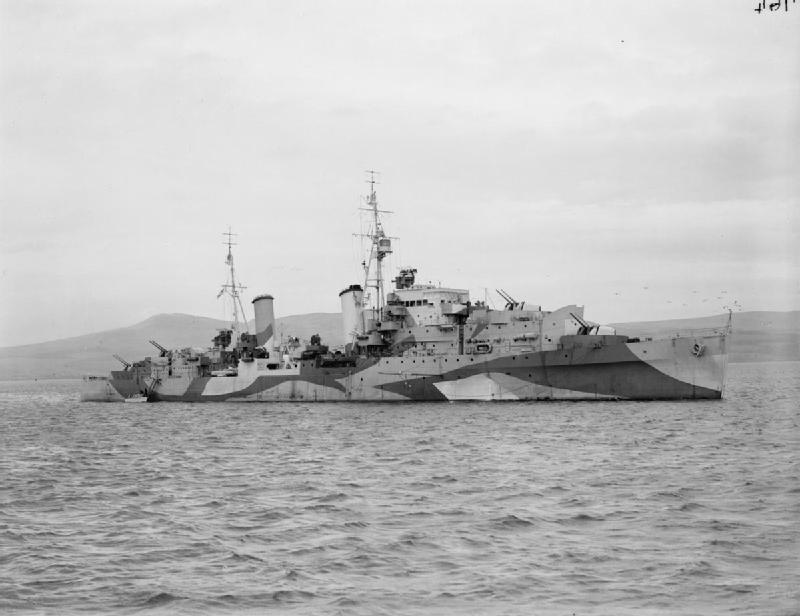
Anti-aircraft cruiser HMS Scylla. Her four twin 4.5-inch gun mountings are controlled by the two High Angle Director Towers, one sited behind the bridge and the other abaft the after funnel.

High Angle Control System (HACS) was a British anti-aircraft fire-control system employed by the Royal Navy from 1931 and used widely during World War II. HACS calculated the necessary deflection required to place an explosive shell in the location of a target flying at a known height, bearing and speed.

Early history

[edit]

The HACS was first proposed in the 1920s and began to appear on Royal Navy (RN) ships in January 1930, when HACS I went to sea in HMS Valiant.[1] HACS I did not have any stabilisation or power assist for director training. HACS III which appeared in 1935, had provision for stabilisation, was hydraulically driven, featured much improved data transmission and it introduced the HACS III Table.[2][3] The HACS III table (computer) had numerous improvements including raising maximum target speed to 350 kn (650 km/h; 400 mph), continuous automatic fuze prediction, improved geometry in the deflection Screen, and provisions for gyro inputs to provide stabilisation of data received from the director.[4] The HACS was a control system and was made possible by an effective data transmission network between an external gun director, a below decks fire control computer, and the ship's medium calibre anti-aircraft (AA) guns.

Development

[edit]

Operation

[edit]
HACS deflection screen and table with the deflection screen operator in the foreground. The solid line through the centre of the ellipse shows the wire aligned with the aircraft's course (moving right to left) of approximately 295 degrees; the Deflection Screen operator has his right hand on the Lateral Deflection Control which is aligning the vertical line with the ellipse, and the aircraft track wire, and he is also using his left hand to align the Vertical Deflection Control and a horizontal wire, (which cannot be seen) so that it also intersects the aircraft track wire at the edge of the ellipse.

The bearing and altitude of the target was measured directly on the UD4 Height Finder/Range Finder, a coincidence rangefinder located in the High Angle Director Tower (HADT). The direction of travel was measured by aligning a binocular graticule with the target aircraft fuselage. The early versions of HACS, Mk. I through IV, did not measure target speed directly, but estimated this value based on the target type. All of these values were sent via selsyn to the HACS in the High Angle Calculating Position (HACP) located below decks.[5] The HACS used these values to calculate the range rate (often called rate along in RN parlance), which is the apparent target motion along the line of sight. This was also printed on a paper plot so that a range rate officer could assess its accuracy.[6]

This calculated range rate was fed back to the UD4 where it powered a motor to move prisms within the UD4. If all the measurements were correct, this movement would track the target, making it appear motionless in the sights.[7][8] If the target had apparent movement, the UD4 operator would adjust the range and height, and in so doing would update the generated range rate, thereby creating a feedback loop which could establish an estimate of the target's true speed and direction.[9][10] The HACS also displayed the predicted bearing and elevation of the target on indicators in the Director tower, or on later variants,[11] the HACS could move the entire Director through Remote Power Control so that it could continue to track the target if the target became obscured.[12]

The angle measured by the graticule also caused a metal wire to rotate around the face of a large circular display on one side of the HACS, known as the Deflection Display. The measured value of altitude and range, and estimated value of target speed, caused optics to focus a lamp onto a ground glass screen behind the wire, displaying an ellipse whose shape changed based on these measures. The deflection operator used two controls to move additional wire indicators so they lay on top of the intersection of the outer edge of the ellipse where it was crossed by the rotating metal wire.[13] The intersection of the ellipse and the target direction was used as a basis for calculating elevation and training of the guns. The ellipse method had the advantage of requiring very little in the way of mechanical computation and essentially modelled target position in real-time with a consequent rapid solution time.[14]

Information flow

[edit]
HADT on HMS King George V. The control officer is shown looking through his binoculars, while the rangetaker's face is hidden.

The HADT provides target direction, range, speed, altitude and bearing data to the HACP, which transmits direction and fuse timing orders to the guns. The HACP transmits the computer generated range rate and generated bearing back to the HADT, creating a feedback loop between the HADT and HACP, so that the fire control solution generated by the computer becomes more accurate over time if the target maintains a straight line course. The HADT also observes the accuracy of the resulting shell bursts and uses these bursts to correct target speed and direction estimates, creating another feed back loop from the guns to the HADT and thence to the HACP, again increasing the accuracy of the solution, if the target maintains a straight line course.[15] Most guns controlled by the HACS had Fuze Setting Pedestals or Fuze Setting Trays where the correct fuze timing was set on a clockwork mechanism within the AA shell warhead, so that the shell would explode in the vicinity of the target aircraft.

Target drones

[edit]

The HACS was the first Naval AA system to be used against radio controlled aircraft, and achieved the first AA kill against these targets in 1933.[16] In March 1936, six Queen Bee targets were destroyed by the RN Mediterranean Fleet during intensive AA practice at a time of extreme tension between the UK and Italy.[17] Target practice against target drones was carried out using special shells which were designed to minimise the possibility of destroying expensive targets.[18][19] The RN allowed media coverage of AA target practice and a 1936 newsreel has footage of a shoot.[20] In 1935 the RN also began to practice HACS controlled shoots of target aircraft at night.[21]

Tachometric and radar additions

[edit]
High Angle Control System fire control computer (table) Mk IV, aboard HMS Duke of York. The Deflection operator is seated in front of the deflection screen. The range plot operator stands directly opposite.

The RN moved quickly to add true tachometric target motion prediction and radar ranging to the HACS by mid 1941. The RN was the first navy to adopt dedicated FC AA radars. However the system, in common with all World War II-era mechanical AA fire control system still had severe limitations as even the highly advanced United States Navy (USN) Mk 37 system in 1944 needed an average of 1,000 rounds of 5-inch (127 mm) ammunition fired per kill.[22] In 1940 the Gyro Rate Unit (GRU) was added to the HACS system, an analogue computer capable of directly calculating target speed and direction,[23] converting the HACS into a tachymetric system.[24][25] Also in 1940, radar ranging was added to the HACS.[26] The GRU and its associated computer, the "Gyro Rate Unit Box" (GRUB) no longer assumed straight and level flying on the part of the target. GRU/GRUB could generate target speed and position data at angular rates of up to 6 degrees per second, which was sufficient to track a 360-knot (670 km/h; 410 mph) crossing target at a range of 2,000 yards (1,800 m).[27]

The Fuze Keeping Clock

[edit]

RN destroyers were hampered by the lack of good dual-purpose weapons suitable for ships of destroyer size; for much of the war 40° was the maximum elevation of the 4.7-inch (119 mm) guns equipping such ships, which were consequently unable to engage directly attacking dive bombers, although they could provide "barrage" and "predicted fire" to protect other ships from such attacks.[28] Destroyers did not use HACS, but rather the Fuze Keeping Clock (FKC), a simplified version of HACS.[29] Starting in 1938 all new RN destroyers, from the Tribal class onwards, were fitted with a FKC and continuous prediction fuse setting trays for each main armament gun.[30] WWII experience from all navies showed that dive bombers could not be engaged successfully by any remote computer-predictive AA system using mechanical fuzes[31][32] due to the lag time in the computer and the minimum range of optical rangefinders.[33] In common with other contemporary navies, pre-war designed RN destroyers suffered from a lack of short-range, rapid-fire AA with which to engage dive bombers.

The Auto Barrage Unit

[edit]

The Auto Barrage Unit or ABU, was a specialised gunnery computer and radar ranging system that used Type 283 radar. It was developed to provide computer prediction and radar anti-aircraft fire control to main and secondary armament guns that did not have inherent anti-aircraft capability. The ABU was designed to allow the guns to be pre-loaded with time fused ammunition, and it then tracked incoming enemy aircraft, aimed the guns continuously to track the aircraft, and then fired the guns automatically when the predicted aircraft position reached the preset fuse range of the previously loaded shells.[34] The ABU was also used with guns that were nominally controlled by the HACS to provide a limited blind fire capability.[35][36]

Wartime experience

[edit]

By May 1941, RN cruisers, such as HMS Fiji, were engaging the Luftwaffe with stabilised HACS IV systems with GRU/GRUB and Type 279 radar with the Precision Ranging Panel, which gave +/- 25 yd accuracy out to 14,000 yds. HMS Fiji was sunk in the Battle of Crete after running out of AA ammunition but her HACS IV directed 4-inch AA gun battery fended off Luftwaffe attacks for many hours.[37]

Demonstrating the RN's rapid strides in naval AA gunnery, in May 1941, HMS Prince of Wales went to sea with HACS IVGB, with full radar ranging systems, and nine AA associated fire control radars: four Type 285 radar, one on each High Angle Director Tower (HADT) and four Type 282 radar, one on each Mk IV director for the QF 2 pdr (40mm) "pom pom" mounts, and a long range Type 281 radar Warning Air (WA) radar which also had precision ranging panels for aerial and surface targets.[38] This placed HMS Prince of Wales in the forefront of naval HA AA fire control systems at that time. In August and September 1941, HMS Prince of Wales demonstrated excellent long range radar directed AA fire during Operation Halberd.[39] Although the shortcomings of HACS are often blamed for the loss of Force Z, the scope of the Japanese attack far exceeded anything the HACS had been designed to handle in terms of aircraft numbers and performance. The failure of anti-aircraft gunnery to deter the Japanese bombers was also influenced by unique circumstances. The HACS was originally designed with Atlantic conditions in mind and Prince of Wales's AA FC radars had become unserviceable in the extreme heat and humidity in Malayan waters and her 2-pdr ammunition had deteriorated badly as well.[40]

The RN made the following claims for ship borne anti-aircraft fire against enemy aircraft, from September 1939 up to 28 March 1941: :Certain kills: 234, Probable kills: 116, Damage claims: 134[41]

The RN made the following claims for ship borne anti-aircraft fire against enemy aircraft, from September 1939 up to 31 Dec 1942:[42]

  • Major warships (ships likely to have HACS or FKC fire control systems)
Certain kills: 524
Probable kills: 183
Damage claims: 271
  • Minor warships and merchant vessels (most having no AA fire control systems)
Certain kills: 216
Probable kills: 83
Damage claims: 177
Total kill claims: 740
Total probable claims: 266
Total damage claims: 448

Radar and the Mark VI Director

[edit]

HACS used various director towers that were generally equipped with Type 285 as it became available. This metric wavelength system employed six yagi antennas that could take ranges of targets, and take accurate readings of bearing using a technique known as "lobe switching" but only crude estimates of altitude. It could not, therefore, "lock on" to aerial targets and was unable to provide true blindfire capabilities, which no other navy was able to do until the USN developed advanced radars in 1944 using technology transfers from the UK. This situation was not remedied until the introduction of the HACS Mark VI director in 1944 that was fitted with centimetric Type 275 radar. Another improvement was the addition of Remote Power Control (RPC), in which the anti-aircraft guns automatically trained with the director tower, with the necessary changes in bearing and elevation to allow for convergent fire. Previously the gun crews had to follow mechanical pointers that indicated where the director tower wanted the guns to train.[43]

HACS systems in use or planned in August 1940

[edit]

HACS Directors fitted to ships in a document dated as "revised Aug 1940":[44]

  • HACS III: ABC transmission, AV cradle for 15 ft HF/RF. Introduced Mk III table.
HMS Ajax, Galatea, Arethusa, Coventry, HMAS Hobart, Sydney, Perth
  • HACS III*: Similar to MarkIII but with larger windscreen and space for a rate officer.
HMS Penelope, Southampton, Newcastle, Malaya, Hood*, Australia*, Nelson*, Royal Sovereign*, Barham*, Resolution*, Cairo*, Excellent (gunnery training school)*, Revenge*, Calcutta*, Carlisle*, Curacoa*, Exeter*, Adventure*, Warspite*. Ships marked with * had roll stabilisation for layer.
  • HACS III*G as mark III but fitted with GRU and roll stabilisation for the layer.
  • HACS IV: Similar to MkIII but with circular screen, magslip transmission and roll stabilisation for the layer. Introduced Mk IV table.
HMS Birmingham, Sheffield, Glasgow, Aurora, Liverpool, Manchester, Gloucester, Dido, and Fiji classes, Forth, Maidstone, Renown, Valiant, Illustrious, Formidable and Ark Royal.
  • HACS IV G: Mk IV with Gyro rate unit.
Dido class and Fiji classes.
  • HACS IV GB: Mk IV and fitted with GRU and complete stabilisation in laying and training, Keelavite system of power training.
HMS King George V and Prince of Wales, Dido and Fiji classes.
  • HACS V: Improved design, partially enclosed, complete stabilisation for elevation and training. Keelavite system of power training, and GRU. Duplex 15 ft HF/RF. Uses Mk IV table.
HMS Duke of York, Anson and Howe.
  • HACS V* :As Mk V but single HF/RF and raised HF/RF compared to Mk V.[45]
HMS Indomitable, Implacable and Indefatigable.

See also

[edit]

References

[edit]
[edit]
Revisions and contributorsEdit on WikipediaRead on Wikipedia
from Grokipedia
The High Angle Control System (HACS) was a British fire-control system employed by from 1931 and used widely during to direct anti-aircraft (AA) gunfire against high-altitude aircraft. Developed in the late by Ltd. for the Admiralty, it calculated the necessary deflection for shells to intercept targets based on estimated height, bearing, range, and speed, using an known as the HACS table. The system was first trialed as Mark I* on HMS Valiant in 1930, with Mark III entering service in 1935 featuring improved stabilization and data transmission. Early versions relied on manual estimates and optical directors, but wartime enhancements included integration of (such as Type 285 in 1940) and the Gyro Rate Unit () for tachymetric predictions, enabling blind fire capabilities. Later marks, like Mark VI introduced in 1944, incorporated advanced Type 275 and remote power control for greater accuracy. HACS was installed on capital ships, aircraft carriers, and cruisers to counter level bombers, achieving its first verified AA kill against a radio-controlled drone in 1933. However, it proved less effective against maneuvering dive bombers and torpedo planes due to assumptions of constant target parameters and delays in fuze setting, as demonstrated in engagements like the attack on HMS Illustrious in January 1941, where thousands of rounds yielded few hits. Despite limitations, HACS represented a significant step in naval AA defense and influenced subsequent systems until its post-war obsolescence.

Historical Background

Early History

Following , the Royal Navy recognized the growing threat posed by aerial attacks on naval vessels, prompting initial assessments of anti-aircraft defenses. In 1921, the Naval Anti-Aircraft Gunnery Committee (NAAGC) was formed to address these concerns, establishing requirements for an advanced AA gunnery control system that incorporated a high-angle director and fire control table to enable precise targeting of at elevated trajectories. This committee's work highlighted the inadequacy of existing low-angle surface fire control systems for countering airborne threats, laying the conceptual groundwork for automated high-angle solutions. By the mid-1920s, further evaluations underscored the limitations of manual AA control methods trialed in early experiments. These systems, which relied on human operators using basic rangefinders and plotters aboard ships, proved insufficient against high-level bombers due to delays in calculating trajectories and the difficulty of tracking fast-moving targets at altitude. The 1926 report from the Imperial Defence Committee on Anti-Aircraft Defence emphasized the need for high-angle fire capabilities, noting that accurate bombing was feasible only if maintained straight and level flight at constant height and speed, around 5,000 feet—conditions that demanded rapid, mechanized prediction to counter effectively. Interwar naval treaties and fiscal constraints further shaped priorities toward AA enhancements over traditional surface gunnery. The 1922 and subsequent 1930 imposed strict limits on tonnage and armament, redirecting limited budgets to defensive measures amid post-war economic pressures. The 1931 Naval Anti-Aircraft Gunnery Committee reinforced this shift, recommending against costly dual-purpose guns for smaller vessels due to elevation restrictions and financial burdens, while advocating prioritization of long-range AA systems. Key naval leaders, including Admiral Sir Ernle Chatfield, who served as First Sea Lord from 1933, expressed ongoing concerns about AA vulnerabilities; in May 1936, he advised that even a single AA gun on a could deter bombers by forcing them to higher altitudes where precision strikes would be impossible.

Initial Development

Following recommendations from the 1926 report of the Imperial Defence Committee's Air Defence Sub-Committee, which emphasized the need for automated anti-aircraft fire control against level bombers maintaining constant course, speed, and height, the British Admiralty contracted Vickers Ltd. in the late 1920s to develop a High Angle Control System (HACS). This system aimed to integrate optical rangefinding, gyro-stabilized directors, and mechanical analog computers—such as deflection gears and Hill plotters—for predicting target motion and directing 4-inch anti-aircraft guns on capital ships, aircraft carriers, and cruisers. The first production HACS Mark I underwent sea trials aboard the battleship HMS Valiant in January 1930 off , marking the initial operational testing of the prototype. During these trials, the system demonstrated basic functionality with its gyro rate unit for measuring target angular rates, manual optical inputs for range and bearing, and analog computing tables to generate firing solutions, though it required significant operator intervention due to the lack of full stabilization against ship motion. Early results indicated potential effectiveness against assumed threats, with estimates suggesting 136 to 178 shells needed to down a single aircraft under ideal conditions. By 1935, the HACS had evolved to the Mark II variant, which entered service on platforms like the Leander-class cruisers and the HMS Repulse, incorporating refinements in height-finding via coincidence rangefinders and improved range estimation through enhanced optical projection mechanisms. These updates better supported predictions for level bombers traveling at speeds up to 200 knots, while retaining the core analog computing framework for deflection calculations. Pre-war development, however, remained centered on the 1926 assumptions of steady, horizontal attacks, revealing early limitations in countering unanticipated threats like dive-bombing, where rapid changes in target angle and velocity overwhelmed the system's constant-motion models.

System Design and Operation

Core Components

The core components of the baseline High Angle Control System (HACS) formed an integrated analog setup for directing anti-aircraft fire, centered around optical directors, a mechanical computing table, and visual prediction aids, all operated by trained naval personnel. The High Angle (HA) Directors, such as the Mark IV model, served as the primary sighting and tracking stations, weighing approximately 5.5 tons and requiring a including a layer for elevation control, a trainer for bearing adjustments, rangefinder operators for distance measurement, and a control officer for overall coordination. These directors featured manual tracking via handwheels and hydraulic mechanisms for , with non-gyro-stabilized telescopes and height finders to acquire target data under visual conditions, transmitting range, bearing, and elevation inputs electrically to the central computer. At the heart of the system was the HACS Table, an electromechanical that processed director inputs—such as target range, bearing, estimated speed, course, and —using cams, gears, and mechanical integrators to predict the future position of the target assuming constant motion. This device generated firing solutions for gun , , and deflection, outputting via electrical signals to gun mounts while also producing a plot with pricked marks (dots for half-second intervals and dashes for 1.5-second intervals) to visualize the predicted target path relative to the gun's line of fire. Typically housed in the ship's transmitting station, the table required manual entry of target parameters by the control officer, enabling real-time adjustments based on observed . The Deflection Screen complemented the table by providing a visual analog for aim-off predictions, projecting an representing the target's present position and an indicating its future position after flight time, scaled by factors like target speed and . Located in the transmitting station, it allowed the to coordinate corrections for vertical and lateral deflections, ensuring alignment between predicted bursts and the target. Crew operations involved a team of trained personnel per director setup, with the Air Defense Officer (ADO) overseeing target selection and system prioritization, the control officer managing input estimates and burst spotting, and director teams handling tracking and ranging duties to maintain continuous data flow. Integration with anti-aircraft guns, particularly 4-inch to 5.25-inch calibers, occurred through electrical transmission lines that relayed the HACS Table's outputs directly to the gun mounts' and pointers, allowing layers and trainers to follow the solutions mechanically while local crews handled loading and firing. This setup was standard on vessels from destroyers to battleships, enabling coordinated salvos against aerial threats without digital automation.

Information Flow and Calculations

The information flow in the High Angle Control System (HACS) began with inputs from optical instruments and manual estimations. Range and were obtained from coincident-type stereoscopic rangefinders mounted in the high-angle director tower, which provided measurements to the HACS table via electrical transmission. Bearing information was derived from gyroscopes within the director, ensuring stable tracking of the target's angular position relative to the ship, with hydraulic or manual adjustments for fine control. Target speed was estimated manually by the control officer, often through observational plotting of the aircraft's path, and inputted directly into the system. At the core of HACS operations was the prediction of the target's future position to account for projectile flight time, based on a constant velocity vector assumption. This involved calculating the deflection angle—or "aim-off"—required to intercept the target, approximated mechanically through linkages on the deflection screen of the HACS table. The basic formula for lateral or vertical deflection δ\delta was: δ=vt×tfr\delta = \frac{v_t \times t_f}{r} where vtv_t is the target's speed, tft_f is the time of flight (approximately range rr divided by average projectile velocity), and rr is the slant range to the target. This simplified to an angular deflection proportional to vtv_t divided by projectile velocity, represented visually as an ellipse on the screen whose size scaled with the relative speeds; the operator aligned a graticule with the target's observed motion against this ellipse to determine firing solutions. The system assumed the target maintained level flight at constant speed and height, which aligned well with the predictable trajectories of 1920s-era bombers but proved inadequate for maneuvering aircraft. Outputs from these calculations—elevation, (bearing), and range—were transmitted electrically to the mountings and fuze-keeping clocks for immediate application. In the pre-radar era, these predictions carried error margins typically resulting in shell bursts within (30 meters) of the target being considered effective, though overall accuracy was limited by input uncertainties. Key error sources included effects from baseline misalignment and neglect of influences in the baseline model, both of which required manual corrections by the control officer to mitigate.

Operational Procedures

The operational procedures for the High Angle Control System (HACS) involved a coordinated sequence of actions by shipboard crews to detect, track, and engage aerial targets using anti-aircraft guns, emphasizing speed and precision in optical tracking environments. Detection began with air lookouts scanning assigned arcs with to spot incoming , reporting sightings immediately to the Air Defense Officer (A.D.O.) via voice tube or . The A.D.O. assessed the threat using the A.D.O.'s Sight and prioritized targets, directing the High Angle Control Officer (H.A.C.O.) in the high-angle director to slew the instrument toward the selected for acquisition. This initial slewing process was designed for rapid execution. Once acquired, the tracking sequence engaged the director's three-man optical team: the layer elevated the telescope to measure the target's height via the angle of sight instrument, the trainer followed the bearing by rotating the director to keep the target centered, and the rangetaker continuously inputted distance readings from the stereo rangefinder. These inputs were fed to the H.A.C.S. Plot, where the control officer estimated the target's speed and course based on observed motion, often using a to derive . The layer signaled "ON" target via a foot switch once alignment was steady, initiating continuous tracking to maintain data flow; any deviations, such as target maneuvers, required immediate adjustments by the crew to sustain accuracy. Solution generation occurred at the high-angle table, a mechanical analog computer that integrated the director's height, bearing, range, and estimated speed data to compute future target position, producing gun orders for elevation, training, and fuze timing. These orders were transmitted electrically to the gun batteries and fuze setters, with the table assuming constant target course, speed, and height for its gyroscopic predictions—a simplification that crews could briefly reference for understanding output reliability. Prior to firing, the deflection screen operator verified the solution by aligning wires on a scaled display to measure predicted vertical and lateral deflections from observed bursts, feeding any corrections back to the table for real-time adjustments. The H.A.C.O. then issued the firing command once verification confirmed alignment. Firing modes under HACS procedures included directed fire for precise engagements and barrage fire for area denial, both relying on manual crew inputs. In directed fire, guns operated in single shots or short bursts, with the HA table sounding a at regular intervals prompting the director layer to fire electrically and synchronize salvos; gun crews loaded and elevated based on table outputs, applying manual corrections for fall-of-shot observations reported back via spotting rules. Barrage mode used pre-set range increments for automatic salvos, typically limited to one opportunity per target to conserve . settings were adjusted manually at the guns, taking 4-5 seconds per round, ensuring shells burst at the predicted point. Training protocols for HACS crews were outlined in the Admiralty's B.R. 224/45 manual, The Gunnery Pocket Book, which prescribed standardized drills to foster teamwork and procedural fluency. Drills emphasized role-specific responsibilities—such as the layer's focus on elevation stability and the trainer's bearing pursuit—conducted during peacetime with towed target drones or slower pre-war to simulate threats, though these often underestimated wartime speeds. Crews practiced full sequences from alert to cease-fire, aiming for seamless transitions and error correction under simulated stress, with the manual stressing constant repetition to achieve quick operational readiness from detection.

Specialized Equipment

Fuze Keeping Clock

The Fuze Keeping Clock (FKC) was a mechanical developed in the mid-1930s as an accessory to the High Angle Control System (HACS) Mark III, primarily for use on destroyers and smaller warships where full HACS installations were impractical. It served as a simplified predictor for anti-aircraft fire, computing the necessary settings to ensure shells burst at the correct altitude and time relative to the target. By automating fuze predictions, the FKC addressed key limitations in manual settings, enhancing the accuracy of high-angle gunnery against aerial threats. In design, the FKC employed a clock-like mechanical mechanism integrated with the ship's fire control director, such as the Mark III*(W) rangefinder director. This linkage allowed it to receive real-time inputs on target range, bearing, elevation, and own-ship motion, while calculating by dividing the predicted burst range by the shell's . The system was calibrated for specific types and , accommodating variations in —such as approximately 2,500 feet per second for 4-inch quick-firing (QF) guns—and included conversion units for differing ballistics, like those between 4.7-inch and 4-inch shells. During operation, the FKC processed data from optical or sources, such as the Type 285 , to forecast the target's position at the moment of shell burst. It then generated electrical outputs for gun elevation, bearing, and timing, transmitted directly to fuze-setting mechanisms on the mountings, ensuring airbursts occurred at the predicted target height. This process integrated briefly with the broader HACS data flow by using predicted ranges derived from director calculations, but focused solely on individual aimed-fire precision rather than barrage patterns. The introduction of the FKC in marked a step toward reducing in adjustments, which had previously relied on approximate manual computations. The FKC's impact was significant in enabling reliable height-controlled bursts, vital for countering level bombers during engagements. Installed on over 400 units across numerous vessels by war's end, it improved anti-aircraft effectiveness on smaller ships, though its non-tachymetric nature limited performance against maneuvering targets until enhancements. Calibration for diverse types ensured adaptability across gun calibers, contributing to more consistent predictions despite varying shell trajectories.

Auto Barrage Unit

The Auto Barrage Unit (ABU) was a specialized analog device introduced in early as an upgrade to the British High Angle Control System (HACS), specifically designed to automate barrage fire against formations of attacking . Its primary purpose was to compensate for HACS's inherent delays in manually tracking fast-moving groups of targets by predicting their positions and timing shell bursts to create dense patterns of explosions along their anticipated paths. This approach aimed to increase the probability of hits during massed air assaults, where individual aiming was impractical, by enveloping formations in lethal zones rather than relying on precise single-target predictions. The ABU operated as a integrated with HACS's existing table and linked to systems such as the Type 285M for range and rate data input. It functioned by computing the "instant of fire" for gun salvos, automatically triggering bursts at selected ranges typically between 1,000 and 5,000 yards (910–4,570 m), with settings derived from the system's Fuze Keeping Clock to ensure layered detonations. The device assumed targets maintained constant speed and course, generating timed salvos—often at intervals of several seconds—to form overlapping spheres of shell fragments effective against high-altitude bombers like the Ju 88. In practice, the ABU was activated after acquisition of a target formation, feeding predictions into HACS to direct multiple guns in a coordinated barrage without continuous operator intervention. This automation significantly reduced crew workload during intense, multi-plane attacks, allowing focus on initial targeting and adjustments rather than real-time fire control. While effective in driving off steady-flying formations at medium ranges, its reliance on unchanging target motion limited utility against maneuvering low-level dive bombers.

Target Drones

In the mid-1930s, the Royal Navy adopted radio-controlled target drones, particularly the DH.82B —a conversion of the Tiger Moth —for calibrating and testing the accuracy of the High Angle Control System (HACS) by simulating enemy bomber approaches. These drones provided a realistic, recoverable target for anti-aircraft gunnery practice, allowing crews to evaluate HACS performance without risking manned aircraft. Testing protocols involved flying the Queen Bee at speeds around 85 knots and constant altitudes to mimic steady runs, with HACS operators tracking the drone via optical directors and engaging it using live or dye shells to mark impacts. At sites such as the HMS Excellent gunnery school on Whale Island and during sea trials in , crews logged tracking data, firing results, and system outputs to assess alignment and prediction accuracy. Calibration efforts centered on verifying HACS table computations for target height, speed, and course, as well as director stabilization and fuze timing, with discrepancies analyzed to adjust manual inputs and reduce prediction errors. Pre-war exercises highlighted inefficiencies, such as a 1937 Mediterranean Fleet trial where a Queen Bee evaded hits for over an hour despite sustained fire, and overall averages of 136 to 178 shells required per hit. By 1939, protocols had evolved to incorporate basic maneuvering patterns in drone flights, testing HACS responsiveness to changes in target course and better simulating operational threats.

Technological Enhancements

Tachometric Additions

In the mid-1930s, the High Angle Control System (HACS) underwent significant mechanical upgrades through the integration of tachometric devices, specifically Gyro Rate Units (), to enhance target motion prediction by automatically measuring angular speed and heading rates. These units, developed by the starting in 1937, employed gyroscopes coupled with optical sights in the directors to detect changes in target bearing and , thereby reducing reliance on manual estimations by control officers and minimizing errors in dynamic engagements. The implementation occurred during , with GRU integration into later HACS variants beginning in 1940, which incorporated differential gears within the GRU to compute angular rates mechanically from gyroscope deflections proportional to target movement. These rates were then fed as inputs to the system's prediction table, enabling dynamic aim-off calculations that adjusted firing solutions in real time for maneuvering targets. The core mechanical derivation followed the principle of rate as the change in bearing over time, expressed as rate=ΔbearingΔtime\text{rate} = \frac{\Delta \text{bearing}}{\Delta \text{time}}, achieved through spring-deflected gyro linkages rather than discrete manual plots. These tachometric additions improved HACS performance against high-speed aerial threats, capable of handling targets up to 250 knots with enhanced tracking precision compared to earlier goniographic methods. By providing continuous rate data, the allowed for quicker convergence on accurate deflections, particularly effective for steady or predictably maneuvering at medium ranges. Despite these advances, the retained key limitations, assuming constant without accounting for target acceleration, and remained pre-radar in design, depending entirely on optical spotting for initial acquisition and tracking inputs. This made it vulnerable to issues and required operator intervention for course alterations. Adoption occurred during , with GRU-equipped systems retrofitted to various cruisers and other vessels starting from 1940, as part of wartime fleet modernization efforts.

Radar Integration

The integration of into the High Angle Control System (HACS) began in 1940 with the introduction of the Type 285 radar, a UHF-band gunnery control set mounted atop high-angle (HA) directors on warships. This radar provided both range and height data for anti-aircraft targeting, effectively replacing manual optical rangefinders and enabling more precise measurements up to 15,000 yards with an accuracy of ±100 yards. The first operational fitting occurred on the HMS Southdown in August 1940, marking the system's initial deployment for automated ranging. The integration process involved feeding Type 285 outputs directly into the HACS Mark IV table through servo-driven mechanisms, such as remote power control (RPC) systems, which transmitted range, bearing, and height information to the fire control computer for real-time adjustments to gun elevation and settings. This setup allowed for blind firing in conditions of poor visibility, including night or fog, where optical spotting was impossible, significantly enhancing the system's operational reliability against low-flying aircraft. By mid-1941, Type 285 radars were widely fitted to capital ships like the battleship , which received four units during refits. Subsequent upgrades included the Type 282 in 1941, a shorter-range (up to 5,000 yards), height-only variant using Yagi antennas, primarily for close-in defense against dive bombers and integrated into HACS for supplementary data on high-altitude targets. These enhancements reduced overall times and improved efficiency, with wartime records indicating actual expenditure of approximately 2,000–10,000 shells per downed, exceeding pre-radar theoretical estimates of around 136 shells and highlighting ongoing challenges despite radar integration. However, early radar sets faced challenges, including vulnerability to electronic jamming by enemy forces, which could disrupt signals, and the need for ongoing crew calibration to correct parallax errors arising from antenna mounting offsets on directors.

Mark VI Director

The Mark VI Director represented a significant evolution in the High Angle Control System (HACS), introduced during as a redesigned platform to enhance anti-aircraft fire control through integrated and stabilization technologies. Weighing approximately 12.5 tons, it featured a stabilized mount with level and cross-level gyro platforms, powered by Metadyne systems for precise control, and incorporated the centimetric Type 275 for improved and tracking. This design allowed the radar operator to acquire and track a new target independently while the gunnery officer maintained engagement on the current one, providing limited blind-fire capability even in poor visibility conditions. Key features included Remote Power Control (RPC) for automatic following of targets in bearing and , reducing manual intervention and enabling guns to compensate for ship motion during pitching, yawing, and rolling. The director supported a reduced of around six personnel, streamlining operations compared to earlier models, and offered an range up to 80 degrees to address high-altitude aerial threats. It maintained full linkage to the HACS fire control table, with planned compatibility for target speeds up to 350 knots, though practical integration focused on wartime requirements for faster . The system briefly referenced data feeds from Type 275 for real-time range and bearing inputs to the HACS computations. Compared to the Mark IV Director, the Mark VI offered superior seaworthiness through enhanced gyro stabilization, minimizing blind arcs caused by limitations or ship movement, and was tested extensively from 1941 to 1942 before full production. These improvements addressed vulnerabilities exposed in early wartime engagements, such as dive-bombing attacks, by providing more reliable automatic tracking and reduced operator workload. Deployment began in 1942 on select vessels, becoming standard on new constructions like the Dido-class cruisers by 1943, as well as destroyers and aircraft carriers including the Battle-class destroyers, HMS Anson, and HMS Implacable. Its lightweight construction relative to prior heavy directors facilitated installation on smaller platforms, enhancing fleet-wide anti-aircraft defenses.

Deployment and Performance

Systems in Service by 1940

By the late , the Royal Navy had widely adopted HACS systems across its major warships, with installations on most capital ships, cruisers, and carriers. These provided essential anti-aircraft fire control for major surface combatants, enabling coordinated gunnery against high-altitude threats. By the end of the war, at least 289 HACS systems were installed across 115 ships. Capital ships, including all battleships and battlecruisers, received comprehensive HACS outfits, typically featuring five directors per ship to manage multiple anti-aircraft batteries. For instance, was fitted with a HACS system and received Type 79 early-warning radar during its 1941 refit. configurations standardized the inclusion of Fuze Keeping Clocks for precise fuse timing in high-angle fire. Among cruisers, the County-class heavy cruisers were fitted with HACS, supporting their 4-inch secondary batteries with gyro-stabilized control tables. The newer Dido-class light cruisers, designed specifically for anti-aircraft roles, had Mark IV systems planned as part of their to accommodate their 5.25-inch dual-purpose guns. Aircraft carriers of the Illustrious-class incorporated 2-3 HACS directors to protect their flight operations, prioritizing defense against dive-bombing attacks with integrated and 4.5-inch gun control. Destroyers, constrained by space and crew, saw limited adoption; the Tribal-class relied on simplified Mark I* setups, often augmented by Keeping Clocks rather than full tables.

Wartime Experiences

During the early phases of , the High Angle Control System (HACS) was employed in several high-stakes naval operations, revealing both its capabilities and shortcomings in live combat. Similarly, during the Italian attack on HMS Illustrious in January 1941 as part of Operation Excess in the Mediterranean, the carrier's HACS-directed 4.5-inch guns fired roughly 3,000 rounds over about 30 minutes at a rate of 12 rounds per minute per gun, during which the ship suffered eight bomb hits from the attacking dive bombers despite the intense, repeated assaults that resulted in severe damage to the ship. In the Mediterranean theater, HACS demonstrated variable effectiveness depending on the type of aerial attack. At the Battle of Cape Matapan in March 1941, the system was used against level bombers from Italian SM.79s as part of coordinated AA fire from the British fleet, including HMS Warspite and HMS Formidable. However, performance against German Ju 87 Stuka dive bombers was markedly poorer due to the rapid descent and maneuverability of the attackers, allowing many to penetrate defenses despite Fulmar fighter interceptions. These encounters underscored HACS's strengths in predictable, horizontal threats but exposed vulnerabilities to steep-angle dives, where manual overrides often supplemented the system's predictions. Operations in the Atlantic, particularly convoy escorts against U-boat-launched air patrols like Fw 200 Condors, saw sporadic successes with HACS, though kills were infrequent amid vast ocean expanses and variable weather. By 1943, typical engagements required 4,000 to 10,000 shells per confirmed downed, reflecting the challenges of long-range detection and targeting without consistent integration. Overall wartime metrics indicated that pre-radar HACS operations averaged around 5,000 rounds per engaged, improving to approximately 2,000 rounds post-radar enhancements, while barrage fire mode—unpredictable salvos to saturate approach vectors—was used for deterring or damaging incoming formations. A notable anecdote illustrating HACS limitations occurred aboard HMS Prince of Wales in December 1941 during the Force Z debacle off Malaya, where tropical humidity and poor weather conditions— including heavy rain and low visibility—severely hampered the system's gyroscopic stabilizers and optical directors, rendering AA fire largely ineffective against overwhelming Japanese air attacks. The battleship fired 108 rounds from its 5.25-inch guns under HACS control but scored no kills, with only five aircraft damaged overall, mostly by non-HACS weapons; this exposure in adverse conditions contributed to the loss of both Prince of Wales and HMS Repulse, emphasizing the need for more robust environmental adaptations.

Limitations and Post-War Legacy

The High Angle Control (HACS) exhibited several inherent design limitations that constrained its effectiveness against dynamic aerial threats. Primarily, it assumed constant target height, speed, and course throughout an engagement, rendering it incapable of accurately tracking accelerating or diving , such as dive-bombers executing rapid maneuvers. Pre-war configurations were particularly restricted, with limited tracking below 40 degrees, and the lacked automatic wind correction, requiring manual offsets by the control officer that introduced significant guesswork and error. Additionally, its hand-driven directors and manual fuze-setting process—taking 4-5 seconds per round—resulted in slow response times, often exceeding 20-30 seconds for initial lock-on and adjustment, which proved inadequate against high-speed targets. During wartime operations, these flaws manifested in critical gaps, particularly against emerging fast-moving threats. HACS struggled with Axis jet aircraft like the Messerschmitt Me 262, which exceeded its maximum tracking speed of 250 knots, making interception nearly impossible without reliance on barrage fire. Ammunition expenditure was notoriously high, with early-war analyses reporting 2,000 to 10,000 rounds per aircraft downed—far exceeding pre-war estimates of around 136—due to the system's predictive inaccuracies and the need for suppressive volleys. Although later integrations of radar and proximity (VT) fuzes mitigated some issues, achieving rates as low as 61 rounds per kill in the British Pacific Fleet by 1945, the core analog limitations persisted, and the system showed vulnerability to electronic countermeasures through its dependence on rudimentary radar inputs like Type 285, which could be jammed or deceived. In comparison to contemporary systems, HACS was notably inferior to the U.S. Navy's Mark 37 Gun Fire Control System (GFCS), which incorporated more advanced for automatic setting, superior integration of data, and enhanced tracking capabilities—handling up to 400 knots in level flight and 250 knots vertically, versus HACS's constraints. The Mark 37's design allowed for faster firing rates and reduced human intervention, contributing to 2-5 times greater effectiveness at longer ranges. Recognizing these shortcomings, the Royal Navy began shifting emphasis post-1943 toward Close-Range Blind Fire (CRBF) directors for shorter engagements, which offered simpler, radar-guided control less reliant on predictive calculations, while retaining HACS for medium-range roles where feasible. The post-war legacy of HACS underscored its role as a transitional system that highlighted the need for more sophisticated fire control amid evolving aerial threats. Although phased out by the mid-1950s in favor of radar-centric platforms like those equipped with Type 275 sets, HACS influenced subsequent developments, including the Gyro Rate Unit Stabilizer and Flyplane systems, which adopted electrical analog enhancements for better stabilization and prediction. The 's adoption of the Mark 37 on vessels such as and HMS Delhi further emphasized HACS's obsolescence, driving a broader shift toward digital computers in anti-aircraft systems to address unresolved issues like maneuverability tracking and real-time data integration. Ultimately, HACS's wartime experiences revealed the perils of incomplete design coverage for variable target dynamics, lessons that propelled post-war naval gunnery toward automated, electronically robust architectures.
Add your contribution
Related Hubs
User Avatar
No comments yet.