Hubbry Logo
Julie CollinsJulie CollinsMain
Open search
Julie Collins
Community hub
Julie Collins
logo
8 pages, 0 posts
0 subscribers
Be the first to start a discussion here.
Julie Collins
Julie Collins
from Wikipedia

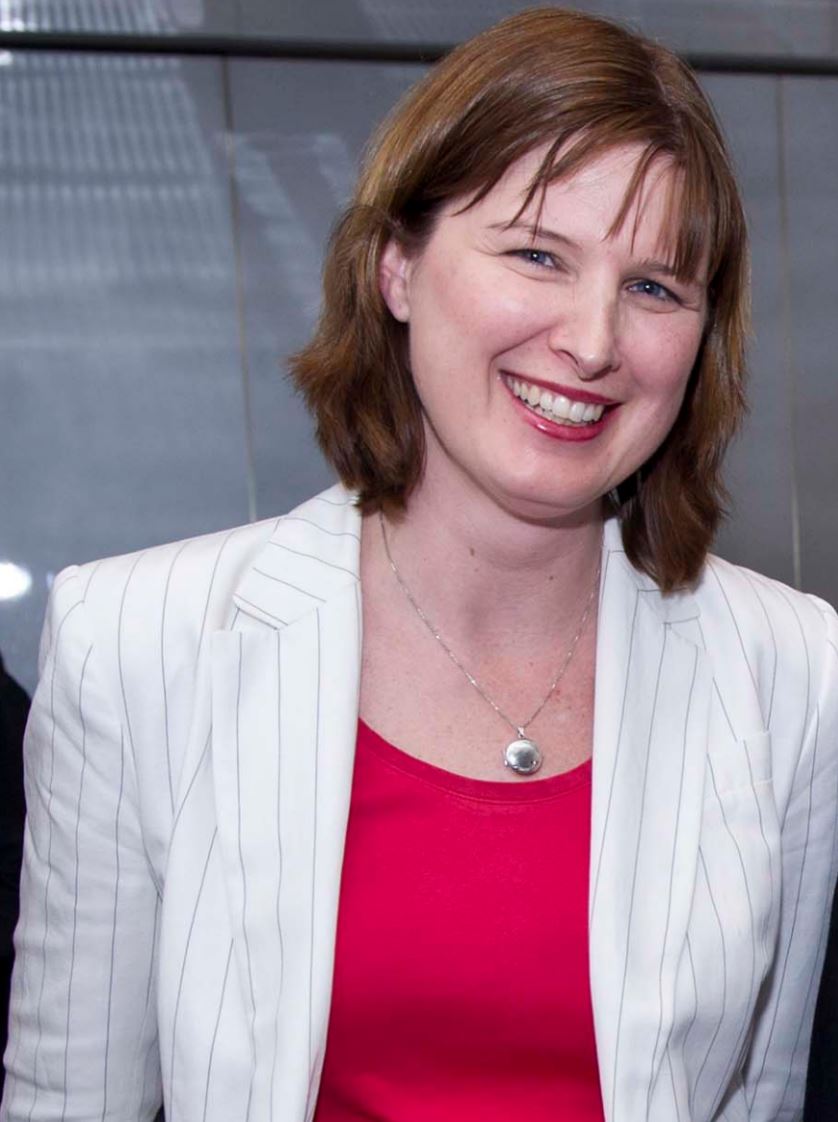
Julie Maree Collins (born 3 July 1971) is an Australian politician. She is a member of the Australian Labor Party (ALP) and has represented the Tasmanian seat of Franklin since the 2007 federal election. She held ministerial positions in the Gillard and Rudd governments, and is Minister for Agriculture, Fisheries and Forestry and former Minister for Small Business in the Albanese ministry.

Key Information

Early life

[edit]

Collins was born in Hobart on 3 July 1971.[1] Her father died when she was five months old, leaving her mother, Anne Peters, widowed at the age of 19. She spent her early years in her grandparents' housing commission property. Her mother subsequently remarried and she was adopted by her step-father Andrew Collins.[2]

Collins attended Cosgrove High School but discontinued her studies at 15 before finishing high school and began a full time role at the local supermarket she worked at since she was 14.[3] She did this as she became aware that she could not financially afford the costs of finishing years 11 and 12.[3] Shortly after the 1987 federal election she began working for the ALP as an administrative assistant.[2] She holds a certificate IV in business administration.[1]

Collins was one of just 4 members of the 46th Parliament of Australia who did not graduate from high school, the others being Jacqui Lambie, Llew O'Brien and Terry Young.[4]

Politics

[edit]

Prior to entering parliament herself, Collins worked in various administrative positions for Tasmanian Labor MPs and state government departments. She worked for the state health department (1990–1993), state opposition leader Michael Field (1993–1994), Senator John Coates (1995–1996), Senator Sue Mackay (1996–1998), Hydro Tasmania (1998), state premier Jim Bacon (1998–2003), the state Department of Tourism, Parks, Heritage and the Arts (2003–2005), and Senator Carol Brown (2005–2006).[1]

Collins was state president of Young Labor in 1996 and a delegate to state and national conference. She served as state secretary of the ALP from 2006 to 2007.[1]

Collins is a member of Labor Left.[5]

Rudd and Gillard governments (2007–2013)

[edit]

Collins was elected to the House of Representatives at the 2007 federal election retaining the Division of Franklin for the ALP following the retirement of Harry Quick and becoming the first woman to represent the electorate.[1] Quick had been expelled from the ALP months prior after failing to pay his membership fees, and appearing with Liberal party representatives Vanessa Goodwin the candidate for Franklin and minister Joe Hockey when the preselected ALP candidate for Franklin was Tasmanian union official Kevin Harkins who Quick opposed.[6][7] Harkins resigned as candidate after more controversy and Collins was preselected as the candidate by the ALP's national executive.[8][9] Collins had previously unsuccessfully stood for the seat of Denison in the 2006 state election.[10]

She successfully held her seat in the 2010 federal election and was sworn in as Parliamentary Secretary for Community Services on 14 September 2010 in the Second Gillard ministry.[1] In 2011, Collins became Minister for Community Services, Minister for Indigenous Employment and Economic Development, and Minister for the Status of Women in a reshuffle.[1] In 2012, Collins voted for same-sex marriage when Labor politicians were given a conscience vote.[11] In 2013, Collins gained additional responsibilities as the Minister for Housing and Homelessness and was promoted to the cabinet in the Second Rudd ministry.[12] She remained in these positions until the defeat of the Rudd government in September 2013.

Opposition (2013–2022)

[edit]

Collins held her seat in the 2013, 2016 and 2019 federal elections.[1] She served in the shadow cabinet in roles including Shadow Minister for Regional Development and Local Government, Shadow Minister for Ageing and Mental Health, Shadow Minister for Women and Shadow Minister for Agriculture.[1]

Albanese government (2022–present)

[edit]

Following the 2022 federal election, Collins was appointed Minister for Housing, Minister for Homelessness and Minister for Small Business in the Albanese ministry.[1] Collins voted for the Restoring Territory Rights Bill 2022 that removed the block on the ability of the Australian Capital Territory and Northern Territory to pass euthanasia laws when Labor politicians were given a conscience vote.[13] Collins launched the government's Regional First Home Buyer Guarantee.[14] Collins introduced the Housing Australia Future Fund bill into parliament.[15]

In the July 2024 reshuffle, she was appointed Minister for Agriculture, Fisheries and Forestry and retained Minister for Small Business until 2025.[16] She held her seat in the 2025 federal election.[17]

Personal life

[edit]

Collins has three children with her husband Ian Hubbard.[18]

See also

[edit]

References

[edit]
[edit]
Revisions and contributorsEdit on WikipediaRead on Wikipedia
from Grokipedia
Julie Maree Collins (born 3 July 1971) is an Australian politician who has represented the Division of Franklin in the since 2007 as a member of the Australian Labor Party. She currently serves as the Minister for Agriculture, Fisheries and Forestry, a position she has held since July 2024. Elected as the first woman to represent Franklin, Collins has been re-elected in every federal election since her initial victory, including in 2022 and 2025. Prior to her current role, she held ministerial positions in previous Labor governments, including Minister for Community Services from 2011 to 2013 and for Community Services from 2010 to 2011. Born in , , Collins resides on Hobart's Eastern Shore with her husband and has three children.

Early life

Upbringing and family influences

Julie Collins was born on 3 July 1971 in , . Her father died when she was five months old, leaving her mother, Anne Peters, a at the age of 19 and raising Collins as a in a low-income marked by financial hardship. The family experienced instability, including periods of moving between homes and reliance on support from her grandparents, who provided a government-subsidized home during her early years. Collins spent portions of her childhood in a large estate north of during the 1970s and 1980s, which she has described as offering relative stability amid frequent relocations. This working-class environment, influenced by her grandparents' emphasis on hard work and compassion, shaped her early understanding of economic challenges. However, single-parent households like hers in often encounter entrenched , with 34.7% of children in such families living below the poverty line as of recent surveys, highlighting causal risks of material deprivation and limited upward mobility. Empirical data on Australian sole-parent families underscores how initial reliance on public assistance, while providing short-term relief, can contribute to intergenerational dependency by disincentivizing employment and skill development, as evidenced by high joblessness rates—around 271,000 one-parent families were without paid work in recent labor statistics—and persistent barriers to escaping poverty through paid labor. Collins' background, though fostering personal resilience, exemplifies these dynamics, where government housing offered a "safe place" but broader welfare structures have been critiqued for perpetuating cycles rather than addressing root causes like family structure and work incentives.

Education and early career

Collins attended Bridgewater Primary School, Glenorchy Primary School, and Cosgrove High School in Tasmania, leaving formal secondary education at age 15 due to financial difficulties preventing continuation. She later completed a Certificate IV in Business Administration through TAFE Tasmania, providing foundational skills in administrative and business operations. This vocational qualification represented her primary formal post-secondary education, lacking advanced academic credentials such as a university degree that might offer deeper analytical or specialized expertise in economics or management. Her early career commenced shortly after leaving school, with employment as an administrative assistant for the Tasmanian branch of the Australian Labor Party (ALP) beginning in 1987, following the federal election that year. She advanced to the role of Administrative Officer for the ALP (Tasmania) from 1987 to 1990, handling organizational and support duties within the party structure. Subsequently, from 1990 to 1992, Collins served as Administrative Assistant to the Tasmanian Minister for , gaining exposure to government administrative processes. These positions cultivated practical administrative competencies and familiarity with political operations, centered predominantly within the ALP and spheres. Her progression included in ALP youth activities, such as serving as State President of Young Labor in 1996, which reinforced party loyalty and networking but offered limited breadth in private-sector enterprises like retail or . By 2006–2007, she held the role of Secretary for the ALP (), solidifying her pre-parliamentary experience in partisan administration over diversified professional development. This trajectory highlighted strengths in organizational loyalty and political groundwork, while revealing gaps in independent sector exposure that could inform broader policy perspectives in later roles.

Political career

Election to parliament and initial roles (2007–2010)

Julie Collins was elected to the for the Division of Franklin in at the federal on 24 November 2007, becoming the first woman to represent the electorate. She succeeded the long-serving Liberal incumbent Bruce Goodluck, entering as part of the Australian Labor Party's national win under , which ended 11 years of . Serving as a backbench member from late 2007, Collins focused on regional Tasmanian concerns, including and skills development to address local challenges in areas with elevated compared to national averages. From 2008 to July 2010, she contributed to Standing Committees on and , Communications, and Family, , and Affairs, examining policies relevant to vocational and community services. Collins secured re-election for Franklin at the 21 August 2010 federal election, retaining her seat amid the ALP's formation of a minority government. Her initial parliamentary tenure emphasized advocacy for increased funding in education and training initiatives tailored to Tasmania's economic needs.

Ministerial positions under Rudd and Gillard (2010–2013)

Collins was appointed Parliamentary Secretary for Community Services on 14 September 2010 in the Gillard government, a role she held until 14 December 2011. In this position, she supported the administration of programs related to disability services, family support, and community development, which laid groundwork for later reforms including precursors to the National Disability Insurance Scheme (NDIS), though implementation faced nationwide delays due to coordination challenges across federal and state levels. On 14 December 2011, Collins was elevated to the outer ministry as Minister for Community Services, Minister for Indigenous Employment and , and Minister for the Status of Women, positions she retained until the end of the parliamentary term on 18 September 2013. In the Indigenous Employment portfolio, she announced initiatives such as the renewal of the National Partnership Agreement on Indigenous Employment and in July 2013, aimed at fostering local jobs and business support to address disparities. She also emphasized training programs linked to employment outcomes as part of broader efforts to meet targets, including the goal of halving the employment gap by 2018. However, the Australian Government's own Prime Minister's Report for 2013 highlighted that progress on Indigenous employment remained insufficient, with the gap persisting at around 45 percentage points between Indigenous and non-Indigenous employment rates, indicating mixed results from federal programs despite targeted investments. Following Kevin Rudd's replacement of Gillard as on 26 June 2013, Collins entered cabinet on 1 July 2013 as Minister for Housing and Homelessness, alongside her existing responsibilities. This brief tenure focused on national housing policy amid rising affordability concerns, but the Labor government's defeat in the 7 September 2013 federal election curtailed further developments. Throughout her ministerial service, Collins aligned with (ALP) policy on , including support for the carbon pricing mechanism introduced in 2012, which drew economic opposition from constituents in rural due to impacts on and costs.

Opposition shadow ministries (2013–2022)

Following the Labor Party's loss in the 2013 federal election, Julie Collins was appointed to the opposition frontbench, initially serving as Shadow Parliamentary Secretary for Employment Services from October 2013 to July 2016. In this role, she scrutinized policies on job placement and welfare-to-work programs, advocating for enhanced support for disadvantaged workers while highlighting perceived inadequacies in the government's approach to amid economic recovery efforts post-Global Financial Crisis. Collins transitioned to Shadow Minister for Ageing and in July 2016, a position she held until June 2019. During this tenure, she pressed for increased funding and regulatory oversight in residential aged care, particularly as reports of neglect and understaffing mounted. In June 2019, amid the ongoing into Aged Care Quality and Safety—established by the in 2018—she was reappointed as Shadow Minister for Ageing and Seniors, extending through January 2021. Collins criticized the Coalition's delayed response to early commission interim findings, such as inadequate staffing ratios and infection control failures exposed during the , demanding immediate implementation of reforms like mandatory care minutes. However, the commission's evidence revealed systemic deficiencies spanning multiple governments, including under Labor's 2007–2013 administration, where funding models had similarly failed to address workforce shortages and quality lapses despite policy initiatives like the Living Longer Living Better package. In parallel from June 2019 to January 2021, Collins served as Shadow Minister for Women, aligning with Labor's platform to advance gender equity in pay, superannuation, and prevention, while critiquing cuts to women's programs. She was then appointed Shadow Minister for Agriculture from January 2021 to May 2022, focusing on drought relief funding, biosecurity enhancements, and opposition to water buybacks in the Murray-Darling Basin amid debates over allocations. In this portfolio, Collins supported farmer aid packages during prolonged dry conditions but drew criticism from rural stakeholders, including Nationals figures, for limited direct engagement with producers outside and insufficient grasp of sector-specific challenges like export market access. These roles reflected internal Labor dynamics under leaders and , positioning Collins as a Tasmanian voice on regional and social welfare issues within a emphasizing scrutiny of fiscal priorities.

Roles in the Albanese government (2022–present)

Following the Australian Labor Party's victory in the 2022 federal election, Collins was appointed Minister for , Minister for Homelessness, and Minister for on 1 June 2022. In this role, she oversaw the launch of the National Housing Accord in August 2022, which set a target of constructing 1.2 million well-located new homes over five years commencing 1 July 2024, supported by federal incentives for states and territories to reform planning and zoning. She also managed initiatives including $1.9 billion in concessional finance for community housing providers to deliver up to 40,000 social and affordable homes. On 29 July 2024, Collins was sworn in as Minister for Agriculture, Fisheries and Forestry, succeeding , while retaining the portfolio until the 2025 election. In this capacity, she administered programs such as a $27 million allocation announced on 20 October 2025 to support drought-impacted communities through the Future Drought Fund, enhancing resilience in regional and rural areas. She also facilitated advancements, including a mutual recognition agreement signed on 24 September 2025 to open the Indian market—valued at nearly $2.9 billion in 2024 and projected to reach $16.5 billion—for Australian organic producers. Collins was re-elected as the Member for Franklin in the 3 May 2025 federal election, securing her position amid a swing towards Labor. Following the election, she retained her agriculture-related ministerial responsibilities in the reconfigured , with duties concluding on 13 May 2025. Recent actions under her oversight included the appointment of Dr. Melissa McEwen as Inspector-General of on 25 October 2025, succeeding Lloyd Klump to strengthen national biosecurity frameworks.

Policy positions

Housing, homelessness, and small business

As Minister for Housing and Homelessness from June 2022 to July 2024, Collins oversaw the development of Australia's first National Housing and Homelessness Plan, aimed at establishing a shared vision across government levels to address supply shortages and service gaps. The plan emphasized coordination on affordable housing targets, including the National Housing Accord agreed in 2023, which set a goal of 1.2 million new homes over five years through jurisdictional commitments to streamline planning and infrastructure. Key legislative efforts included the Housing Australia Future Fund, enacted in September 2023, allocating $10 billion to fund 30,000 social and affordable homes, alongside $200 million for repairs in remote Indigenous communities. Collins advocated public-private partnerships to boost supply, including $450 million in 2024 for enabling like roads and utilities to support housing developments. The Help to Buy shared-equity scheme, expanded under her tenure, was designed to assist first-home buyers with government equity contributions of up to 40%, targeting lower deposits amid high prices; however, as of mid-2025, implementation delays and limited initial uptake have coincided with persistent shortfalls in national construction starts, which fell below Accord targets in several states. Despite these measures, empirical data indicate worsening outcomes: rough sleeping rose 22% nationwide from 2021 to 2023–24, with an additional 10,000 Australians entering monthly by late 2024, reflecting broader pressures from rental unaffordability and insufficient new builds. In her concurrent role as Minister for until May 2025, Collins prioritized red-tape reduction and post-pandemic recovery supports, culminating in the February 2025 National Strategy, which outlined collaborative government efforts to foster 2.6 million enterprises through better access to , energy efficiency upgrades, and reforms. The strategy included $54 million for modern methods to aid small builders and initiatives like the Retailer Energy Efficiency Grant for SMEs, building on earlier pandemic-era extensions of JobKeeper-like payments that she supported in opposition. Critics, including business groups, have argued that such policies disproportionately benefit union-aligned sectors in and retail, potentially sidelining independent operators through compliance burdens, though average monthly small business formations held steady at over 5,700 during her term.

Agriculture, fisheries, and forestry

As Minister for Agriculture, Fisheries and Forestry since 29 July 2024, Julie Collins has prioritized sustainable development in , including investments to mitigate environmental impacts from farming expansions in . The Australian government committed $18.3 million in August 2025 for oxygenation infrastructure to enhance dissolved oxygen levels, supporting both the endangered Maugean skate population and the industry's long-term viability amid documented low-oxygen events linked to farm nutrient loads. This approach balances ecological recovery—evidenced by results showing improved conditions—with economic contributions from exports, which totaled approximately AUD 1 billion annually for in recent years, though critics from environmental groups have highlighted persistent risks of benthic degradation and species stress despite mitigation efforts. Collins has advocated for expanded market access through agreements to bolster Australian agricultural exports, emphasizing reduced barriers over domestic . In November 2024, she endorsed the Australia-UAE Comprehensive Economic Partnership Agreement, which eliminates tariffs on over 99% of Australian goods, including key proteins like and , facilitating AUD 1.7 billion in annual , fisheries, and exports to the UAE. Similarly, in 2025, she supported adjustments easing U.S. protocols, framing them as reciprocal gains for Australian cattle producers through enhanced bilateral trade flows, despite concerns from some rural stakeholders about competitive pressures on local markets. These policies align with broader Labor objectives to grow export revenues, projected to reach AUD 70.1 billion in 2024–25, by streamlining certification and digital trade processes with partners like and . In forestry, Collins has upheld Australian Labor Party commitments to phase out native forest logging on public lands, favoring a transition to plantation-based timber production as outlined in the federal Timber Fibre Strategy released in September 2025. This strategy promotes science-led management for and security, drawing praise from industry groups for its focus on sustainable yields amid rising global demand. However, in —where her electorate of Franklin includes rural communities—the policy shift has correlated with regional employment declines, with native forestry operations contributing to over 1,000 job losses across the state since the 2012 phase-out acceleration under prior Labor policy, exacerbating economic pressures in timber-dependent areas while redirecting support toward and value-added processing.

Indigenous affairs and women’s issues

Collins served as Minister for Indigenous Employment and Economic Development from December 2011 to September 2013, during which she supported initiatives such as Reconciliation Action Plans aimed at fostering employment opportunities and awareness among businesses employing Indigenous workers. She also oversaw the Indigenous Employment Program, which had facilitated job placements for over 105,000 Indigenous individuals since its inception in 2009, though demand for the scheme outstripped available funding. Despite these efforts, data indicated persistent disparities, with the Indigenous unemployment rate at 16% in 2011—more than three times the non-Indigenous rate of approximately 5%—and rates exceeding 20% for younger age groups such as 15-19-year-olds at 30.5%. In alignment with Australian Labor Party policy, Collins advocated for the 2023 referendum to establish an , voting consistently in favor of enabling legislation during parliamentary divisions. The proposal was defeated nationally with 60.06% voting No on October 14, 2023, prompting the government to pivot toward enhanced implementation of the existing framework without incorporating the Voice mechanism or conceding to alternative constitutional models proposed by opponents, such as legislative recognition without . As Minister for the Status of Women concurrently from 2011 to 2013, Collins launched a toolkit in February 2013 to assist workplaces in supporting affected employees, emphasizing practical resources for leave and safety planning amid rising awareness of family violence impacts. She framed responses as transcending partisan divides, advocating for cross-jurisdictional action. Collins backed broader Labor initiatives on pay equity, including inquiries into disparities, yet implementation gaps endured; for instance, the superannuation imbalance—stemming from unpaid caring roles disproportionately borne by women—remained unresolved, with women retiring with 30-40% less superannuation on average as of subsequent analyses. These efforts aligned with international commitments but faced criticism for insufficient structural reforms to close persistent gaps in pay and economic security, as evidenced by ongoing data from the Workplace Gender Equality Agency showing a national hovering around 21-22% through the 2010s.

Controversies and criticisms

Performance in housing portfolio

As Minister for Housing and Homelessness from July 2022, Julie Collins has overseen the National Housing Accord, a federal-state agreement targeting 1.2 million additional homes nationwide from July 2024 to June 2029 to address supply shortages. In the Accord's first year to June 2025, dwelling completions reached only 174,000, 27.5% below the 240,000 annual pace required to meet the overall goal, with approvals similarly lagging at 162,071 for 2024 against a needed minimum of 240,000. Forecasts from the National Housing Supply and Affordability Council, an independent advisory body, project a cumulative shortfall of up to 300,000 homes by 2029, citing persistent under-delivery even before the Accord's formal start. Contributing factors include regulatory barriers and declining construction , with the Productivity Commission identifying excessive planning and permitting delays—often extending 12-18 months—as primary constraints on supply, alongside a 50% rise in build times since 2014 and fragmented laws that limit land release. Net migration surges, peaking at over 500,000 annually in 2023-2024, have amplified demand pressures without corresponding supply responses, exacerbating tenure insecurity as population growth outpaces completions by roughly 2:1 in major cities. Homelessness programs under Collins expanded federal funding for crisis shelters and support services, including a $3 billion New Homes Bonus tied to state planning reforms, yet these demand-side measures have not curbed waitlist growth. In , social housing queues more than doubled from 2014 to 2022—reaching over 3,000 applicants—and have since intensified amid national trends, with service providers unable to meet even half of assessed needs due to insufficient new public stock and reliance on private rentals strained by affordability gaps. Critiques from economic analyses, including those in the Australian Financial Review, argue that Labor's emphasis on subsidies like the Help to Buy scheme and investor incentives has fueled demand without dismantling "not-in-my-backyard" () opposition to density or streamlining land rezoning, perpetuating a supply bottleneck where local councils up to 40% of proposed developments. This approach, per Productivity Commission assessments, overlooks causal drivers like over-regulation, contrasting with evidence that easing supply constraints—such as uniform national planning standards—could boost completions by 20-30% without inflating prices via unchecked migration or fiscal boosts. Such policies have correlated with house prices rising 10-15% annually in key markets through 2024, underscoring a failure to prioritize empirical supply reforms over short-term aid.

Agricultural policy decisions

In July 2025, Minister Collins announced the lifting of restrictions on beef imports, following a departmental review that she described as involving a "rigorous and risk-based assessment." The decision expanded access to beef from raised and processed in the , excluding those from states with historical bovine spongiform encephalopathy cases, amid escalating tariffs under President Trump, though Collins denied any linkage to retaliation. The Nationals party criticized the move as bypassing full consultation with the Scientific Advisory Group, arguing it prioritized short-term benefits over Australia's stringent standards and exposed domestic producers to unnecessary risks from foreign pathways. On October 20, 2025, the government allocated $27 million through the Future Drought Fund's Communities Program, including grants of up to $3 million per project to enhance social resilience in agriculture-dependent areas, targeting preparation and response over two years. While some rural stakeholders welcomed the funding's immediacy amid ongoing dry conditions in southern regions, critics from conservative agricultural groups contended it represented piecemeal, reactive measures that overlooked investments in enduring like and , failing to address systemic vulnerabilities in water management. Collins's prior tenure as Shadow Minister for Agriculture (2021–2022) drew scrutiny for limited engagement with farmers beyond her Tasmanian base, with records indicating only two visits to producers in other states over 18 months, which Nationals interpreted as indicative of an urban-centric perspective disconnected from rural operational realities. Her 2024 appointment to the agriculture portfolio, following a cabinet reshuffle, was labeled by Nationals leader David Littleproud as a demotion for perceived shortcomings in housing, suggesting inadequate preparation and commitment to the sector's demands.

Electoral and regional disputes

In the lead-up to the 2025 federal election, Julie Collins faced significant pressure in retaining her seat of Franklin due to challenges from independents Peter George and Brendan Blomeley, who garnered support from local mayors and anti-salmon farming activists protesting from operations in the electorate's waterways. These campaigns highlighted tensions over environmental impacts of farms, with critics arguing that industry expansion under federal oversight had exacerbated sediment and waste issues in areas like the Huon River and D'Entrecasteaux Channel, prompting calls for stricter regulations or relocation. Despite the threats, Collins retained the seat with a margin of approximately 13.7%, aided by Liberal preferences after the Greens' candidate withdrew due to issues. Historically, Collins endured pointed attacks from the Liberal Party during the 2013 election campaign, including a widely circulated advertisement featuring a 2010 press conference clip where she stumbled over her words while discussing policy, which opponents used to question her competence as a newly appointed cabinet minister. The ad, posted on the Liberal Party's YouTube channel, drew accusations of insensitivity toward speech impediments but was defended by the party as legitimate scrutiny of public performance. Collins has also faced ongoing accusations from the Nationals and rural stakeholders of neglecting Tasmania's agricultural and sectors, with critics pointing to limited direct engagement with farmers in her early months as Agriculture Minister and broader Labor policies perceived as favoring urban priorities over regional economic needs. In Franklin's rural fringes, disputes over past state and federal restrictions—implemented under Labor-influenced agreements—have fueled claims of job losses in , estimated at thousands since the 2010s expansions of protected areas, as industry groups argue such measures prioritized conservation targets over viable timber harvesting and employment in areas like the Huon Valley. These tensions reflect wider regional grievances, where opponents contend that environmental policies have contributed to stagnation in Tasmania's forestry-dependent communities without commensurate economic alternatives.

Personal life

Family and personal background

Julie Collins was born on 3 July 1971 in , . Her father died when she was five months old, prompting her mother to remarry soon after and relocate the family to Bridgewater, where Collins grew up amid financial hardship that she has described as involving "very little" in material terms. Collins is married to Ian Hubbard, with whom she has three children, and the family maintains residence on Hobart's Eastern Shore, preserving her Tasmanian roots. No significant personal scandals have been publicly associated with her family life, which has emphasized stability following her early challenges.

Residence and community involvement

Julie Collins maintains her primary residence in Rose Bay on Hobart's Eastern Shore, Tasmania, sharing the home with her husband Ian and their three children. This location places her within the boundaries of the Division of Franklin, a electorate encompassing Hobart suburbs, rural areas, and islands like Macquarie Island, characterized by a mix of public sector employment, tourism, and primary industries such as fruit growing. Her long-term residency in the region, dating back to her upbringing in Hobart, underscores personal ties to the electorate's demographics, including a notable proportion of public service workers reflective of Tasmania's economy. In , Collins has facilitated federal grant programs targeting local organizations in Franklin, such as the 2024-25 Volunteer Grants, which support volunteer efforts in areas like services and welfare. In August 2025, her office announced funding for twelve groups through initiatives, aiding projects in regional . These efforts align with standard parliamentary support for constituent services, including expressions of interest for grants verified through her electorate office records. Collins balances national ministerial responsibilities with family-oriented involvement, including active participation in her children's educational and sporting activities, which has provided firsthand insight into community needs in and . No documented conflicts arise from this dual role, though her Tasmanian base may inform a regional perspective in federal policy implementation.

References

Add your contribution
Related Hubs
User Avatar
No comments yet.