Hubbry Logo
Knapp CommissionKnapp CommissionMain
Open search
Knapp Commission
Community hub
Knapp Commission
logo
8 pages, 0 posts
0 subscribers
Be the first to start a discussion here.
Knapp Commission
Knapp Commission
from Wikipedia
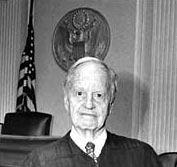
Judge Whitman Knapp

The Commission to Investigate Alleged Police Corruption (known informally as the Knapp Commission after its chairman Whitman Knapp) was a five-member panel formed in May 1970 by Mayor John V. Lindsay to investigate corruption and misconduct within the New York City Police Department (NYPD).[1] The creation of the Commission was largely a result of publicized accounts of police wrongdoing, as revealed by Patrolman Frank Serpico and Sergeant David Durk. Lindsay's action was also prompted by a front-page exposé in The New York Times on April 25, 1970 that documented a vast scheme of illicit payments to police officers from businessmen, gamblers and narcotics dealers.[2] In its final report, the Commission concluded that the NYPD had widespread corruption problems,[3] and made a series of recommendations.

Members

[edit]

On May 21, 1970, Mayor Lindsay issued an executive order appointing the following five members to serve on the Knapp Commission:[1]

Investigation and public hearings

[edit]

The Knapp Commission started its investigation in June 1970. Michael F. Armstrong served as chief counsel to the Commission, and Nicholas Scoppetta was associate counsel.[4][5]

After taking private testimony for over a year, the Knapp Commission initiated public hearings on October 18, 1971.[6] In addition to interviewing "lamplighters" (whistleblowers) Serpico and Durk, the Commission heard testimony from former Police Commissioner Howard R. Leary, corrupt patrolmen, and victims of police shakedowns.[7] As a result of the testimony of these witnesses, criminal indictments against corrupt police officials were handed down.

Concurrent with the Knapp Commission inquiry, Mayor Lindsay directed Police Commissioner Patrick V. Murphy to implement NYPD reforms. These included proactive integrity checks, large-scale transfers of senior personnel, mandatory job rotation in key areas, ensuring sufficient funds to pay informants, and cracking down on citizen attempts at bribery.[8]

On June 15, 1972, Whitman Knapp was nominated by President Richard M. Nixon to be a federal judge for the Southern District of New York.[9] However, Knapp stayed with the Commission through the end of the year to complete the work.

Recommendations

[edit]

The Knapp Commission issued a preliminary report in August 1972, and a final report in December 1972.[10] In its final report, the Commission found widespread corruption in the NYPD, and made the following recommendations:

  • hold commanders accountable for their subordinates' actions.
  • require commanders to file periodic reports on key areas that would breed corruption.
  • create field offices of the Internal Affairs division in all precincts.
  • place undercover informants in all precincts.
  • improve screening and selection methods and standards.
  • strive to change police attitudes toward corruption.
  • enlist public support in the battle against corruption.[10]

"Grass Eaters" and "Meat Eaters"

[edit]

The Knapp Commission Report on Police Corruption categorized two types of corrupt police officer: "Grass Eaters" and "Meat Eaters". This classification scheme distinguished petty corruption under peer pressure ("eating grass") from aggressive, premeditated major corruption ("eating meat").[11]

The term "Grass Eaters" described police officers who "accept gratuities and solicit five, ten, twenty dollar payments from contractors, tow-truck operators, gamblers, and the like but do not pursue corruption payments".[12] "Grass eating" was something that a significant number of officers were guilty of, and which they learned to do from other cops or from imitating the deviants they watched and investigated every day. The Commission concluded that "grass eating" was used by NYPD officers to prove their loyalty to the "brotherhood", and with that came incentives like side jobs.[13] One method to prevent cops from becoming corrupt was to remove the veteran cops who indulge in corrupt practices. Without veteran cops to emulate, new officers might never learn to "eat grass".

"Meat Eaters" described officers who "spend a good deal of time aggressively looking for situations they can exploit for financial gain".[12] An example was shaking down pimps and illicit drug dealers for money. The Commission noted that Meat Eaters "justified this extortion by marginalizing their victims as criminals and undeserving of police protection."[13]

See also

[edit]

Further reading

[edit]

References

[edit]
[edit]
Revisions and contributorsEdit on WikipediaRead on Wikipedia
from Grokipedia
The Commission to Investigate Alleged Police Corruption, commonly known as the Knapp Commission, was a civilian panel appointed by New York City Mayor John V. Lindsay on May 19, 1970, to examine charges of endemic corruption within the (NYPD). Chaired by U.S. District Court Judge Whitman Knapp, the five-member body included prominent lawyers and civic leaders tasked with identifying patterns of graft, including , , and unauthorized seizures, particularly in plainclothes and narcotics units. Triggered by whistleblower testimonies from officers like and David Durk, publicized via , the commission's probe exposed a departmental culture where corruption was rationalized as customary, affecting thousands of officers to varying degrees. The Knapp Commission's public hearings, beginning in October 1971, featured dramatic accounts of systemic malfeasance, such as detectives demanding payoffs from gamblers and drug dealers, revealing how supervisory inaction and fear of reprisal perpetuated the problem. Its final report, submitted to Mayor Lindsay on December 26, 1972, delineated two archetypes of corrupt officers: "grass-eaters," who passively accepted small gratuities like free meals or holiday cash, and "meat-eaters," who aggressively pursued illicit gains through shakedowns or fencing stolen goods. The document concluded that corruption was not isolated but department-wide, attributing it to lax recruitment, inadequate training, and a code of silence that undermined internal controls. Key outcomes included the ouster of top NYPD officials, the creation of the independent Office of the Special Prosecutor for in 1972, and mandated reforms like decentralized internal affairs units and mandatory financial disclosures for officers. While the commission's work dismantled entrenched rackets and restored some public trust, subsequent evaluations noted persistent challenges, underscoring the difficulty of eradicating entrenched institutional vices through inquiry alone.

Background and Establishment

Precipitating Corruption Allegations

In the late 19th and early 20th centuries, the faced recurrent corruption scandals that prompted state-level investigations, such as the Lexow Committee of 1894–1895, which documented extensive and protection rackets enabling illegal , , and operations under influence. Similarly, the Curran Committee in 1912–1913 revealed ongoing graft, including officers' from vice proprietors and falsified records, underscoring structural vulnerabilities like appointments and lax in an era of unchecked urban expansion and immigrant influxes that strained enforcement resources. These cycles, recurring roughly every two decades, stemmed not merely from individual failings but from systemic incentives in policing "victimless" crimes—where officers wielded broad discretion amid low detection risks—and failures in political oversight that prioritized machine loyalty over integrity. By the late , New York City's escalating , including a doubling of homicides from the mid-decade onward, intensified pressures on the NYPD and public tolerance for aggressive tactics, creating fertile ground for corrupt shortcuts. Amid this, patrolman , who had joined the department in 1959, encountered routine shakedowns of gamblers and narcotics dealers, kickbacks from arrested suspects to avoid charges, and demands for holiday "pads" from precinct commanders tolerating vice in exchange for payoffs. Starting in 1967, Serpico reported these practices—prevalent in plainclothes units handling drugs, , and —to superiors, internal affairs, and prosecutors, only to face ostracism, transfer isolation, and threats from peers who enforced an omertà-like code viewing as betrayal. David Durk, a who partnered with around 1966, independently documented comparable graft, including officers skimming drug buys and protecting dealers for fixed shares, while refusing personal bribes that colleagues normalized as survival perks. Their repeated internal complaints, spanning 1967 to 1969, were dismissed or buried, with Durk noting higher-ups' complicity in shielding precinct-level rackets to maintain statistics and avoid scrutiny. Lacking institutional recourse, the pair approached New York Times reporter David Burnham in 1969, providing evidence of department-wide patterns rather than isolated acts. Burnham's resulting investigative series, beginning with front-page exposés in April 1970, detailed Serpico and Durk's accounts of systemic venality—from street-level extortions to command-level indifference—fueling widespread public indignation over a force entrusted with public safety yet compromised by self-interest. These revelations, corroborated by the officers' firsthand observations, highlighted how eroded efficacy precisely when surges demanded rigor, amplifying demands for external beyond prior reform efforts that had proven ephemeral.

Official Formation and Mandate

The Knapp Commission was formally established on May 21, 1970, by Mayor John V. Lindsay through No. 11, in response to mounting public allegations of systemic corruption within the (NYPD). This action followed reports from investigative journalists, including David Burnham of , which detailed patterns of graft, shakedowns, and protection rackets involving officers, prompting Lindsay to bypass internal NYPD mechanisms amid widespread distrust in self-investigations by the department. The commission's mandate centered on a thorough examination of alleged , , and inefficiencies across NYPD operations, with authority to conduct inquiries, witnesses, and compile to assess the scope of abuses and propose remedial actions. Unlike prior internal reviews, such as those by the NYPD's own Corruption Prevention Unit, the mandate emphasized an external, arms-length probe to prioritize empirical verification of claims through documented testimonies and records, rather than relying solely on departmental assurances. To lead the effort, Lindsay appointed Whitman Knapp, a 63-year-old lawyer with extensive experience in corporate and antitrust litigation but no direct ties to or city politics, selected specifically to foster perceived impartiality and shield the inquiry from accusations of bias toward protecting institutional interests. This choice reflected broader skepticism toward NYPD-led reforms, as prior scandals had eroded confidence in internal handling of probes.

Commission Composition

Leadership and Core Members

The Knapp Commission was chaired by Whitman Knapp, a New York corporate lawyer with no prior involvement in police matters, appointed by Mayor John V. Lindsay on May 21, 1970, to ensure perceived impartiality in probing NYPD corruption allegations. Knapp, born February 24, 1909, graduated from in 1931 and in 1934, establishing a career in private practice focused on civil litigation rather than criminal or work. His selection reflected a deliberate choice for an outsider perspective, minimizing entanglements with law enforcement institutions that might compromise objectivity. The commission comprised five private citizens, a compact structure designed to facilitate direct, unencumbered inquiry without the dilution of larger bureaucratic panels. Core members included Arnold Bauman, a former assistant Manhattan district attorney and chief of the criminal division in the U.S. Attorney's Office for the Southern District of New York, bringing prosecutorial expertise; he was later replaced by John E. Sprizzo. Joseph Monserrat, an educator and former New York City Board of Education president, contributed administrative and community insights. Franklin A. Thomas, founder and president of the Bedford Stuyvesant Restoration Corporation, offered perspectives on urban community dynamics and . Cyrus Vance, a distinguished attorney and former U.S. Secretary of the Army (1962–1964), rounded out the panel with high-level government and experience, though his establishment ties raised questions about potential deference to institutional norms over aggressive reform. This diverse composition—spanning , prosecution, , community leadership, and federal service—aimed to balance specialized knowledge with independence, enabling first-principles scrutiny of systemic issues rather than reliance on insider narratives. The absence of active police or political figures underscored an intent to prioritize empirical investigation over political theater, though critics noted the panel's elite backgrounds might overlook grassroots enforcement realities.

Supporting Staff and Expertise

Michael F. Armstrong, a former for the Southern District of New York, served as chief counsel to the Knapp Commission from 1970 to 1972, overseeing the development of legal strategies for enforcement, witness interrogation protocols, and the structuring of internal probes into allegations. His prior experience in federal prosecutions informed a methodical approach to handling testimonies, prioritizing the isolation of empirically supported claims from potentially self-serving narratives provided by informants and officers. The commission's supporting team included six associate and assistant counsels, alongside 13 investigators drawn from backgrounds, supplemented by clerical staff to manage documentation and logistics. These investigators applied specialized skills in field surveillance, financial record scrutiny, and informant vetting to corroborate initial leads, ensuring that investigative pursuits were anchored in traceable chains rather than anecdotal reports alone. Some staff were loaned from federal agencies, such as the , providing access to expertise in auditing illicit gains tied to corrupt practices. This operational backbone enabled the commission to conduct over 300 interviews with police personnel and civilians, filtering data through cross-verification techniques that emphasized causal linkages between observed behaviors and documented outcomes, thereby mitigating reliance on untested assertions. The staff's emphasis on forensic-like validation distinguished their contributions from the commissioners' oversight role, fostering a rigorous evidentiary foundation for subsequent analyses.

Investigative Methods

Internal Probes and Interviews

The Knapp Commission's non-public investigations commenced in the summer of 1970, shortly after its formal establishment in May, focusing on confidential interviews with NYPD officers and civilian informants to map hidden corruption networks without alerting targets. These probes emphasized methodological rigor, including the systematic collection of internal department documents and collaboration with federal agencies, to verify allegations originating from whistleblowers like and David Durk. By prioritizing mid-level and plainclothes personnel in vice and narcotics units, investigators built evidentiary chains from bottom-up accounts, avoiding high command to circumvent institutional obstruction. To penetrate the department's entrenched , the commission pursued cooperating witnesses through targeted outreach, yielding disclosures on systemic rackets in gambling protection and payoffs. Notable among these was Officer William Phillips, whose cooperation exposed graft mechanics in the 19th Precinct, though such breakthroughs required navigating verification obstacles like absent paper trails and peer . While no formal program was codified, pragmatic assurances against immediate prosecution incentivized select officers, revealing how corruption thrived in insulated plainclothes operations amid high-crime precincts. Empirical insights from these interviews underscored corruption's concentration in specialized units, where officers' modest salaries—starting around $8,000 to $9,000 annually for patrolmen in 1970, before proposed raises—intersected with pervasive criminal temptations, eroding resistance to shakedowns. Challenges persisted in corroborating claims, as the blue wall of loyalty often yielded fragmented or self-protective testimony, necessitating cross-referencing with undercover leads and records to distinguish verifiable patterns from rumor. This phase laid the groundwork for later public scrutiny, highlighting causal links between operational autonomy, economic pressures, and unchecked vice as enablers of graft.

Public Hearings and Media Role

The Knapp Commission's public hearings began on October 18, 1971, conducted over 14 days through October and December in facilities accessible for broadcast, with the intent to promote via widespread public scrutiny and the deterrent effect of shaming corrupt practices. These sessions aired live on New York City's educational television channel, allowing real-time dissemination of testimony to counter entrenched departmental secrecy and compel broader participation from reluctant witnesses. While this format advanced evidentiary transparency by documenting sworn accounts under oath, it also invited elements of spectacle, as dramatic revelations risked prioritizing public outrage over methodical assessment of individual versus institutional culpability. Prominent testimonies included those from Detective Frank Serpico and Sergeant David Durk, whistleblowers whose prior private disclosures had catalyzed the commission; Serpico detailed pervasive bribe demands in plainclothes units, while Durk corroborated patterns of protection rackets in gambling and narcotics enforcement. Indicted patrolmen and mid-level officers followed, offering admissions of routine graft such as numbered "pad" systems for dividing illicit payments, which illuminated operational mechanics without yet quantifying overall prevalence. The hearings' structure—subpoenaing over 620 individuals and examining 271 in public—served as a mechanism for cross-verification, though the live format amplified personal narratives at the potential expense of detached analysis. Media outlets, led by The New York Times, played a dual role in escalating visibility; extensive front-page reporting on sessions pressured holdouts to testify and sustained public demand for reform, yet selective emphasis on sensational details—like officers' defiant or tearful appearances—could foster perceptions of monolithic departmental rot, sometimes eliding distinctions between isolated actors and enabling structures. This coverage, while grounded in direct access to proceedings, reflected journalistic incentives toward narrative drama, which bolstered deterrence through reputational costs but warranted caution against overgeneralization from anecdotal testimony.

Core Findings

Scope and Patterns of NYPD Corruption

The Knapp Commission concluded that corruption within the New York Police Department (NYPD) was widespread, though varying in degree across ranks and units, with systemic involvement in plainclothes divisions handling , , and narcotics enforcement. Investigations revealed patterns of officers providing to illegal operations, such as after-hours bars, gambling dens, and narcotics dealers, in exchange for regular payoffs, often organized through intermediaries to insulate higher ranks. These activities were not isolated incidents but embedded practices, enabled by inadequate internal oversight mechanisms that failed to detect or deter graft, including tolerance of minor infractions that escalated into normalized . Empirical evidence from witness testimonies and undercover probes quantified the scale, with estimates of annual illicit revenues from such rackets reaching into the millions of dollars citywide, concentrated in high-vice precincts like those in Manhattan's and Brooklyn's 77th Precinct. Corruption thrived amid New York City's escalating fiscal strains and crime wave in the late and early , where homicides surged from 681 in to 1,391 by 1970, overwhelming resources and creating opportunities for officers to prioritize lucrative protections over enforcement. This environment, compounded by strong union safeguards under the Patrolmen's Benevolent Association that shielded officers from routine scrutiny, fostered a culture of passive complicity rather than aggressive malfeasance across the department's approximately 31,000 personnel. The Commission's analysis emphasized causal factors rooted in structural failures, such as decentralized command allowing precinct-level and insufficient for supervisors, over any monolithic "police culture" of dishonesty; indeed, many officers reportedly despised the graft but feared reprisals from peers or unions for reporting it. Patterns showed uneven distribution, with patrol-level shakedowns for minor violations coexisting alongside squad-level orchestration of large-scale protections, distinguishing the issue from sporadic and highlighting how lax supervisory controls perpetuated the problem without implicating the majority of rank-and-file as active participants.

Typology of Corrupt Officers

The Knapp Commission developed a typology distinguishing between passive and active forms of among NYPD officers, drawing from patterns observed in over 1,000 interviews and internal probes conducted between 1970 and 1972. This framework categorized officers as either "grass-eaters," who opportunistically accepted minor gratuities without initiating corrupt acts, or "meat-eaters," who aggressively pursued illicit gains by abusing their authority. The distinction highlighted how passive corruption permeated routine operations while active predation drove more egregious abuses, informing the commission's assessment that existed on a spectrum rather than as isolated incidents. Grass-eaters represented the predominant type of corrupt , engaging in low-level, reactive graft such as accepting free meals from owners, small tips from gamblers, or nominal payoffs from building inspectors to overlook minor violations. These s often rationalized their actions as customary perks supplementing stagnant NYPD salaries—starting patrolmen earned around $8,000 annually in 1970 amid broader economic pressures—without viewing them as serious ethical breaches. Commission investigators noted that grass-eaters formed the bulk of cases uncovered, as their normalized deviance within precincts, fostering an environment where minor acceptance blurred into tolerance of greater . Meat-eaters, though less common, exemplified proactive corruption by exploiting enforcement powers for substantial profits, such as demanding protection money from operators, orchestrating shakedowns of suspected criminals, or diverting seized narcotics for street resale. Public hearings revealed specific instances, including officers in the 7th and 22nd Divisions who skimmed from drug arrests—sometimes retaining up to 50% of confiscated funds—or collaborated with to stolen . These outliers not only amassed personal wealth but also undermined departmental integrity by intimidating colleagues into complicity or silence, amplifying the risks of unchecked authority in high-crime areas like and the Lower East Side.

Recommendations and Reforms

Proposed Structural Changes

The Knapp Commission's final report, released on January 13, 1973, prescribed structural reforms to institutionalize within the NYPD, emphasizing organizational redesign over mere procedural tweaks or appeals to personal ethics. A primary recommendation involved decentralizing investigations by establishing borough-level integrity control units tasked with proactive and localized probes, reducing reliance on a centralized Internal Affairs Division prone to departmental insularity. This approach aimed to embed oversight closer to operational precincts, where patterns were most evident, thereby enhancing detection through field-embedded investigators insulated from command-level interference. To counter economic disincentives fostering graft, the commission urged significant salary increases for officers, arguing that inadequate compensation—starting at levels insufficient for urban living costs—created vulnerabilities to opportunistic , particularly among lower ranks. Parallel to this, it called for merit-based promotions predicated on verifiable and metrics, supplanting seniority-driven advancement that rewarded longevity irrespective of conduct and perpetuated a culture tolerant of passive malfeasance. These realignments sought to elevate standards and retention of principled personnel by tying professional progression to efficacy rather than tenure. The report also advocated external oversight mechanisms, including the creation of independent units to monitor internal probes and statutory changes to facilitate swift disciplinary actions, underscoring that self-policing alone had historically failed due to entrenched loyalties. While stopping short of a fully autonomous civilian review board, these proposals highlighted the need for non-departmental to validate investigations and prevent cover-ups, informed by revealing systemic underreporting of .

Distinction Between Passive and Active Corruption

The Knapp Commission delineated active corruption, exemplified by "meat-eaters"—officers who aggressively exploited their authority to solicit large-scale payoffs through activities like shakedowns and protection rackets—and passive corruption, characterized by "grass-eaters," who accepted incidental gratuities or overlooked minor violations arising opportunistically from routine duties, such as free meals or small bribes in vice enforcement. This typology underscored that meat-eaters represented a smaller, more predatory subset, while grass-eaters comprised a larger group whose infractions were often reactive rather than initiatory. In applying this model to enforcement strategies, the Commission recommended concentrating prosecutorial and disciplinary resources on meat-eaters, whose systematic predation posed the greatest threat to public trust and departmental integrity, as pursuing the far more numerous grass-eaters would strain limited investigative capacities without proportional benefits. For grass-eaters, it advocated selective rehabilitation measures, including opportunities for voluntary disclosure of minor corrupt acts with reduced penalties or immunity incentives, coupled with targeted training to reinforce ethical decision-making amid occupational temptations. The Commission further attributed much passive corruption to situational environmental pressures inherent in policing high-vice areas, where community tolerance for activities like illegal and narcotics distribution normalized low-level accommodations, fostering a culture where officers faced constant, low-resistance opportunities for graft rather than isolated personal ethical lapses. It cautioned against indiscriminate purges of all corrupt elements, positing that such broad sweeps would exacerbate personnel shortages in an era of surging —New York City's homicide rate, for instance, climbed from 631 in 1965 to 1,691 by 1970—potentially crippling core policing functions without eradicating root causes.

Initial Implementation Under NYPD Leadership

Following the Knapp Commission's formation in May 1970, Mayor appointed Patrick V. Murphy as NYPD Commissioner in June 1970, tasking him with initiating anti-corruption measures concurrent with the inquiry. Murphy prioritized internal reforms, including enhanced command accountability and expanded internal investigations, to address systemic graft exposed by whistleblowers like and David Durk. These efforts involved bolstering the Internal Affairs Division's capacity for proactive probes, moving beyond reactive complaints to supervisor responsibility for subunit misconduct. By endorsing the Commission's August 1972 call for a special state prosecutor, Murphy facilitated targeted prosecutions of high-level corruption, yielding indictments against officers involved in graft rings. Partial adoption of Knapp recommendations included limited salary adjustments for patrol officers and mandatory rotation in vulnerable units like vice squads, aimed at disrupting entrenched payoff networks. These changes correlated with anecdotal reports of reduced street-level shakedowns in the short term, as officers in high-corruption precincts faced heightened and reassignment. However, encountered pushback from police unions, which contested expanded oversight as infringing on operational independence and rights, highlighting friction between accountability mandates and rank-and-file autonomy. Murphy's tenure, ending in 1973, thus marked an initial clampdown but revealed the limits of top-down enforcement amid institutional resistance.

Immediate Impact

Disciplinary Actions and Resignations

Following the Knapp Commission's public hearings and investigative findings, at least 40 indictments against NYPD officers were anticipated by grand juries based on commission-provided evidence as early as October 1971. Several dozen such indictments were ultimately pursued, leading to criminal convictions in a subset of cases, though the number of successful prosecutions remained limited relative to the documented scope of corruption. These actions targeted officers implicated in patterns of bribery, shakedowns, and other graft, with disciplinary proceedings often culminating in dismissals or forced resignations for those not criminally prosecuted. Frank Serpico's February 3, 1971, shooting in the face during a drug raid—occurring amid his whistleblowing that catalyzed the commission—exemplified the personal perils whistleblowers faced, with contemporaries and later analysts suspecting deliberate departmental retaliation due to inadequate backup and communication failures. Serpico resigned from the NYPD on June 15, 1972, after testifying, highlighting how commission exposure prompted voluntary exits amid heightened scrutiny and eroded internal protections for honest officers. His case underscored emerging needs for safeguards, influencing early precedents for witness relocation programs, though federal witness protection protocols were not formally extended until subsequent high-risk testimonies. Case outcomes from commission-driven probes demonstrated efficacy against aggressive "meat-eaters"—officers who proactively solicited payoffs—yielding higher accountability than for opportunistic "grass-eaters," as evidentiary focus on verifiable and facilitated prosecutions where passive graft often evaded charges due to reliance on alone. High-profile convictions, such as those of officers named in hearings for narcotics and rackets, affirmed the commission's emphasis on systemic predators over incidental opportunists, though overall conviction yields reflected prosecutorial challenges in corroborating accounts without .

Policy Shifts in the Early

Following the release of the Knapp Commission's final report on August 25, 1972, which documented pervasive undetected graft enabled by lax oversight and opportunities in vice enforcement, the (NYPD) under Commissioner Patrick V. Murphy initiated random integrity testing in the early 1970s. These tests involved controlled scenarios, such as planting lost property or staging minor infractions to gauge officer responses, designed to uncover passive among officers not yet implicated in scandals. The approach directly addressed the Commission's findings on "grass-eaters"—rank-and-file officers accepting routine payoffs—by shifting from reactive investigations to proactive, randomized assessments that preserved operational focus on crime suppression. In parallel, NYPD practices evolved to curb temptations inherent in high-corruption zones like narcotics and enforcement, where Knapp testimony revealed systemic shakedowns in urban decay hotspots. Uniformed patrol officers were barred from conducting drug arrests starting in the mid-1970s, with such duties reassigned to specialized units to limit exposure to predictable bribe scenarios while maintaining enforcement efficacy through targeted operations. This structural adjustment countered over-reliance on street-level vice raids, which the Commission linked to normalized graft, by emphasizing supervisory rotations and assignment limits in vulnerable precincts without diluting overall presence. These reforms encountered fiscal barriers amid New York City's escalating budget shortfalls, which peaked with the 1975 near-bankruptcy declaration on , when the city defaulted on short-term notes exceeding $1 billion. Consequent austerity measures slashed NYPD staffing by over 5,000 officers through attrition and layoffs—from 27,262 uniformed personnel in 1974 to 22,304 by 1976—forcing trade-offs that curtailed expanded integrity monitoring, sergeant deployments in graft-prone areas, and pilot oversight programs. The crisis underscored causal tensions between anti-corruption investments and resource demands for basic operations, as reduced manpower strained implementation amid rising .

Long-Term Legacy

Influence on National Police Oversight

The Knapp Commission's model of an independent, externally appointed body to investigate systemic provided a template for oversight mechanisms beyond , influencing the structure of subsequent probes in other jurisdictions during the . Its emphasis on uncovering both active ("meat-eaters") and passive ("grass-eaters") forms of graft highlighted the need for detached scrutiny, which informed similar commissions, such as Pennsylvania's Commission report that echoed Knapp's findings on departmental tolerance of misconduct. Federally, the Commission's revelations contributed to broader discourse on police integrity, with its recommendations for commander accountability and anti-corruption units referenced in evaluations of standards under the Law Enforcement Assistance Administration, though the agency primarily provided funding support to Knapp rather than adopting its framework wholesale. Adoption of Knapp-style external monitoring extended to major cities like Chicago and Los Angeles, where probes yielded initial reforms such as enhanced internal affairs divisions and policy overhauls. In Chicago, post-Knapp inquiries in the late 1970s and 1980s incorporated independent review elements to address graft, resulting in short-term resignations and procedural changes; similarly, Los Angeles drew on the model for the 1991 Christopher Commission following the Rodney King incident, which recommended decentralized oversight and early intervention systems. However, empirical outcomes showed mixed efficacy, with recurrent scandals—such as Chicago's 1990s gang unit corruption and Los Angeles' 1990s Rampart crisis—revealing failures to sustain gains, attributable to unaddressed structural incentives like inadequate pay scales and promotion pressures that perpetuated opportunities for abuse. Conceptually, Knapp's transparency imperatives prefigured modern oversight tools like body-worn cameras and predictive data analytics, intended to generate verifiable records of officer conduct and flag anomalous patterns. Deployed nationally since the , these technologies have documented over 50% of large-agency patrols by 2016, yet rigorous evaluations demonstrate limited causal impact on reduction, primarily affecting use-of-force complaints rather than graft, as officers adapt behaviors selectively and systemic incentives persist. This aligns with causal analyses indicating that external monitoring alone insufficiently counters entrenched departmental cultures without complementary reforms in , compensation, and deterrence.

Recurring Corruption Scandals Post-Knapp

Despite the Knapp Commission's recommendations and subsequent reforms, NYPD corruption scandals resurfaced prominently in the 1980s and 1990s, revealing patterns of active involvement in drug-related activities that mirrored earlier graft but were amplified by the crack epidemic. The , established in July 1992 by Mayor , investigated allegations of widespread corruption, uncovering organized groups of officers in precincts like the 75th in East New York who protected drug dealers, stole narcotics for resale, and extorted payments from traffickers. These activities, exemplified by the crew led by Officer —who admitted to dealing drugs and receiving up to $100,000 monthly in bribes during the late 1980s—demonstrated a shift toward more predatory "meat-eating" corruption, where officers actively sought illicit gains rather than passively accepting payoffs. The 30th Precinct scandal, dubbed the "Dirty Thirty," further echoed Knapp-era protection rackets, with investigations from 1993 to 1995 leading to the arrests of over a dozen officers for , trafficking, , and in Harlem's high-crime areas. Initial probes revealed officers demanding $500 weekly "rent" from dealers and fabricating evidence, resulting in the dismissal of nearly 100 convictions due to perjured testimony, as documented in analyses of the era's systemic issues. The attributed these spikes not merely to oversight failures but to environmental factors, including the crack epidemic's influx of street-level markets that created unchecked opportunities for officers amid aggressive anti-drug policing. Retrospectives around the 50th anniversary of the Knapp Commission's 1971 hearings, such as those in 2021, highlighted its value in exposing graft but underscored the failure to eradicate underlying vulnerabilities, as evidenced by recurring scandals tied to unchanged incentives in high-stakes enforcement environments. Analyses noted that while Knapp prompted internal affairs enhancements, the persistence of drug-fueled in the —culminating in over 100 officer indictments under Mollen—illustrated systemic resilience, where external pressures like the crack trade overwhelmed preventive measures without addressing core operational temptations.

Criticisms and Debates

Questions of Commission Effectiveness

Despite the Knapp Commission's exposure of systemic within the New York Police Department (NYPD), its effectiveness in achieving lasting eradication has been questioned, as subsequent investigations revealed persistent graft. A 1982 New York Times report, drawing on departmental sources, noted that a decade after the commission's final report, small-scale continued, including routine payoffs from gamblers, narcotics dealers, and operators, though institutional patterns of the early scale appeared diminished. Another contemporaneous analysis highlighted ongoing regular payoffs in precincts like the 23rd, attributing them to unchanged incentives in high-crime environments despite reforms. These findings contradicted claims of wholesale transformation, suggesting the commission's recommendations addressed symptoms but not underlying vulnerabilities. Critics pointed to limited measurable reductions in corruption metrics, such as among disciplined officers or overall payoff incidence, with no comprehensive data tracking pre- and post-Knapp rates. The commission's work spurred hundreds of internal investigations and disciplinary actions under NYPD Commissioner Patrick Murphy, yet the absence of proportional declines in reported incidents—amid surging citywide in the —raised doubts about resource efficiency. Later inquiries, including the 1990s , uncovered sophisticated narcotics-related schemes, indicating that Knapp-era scrutiny may have displaced rather than eliminated entrenched practices. Michael F. Armstrong, the commission's chief counsel, reflected in subsequent analyses that the high-profile hearings deterred opportunistic "grass-eaters"—officers accepting incidental bribes—but inadvertently sophisticated "meat-eaters" who pursued active shakedowns, driving operations underground and complicating future detection. This view posits that publicity achieved short-term deterrence of minor graft but failed to dismantle organized networks, as evidenced by recurring scandals in the 1980s and beyond. Overall, while the Knapp Commission catalyzed structural changes, empirical persistence of underscored incomplete success against its investigative goals.

Effects on Police Morale and Operational Efficacy

Following the Knapp Commission's public hearings in 1971 and its final report in 1972, which exposed systemic corruption and prompted widespread internal investigations and indictments, NYPD officers experienced a marked decline in due to pervasive suspicion and fear of entrapment by anti-corruption units. Commissioner Patrick Murphy acknowledged in 1972 that ongoing indictments for misconduct, stemming from the Commission's findings, negatively affected departmental , as officers perceived every action as potentially scrutinized for graft. This atmosphere of distrust eroded esprit de corps, with whistleblowers like —whose pre-hearing isolation by colleagues exemplified the risks of defying the "blue wall of silence"—serving as a against proactive dissent, ultimately prioritizing institutional purity over operational cohesion. The aggressive pursuit of "meat-eaters"—active corruptors highlighted in the Commission's typology—fostered reluctance among rank-and-file officers to engage in high-initiative policing, particularly in areas like narcotics, gambling, and , where graft opportunities had been rife. Internal dynamics post-Knapp led to de-policing, as officers avoided quality-of-life interventions to evade accusations of soliciting bribes, resulting in diminished street presence and reduced metrics in these domains. NYPD analyses later attributed part of the crime persistence, including unchecked street-level disorders that escalated into violence, to this hesitancy, as scandals conditioned officers to prioritize self-preservation over assertive tactics. Empirical indicators from the , such as lowered officer initiative in proactive stops and vice raids per departmental records, underscored how the Commission's reforms inadvertently hampered operational by shifting focus from crime-fighting to internal compliance. This passive posture contributed to sustained urban disorder through the decade, as fear of "Knapp-style" probes deterred the aggressive assignments essential for disrupting vice networks, without commensurate gains in overall integrity that justified the morale trade-offs.

Alternative Explanations for Corruption Roots

During the , experienced a dramatic expansion in welfare rolls, with public assistance recipients rising from approximately 330,000 in 1960 to over 1 million by 1971, a more than 300% increase driven by federal expansions under Aid to Families with Dependent Children (AFDC) and local policy shifts amid urban migration and economic dislocation. This surge correlated with heightened poverty-related crime and economies, including proliferating illegal , narcotics distribution, and , creating abundant enforcement opportunities where officers could rationally accept payoffs to supplement base salaries that, while nominally increasing from around $5,500 for patrolmen in 1960 to about $9,000 by 1970, often lagged behind the city's escalating living costs and the hazards of street-level policing. Such economic pressures framed graft not merely as ethical lapse but as a pragmatic response to systemic under-remuneration in an environment where profits dwarfed official pay scales. Broader societal shifts in the further normalized vice tolerance, as countercultural movements and emerging advocacy—such as early pushes to reclassify marijuana and question strict enforcement of and —fostered a permissive atmosphere toward activities previously stigmatized, thereby embedding payoffs into the fabric of urban transactions rather than isolating them as isolated police deviance. New York City's emergence as a epicenter, with addiction rates spiking amid national drug experimentation, amplified these dynamics, as surging demand for illicit goods generated routine shakedowns and protections that officers encountered as structural features of their duties, not aberrant choices. This context challenges attributions of solely to individual or institutional moral failure by highlighting how policy-induced vice proliferation created self-reinforcing incentives for participation, independent of top-down directives. Pre-Knapp union dynamics, particularly through the Patrolmen's Benevolent Association (PBA), entrenched protections that shielded rank-and-file officers from rigorous discipline, with the organization—formed in the early but gaining militancy by the late 1960s—aggressively lobbying against civilian oversight and contractual reforms that could facilitate dismissals for misconduct. Political influences compounded this, as mayoral administrations and city council interventions often prioritized labor peace over , evident in resistance to internal affairs and the PBA's successful 1969 blockade of assignment flexibilities under Mayor Lindsay, perpetuating cycles of that sustained bottom-up graft networks rather than originating from centralized malfeasance. These mechanisms underscore causal roots in decentralized incentives and institutional safeguards, countering narratives emphasizing hierarchical decay by demonstrating how external protections enabled persistent, opportunity-driven .

References

Add your contribution
Related Hubs
User Avatar
No comments yet.