



Community hub
Community hub
Recent from talks
Knowledge base stats:
Talk channels stats:
Members stats:
Little Chute, Wisconsin
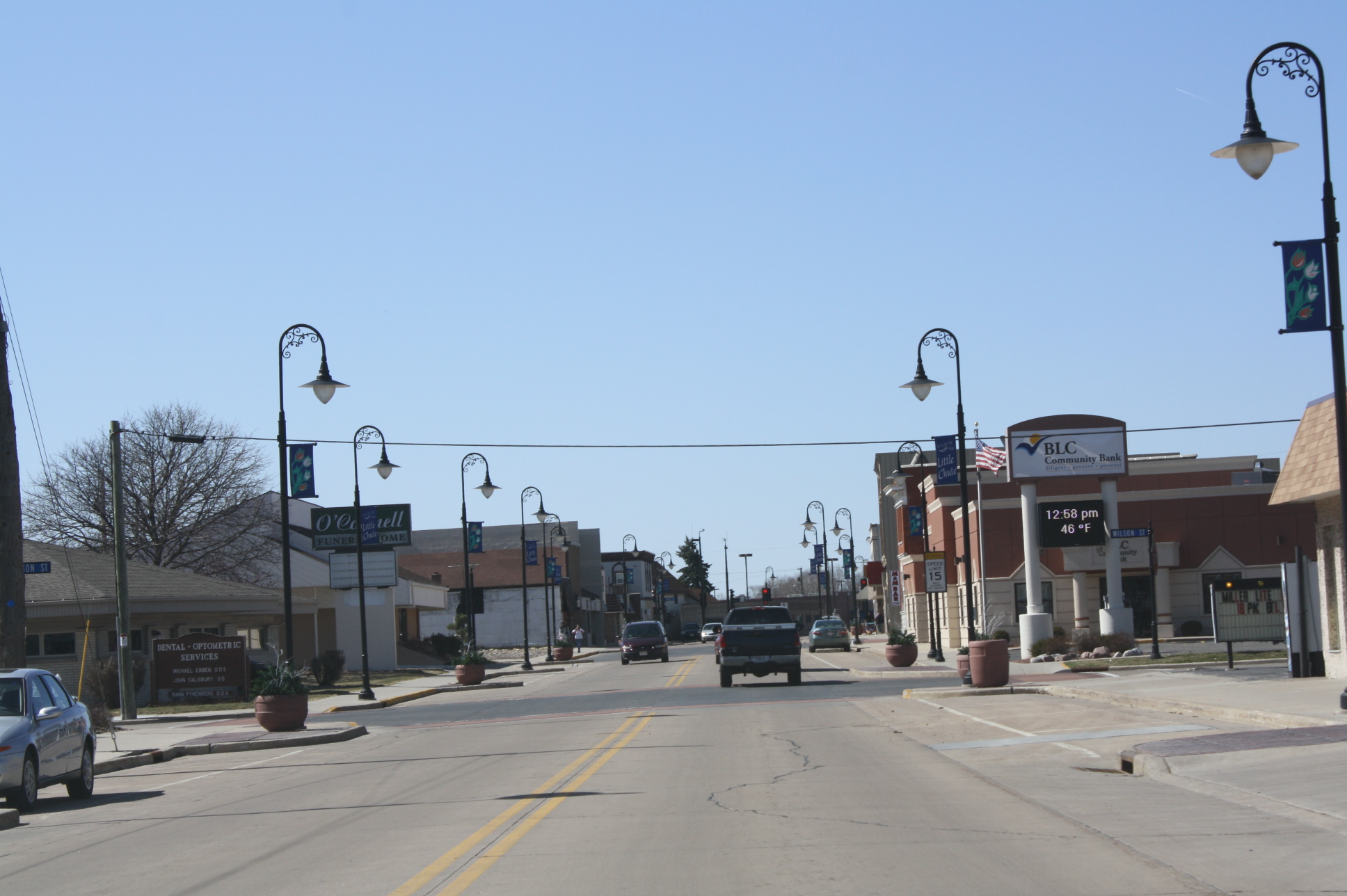
Little Chute is a village in Outagamie County, Wisconsin, United States. The population was 11,619 at the 2020 census. It is immediately east of the city of Appleton and runs along the Fox River. It is a part of the Appleton, Wisconsin Metropolitan Statistical Area.
The town was originally established as a trading post by French explorers who called it "La Petite Chute" (Little Chute). In the late 19th century, it was settled by Dutch Catholic immigrants from North Brabant, led initially by the Dominican Missionary Theodore J. van den Broek from Uden. The town became an outpost of Dutch Catholic immigrants in the Midwest. Little Chute is home to a full-scale Dutch-style working windmill, which has become a tourist attraction.
Prior to European exploration it is likely the Mississippian culture tribe, the Oneota lived in the area. The Oneota are believed to be the ancestors of the Winnebago or Ho-Chunk tribe. A historical marker near Little Chute commemorates the Treaty of the Cedars, a treaty which ceded 4 million acres of Native American land to the US government.
While sharing in the history of northeast Wisconsin, Little Chute has been influenced by two unique factors: the rapids and portages along the Fox River and the coming of Dutch-Catholic settlers in 1848. Prior to and during the early European settlement, the Fox-Wisconsin Waterway to the Mississippi River system was one of the most heavily traveled routes between the Great Lakes and the Mississippi River. Afterward canals and locks were built to circumvent these rapids. The actual construction of these features provided employment to settlers, the Dutch among them, although the canal system never proved to be a great success. In 1836, the Treaty of the Cedars was signed near Little Chute by the Menominee Indians, which ceded to The United States "Four million acres between the Fox, Wolf and Menominee Rivers".
There is little evidence today of the earliest Native American communities in the area. Prior to the European exploration it is likely the Mississippian culture tribe, the Oneota, lived in the area. The Oneota are believed to be the ancestors of the Winnebago or Ho-Chunk people; this has yet to be conclusively demonstrated. Regardless, the Ho-Chunk dominated the area just as the French were first appearing in the St Lawrence area far to the east. The Illinois tribe was generally far to the south; the Menominee tribe was just to the north. The Ho-Chunk maintained reasonably good relations with both tribes, although there were several battles with the Illinois. While the French had yet to settle in the area, their presence to the east started a chain reaction of tribal migration. The Huron, Ottawa, Potawatomi, and other eastern tribes all had encounters with the Ho-Chunk. The Sauk and Meskwaki peoples, originally in the St. Lawrence Valley, migrated first to southeastern Michigan. The Meskwaki (Renard in French) called themselves the Meshkwahkihaki and were also known as the Outagamie by the French. The Sac and Meskwaki were uprooted again by eastern tribes and began to arrive in the Fox River Valley in the late 17th century. The Sac and Fox eventually drove most of the Ho-Chunk from the area. When the first French settlers appeared, they named the river after the Fox. The county which today includes Little Chute was to be named Outagamie.
The series of rapids along the Fox River near Little Chute necessitated canoe portages. By the time the French settlement started in the early 18th century, the Sac had essentially set up toll stations along the Fox-Wisconsin Waterway, including the rapids at Little Chute. The French, outraged at the impact on trade, launched a series of attacks on the Sac, culminating in the Fox Wars, which drove them out of the area by 1742. The power vacuum created by the departure of most of the Ho-Chunk, the Sac and the Fox allowed the Menominee to briefly dominate the area. The Menominee set up a village, Ookicitiming (“causeway” in Menominee) near present-day Little Chute.
The first Europeans to the area were the French. Jean Nicolet reached the Fox River at Green Bay in 1634 and set up a trading post. Explorers Father Jacques Marquette and Louis Joliet passed through the area in 1673, following the canoe route to the Mississippi. As early as 1760, the families of Augustin and Charles Grignon, French Canadian Métis, established a fur trade post along the rapids. While French influence waned, it can still be seen in local place names, particularly waterways. Locally the three major rapids on the Fox were named “La Grand Kauklin” (near Grignon's trading post at present day Kaukauna), “La Petite Chute” (present day Little Chute) and “La Grand Chute” (still the name of the adjoining township).
The French maintained a presence in the area until the end of the French and Indian War in 1763. The area switched to British control until the end of the Revolutionary War in 1781. The Americans nominally controlled the area although the British continued to maintain a presence until the end of the War of 1812 in 1814. In 1787, the area became part of the American Northwest Territory. In succession the area became part of Indiana, Illinois, Michigan, and finally, in 1836, Wisconsin Territories. Statehood was reached in 1848.
Hub AI
Little Chute, Wisconsin AI simulator
(@Little Chute, Wisconsin_simulator)
Little Chute, Wisconsin
Little Chute is a village in Outagamie County, Wisconsin, United States. The population was 11,619 at the 2020 census. It is immediately east of the city of Appleton and runs along the Fox River. It is a part of the Appleton, Wisconsin Metropolitan Statistical Area.
The town was originally established as a trading post by French explorers who called it "La Petite Chute" (Little Chute). In the late 19th century, it was settled by Dutch Catholic immigrants from North Brabant, led initially by the Dominican Missionary Theodore J. van den Broek from Uden. The town became an outpost of Dutch Catholic immigrants in the Midwest. Little Chute is home to a full-scale Dutch-style working windmill, which has become a tourist attraction.
Prior to European exploration it is likely the Mississippian culture tribe, the Oneota lived in the area. The Oneota are believed to be the ancestors of the Winnebago or Ho-Chunk tribe. A historical marker near Little Chute commemorates the Treaty of the Cedars, a treaty which ceded 4 million acres of Native American land to the US government.
While sharing in the history of northeast Wisconsin, Little Chute has been influenced by two unique factors: the rapids and portages along the Fox River and the coming of Dutch-Catholic settlers in 1848. Prior to and during the early European settlement, the Fox-Wisconsin Waterway to the Mississippi River system was one of the most heavily traveled routes between the Great Lakes and the Mississippi River. Afterward canals and locks were built to circumvent these rapids. The actual construction of these features provided employment to settlers, the Dutch among them, although the canal system never proved to be a great success. In 1836, the Treaty of the Cedars was signed near Little Chute by the Menominee Indians, which ceded to The United States "Four million acres between the Fox, Wolf and Menominee Rivers".
There is little evidence today of the earliest Native American communities in the area. Prior to the European exploration it is likely the Mississippian culture tribe, the Oneota, lived in the area. The Oneota are believed to be the ancestors of the Winnebago or Ho-Chunk people; this has yet to be conclusively demonstrated. Regardless, the Ho-Chunk dominated the area just as the French were first appearing in the St Lawrence area far to the east. The Illinois tribe was generally far to the south; the Menominee tribe was just to the north. The Ho-Chunk maintained reasonably good relations with both tribes, although there were several battles with the Illinois. While the French had yet to settle in the area, their presence to the east started a chain reaction of tribal migration. The Huron, Ottawa, Potawatomi, and other eastern tribes all had encounters with the Ho-Chunk. The Sauk and Meskwaki peoples, originally in the St. Lawrence Valley, migrated first to southeastern Michigan. The Meskwaki (Renard in French) called themselves the Meshkwahkihaki and were also known as the Outagamie by the French. The Sac and Meskwaki were uprooted again by eastern tribes and began to arrive in the Fox River Valley in the late 17th century. The Sac and Fox eventually drove most of the Ho-Chunk from the area. When the first French settlers appeared, they named the river after the Fox. The county which today includes Little Chute was to be named Outagamie.
The series of rapids along the Fox River near Little Chute necessitated canoe portages. By the time the French settlement started in the early 18th century, the Sac had essentially set up toll stations along the Fox-Wisconsin Waterway, including the rapids at Little Chute. The French, outraged at the impact on trade, launched a series of attacks on the Sac, culminating in the Fox Wars, which drove them out of the area by 1742. The power vacuum created by the departure of most of the Ho-Chunk, the Sac and the Fox allowed the Menominee to briefly dominate the area. The Menominee set up a village, Ookicitiming (“causeway” in Menominee) near present-day Little Chute.
The first Europeans to the area were the French. Jean Nicolet reached the Fox River at Green Bay in 1634 and set up a trading post. Explorers Father Jacques Marquette and Louis Joliet passed through the area in 1673, following the canoe route to the Mississippi. As early as 1760, the families of Augustin and Charles Grignon, French Canadian Métis, established a fur trade post along the rapids. While French influence waned, it can still be seen in local place names, particularly waterways. Locally the three major rapids on the Fox were named “La Grand Kauklin” (near Grignon's trading post at present day Kaukauna), “La Petite Chute” (present day Little Chute) and “La Grand Chute” (still the name of the adjoining township).
The French maintained a presence in the area until the end of the French and Indian War in 1763. The area switched to British control until the end of the Revolutionary War in 1781. The Americans nominally controlled the area although the British continued to maintain a presence until the end of the War of 1812 in 1814. In 1787, the area became part of the American Northwest Territory. In succession the area became part of Indiana, Illinois, Michigan, and finally, in 1836, Wisconsin Territories. Statehood was reached in 1848.