
Recent from talks
Maginoo
Knowledge base stats:
Talk channels stats:
Members stats:
Maginoo
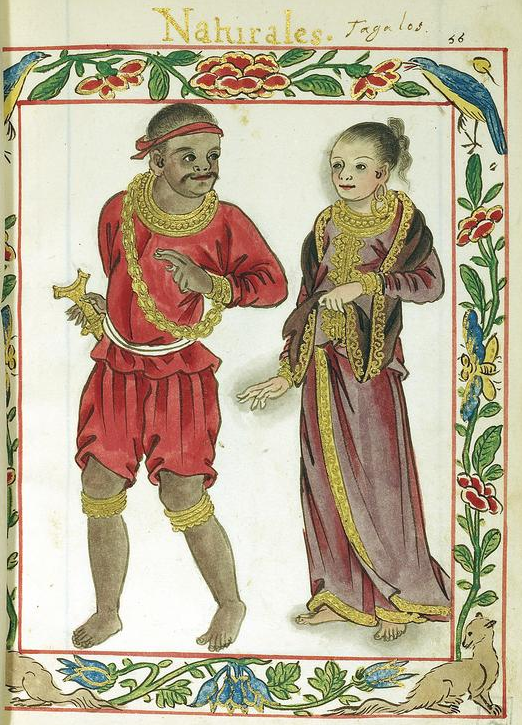
The Tagalog maginoo, the Kapampangan ginu, and the Visayan tumao were the nobility social class among various cultures of the pre-colonial Philippines. Among the Visayans, the tumao were further distinguished from the immediate royal families, the kadatuan.
The Pilipino had a three-class social structure consisting of the maginoo (royalty), the maharlika (lit. freemen; warrior nobility), and the alipin (serfs and slaves). Only those who could claim royal descent were included in the maginoo class. Their prominence depended on the fame of their ancestors (bansag) or their wealth and bravery in battle (lingas). Generally, the closer a maginoo lineage was to the royal founder (puno) of a lineage (lalad), the higher their status.
Members of the maginoo class were referred to as Ginoo. Proper names of the maginoo nobles were preceded by Gat (short for "pamagat" or "pamegat", originally meaning "lord" or "master", though it means "title" in modern Tagalog) for men and Dayang (lady) for women, denoting Lord and Lady respectively. The title Panginoon was reserved for particularly powerful maginoo who ruled over a large number of dependents and slaves, owned extensive property, and whose lineage was impeccable. Lower-status maginoo who gained prominence by newly acquired wealth were scornfully known as maygintawo (literally "person with a lot of gold"; nouveau riche). In Vocabulario de la lengua tagala (1613), the Spanish Franciscan missionary Pedro de San Buenaventura compared the maygintawo to "dark knights" who gain their status by gold and not by lineage.
The Tagalog datu were maginoo who ruled over a community (a dulohan or barangay, literally "corner" and "balangay boat" respectively) or had a large enough following. These datu either ruled over a single community (a pook) or were part of a larger settlement (a bayan, "city-state"). They constituted a council (lipon, lupon, or pulong) and answered to a sovereign ruler, referred to as the lakan (or the Sanskrit title raja, "king"). After the Spanish conquest, these datu were given the Spanish title of Don and were treated as local chiefs.
In Visayas, the Visayans utilized a three-class social structure consisting of the ulipon (commoners, serfs, and slaves, also uripon in Waray), the timawa (warrior nobility), and at the top, the tumao (nobility). The tumao consisted of blood relatives of the datu (community leader) untainted by slavery, servitude, or witchcraft. They were usually descendants of the children of a datu and secondary wives known as sandil. Various tumao supporters of the datu are collectively referred to as sandig sa datu ("beside the datu"). The tumao were also usually employed in the court of the datu in various positions (though these may sometimes be filled with timawa as well). The chief minister or privy counselor of the datu was known as the atubang sa datu (literally "facing the datu"). The steward who collected and recorded tributes and taxes and dispensed them among the household and dependents of the datu was known as the paragahin. The paragahin was also responsible for organizing public feasts and communal work. The bilanggo was the one responsible for maintaining law and order and whose own house served as the community jail (bilanggowan). Both tumao and timawa were obligated to serve as the military forces of the datu in times of war, at their own expense.
The immediate royal family of the Visayan datu were distinguished from the rest of the tumao as the kadatoan, which was both a political office and a social class. The purity of the lineage of the kadatoan was extremely important in claiming the right to rule, thus the kadatoan usually only married members of other royal families. The sons and daughters of the datu by his first wife were zealously guarded from the rest of the community. The princesses were known as binokot or binukot (literally "the veiled ones" or "the wrapped ones"), due to the fact that they were usually transported by slaves in covered palanquins. Women of the kadatoan class were powerful and revered. The first wife of the datu and the binokot could command the same number of slaves and dependents.
A datu who gained his status by marrying a princess is known as a sabali. A datu who is of pure royal lineage is known as potli or lubus nga datu, while a datu whose four grandparents are all of pure royal descent are known as kalibutan ("all around").
The datu served as leaders and judges. Their proclamations (mantala) were delivered to the general populace by an ulipon serving as the town herald (the paratawag). They received tributes, taxes, and gifts from their subjects, among them were the himuka (gifts from timawa for permission to marry), bawbaw (gifts from the winning parties in a dispute settled by the ruling of the datu), and hikun (the greater share of property being redistributed). They had control of trade through honos (fee for anchoring a ship in the community harbor), bihit (tariffs), and lopig (discounts on local purchases). They also had the power to restrict access to communal property through decrees (balwang) and their crops and animals were distributed among his subjects to care for in a practice known as takay. The datu, however, were far from being a leisured aristocracy. They were often skilled craftsmen, hunters, blacksmiths, fishermen, and warriors in their own right, and their household produced the best commodities for trade.
Hub AI
Maginoo AI simulator
(@Maginoo_simulator)
Maginoo
The Tagalog maginoo, the Kapampangan ginu, and the Visayan tumao were the nobility social class among various cultures of the pre-colonial Philippines. Among the Visayans, the tumao were further distinguished from the immediate royal families, the kadatuan.
The Pilipino had a three-class social structure consisting of the maginoo (royalty), the maharlika (lit. freemen; warrior nobility), and the alipin (serfs and slaves). Only those who could claim royal descent were included in the maginoo class. Their prominence depended on the fame of their ancestors (bansag) or their wealth and bravery in battle (lingas). Generally, the closer a maginoo lineage was to the royal founder (puno) of a lineage (lalad), the higher their status.
Members of the maginoo class were referred to as Ginoo. Proper names of the maginoo nobles were preceded by Gat (short for "pamagat" or "pamegat", originally meaning "lord" or "master", though it means "title" in modern Tagalog) for men and Dayang (lady) for women, denoting Lord and Lady respectively. The title Panginoon was reserved for particularly powerful maginoo who ruled over a large number of dependents and slaves, owned extensive property, and whose lineage was impeccable. Lower-status maginoo who gained prominence by newly acquired wealth were scornfully known as maygintawo (literally "person with a lot of gold"; nouveau riche). In Vocabulario de la lengua tagala (1613), the Spanish Franciscan missionary Pedro de San Buenaventura compared the maygintawo to "dark knights" who gain their status by gold and not by lineage.
The Tagalog datu were maginoo who ruled over a community (a dulohan or barangay, literally "corner" and "balangay boat" respectively) or had a large enough following. These datu either ruled over a single community (a pook) or were part of a larger settlement (a bayan, "city-state"). They constituted a council (lipon, lupon, or pulong) and answered to a sovereign ruler, referred to as the lakan (or the Sanskrit title raja, "king"). After the Spanish conquest, these datu were given the Spanish title of Don and were treated as local chiefs.
In Visayas, the Visayans utilized a three-class social structure consisting of the ulipon (commoners, serfs, and slaves, also uripon in Waray), the timawa (warrior nobility), and at the top, the tumao (nobility). The tumao consisted of blood relatives of the datu (community leader) untainted by slavery, servitude, or witchcraft. They were usually descendants of the children of a datu and secondary wives known as sandil. Various tumao supporters of the datu are collectively referred to as sandig sa datu ("beside the datu"). The tumao were also usually employed in the court of the datu in various positions (though these may sometimes be filled with timawa as well). The chief minister or privy counselor of the datu was known as the atubang sa datu (literally "facing the datu"). The steward who collected and recorded tributes and taxes and dispensed them among the household and dependents of the datu was known as the paragahin. The paragahin was also responsible for organizing public feasts and communal work. The bilanggo was the one responsible for maintaining law and order and whose own house served as the community jail (bilanggowan). Both tumao and timawa were obligated to serve as the military forces of the datu in times of war, at their own expense.
The immediate royal family of the Visayan datu were distinguished from the rest of the tumao as the kadatoan, which was both a political office and a social class. The purity of the lineage of the kadatoan was extremely important in claiming the right to rule, thus the kadatoan usually only married members of other royal families. The sons and daughters of the datu by his first wife were zealously guarded from the rest of the community. The princesses were known as binokot or binukot (literally "the veiled ones" or "the wrapped ones"), due to the fact that they were usually transported by slaves in covered palanquins. Women of the kadatoan class were powerful and revered. The first wife of the datu and the binokot could command the same number of slaves and dependents.
A datu who gained his status by marrying a princess is known as a sabali. A datu who is of pure royal lineage is known as potli or lubus nga datu, while a datu whose four grandparents are all of pure royal descent are known as kalibutan ("all around").
The datu served as leaders and judges. Their proclamations (mantala) were delivered to the general populace by an ulipon serving as the town herald (the paratawag). They received tributes, taxes, and gifts from their subjects, among them were the himuka (gifts from timawa for permission to marry), bawbaw (gifts from the winning parties in a dispute settled by the ruling of the datu), and hikun (the greater share of property being redistributed). They had control of trade through honos (fee for anchoring a ship in the community harbor), bihit (tariffs), and lopig (discounts on local purchases). They also had the power to restrict access to communal property through decrees (balwang) and their crops and animals were distributed among his subjects to care for in a practice known as takay. The datu, however, were far from being a leisured aristocracy. They were often skilled craftsmen, hunters, blacksmiths, fishermen, and warriors in their own right, and their household produced the best commodities for trade.
Recent media