Hubbry Logo
Mia XMia XMain
Open search
Mia X
Community hub
Mia X
logo
8 pages, 0 posts
0 subscribers
Be the first to start a discussion here.
Mia X
Mia X
from Wikipedia

Key Information

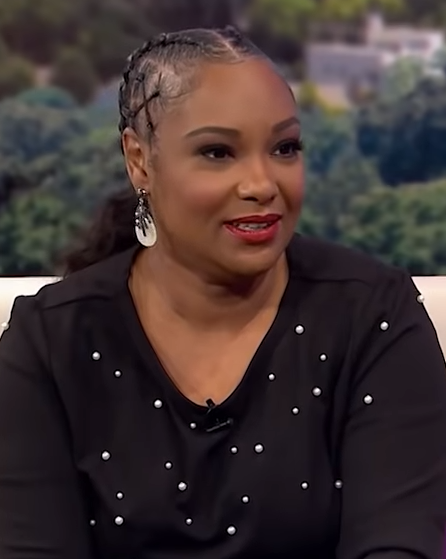
Mia Young (born January 9, 1970), better known by her stage name Mia X, is an American rapper and songwriter from New Orleans.[1] She enjoyed success in the local "bounce" scene of the early 1990s.[2] She was the first female emcee to get a contract with rapper and entertainment magnate, Master P on his successful record label No Limit Records. She is known for collaborations with several No Limit Records artists, including Master P and Silkk the Shocker on the seminal albums, Ice Cream Man, Ghetto D and Charge It 2 Da Game.[3]

Personal life

[edit]

Young grew up in the Lafitte housing project in New Orleans' Fifth Ward, New Orleans. Her father was a trucker and her mother was a counselor. She graduated from Redeemer High School and briefly attended Delgado Community College before she decided to pursue a career in music.[4]

In 2006 in a magazine article, her publicist releases a statement of an upcoming cookbook. Before her cookbook she did on online page on Instagram #teamwhipdempots. Her cookbook was finally released in 2018.[citation needed]

In the 2010s, Mia X was diagnosed with uterine cancer and beat it. In surgery for the cancer, the surgeons accidentally "tore her cornea off", and that left her with 73% vision in one eye.[5]

Music career

[edit]

Music beginnings

[edit]

Mia X's rap career began in the late '80s and early '90s before she graduated from high school, when she performed in a "mobile entertainment service" called New York Inc. with Mannie Fresh, who would later rise to stardom as the production genius behind Cash Money Records.[4] She made her recorded debut in 1992 with the single "Ask them Suckas" (an answer song created in response to "Ask them Hoes" by 39 Posse), on Lamina Records. In 1993, she released "Da Payback," a maxi-single which appeared on both the Rap Dis! and Lamina Records labels, which despite its status as "the No. 1-selling local record of 1993 at Odyssey Records" did not generate any income for the artist.[2]

In 1994, Mia X signed a contract for two albums with Roy Joseph, Jr.'s Emoja Records. The label (along with its successor, Slaughterhouse Records) released her full-length debut Mommie Dearest in 1995.[6] Joseph later filed a $10 million lawsuit against Master P and No Limit Records, asserting that the label "persuaded Mia X to break her contract." No Limit Records subsequently filed a countersuit against Joseph asking for $20 million in damages.[7]

1995: TRU, No Limit Records and Good Girl Gone Bad

[edit]

In 1995, Mia X was signed to Master P's label No Limit Records after he inquired at Peaches Records and Tapes (where she was working at the time) about promising local female rappers.[4] She joined the roster as a solo artist and also became a member of Master P's group at the time, TRU, where she experienced national success.[8] She was the first female rapper to be signed by No Limit Records.[9] On November 21, 1995, Mia X released her first album titled Good Girl Gone Bad,[9] which failed to chart on any of the Billboard charts.

1997–98: Unlady Like and Mama Drama

[edit]

In 1997, she released her first single from her upcoming second album titled "The Party Don't Stop" featuring Master P and Foxy Brown. On June 24, 1997, Mia X released her second album, Unlady Like,[9] which peaked at No. 21 on the Billboard 200 and No. 11 on the Top R&B/Hip-Hop Albums chart. The record was certified gold in October 1997.[10]

On October 27, 1998, Mia X released her third album, Mama Drama, which peaked at No. 7 on the Billboard 200 and No. 3 on the Top R&B/Hip-Hop Albums charts.

1999–present

[edit]

Beginning in 1999, Mia X went on hiatus from recording following the deaths of fourteen family members, including both her parents, in an eighteen-month span, in addition to the dissolution of the No Limit roster due to Master P pursuing non-musical interests.[11][12] In the early 2000s, she worked in real estate and as a ghostwriter for other hip-hop artists.[12]

In the aftermath of Hurricane Katrina in 2005, Mia X recorded "My FEMA People" in response to the ensuing disastrous conditions in New Orleans. [13]

Mia X appeared on C-Murder's 2008 release Screamin' 4 Vengeance, on tracks titled "Mihita" and "Posted on tha Block".[citation needed] On June 13, 2014, she released a new single titled "Mr. Right", featuring artist Ms. Tasha via her label, Mama Mia Muzic.[14] On September 1, 2015, Mia X released a new single titled "No More" featuring Caren Green.[15] She released a mixtape in 2010 titled Unladylike Forever,[12] and claimed she was working on a new album titled Betty Rocka Locksmith, but it was never released.

Discography

[edit]

Studio albums

[edit]

Extended plays

[edit]
  • Da Payback (1993)
  • Mommie Dearest (1995)

Filmography

[edit]
Films
Year Title Role Notes
1997 I'm Bout It Kasey Supporting role
1998 MP Da Last Don Nicey Supporting role
I Got the Hook Up Lola Mae Supporting role
1999 Hot Boyz Police Secretary Uncredited role
Foolish Heckler #2 Cameo
2006 Dream Home April Supporting role

References

[edit]
[edit]
Revisions and contributorsEdit on WikipediaRead on Wikipedia
from Grokipedia
Mia Young (born January 9, 1970), known professionally as Mia X, is an American rapper, songwriter, actress, author, and entrepreneur from New Orleans, . She rose to prominence in the as a key figure in Southern hip-hop, particularly through her affiliation with Master P's , where she became the label's first female signee and contributed to its commercial dominance with albums such as Unlady Like (1997) and Mama Drama (1998). Mia X's career began in New Orleans' bounce music scene before transitioning to No Limit, where she released music that sold over six million copies worldwide, establishing her as an influential voice for female rappers in a male-dominated genre. Beyond recording, she has pursued ventures in acting, culinary arts—including authoring cookbooks and hosting related media—and philanthropy, while earning recognition such as induction into Rice University's Hip Hop Archives in 2024 for her multifaceted contributions to hip-hop culture.

Early life

Childhood and family background

Mia Young, professionally known as Mia X, was born on January 9, 1970, in New Orleans, , into a working-class Creole family. Her family operated a business, exposing her from an early age to culinary traditions rooted in Southern culture. Young grew up in New Orleans' Seventh Ward, a predominantly neighborhood marked by urban poverty and street challenges, including time spent in projects such as Lafitte. These surroundings demanded , as the area's socioeconomic pressures—high rates and limited opportunities—fostered a pragmatic toughness without formal safety nets. Following the deaths of her parents, Young assumed a matriarchal role for her family, reinforcing patterns of independence established in her youth.

Education and early influences

Mia X graduated from Redeemer High School in New Orleans, having temporarily paused her musical activities in to ensure completion of her secondary education. She subsequently enrolled briefly at before opting to pursue rap full-time. At age 14, around 1984, she joined New York Incorporated, an early New Orleans hip-hop crew that included , DJ Wop, and Denny D, marking her introduction to local rap battles, DJ sets, and performance circuits. This involvement exposed her to the foundational elements of Southern hip-hop, including rudimentary production and live freestyling in club environments, fostering technical proficiency in rhyme schemes and crowd engagement. After departing the group to graduate high school, she took a five-year break from music, resuming in amid the rising bounce scene. Her early development emphasized practical immersion in New Orleans' nascent rap ecosystem, where participation in DJ crews and informal battles honed her delivery over theoretical study, contributing causally to her later command of aggressive, narrative-driven flows. Local sounds, including proto-bounce rhythms from artists like Warren Mayes—for whom she later penned tracks—reinforced these habits, prioritizing empirical stage testing over distant influences.

Music career

Early recordings and local scene (late 1980s–1994)

Mia X began her music career in the New Orleans rap scene at age 14, joining the group New York Incorporated in 1984 alongside DJ (Byron Thomas), DJ Wop, and Denny D. The group performed at local venues including school dances, the Superdome, Three P’s Skating Rink, and The Pentagon, drawing crowds of around 400 teens to $3 events, and opened for national acts such as and at Rap Attack concerts promoted by Mr. Eli's Ghost Productions. Their style drew from New Orleans influences like brass bands, , and Indian chants, contributing to the city's emerging hip-hop cadence that foreshadowed bounce music's development around 1991. After leaving New York Incorporated in 1987 to complete high school, Mia X returned to in 1992, releasing the independent EP Da Payback, which included the single “Ask Them N*ggas.” Described as a raw underground anthem and diss track, it showcased her aggressive lyrical style and gained traction in New Orleans' local scene, earning respect from rappers across through sales of tens of thousands of units among first-generation independent artists. While working at Peaches record store—a key hub for local rappers, DJs, and producers—she built foundational skills in the underground circuit, emphasizing skill-based freestyles and disses over commercial elements. By 1993–1994, Mia X had established regional recognition in the burgeoning bounce movement, performing demos and honing her craft amid New Orleans' DIY tape-trading and party-driven ecosystem, where artists like her moved product independently before label involvement. Her early efforts highlighted a focus on authentic Southern grit, setting the stage for broader exposure without relying on mainstream hype.

Breakthrough with No Limit Records (1995–2000)

In 1995, Master P signed Mia X to No Limit Records, marking her as the label's inaugural female signee and integrating her into its burgeoning roster of Southern gangsta rap artists. Her early contributions included guest features on TRU albums, such as the track "I'm Bout It, Bout It" from their 1997 release Tru 2 da Game, where she delivered verses emphasizing loyalty and street resilience alongside Master P and his brothers. These appearances helped solidify her role within the No Limit collective, often hyping the label's "soldier" ethos in group anthems like "No Limit Soldiers." Mia X's solo debut, Goodgirl Gone Bad, arrived on November 21, 1995, via No Limit/Priority Records, showcasing her raw, unfiltered lyricism over beats produced by and label affiliates. The EP-length project sold approximately 500,000 copies in the United States, establishing her as a viable commercial force amid No Limit's rapid expansion. It featured aggressive tracks critiquing industry betrayals and personal hardships, aligning with the label's formula of high-energy, narrative-driven . Her breakthrough accelerated with , released June 24, 1997, which peaked at number 21 on the and number 2 on the Top R&B/Hip-Hop Albums chart. Certified gold by the RIAA for exceeding 500,000 units sold, the album benefited from collaborations like "The Party Don't Stop" with and Foxy Brown, blending gritty storytelling with crossover appeal. Mia X's verses often subverted expectations of in hip-hop, asserting dominance in male-dominated cyphers while maintaining No Limit's tank-top-and-tattoo aesthetic. Mama Drama, her third and most successful No Limit effort, dropped October 27, 1998, debuting at number 7 on the with 99,000 copies sold in its first week. The album achieved double platinum status, moving over 2 million units in the U.S., driven by singles like "Whoo, Whoo" featuring and , which encapsulated the label's bombastic production and her commanding presence as a maternal yet figure in rap. Through these releases, Mia X not only boosted No Limit's gender diversity but also contributed to its formula of rapid album drops, family-style collaborations, and unapologetic Southern bravado, helping propel the imprint's collective sales into the tens of millions during its peak.

Independent releases and semi-retirement (2001–present)

Following the release of her 1998 album Mama Drama, Mia X entered a period of semi-retirement from music, stepping back in 1999 to prioritize family after the deaths of her mother and thirteen other relatives within an eighteen-month span. This personal tragedy prompted her to focus on raising her children, marking a voluntary hiatus rather than a response to professional setbacks at . At age 29, she effectively retired from full-time to address these familial responsibilities, reducing her output from consistent album releases to sporadic independent projects. Independent efforts remained limited, with no major studio albums emerging post-1998. In 2005, amid the aftermath of , Mia X released the single "My FEMA People" to highlight the inadequate federal response in New Orleans, reflecting her continued ties to local issues without a broader comeback. A 2010 , Unladylike Forever, offered freestyles and collaborations but did not lead to sustained activity or a follow-up full-length project like the announced Betty Rocka Locksmith, which was ultimately shelved. This pattern of intermittent output aligns with her emphasis on over industry demands, as evidenced by her rare engagements compared to the prolific phase. In recent years, Mia X has sustained visibility through guest features, engagement, and selective performances rather than new albums. A 2025 single, "Good Morning," represents her latest musical contribution, released amid ongoing involvement in events like the planned No Limit-Cash Money battle. However, disputes, such as her withdrawal from a 2025 Essence Fest appearance with over logistical and compensation issues, underscore her selective participation, prioritizing autonomy amid semi-retirement. Her reduced discography post-2000—correlating directly with family-focused choices and health challenges like a successful battle with —demonstrates a deliberate shift away from the high-pressure rap circuit, maintaining influence without full return.

Business and entrepreneurial ventures

Culinary brand and Team Whip Dem Pots

Mia X established Team Whip Dem Pots as a culinary enterprise centered on authentic New Orleans recipes and home cooking techniques, drawing from her upbringing in the city's vibrant food culture. The brand promotes self-reliant meal preparation using personal family recipes, positioning cooking as a means of cultural preservation and household stability rather than mere recreation. Key products include Mama Mia's All-Purpose Seasoning, a versatile blend for enhancing dishes without excessive salt, and Gumbo Secret, tailored for traditional Creole stews like —a staple of cuisine. These items, available through the brand's online shop, reflect practical adaptations of Southern ingredients such as , herbs, and spices to simplify flavorful results. Mia X also developed #FancyHeauxDrinks, a beverage line intended to pair with meals, extending the brand into complementary non-alcoholic options for social gatherings. The venture demonstrates business diversification beyond entertainment, with ongoing promotions via and events underscoring sustained public interest. For instance, Mia X served as the highlight chef at Eats, highlighting the brand's appeal in fostering family ties through shared cooking traditions. This entrepreneurial focus has enabled independence from fluctuating demands, leveraging her regional expertise for consistent revenue streams.

Authorship and media projects

Mia X authored the memoir-cookbook Things My Grandma Told Me, Things My Grandma Showed Me, released in August 2018, which intertwines personal reflections on her childhood, family dynamics, and life lessons from her grandmother with culinary traditions. The book draws from her New Orleans upbringing, emphasizing intergenerational and resilience, with anticipation building as early as 2012 through local media coverage. Limited-edition autographed copies have been sold via her official platform, marketed as a best-seller highlighting her multifaceted identity beyond music. In media interviews and , Mia X has promoted diversification in female hip-hop artistry, critiquing overreliance on sexually explicit themes and advocating for broader lyrical versatility encompassing family, , and personal growth. In a September 2022 Instagram post, she advised emerging female emcees to expand beyond sex-centric content, asserting that women in rap "should be versatile" to reflect fuller human experiences without diminishing others' choices. During a 2022 VIBE interview, she praised contemporaries like and while underscoring the value of multifaceted expression, positioning herself as a pioneer who balanced "sexy presence" with substance in the . Similarly, in a 2018 VIBE discussion on her album Mama Drama, she highlighted empowering Southern women rappers through themes of motherhood and independence, influencing online dialogues on genre evolution. These appearances, often on platforms like and hip-hop outlets, have resonated in fan communities, prompting debates on lyrical depth among younger artists.

Acting and filmography

Film and television roles

Mia X's acting career emerged alongside her music during the No Limit Records era, with roles that often aligned with the label's urban, street-oriented narratives and featured her as a tough, maternal figure echoing her "Mama" rap persona. Her debut screen appearance came in the 1997 film , produced by , where she played Kasey, a supporting character in the story of New Orleans hustling and family ties. The film, which grossed modestly on home video and emphasized Southern hip-hop culture, marked her entry into low-budget cinema tied to her label affiliations. In 1998, she appeared as Lola Mae in I Got the Hook Up, another Master P-led production blending comedy and crime elements, with her role supporting the film's portrayal of entrepreneurial schemes in a Black community setting. That same year, Mia X took on the part of Nicey in MP Da Last Don, a semi-autobiographical vehicle for Master P that chronicled rising from poverty to success, further cementing her presence in No Limit's cinematic output. These roles, typically supporting and leveraging her established rapper image, contributed to No Limit's cross-media branding strategy in the late 1990s. Her film work continued into 1999 with an uncredited appearance as a police secretary in Hot Boyz, a Master P-produced action film about vigilante justice, and a role in Foolish, a comedy-drama starring the rapper. By 2001, she featured in Pootie Tang, a satirical comedy, representing one of her final credited acting outings amid her shift toward independent music and semi-retirement from high-profile projects. Mia X has had no major television acting roles documented, with appearances limited to music-related events rather than scripted series or episodic work.
YearFilmRoleNotes
1997I'm Bout ItKaseySupporting; No Limit production
1998I Got the Hook UpLola MaeSupporting; Master P starring
1998MP Da Last DonNiceySupporting; semi-autobiographical
1999Hot BoyzPolice SecretaryUncredited
1999Foolish(Undisclosed)Supporting
2001Pootie Tang(Cameo)Satirical comedy

Guest appearances and collaborations

Mia X appeared in supplementary roles in several No Limit-affiliated films during the late 1990s, leveraging her rapper persona for brief on-screen contributions alongside label associates. In Hot Boyz (2000), she took an uncredited role as a police secretary, appearing in a project featuring Master P and Silkk the Shocker as leads amid street-level crime drama. Similarly, her cameo as Heckler #2 in Foolish (1999) involved a quick scene heckling performers, co-starring Master P in the comedy centered on a gambler's rise. These spots highlighted cross-promotions between her music career and No Limit's cinematic ventures, though they remained minor compared to her primary recording commitments. Transitioning to television, Mia X guest-starred in one episode of the comedy series in 2013, credited under her Mia Young, contributing to the show's ensemble of eccentric characters in a about a washed-up player's comeback. This appearance marked a rare small-screen collaboration outside hip-hop circles, aligning with her post-No Limit exploratory phase. No verified acting guest spots or collaborations surfaced in the , with her public engagements shifting toward events rather than scripted roles.

Philanthropy

Community initiatives in New Orleans

Following in 2005, Mia X co-organized the inaugural Katrina March and Second Line in 2006 alongside Sess 4-5, marking the first community-led public remembrance of the storm's devastation in New Orleans. This event established an annual tradition aimed at honoring victims and promoting recovery discussions, with Mia X continuing to participate, including a performance at the 2017 march that highlighted equitable disaster recovery efforts during a rally at Hunter's Field. In youth mentorship, Mia X has focused on hip-hop education and guidance for New Orleans students. Since fall 2019, she has served as adjunct faculty at , teaching courses on hip-hop history and to inspire local youth by demonstrating pathways from origins to professional success in the genre. She has also engaged directly with high school students, guest-hosting a for NOLA Public Schools' Voices of Future Leaders series in September 2024 at Edna Karr High School and advocating at the NOLALove Rally for integrating music talent into youth development programs. Additionally, she has mentored young girls in creative pursuits, drawing from her experiences in New Orleans' rap scene. Mia X has provided direct, practical support to New Orleans' homeless population through self-initiated drives tied to her culinary expertise. In 2021, for her 51st birthday, she donated a truckload of meats and produce to Ozanam Inn, a , with the contribution matched by Top Box Foods to extend aid to nonprofit partners. She planned a similar effort in 2020 for her 50th birthday, aiming to distribute 500 care packages containing essentials to unhoused individuals across the city. These annual birthday initiatives, often in collaboration with local groups like Heroes of New Orleans, emphasize tangible resource delivery over publicity.

Advocacy for women's roles in hip-hop

In September 2022, Mia X urged female rappers to diversify their lyrical themes beyond sexual content, stating on social media that while she respected those focusing on such topics—including her own 1992 track "Da Payback"—women emcees should strive for versatility because "we not f*cking 24/7." This advice highlighted her view that overemphasis on sex reduces artistic range, potentially hindering the demonstration of broader skills essential for credibility in hip-hop. Mia X has critiqued prevailing industry dynamics that reward hyper-sexualized narratives, such as what she has termed "prostitution rap," arguing these prioritize fleeting sensationalism over substantive lyricism and technical proficiency. In her assessment, such trends foster short-term visibility at the expense of career endurance, as they fail to reflect the multifaceted realities of life and limit opportunities to showcase versatility in storytelling, flow, and cultural insight. She posits that true longevity demands content grounded in authentic experiences, enabling artists to connect enduringly with audiences rather than relying on transient shock value. Her own trajectory provides empirical support for this approach: signing with in 1995 as its first prominent female artist, Mia X built a catalog emphasizing Southern grit, family dynamics, and resilience—evident in albums like Unlady Like (1997) and Mama Drama (1998)—without predominant reliance on sexualization, which sustained her influence across decades. This path culminated in milestones such as her 2024 induction as the first woman into University's Hip Hop Archival Collection, recognizing her pioneering substance-driven contributions to the genre.

Personal life

Family and relationships

Mia X retired from the rap industry around 2000 primarily to focus on motherhood and responsibilities, determining that raising her two children took precedence over her music career. This choice reflected a deliberate prioritization of familial stability, as she balanced the demands of with supporting needs, such as funding her sister's . Her children, including son Sean (known professionally as Jakk Jo), have occasionally intersected with her public legacy through pursuits in hip-hop, though she has emphasized shielding them from industry pressures. Public details on Mia X's romantic relationships remain limited, with no verified records of marriages or long-term partners disclosed in reputable accounts. She has portrayed as her core support system, crediting motherhood with providing grounding amid professional highs, and has avoided integrating personal partnerships into her narrative to maintain . This approach underscores her empirical focus on child-rearing as a stabilizing force, distinct from career glorification.

Health struggles and recovery

In the early 2010s, following her retirement from music in the late 1990s to prioritize family, Mia X was diagnosed with uterine cancer, a condition that disproportionately affects with higher mortality rates compared to other demographics. She underwent to address the cancer, during which complications arose, including an accidental corneal tear that resulted in lasting vision impairment. Despite these setbacks, she achieved remission, marking five years cancer-free by March 2021 through a combination of medical intervention and personal determination to confront the disease directly. Mia X publicly disclosed her diagnosis in September 2016 via social media, providing detailed updates on her treatment process, including chemotherapy and surgical outcomes, to highlight the aggressive nature of uterine cancer—characterized by rapid progression if untreated—and its under-discussed impact on women of color. Her disclosures emphasized verifiable medical realities, such as the disease's prevalence and survival challenges, without relying on external narratives, and she continued sharing progress reports into 2020 to underscore her independent navigation of recovery. Post-remission, she has managed ongoing health effects from the surgery and treatments, maintaining transparency about vision loss and physical limitations as part of her factual recounting of the experience.

Controversies

Lyrical content and cultural criticisms

Mia X's lyrics characteristically intertwine female empowerment with vivid portrayals of street life and maternal resilience, positioning her as a formidable figure within ' gangsta rap framework. Tracks often feature her adopting personas like the "," reclaiming slurs to emphasize and toughness amid urban hardships, as seen in albums such as (1997), where she asserts dominance over rivals and protects family legacies. This maternal toughness manifests in references to safeguarding children from violence and poverty, drawing from her New Orleans roots to blend realism with calls for women's agency in hip-hop. Critics of her style have highlighted its alignment with No Limit's repetitive formula, which emphasized militaristic bravado, gunplay, and hustling over intricate , arguing it glorifies violence as a path to respect and success. Some contend this reinforces harmful stereotypes of as perpetually combative or materialistic "gangsta bitches," echoing broader scholarly concerns about perpetuating racial and gender biases through content that normalizes aggression. Detractors, including cultural analysts, view such themes as prioritizing and commercial appeal, potentially desensitizing listeners to real-world violence in impoverished communities. Proponents defend Mia X's approach as grounded in causal realism from Southern black experiences, offering women an unfiltered counter-narrative to male-centric rap without defaulting to hyper-sexualization, thus pioneering versatile female representation. Her reclamation of aggressive motifs is seen as subversive , flipping patriarchal scripts to foster resilience rather than victimhood, as evidenced by her public urging of female emcees to explore diverse topics beyond sexuality. Commercial metrics bolster this view, with over six million records sold worldwide and gold certification for , indicating strong empirical reception that challenges dismissals of her work as mere formula.

2025 dispute with Master P and Essence Fest

In late June 2025, Mia X announced via that she would not perform as a featured during 's set at the Essence Festival of Culture, scheduled for July 6 in New Orleans and billed by as his final live music performance. She cited a lack of formal , insufficient compensation relative to her contributions to , and inadequate communication from event organizers and 's team regarding rehearsal logistics and promotion. Mia X further accused Fest organizers of unauthorized use of her name in promotional materials and of her involvement, which she described as disrespectful handling of her professional commitments. Master P responded publicly on Facebook on June 30, 2025, framing the situation as a misunderstanding and emphasizing the celebratory nature of the event, stating that Mia X could "get whatever she wants" and was not obligated to perform. He later issued statements via social media and representatives defending his legacy, attributing the fallout to miscommunication rather than intentional neglect, and drawing a biblical analogy to "disciples" betraying a leader amid his farewell. In a July 2 post, he alluded to feeling unappreciated, highlighting broader themes of loyalty challenges in long-term artist relationships. The exchange unfolded primarily through Instagram and Facebook posts, escalating public scrutiny on operational lapses in event coordination for high-profile reunions. It underscored tensions between business expectations—such as contracted payments and clear timelines—and informal appeals to past affiliations among former No Limit collaborators, revealing how event promoters' promotional decisions can exacerbate disputes without contractual safeguards. The incident prompted discussions in hip-hop media about the reliability of loyalty in commercial settings versus the practical demands of contemporary .

Legacy and impact

Pioneering role in Southern hip-hop

Mia X became the first female rapper signed to No Limit Records, a pivotal Southern label established by in New Orleans, in 1995, marking a breakthrough for women in the male-dominated genre of originating from the region. This signing enabled her to release on November 21, 1995, introducing a commanding female perspective amid No Limit's roster of predominantly male artists focused on street narratives and regional pride. Her presence helped legitimize Southern hip-hop's viability for female emcees, countering the East Coast and West Coast dominance by providing a template for authentic, unapologetic Southern female tied to local experiences. No Limit's mid-to-late commercial surge, characterized by over 20 million albums sold collectively and multiple platinum certifications, owed partial causal impact to Mia X's contributions, as her releases expanded the label's appeal beyond male-centric narratives. Her 1997 album reached number 21 on the and earned gold certification from the RIAA, reflecting strong market penetration in Southern and national charts during a period when No Limit shifted distribution to for broader reach. Peers and contemporaries noted her charisma and mic presence as instrumental in elevating No Limit's tank-style branding, with her raw delivery on tracks like those featuring collaborations with labelmates and reinforcing the collective's dominance in regional expansion from New Orleans to nationwide audiences. By anchoring female representation in No Limit's output, Mia X's trajectory affirmed the causal pathway for subsequent Southern female rappers, as her certifications and consistent features on compilation albums like Ice Cream Man (1996) demonstrated viable commercial pathways in a previously sidelined nationally. This barrier-breaking role facilitated No Limit's role in popularizing bounce-influenced Southern sounds, with her work contributing to the label's string of gold and platinum releases that outsold many contemporaries by emphasizing volume production and grassroots promotion.

Reception, achievements, and critiques

Mia X's albums with achieved significant commercial success, with Unlady Like (1997) earning platinum certification as the first by a Southern rapper, and Mama Drama (1999) reaching double status with over 2.8 million copies sold in the United States. Overall, her recordings contributed to sales exceeding six million units worldwide during her peak tenure with the label. Her pioneering status earned recognition as the "Mother of Southern Hip-Hop," with induction into Rice University's Hip-Hop Archives in 2024 for trailblazing female representation in the genre. Mia X influenced subsequent Southern female rappers by demonstrating viability for women in a male-dominated regional scene, emphasizing lyrical skill over novelty and paving the way for artists to blend street narratives with entrepreneurial independence. Critiques of Mia X's work often center on the formulaic constraints of No Limit's production style, characterized by repetitive beats and rapid artist turnover that prioritized volume over , potentially limiting deeper artistic exploration even for standout talents like hers. In contrast, her public stance against over-reliance on sex-centric themes in female rap—urging versatility in subject matter—has been viewed as prescient, countering trends that reduce women's contributions to commodified sensuality and promoting sustainable career through substantive content. Her decision to retire from full-time music at age 29 to prioritize family responsibilities, amid personal health challenges including recovery, exemplifies a pragmatic approach that preserved her well-being over fleeting fame, contributing to a legacy of balanced realism in an industry prone to burnout. This self-imposed hiatus allowed diversification into and culinary ventures, underscoring critiques of hip-hop's exploitative demands while affirming her enduring influence beyond sales metrics.

Discography

Studio albums

, Mia X's debut studio album, was released in 1995 through . The project did not achieve notable commercial chart performance but established her presence within the label's roster. Her follow-up, , arrived on June 24, 1997, via No Limit and . It reached number 21 on the and number 2 on the Top R&B/Hip-Hop Albums chart, eventually earning gold certification from the RIAA for 500,000 units sold. Key singles included "The Party Don't Stop," which charted on the Hot R&B/Hip-Hop survey. Mama Drama, released October 27, 1998, also on No Limit and Priority, peaked at number 7 on the and number 3 on the Top R&B/Hip-Hop Albums chart. The album featured tracks like "Whatcha Wanna Do" but lacked formal despite strong initial sales.

Compilation and guest appearances

Mia X contributed vocals to multiple compilation albums during the label's peak in the late 1990s, often alongside fellow artists like Fiend, , and Ghetto Commission. On the 1998 compilation No Limit Soldiers Compilation (We Can't Be Stopped), she performed "," a track emphasizing female empowerment within the Southern rap context. These compilations served to promote the label's roster collectively, with Mia X's appearances reinforcing her role as a foundational female voice in No Limit's ensemble sound. Her guest features frequently appeared on TRU projects, the group comprising and his brothers including . Notable contributions include "No Limit Soldiers" from TRU's 1997 album Tru 2 da Bone, where she joined the chorus affirming label loyalty, and "Fuck Them Hoes" from the same era, featuring and . On 's The Shocker (1996), she guested on "No Limit Party" with , delivering verses that highlighted party anthems infused with No Limit bravado. Additional appearances spanned Master P's solo and collaborative works, such as "Mr. Ice Cream Man" from Mr. Ice Cream Man (1996), featuring and , and "No Limit Soldiers II" on later No Limit collections involving , Fiend, and others. Post-2000, her guest spots became less frequent amid label shifts, with sporadic contributions noted in No Limit-affiliated tracks but no major compilations dominating her output. Unreleased material, including potential tracks from shelved projects like Sista Stories, surfaced in discussions but lacked official distribution.

References

Add your contribution
Related Hubs
User Avatar
No comments yet.