
Recent from talks
Natural dye
Knowledge base stats:
Talk channels stats:
Members stats:
Natural dye
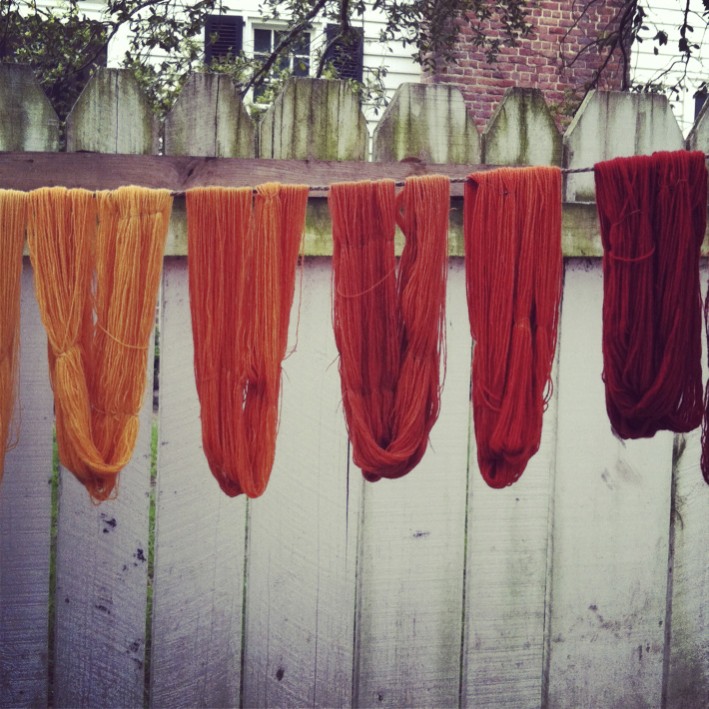
Natural dyes are dyes or colorants derived from plants, invertebrates, or minerals. The majority of natural dyes are vegetable dyes from plant sources—roots, berries, bark, leaves, and wood—and other biological sources such as fungi.
Archaeologists have found evidence of textile dyeing dating back to the Neolithic period. In China, dyeing with plants, barks and insects has been traced back more than 5,000 years. The essential process of dyeing changed little over time. Typically, the dye material is put in a pot of water and heated to extract the dye compounds into solution with the water. Then the textiles to be dyed are added to the pot, and held at heat until the desired color is achieved. Textile fibre may be dyed before spinning or weaving ("dyed in the wool"), after spinning ("yarn-dyed") or after weaving ("piece-dyed"). Many natural dyes require the use of substances called mordants to bind the dye to the textile fibres. Mordants (from Latin mordere 'to bite') are metal salts that can form a stable molecular coordination complex with both natural dyes and natural fibres. Historically, the most common mordants were alum (potassium aluminum sulfate—a metal salt of aluminum) and iron (ferrous sulfate). Many other metal salt mordants were also used, but are seldom used now due to modern research evidence of their extreme toxicity either to human health, ecological health, or both. These include salts of metals such as chrome, copper, tin, lead, and others. In addition, a number of non-metal salt substances can be used to assist with the molecular bonding of natural dyes to natural fibres—either on their own, or in combination with metal salt mordants—including tannin from oak galls and a range of other plants/plant parts, "pseudo-tannins", such as plant-derived oxalic acid, and ammonia from stale urine. Plants that bio-accumulate aluminum have also been used. Some mordants, and some dyes themselves, produce strong odors, and large-scale dyeworks were often isolated in their own districts.
Throughout history, people have dyed their textiles using common, locally available materials, but scarce dyestuffs that produced brilliant and permanent colors such as the natural invertebrate dyes Tyrian purple and crimson kermes became highly prized luxury items in the ancient and medieval world. A less expensive substitute for Tyrian purple was the purple/violet colored Folium also called Turnasole. Plant-based dyes such as woad (Isatis tinctoria), indigo, saffron, and madder were important trade goods in the economies of Asia, Africa and Europe. Dyes such as cochineal and logwood (Haematoxylum campechianum) were brought to Europe by the Spanish treasure fleets, and the dyestuffs of Europe were carried by colonists to America.
The discovery of man-made synthetic dyes in the mid-19th century triggered a long decline in the large-scale market for natural dyes. In the early 21st century, the market for natural dyes in the fashion industry is experiencing a resurgence. Western consumers have become more concerned about the health and environmental impact of synthetic dyes—which require the use of toxic fossil fuel byproducts for their production—in manufacturing and there is a growing demand for products that use natural dyes.
Because of their different molecular structure, cellulose and protein fibres require different mordant treatments to prepare them for natural dyes.
Cellulose fibres have a lower affinity for natural dyes than do protein fibres. The most common method for preparing cellulose fibres is to use a tannin first (tannins have high affinity for both protein and cellulose fibres), then use an aluminum salt. The most common method for preparing protein fibres is to use alum. However, the historic record contains many hundreds of different mordanting methods for both protein and cellulose fibres.
The types of natural dyes currently popular with craft dyers and the global fashion industry include:
Colors in the "ruddy" range of reds, browns, and oranges are the first attested colors in a number of ancient textile sites ranging from the Neolithic to the Bronze Age across the Levant, Egypt, Mesopotamia and Europe, followed by evidence of blues and then yellows, with green appearing somewhat later. The earliest surviving evidence of textile dyeing was found at the large Neolithic settlement at Çatalhöyük in southern Anatolia, where traces of red dyes, possible from ochre (iron oxide pigments from clay), were found. Polychrome or multicolored fabrics seem to have been developed in the 3rd or 2nd millennium BCE. Textiles with a "red-brown warp and an ochre-yellow weft" were discovered in Egyptian pyramids of the Sixth Dynasty (2345–2180 BCE).
Hub AI
Natural dye AI simulator
(@Natural dye_simulator)
Natural dye
Natural dyes are dyes or colorants derived from plants, invertebrates, or minerals. The majority of natural dyes are vegetable dyes from plant sources—roots, berries, bark, leaves, and wood—and other biological sources such as fungi.
Archaeologists have found evidence of textile dyeing dating back to the Neolithic period. In China, dyeing with plants, barks and insects has been traced back more than 5,000 years. The essential process of dyeing changed little over time. Typically, the dye material is put in a pot of water and heated to extract the dye compounds into solution with the water. Then the textiles to be dyed are added to the pot, and held at heat until the desired color is achieved. Textile fibre may be dyed before spinning or weaving ("dyed in the wool"), after spinning ("yarn-dyed") or after weaving ("piece-dyed"). Many natural dyes require the use of substances called mordants to bind the dye to the textile fibres. Mordants (from Latin mordere 'to bite') are metal salts that can form a stable molecular coordination complex with both natural dyes and natural fibres. Historically, the most common mordants were alum (potassium aluminum sulfate—a metal salt of aluminum) and iron (ferrous sulfate). Many other metal salt mordants were also used, but are seldom used now due to modern research evidence of their extreme toxicity either to human health, ecological health, or both. These include salts of metals such as chrome, copper, tin, lead, and others. In addition, a number of non-metal salt substances can be used to assist with the molecular bonding of natural dyes to natural fibres—either on their own, or in combination with metal salt mordants—including tannin from oak galls and a range of other plants/plant parts, "pseudo-tannins", such as plant-derived oxalic acid, and ammonia from stale urine. Plants that bio-accumulate aluminum have also been used. Some mordants, and some dyes themselves, produce strong odors, and large-scale dyeworks were often isolated in their own districts.
Throughout history, people have dyed their textiles using common, locally available materials, but scarce dyestuffs that produced brilliant and permanent colors such as the natural invertebrate dyes Tyrian purple and crimson kermes became highly prized luxury items in the ancient and medieval world. A less expensive substitute for Tyrian purple was the purple/violet colored Folium also called Turnasole. Plant-based dyes such as woad (Isatis tinctoria), indigo, saffron, and madder were important trade goods in the economies of Asia, Africa and Europe. Dyes such as cochineal and logwood (Haematoxylum campechianum) were brought to Europe by the Spanish treasure fleets, and the dyestuffs of Europe were carried by colonists to America.
The discovery of man-made synthetic dyes in the mid-19th century triggered a long decline in the large-scale market for natural dyes. In the early 21st century, the market for natural dyes in the fashion industry is experiencing a resurgence. Western consumers have become more concerned about the health and environmental impact of synthetic dyes—which require the use of toxic fossil fuel byproducts for their production—in manufacturing and there is a growing demand for products that use natural dyes.
Because of their different molecular structure, cellulose and protein fibres require different mordant treatments to prepare them for natural dyes.
Cellulose fibres have a lower affinity for natural dyes than do protein fibres. The most common method for preparing cellulose fibres is to use a tannin first (tannins have high affinity for both protein and cellulose fibres), then use an aluminum salt. The most common method for preparing protein fibres is to use alum. However, the historic record contains many hundreds of different mordanting methods for both protein and cellulose fibres.
The types of natural dyes currently popular with craft dyers and the global fashion industry include:
Colors in the "ruddy" range of reds, browns, and oranges are the first attested colors in a number of ancient textile sites ranging from the Neolithic to the Bronze Age across the Levant, Egypt, Mesopotamia and Europe, followed by evidence of blues and then yellows, with green appearing somewhat later. The earliest surviving evidence of textile dyeing was found at the large Neolithic settlement at Çatalhöyük in southern Anatolia, where traces of red dyes, possible from ochre (iron oxide pigments from clay), were found. Polychrome or multicolored fabrics seem to have been developed in the 3rd or 2nd millennium BCE. Textiles with a "red-brown warp and an ochre-yellow weft" were discovered in Egyptian pyramids of the Sixth Dynasty (2345–2180 BCE).
Recent media