



Community hub
Neonatal nursing
View on Wikipedia | This article has multiple issues. Please help improve it or discuss these issues on the talk page. (Learn how and when to remove these messages)
|


Neonatal nursing is a sub-specialty of nursing care for newborn infants up to 28 days after birth. The term neonatal comes from neo, "new", and natal, "pertaining to birth or origin". Neonatal nursing requires a high degree of skill, dedication and emotional strength as they care for newborn infants with a range of problems. These problems vary between prematurity, birth defects, infection, cardiac malformations and surgical issues. Neonatal nurses are a vital part of the neonatal care team and are required to know basic newborn resuscitation, be able to control the newborn's temperature and know how to initiate cardiopulmonary and pulse oximetry monitoring.[1] Most neonatal nurses care for infants from the time of birth until they are discharged from the hospital.
Levels of the neonatal nursery
[edit]There are four different levels of nurseries where a neonatal nurse might work.[2] The updated classification of neonatal levels by the American Academy of Pediatrics (AAP) includes a Level IV.
- Level I consists of caring for healthy newborns. Level I nurses are now uncommon in the United States. Healthy babies typically share a room with their mother, and both patients are usually discharged from the hospital quickly.[3]
- Level II provides intermediate or special care for premature or ill newborns. At this level, infants may need special therapy provided by nursing staff, or may simply need more time before being discharged.
- Level III, the Neonatal intensive-care unit (NICU), treats newborns who cannot be treated in the other levels and are in need of high technology to survive, such as breathing and feeding tubes. Nurses comprise over 90 percent of the NICU staff.[4]
- Level IV includes all the skills of the level III but involves the extensive care the most critically and complex newborns. This facility will have 24-hour resident neonatologists and surgeons. They are involved with intricate surgical repairs like congenital cardiac issues and acquired malformations.[5]
Safety precautions and careful measures
[edit]Over many years, research and evidence-based practice regimes have been incorporated into everyday nursing protocols to eliminate human error. Due to neonatal nurses' long shifts and busy schedules, nurse tiredness is the number one reason leading to a lack of attention, causing human errors. To prevent this from continuously happening, safety checks and measures are put into place so nurses can provide the most optimal care. Some of these practices include extensive interviews to confirm that those being hired are qualified and willing to continue to learn throughout their careers so they can be the best nurses possible. Strong communication skills are key in any nursing practice; notifying your team members of changes in your patients' status will save their lives. One nurse cannot be at the hospital at all times, so every healthcare member must use teamwork and collaboration to keep each other up to date and to keep their patients alive. Some other key measures include following old protocols and adapting to and utilizing new protocols, checking labels frequently and multiple times before administering a drug, the need for a high attention span, and completing rounds regularly every shift. These are just a few of the safety measures that neonatal nurses must follow to provide the best care.[6]
Changes in neonatal care
[edit] |
Neonatal care became a specialty in the United States in 1960 and in that same year, the first NICU was established in the United States. There have been some major changes in Neonatal Care over the past 120 years. Some of these changes include the invention of the incubator, changes in respiratory care and the development of surfactants.
The incubator
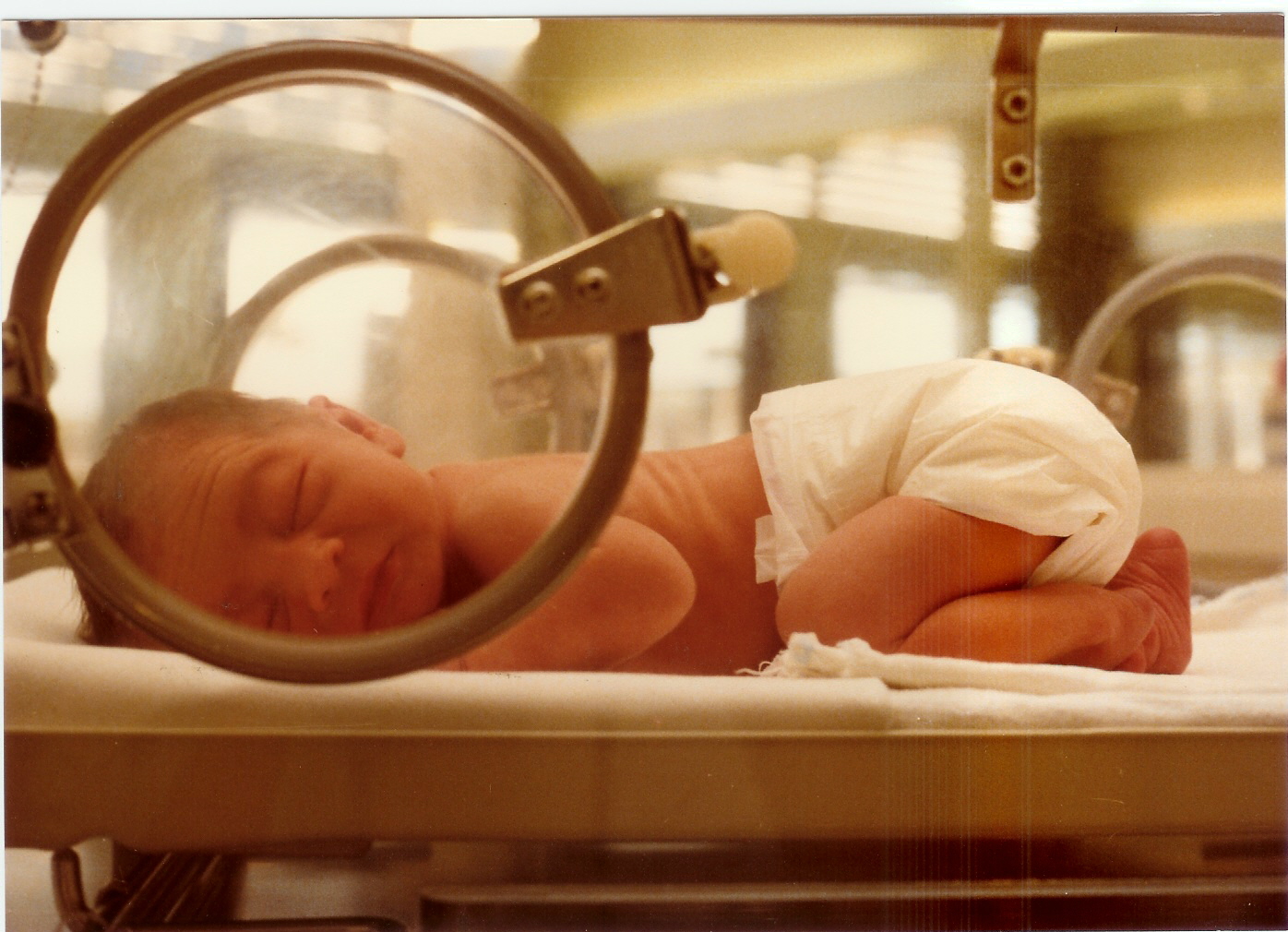
[edit]An incubator is a plastic dome-shaped machine designed as a crib that regulates a newborn infant's body temperature. The incubator is designed to allow the temperature to be adjusted according to the state of the baby's current body heat. A range of five types of incubators all serve different purposes in the neonatal intensive care unit. The closed-box incubator is used to prevent infection that could be contracted the outside of the box; it filtrates the air and keeps the moisture fresh. The double-walled incubator keeps heat inside the box. Servo-controlled incubators are controlled by skin detectors which are designed to recognize the loss or gain of body heat and make adjustments to maintain the correct temperature. The open box incubator produces heat from beneath the baby to keep it warm. Portable incubators transport the newborn to and from different parts of the hospital.[1] In 1880, Dr. Tarnier was convinced that the maintenance of internal temperature was key to the premature infant's survival. This led him to introduce the first human incubator. Inspired by chicken eggs hatching in an incubator, he asked a zoo keeper to design a similar incubator for premature infants. Dr. Delee expanded the use and function of the incubator by incorporating an oxygen chamber and an electric controlled thermostat which allowed the incubator to be transported in ambulances.[7]

Respiratory care
[edit]Administration of oxygen assists and generates oxygen intake for neonates. Oxygen administration began with a metal forked device in the nostrils, and it is now administered through thin plastic tubes in the nostrils, also known as nasal cannula. The first ventilation of an infant was in 1961 in a positive pressure situation, and mechanical ventilation was improved in 1971. Mechanical ventilation is the process in which a machine, attached to the patient, regulates breathing by pumping air in and out of the lungs. Another type of breathing mechanism used is the continuous positive airway pressure (CPAP) mask which attaches to the face to help with breathing. These masks were first used in 1973 as an alternate less invasive form of support.[1]

Surfactants
[edit]A surfactant allows a substance to get "wet" to help another substance dissolve. In 1910, the first study of the use of surfactants on infants took place in Japan. Surfactant therapy since has improved the infant mortality rate by 50%. Surfactants combined with the least invasive respiratory therapy (bubble CPAP or nasal CPAP) has greatly improved the infant mortality rate in the US.[citation needed]
Family involvement (United States)
[edit]In the later 70s, family involvement in treatment became a major addition to patient treatment plans. This decade allowed for upgrades in visiting hours. Hours were expanded and siblings and fathers were encouraged to assist the mother in physical treatment. Many studies showed that with the higher frequency of family interaction such as bottle feeding, skin-to-skin contact, and overall baby holding, and support allowed for patients to have overall major health improvements which eventually lead to a decreasing need for ventilators and quicker discharge rates.[8]
Qualifications and requirements
[edit]United States
[edit]Healthcare institutions have varying entry-level requirements for neonatal nurses. Neonatal nurses are Registered Nurses (RNs), and therefore must have an Associate of Science in Nursing (ASN) or Bachelor of Science in Nursing (BSN) degree. Some countries or institutions may also require a midwifery qualification.[9] Some institutions may accept newly graduated RNs who have passed the NCLEX exam; others may require additional experience working in adult-health or medical/surgical nursing.[2]
Some countries offer postgraduate degrees in neonatal nursing, such as the Master of Science in Nursing (MSN) and various doctorates. A nurse practitioner may be required to hold a postgraduate degree.[9] The National Association of Neonatal Nurses recommends two years' experience working in a NICU before taking graduate classes.[2]
As with any registered nurse, local licensing or certifying bodies as well as employers may set requirements for continuing education.[2]
There are no mandated requirements to becoming an RN in a NICU, although neonatal nurses must complete the Neonatal Resuscitation Program. Some units prefer new graduates who do not have experience in other units, so they may be trained in the specialty exclusively, while others prefer nurses with more experience.
Intensive care nurses receive intensive didactic and clinical orientation, in addition to their general nursing knowledge, to provide highly specialized care for critical patients. Their competencies include the administration of high-risk medications, management of high-acuity patients requiring ventilator support, surgical care, resuscitation, advanced interventions such as extracorporeal membrane oxygenation or hypothermia therapy for neonatal encephalopathy procedures, as well as chronic-care management or lower acuity cares associated with premature infants such as feeding intolerance, phototherapy, or administering antibiotics. NICU RNs undergo annual skills tests and are subject to additional training to maintain contemporary practice.
Europe
[edit]The first step to qualify is to complete a nursing degree. To gain entry into a nursing degree, it is required to have at least GCSE (A-C) in English, Mathematics and a science-based subject, and two to three A-levels with one being in a biological science.[10]
United Kingdom
[edit]Neonatal nurses must complete a 3-year degree program in nursing or midwifery and be either a RN(adult), RN(child) or a RM. Once a registered practitioner, they can work in special care and some high dependency areas. It is a requirement to complete a recognized neonatal intensive care course to become qualified in specialty (QIS) to care for intensive care babies and to supervise other nurses.
Australia
[edit]In Australia, a neonatal nurse first needs to be a Registered Nurse (RN) or Midwife.
Two years of nursing experience are needed, as is practical experience and employment in the neonatal unit before being eligible to undertake postgraduate studies in neonatal nursing. This usually requires undertaking a Graduate Diploma Degree in Clinical Nursing.[11]
Neonatal nursing across the globe and mortality rates
[edit]
Though different countries require different qualifications and have different resources, the end goal is the same. To decrease neonatal mortality rates and to provide beneficial and life-saving care. Studies are constantly being done around the globe comparing and trying to understand neonatal mortality rates in different regions. Due to more recent funding to provide life-saving methods and more time and money for data analysis, the global neonatal mortality rate has decreased by nearly 51 percent between the years of 1990 and 2017. Efforts made by researchers and neonatal nurses around the globe are continuing daily to decrease mortality rates every year.
Academy of Neonatal Nursing
[edit]The Academy of Neonatal Nursing was founded in 2001 and serves as a professional organization for neonatal nurses. Nurses who belong to the organization have the ability to locate continued education, apply for scholarships and awards, and receive other benefits. They can also receive the academy's healthcare journal, Neonatal Network.
Apgar scoring
[edit]All nurses working in a birthing center have an important role in assessing the newborn immediately after birth. The assessment of the neonate's appearance (color), pulse (heart rate), grimace (in response to unpleasant stimuli such as bulb suctioning the pharynx), activity (muscle tone and/or movement), and respiratory effort via the Apgar scoring system is essential to guide the baby's care (see Understanding the Apgar scoring system). The nurse is often directly responsible for assigning the Apgar scores at 1 and 5 minutes of life. Each of the five assessment areas is given a score of 0, 1, or 2. The maximum score possible is 10. Scores of 7 or above are considered normal for full-term newborns. If the total score is below 7, or any area is scored 0 at 5 minutes of life, resuscitation efforts and scoring should continue every 5 minutes until 20 minutes of life. At 10 minutes neonates with an Apgar score of 3 or lower are at risk of having neurological dysfunctions and cerebral palsy in the future although there is no guarantee. Despite how every individual's case varies; as time goes by with the score not improving the risk becomes higher. However, there are numerous other factors to take into consideration when determining future complications, an Apgar score cannot do it alone.[12]
Beyond assessing the five components that make up the Apgar score, it's essential to understand its meaning. The Apgar score assigned at 1 minute of life reflects how the fetus tolerated the in utero environment and/or the labor and delivery process. All subsequent Apgar scores reflect the newborn's response to interventions during the transition from intrauterine to extra-uterine life. There are, however, multiple different factors that can impact the Apgar score which include anesthesia, gestational age and initial lower oxygen.[12] These nursing interventions include keeping the baby warm, stimulating the baby to breathe, giving breaths to the baby who isn't breathing well, and performing chest compression if needed.[1]
References
[edit]- ^ a b c d Pieron, Petri (2012). "Nursing made incredibly easy!". Neonatal Nursing Care 101. 10 (5): 30–36. doi:10.1097/01.NME.0000418034.61512.67.
- ^ a b c d "Neonatal Nurse". Nurses for a Healthier Tomorrow. Retrieved October 26, 2010.
- ^ Selga, Anna May A. "Hospital Length of Stay and Readmission Rates for Normal Deliveries: a controlled evaluation". Ilocos Training and Regional Medical Center. Manila: Department of Health, Republic of the Philippines. Archived from the original on April 23, 2007. Retrieved October 26, 2010.
- ^ Whitfield, Jonathan M.; Peters, Beverly A.; Shoemaker, Craig (July 2004). "Conference summary: a celebration of a century of neonatal care". Proceedings. 17 (3): 255–258. doi:10.1080/08998280.2004.11927977. PMC 1200660. PMID 16200108.
- ^ Barfield, Wanda Denise; Papile, Lu-Ann; Baley, Jill E.; Benitz, William; Cummings, James; Carlo, Waldemar A.; Kumar, Praveen; Polin, Richard A.; Tan, Rosemarie C.; Wang, Kasper S.; Watterberg, Kristi L. (2012). "Levels of Neonatal Care". Committee on Fetus and Newborn. 130 (3). American Academy of Pediatrics: 587–597. doi:10.1542/peds.2012-1999. Retrieved June 5, 2013.
- ^ Duarte, Sabrina da Costa Machado; Azevedo, Sílvia Schoenau de; Muinck, Gabrielle da Costa de; Costa, Tainara Ferreira da; Cardoso, Maria Manuela Vila Nova; Moraes, Juliana Rezende Montenegro Medeiros de (2020-03-30). "Best Safety Practices in nursing care in Neonatal Intensive Therapy". Revista Brasileira de Enfermagem. 73 (2): e20180482. doi:10.1590/0034-7167-2018-0482. ISSN 0034-7167. PMID 32236366.
- ^ "What Are the Functions of an Infant Incubator?". livestrong.com. Retrieved 2019-04-15.
- ^ "A Brief History of Advances in Neonatal Care". NEONATAL INTENSIVE CARE AWARENESS MONTH. Retrieved 2022-04-04.
- ^ a b "Frequently Asked Questions". Global Unity for Neonatal Nurses. Boston: Council of International Neonatal Nurses. 2009. Archived from the original on August 26, 2010. Retrieved October 26, 2010.
- ^ "Neonatal Nurse". Plotr. Retrieved 16 May 2016.
- ^ "Neonatal Nursing". ACNN.
- ^ a b "The Apgar Score - ACOG". www.acog.org. Retrieved 2020-03-13.
External links
[edit]


- ^ Kenner, Carole (December 2015). "Neonatal Nursing: A Global Affair". Newborn and Infant Nursing Reviews. 15 (4): 150. doi:10.1053/j.nainr.2015.09.005. ISSN 1527-3369. PMC 7129868. PMID 32288655.
- ^ Hug, Lucia; Alexander, Monica; You, Danzhen; Alkema, Leontine (2019-06-01). "National, regional, and global levels and trends in neonatal mortality between 1990 and 2017, with scenario-based projections to 2030: a systematic analysis". The Lancet Global Health. 7 (6): e710 – e720. doi:10.1016/S2214-109X(19)30163-9. ISSN 2214-109X. PMC 6527519. PMID 31097275.
Neonatal nursing
View on GrokipediaOverview and Scope
Definition and Role
Neonatal nursing is a subspecialty of nursing that focuses on the care of newborn infants during the neonatal period (the first 28 days of life), with particular emphasis on those who are premature, low birth weight, or critically ill due to conditions such as birth defects, infections, or surgical needs, though care often extends through hospital discharge and up to two years for high-risk infants.[1][3] This field addresses the unique developmental and physiological needs of neonates, who often require intensive interventions to support organ maturation and survival.[6] The core roles of neonatal nurses include continuous monitoring of vital signs, such as heart rate, respiratory effort, and oxygen saturation, to detect early signs of distress; administering medications and therapies tailored to fragile neonatal physiology; and providing nutritional support through methods like intravenous feeding, gavage, or breastfeeding assistance.[7][3] They also coordinate multidisciplinary care, collaborating with physicians, respiratory therapists, and social workers to develop individualized care plans, while offering emotional support and education to families during high-stress periods.[1] These responsibilities are typically performed in specialized settings, such as Level II or III neonatal intensive care units (NICUs).[7] Neonatal nursing differs from general pediatric nursing by concentrating exclusively on the first month of life, where infants face heightened physiological vulnerabilities, including immature immune systems, limited thermoregulation, and rapid metabolic changes that demand specialized skills like ventilator management and infection prevention.[3][6] In contrast, pediatric nurses care for children across a broader age spectrum, from infancy through adolescence, addressing developmental stages beyond the neonatal period.[7]Importance in Neonatal Healthcare
Neonatal nursing has played a pivotal role in the substantial decline of infant mortality rates in the United States over recent decades. According to data from the Centers for Disease Control and Prevention (CDC), the U.S. infant mortality rate decreased from 9.2 deaths per 1,000 live births in 1990 to 5.4 deaths per 1,000 live births in 2020.[8][9] Provisional data indicate a slight increase to 5.61 deaths per 1,000 live births in 2023, underscoring the ongoing need for specialized care advancements.[10] Studies indicate that higher nurse staffing levels and targeted nursing interventions, such as those in neonatal intensive care units (NICUs), are associated with reduced neonatal and perinatal mortality, with systematic reviews showing that adequate nurse-to-patient ratios can lower these rates by enhancing monitoring and timely interventions.[11] Furthermore, greater density of neonatal nurses and midwives has been linked to protective effects against infant mortality, particularly in high-risk environments, contributing to the observed improvements since the 1990s.[12] Beyond mortality reduction, neonatal nurses are essential in preventing common complications that threaten newborn health, including infections and developmental delays. Through practices like rigorous hand hygiene, barrier nursing, and early detection protocols, neonatal nurses significantly mitigate the risk of neonatal sepsis, a leading cause of morbidity in vulnerable infants.[13] Their ongoing vigilance and implementation of evidence-based bundles, such as respiratory care protocols, further reduce infection rates and support neurodevelopmental outcomes by minimizing disruptions to brain growth during critical periods.[14] These preventive efforts not only improve short-term survival but also yield economic benefits, as shorter hospital stays—often reduced by several days through nursing-led developmental care models—translate to substantial cost savings; for instance, one intervention program demonstrated average savings of $5,000 per infant due to a four-day reduction in NICU length of stay.[15] Overall, neonatal intensive care, heavily reliant on nursing expertise, is highly cost-effective, providing quality-adjusted life years at costs as low as $1,000 per term infant.[16] Neonatal nurses integrate seamlessly into broader healthcare teams, collaborating closely with neonatologists and other specialists to optimize care delivery for high-risk infants. This multidisciplinary approach ensures coordinated monitoring, treatment adjustments, and family support, enhancing overall outcomes in complex NICU environments.[17] Additionally, neonatal nurses serve as ethical advocates for vulnerable infants, prioritizing the rights and best interests of those unable to speak for themselves, particularly in decisions involving end-of-life care or resource allocation, thereby upholding principles of beneficence and justice in neonatal practice.[18] This advocacy role is foundational to the profession, fostering trust and equity in care for the most fragile patients.[19]Neonatal Care Settings
Levels of Neonatal Units
Neonatal care facilities are classified into four levels by the American Academy of Pediatrics (AAP) to ensure risk-appropriate care based on infant acuity and facility capabilities.[20] This tiered system matches patient needs with available resources, promoting better outcomes through specialized staffing, equipment, and protocols. Level I units provide basic care for healthy newborns, while higher levels handle increasingly complex cases requiring intensive interventions.[21] Level I units, also known as well-baby nurseries, focus on stable term infants born at 37 weeks gestation or later and weighing at least 2,500 grams. These facilities offer routine postnatal care, including neonatal resuscitation at delivery and stabilization for mildly ill infants or those born at 35–37 weeks gestation until transfer to a higher level if needed. Staffing includes pediatricians, family physicians, nurse practitioners, and registered nurses trained in neonatal resuscitation program (NRP) protocols, with 24/7 availability for basic care. Equipment is limited to standard tools for monitoring vital signs, phototherapy for jaundice, and initial stabilization, without capacity for mechanical ventilation.[20][22] Level II units, or special care nurseries, build on Level I capabilities to manage infants born at 32 weeks gestation or later and weighing at least 1,500 grams with moderate illnesses, such as respiratory distress or low birth weight, that resolve relatively quickly. They provide short-term mechanical ventilation (less than 24 hours) or continuous positive airway pressure (CPAP), along with care for infants recovering from intensive treatment. Staffing expands to include board-certified neonatologists or pediatric hospitalists available 24/7 (on-site or on-call), neonatal nurse practitioners, and registered nurses with specialized neonatal training and NRP certification. Required equipment includes portable X-ray machines, blood gas analyzers, infusion pumps, and basic respiratory support devices, with policies for timely transfer to Level III for subspecialty needs.[20][21] Level III neonatal intensive care units (NICUs) offer comprehensive care for critically ill infants of any gestational age or birth weight, including those born before 32 weeks or under 1,500 grams with conditions like extreme prematurity or congenital anomalies. These units provide sustained life support, including advanced respiratory therapies such as high-frequency oscillatory ventilation, inhaled nitric oxide, and therapeutic hypothermia for hypoxic-ischemic encephalopathy. Staffing requires 24/7 on-site neonatologists, pediatric subspecialists (e.g., cardiologists, neurologists), surgeons, anesthesiologists, and ophthalmologists for retinopathy of prematurity screening, supported by dedicated neonatal educators and nurse specialists. Equipment encompasses full-service laboratories, advanced imaging (CT, MRI, echocardiography), and multidisciplinary consultation services, with protocols for patient transport and back-transfer to lower levels as stability improves.[20][21][22] Level IV regional NICUs serve as tertiary referral centers for the most complex cases, including infants requiring major surgical interventions for congenital heart defects, neural tube defects, or extracorporeal membrane oxygenation (ECMO). They provide all Level III services plus on-site pediatric surgical subspecialties and 24/7 anesthesiology within one hour, with full-time clinical nurse specialists and developmental follow-up programs. Equipment includes surgical suites, comprehensive diagnostic imaging (e.g., fluoroscopy), and ECMO capabilities, emphasizing coordination with regional networks for outreach education and transport. These units must have written agreements for high-risk transfers and focus on equity and family-centered care.[20][21] The AAP criteria for all levels emphasize multidisciplinary teams, quality improvement processes, and infection control as foundational elements, with specific requirements for personnel qualifications, equipment maintenance, and transfer protocols to higher-level facilities for infants exceeding unit capabilities. For instance, lower-level units must have 24/7 transport policies and agreements with regional perinatal centers to ensure rapid stabilization and movement of high-risk neonates.[21][20] This classification system evolved from the 1976 March of Dimes report "Toward Improving the Outcome of Pregnancy," which first proposed a three-tiered regionalized model to concentrate high-risk perinatal care in designated centers, reducing mortality for very low birth weight infants by up to 62% compared to non-specialized hospitals.[20] Subsequent AAP updates in 2004, 2012, and 2023 refined the four-level structure amid rising preterm birth rates (from 10.6% in 1990 to 12.0% in 2010); as of 2024, the US preterm birth rate is 10.4%. These updates incorporate evidence-based standards for staffing and technology to enhance access and outcomes through coordinated regional networks.[20][21][23]Safety Protocols and Infection Control
In neonatal nursing, safety protocols are essential to protect vulnerable infants with immature immune systems, which increase susceptibility to healthcare-associated infections (HAIs) and other adverse events. These protocols emphasize rigorous infection control measures tailored to the neonatal environment, where even minor breaches can lead to severe complications such as sepsis or prolonged hospitalization.[24] Hand hygiene stands as the cornerstone of these efforts, with guidelines recommending alcohol-based hand rubs for 20-30 seconds when hands are not visibly soiled, or soap and water for 40-60 seconds in cases of contamination, performed at five key moments: before touching a patient, before clean/aseptic procedures, after body fluid exposure risk, after touching a patient, and after touching patient surroundings.[25] In neonatal intensive care units (NICUs), compliance with these practices has been shown to reduce HAI rates by up to 50%, particularly when integrated into multimodal strategies including staff training and point-of-care access to sanitizers.[26] Sterile techniques are adapted for neonates to minimize procedural risks, incorporating non-sterile gloves after hand hygiene for routine patient contact and alcohol-containing chlorhexidine for skin antisepsis during central line insertions, provided the infant's gestational age and skin maturity allow it to avoid adverse effects like contact dermatitis.[27] Isolation protocols further safeguard against transmission, requiring single-patient rooms for infants with suspected viral respiratory or gastrointestinal infections, contact precautions for those with uncontained secretions, and airborne infection isolation rooms (AIIRs) for pathogens like measles or tuberculosis, with daily monitoring of negative air pressure in such spaces.[28] These measures are particularly critical in higher-level NICUs, where sicker infants necessitate stricter isolation to prevent cross-contamination.[28] The Centers for Disease Control and Prevention (CDC) and World Health Organization (WHO) provide foundational guidelines for preventing HAIs in neonatal settings, focusing on surveillance through systems like the National Healthcare Safety Network (NHSN) Neonatal Component, which tracks infections in very low birthweight infants to identify trends and enable targeted interventions.[29] CDC recommendations include bundled practices for central line maintenance, such as daily chlorhexidine bathing when feasible and minimizing hub manipulations, which have significantly reduced central line-associated bloodstream infections (CLABSIs) in participating NICUs.[27] WHO emphasizes global strategies to avert over 550,000 annual neonatal deaths from infections, promoting early diagnosis and preventive bundles that integrate hand hygiene with environmental cleaning using EPA-registered disinfectants.[30] Antibiotic stewardship is a key component, with CDC's Core Elements advocating for hospital programs that include prospective audit and feedback on prescriptions, leadership commitment to resource allocation, and tracking of resistance patterns to curb overuse, which affects up to 70% of NICU antibiotic courses empirically.[31] These efforts prioritize de-escalation within 48 hours based on culture results and avoidance of broad-spectrum agents unless indicated, reducing Clostridioides difficile incidence and resistance emergence.[31] Beyond infection control, broader safety protocols address incident reporting and error prevention to mitigate risks like medication administration errors.[32] The Joint Commission mandates sentinel event policies requiring root cause analyses for serious adverse events, with voluntary reporting systems facilitating anonymous submissions to identify patterns without punitive measures.[33] Error prevention strategies include independent double-checks for high-alert medications like opioids or anticoagulants, performed by two qualified nurses prior to administration to verify dose, patient identity, and preparation, a practice endorsed by the Institute for Safe Medication Practices (ISMP) to help prevent errors in pediatric settings. These checks, combined with barcode scanning and standardized order sets, enhance accuracy in the high-stakes neonatal context where weight-based dosing amplifies error potential.Historical Development
Early Milestones in Neonatal Care
The origins of neonatal nursing trace back to the late 19th century, when premature infant care began to emerge as a distinct medical concern amid high infant mortality rates. In France, obstetrician Pierre-Constant Budin established one of the first specialized centers for premature infants at the Clinique Baudelocque in Paris around 1892, emphasizing hygiene, controlled feeding, and incubator use to improve survival; his 1900 textbook The Nursling formalized these practices and influenced global standards for newborn care.[34] In the United States, public awareness and early care demonstrations gained traction through incubator exhibits at world fairs, beginning with Martin Couney's display at the 1898 Trans-Mississippi and International Exposition in Omaha, Nebraska, where premature babies were cared for in incubators by trained nurses, saving lives and popularizing the technology despite its carnival-like presentation.[35] These exhibits, which continued at events like the 1901 Pan-American Exposition in Buffalo, highlighted the need for dedicated nursing support in maintaining incubator environments and monitoring fragile newborns.[35] Pioneering figures further shaped the field through institutional developments and educational efforts. In the U.S., pediatrician Luther Emmett Holt, as the first medical director of Babies Hospital in New York City from 1889, advocated for scientific infant care, authoring the influential 1894 guide The Care and Feeding of Children, which included protocols for newborn feeding and hygiene that nurses implemented in hospital settings.[36] This hospital became a hub for early nursing training in pediatric and neonatal care, where nurses received hands-on instruction in monitoring vital signs, preventing infections, and supporting maternal-infant bonding under Holt's oversight.[36] In Europe, Budin's Paris clinic similarly trained nurses in specialized premature care techniques, such as gavage feeding and temperature regulation, establishing a model for dedicated staff education that spread to other institutions by the early 1900s.[34] These programs marked the transition from ad hoc newborn care to structured nursing roles focused on the unique vulnerabilities of neonates. By the mid-20th century, these foundations culminated in the establishment of dedicated neonatal intensive care units (NICUs) during the 1960s, transforming isolated efforts into systematic hospital-based practice. The first modern NICU in the United States opened in October 1960 at Yale New Haven Hospital under pediatrician Louis Gluck, featuring specialized equipment like continuous monitoring and controlled environments staffed by trained neonatal nurses.[37] This development was bolstered by the American Academy of Pediatrics (AAP), whose early 1960s publications and endorsements, including guidelines on newborn assessment and care in Pediatrics (1962), promoted regional standards for high-risk infant management and influenced the proliferation of NICUs across hospitals.[38] These milestones solidified neonatal nursing as a professional specialty, emphasizing interdisciplinary teamwork to address prematurity and congenital issues.Key Technological and Therapeutic Advances
The development of the modern neonatal incubator in the 1960s marked a pivotal advancement in thermoregulation, with servo-controlled systems enabling precise maintenance of infant skin temperature at 36°C. These improvements, demonstrated in controlled studies, significantly lowered mortality rates among low-birth-weight infants by preventing hypothermia and associated metabolic complications. For instance, Buetow and Klein's 1964 research showed that infants maintained at this optimal skin temperature had a survival rate approximately 20% higher compared to those in warmer, less regulated environments.[39] By providing a stable, humidity-controlled microenvironment, these incubators addressed the preterm neonate's limited ability to generate heat, reducing energy expenditure on thermogenesis and supporting overall growth and stability. This technology shifted neonatal care from rudimentary warming methods to evidence-based environmental control, laying the foundation for contemporary intensive care units.[40] In the 1970s, the introduction of continuous positive airway pressure (CPAP) represented a major therapeutic breakthrough for managing respiratory distress syndrome (RDS) without invasive intubation. Pioneered by George A. Gregory and colleagues in their 1971 study, CPAP delivered a constant positive pressure via nasal prongs or endotracheal tubes, stabilizing alveolar expansion and improving oxygenation in preterm infants. This non-invasive approach reduced the incidence of complications like barotrauma and infection, transforming outcomes for affected neonates. The 1980s saw the advent of high-frequency ventilation techniques, particularly high-frequency oscillatory ventilation (HFOV), which facilitated gas exchange using small tidal volumes at rapid rates to minimize lung injury in severe RDS cases. The first pilot trial of HFOV in neonates began in early 1983, led by researchers including Alan B. Froese, demonstrating effective ventilation at lower peak pressures than conventional methods. Subsequent multicenter trials, such as the High-Frequency Oscillatory Ventilation (HIFI) study in 1989 involving 673 preterm infants, confirmed HFOV's role in refractory respiratory failure, though it highlighted the need for careful monitoring to avoid increased risks like air leaks.[41][42] Exogenous surfactant therapy emerged as a cornerstone treatment in 1990, with the U.S. Food and Drug Administration approving Exosurf, a synthetic surfactant mimicking natural pulmonary phospholipids to restore lung compliance in RDS. This innovation, supported by clinical trials showing rapid improvement in lung function, reduced in-hospital mortality by 30% among very-low-birth-weight infants by alleviating alveolar collapse and decreasing ventilator dependency. The therapy's prophylactic and rescue applications further decreased air leak syndromes and long-term pulmonary morbidity, solidifying its status as a high-impact intervention in neonatal care.[43][44]Core Clinical Practices
Respiratory Support and Ventilation
Neonatal nurses play a pivotal role in managing respiratory distress, one of the most common challenges in neonatal intensive care units (NICUs), particularly for preterm infants affected by conditions such as respiratory distress syndrome (RDS) and bronchopulmonary dysplasia (BPD).[45] RDS, primarily caused by surfactant deficiency in preterm lungs, leads to alveolar collapse and impaired gas exchange, while BPD represents a chronic complication often resulting from prolonged mechanical ventilation and oxygen exposure in vulnerable neonates.[45][46] Nurses assess clinical signs of distress—including tachypnea, grunting, nasal flaring, and retractions—while continuously monitoring oxygen saturation via pulse oximetry to maintain targets of 90-95% for preterm infants, adjusting support to prevent hypoxia or hyperoxia.[45][47] Key techniques in respiratory support include non-invasive methods like nasal continuous positive airway pressure (nCPAP) and non-invasive ventilation (NIV), which deliver positive end-expiratory pressure (PEEP) to stabilize alveoli and reduce the need for intubation.[48] nCPAP typically uses PEEP levels of 5-8 cmH₂O, with fractional inspired oxygen (FiO₂) titrated from 21% to 100% based on saturation and blood gas results, while NIV modalities such as nasal intermittent positive pressure ventilation (NIPPV) may incorporate rates of 20-30 breaths per minute and peak inspiratory pressures of 16-25 cmH₂O.[49][48] For more severe cases, endotracheal intubation facilitates mechanical ventilation, often pressure-limited and time-cycled, with nurses ensuring secure tube placement and initial settings aligned with lung compliance to minimize injury.[50] Exogenous surfactant administration serves as an adjunct therapy to improve lung compliance in RDS, typically delivered via the intubation-surfactant-extubation (INSURE) method under nursing supervision.[48] Weaning from ventilators requires vigilant nursing oversight to assess readiness, including stable respiratory drive, adequate oxygenation on minimal settings (e.g., FiO₂ <30%, PEEP 5 cmH₂O), and spontaneous breathing trials lasting 30-120 minutes.[50][49] Nurses evaluate for weaning failure through signs like increased work of breathing or desaturation, collaborating on gradual reductions in pressure or rate to strengthen respiratory muscles while reducing BPD risk.[47][50] Monitoring for complications, such as barotrauma (e.g., pneumothorax from excessive pressure), involves hourly checks of vital signs, end-tidal CO₂, and chest symmetry, with immediate reporting of bradycardia, desaturation, or unequal breath sounds during procedures.[51][46] Nursing interventions include optimal positioning—elevating the head of the bed 15-30° and turning every 4-6 hours to promote drainage and lung expansion—alongside endotracheal suctioning using closed systems at 80-100 mmHg pressure for ≤10 seconds to clear secretions without causing hypoxemia or trauma.[52][51] In BPD management, nurses perform chest physiotherapy every 4 hours and suction as needed to maintain airway patency, while assessing fluid status to mitigate pulmonary edema.[46] These practices ensure safe, effective support tailored to the neonate's evolving needs.[47]Pharmacological Interventions
Pharmacological interventions in neonatal nursing focus on the precise administration and monitoring of medications to address common conditions in newborns, accounting for their immature organ systems and altered pharmacokinetics, which can lead to prolonged drug half-lives and increased risk of toxicity. Nurses play a critical role in ensuring safe dosing, often calculating amounts based on the infant's weight and gestational age to minimize errors, as neonates' variable metabolism requires individualized adjustments to avoid under- or overdosing.[53] One key intervention involves the use of exogenous surfactants, such as poractant alfa (Curosurf), to treat respiratory distress syndrome (RDS) in preterm infants by replenishing deficient pulmonary surfactant and improving lung compliance. The initial dose typically ranges from 100 to 200 mg/kg body weight (equivalent to 1.25 to 2.5 mL/kg), administered directly via endotracheal tube in one or two aliquots to reduce the risk of airway obstruction.[54] Repeat doses may be given if RDS persists, with early administration within the first two hours of life shown to decrease mortality and air leak syndromes.[54] For suspected or confirmed neonatal sepsis, empirical antibiotic therapy commonly includes a combination of ampicillin and gentamicin to cover likely pathogens like group B Streptococcus and Escherichia coli. Ampicillin is dosed at 100 mg/kg intravenously every 8 to 12 hours, adjusted by postmenstrual age (e.g., every 12 hours for infants ≤34 weeks), while gentamicin is given at 4 to 5 mg/kg every 24 to 48 hours, with trough levels targeted below 1 mcg/mL to prevent accumulation.[55] These regimens emphasize pharmacokinetic considerations in neonates, where reduced renal clearance prolongs gentamicin's half-life, necessitating therapeutic drug monitoring to avoid nephrotoxicity.[56] Analgesics like fentanyl are employed for procedural and postoperative pain management in neonates, particularly those on mechanical ventilation, due to its rapid onset and potent mu-opioid receptor agonism. In preterm infants, fentanyl's pharmacokinetics exhibit high variability, with a prolonged half-life (up to 12-fold longer than in adults) resulting from immature hepatic metabolism and renal excretion, requiring lower doses such as 1 to 2 mcg/kg intravenously for procedures or 1 to 2 mcg/kg/hour via continuous infusion.[57] Nurses monitor for adverse effects including bradycardia, hypotension, and respiratory depression, while calculating doses based on current weight to prevent tolerance or withdrawal.[57] Neonatal nurses are responsible for verifying and administering these medications, including double-checking calculations using tools like electronic dosing aids to reduce errors in weight- and gestational age-based regimens, and vigilantly observing for adverse effects such as nephrotoxicity from aminoglycosides through serial renal function tests and urine output assessment. This involves understanding drug-specific pharmacodynamics, such as surfactants' role in alveolar stability or opioids' impact on neurodevelopment, to integrate interventions seamlessly with overall care.[53]Family-Centered and Developmental Care
Family-centered care (FCC) in neonatal nursing emerged as a foundational philosophy in the 1980s, emphasizing the integration of families as active partners in the care of preterm and ill newborns rather than passive observers. This approach recognizes the family as the constant in the infant's life and promotes dignity, respect, information sharing, participation, and collaboration between healthcare providers and families. Key principles include acknowledging the family's expertise in their child's needs, fostering open communication to reduce parental anxiety, and supporting family involvement in daily care activities to enhance emotional bonds.[58] Originating from efforts to address the isolating effects of neonatal intensive care units (NICUs) on parents, FCC shifted the paradigm from a provider-dominated model to one that holistically supports both infant and family well-being. A cornerstone of FCC is kangaroo care, involving prolonged skin-to-skin contact between the infant and parent, typically the mother, which originated in the 1970s in Colombia and gained widespread adoption in neonatal settings by the 1980s. This practice stabilizes the infant's vital signs, promotes thermoregulation, and significantly reduces stress hormones such as cortisol by stimulating oxytocin release and modulating the hypothalamic-pituitary-adrenal axis.[59] Evidence indicates that kangaroo care lowers cortisol levels in preterm infants by approximately 20-30% during and after sessions, contributing to decreased physiological stress and improved neurobehavioral outcomes.[60] In U.S. neonatal units, it facilitates parental bonding by allowing families to participate actively, often leading to enhanced breastfeeding initiation and maternal confidence in caregiving.[61] Developmental care strategies complement FCC by creating a neuroprotective environment tailored to the preterm infant's sensory and motor needs, focusing on minimizing environmental stressors to support brain maturation. Core elements include reducing noise levels below 45 decibels and dimming lights to mimic circadian rhythms, which help preserve sleep cycles essential for neurodevelopment and reduce the risk of intraventricular hemorrhage.[62] Positioning techniques, such as using soft nesting boundaries to contain the infant in a flexed, midline posture, promote self-regulation, muscle tone development, and sensory integration while preventing positional deformities.[63] These interventions, often individualized via tools like the Neonatal Individualized Developmental Care and Assessment Program (NIDCAP), have been shown to enhance motor and cognitive outcomes by fostering a womb-like supportive milieu.[64] In the United States, the American Academy of Pediatrics (AAP) formalized FCC through 1990s guidelines that advocated for unrestricted parental access, rooming-in options, and family education to empower involvement in NICU care.[65] These policies, building on earlier principles, emphasized evidence-based practices to improve family satisfaction and infant outcomes, with subsequent AAP statements in 2003 reinforcing FCC's role in resource allocation and health equity.[66] Research supports that implementing FCC and developmental care significantly reduces hospital length of stay for preterm infants and strengthens parent-infant bonding, as measured by improved attachment scores and decreased parental stress.[67] Family involvement through these models has been linked to better long-term neurodevelopmental trajectories, underscoring their impact on overall neonatal healthcare outcomes.[68]Professional Qualifications
Education and Certification in the United States
Neonatal nursing in the United States typically begins with foundational education through accredited nursing programs, where aspiring nurses pursue a Bachelor of Science in Nursing (BSN) degree, often incorporating electives focused on neonatal care to build specialized knowledge in infant physiology, family-centered practices, and critical care interventions.[1] The BSN, which takes approximately four years, is the preferred entry point for neonatal roles, as it provides comprehensive training and better prepares nurses for the complexities of neonatal intensive care units (NICUs); while Associate Degree in Nursing (ADN) programs offer a faster two-to-three-year path to licensure, many employers prioritize BSN holders for NICU positions.[1] Upon completion, candidates must pass the National Council Licensure Examination for Registered Nurses (NCLEX-RN) to obtain an unencumbered RN license, a prerequisite for all clinical practice.[69] To specialize further, neonatal nurses gain hands-on experience in a Level III or IV NICU, typically accumulating at least 24 months of full- or part-time practice, equivalent to a minimum of 2,000 hours in direct patient care, education, administration, or research within the specialty.[70] Certification as a Registered Nurse Certified in Neonatal Intensive Care (RNC-NIC) is offered by the National Certification Corporation (NCC) and validates expertise; eligibility requires current RN licensure and recent employment in neonatal nursing, with the exam covering topics like respiratory support and ethical considerations.[70] The National Association of Neonatal Nurses (NANN) endorses this credential and provides resources for preparation, emphasizing its role in enhancing patient outcomes through evidence-based practice.[1] For advanced practice, nurses pursue a Master's or Doctor of Nursing Practice (DNP) degree in a Neonatal Nurse Practitioner (NNP) program accredited by bodies like the Commission on Collegiate Nursing Education, which includes supervised clinical hours in high-level NICUs; graduates then pass the NCC's NNP-BC certification exam to practice as APRNs.[71] The American Academy of Pediatrics (AAP) supports these pathways by outlining standards for neonatal care levels, indirectly guiding educational curricula to align with optimal infant health protocols. Ongoing professional development is mandatory to maintain certifications and licensure, with NCC requiring renewal every three years through a Continuing Competency Assessment (CCA) that generates an individualized education plan.[72] This typically involves 10 to 50 hours of continuing education (CE) tailored to core competencies such as pharmacology and developmental care, though nurses opting out of the CCA must complete a fixed 50 hours; NANN offers CE modules to meet these needs.[72] State boards of nursing may impose additional requirements, like 20 contact hours biennially in the practice area.[73] For leadership roles, such as NICU managers or educators, advanced degrees like the DNP are increasingly essential, enabling nurses to influence policy, conduct research, and lead multidisciplinary teams in accordance with NANN and AAP guidelines.[1]International Standards and Variations
In Europe, neonatal nursing qualifications are guided by the European Standards of Care for Newborn Health (ESCNH), which recommend integrating basic neonatal care into undergraduate nursing and midwifery curricula to ensure all registered nurses have foundational competencies in newborn care. Specialized training typically occurs post-registration through competency-based programs, with the Union Européenne des Médecins Spécialistes (UEMS) emphasizing the need for senior neonatal nurses with managerial experience in training units. While EU Directive 2005/36/EC facilitates mutual recognition of general nursing and midwifery qualifications across member states, neonatal specialization often requires additional postgraduate education, such as diplomas or certificates, varying by country.[74][75][76] In Germany, neonatal nursing is primarily integrated into pediatric nursing specialization, where nurses complete a three-year vocational training (Ausbildung) in pediatric and health nursing, including approximately 3,000 hours of practical training focused on child and adolescent care, encompassing neonatal intensive care.[77] This pathway emphasizes practical immersion over standalone neonatal diplomas, with midwifery training—now a seven-semester bachelor's degree since 2020—incorporating neonatal elements like postpartum newborn assessment to bridge obstetrics and early infant care.[78] In contrast to the U.S., where neonatal nurse practitioners often pursue dedicated advanced degrees, German training prioritizes broad pediatric expertise with less delineation for neonatal-specific advanced roles. The United Kingdom aligns with European recommendations but has distinct national standards set by the Royal College of Nursing (RCN), which outline a career, education, and competence framework for neonatal nursing, incorporating neonatal modules into bachelor's nursing degrees for initial exposure. Post-registration specialization occurs via Qualified in Specialty (QIS) programs, standardized in 2024 by NHS England and accredited by the RCN, typically delivered as postgraduate certificates or modules requiring preceptorship and clinical competencies in neonatal units. Advanced practice, such as the neonatal nurse practitioner role, is pursued through MSc programs, like those offering advanced clinical skills and independent prescribing over one to two years, often in partnership with the NHS.[79][80][81] In Australia, the Nursing and Midwifery Board of Australia (NMBA) does not mandate a specific endorsement for neonatal nursing but supports specialization through postgraduate qualifications, such as Graduate Certificates in Neonatal Care, which build on registered nurse credentials with coursework in neonatal assessment and intensive care. These programs, often lasting 12 months, require prior acute care experience and include supervised clinical placements to develop advanced skills. For nurse practitioner endorsement in neonatal contexts, NMBA guidelines require completion of an approved master's program with at least 500 hours of supervised clinical practice, though Australia places less emphasis on neonatal-specific NP roles compared to the U.S., favoring multidisciplinary teams in neonatal units.[82][83]Global Perspectives
Neonatal Nursing Practices Worldwide
Neonatal nursing practices vary significantly across global regions, shaped by resource availability, healthcare infrastructure, and local priorities. In low-income countries, particularly in Africa and Asia, the focus is often on basic, scalable interventions to address high rates of neonatal asphyxia and mortality. The World Health Organization (WHO), in collaboration with the American Academy of Pediatrics, promotes the Helping Babies Breathe (HBB) program, an evidence-based training initiative that equips birth attendants and nurses with essential skills for neonatal resuscitation, such as immediate drying, stimulation, and bag-mask ventilation.[84] Implemented in resource-limited settings like Zambia and various Asian communities, HBB emphasizes low-cost, hands-on peer-to-peer education to improve outcomes in facilities with minimal equipment.[85] This approach has been integrated into national programs, training thousands of healthcare workers to perform immediate newborn care, thereby reducing asphyxia-related deaths.[86] In high-resource countries, neonatal nursing incorporates sophisticated, technology-driven strategies tailored to regional expertise. Japan, with one of the world's lowest neonatal mortality rates, prioritizes minimally invasive interventions, including the early use of surfactant replacement therapy for respiratory distress syndrome (RDS), a practice pioneered by Japanese clinician Tetsuro Fujiwara in the 1980s through the first successful exogenous surfactant administration.[87] Japanese protocols often emphasize precise dosing and rapid administration via the INSURE method (intubation-surfactant-extubation) to optimize lung function while minimizing ventilator dependency.[88] In Europe, integrated community-NICU models promote seamless transitions from hospital to home care, as seen in the Netherlands' zero-separation family-integrated care (FICare) approach, where parents actively participate in daily neonatal routines within the unit to foster bonding and reduce parental stress.[89] Similarly, Ireland's national neonatal service framework networks regional units with community follow-up, ensuring coordinated care through multidisciplinary teams that include neonatal nurses in outpatient support.[90] Global challenges in neonatal nursing include persistent workforce shortages, which strain care delivery and necessitate adaptive strategies. In India, recommended nurse-to-neonate ratios of 1:2 in NICUs are frequently undermined by staffing deficits, resulting in actual ratios as high as 1:4 in under-resourced facilities, exacerbating burnout and care quality issues.[91] This contrasts with the United States, where level III NICU standards typically maintain 1:2 ratios for moderately ill infants, supported by more robust recruitment and regulatory oversight. In rural and remote areas worldwide, such as parts of Africa and Asia, nurses adapt through mobile neonatal transport units—specialized ambulances equipped for en-route stabilization—and telemedicine platforms that enable remote consultations, bridging gaps in access to specialized care.[92] These practices have influenced neonatal mortality reductions, with HBB implementations showing up to 47% decreases in fresh stillbirths and early neonatal deaths in trained settings.[93]Impact on Mortality Rates and Outcomes
Neonatal nursing has played a pivotal role in the global decline of neonatal mortality rates over recent decades. According to UNICEF data, the number of neonatal deaths worldwide decreased from approximately 5 million in 1990 to 2.3 million in 2023, reflecting a substantial reduction attributed in part to nursing-led interventions such as improved staffing ratios, specialized monitoring, and family-integrated care in neonatal intensive care units (NICUs).[94] This progress is evidenced by studies showing that higher nurse-to-infant ratios in NICUs correlate with lower risk of newborn mortality in high-income countries, with similar patterns emerging in resource-limited settings through scalable nursing practices like kangaroo mother care.[11] These interventions, central to neonatal nursing, have accelerated the annual reduction in neonatal mortality from 1.9% in the 1990s to over 3% post-2000, underscoring nursing's contribution to broader child survival strategies.[95] Despite these gains, significant regional disparities persist, highlighting the uneven impact of neonatal nursing access. In sub-Saharan Africa, the neonatal mortality rate stood at 26 deaths per 1,000 live births in 2023, compared to just 3 per 1,000 in Europe, where widespread NICU availability and trained neonatal nurses enable early interventions that mitigate risks like preterm complications.[95] Factors such as limited access to NICUs and shortages of specialized neonatal nurses exacerbate these gaps in low-resource regions, where low nursing workforce density leads to higher rates of preventable deaths from infections and asphyxia.[96] In contrast, European models demonstrate how robust neonatal nursing infrastructure can halve mortality risks for very low birthweight infants through consistent application of evidence-based protocols.[97] Beyond immediate survival, neonatal nursing significantly enhances long-term health outcomes by reducing the incidence of neurodevelopmental disabilities. High-quality nursing care in the NICU, including developmental support and early intervention strategies, has been associated with lower rates of cerebral palsy among preterm survivors, as shown in longitudinal studies tracking cohorts from high-resource settings.[98] This improvement stems from nursing practices that minimize stressors like pain and promote neuroprotection, resulting in better cognitive and motor outcomes at ages 2–5 years, with reductions in overall neurodevelopmental impairment from 40% to under 25% in optimized care environments.[99] Such outcomes emphasize neonatal nursing's enduring influence on lifelong health metrics, particularly in preventing disabilities that affect quality of life and healthcare costs.[100]Assessment and Professional Resources
Apgar Scoring System
The Apgar Scoring System is a standardized method developed by Dr. Virginia Apgar, an anesthesiologist at Columbia University, to rapidly assess the clinical status of newborns immediately after birth.[101] Introduced in 1952 and formally published in 1953, the system evaluates five key physiological signs—Appearance (skin color), Pulse (heart rate), Grimace (reflex irritability), Activity (muscle tone), and Respiration (breathing effort)—each scored from 0 to 2, yielding a total score ranging from 0 to 10. The assessment is typically performed at 1 minute and 5 minutes post-delivery to gauge the infant's transition to extrauterine life and response to initial interventions.[101] In neonatal nursing practice, the Apgar score serves as an immediate tool for determining the need for resuscitation or further support in the delivery room. A score of 7 to 10 indicates a vigorous infant requiring routine care, while a score of 4 to 6 suggests moderate distress necessitating interventions such as supplemental oxygen or stimulation, and a score of 0 to 3 signals severe compromise requiring prompt resuscitation efforts like positive pressure ventilation.[102] Nurses, often in collaboration with obstetric and pediatric teams, use the score to prioritize actions, with low scores (e.g., below 7 at 5 minutes) prompting escalation to neonatal intensive care unit (NICU) admission or advanced therapies.[103] However, the system's subjective elements, such as interpreting reflex responses, can limit its reliability, particularly in preterm infants where immature physiology may artificially lower scores unrelated to asphyxia.[102] Subsequent refinements have enhanced the Apgar score's utility through time-specific evaluations and complementary assessments. For infants scoring 7 or less at 5 minutes, additional scores are recommended at 10, 15, and 20 minutes to monitor ongoing response to resuscitation, as prolonged low scores (e.g., 0 beyond 10 minutes) may indicate futility in efforts.[101] Integration with umbilical cord blood gas analysis has become standard when scores are 5 or below at 5 minutes, providing objective data on acidosis or hypoxia to guide decisions beyond the Apgar's observational limits.[101] Professional organizations, such as the American College of Obstetricians and Gynecologists (ACOG) and the American Academy of Pediatrics (AAP), have standardized its application in guidelines to ensure consistent use across clinical settings.[101]| Criterion | 0 Points | 1 Point | 2 Points |
|---|---|---|---|
| Appearance (Skin Color) | Blue or pale | Body pink, extremities blue | Completely pink |
| Pulse (Heart Rate) | Absent | <100 beats per minute | ≥100 beats per minute |
| Grimace (Reflex Irritability) | No response | Grimace | Cry or active withdrawal |
| Activity (Muscle Tone) | Limp | Some flexion of extremities | Active movement |
| Respiration (Breathing Effort) | Absent | Slow, irregular | Good, crying |