


Community hub
Recent from talks
Contribute something
Nothing was collected or created yet.
American Guide Series
View on Wikipedia
The American Guide Series includes books and pamphlets published from 1937 to 1941 under the auspices of the Federal Writers' Project (FWP), a Depression-era program that was part of the larger Works Progress Administration in the United States. The American Guide Series books were compiled by the FWP, but printed by individual states, and contained detailed histories of each of the then 48 states of the Union with descriptions of every major city and town. The series not only detailed the histories of the 48 states, but provided insight to their cultures as well. In total, the project employed over 6,000 writers. The format was uniform, comprising essays on the state's history and culture, descriptions of its major cities, automobile tours of important attractions, and a portfolio of photographs.
Many books in the project have been updated by private companies or republished without updating. Although not then a state, a guide for Alaska was published, and also for Puerto Rico (but not for Hawaii).[1]
If there had been room in Rocinante I would have packed the W.P.A. Guides to the States, all forty-eight volumes of them...The complete set comprises the most comprehensive account of the United States ever got together, and nothing since has approached it."[2]
— John Steinbeck, Travels with Charley (1962)
Origins
[edit]As part of the Federal Writers' Project established under the Emergency Relief Appropriation Act of 1935 and the Works Progress Administration, over 6,500 men and women were employed around the country as writers, collecting stories, interviews, and photographs on a variety of subjects. The project attracted many unemployed writers and artists, offering a wage of twenty dollars a week.[3][4] President Franklin D. Roosevelt enlisted Henry Alsberg, a journalist and playwright to head the project.
As part of this, the FWP developed and published a series of books that served as guides to the 48 existing states. Each book's primary purpose was to not only outline the history of the individual state, but its culture and geography as well. Their predecessor, Baedeker's Handbook for Travelers: United States,[5] lacked much of what was needed to give a picture of America during the 1930s. Alsberg insisted that the new series of books paint a picture of American culture as a whole and celebrate the nation's diversity.[6] From 1937 to 1941, thousands of writers set out around the country to capture America's culture, conducting fieldwork, interviewing citizens, and observing and recording folk traditions and local customs. Writers from all over the country sought to capture American culture during the Great Depression, a difficult task given the dire circumstances. Alsberg tasked Benjamin A. Botkin, a folklorist and scholar, with running the folklore division of the project.[7] Botkin was responsible for coordinating and managing the writers, a task that was too large for Alsberg to handle, as the volume of work coming in was plentiful for the project. In this role, Botkin not only influenced the writers' folklore division but also had a great influence on their coverage of culture.[8]
The project's beginnings did not come without challenges. During its infancy, various writers' organizations pressured the project because of the parameters that were set by the FWP.[9] With the project bringing many established writers back into the workforce, the Authors' Guild of America became aggressive in the pursuit of relaxing guidelines for the writers, and also developed a disdain for the project's employment of writers with a lack of experience. With the FWP's main focus on creating jobs for the unemployed, the Author's Guild and organizations similar to it continued to criticize the amateurism of many writers on the project. The solution to this critique was a simple one: find enough work for all of the writers. The roles of the writers enlisted to work on the project not only included their initial role as writers, but also as photographers, geographers, and cartographers, allowing the creation of additional white collar jobs.[9]
Creation
[edit]The books in the series were to contain accurate and thorough accounts of American history, according to a letter to State directors on the project. Each book's primary purpose was to not only outline the history of the individual states but the following as well:
- Geography
- Agriculture
- Tourist attractions
- Ethnic groups
- Architecture
- Arts
- Industry
Three different types of guides were published: state, regional, and city guides. Each guide had its own distinct features, but followed the same uniform structure.
State guides
[edit]
Each of the 48 existing contiguous states had its own guide. The state guides included stories about the state's heritage, maps of major cities, as well as photographs of historic sites and tourist attractions. Each state's division of the FWP was responsible for printing and distributing the books. The state guides provided great detail as to each state's history. In the case of some states that had joined the union more recently as the nation grew, the guide presented an origin story or folklore account to describe its beginnings.[10] In the California Guide, writers used the story of El Dorado, the mythical tribal thief, to tell readers why settlers yearned to move to the new state in the mid-19th century.[10]
One priority for each guide was to have detailed road maps of cities and major highways throughout each state. The American Baedeker lacked them because during the time it was published, the automobile was not a common asset in everyday life in the country.[11] The state guides also exhibited industries unique to each state. Guides highlighted blue-collar industries such as shipping, mining, and oil rigging, informing readers about what drove state economies.[12] For instance, the Pennsylvania State Guide highlighted the state's shipping industry that helped grow and industrialize the city of Chester, which eventually made a comeback after the depression during World War II.[13]
The guides' main goal of highlighting aspects of the states' cultures and histories was an interesting task for the writers in charge of doing so. Several writers documented these challenges in their memos while working on the project. As the Depression went on, trying to capture normalcy became difficult. The projection of wealth in a nation that was experiencing a drastic rise in poverty was on display in many of the guides.[14] The South Carolina guide presented polo clubs as a popular form of sport and leisure, which were on the rise throughout the country leading up to the Depression.[15] Despite being highlighted as a focal point in the guide, this was in contrast to much of what many of the writers had seen during their travels.[14][16] Several writers noted in their memos how their perception of a state was changed by the culture that the Depression had created.[16] Overall the guides aimed to draw potential travelers to experience each state's culture, and projecting each state in the utmost positive light was critical to accomplishing this.[17]
Regional guides
[edit]
The regional and city guides, similar to their state counterparts, kept much of the same format but had their own specific focuses. The regional guides were designed with a tourist heavy audience in mind, as some of their titles suggest. One of the regional books, Ghost Towns of Colorado, explored some of the most popular deserted towns in the western state. While the state guides provided an overview of tourist attractions in certain regions of the states, the regional guides allowed for a greater magnification of this. The regional guides also showcased the country's diversity in regional attractions, highlighting regions such as New England and vacation destinations such as Cape Cod. Three United States territories, Alaska, Hawaii, and Puerto Rico, were also included in the series, educating Americans about these more recently acquired regions.
City guides
[edit]The city guides had the most narrow scope out of all three types, as the focus was on a single location. Because of this, their maps could be in the greatest detail, not only giving an overview of a city's layout, but individual neighborhoods as well.[18] City Guides highlighted points of special interest in greater detail. In the Philadelphia guide, sites such as Carpenters' Hall and Girard College, an-all boys boarding school in the city's northern section, each had several pages dedicated to them.[19] The maps that were included in each book added value to them as material objects and not just literature.[20] With the increasing mobility afforded by the number of Americans who owned automobiles, the guides served as reliable and durable resources for travelers moving throughout the country.[20]
Impact within New Deal
[edit]Over the course of the five-year span during which FWP workers created the guides, nearly seven thousand writers, editors, researchers and historians were put back to work through working on the American Guide Series.[21] By the project's end the government had spent over $11 billion on employing the personnel on the project.[1] The guides also served as a representation on the New Deal's concern with regional interdependence and national planning, projecting a positive image of the nation during economically harsh times. Many writers were not only put back to work but other writers were able to use the project as a springboard as well, to launch their writing careers.
Legacy
[edit]The guidebooks are the most well-known publication to emerge from the FWP, having been reprinted several times, as scholars and researchers have sought them out for their cultural value.[22] When they were originally published, the guides restored a sense of pride in many of their respected regions, by promoting the history of each state or city, as well as popular tourist attractions and historical sites.[23] From a literary perspective, the guides expanded the definition of American literature. They showed how American writing could cover a wide range of analysis through biographical, folklore, and related geographic content.[20] During the start of the COVID-19 pandemic, several writers and politicians called for a new Federal Writers' Project.[24] Congressman Ted Lieu and Congresswoman Teresa Leger Fernandez introduced legislation to create a new project, garnering support from several writers and journalists.[citation needed]
Gallery
[edit]-
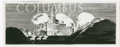 A chapter heading from the Ohio guide
 -
 A map of San Diego from the California guide published in 1939.
 -
 Poster advertising state by state WPA Writers Projects that "describe America to Americans"
 -
 Map of downtown San Francisco in the California guide.
 -
 The story of El Dorado from the California guide.
 -
 The cover of the Pennsylvania guide, highlighting the state's once-prosperous steel industry.
 -
 Artwork from the California guide
 -
 A picture of Yosemite Falls in the California guide
 -
 Illustration of a Magnolia, the state flower of Mississippi in its state guide.
 -
 The cover of the Philadelphia guide, with Independence Hall as its face.
 -
 The cover of the Nevada guide which featured the Hoover Dam
 -
 LaBrea Tar Pits strata chart, 1938


Titles
[edit]States
[edit]| State | Title | Google Books | HathiTrust | Internet Archive |
|---|---|---|---|---|
| Alabama | Alabama; a Guide to the Deep South, New York: Hastings House, 1941 | Google Books | HathiTrust | Internet Archive |
| Arizona | Arizona, the Grand Canyon State (4th ed.). New York: Hastings House. 1956. | 1940 ed. via Google Books | HathiTrust | 1940 ed. Internet Archive |
| Arkansas | Arkansas: a Guide to the State, New York, 1941, OCLC 478887{{citation}}: CS1 maint: location missing publisher (link) |
Google Books | HathiTrust | |
| California | California: Guide to the Golden State, New York: Hastings House, 1939 | Internet Archive | ||
| Colorado | Colorado: a Guide to the Highest State. New York: Hastings House. 1945. | 1941 ed. via Google Books | Internet Archive + 1970 ed. via Internet Archive | |
| Connecticut | Connecticut: a Guide to its Roads, Lore, and People. Boston: Houghton Mifflin. 1938. | Google Books | HathiTrust | Internet Archive |
| Delaware | Delaware: A Guide to the First State. NY: Viking Press. 1938. | Google Books | HathiTrust | |
| Florida | Florida: A Guide to the Southernmost State, 1939 | Google Books | Internet Archive | |
| Georgia | Georgia: a Guide to Its Towns and Countryside. Athens: University of Georgia Press. 1940. | Google Books | Internet Archive | |
| Idaho | Idaho: A Guide in Word and Pictures. Caldwell, ID: Caxton Printers. 1937. | Internet Archive | ||
| Illinois | Illinois: A Descriptive and Historical Guide. Chicago: A.C. McClurg & Co. 1939. | Google Books | Internet Archive | |
| Indiana | Indiana: a Guide to the Hoosier State. New York: Oxford University Press. 1941. | Google Books | HathiTrust | |
| Iowa | Iowa: a Guide to the Hawkeye State, New York: Viking, 1938 | Google Books | HathiTrust | |
| Kansas | Kansas: A Guide to the Sunflower State, 1939. | Google Books | HathiTrust | Internet Archive |
| Kentucky | Kentucky: a Guide to the Bluegrass State. New York: Harcourt, Brace and Company. 1939. | Google Books | HathiTrust | Internet Archive |
| Louisiana | Louisiana: a Guide to the State. NY: Hastings House. 1941. | Google Books | HathiTrust | |
| Maine | Maine: a Guide 'Down East'. Boston: Houghton Mifllin. 1937. | Google Books | HathiTrust | |
| Maryland | Maryland: a Guide to the Old Line State. New York: Oxford University Press. 1940. | Google Books | HathiTrust | |
| Massachusetts | Massachusetts: a Guide to its Places and People, Boston: Houghton Mifflin, 1937 | Google Books | HathiTrust | Internet Archive |
| Michigan | Michigan: a Guide to the Wolverine State. New York: Oxford University Press. 1941. | Google Books | ||
| Minnesota | A State Guide, 1938 | Google Books | Internet Archive | |
| Mississippi | Mississippi; a Guide to the Magnolia State, New York: Viking, 1949, OCLC 478887 | 1938 ed. via Google Books | HathiTrust | Internet Archive |
| Missouri | Missouri: A Guide to the 'Show Me' State, New York: Duell, Sloan and Pearce, 1941 | Google Books | HathiTrust | Internet Archive |
| Montana | Montana: a State Guide Book. NY: Viking Press. 1939. | HathiTrust | Internet Archive | |
| Nebraska | Nebraska: A Guide to the Cornhusker State, 1939 | Google Books | HathiTrust | |
| Nevada | Nevada: a Guide to the Silver State, Portland, Oregon: Binfords & Mort, 1957 | 1940 ed. via Google Books | HathiTrust | |
| New Hampshire | New Hampshire: a Guide to the Granite State. Boston: Houghton Mifflin. 1938. ISBN 9780403021796. {{cite book}}: ISBN / Date incompatibility (help) |
Google Books | HathiTrust | |
| New Jersey | New Jersey: a Guide to its Present and Past. NY: Hastings House. 1946. | 1939 ed. via Google Books | HathiTrust | |
| New Mexico | New Mexico: a Guide to the Colorful State. NY: Hastings House. 1940. | Google Books | HathiTrust | Internet Archive |
| New York | New York: a Guide to the Empire State. New York: Oxford University Press. 1940. | HathiTrust | Internet Archive | |
| North Carolina | North Carolina: a Guide to the Old North State. 1939. | Google Books | Internet Archive | |
| North Dakota | North Dakota: a Guide to the Northern Prairie State, State Historical Society of North Dakota, 1938 | Google Books | ||
| Ohio | The Ohio Guide, Oxford University Press, 1940 | Google Books | Internet Archive | |
| Oklahoma | Oklahoma: a Guide to the Sooner State, Norman: University of Oklahoma Press, 1941 | Google Books | Internet Archive | |
| Oregon | Oregon: End of the Trail. Portland: Binfords & Mort. 1951. | 1940 ed. via Google Books | HathiTrust | |
| Pennsylvania | Pennsylvania: a Guide to the Keystone State, New York: Oxford University Press, 1940 | Google Books | Internet Archive | |
| Rhode Island | Rhode Island: A Guide to the Smallest State. Boston: Houghton Mifflin Company. 1937. OCLC 691847. | Google Books | HathiTrust | Internet Archive |
| South Carolina | South Carolina: a Guide to the Palmetto State, Boston: Houghton Mifflin, 1941 | HathiTrust | Internet Archive | |
| South Dakota | South Dakota Guide. 1938. | Google Books | Internet Archive | |
| Tennessee | Tennessee: a Guide to the State, New York: Viking, 1939 | Google Books | HathiTrust | Internet Archive |
| Texas | Texas: A Guide to the Lone Star State, New York: Hastings House, 1940 | Google Books | HathiTrust | Internet Archive |
| Utah | Utah: A Guide to the State, 1941 | Google Books | HathiTrust | |
| Vermont | Vermont: a Guide to the Green Mountain State. Cambridge, Massachusetts: Riverside Press. 1937. | Internet Archive | ||
| Virginia | Virginia: a Guide to the Old Dominion, Oxford University Press, 1941 | Google Books | Internet Archive | |
| Washington | Washington: a Guide to the Evergreen State, Portland, Oregon: Binfords & Mort, 1941, OCLC 5847836 | Google Books | HathiTrust | Internet Archive |
| West Virginia | West Virginia: A Guide to the Mountain State. New York: Oxford University Press. 1941. | Google Books Google Books |
||
| Wisconsin | Wisconsin: A Guide to the Badger State, 1941 | Google Books | HathiTrust | Internet Archive |
| Wyoming | Wyoming: a Guide to Its History, Highways and People, 1941 | Google Books |
Cities
[edit]| State | City | Title | Google Books | HathiTrust | Internet Archive | Other |
|---|---|---|---|---|---|---|
| Arkansas | North Little Rock | Guide to North Little Rock. 1936. OCLC 11575040. | Hathi | |||
| California | Los Angeles | Los Angeles: A Guide to the City and Its Environs. 1941. | HathiTrust | Internet Archive | ||
| California | San Diego | San Diego: A California City. 1937. | HathiTrust | |||
| California | San Francisco | San Francisco: the Bay and its Cities. 1940. | 1947 ed. via HathiTrust | Internet Archive | ||
| California | Santa Barbara | Santa Barbara: A Guide to the Channel City and its Environs. 1941. | Internet Archive | |||
| Delaware | Newcastle | New Castle on the Delaware. 1936. | HathiTrust | |||
| District of Columbia | Washington | Washington, City and Capital. Washington, D.C.: Government Printing Office. 1937. | HathiTrust | |||
| Florida | Key West | A Guide to Key West. 1941. | HathiTrust | |||
| Florida | Miami | Planning Your Vacation in Florida; Miami and Dade County including Miami Beach and Coral Gables. 1941. | Internet Archive | |||
| Florida | St Augustine | Seeing St. Augustine. 1937. | HathiTrust | |||
| Georgia | Atlanta | Atlanta: A City of the Modern South. 1942. OCLC 1299312424. | Internet Archive | |||
| Georgia | Augusta | Augusta. 1938. OCLC 1411325. | HathiTrust | |||
| Georgia | Savannah | Savannah. 1937. | HathiTrust | |||
| Illinois | Cairo | Cairo Guide. | HathiTrust | |||
| Illinois | Galena | HathiTrust | ||||
| Illinois | Princeton | HathiTrust | ||||
| Iowa | Bentonsport | Bentonsport Memories | HathiTrust | |||
| Iowa | Dubuque[25] | A Guide to Dubuque | HathiTrust | |||
| Iowa | Estherville | A Guide to Estherville, Iowa. 1939. | HathiTrust | |||
| Iowa | McGregor | A Guide to McGregor. 1940. | ||||
| Kentucky | Henderson | Henderson: A Guide to Audubon's Home Town in Kentucky. 1941. | ||||
| Kentucky | Lexington | Lexington and the Bluegrass Country. 1938. | HathiTrust | |||
| Kentucky | Louisville | Louisville: A Guide to Falls City. 1940. | ||||
| Louisiana | New Orleans | New Orleans City Guide. 1938. | Google Books | HathiTrust | Internet Archive | |
| Maine | Portland | Portland City Guide. 1940. | Internet Archive | |||
| Nebraska | Lincoln | Lincoln City Guide. 1937. | ||||
| New Jersey | Princeton | Princeton and its Neighbors.[25] | ||||
| New York | Albany | HathiTrust | ||||
| New York | New York City | The New York City Guide: A Comprehensive Guide to the Five Boroughs of the Metropolis; Manhattan, Brooklyn, the Bronx, Queens, and Richmond. 1939. | HathiTrust | Internet Archive | ||
| New York | Rochester[25] | Rochester and Monroe County. 1937. | Internet Archive | |||
| North Dakota | Bismarck[25] | |||||
| Ohio | Cincinnati | Cincinnati: A Guide to the Queen City and Its Neighbors. 1943. | HathiTrust | |||
| Oklahoma | Tulsa | Tulsa: A Guide to the Oil Capital. 1938. | ||||
| Pennsylvania | Erie | Erie: A Guide to the City and County. 1938. | HathiTrust | Internet Archive | ||
| Pennsylvania | Philadelphia | Philadelphia: A Guide to the Nation's Birthplace. | Internet Archive | |||
| Texas | Beaumont | Beaumont: A Guide to the City and Its Environs. 1939. OCLC 1386509. | ||||
| Texas | Denison[25] | |||||
| Texas | Corpus Christi | Corpus Christi, a History and Guide. Corpus Christi Caller-Times. 1942. OCLC 2674098. | ||||
| Texas | Houston | Houston, a History and Guide. 1942. | University of North Texas | |||
| Texas | San Antonio | San Antonio: A History and Guide. | HathiTrust | |||
| Wisconsin | Portage | HathiTrust |
Counties
[edit]| State | County | Title | Google Books | HathiTrust | Internet Archive | Other |
|---|---|---|---|---|---|---|
| Illinois | DuPage Co. | Du Page County: a descriptive and historical guide, 1831–1939 | HathiTrust | |||
| Kentucky | Union Co. | Union County, past and present | HathiTrust | |||
| New York | Dutchess Co. | Dutchess County | HathiTrust | |||
| Ohio | Muskingum Co. | Zanesville and Muskingum County | HathiTrust | |||
| Ohio | Trumbull Co. | Warren and Trumbull County | HathiTrust | |||
| South Carolina | Spartanburg Co. | A History of Spartanburg County | HathiTrust | |||
| South Dakota | Miner Co. | Prairie tamers of Miner county | HathiTrust | |||
| Virginia | Albemarle Co. | Jefferson's Albemarle, a guide to Albemarle County and the city of Charlottesville, Virginia | HathiTrust | |||
| Virginia | Sussex Co. | Sussex county, a tale of three centuries | HathiTrust |
|
Regions and territories
[edit]
| Region | Locale | Title | Google Books | HathiTrust | Internet Archive | Other |
|---|---|---|---|---|---|---|
| Northeast | Bergen County Panorama. 1941. | Internet Archive | ||||
| Northeast | Berkshire Hills | The Berkshire Hills. 1939. | HathiTrust | |||
| Northeast | Cape Cod | Cape Cod Pilot: A Loquacious Guide. 1937. | ||||
| West | Death Valley | Death Valley: A Guide. 1939. | ||||
| West | Ghost Towns of Colorado. 1947. | |||||
| West | Guide to Alaska: Last American Frontier. 1939. | Google Books | ||||
| Midwest | Guide to Cedar Rapids and Northwest Iowa. 1937. | |||||
| Northeast | New England | Here's New England! A Guide to Vacationland. 1939. | ||||
| South | Intracoastal Waterway, Norfolk to Key West. 1937. | HathiTrust | ||||
| Midwest | Arrowhead Country | Minnesota Arrowhead Country. 1941. | ||||
| South | Mississippi Gulf Coast: Yesterday and Today, 1699-1939. 1939. | HathiTrust | ||||
| West | Monterey Peninsula | Monterey Peninsula. 1941. | HathiTrust | |||
| West | Mount Hood | Mound Hood: A Guide. 1940. | Google Books | |||
| Northeast | New York Panorama. 1938. | Internet Archive | ||||
| South | Ocean Highway | The Ocean Highway: New Brunswick, New Jersey to Jacksonville, Florida. 1938. | ||||
| Midwest; West | Oregon Trail, US 30: The Missouri River to the Pacific Ocean. 1939. | Google Books | ||||
| Insular area | Puerto Rico | Puerto Rico: a Guide to the Island of Boriquén. New York: University Society. 1940. OCLC 245805. | HathiTrust | Internet Archive | ||
| Northeast; South | U.S. Route 1 | U.S. One: Maine to Florida. 1938. | HathiTrust |
References
[edit]- ^ Project, Federal Writers' (2013-10-31). The WPA Guide to Alaska: The Last Frontier State. Trinity University Press.
- ^ Steinbeck, John (1962). Travels with Charley. Viking. p. 97.
- ^ "Introduction | Articles and Essays | American Life Histories: Manuscripts from the Federal Writers' Project, 1936-1940 | Digital Collections | Library of Congress". Library of Congress, Washington, D.C. 20540 USA. Retrieved 2022-04-28.
- ^ "Introduction | Articles and Essays | American Life Histories: Manuscripts from the Federal Writers' Project, 1936-1940 | Digital Collections | Library of Congress". Library of Congress, Washington, D.C. 20540 USA. Retrieved 2022-04-28.
- ^ Karl Baedeker (1971). The United States, with an excursion into Mexico : a handbook for travellers, 1893. Henry Steele Commager. New York, N.Y.: Da Capo Press. ISBN 0-306-71341-1. OCLC 211697.
- ^ Wesling, Meg (2013). "American Modernism on Display: Tourism and Literary Form in the Works Progress Administration's Guide Series". Amerikastudien / American Studies. 58 (3): 427–450. ISSN 0340-2827. JSTOR 43485899.
- ^ Taylor, David (2009). Soul of a People: The WPA Writers' Project Uncovers Depression America. Wiley. pp. 76–78.
- ^ Taylor, David (2009). Soul of a People: The WPA Writers' Project Uncovers Depression America. Wiley. p. 77.
- ^ a b Griswold, Wendy (2016). American Guides: The Federal Writers' Project and the Casting of American Culture. University of Chicago Press. pp. 42–45.
- ^ a b Federal Writers' Project of the Works Progress Administration of Northern California (1939). California : a guide to the Golden state. Prelinger Library. New York : Hastings House.
{{cite book}}: CS1 maint: publisher location (link) - ^ Griswold, Wendy (2016). American Guides: The Federal Writers' Project and the Casting of American Culture. University of Chicago Press. pp. 73–87.
- ^ Federal Writers' Project of the Works Progres Administration (1940). Pennsylvania: A Guide to the Keystone State. US History Publishers.
- ^ Federal Writers' Project of America (1940). Pennsylvania: A Guide to the Keystone State. Federal Writers' Project. p. 177.
- ^ a b Taylor, David (2009). Soul of a People: The WPA Writers' Project Uncovers Depression America. Wiley. pp. 141–159.
- ^ Writers' Program (1941). South Carolina: a guide to the Palmetto state. George A. Smathers Libraries University of Florida. New York: Oxford university press.
{{cite book}}: CS1 maint: publisher location (link) - ^ a b Taylor, David (2009). Soul of a People: The WPA Writers' Project Uncovers Depression America. Wiley. pp. 161–177.
- ^ Griswold, Wendy (2016). American Guides: The Federal Writers' Project and the Casting of American Culture. University of Chicago Press. p. 149.
- ^ Federal Writers' Project (Pa.); Pennsylvania Historical Commission (1937). Philadelphia, a guide to the nation's birthplace. Prelinger Library. Harrisburg, Penn. : Telegraph Press. ISBN 978-0-403-02864-1.
{{cite book}}: ISBN / Date incompatibility (help) - ^ Federal Writers' Project of America (1937). Philadelphia: A Guide to the Nation's Birthplace. Telegraph Press. pp. 339–373.
- ^ a b c Griswold, Wendy (2016). American Gudes: The Federal Writers' Project and the Casting of American Culture. The University of Chicago Press. pp. 230–232.
- ^ Collins, Sheila. The Democratization of Culture. Oxford University Press. p. 212.
- ^ Yagoda, Ben (2021-07-29). "'Republic of Detours' Review: The New Deal in Travel Guides". Wall Street Journal. ISSN 0099-9660. Retrieved 2022-05-02.
- ^ Writers' Program. Virginia (1941). Virginia: a guide to the Old Dominion. Internet Archive. New York : Oxford University Press.
{{cite book}}: CS1 maint: publisher location (link) - ^ Lieu, Ted (2021-05-07). "H.R.3054 - 117th Congress (2021-2022): 21st Century Federal Writers' Project Act". www.congress.gov. Retrieved 2022-05-04.
- ^ a b c d e Federal Writers' Project (1938). Catalog: American Guide Series. Washington DC: U.S. Government Printing Office. hdl:2027/mdp.39015033903686.
Further reading
[edit]- Mangione, Jerre "The Dream and the Deal: The Federal Writers' Project 1935-1943", Little, Brown, 1972
- Christine Bold (1999), The WPA Guides: Mapping America, Jackson: University Press of Mississippi, ISBN 1578061946
- Gross, Andrew S. "The American Guide Series: Patriotism as Brand-Name Identification" Arizona Quarterly: A Journal of American Literature, Culture, and Theory. Vol 62 Number 1. p. 85-111. 2006
- Powell, Lawrence N. "Lyle Saxon and the WPA Guide to New Orleans." Southern Spaces 29 July 2009.
- Kelly, Andrew. "Kentucky by Design: The Decorative Arts and American Culture", University Press of Kentucky, 2015. ISBN 978-0-8131-5567-8
- DeMasi, Susan Rubenstein. Henry Alsberg: The Driving Force of the New Deal's Federal Writers' Project, McFarland and Co., 2016.
- David M. Shribman (March 19, 2021), "Dreaming of a Federal Writers' Project 2.0", Boston Globe
See also
[edit]External links
[edit]
- Parigi Books: Gallery of American Guide book covers
- American Guide Series: Guidebooks for each state, including Alaska, Puerto Rico, and Hawaii, published by the Federal Writers' Project of the Works Progress Administration, 1940–42, (121 titles dispersed in the division's collection). From the Rare Book and Special Collections Division at the Library of Congress
- University of South Florida Libraries: Tampa WPA Papers Manuscripts and revised typescripts of the Florida edition of the American Guide Series, particularly to the City of Tampa
| International | |
|---|---|
| National | |
| Other | |

American Guide Series
View on GrokipediaThe American Guide Series was a collection of guidebooks compiled by the Federal Writers' Project (FWP), a unit of the Works Progress Administration (WPA), from 1937 to 1941, encompassing detailed accounts of the histories, landscapes, cultures, and attractions across the 48 U.S. states, the District of Columbia, territories such as Alaska and Puerto Rico, major cities, and regions.[1][2][3]
Initiated in 1935 amid the Great Depression to alleviate unemployment among writers and intellectuals, the project under director Henry Alsberg aimed to produce practical travel aids while preserving a multifaceted record of American life through collaborative research involving interviews, archival work, and on-site explorations.[1][2] Each guide typically structured content into topical essays on subjects like industry, folklore, and architecture, alongside meticulously mapped automobile tours with precise mileage and points of interest, reflecting the era's rising car culture and need for economic stimulus via tourism.[1][3]
Employing around 6,000 writers—including prominent authors like Zora Neale Hurston and Richard Wright—the series not only provided relief work but also amplified marginalized voices and regional idiosyncrasies, yielding over 1,000 publications that sold widely and contributed to a nascent national self-awareness by blending factual reportage with literary flair.[1][2] Though criticized in Congress for its expense and the political leanings of some contributors, which fueled accusations of inefficiency and ideological bias, the guides' enduring legacy lies in their role as archival treasures, now prized by collectors and scholars for capturing the prewar United States in vivid, unvarnished detail and spurring ongoing interest in public-sponsored cultural documentation.[1][2]
Historical Context
The Great Depression and Unemployment in Intellectual Labor
The Great Depression, triggered by the stock market crash of October 1929 and exacerbated by monetary contraction and protectionist policies, led to nationwide unemployment peaking at 25% in 1933, with approximately 12.8 million workers jobless out of a civilian labor force exceeding 51 million.[4][5] The collapse in private investment and consumer demand devastated sectors reliant on discretionary spending, leaving the private economy unable to reabsorb labor even as some recovery signals emerged by the mid-1930s. Policy missteps, such as the Smoot-Hawley Tariff Act of June 1930, which imposed average duties of nearly 60% on over 20,000 imported goods, intensified the downturn by sparking retaliatory tariffs from trading partners and contracting global trade volumes, thereby amplifying domestic job losses in export-dependent industries.[6][7] White-collar professionals, including journalists, editors, and academics, experienced acute underutilization of skills as corporate hiring froze and cultural institutions scaled back; for instance, a 1931 Bureau of Labor Statistics survey in select urban areas revealed unemployment rates among non-industrial workers, though initially lower than in manufacturing (around 6% versus 17%), rising sharply with prolonged contraction, contributing to widespread intellectual idleness by 1933.[8] The publishing sector, emblematic of intellectual labor markets, saw book output curtailed amid slumping sales—annual titles dropped from pre-Depression highs, with average sales per title halving between 1929-1931 and 1932-1934—reflecting reduced advertising budgets and consumer purchasing power that eliminated thousands of editorial and writing positions.[9][10] Private philanthropy and ad-hoc patronage failed to bridge the gap, as endowments dwindled and commercial viability for non-essential writing evaporated, prompting unemployed professionals to advocate for structured relief to prevent talent dissipation.[11] This surplus of educated but idle labor—estimated in the tens of thousands for creative fields alone—provided a ready pool for public works, underscoring the private market's temporary incapacity to match supply with demand amid distorted price signals and credit scarcity, rather than inherent structural deficits in intellectual employment.[12] Such conditions empirically justified ad-hoc government hiring as a bridge, though rooted in correcting prior fiscal and trade distortions that had eroded organic job creation pathways.[7]New Deal Programs and the Works Progress Administration
The Works Progress Administration (WPA) was established on May 6, 1935, via Executive Order 7034 signed by President Franklin D. Roosevelt, consolidating and expanding prior federal relief efforts under the Emergency Relief Appropriation Act of 1935 to provide work relief amid the Great Depression.[13] The agency focused on public works projects such as infrastructure construction, aiming to employ the unemployed while emphasizing labor-intensive tasks over mechanization to maximize job creation.[14] Over its lifespan from 1935 to 1943, the WPA employed approximately 8.5 million individuals, though many workers cycled through short-term assignments, with average project durations often lasting less than a year, reflecting its design as temporary relief rather than permanent employment.[15] This structure prioritized immediate income support over long-term skill development or market recovery, as evidenced by the agency's certification requirements tying jobs to demonstrated need and ineligibility for private sector roles.[16] The WPA's total expenditures reached about $11 billion by 1943, equivalent to roughly $248 billion in 2024 dollars, funding a range of initiatives from roads and bridges to arts programs, yet economic analyses indicate limited net stimulus due to displacement of private sector activity.[15] Econometric studies, such as those examining labor market dynamics, suggest that WPA hiring created outside options for workers, enabling them to demand higher private wages and contributing to crowding out effects that reduced overall employment below counterfactual levels absent intervention.[17] Furthermore, New Deal policies including WPA wage floors exacerbated nominal rigidities, with mandated pay scales often exceeding market clearing levels, which economists Harold Cole and Lee Ohanian estimate prolonged the Depression by about seven years by distorting resource allocation and inhibiting industrial recovery. These interventions, while providing direct relief, arguably prioritized fiscal expansion over incentives for private investment, as federal borrowing absorbed savings that might otherwise have financed business expansion. Within the WPA's broad framework, the Federal Writers' Project (FWP) emerged as a specialized division under its arts and culture programs, launched in 1935 to offer "white-collar" relief to unemployed intellectuals through guidebook production and historical documentation.[18] Allocated modest funding relative to infrastructure outlays—peaking at around 6,500 workers amid the WPA's multimillion-person workforce—the FWP represented a niche effort to subsidize non-essential cultural outputs, contrasting with priorities like agricultural mechanization or factory rehabilitation that addressed core economic bottlenecks.[18] Critics, drawing on first-principles evaluation of opportunity costs, contend such programs diverted resources from productivity-enhancing projects, embodying the New Deal's expansive federal role in non-market activities at a time when private sector revival demanded fiscal restraint to avoid further market distortions.[19] The American Guide Series thus constituted a minor facet of this larger apparatus, illustrating tensions between humanitarian relief and efficient resource use in Depression-era policy.Origins and Establishment
Conception of the Federal Writers' Project
The Federal Writers' Project was conceived in 1935 as a relief measure under the New Deal's Works Progress Administration to employ thousands of unemployed writers, editors, historians, and researchers amid widespread intellectual joblessness during the Great Depression, with primary bureaucratic incentives centered on reducing relief rolls rather than advancing cultural production. Henry G. Alsberg, a journalist and human rights advocate appointed national director, drew on existing state-sponsored travel guides and European models like Baedekers to propose compiling a uniform series of state guidebooks that would document America's landscapes, histories, and economies through systematic, fact-based narratives. The project received federal funding approval in June 1935 and officially launched on July 27, enabling rapid hiring across states.[18][20] At its peak in 1936, the FWP employed approximately 6,600 personnel nationwide, including prominent figures with radical leanings such as poet Sterling A. Brown, who served as editor on Negro affairs. Federal screening protocols, designed to bar known subversives, proved inadequate, permitting the employment of numerous communist sympathizers and party affiliates, particularly in urban offices like New York, as documented in subsequent congressional probes that revealed unchecked ideological infiltration despite administrative efforts to maintain apolitical operations.[21][20][22] Alsberg's initial directives prioritized empirical content for the American Guide Book series, instructing state units to assemble verifiable chronologies, demographic data, industrial profiles, and geographic surveys to standardize portrayals of each state's development, subordinating folklore and oral traditions to supplemental roles in favor of causal, evidence-based historical analysis. This approach reflected a pragmatic mandate to produce utilitarian references for public use, aligning with WPA's overarching employment-driven ethos over speculative cultural experimentation.[20][23]Initial Organization and Leadership Challenges
Henry G. Alsberg was appointed director of the Federal Writers' Project (FWP) in July 1935, shortly after the establishment of the Works Progress Administration (WPA), with the mandate to organize a nationwide effort producing state guidebooks through decentralized state-level units.[20] These units operated with significant autonomy, allowing state directors to recruit local writers and researchers, but this structure exacerbated coordination difficulties under federal oversight, as Alsberg struggled to standardize formats, editorial standards, and progress reporting across 48 states and territories.[24] Administrative inefficiencies inherent to the project's bureaucratic framework led to substantial output delays, with the first guide—Washington: City and Capital for the District of Columbia—not published until 1937, nearly two years after inception despite initial WPA funding allocations exceeding millions for Federal Project No. 1, which encompassed the FWP.[25] Such lags stemmed from protracted research compilation, editorial revisions, and inter-state inconsistencies, compounded by Alsberg's challenges in enforcing deadlines amid varying state capacities and personnel turnover.[26] Early leadership frictions arose from tensions over content control and perceived federal interference, including instances where editorial staff clashed with administrators on material selection, foreshadowing broader operational hurdles.[27] These were intensified by nascent congressional scrutiny; by 1938, the newly formed Dies Committee began probing the FWP for alleged subversive influences among its staff, citing testimony on biased content and radical affiliations that highlighted vulnerabilities in hiring practices prioritizing relief over rigorous vetting.[28] This early investigation, rooted in concerns over taxpayer-funded propaganda, underscored the project's administrative fragility and the political risks of its decentralized, ideologically diverse workforce.[29]Production and Content Development
Research and Writing Processes
The research process for the American Guide Series relied on extensive field investigations, where writers traversed locales to interview residents, document oral histories, and observe sites firsthand, supplemented by archival compilations and library verifications to ensure factual grounding.[30][31] This methodology drew from empirical data collection, prioritizing direct evidence over speculation, though the project's cadre of often ideologically inclined writers—many with leftist sympathies—influenced source selection toward anecdotal social accounts rather than strictly quantitative metrics.[32] Overall, these efforts yielded approximately 400 published guidebooks, alongside thousands of supporting manuscripts like life histories.[33][18] Editorial processes imposed standardization across guides, mandating sections such as topical essays on history, natural resources, and economy, followed by detailed auto tours with mileage logs and points of interest, to create uniform, navigable references.[34][26] However, this framework sometimes amplified ethnic and folkloric narratives in introductory essays, derived from interviews emphasizing cultural pluralism, at the partial expense of dispassionate economic analyses like industrial output statistics or trade balances, reflecting a causal tilt toward interpretive storytelling influenced by the era's progressive intellectual currents rather than pure factual aggregation.[32][1] Visual elements bolstered the guides' utility through integrated photographs, custom maps, and illustrations, often sourced from fieldwork sketches or verified public records to depict topography, architecture, and natural features accurately.[35] For example, flora and fauna descriptions in state guides incorporated empirical observations from site visits and botanical surveys, providing verifiable identifiers like species distributions tied to environmental data, which aided practical identification over mere descriptive prose.[1] This approach grounded abstract research in tangible, reproducible visuals, mitigating some reliance on subjective narratives.[36]Types of Guides Produced
The American Guide Series produced guides in multiple formats, starting with prototype publications in 1937 that tested the structure for broader rollout. Initial efforts included regional guides, such as Here's New England!: A Guide to Vacationland, which served as an early model combining essays, tours, and cultural descriptions across multiple states.[36] State guides constituted the primary output, with volumes completed for each of the 48 contiguous states by 1941, each detailing history, geography, points of interest, and auto tours tailored to the locale.[3] City guides expanded the series to urban centers, totaling approximately 27 volumes that focused on metropolitan histories, architecture, and itineraries; for instance, the New York City guide appeared in 1939.[2] Regional guides, numbering around 15, covered multi-state areas like the Berkshire Hills or Monterey Peninsula, offering synthesized overviews beyond single-state boundaries.[2] Specialized guides addressed narrower scopes, including county-level publications and those for U.S. territories, such as the Puerto Rico guide released in 1940, which examined the island's economy, culture, and sites under the series' uniform template.[37] Overall production encompassed over 100 distinct titles in these categories, evolving from the 1937 prototypes until wartime priorities shifted labor away from the Federal Writers' Project by 1943, curtailing further development.[38]Notable Contributors and Their Roles
Zora Neale Hurston, an anthropologist and folklorist, contributed to the Florida division of the Federal Writers' Project from 1938 to 1939, focusing on collecting oral histories, songs, tales, and cultural traditions among African American communities, which informed sections on folklore in the state's guide.[39][40] Her fieldwork preserved ethnographic details otherwise at risk of loss during economic hardship, though her involvement stemmed partly from personal financial needs amid the Depression.[41] Saul Bellow, then a young aspiring writer, participated in the Chicago branch during the late 1930s, where he authored profiles of literary figures such as John Dos Passos and Sherwood Anderson, marking his initial paid writing experience and honing skills later evident in his Nobel Prize-winning career.[42][43] This relief employment enabled early output absent private market demand for such pieces at the time. Vardis Fisher, an established novelist, directed the Idaho project starting in 1936, supervising research and compilation that yielded the Idaho: A Guide in Word and Picture published in 1937, along with supplementary volumes like Idaho Lore, emphasizing state history and geography despite his criticisms of the program's administrative inefficiencies and costs.[44] His leadership produced durable reference works from transient staff, illustrating how federal payrolls sustained productivity amid widespread unemployment among intellectuals. Sterling A. Brown, appointed Editor on Negro Affairs in April 1936, coordinated nationwide research to integrate realistic depictions of Black life into guides, countering prior stereotypes through directed field studies and publications like The Negro in Virginia, though his advocacy introduced interpretive emphases prioritizing cultural uplift over detached documentation.[45][46] This role employed dozens of Black writers and researchers, generating content that endured but reflected Brown's ideological push for affirmative portrayals amid the project's broader left-leaning influences.[47] Overall, these contributors—among over 6,000 FWP participants nationwide—leveraged government relief to generate specialized content, yielding texts of archival value despite uneven quality and the absence of commercial incentives that might have imposed stricter discipline.[20] Many joined opportunistically for steady pay during the 1930s downturn, balancing personal talents with the program's subsidized structure.[48]Economic and Operational Realities
Employment Statistics and Cost to Taxpayers
The Federal Writers' Project (FWP), which produced the American Guide Series, reached a peak employment of 6,686 workers in 1936, with typical staffing levels of 4,500 to 5,200 throughout its operation from 1935 to 1943.[49] The majority of these positions focused on researching and compiling the state, city, and regional guides that formed the core of the series, alongside supplementary projects like folklore collections and life histories.[24] Workers, often unemployed journalists, historians, and authors, received subsistence wages averaging around $20 per week—or approximately $80 monthly—deliberately set below prevailing market rates for skilled writing to prioritize relief over commercial viability and encourage transition to private employment.[30] Over its lifespan, the FWP expended roughly $27 million in federal funds, equivalent to about 0.002% of total Works Progress Administration (WPA) appropriations, covering salaries, administrative overhead, and minimal production costs for the guides. This outlay represented direct taxpayer-funded transfers to alleviate unemployment among white-collar professionals during the Great Depression, when private publishing markets for travel literature had contracted sharply due to reduced consumer spending. Critics, including congressional reviewers, argued that such programs functioned less as productive investment and more as prolonged relief that distorted labor markets by subsidizing non-competitive work, potentially delaying workers' reentry into recovering private sectors like journalism or book publishing as economic conditions improved post-1937.[50] In contrast to pre-Depression private ventures like Baedeker's guides, which relied on sales revenue and catered to affluent tourists, the FWP's scale and government backing may have preempted smaller entrepreneurial efforts in guide production, though evidence of direct market displacement remains limited amid the era's widespread job scarcity.[38] Per-worker costs averaged under $4,000 annually (in nominal terms), yielding outputs like 48 state guides but drawing scrutiny for inefficiency, such as high per-word expenses in some volumes exceeding 90 cents.[51][50] While providing temporary income to thousands ineligible for manual WPA roles, the program's fiscal structure prioritized volume over profitability, embodying New Deal relief's trade-off between immediate aid and long-term labor reallocation.[32]Efficiency Critiques and Administrative Hurdles
The Federal Writers' Project encountered significant administrative challenges stemming from bureaucratic infighting and tensions between federal administrators and state-level offices, which impeded coordinated production of the American Guide Series. National director Henry Alsberg frequently clashed with state directors over editorial control and content standards, resulting in protracted disputes that delayed manuscript approvals and revisions.[52] These frictions exemplified broader coordination failures in a decentralized structure, where state projects operated semi-autonomously under varying local conditions, leading to inconsistent workflows and repeated redrafts of guidebook sections.[53] High staff turnover exacerbated these hurdles, as the project's relief-oriented employment model prioritized temporary hires from unemployment rolls, with workers exiting for private-sector opportunities as economic conditions improved. In states like Ohio, turnover rates were notably elevated, contributing to disruptions in continuity and necessitating constant retraining and reassignment of tasks.[54] This churn, combined with endless cycles of revisions demanded by federal oversight, extended production timelines; for instance, many state guides faced years of delays from initial research through final publication, underscoring inefficiencies in resource allocation and personnel management.[55] Congressional scrutiny highlighted these operational flaws, with critics labeling the project a "boondoggle" fraught with waste, including administrative redundancies akin to those in other WPA initiatives. Lawmakers like Representative J. Parnell Thomas decried it as a haven for unproductive spending, prompting investigations into duplicated efforts across overlapping state and federal tasks.[56] Such audits reflected WPA-wide concerns over inflated costs—construction analogs ran three to four times private equivalents—mirroring the Writers' Project's bureaucratic bloat. The program's pivot toward defense-related writing following U.S. entry into World War II in December 1941 implicitly acknowledged the peacetime guides' marginal utility, as resources shifted to war manuals, hastening the FWP's termination by 1943.[57]Impact During the New Deal Era
Contributions to Tourism and National Awareness
The American Guide Series advanced tourism by incorporating detailed automobile tour routes in each volume, directing readers to natural landscapes, historical landmarks, and roadside attractions via established highways and byways. These itineraries, numbering dozens per state guide, capitalized on the expansion of the U.S. road network and rising automobile use, which saw over 20 million registered vehicles by the mid-1930s, facilitating increased domestic excursions amid the era's economic constraints that deterred overseas voyages.[58][59] While the guides coincided with a rebound in national park visitations—from 3.3 million recreation visits in 1933 to 5.2 million by 1940—their direct causal role appears modest, as broader New Deal enhancements to park facilities and access roads, alongside recovering disposable incomes, drove much of the growth rather than guide dissemination alone.[60][1] Individual volumes achieved limited commercial traction, with early releases like certain city guides selling out initial printings of around 1,800 copies, but overall sales were curtailed by Depression-era poverty suppressing leisure spending and travel demand.[61] The series' descriptive essays and chronologies sought to heighten national awareness by cataloging regional histories, ethnic traditions, and geographic features, instilling a sense of shared heritage and local identity. Yet, these accounts frequently employed a romantic lens, emphasizing folklore, scenic idylls, and mythic pasts that glossed over contemporaneous industrial stagnation and social dislocations, potentially distorting causal understandings of economic distress for an audience grappling with reality.[49][62] This selective framing, while evocative, prioritized inspirational narratives over empirical scrutiny of underlying conditions.Cultural Documentation Achievements
The American Guide Series incorporated folklore sections within state guides that compiled oral traditions, local legends, and ethnic customs, offering detailed empirical records of 1930s American regional identities.[3][1] These essays captured social practices and supernatural narratives, including ghost stories and paranormal accounts gathered from community informants across urban and rural areas.[63] The Federal Writers' Project's folklore initiatives, which supported guide development, emphasized firsthand collection of such material to document native and immigrant traditions without alteration.[18] Parallel to guide production, the project assembled over 10,000 life histories from individuals across ethnic groups and occupations, yielding raw snapshots of Depression-era personal experiences and cultural norms.[64] This included approximately 2,900 transcribed manuscripts from 24 states, focusing on daily life narratives that preserved unfiltered voices from the period.[18] Ethnic customs were further detailed in social-ethnic studies, such as accounts of immigrant communities, providing verifiable data on group-specific rituals and histories.[65] The series' documentation extended to specialized collections like over 2,300 slave narratives recorded from 1936 to 1938, consisting of direct interviews with surviving former slaves that detailed antebellum conditions and post-emancipation transitions.[66] Indigenous accounts were similarly preserved through folklore efforts, including Santee-Sioux legends transcribed in Nebraska and stories from tribal elders aimed at authentic transmission of oral heritage.[67][68] These 1930s-era outputs, drawn from field research, formed an archival baseline of cultural lore later digitized for preservation, prioritizing original source material over interpretive overlays.[66][18]Controversies and Criticisms
Ideological Influences and Leftist Biases
The Federal Writers' Project (FWP), which produced the American Guide Series, employed numerous writers affiliated with radical leftist groups, including the Communist Party USA (CPUSA). Representative Martin Dies, chair of the House Committee Investigating Un-American Activities (precursor to HUAC), testified in 1938 that approximately one-third of FWP personnel nationwide held Communist Party membership, a figure echoed in investigations of regional units.[69] In the New York City FWP office, one-third of writers were reported as CPUSA members, contributing to internal disruptions like strikes organized by Communist-led unions such as the Workers Alliance.[70] These affiliations, while not universal across the project's 6,500 workers at peak employment in 1936, represented a disproportionate radical element compared to the general population, where CPUSA membership hovered below 100,000 amid Depression-era unemployment exceeding 20%.[71] This ideological makeup manifested in the guides' content through sympathetic portrayals of labor and critiques of industrial conditions, often framing economic history in class-conflict terms. Economic essays in state guides, such as those on manufacturing and agriculture, frequently idealized workers as heroic figures enduring exploitation, while minimizing entrepreneurial innovation and capital investment as drivers of growth—for example, emphasizing union organizing and strikes over managerial efficiencies in sections on Pennsylvania's steel industry.[32] The New York City Guide included pro-labor narratives highlighting tenement slums and worker grievances, with descriptions that aligned with CPUSA publications like the Daily Worker by downplaying business contributions to urban development.[32] Similarly, Nebraska's draft guide proposed sections on pro-labor themes and urban poverty that critics identified as slanted toward socialist interpretations of social ills.[21] Such tones reflected the writers' backgrounds, many of whom had contributed to proletarian literature advocating anti-capitalist reforms.[72] Federal subsidies under the Works Progress Administration, totaling over $4 million annually by 1938 for the FWP, subsidized these perspectives in a way private publishing houses avoided, as market-driven editors rejected overtly partisan content lacking broad appeal.[71] Privately produced Baedeker's guides or Rand McNally road books, for comparison, maintained neutral, tourism-focused narratives emphasizing infrastructure and commerce without labor agitation. This taxpayer-funded amplification allowed uncommercial leftist views—unviable in competitive markets—to shape public depictions of American history, prompting Dies Committee scrutiny in 1938-1939 that documented over 200 FWP affiliates with Communist ties influencing editorial decisions.[69] Congressional reports attributed the slant to lax hiring from relief rolls, where radicals dominated literary unions, contrasting with the ideological diversity enforced by profit motives in non-government ventures.Political Opposition and Congressional Scrutiny
The House Special Committee on Un-American Activities, chaired by Representative Martin Dies Jr. (D-TX), launched investigations in 1938 into Works Progress Administration cultural programs, including the Federal Writers' Project (FWP), amid concerns over alleged communist infiltration and subversive activities.[73] The committee's hearings scrutinized FWP leadership and staff, identifying numerous employees with ties to leftist organizations, which prompted the dismissal of suspected radicals and heightened administrative oversight to mitigate political risks.[43] [74] Conservative critics, echoing sentiments from former President Herbert Hoover's circle who viewed New Deal relief efforts as inefficient "boondoggles," argued that the FWP diverted taxpayer funds to subsidize writing and research by underemployed intellectuals rather than fostering direct, productive employment for the destitute.[75] Such opposition highlighted bipartisan fiscal skepticism, with Republicans and southern Democrats questioning the necessity of federal patronage for guidebook production amid competing priorities like infrastructure.[76] By 1939, intensified congressional scrutiny culminated in budget reductions for the WPA, including threats to defund Federal Project Number One programs outright; the FWP averted total termination through decentralization, shifting operations to state-level administration without ongoing federal appropriations starting in October.[77] [76] This restructuring underscored pragmatic responses to persistent critiques of waste and ideological overreach, preserving some project outputs while curtailing national coordination.[73]Legacy and Post-War Evaluation
Long-Term Cultural Influence
The American Guide Series, discontinued with the Federal Writers' Project in 1943, persisted as a valuable archival resource for historians and researchers into the post-war era, offering comprehensive pre-World War II documentation of regional histories, folklore, and cultural practices across states.[38] These volumes served as primary sources for reconstructing 1930s American life, including essays on local economies, ethnic communities, and historical sites, which informed scholarly analyses of Depression-era society despite the absence of post-war updates.[18] Practical obsolescence as travel aids emerged rapidly after 1945, as suburban expansion, commercial strip development, and the Interstate Highway System—initiated by the Federal-Aid Highway Act of 1956—rendered many described routes, roadside attractions, and rural landmarks unrecognizable or inaccessible.[38] For instance, guides detailing horse-drawn farm economies or unpaved backroads became mismatched with the era's automotive boom and urban migration, limiting their direct utility for motorists by the 1950s while preserving their role in historical contextualization.[2] Reprints and revisions in the 1940s through 1960s underscored sustained demand among enthusiasts and academics, with examples including the 1948 republication of Wisconsin Indian Place Legends and a 1968 revised edition of the Arizona guide, which updated select sections to align with mid-century conditions.[78] The series also exerted influence on post-war travel writing, as evidenced by John Steinbeck's consultation of the guides during his 1960 cross-country journey, which shaped the narrative structure and regional insights in his 1962 memoir Travels with Charley.[38] Through the 1980s, collectors prized the guides for their literary merit and patriotic evocation of self-discovered Americana, favoring individual exploration over centralized planning models, though sales data from this period remains anecdotal and tied to antiquarian markets rather than mass distribution.[2]Modern Revivals, Digitization, and Scholarly Reassessments
In the 2010s and 2020s, renewed scholarly interest in the American Guide Series prompted reprints of select volumes and new monographs examining its production processes. Scott Borchert's 2021 book Republic of Detours: How the New Deal Paid Broke Writers to Rediscover America details the Federal Writers' Project's (FWP) chaotic operations, portraying the guides' creation as marred by infighting among contributors, administrative disarray, and inconsistent editorial standards rather than seamless efficiency.[79] Borchert argues that while the series produced voluminous output, its value stemmed more from employing out-of-work intellectuals during the Depression than from groundbreaking innovation in cultural documentation, challenging narratives of the New Deal as an unalloyed triumph in public works.[80] Digitization efforts have broadened access to the original guides, with platforms like HathiTrust hosting full-text scans of all 117 volumes from the series by the early 2020s, enabling keyword searches and comparative analysis without physical copies.[81] The Library of Congress, holding the most comprehensive WPA publications archive, integrated Guide Series materials into its digital collections during this period, facilitating research into their empirical content such as regional histories and travel itineraries.[82] These initiatives, accelerated post-2020 amid remote scholarship trends, have revealed patterns of selective omission in the guides, including underrepresentation of private enterprise contributions to American development compared to state-sponsored narratives.[18] Scholarly reassessments in the 2020s emphasize causal factors behind the series' limitations, such as bureaucratic hurdles stifling originality and the FWP's reliance on government directives over market incentives for content diversity. The Library of Congress's American Folklife Center hosted a 2023 symposium, "Rewriting America: Reconsidering the Federal Writers' Project 80 Years Later," which featured discussions on the guides' enduring textual artifacts alongside critiques of their ideological framing and uneven factual rigor.[83] Participants highlighted how the project's structure prioritized volume over verifiable innovation, with outputs often recycling existing lore rather than generating novel empirical insights.[84] Podcasts like The People's Recorder, launched in 2024, have extended these debates to public audiences by dissecting FWP achievements against its shortcomings, including biased sourcing from leftist-leaning contributors that skewed portrayals of economic causality.[85] Hosted by historians, the series uses primary excerpts to argue that while the guides documented overlooked locales, their government monopoly on production during the era likely suppressed competitive, privately funded alternatives that might have yielded more balanced or dynamic cultural records.[86] Such analyses underscore empirical data on the FWP's high administrative costs relative to lasting scholarly impact, prompting reevaluations that prioritize outcome metrics over intent in assessing New Deal cultural interventions.[87]Catalog of Publications
State and Territorial Guides
The State and Territorial Guides constituted the primary output of the Federal Writers' Project, encompassing volumes for each of the 48 states then comprising the United States, as well as select territories, published between 1937 and 1941.[88] These guides detailed geography, history, economy, culture, and recommended tours, drawing on field research by project workers.[82] Production timelines varied, with early releases in 1937 limited to five volumes amid initial organizational challenges, while later ones, such as those in 1941, faced delays partly attributable to the onset of World War II diverting resources and personnel.[89] No comprehensive sales data survives uniformly across volumes, though individual guides achieved print runs in the tens of thousands, with some later reprinted commercially post-war.[90] The guides, listed alphabetically by state or territory with their official titles and publication years, are as follows:- Alabama: Alabama: A Guide to the Deep South (1941)[88]
- Arizona: Arizona: A State Guide (1940)[88]
- Arkansas: Arkansas: A Guide to the State (1941)[88]
- California: California: A Guide to the Golden State (1939)[88]
- Colorado: Colorado: A Guide to the Highest State (1941)[88]
- Connecticut: Connecticut: A Guide to Its Roads, Lore, and People (1938)[88]
- Delaware: Delaware: A Guide to the First State (1938)[88]
- Florida: Florida: A Guide to the Southernmost State (1939)[88]
- Georgia: Georgia: A Guide to Its Towns and Countryside (1940)[88]
- Idaho: Idaho: A Guide in Word and Picture (1937)[88]
- Illinois: Illinois: A Descriptive and Historical Guide (1939)[88]
- Indiana: Indiana: A Guide to the Hoosier State (1941)[88]
- Iowa: Iowa: A Guide to the Hawkeye State (1938)[88]
- Kansas: Kansas: A Guide to the Sunflower State (1939)[88]
- Kentucky: Kentucky: A Guide to the Bluegrass State (1939)[88]
- Louisiana: Louisiana: A Guide to the State (1941)[88]
- Maine: Maine: A Guide 'Down East' (1937)[88]
- Maryland: Maryland: A Guide to the Old Line State (1940)[88]
- Massachusetts: Massachusetts: A Guide to Its Places and People (1937)[88]
- Michigan: Michigan: A Guide to the Wolverine State (1941)[88]
- Minnesota: Minnesota: A State Guide (1938)[88]
- Mississippi: Mississippi: A Guide to the Magnolia State (1938)[88]
- Missouri: Missouri: A Guide to the 'Show Me' State (1941)[88]
- Montana: Montana: A State Guide Book (1939)[88]
- Nebraska: Nebraska: A Guide to the Cornhusker State (1939)[88]
- Nevada: Nevada: A Guide to the Silver State (1940)[88]
- New Hampshire: New Hampshire: A Guide to the Granite State (1938)[88]
- New Jersey: New Jersey: A Guide to Its Present and Past (1939)[88]
- New Mexico: New Mexico: A Guide to the Colorful State (1940)[88]
- New York: New York: A Guide to the Empire State (1940)[88]
- North Carolina: North Carolina: A Guide to the Old North State (1939)[88]
- North Dakota: North Dakota: A Guide to the Northern Prairie State (1938)[88]
- Ohio: The Ohio Guide (1940)[88]
- Oklahoma: Oklahoma: A Guide to the Sooner State (1941)[88]
- Oregon: Oregon: The End of the Trail (1940)[88]
- Pennsylvania: Pennsylvania: A Guide to the Keystone State (1940)[88]
- Rhode Island: Rhode Island: A Guide to the Smallest State (1937)[88]
- South Carolina: South Carolina: A Guide to the Palmetto State (1941)[88]
- South Dakota: A South Dakota Guide (1938)[88]
- Tennessee: Tennessee: A Guide to the State (1939)[88]
- Texas: Texas: A Guide to the Lone Star State (1940)[88]
- Utah: Utah: A Guide to the State (1941)[88]
- Vermont: Vermont: A Guide to the Green Mountain State (1937)[88]
- Virginia: Virginia: A Guide to the Old Dominion (1940)[88]
- Washington: Washington: A Guide to the Evergreen State (1941)[88]
- West Virginia: West Virginia: A Guide to the Mountain State (1941)[88]
- Wisconsin: Wisconsin: A Guide to the Badger State (1941)[88]
- Wyoming: Wyoming: A Guide to Its History, Highways and People (1941)[88]
City, Regional, and Specialized Guides
The American Guide Series produced dedicated city guides for 27 urban centers, offering detailed itineraries, historical narratives, and cultural insights tailored to metropolitan areas.[2] These publications, issued primarily between 1937 and 1941, complemented state guides by focusing on local landmarks, architecture, and economies; notable examples include Washington: City and Capital (1937), which chronicled the federal district's monuments and administrative functions, and Philadelphia: A Guide to the Nation's Birthplace (1937), emphasizing the city's foundational role in American independence with sections on Independence Hall and colonial-era sites.[91] Other prominent city guides encompassed New Orleans City Guide (1938), highlighting Creole heritage and port activities, and Los Angeles: A Guide to the City and Its Environs (1941), covering Hollywood's film industry alongside urban sprawl.[88][92] Regional guides numbered approximately 15, targeting sub-state areas with interconnected geography and shared histories, such as the Berkshire Hills in western Massachusetts and the Monterey Peninsula in California.[2] These works provided granular tours of rural districts, natural features, and local economies, exemplified by the Pacific Northwest guide (1941), which detailed cross-state routes through Oregon, Washington, and Idaho, including logging industries and indigenous sites. Such guides facilitated exploration of thematic landscapes beyond urban or statewide scopes, often incorporating custom maps and essays on regional folklore. Specialized guides extended to county-level publications and thematic topics, including Erie: A Guide to the City and County (1938) in Pennsylvania, which integrated municipal and rural elements.[88] Highway-focused pamphlets outlined specific routes with mileage logs and roadside attractions, building on the series' emphasis on automotive travel. In total, these city, regional, and specialized outputs contributed to over 350 supplementary items alongside the core state guides, forming part of the Federal Writers' Project's broader corpus of around 400 publications.[93] Output diminished after 1941 as wartime priorities redirected resources, with the project concluding in 1943.[94]References
- https://commons.wikimedia.org/wiki/File:FWP_American_Guide_Series_city_1941_California_Los_Angeles_a_guide_to_the_city_and_its_environs_39.png