Hubbry Logo
AmylinAmylinMain
Open search
Amylin
Community hub
Amylin
logo
8 pages, 0 posts
0 subscribers
Be the first to start a discussion here.
Amylin
Amylin
from Wikipedia
IAPP
Available structures
PDBOrtholog search: PDBe RCSB
Identifiers
AliasesIAPP, DAP, IAP, islet amyloid polypeptide
External IDsOMIM: 147940; MGI: 96382; HomoloGene: 36024; GeneCards: IAPP; OMA:IAPP - orthologs
Orthologs
SpeciesHumanMouse
Entrez
Ensembl
UniProt
RefSeq (mRNA)

NM_000415
NM_001329201

NM_010491

RefSeq (protein)

NP_000406
NP_001316130

NP_034621

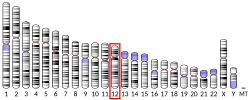
Location (UCSC)Chr 12: 21.35 – 21.38 MbChr 6: 142.24 – 142.25 Mb
PubMed search[3][4]
Wikidata
View/Edit HumanView/Edit Mouse
Amino acid sequence of amylin with disulfide bridge and cleavage sites of insulin degrading enzyme indicated with arrows

Amylin, or islet amyloid polypeptide (IAPP), is a 37-residue peptide hormone.[5] It is co-secreted with insulin from the pancreatic β-cells in the ratio of approximately 100:1 (insulin:amylin). Amylin plays a role in glycemic regulation by slowing gastric emptying and promoting satiety, thereby preventing post-prandial spikes in blood glucose levels.

IAPP is processed from an 89-residue coding sequence. Proislet amyloid polypeptide (proIAPP, proamylin, proislet protein) is produced in the pancreatic beta cells (β-cells) as a 67 amino acid, 7404 Dalton pro-peptide and undergoes post-translational modifications including protease cleavage to produce amylin.[6]

Synthesis

[edit]

ProIAPP consists of 67 amino acids, which follow a 22 amino acid signal peptide which is rapidly cleaved after translation of the 89 amino acid coding sequence. The human sequence (from N-terminus to C-terminus) is:

(MGILKLQVFLIVLSVALNHLKA) TPIESHQVEKR^ KCNTATCATQRLANFLVHSSNNFGAILSSTNVGSNTYG^ KR^ NAVEVLKREPLNYLPL.[6][7] The signal peptide is removed during translation of the protein and transport into the endoplasmic reticulum. Once inside the endoplasmic reticulum, a disulfide bond is formed between cysteine residues numbers 2 and 7.[8] Later in the secretory pathway, the precursor undergoes additional proteolysis and posttranslational modification (indicated by ^). 11 amino acids are removed from the N-terminus by the enzyme proprotein convertase 2 (PC2) while 16 are removed from the C-terminus of the proIAPP molecule by proprotein convertase 1/3 (PC1/3).[9] At the C-terminus Carboxypeptidase E then removes the terminal lysine and arginine residues.[10] The terminal glycine amino acid that results from this cleavage allows the enzyme peptidylglycine alpha-amidating monooxygenase (PAM) to add an amine group. After this the transformation from the precursor protein proIAPP to the biologically active IAPP is complete (IAPP sequence: KCNTATCATQRLANFLVHSSNNFGAILSSTNVGSNTY).[6]

Regulation

[edit]

Insofar as both IAPP and insulin are produced by the pancreatic β-cells, impaired β-cell function (due to lipotoxicity and glucotoxicity) will affect both insulin and IAPP production and release.[11]

Insulin and IAPP are regulated by similar factors since they share a common regulatory promoter motif.[12] The IAPP promoter is also activated by stimuli which do not affect insulin, such as tumor necrosis factor alpha[13] and fatty acids.[14] One of the defining features of Type 2 diabetes is insulin resistance. This is a condition wherein the body is unable to utilize insulin effectively, resulting in increased insulin production; since proinsulin and proIAPP are cosecreted, this results in an increase in the production of proIAPP as well. Although little is known about IAPP regulation, its connection to insulin indicates that regulatory mechanisms that affect insulin also affect IAPP. Thus blood glucose levels play an important role in regulation of proIAPP synthesis.

Function

[edit]

Amylin functions as part of the endocrine pancreas and contributes to glycemic control. The peptide is secreted from the pancreatic islets into the blood circulation and is cleared by peptidases in the kidney. It is not found in the urine.

Amylin's metabolic function is well-characterized as an inhibitor of the appearance of nutrient [especially glucose] in the plasma.[15] It thus functions as a synergistic partner to insulin, with which it is cosecreted from pancreatic beta cells in response to meals. The overall effect is to slow the rate of appearance (Ra) of glucose in the blood after eating; this is accomplished via coordinate slowing down gastric emptying, inhibition of digestive secretion [gastric acid, pancreatic enzymes, and bile ejection], and a resulting reduction in food intake. Appearance of new glucose in the blood is reduced by inhibiting secretion of the gluconeogenic hormone glucagon. These actions, which are mostly carried out via a glucose-sensitive part of the brain stem, the area postrema, may be over-ridden during hypoglycemia. They collectively reduce the total insulin demand.[16]

Amylin also acts in bone metabolism, along with the related peptides calcitonin and calcitonin gene related peptide.[15]

Rodent amylin knockouts do not have a normal reduction of appetite following food consumption.[citation needed] Because it is an amidated peptide, like many neuropeptides, it is believed to be responsible for the effect on appetite.

Structure

[edit]

The human form of IAPP has the amino acid sequence KCNTATCATQRLANFLVHSSNNFGAILSSTNVGSNTY, with a disulfide bridge between cysteine residues 2 and 7. Both the amidated C-terminus and the disulfide bridge are necessary for the full biological activity of amylin.[8] IAPP is capable of forming amyloid fibrils in vitro. Within the fibrillization reaction, the early prefibrillar structures are extremely toxic to beta-cell and insuloma cell cultures.[8] Later amyloid fiber structures also seem to have some cytotoxic effect on cell cultures. Studies have shown that fibrils are the end product and not necessarily the most toxic form of amyloid proteins/peptides in general. A non-fibril forming peptide (1–19 residues of human amylin) is toxic like the full-length peptide but the respective segment of rat amylin is not.[17][18][19] It was also demonstrated by solid-state NMR spectroscopy that the fragment 20-29 of the human-amylin fragments membranes.[20] Rats and mice have six substitutions (three of which are proline substitutions at positions 25, 28 and 29) that are believed to prevent the formation of amyloid fibrils, although not completely as seen by its propensity to form amyloid fibrils in vitro.[21][22] Rat IAPP is nontoxic to beta-cells when overexpressed in transgenic rodents.

History

[edit]

Before amylin deposition was associated with diabetes, already in 1901, scientists described the phenomenon of "islet hyalinization", which could be found in some cases of diabetes.[23][24] A thorough study of this phenomenon was possible much later. In 1986, the isolation of an aggregate from an insulin-producing tumor was successful, a protein called IAP (Insulinoma Amyloid Peptide) was characterized, and amyloids were isolated from the pancreas of a diabetic patient, but the isolated material was not sufficient for full characterization.[25] This was achieved only a year later by two research teams whose research was a continuation of the work from 1986.[26][27]

Clinical significance

[edit]

ProIAPP has been linked to Type 2 diabetes and the loss of islet β-cells.[28] Islet amyloid formation, initiated by the aggregation of proIAPP, may contribute to this progressive loss of islet β-cells. It is thought that proIAPP forms the first granules that allow for IAPP to aggregate and form amyloid which may lead to amyloid-induced apoptosis of β-cells.

IAPP is cosecreted with insulin. Insulin resistance in Type 2 diabetes produces a greater demand for insulin production which results in the secretion of proinsulin.[29] ProIAPP is secreted simultaneously, however, the enzymes that convert these precursor molecules into insulin and IAPP, respectively, are not able to keep up with the high levels of secretion, ultimately leading to the accumulation of proIAPP.

In particular, the impaired processing of proIAPP that occurs at the N-terminal cleavage site is a key factor in the initiation of amyloid.[29] Post-translational modification of proIAPP occurs at both the carboxy terminus and the amino terminus, however, the processing of the amino terminus occurs later in the secretory pathway. This might be one reason why it is more susceptible to impaired processing under conditions where secretion is in high demand.[10] Thus, the conditions of Type 2 diabetes—high glucose concentrations and increased secretory demand for insulin and IAPP—could lead to the impaired N-terminal processing of proIAPP. The unprocessed proIAPP can then serve as the nucleus upon which IAPP can accumulate and form amyloid.[30]

The amyloid formation might be a major mediator of apoptosis, or programmed cell death, in the islet β-cells.[30] Initially, the proIAPP aggregates within secretory vesicles inside the cell. The proIAPP acts as a seed, collecting matured IAPP within the vesicles, forming intracellular amyloid. When the vesicles are released, the amyloid grows as it collects even more IAPP outside the cell. The overall effect is an apoptosis cascade initiated by the influx of ions into the β-cells.

General Scheme for Amyloid Formation

In summary, impaired N-terminal processing of proIAPP is an important factor initiating amyloid formation and β-cell death. These amyloid deposits are pathological characteristics of the pancreas in Type 2 diabetes. However, it is still unclear as to whether amyloid formation is involved in or merely a consequence of type 2 diabetes.[29] Nevertheless, it is clear that amyloid formation reduces working β-cells in patients with Type 2 diabetes. This suggests that repairing proIAPP processing may help to prevent β-cell death, thereby offering hope as a potential therapeutic approach for Type 2 diabetes.

Amyloid deposits deriving from islet amyloid polypeptide (IAPP, or amylin) are commonly found in pancreatic islets of patients suffering diabetes mellitus type 2, or containing an insulinoma cancer. While the association of amylin with the development of type 2 diabetes has been known for some time,[citation needed] its direct role as the cause has been harder to establish. Some studies suggest that amylin, like the related beta-amyloid (Abeta) associated with Alzheimer's disease, can induce apoptotic cell-death in insulin-producing beta cells, an effect that may be relevant to the development of type 2 diabetes.[31]

A 2008 study reported a synergistic effect for weight loss with leptin and amylin coadministration in diet-induced obese rats by restoring hypothalamic sensitivity to leptin.[32] However, in clinical trials, the study was halted at Phase 2 in 2011 when a problem involving antibody activity that might have neutralized the weight-loss effect of metreleptin in two patients who took the drug in a previously completed clinical study. The study combined metreleptin, a version of the human hormone leptin, and pramlintide, which is Amylin's diabetes drug Symlin, into a single obesity therapy.[33] A proteomics study showed that human amylin shares common toxicity targets with beta-amyloid (Abeta), suggesting that type 2 diabetes and Alzheimer's disease share common toxicity mechanisms.[34]

Pharmacology

[edit]

A synthetic analog of human amylin with proline substitutions in positions 25, 26 and 29, or pramlintide (brand name Symlin), was approved in 2005 for adult use in patients with both diabetes mellitus type 1 and diabetes mellitus type 2. Insulin and pramlintide, injected separately but both before a meal, work together to control the post-prandial glucose excursion.[35]

Amylin is degraded in part by insulin-degrading enzyme.[36][37] Another long- acting analogue of Amylin is Cagrilintide being developed by Novo Nordisk ( now in the Phase 3 trials with the proposed brand name CagriSema co- formulated with Semaglutide as a once weekly subcutaneous injection ) as a measure to treat type II DM and obesity.

Receptors

[edit]

There appear to be at least three distinct receptor complexes that amylin binds to with high affinity. All three complexes contain the calcitonin receptor at the core, plus one of three receptor activity-modifying proteins, RAMP1, RAMP2, or RAMP3.[38]

See also

[edit]

References

[edit]

Further reading

[edit]
[edit]
Revisions and contributorsEdit on WikipediaRead on Wikipedia
from Grokipedia
Amylin, also known as islet amyloid polypeptide (IAPP), is a 37-amino acid co-secreted with insulin from the pancreatic β-cells in proportion to intake, serving as a key regulator of glucose and energy balance. With a of approximately 4 , it features a conserved disulfide bond between residues at positions 2 and 7, along with a C-terminal group essential for its . First identified in 1986 as the primary proteinaceous component of deposits in the of individuals with mellitus (T2DM), amylin has since been recognized for its broader physiological roles beyond the periphery. These deposits, observed as early as 1900 in histological studies of "islet hyalinization," contribute to β-cell and dysfunction, exacerbating in T2DM. Amylin's discovery highlighted its dual nature: beneficial in normal signaling but pathological when misfolded into toxic aggregates. Physiologically, amylin slows gastric emptying to prevent rapid postprandial glucose spikes, suppresses secretion from pancreatic α-cells, and acts centrally via amylin receptors in the to promote and enhance sensitivity, thereby reducing food intake and supporting body weight control. Dysregulation of amylin is implicated not only in T2DM and but also in neurodegenerative conditions such as Alzheimer's and Parkinson's diseases, where it may exhibit neuroprotective effects or contribute to . Therapeutically, synthetic analogs like pramlintide (Symlin®), approved by the FDA in 2005, mimic amylin's actions to improve glycemic control in T2DM and when used alongside insulin, with emerging analogs such as cagrilintide showing promise for management.

Discovery and History

Discovery

Amylin, also known as islet amyloid polypeptide (IAPP), was first isolated in the mid-1980s from amyloid deposits in the pancreases of patients with . These deposits, long recognized as a pathological feature of the disease since the early 20th century, were found to contain a novel as their primary component. Researchers at in , led by Per Westermark, extracted and partially sequenced this from amyloid-rich tissue obtained from a human , identifying it as a 36- or 37-amino-acid polypeptide related to the family. This work, published in 1986, marked the initial biochemical identification of amylin and distinguished it from other known pancreatic hormones such as and based on its unique amino acid composition and amyloidogenic properties. Building on this foundation, further characterization in 1987 confirmed the full primary structure of amylin as a 37-amino-acid with a bridge between cysteines at positions 2 and 7, and an amidated . Independent studies by teams including Garth J. S. Cooper and A. Clark at the purified the from deposits in pancreases of type 2 diabetic patients, solidifying its identity and amyloid-forming potential. These efforts highlighted amylin's distinct sequence, showing no significant homology to insulin or beyond its pancreatic origin, and emphasized its prevalence in diabetic . Early immunohistochemical studies around the same period provided the first evidence that amylin is produced and stored within pancreatic beta cells, co-localized with insulin in secretory granules. Westermark and colleagues demonstrated amylin-like immunoreactivity in beta cells of both diabetic and non-diabetic individuals, suggesting its normal physiological presence rather than solely a pathological role. This co-localization was further substantiated in subsequent ultrastructural analyses, confirming amylin's packaging alongside insulin for potential co-secretion.

Historical Milestones

Following its initial isolation in 1986, the derived from pancreatic deposits was first designated as "insulinoma peptide" (IAP) by Westermark et al., reflecting its association with -derived . This name was soon revised to "islet polypeptide" (IAPP) in 1987 to avoid confusion with the existing abbreviation for another protein, emphasizing its origin in rather than solely insulinomas. In 1988, Cooper et al. proposed the name "," derived from "" and its localization in the pancreatic of individuals with , a term that gained widespread adoption for its simplicity and to highlight its potential hormonal role beyond amyloidogenesis. A key milestone in understanding amylin's genetic basis came in 1990 with the and complete sequencing of the amylin (IAPP) by Nishi et al., which mapped it to and provided insights into its evolutionary conservation across . This work built on earlier rat amylin cDNA in 1989 and enabled subsequent studies on and . In the early , began elucidating amylin's role in glycemic control, with infusions in s and cats demonstrating that amylin suppresses postprandial glucagon secretion and delays gastric emptying, thereby lowering blood glucose excursions without affecting basal levels. For instance, Young et al. (1993) showed in rodent models that amylin acts synergistically with insulin to enhance glucose disposal and inhibit hepatic glucose output, establishing it as a physiological regulator of nutrient influx. The therapeutic potential of amylin was realized in 2005 when the U.S. approved pramlintide, a stable synthetic analog of human amylin, as an adjunct to insulin for improving glycemic control in patients with type 1 and . This approval marked the first clinical application of amylin-based pharmacology, based on preclinical and human trials confirming its efficacy in reducing HbA1c levels by modulating postprandial .

Structure

Primary Structure

Amylin, also known as islet amyloid polypeptide (IAPP), is a 37-amino-acid in humans, with the primary sequence KCNTATCATQRLANFLVHSSNNFGAILSSTNVGSNTY, where the is amidated (KCNTATCATQRLANFLVHSSNNFGAILSSTNVGSNTY-NH₂). A disulfide bond forms between the cysteine residues at positions 2 and 7, creating a cyclic structure at the that is essential for its stability and function. The C-terminal amidation is a critical performed by peptidylglycine alpha-amidating monooxygenase, which enhances receptor binding affinity and is strictly conserved across vertebrate species. The encoding human amylin, IAPP, is located on the short arm of at position 12p12.1 (genomic coordinates: 21,354,959-21,379,980 on the forward strand). The gene spans approximately 25 kb and consists of three s, with exons 1 and 2 being non-coding and exon 3 containing the entire coding sequence for preproamylin, a 89-amino-acid precursor that undergoes proteolytic processing to yield the mature . Sequence comparisons reveal high conservation of amylin across mammals, though exhibit notable differences that influence amyloidogenic potential. and amylin sequences differ from the form at six positions: H18R, F23L, A25P, I26V, S28P, and S29P, with the substitutions at residues 25, 28, and 29 disrupting beta-sheet formation and thereby preventing aggregation observed in humans.

Three-Dimensional Structure

Amylin, a 37-residue , predominantly adopts a conformation in , with transient α-helical segments observed in certain regions. (NMR) spectroscopy studies reveal that the monomeric form exhibits limited secondary structure, characterized by a mixture of (approximately 29% abundance), α-helical (31%), and β- (40%) states, where the α-helical conformation features a segment spanning residues 9–17. In membrane-mimicking environments, such as SDS micelles, amylin folds into a more defined dynamic α-helix extending from residues 5 to 28, with a stable core from 6–17 and a less stable extension from 18–27, flanked by an N-terminal and a C-terminal unfolded region. Oligomeric and fibrillar forms of amylin display distinct β-sheet-rich structures, as elucidated by solid-state NMR and cryo-electron microscopy (cryo-EM), which reveal cross-β architectures in amyloid . For instance, wild-type amylin consist of S-shaped subunits forming multiple β-strands, including residues 14–19, 26–31, and 35–36, with protofilaments exhibiting β-strand spacing of approximately 4.9 . of amylin fragments, such as residues 21–27, confirms amyloid-like assemblies with polymorphic β-sheet conformations that contribute to polymorphism. These oligomeric β-sheets represent amyloid-prone states, contrasting with the soluble monomeric forms. The intramolecular disulfide bond between Cys-2 and Cys-7 significantly influences amylin's stability and conformational dynamics by constraining the N-terminal residues 1–4 into a loop, thereby promoting α-helical formation in residues 5–9 and reducing the propensity for β-sheet transitions in the C-terminal region. Disruption of this bond destabilizes the helical structure, favoring and β-structures, which accelerates aggregation by facilitating intermolecular β-sheet formation. This bond thus acts as a structural safeguard against premature fibrillization. Conformational changes in amylin are modulated by environmental factors such as and , which alter electrostatic interactions and influence the shift toward amyloid-prone β-sheet states. At lower (e.g., 5.5), increased net positive charge enhances repulsion, slowing fibrillization, while higher (e.g., 8.0) reduces this barrier; screens these charges, accelerating aggregation rates by over 10-fold from 20 to 600 mM NaCl, particularly at neutral to basic . These effects highlight the role of screening and ion selectivity in stabilizing transient oligomeric intermediates.

Biosynthesis and Regulation

Biosynthesis

Amylin, also known as islet amyloid polypeptide (IAPP), is primarily synthesized in the beta cells of the . The process begins with transcription of the IAPP gene, located on in humans, which encodes a pre-pro-amylin precursor polypeptide of 89 . This precursor includes an N-terminal , the mature amylin sequence, and C-terminal flanking peptides. The IAPP gene consists of three exons, with the last two encoding the full pre-pro-amylin sequence. Following translation on ribosomes associated with the (ER), the pre-pro-amylin is translocated into the ER lumen, where the 22-amino-acid is cleaved by signal peptidase, producing pro-amylin (67 ). Pro-amylin is then transported through the Golgi apparatus to immature secretory granules. In the trans-Golgi network and maturing granules, pro-amylin undergoes endoproteolytic cleavage at dibasic sites (after Lys-Arg at positions 10-11 and Arg-Gly at positions 48-49 of pro-amylin) by prohormone convertases PC2 and PC1/3, followed by carboxypeptidase E-mediated removal of C-terminal basic residues. This processing yields the mature 37-amino-acid amylin peptide, amidated at its by peptidylglycine alpha-amidating monooxygenase. Mature amylin is stored in the same secretory granules as insulin within pancreatic beta cells and is co-secreted in a 1:100 molar ratio with insulin in response to nutrient stimuli, particularly elevated glucose levels. This regulated secretion occurs via of the granules upon calcium influx triggered by glucose metabolism. While expression of the IAPP gene is highest in pancreatic beta cells, lower levels are observed in endocrine cells of the , such as somatostatin- and peptide YY-producing cells in the and , and in select neurons of the , including the . These extrapancreatic sites contribute minor amounts of amylin, potentially supporting local regulatory functions.

Regulatory Mechanisms

The of amylin (islet amyloid polypeptide, IAPP) production and release is tightly controlled at multiple levels to ensure its coordinated action with insulin in maintaining glucose . At the transcriptional level, glucose plays a central role in stimulating amylin in pancreatic β-cells through the activation of key transcription factors. Specifically, elevated glucose levels enhance the activity of PDX1 (pancreatic and duodenal 1), a master regulator that binds to the IAPP promoter and drives glucose-responsive transcription of the amylin gene. Other β-cell transcription factors, such as MafA and NeuroD1, cooperate with PDX1 to fine-tune this process, ensuring that amylin mRNA levels rise in proportion to insulin transcription during nutrient stimulation. Post-transcriptional mechanisms further modulate amylin expression and translation. MicroRNAs, such as miR-335, interact with the 3' (UTR) of the IAPP mRNA in complex with Argonaute-2 (Ago-2), thereby restricting amylin protein synthesis in β-cells under basal conditions and preventing excessive accumulation. Additionally, feedback from insulin signaling inhibits amylin secretion; high insulin levels, signaling via its receptor, suppress further amylin release from β-cells, maintaining the physiological molar ratio of insulin to amylin at approximately 100:1-3. Hormonal inputs provide dynamic control over amylin secretion. Glucagon-like peptide-1 (GLP-1), an hormone released from intestinal L-cells, potentiates glucose-stimulated amylin from β-cells, similar to its effects on insulin, thereby amplifying postprandial responses. In contrast, , secreted by pancreatic δ-cells, exerts an inhibitory effect, reducing amylin release by up to 70% at pharmacological concentrations, which helps prevent over- during fed states. In pathophysiological contexts, such as early or , dysregulation leads to amylin hypersecretion driven by chronic and . This compensatory hyperamylinemia, often paralleling , promotes amylin oligomerization and deposition in the , exacerbating β-cell dysfunction over time.

Physiological Functions

Metabolic Roles

Amylin contributes to glucose primarily by suppressing postprandial glucagon secretion from pancreatic alpha cells, which in turn reduces hepatic glucose output and mitigates . This inhibitory effect on release occurs in a nutrient-dependent manner, ensuring that endogenous glucose production is curtailed during meals when insulin is also secreted. Studies have demonstrated that amylin acts at physiological concentrations to achieve this suppression, highlighting its role as a key regulator in the endocrine . Another critical metabolic function of amylin is the deceleration of gastric emptying, which controls the rate of nutrient absorption from the and prevents rapid spikes in blood glucose. By acting on vagal afferents and central pathways, amylin delays the transit of solids and liquids from the stomach, promoting a more controlled delivery of carbohydrates to the for absorption. This mechanism is particularly important in meal-response scenarios, where it complements insulin's actions to maintain stable postprandial glycemia. Amylin also fosters energy balance by inducing satiety signals in the , thereby suppressing and reducing overall food intake. This effect is mediated through amylin receptors in brain regions such as the , leading to decreased meal size and frequency without altering the rewarding aspects of eating in certain contexts. Recent studies (as of 2025) have confirmed dependency on specific receptors like AMY1R and AMY3R for these effects. In with insulin, amylin enhances blood glucose lowering during nutrient ingestion, amplifying insulin's glucoregulatory effects while addressing limitations in insulin alone, such as unrestrained activity or rapid nutrient influx. This cooperative interaction underscores amylin's role as a physiological partner to insulin in beta-cell , optimizing and preventing dysglycemia in healthy individuals.

Other Biological Effects

Amylin demonstrates neuroprotective effects in the brain, particularly within models of (AD), where it modulates neuronal survival and amyloid pathology. Treatment with amylin analogs like pramlintide has been shown to improve cognitive performance in transgenic AD mouse models, as evidenced by enhanced performance in Y-maze and Morris water maze tests following chronic administration. These benefits arise from amylin's ability to reduce amyloid-beta (Aβ) plaque burden in the hippocampus, alter amyloid-processing enzymes such as beta-secretase and , and enhance Aβ clearance from the brain to and blood. Furthermore, amylin modulates by inhibiting Aβ-induced and aggregation, forming non-toxic hetero-oligomers that prevent neuronal cell death in vitro and AD models. Recent research (as of 2025) continues to explore these neuroprotective mechanisms. Higher plasma amylin concentrations have been associated with preserved volume, with a complex U-shaped relationship to AD risk in human cohorts, where moderately elevated levels suggestively correlate with lower risk but extremely high levels with increased risk. In bone metabolism, amylin acts as an inhibitor of activity, contributing to the maintenance of mass. Genetic inactivation of amylin in mice results in increased osteoclast-mediated and low mass , without affecting formation rates, highlighting its specific anti-resorptive role. Mechanistically, amylin suppresses the fusion of mononucleated osteoclast precursors into mature, multinucleated cells through an ERK1/2-dependent signaling pathway, independent of the calcitonin receptor. This osteoclast inhibition extends to therapeutic potential in ; systemic amylin administration in ovariectomized rats prevents loss by reducing resorption markers and increasing density, while also stimulating proliferation and mineral apposition in calvarial models. Amylin's cardiovascular effects include vasodilation and protection against ischemic injury, mediated through vascular and cardiac signaling. Amylin has been reported to induce vasodilation in certain vascular preparations, such as isolated aorta and pulmonary arteries, potentially reducing vascular resistance; however, in mesenteric arteries, particularly under insulin resistance, it can impair endothelium-dependent vasodilation. In ischemia-reperfusion models, particularly in diabetic contexts, amylin analogs activate the amylin B-H2S-connexin 43 pathway to elevate hydrogen sulfide levels, thereby attenuating myocardial infarction size, improving endothelial function, and mitigating vascular dysfunction during reperfusion stress. Amylin exhibits properties that help mitigate beta-cell stress in , preserving cellular integrity under physiological conditions. In experimental models, amylin reduces and formation, comparable to , by modulating inflammatory mediator release in tissues with vascular components. Within islets, non-aggregating forms of amylin, such as variants or analogs, are non-toxic and support beta-cell survival and function, distinct from the toxic effects of human amylin aggregates.

Receptors and Signaling

Receptor Types

The amylin receptor is a heterodimeric complex formed by the calcitonin receptor (CTR), a class B G protein-coupled receptor, and one of three receptor activity-modifying proteins (RAMPs 1–3), resulting in three pharmacologically distinct subtypes: 1R (CTR/RAMP1), 2R (CTR/RAMP2), and 3R (CTR/RAMP3). These subtypes exhibit varying affinities for amylin and related peptides, with RAMPs modulating the receptor's extracellular domain to alter ligand binding specificity and pharmacological profile. Amylin receptors are widely distributed across tissues, with high expression in the , —particularly the in the —and . In the , CTR and RAMPs are co-expressed in beta cells, supporting potential autocrine or paracrine actions of amylin. The 's dense receptor population facilitates amylin's central effects on energy balance, while expression enables peripheral metabolic regulation. Native amylin binds to these receptors with high affinity in the nanomolar range, typically exhibiting Kd values of 0.1–10 nM depending on the subtype and . For instance, AMY1R and AMY3R show potent binding to both and amylins, whereas AMY2R displays lower and more variable affinity. variations arise from sequence differences, such as proline substitutions in amylin (positions 25, 28, 29), which prevent aggregation but do not significantly alter receptor binding affinity. RAMPs serve as the primary accessory proteins that confer ligand specificity to the CTR, with each RAMP isoform influencing the receptor's response to amylin versus related peptides like (CGRP) or adrenomedullin. No additional co-receptors are required for core amylin binding, though CTR isoforms (C1a and C1b) generated by can further modulate subtype pharmacology and tissue-specific expression.

Downstream Pathways

Upon binding to its receptors, amylin initiates diverse intracellular signaling cascades that vary by tissue and receptor subtype, primarily involving G protein-coupled mechanisms. In certain tissues, such as the and periphery, amylin receptor activation couples to the Gs protein, stimulating adenylate cyclase to increase cyclic AMP (cAMP) levels and subsequently activating (PKA). This cAMP/PKA pathway contributes to metabolic regulation, including the suppression of secretion from pancreatic α-cells, thereby reducing hepatic glucose output during postprandial states. Amylin signaling also recruits the extracellular signal-regulated kinase (ERK)/ (MAPK) pathway and the (PI3K)/Akt pathway, which mediate broader metabolic effects such as suppression and glucose . ERK phosphorylation occurs rapidly in regions like the and arcuate nucleus following amylin exposure, enhancing neuronal responses that curb food intake and energy expenditure. Similarly, PI3K/Akt activation promotes insulin sensitivity and cell survival, overlapping with insulin signaling to amplify glycemic control in pancreatic and central tissues. Calcium mobilization represents another key downstream event, where amylin receptor stimulation elevates intracellular Ca²⁺ concentrations through Gq-coupled pathways or secondary messengers, influencing neuronal excitability and secretory processes. Prolonged amylin exposure triggers receptor desensitization via β-arrestin recruitment and internalization, reducing responsiveness and preventing sustained signaling; this mechanism varies by calcitonin receptor splice variants and receptor activity-modifying proteins (RAMPs). Recent structural studies, including cryo-EM analyses as of 2025, have elucidated subtype-specific receptor conformations and biased signaling preferences, revealing how agonists stabilize distinct interactions to preferentially activate cAMP or ERK pathways for enhanced therapeutic selectivity in metabolic disorders. Amylin exhibits cross-talk with insulin and (GLP-1) signaling, integrating responses for coordinated metabolic regulation. In and the , amylin enhances insulin's PI3K/Akt effects while synergizing with GLP-1 to potentiate and glucagon inhibition, fostering a balanced postprandial response without direct receptor competition.

Clinical Relevance

Role in Diabetes

Amylin, also known as amyloid polypeptide (IAPP), plays a central role in the pathogenesis of (T2D) through its aggregation into deposits within , a pathological hallmark observed in up to 90% of T2D cases. These extracellular , primarily composed of misfolded IAPP, infiltrate the islets and contribute to beta-cell dysfunction and by inducing stress, oxidative damage, and . Studies in human islets and transgenic models demonstrate that IAPP formation directly promotes beta-cell death, with inhibition of IAPP expression preventing both aggregation and , thereby preserving beta-cell mass. Hyperamylinemia, characterized by elevated circulating IAPP levels, frequently accompanies and , reflecting compensatory hypersecretion from beta-cells in response to increased glucose demand. In individuals with or prediabetic states, this chronic elevation coincides with , as IAPP is co-secreted with insulin, exacerbating amyloid deposition risk. Enhanced fibrillization under insulin-resistant conditions further promotes toxic oligomer formation and contributes to beta-cell stress during T2D progression. IAPP exhibits a dual role in T2D: in its physiological monomeric form, it is protective during early stages by co-secretion with insulin to regulate postprandial glucose , suppressing release and delaying gastric emptying to mitigate . However, under chronic stress, IAPP misfolds into toxic aggregates that impair insulin secretion and accelerate beta-cell loss, shifting from beneficial to detrimental effects in advanced disease. This biphasic nature underscores IAPP's context-dependent impact on glycemic control. Genetic variants in the IAPP gene and related pathways modulate T2D susceptibility, with specific polymorphisms influencing clearance in certain populations. For instance, common variants in genes regulating IAPP processing and degradation confer heightened T2D risk in the Chinese Han population by disrupting clearance pathways. In diabetes management, amylin analogs such as pramlintide have been developed to harness the beneficial physiological effects of amylin while avoiding its pathological aggregation. As an adjunct to insulin therapy, pramlintide improves blood glucose control by suppressing postprandial glucagon secretion, delaying gastric emptying, and reducing food intake, which lowers postprandial glucose peaks and HbA1c by 0.3–0.7%. It also promotes weight loss of 0.5–1.4 kg through enhanced satiety and decreased caloric intake, leading to improvements in blood pressure, lipid profiles, and insulin resistance. These effects provide indirect cardiovascular protection by reducing endothelial damage, advanced glycation end-products, and oxidative stress associated with poor glycemic control, as well as mitigating atherosclerosis risk through enhanced lipid management.

Associations with Other Conditions

Amylin, also known as amyloid polypeptide (IAPP), has been implicated in several pathological conditions beyond its primary associations with glycemic disorders, particularly through its propensity to form aggregates and its interactions with shared receptor systems. These links highlight amylin's role in and neurodegeneration, as well as its contributions to metabolic dysregulation and certain malignancies. In neurodegeneration, particularly (AD), amylin deposits have been observed in the brains of affected individuals, independent of status, where they co-localize with amyloid-beta (Aβ) plaques and contribute to pathology. Histological studies reveal that amylin can cross-seed with Aβ, accelerating fibril formation and exacerbating neuronal toxicity, positioning amylin as a potential "partner in crime" with Aβ in AD pathogenesis. Furthermore, amylin accumulation in brain parenchyma and vasculature promotes amyloid formation, which correlates with cognitive decline in late-onset AD cases without overt metabolic disease. Amylin has also been linked to (PD), where it may interact with to promote co-aggregation and neuronal death, contributing to disease progression; plasma amylin levels are altered in PD patients, suggesting a role in metabolic-neurological crosstalk. Amylin's involvement in amyloidosis extends to non-pancreatic sites, where its aggregation contributes to tissue damage in models of systemic pathology. For instance, renal accumulation of amyloid-forming amylin has been linked to and mitochondrial dysfunction. In amyloid-prone transgenic models, amylin oligomers induce beta-cell and loss, though primarily studied in contexts mimicking amyloid vulnerability. Regarding metabolic conditions, altered amylin signaling impairs and in and . In diet-induced obesity models, amylin agonism restores leptin responsiveness in hypothalamic regions, suggesting baseline dysregulation of amylin-mediated satiety pathways contributes to hyperphagia and weight gain. Circulating amylin levels are strongly associated with inflammatory markers and metabolic syndrome components, independent of traditional risk factors, indicating its role in low-grade and in these states. Emerging evidence points to amylin's links with thyroid medullary carcinoma (MTC) due to overlapping receptor and expression patterns. Amylin shares the calcitonin receptor as a core component of its signaling complex, and immunohistochemical analyses have detected amylin immunoreactivity in tumor cells of MTC cases, alongside elevated plasma amylin levels in patients. This co-expression may influence tumor progression, though the precise mechanistic contributions remain under investigation.

Pharmacology and Therapeutics

Amylin Analogs

Amylin analogs are synthetic peptides designed to mimic the physiological actions of native amylin while addressing its limitations, such as rapid degradation and tendency to aggregate into amyloid fibrils. The primary analog, pramlintide, was developed in the mid-1990s through structure-activity relationship (SAR) studies aimed at enhancing stability and bioactivity for potential therapeutic use. Preclinical evaluations in models demonstrated that pramlintide effectively suppresses secretion, delays gastric emptying, and reduces food intake, mirroring native amylin's effects but with improved solubility. Pramlintide features three key substitutions at positions 25, 28, and 29—derived from the non-aggregating amylin sequence—which significantly reduce its propensity for fibril formation and enhance monomeric stability compared to human amylin. These modifications alter the peptide's secondary structure, favoring conformations over beta-sheet aggregates, as revealed by biophysical studies including and . SAR investigations further showed that these prolines maintain high-affinity binding to amylin receptors while minimizing associated with aggregation, guiding the analog's optimization for preclinical efficacy. To extend duration of action beyond pramlintide's short plasma , newer analogs incorporate lipidation strategies. Cagrilintide, for example, is a long-acting amylin mimetic with the same substitutions (Pro25, Pro28, Pro29) for anti-aggregative properties, plus C20 fatty diacid at 31 linked via a gamma-glutamic acid spacer, enabling reversible binding. This design, informed by iterative SAR to balance receptor potency and , positions cagrilintide as a component in dual-agonist approaches combining amylin receptor activation with GLP-1 effects for enhanced metabolic modulation. Pharmacokinetically, pramlintide is administered subcutaneously and exhibits a rapid absorption with a terminal of 30-50 minutes, primarily due to renal clearance, necessitating multiple daily doses in preclinical and early studies. In contrast, cagrilintide's formulation achieves a prolonged of 159-195 hours following subcutaneous injection, with a time to maximum concentration of 24-72 hours, supporting once-weekly dosing through albumin-mediated extension. These pharmacokinetic improvements stem from targeted modifications that prolong systemic exposure without compromising receptor selectivity.

Clinical Applications

Pramlintide, a synthetic analog of amylin, received FDA approval in 2005 as an adjunctive therapy to insulin for patients with type 1 or who have not achieved adequate glycemic control despite optimized insulin regimens. Clinical trials have demonstrated that pramlintide administration, typically at doses of 60-120 μg subcutaneously before meals, leads to a modest but significant reduction in HbA1c levels of approximately 0.5-1% over 26-52 weeks when added to insulin therapy. This improvement is attributed to enhanced postprandial glucose control without increasing the risk of severe . Amylin analogs like pramlintide provide indirect cardiovascular protection through improved blood glucose control, including suppression of postprandial glucagon, delay of gastric emptying, reduction in food intake, and lowering of postprandial glucose peaks and HbA1c by 0.3–1.0%. These effects contribute to reduced endothelial damage, advanced glycation end-products, and oxidative stress. In clinical practice, pramlintide is often combined with insulin to support in diabetic patients, as it promotes and reduces caloric intake, leading to average weight losses of 1-2 kg over six months. This weight loss, typically ranging from 0.5–1.8 kg through enhanced satiety and reduced calorie intake, further improves blood pressure, lipid profiles, and insulin resistance, potentially reducing atherosclerosis risk. Emerging evidence also supports its use in combination with (GLP-1) receptor agonists, such as , where dual amylin-GLP-1 agonism has shown synergistic effects on body weight reduction, with preclinical and early human studies reporting up to 15-20% in obese individuals with or without . These regimens are particularly beneficial for patients experiencing from insulin monotherapy, emphasizing a multidisciplinary approach involving diet and exercise. Ongoing clinical trials in the 2020s are exploring advanced amylin analogs like cagrilintide for treatment, both as monotherapy and in combination with GLP-1 agonists. Phase 3 trials, such as the REDEFINE 1 study, have reported that once-weekly cagrilintide at escalating doses up to 4.5 mg achieves average weight reductions of 11.8% over 68 weeks in adults with or , with over 50% of participants losing at least 10% of body weight. When co-administered with as cagrilintide-semaglutide (CagriSema), phase 3 data from REDEFINE 1 and 2 trials indicate even greater , with mean of 20.4-22.7% at 68 weeks and improvements in cardiometabolic markers, positioning it as a promising option for long-term (as of 2025). Amylin-based therapies also hold potential investigational applications in , based on preclinical evidence suggesting that amylin analogs like pramlintide can reduce amyloid-beta plaque formation and in animal models. Early studies have linked peripheral amylin administration to improved cognitive function and decreased pathology, prompting exploratory trials to assess its neuroprotective effects in patients with or early Alzheimer's, though large-scale human efficacy data remain limited. Common side effects of pramlintide include gastrointestinal issues, primarily affecting up to 30-40% of patients, which is typically mild to moderate and diminishes with continued use or dose titration starting at 15-30 μg. There is an increased risk of , particularly severe episodes in patients, necessitating a 50% reduction in mealtime insulin dose upon initiation and close for the first 3-7 days. Clinical guidelines recommend on recognizing symptoms, regular follow-up to adjust dosing, and discontinuation if intolerable persists beyond dose reduction.

References

Add your contribution
Related Hubs
User Avatar
No comments yet.