
Recent from talks
Blepharitis
Knowledge base stats:
Talk channels stats:
Members stats:
Blepharitis
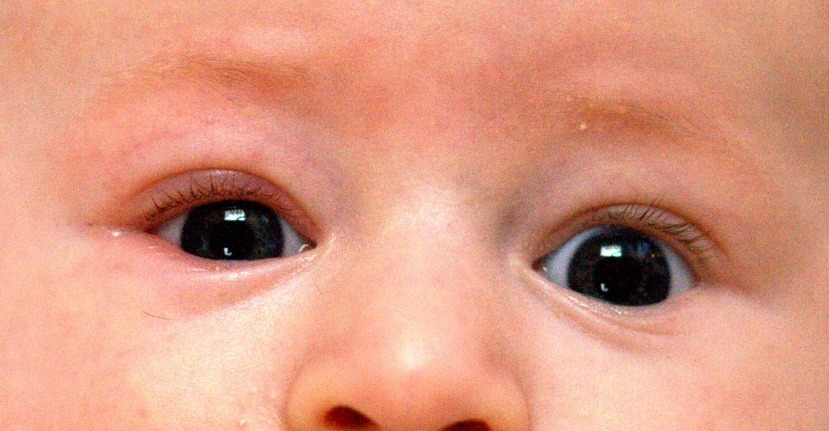
Blepharitis, sometimes known as granulated eyelids, is one of the most common ocular conditions characterized by inflammation, scaling, reddening, and crusting of the eyelid. This condition may also cause swelling, burning, itching, or a grainy sensation when introducing foreign objects or substances to the eye. Although blepharitis by itself is not sight-threatening, it can lead to permanent alterations of the eyelid margin. The primary cause is bacteria and inflammation from congested meibomian oil glands at the base of each eyelash. Other conditions may give rise to blepharitis, whether they be infectious or noninfectious, including, but not limited to, bacterial infections or allergies.
Different variations of blepharitis can be classified as seborrheic, staphylococcal, mixed, posterior or meibomitis, or parasitic. In a survey of US ophthalmologists and optometrists, 37% to 47% of patients seen by those surveyed had signs of blepharitis, which can affect all ages and ethnic groups. One single-center study of 90 patients with chronic blepharitis found that the average age of patients was 50 years old. The word is from Greek βλέφαρον (blepharon) 'eyelid' and –itis 'inflammation of'.
Blepharitis is characterized by chronic inflammation of the eyelid, usually at the base of the eyelashes. Symptoms include inflammation, irritation, itchiness, a burning sensation, excessive tearing, and crusting and sticking of eyelids. Additional symptoms may include visual impairment such as photophobia and blurred vision. Symptoms are generally worse in the mornings and patients may experience exacerbation and several remissions if left untreated. It is typically caused by bacterial infection or blockage of the meibomian oil glands. Diseases and conditions that may lead to blepharitis include rosacea, herpes simplex dermatitis, varicella-zoster dermatitis, molluscum contagiosum, allergic dermatitis, contact dermatitis, seborrheic dermatitis, staphylococcal dermatitis, demodicosis and phthiriasis palpebrarum.
The parasite Demodex folliculorum (D. folliculorum) causes blepharitis when the parasite is present in excessive numbers within the dermis of the eyelids. These parasites can live for approximately 15 days. The parasites (both adult and eggs) live on the hair follicle, inhabiting the sebaceous and apocrine gland of the human lid. Direct contact allows this pathogen to spread. Factors that allow this pathogen to multiply include hypervascular tissue, poor hygienic conditions, and immune deficiency. In treating blepharitis caused by D. folliculorum, mechanical cleaning and proper hygiene are important towards decreasing the parasite's numbers.
Chronic blepharitis may result in damage of varying severity and, in the worst cases, may have a negative effect on vision. This can be resolved with a proper eyeglass prescription. Long-term untreated blepharitis can lead to eyelid scarring, excess tearing, difficulty wearing contact lenses, development of a stye (an infection near the base of the eyelashes, resulting in a painful lump on the edge of the eyelid) or a chalazion (a blockage/bacteria infection in a small oil gland at the margin of the eyelid, just behind the eyelashes, leading to a red, swollen eyelid), chronic pink eye (conjunctivitis), keratitis, and corneal ulcer or irritation. The lids may become red and may have ulcerate, non-healing areas that may lead to bleeding. Blepharitis can also cause blurred vision due to a poor tear film. Tears may be frothy or bubbly, which can contribute to mild scarring along the eyelids. Symptoms and signs of blepharitis are often erroneously ascribed by the patient to "recurrent conjunctivitis".
General symptoms include a foreign body sensation, matting of the lashes, and burning. Collarette around eyelashes, a ring-like formation around the lash shaft, can be observed. Other symptoms include loss of eyelashes or broken eyelashes. The condition can sometimes lead to a chalazion or a stye. Chronic bacterial blepharitis may also lead to ectropion. Posterior blepharitis or rosacea-associated blepharitis is manifested by a broad spectrum of symptoms involving the lids including inflammation and plugging of the meibomian orifices and production of abnormal secretion upon pressure over the glands.
The mechanism by which the bacteria causes symptoms of blepharitis is not fully understood and may include direct irritation of bacterial toxins and/or enhanced cell-mediated immunity to S. aureus.
Staphylococcal blepharitis is caused by an infection of the anterior portion of the eyelid by staphylococcal bacteria. In a study of ocular flora, 46% to 51% of those diagnosed with staphylococcal blepharitis had cultures positive for Staphylococcus aureus in comparison to 8% of normal patients. Staphylococcal blepharitis may start in childhood and continue into adulthood. It is commonly recurrent and it requires special medical care. The prevalence of S. aureus in the conjunctival sac and on the lid margin varies among countries, likely due to differences in climate and environment. Seborrheic blepharitis is characterized by less inflammation than Staphylococcal blepharitis; however, it causes more excess oil or greasy scaling. Meibomian gland dysfunction is a result of abnormalities of the meibomian glands and altered secretion of meibum, which plays an imperative role in lagging the evaporation of tear films and smoothing of the tear film to produce an even optical surface. Posterior blepharitis is an inflammation of the eyelids, secondary to dysfunction of the meibomian glands. Like anterior blepharitis, it is a bilateral chronic condition and may be associated with skin rosacea. There is growing evidence that, in some cases, it is caused by demodex mites.
Hub AI
Blepharitis AI simulator
(@Blepharitis_simulator)
Blepharitis
Blepharitis, sometimes known as granulated eyelids, is one of the most common ocular conditions characterized by inflammation, scaling, reddening, and crusting of the eyelid. This condition may also cause swelling, burning, itching, or a grainy sensation when introducing foreign objects or substances to the eye. Although blepharitis by itself is not sight-threatening, it can lead to permanent alterations of the eyelid margin. The primary cause is bacteria and inflammation from congested meibomian oil glands at the base of each eyelash. Other conditions may give rise to blepharitis, whether they be infectious or noninfectious, including, but not limited to, bacterial infections or allergies.
Different variations of blepharitis can be classified as seborrheic, staphylococcal, mixed, posterior or meibomitis, or parasitic. In a survey of US ophthalmologists and optometrists, 37% to 47% of patients seen by those surveyed had signs of blepharitis, which can affect all ages and ethnic groups. One single-center study of 90 patients with chronic blepharitis found that the average age of patients was 50 years old. The word is from Greek βλέφαρον (blepharon) 'eyelid' and –itis 'inflammation of'.
Blepharitis is characterized by chronic inflammation of the eyelid, usually at the base of the eyelashes. Symptoms include inflammation, irritation, itchiness, a burning sensation, excessive tearing, and crusting and sticking of eyelids. Additional symptoms may include visual impairment such as photophobia and blurred vision. Symptoms are generally worse in the mornings and patients may experience exacerbation and several remissions if left untreated. It is typically caused by bacterial infection or blockage of the meibomian oil glands. Diseases and conditions that may lead to blepharitis include rosacea, herpes simplex dermatitis, varicella-zoster dermatitis, molluscum contagiosum, allergic dermatitis, contact dermatitis, seborrheic dermatitis, staphylococcal dermatitis, demodicosis and phthiriasis palpebrarum.
The parasite Demodex folliculorum (D. folliculorum) causes blepharitis when the parasite is present in excessive numbers within the dermis of the eyelids. These parasites can live for approximately 15 days. The parasites (both adult and eggs) live on the hair follicle, inhabiting the sebaceous and apocrine gland of the human lid. Direct contact allows this pathogen to spread. Factors that allow this pathogen to multiply include hypervascular tissue, poor hygienic conditions, and immune deficiency. In treating blepharitis caused by D. folliculorum, mechanical cleaning and proper hygiene are important towards decreasing the parasite's numbers.
Chronic blepharitis may result in damage of varying severity and, in the worst cases, may have a negative effect on vision. This can be resolved with a proper eyeglass prescription. Long-term untreated blepharitis can lead to eyelid scarring, excess tearing, difficulty wearing contact lenses, development of a stye (an infection near the base of the eyelashes, resulting in a painful lump on the edge of the eyelid) or a chalazion (a blockage/bacteria infection in a small oil gland at the margin of the eyelid, just behind the eyelashes, leading to a red, swollen eyelid), chronic pink eye (conjunctivitis), keratitis, and corneal ulcer or irritation. The lids may become red and may have ulcerate, non-healing areas that may lead to bleeding. Blepharitis can also cause blurred vision due to a poor tear film. Tears may be frothy or bubbly, which can contribute to mild scarring along the eyelids. Symptoms and signs of blepharitis are often erroneously ascribed by the patient to "recurrent conjunctivitis".
General symptoms include a foreign body sensation, matting of the lashes, and burning. Collarette around eyelashes, a ring-like formation around the lash shaft, can be observed. Other symptoms include loss of eyelashes or broken eyelashes. The condition can sometimes lead to a chalazion or a stye. Chronic bacterial blepharitis may also lead to ectropion. Posterior blepharitis or rosacea-associated blepharitis is manifested by a broad spectrum of symptoms involving the lids including inflammation and plugging of the meibomian orifices and production of abnormal secretion upon pressure over the glands.
The mechanism by which the bacteria causes symptoms of blepharitis is not fully understood and may include direct irritation of bacterial toxins and/or enhanced cell-mediated immunity to S. aureus.
Staphylococcal blepharitis is caused by an infection of the anterior portion of the eyelid by staphylococcal bacteria. In a study of ocular flora, 46% to 51% of those diagnosed with staphylococcal blepharitis had cultures positive for Staphylococcus aureus in comparison to 8% of normal patients. Staphylococcal blepharitis may start in childhood and continue into adulthood. It is commonly recurrent and it requires special medical care. The prevalence of S. aureus in the conjunctival sac and on the lid margin varies among countries, likely due to differences in climate and environment. Seborrheic blepharitis is characterized by less inflammation than Staphylococcal blepharitis; however, it causes more excess oil or greasy scaling. Meibomian gland dysfunction is a result of abnormalities of the meibomian glands and altered secretion of meibum, which plays an imperative role in lagging the evaporation of tear films and smoothing of the tear film to produce an even optical surface. Posterior blepharitis is an inflammation of the eyelids, secondary to dysfunction of the meibomian glands. Like anterior blepharitis, it is a bilateral chronic condition and may be associated with skin rosacea. There is growing evidence that, in some cases, it is caused by demodex mites.
Recent media