Hubbry Logo
Α,β-Unsaturated carbonyl compoundΑ,β-Unsaturated carbonyl compoundMain
Open search
Α,β-Unsaturated carbonyl compound
Community hub
Α,β-Unsaturated carbonyl compound
logo
7 pages, 0 posts
0 subscribers
Be the first to start a discussion here.
Α,β-Unsaturated carbonyl compound
from Wikipedia
General structure of α,β-unsaturated carbonyl compounds. R2 and R4 can also be single hydrogens.

α,β-Unsaturated carbonyl compounds are organic compounds with the general structure (O=CR)−Cα=Cβ−R.[1][2] Such compounds include enones and enals, but also carboxylic acids and the corresponding esters and amides. In these compounds, the carbonyl group is conjugated with an alkene (hence the adjective unsaturated). Unlike the case for carbonyls without a flanking alkene group, α,β-unsaturated carbonyl compounds are susceptible to attack by nucleophiles at the β-carbon. This pattern of reactivity is called vinylogous. Examples of unsaturated carbonyls are acrolein (propenal), mesityl oxide, acrylic acid, and maleic acid. Unsaturated carbonyls can be prepared in the laboratory in an aldol reaction and in the Perkin reaction.

Classifications

[edit]

α,β-Unsaturated carbonyl compounds can be subclassified according to the nature of the carbonyl and alkene groups.

Acryloyl group

[edit]
Structure of the acryloyl group

α,β-Unsaturated carbonyl compounds featuring a carbonyl conjugated to an alkene that is terminal, or vinylic, contain the acryloyl group (H2C=CH−C(=O)−); it is the acyl group derived from acrylic acid. The preferred IUPAC name for the group is prop-2-enoyl, and it is also known as acrylyl or simply (and incorrectly) as acryl. Compounds containing an acryloyl group can be referred to as "acrylic compounds".

α,β-Unsaturated acids, esters, and amides

[edit]

An α,β-unsaturated acid is a type of α,β-unsaturated carbonyl compound that consists of an alkene conjugated to a carboxylic acid.[3] The simplest example is acrylic acid (CH2=CHCO2H). These compounds are prone to polymerization, giving rise to the large area of polyacrylate plastics. Acrylate polymers are derived from but do not contain the acrylate group.[4] The carboxyl group of acrylic acid can react with ammonia to form acrylamide, or with an alcohol to form an acrylate ester. Acrylamide and methyl acrylate are commercially important examples of α,β-unsaturated amides and α,β-unsaturated esters, respectively. They also polymerize readily. Acrylic acid, its esters, and its amide derivatives feature the acryloyl group.

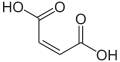
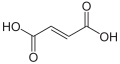
α,β-Unsaturated dicarbonyls are also common. The parent compounds are maleic acid and the isomeric fumaric acid. Maleic acid forms esters, an imide, and an anhydride, i.e. diethyl maleate, maleimide, and maleic anhydride. Fumaric acid, as fumarate, is an intermediate in the Krebs citric acid cycle, which is of great importance in bioenergy.

Enones

[edit]

An enone (or alkenone) is an organic compound containing both alkene and ketone functional groups. In an α,β-unsaturated enone, the alkene is conjugated to the carbonyl group of the ketone.[3] The simplest enone is methyl vinyl ketone (butenone, CH2=CHCOCH3). Enones are typically produced using an aldol condensation or Knoevenagel condensation. Some commercially significant enones produced by condensations of acetone are mesityl oxide (dimer of acetone) and phorone and isophorone (trimers).[5] In the Meyer–Schuster rearrangement, the starting compound is a propargyl alcohol. Another method to access α,β-unsaturated carbonyls is via selenoxide elimination. Cyclic enones can be prepared via the Pauson–Khand reaction.

General reaction for an aldol condensation between two carbonyl compounds

Cyclic enones

[edit]

The cyclic enones include cyclopropenone, cyclobutenone,[6] cyclopentenone, cyclohexenone, and cycloheptenone.[7]

Enals

[edit]

An enal (or alkenal) is an organic compound containing both alkene and aldehyde functional groups. In an α,β-unsaturated enal, the alkene is conjugated to the carbonyl group of the aldehyde (formyl group).[3] The simplest enal is acrolein (CH2=CHCHO). Other examples include cis-3-hexenal (essence of mowed lawns) and cinnamaldehyde (essence of cinnamon).

Reactions of α,β-unsaturated carbonyls

[edit]

α,β-Unsaturated carbonyls are electrophilic at both the carbonyl carbon as well as the β-carbon. Depending on conditions, either site is attacked by nucleophiles. Additions to the alkene are called conjugate additions. One type of conjugate addition is the Michael addition, which is used commercially in the conversion of mesityl oxide into isophorone. Owing to their extended conjugation, α,β-unsaturated carbonyls are prone to polymerization. In terms of industrial scale, polymerization dominates the use of α,β-unsaturated carbonyls. Again because of their electrophilic character, the alkene portion of α,β-unsaturated carbonyls is good dienophiles in Diels–Alder reactions. They can be further activated by Lewis acids, which bind to the carbonyl oxygen. α,β-Unsaturated carbonyls are good ligands for low-valent metal complexes, examples being (bda)Fe(CO)3 and tris(dibenzylideneacetone)dipalladium(0).

α,β-Unsaturated carbonyls are readily hydrogenated. Hydrogenation can target the carbonyl or the alkene (conjugate reduction) selectively, or both functional groups.

Enones undergo the Nazarov cyclization reaction and in the Rauhut–Currier reaction (dimerization).

When appropriately irradiated, they undergo enone–alkene cycloadditions.

α,β-Unsaturated thioesters

[edit]

α,β-Unsaturated thioesters are intermediates in several enzymatic processes. Two prominent examples are coumaroyl-coenzyme A and crotonyl-coenzyme A. They arise by the action of acyl-CoA dehydrogenases.[8] Flavin adenine dinucleotide (FAD) is a required co-factor.

Safety

[edit]

Since α,β-unsaturated compounds are electrophiles and alkylating agents, many α,β-unsaturated carbonyl compounds are toxic. The endogenous scavenger compound glutathione naturally protects from toxic electrophiles in the body. Some drugs (amifostine, N-acetylcysteine) containing thiol groups may protect from such harmful alkylation.

See also

[edit]

References

[edit]
Revisions and contributorsEdit on WikipediaRead on Wikipedia
from Grokipedia
An α,β-unsaturated carbonyl compound is an organic molecule containing a carbonyl functional group (C=O) directly conjugated to a carbon-carbon double bond (C=C), where the alkene is positioned between the α-carbon (adjacent to the carbonyl carbon) and the β-carbon, resulting in the general structure R¹R²C=CR³–C(=O)–R⁴. This conjugation leads to electron delocalization across the π-system, polarizing the molecule and rendering the β-carbon electrophilic. Such compounds encompass various subclasses, including α,β-unsaturated aldehydes (enals), ketones (enones), esters (enoates), and amides (enamides). Prominent examples include acrolein (CH₂=CH–CHO), a simple enal used in industrial applications, and acrylamide (CH₂=CH–CONH₂), an enamide involved in polymer production. In natural products, motifs like chalcones (e.g., in hops and licorice) and curcumin (a diarylheptanoid from turmeric) exemplify their prevalence, contributing to biological activities such as antioxidant and anti-inflammatory effects. These compounds are essential building blocks in organic synthesis, facilitating the assembly of pharmaceuticals, fine chemicals, and advanced materials through efficient catalytic methods like carbonylation reactions. Their reactivity is dominated by conjugate (1,4-) additions, such as the Michael addition, where nucleophiles (e.g., enolates or thiols) attack the β-carbon to form new carbon-carbon or carbon-heteroatom bonds. Under kinetic control, 1,2-addition to the carbonyl can occur, but thermodynamic conditions often favor 1,4-addition, enabling regioselective transformations in reactions like the Robinson annulation for ring construction. They are commonly prepared via aldol condensation-dehydration or Wittig olefination, underscoring their synthetic accessibility.

Definition and Nomenclature

Structural Features

α,β-Unsaturated carbonyl compounds are organic molecules that contain a carbonyl group (C=O) conjugated with a carbon-carbon double bond (C=C), positioned such that the double bond lies between the α-carbon (directly adjacent to the carbonyl carbon) and the β-carbon. This structural arrangement defines the class, encompassing aldehydes, ketones, and carboxylic acid derivatives where the conjugation extends the functional group's reactivity. The general formula for acyclic α,β-unsaturated carbonyl compounds is R-CH=CH-C(=O)-R', where R and R' represent hydrogen or organic substituents, allowing for a range of structural variations including cyclic forms and additional substitutions on the α- or β-carbons. In these systems, the separation of the C=C and C=O by a single bond enables conjugation, forming an extended π-system that facilitates electron delocalization across the three atoms involved (β-carbon, α-carbon, and carbonyl carbon). This delocalization influences the molecule's electronic properties, lowering the energy of the system and altering bond lengths and strengths compared to isolated functional groups. The conjugation is vividly illustrated by the resonance structures of these compounds, which demonstrate the partial double bond character between the α-carbon and the carbonyl carbon. For the simplest case, acrolein (CH₂=CH-CHO), the resonance forms are: \ceCH2=CHCHO<>+CH2CH=CHO\ce{CH2=CH-CHO <-> ^{+}CH2-CH=CH-O^{-}} In the second contributor, the β-carbon bears a partial positive charge due to the electron-withdrawing effect of the oxygen, while the negative charge resides on oxygen, stabilizing the overall structure through π-overlap. This resonance delocalization extends the π-system, affecting reactivity by making the β-carbon more electrophilic. These structural features were first recognized in the 19th century during investigations into acrolein, the prototypical α,β-unsaturated aldehyde, which was named and characterized as an aldehyde by Jöns Jacob Berzelius in 1839 and first prepared via dry distillation by Joseph Redtenbacher in 1843.

Naming Conventions

α,β-Unsaturated carbonyl compounds are named according to the substitutive nomenclature rules outlined in the IUPAC Recommendations 2013, where the principal characteristic group (e.g., the carbonyl) determines the suffix, and the conjugated double bond is indicated by the infix "-en-" with appropriate locants. For aldehydes, the suffix "-enal" is used, with the chain numbered to give the carbonyl carbon position 1 and the lowest possible locant to the double bond; for example, the compound with the formula CH₃CH=CHCHO is named but-2-enal. Ketones employ the suffix "-enone", with locants specifying both the carbonyl and the double bond positions to ensure the lowest set of locants overall, as in pent-3-en-2-one for CH₃COCH=CHCH₃. Carboxylic acid derivatives follow similar patterns, using suffixes such as "-enoic acid" for acids (e.g., but-2-enoic acid for CH₃CH=CHCOOH) and "-enoate" for esters (e.g., methyl but-2-enoate). Trivial names persist for some common α,β-unsaturated carbonyls, often retained in IUPAC for simplicity despite the preference for systematic names. , the trivial name for prop-2-enal (CH₂=CHCHO), derives from its acrid odor and is widely used in industrial contexts. , referring to (E)-but-2-enal (CH₃CH=CHCHO), originates from its relation to and is common in synthetic chemistry. Another example is , the retained name for 4-methylpent-3-en-2-one ((CH₃)₂C=CHCOCH₃), linked to its derivation from acetone. Stereochemistry of the C=C double bond is specified using the E/Z designation based on the Cahn-Ingold-Prelog priority rules, placed in parentheses before the name with the locant of the double bond. For instance, the trans isomer of but-2-enal is (E)-but-2-enal, where the higher-priority groups (the aldehyde and methyl) are on opposite sides. This descriptor is essential for distinguishing configurational isomers in conjugated systems. The nomenclature of α,β-unsaturated carbonyl compounds evolved from descriptive terms like "α,β-unsaturated aldehyde" in early 20th-century literature to the precise IUPAC systematic approach, formalized in the 1971 revisions of Sections A, B, and C, which emphasized chain-based naming over Greek-letter locants for broader applicability in complex molecules. This shift, driven by IUPAC's Organic Nomenclature Commission, promoted uniformity post-1970s, though trivial names remain accepted for well-known compounds.

Classifications

Enals

Enals, or α,β-unsaturated aldehydes, are organic compounds featuring an aldehyde functional group (-CHO) conjugated to a carbon-carbon double bond between the α and β positions relative to the carbonyl carbon. This conjugation imparts distinctive reactivity and properties to the molecule, distinguishing enals from saturated aldehydes. The simplest enal is acrolein, with the structure \ceCH2=CHCHO\ce{CH2=CH-CHO}, a volatile compound produced industrially on a large scale. Other prominent examples include crotonaldehyde, \ce(E)CH3CH=CHCHO\ce{(E)-CH3-CH=CH-CHO}, which occurs as a (E)-isomer in natural sources and serves as a chemical intermediate, and cinnamaldehyde, \cePhCH=CHCHO\ce{Ph-CH=CH-CHO}, the primary flavor component derived from cinnamon bark. Enals exhibit high volatility, particularly in lower homologs like and , which are colorless to pale yellow liquids with boiling points around 53°C and 102°C, respectively. They possess pungent, irritating odors— described as acrid and , suffocating, and cinnamon-like—that arise from their conjugated systems. A notable property is their tendency to polymerize exothermically, especially , which forms polymers upon exposure to acids, bases, or oxygen, necessitating stabilizers in storage. Acrolein holds historical significance as the first identified enal, named and characterized by Swedish chemist Jöns Jacob Berzelius in 1839 through the thermal decomposition of glycerol, highlighting early observations of unsaturated carbonyl chemistry. In synthesis, enals serve as versatile intermediates for producing fragrances, such as cinnamaldehyde in cinnamon-based scents, and polymers, where compounds like acrolein contribute to the formation of specialty resins and coatings via controlled polymerization or as precursors in fine chemical routes.

Enones

Enones represent a subclass of α,β-unsaturated carbonyl compounds where the carbonyl functionality is a ketone (>C=O) directly conjugated with a carbon-carbon double bond (C=C), typically in the α,β-position. This conjugation extends the π-system, influencing reactivity and electronic properties. Acyclic enones are common synthetic building blocks, exemplified by methyl vinyl ketone (CH2_2=CHC(O)CH3_3), a versatile electrophile in conjugate addition reactions due to its unsubstituted vinyl group. Another prominent example is chalcone (PhCH=CHC(O)Ph), a trans-1,3-diphenyl-2-propen-1-one featuring two aromatic rings linked by the enone moiety, often synthesized via Claisen-Schmidt condensation and valued for its biological activities. Cyclic enones incorporate the conjugated system within a ring structure, such as 2-cyclohexen-1-one, where the carbonyl is at position 1 and the double bond spans positions 2 and 3 in a six-membered ring. This compound serves as a key intermediate in steroid synthesis, enabling the construction of polycyclic frameworks through reactions like Robinson annulation. In cyclic enones, the ring geometry enforces planarity across the conjugated π-system, enhancing overlap of p-orbitals and thereby stabilizing the enone functionality compared to flexible acyclic analogs. Early enones, such as mesityl oxide ((CH3_3)2_2C=CHC(O)CH3_3), were identified in 19th-century investigations of acetone self-condensation under basic conditions, marking foundational discoveries in aldol chemistry.

Carboxylic Acid Derivatives

α,β-Unsaturated derivatives are organic compounds featuring a in the form of a (-COOH), (-COOR), or (-CONR₂) conjugated to an α,β-carbon-carbon , which imparts unique electrophilic due to between the π-systems. Representative examples include (\ceCH2=CHCOOH\ce{CH2=CHCOOH}), the simplest α,β-unsaturated , and (\ce(E)CH3CH=CHCOOH\ce{(E)-CH3CH=CHCOOH}), a β-substituted analog. Among the esters, (\ceCH2=CHCOOCH3\ce{CH2=CHCOOCH3}) is widely employed as a monomer in radical polymerization reactions to form polyacrylates. For amides, (\ceCH2=CHCONH2\ce{CH2=CHCONH2}) exemplifies the class, with studies from 2002 highlighting its neurotoxic effects through nerve cell damage in animal models. A key distinction in reactivity for the acid derivatives arises from the acidic proton of the -COOH group, which has a pKa around 4.5 and readily forms water-soluble salts with bases, enhancing their handling and solubility in aqueous media compared to non-acidic counterparts.

Properties

Physical Properties

α,β-Unsaturated carbonyl compounds are typically polar molecules due to the carbonyl group, resulting in physical properties such as moderate to high boiling points and solubility in polar solvents. Low molecular weight representatives, like acrolein (CH₂=CHCHO), exist as volatile, colorless liquids at room temperature with a boiling point of 53°C and density of 0.839 g/mL. Higher homologs, such as crotonaldehyde (CH₃CH=CHCHO), are also liquids but less volatile, boiling at 104°C with a density of 0.853 g/mL. In contrast, larger or more substituted compounds often appear as solids or viscous liquids. The conjugation between the carbonyl and enhances molecular polarity, leading to slightly elevated boiling points compared to their saturated analogs. For example, crotonaldehyde boils at 104°C, while the saturated butanal has a boiling point of 75°C; similarly, methyl crotonate boils at 119–121°C versus 80°C for methyl propionate. This trend arises from increased dipole moments rather than significant changes in molecular weight. Solubility in water is generally good for small, low molecular weight α,β-unsaturated carbonyls owing to hydrogen bonding with the carbonyl oxygen. Acrolein dissolves at 20 g/100 mL, crotonaldehyde at 15–18 g/100 mL, and acrylic acid (CH₂=CHCOOH) is fully miscible. Solubility decreases with increasing chain length or nonpolar substituents, favoring organic solvents like ethanol or ether. Many α,β-unsaturated carbonyls possess pungent, acrid odors and can be lachrymatory, irritating the eyes and mucous membranes. , for instance, is a colorless to pale yellow liquid with a , smell that causes tearing. similarly exhibits a penetrating, irritating odor as a straw-colored liquid. Acrylic acid appears as a clear, colorless liquid with an acrid scent. The following table summarizes key physical properties for representative examples:
CompoundBoiling Point (°C)Density (g/mL at 20–25°C)Water SolubilityAppearance and Odor
530.83920 g/100 mLColorless ; pungent, lacrimatory
Crotonaldehyde1040.85315–18 g/100 mLStraw-colored ; penetrating, pungent
1411.051MiscibleColorless ; acrid

Spectroscopic Characteristics

α,β-Unsaturated carbonyl compounds exhibit characteristic ultraviolet-visible (UV-Vis) absorption due to the extended conjugation between the C=C and C=O groups, resulting in a bathochromic shift compared to their saturated counterparts. The π→π* transition typically occurs at λ_max values of 210-250 nm with moderate to high molar absorptivity (ε ≈ 10,000-20,000 M⁻¹ cm⁻¹), as seen in simple enals like (λ_max 217 nm) and enones like (λ_max 219 nm). This shift arises from the lowered gap between the π and π* orbitals facilitated by delocalization, contrasting with the weaker n→π* absorption of saturated carbonyls around 270-290 nm (ε < 100 M⁻¹ cm⁻¹). Infrared (IR) spectroscopy provides key diagnostic bands for the conjugated system. The carbonyl C=O stretching frequency appears at lower wavenumbers, 1670-1700 cm⁻¹ for enones and 1685-1710 cm⁻¹ for enals, compared to 1710-1715 cm⁻¹ for saturated aliphatic ketones and 1720-1740 cm⁻¹ for saturated aldehydes, due to reduced C=O bond strength from conjugation. Additionally, the conjugated C=C stretch occurs at 1620-1680 cm⁻¹, often as a medium-intensity band overlapping or adjacent to the C=O signal, further distinguishing these compounds from non-conjugated analogs lacking this feature. Nuclear magnetic resonance (NMR) spectroscopy reveals downfield shifts for the olefinic protons influenced by the adjacent carbonyl. In ¹H NMR, the α-proton (on the carbon directly attached to the carbonyl) typically resonates at δ 6.0-7.0 ppm, while the β-proton appears further downfield at δ 7.0-8.0 ppm, reflecting the deshielding effects of the conjugated system; for example, in trans-chalcone, the β-H is at δ 7.8 ppm and α-H at δ 6.7 ppm. These protons often couple with a trans vicinal constant J ≈ 15 Hz, enabling stereochemical assignment of E/Z isomers, in contrast to the upfield shifts (δ 5.0-6.0 ppm) for isolated alkene protons. In ¹³C NMR, the carbonyl carbon shifts to δ 190-200 ppm, with α- and β-carbons at δ 120-140 ppm, showing greater deshielding than in saturated systems. Mass spectrometry (MS) of α,β-unsaturated carbonyls often displays fragments indicative of the conjugated motif, such as the acylium ion at m/z 55 (CH₂=CHC=O⁺) from alpha-cleavage in acryloyl derivatives, or loss of the alkene moiety via retro-Diels-Alder-like processes. McLafferty rearrangement can yield even-electron ions at m/z 58 for enones with gamma-hydrogens, differing from saturated carbonyls where alpha-cleavage dominates without such conjugated losses. These spectroscopic features collectively enable reliable identification of the conjugated system, as the bathochromic UV shift, lowered IR C=O frequency, downfield NMR olefinic signals, and specific MS fragments distinguish α,β-unsaturated carbonyls from saturated carbonyls lacking conjugation.

Synthesis

From Aldehydes and Ketones

α,β-Unsaturated carbonyl compounds are commonly synthesized from aldehydes and ketones via the aldol condensation, a base-catalyzed process where the enolate ion derived from one carbonyl compound adds to the carbonyl group of another, forming a β-hydroxy carbonyl intermediate that subsequently undergoes dehydration to yield the α,β-unsaturated product. This reaction is particularly effective for generating enals and enones, with the dehydration step often facilitated by heat or acidic conditions to drive the elimination of water. A classic example is the self-aldol condensation of acetaldehyde, which produces crotonaldehyde upon dehydration under basic conditions such as aqueous NaOH at elevated temperatures. The general reaction scheme for aldehydes is represented as: RCH2CHO+RCHORCH=CHCHO+H2O\mathrm{R-CH_2-CHO + R'-CHO \rightarrow R-CH=CH-CHO + H_2O} Variations of the aldol condensation include self-condensations, which are suitable for forming enals from aldehydes with α-hydrogens, and crossed-aldol reactions, often used to prepare enones by combining a ketone with an aldehyde lacking α-hydrogens to avoid self-condensation. Typical conditions involve alcoholic or aqueous solutions of bases like NaOH or KOH, followed by heating to promote dehydration and isolate the unsaturated product. Another common method is the Wittig olefination, where an aldehyde or ketone reacts with a phosphonium ylide (derived from a phosphonium salt and a base) to form the α,β-unsaturated carbonyl compound and triphenylphosphine oxide. This reaction allows stereoselective formation of the C=C bond conjugated to the carbonyl and is particularly useful for enals and enones. Historically, the crossed-aldol variant known as the Claisen-Schmidt condensation was developed in the 1880s for synthesizing chalcones from aromatic aldehydes and aliphatic ketones, providing a selective route to aryl-substituted enones. This method, pioneered by Rainer Ludwig Claisen and J. G. Schmidt, relies on the greater reactivity of aromatic aldehydes and has become a cornerstone for preparing bioactive chalcone derivatives. Despite its utility, the aldol condensation can suffer from limitations such as side reactions, including multiple condensations leading to polymerization, particularly under basic conditions with aldehydes prone to over-alkylation. These issues often necessitate careful control of reaction stoichiometry and conditions to favor the desired monomeric α,β-unsaturated product.

From Carboxylic Derivatives

The Doebner modification of the Knoevenagel condensation provides an efficient route to α,β-unsaturated carboxylic acids by reacting aldehydes with malonic acid, a simple carboxylic derivative, in the presence of pyridine as solvent and piperidine as catalyst. This one-pot process involves initial condensation to form the alkylidene malonic acid intermediate, followed by spontaneous decarboxylation upon heating, yielding the desired acryclic acid directly without isolation of the diacid. The method is particularly useful for aromatic and aliphatic aldehydes, producing trans-configured products in high yields under mild conditions. The general reaction scheme is: \ceRCHO+CH2(CO2H)2>[pyridine,piperidine,Δ]RCH=CHCO2H+CO2+H2O\ce{R-CHO + CH2(CO2H)2 ->[pyridine, piperidine, \Delta] R-CH=CH-CO2H + CO2 + H2O} This transformation highlights the role of malonic acid's active methylene group in building the α,β-unsaturation while leveraging decarboxylation to simplify the product structure. Palladium-catalyzed Heck reactions offer a powerful coupling strategy for synthesizing substituted α,β-unsaturated carbonyl derivatives from carboxylic acid esters like acrylates. In this cross-coupling, aryl or vinyl halides react with electron-deficient alkenes such as ethyl acrylate in the presence of a palladium catalyst (e.g., Pd(OAc)₂ with phosphine ligands) and a base, typically under heating in polar solvents. The mechanism involves oxidative addition of the halide to Pd(0), migratory insertion of the alkene, and β-hydride elimination to afford the trans-α,β-unsaturated ester, such as ethyl cinnamate from iodobenzene and ethyl acrylate. This method enables the introduction of diverse substituents at the β-position, making it widely adopted for complex molecule synthesis. On an industrial scale, acrylic acid, the parent α,β-unsaturated carboxylic acid (CH₂=CHCOOH), is produced via the two-step oxidation of propylene. This catalytic process involves propylene first oxidized to acrolein using a molybdenum-based catalyst in air, followed by further oxidation to acrylic acid, achieving high selectivity and enabling large-scale production for polymers and resins.

Reactions

Conjugate Additions

Conjugate additions, also known as 1,4-additions or Michael additions, involve the nucleophilic attack at the β-carbon of an α,β-unsaturated carbonyl compound, followed by protonation of the resulting enolate at the α-carbon. This regioselectivity arises from the resonance delocalization of the carbonyl group, which extends the electrophilic character to the β-carbon, allowing the nucleophile to add there instead of directly to the carbonyl oxygen (1,2-addition). The mechanism proceeds via initial addition of the nucleophile to the β-carbon, generating an enolate intermediate stabilized by the carbonyl, which is then protonated to yield the saturated carbonyl product. The preference for 1,4- versus 1,2-addition is governed by the hard-soft acid-base (HSAB) theory, where soft nucleophiles preferentially interact with the softer β-carbon electrophile, while hard nucleophiles favor the harder carbonyl carbon. Soft nucleophiles such as thiols and amines readily undergo conjugate additions to α,β-unsaturated carbonyls, forming β-thio or β-amino carbonyl compounds, respectively; for instance, thiols add efficiently due to their polarizable sulfur atom. In contrast, hard nucleophiles like organolithium or Grignard reagents typically favor direct 1,2-addition unless modified. A prominent example of conjugate addition is the use of organocopper reagents, such as Gilman reagents (dialkylcuprates, R₂CuLi), which enable selective C-C bond formation at the β-position of enones. The reaction involves coordination of the cuprate to the enone, followed by transfer of one alkyl group to the β-carbon and reductive elimination, yielding a β-alkylated ketone after workup. For example, the addition of lithium dimethylcuprate to methyl vinyl ketone produces pentan-2-one in high yield. The mechanism features a π-complex intermediate between the cuprate and enone, facilitating the 1,4-selectivity. The general reaction can be represented as: \ceNu+CH2=CHC(=O)R>[1,4addition]NuCH2CH=C(O)R>[protonation]NuCH2CH2C(=O)R\ce{Nu^- + CH2=CH-C(=O)R ->[1,4-addition] Nu-CH2-CH=C(O^-)R ->[protonation] Nu-CH2-CH2-C(=O)R} where Nu⁻ is a soft nucleophile. Asymmetric variants of conjugate additions have advanced significantly since the 1990s, employing chiral catalysts to achieve enantioselective β-functionalization of enones and enals. Copper-based systems with chiral phosphoramidite or phosphine ligands enable highly enantioselective additions of organozinc or Grignard reagents to cyclic enones, often exceeding 90% ee. For instance, spiro phosphoramidite ligands developed by Feringa and coworkers facilitate the addition of diethylzinc to enones with up to 99% ee. These methods rely on chiral induction during the enolate formation step, with seminal contributions including rhodium-catalyzed additions of arylboronic acids using diene ligands.

Direct Nucleophilic Additions

In direct nucleophilic additions to α,β-unsaturated carbonyl compounds, the nucleophile targets the carbonyl carbon, resulting in a 1,2-addition pathway that preserves the C=C double bond in the product. This process begins with the nucleophile attacking the electrophilic carbonyl carbon, forming a tetrahedral alkoxide intermediate stabilized by the adjacent oxygen. Subsequent protonation during aqueous workup yields the corresponding allylic alcohol, typically with high efficiency when using hard nucleophiles. Organomagnesium (Grignard) and organolithium serve as prototypical nucleophiles for these transformations to their high reactivity and basicity, which favor attack at the harder carbonyl site over the softer β-carbon. For instance, the reaction of (CH₂=CHCHO) with phenylmagnesium bromide in diethyl ether affords 1-phenylprop-2-en-1-ol (CH₂=CHCH(OH)Ph) in good yield after hydrolysis, providing a versatile allylic alcohol motif. Similar additions to enones, such as methyl vinyl ketone, produce β-unsaturated tertiary alcohols, though yields may vary based on steric hindrance at the carbonyl. Conditions that promote kinetic control, such as low temperatures (e.g., -78 °C) and aprotic solvents like tetrahydrofuran or 2-methyltetrahydrofuran, enhance selectivity for 1,2-addition by minimizing equilibration to the thermodynamic 1,4-product. Additives like lithium bromide can further tune regioselectivity for organolithiums, achieving near-exclusive 1,2-pathways in sustainable solvents at 0 °C. These protocols are particularly effective for α,β-unsaturated aldehydes, where 1,2-addition predominates without catalysis. The conjugative effect of the C=C bond delocalizes electron density from the carbonyl, reducing its electrophilicity and thereby lowering the rate of 1,2-addition relative to saturated carbonyl analogs. This inherent limitation often necessitates excess nucleophile or optimized conditions to achieve satisfactory conversion, especially with sterically encumbered enones. Despite this, the reaction remains valuable for accessing allylic alcohols when 1,4-addition is undesired. Historically, 1,2-additions of Grignard to α,β-unsaturated carbonyls played a key in early 20th-century syntheses, the of unsaturated alcohol intermediates essential for building complex polycyclic frameworks. Competition with conjugate addition can arise under warmer or protic conditions, but low-temperature aprotic setups reliably favor the pathway.

Electrophilic Reactions

α,β-Unsaturated carbonyl compounds undergo electrophilic at the α-position through an acid-catalyzed mechanism involving the , where the enol acts as a toward the . This reaction is typically carried out using in acetic acid, leading to selective monobromination at the α-carbon of enones such as cyclohexenone. The process proceeds via of the carbonyl oxygen, followed by at the α-carbon to form the enol, which then reacts with Br₂ to afford the α-bromo product after tautomerization. This method is valuable for introducing functionality that can facilitate subsequent eliminations to form extended conjugated systems. A prominent electrophilic reaction of α,β-unsaturated carbonyls is their role as dienophiles in Diels-Alder cycloadditions, where the electron-deficient C=C bond reacts with conjugated dienes in a [4+2] pericyclic process to construct cyclohexene rings bearing the retained carbonyl group. For instance, methyl vinyl ketone (CH₂=CH-C(O)CH₃) undergoes cycloaddition with cyclopentadiene to yield the endo-1-(bicyclo[2.2.1]hept-5-en-2-yl)ethan-1-one adduct, with the carbonyl activating the dienophile and directing regioselectivity. The reaction is thermally driven and often proceeds with high stereoselectivity, favoring endo addition due to secondary orbital interactions between the diene and the carbonyl. Computational studies confirm that the activation energy for such reactions is lowered by the conjugating carbonyl, making enones among the most reactive dienophiles. Epoxidation of the C=C bond in α,β-unsaturated carbonyls represents another key electrophilic transformation, typically achieved using peracids like m-chloroperoxybenzoic acid (mCPBA), which delivers an electrophilic oxygen to form α,β-epoxy carbonyl compounds. This reaction preserves the carbonyl and occurs stereospecifically with addition, as seen in the conversion of to its epoxy derivative. Unlike simple alkenes, enones may compete with Baeyer-Villiger oxidation of the carbonyl, but under controlled conditions (e.g., in at low ), epoxidation predominates, yielding versatile intermediates for further stereoselective openings. These electrophilic reactions enable the efficient construction of molecular complexity in natural product synthesis, often in tandem with other processes like aldol condensations. For example, the Robinson annulation integrates a Michael addition to an enone with an intramolecular aldol condensation to form fused cyclohexenone rings, as demonstrated in the total synthesis of steroids and terpenoids such as reserpine. Such strategies highlight the utility of enones as electrophilic building blocks in high-impact synthetic routes.

Applications

Synthetic Utility

α,β-Unsaturated carbonyl compounds serve as versatile building blocks in organic synthesis, particularly as Michael acceptors that enable efficient carbon-carbon bond formation at the β-position through conjugate addition reactions. This reactivity is exemplified in the Robinson annulation, where an enolate adds to an α,β-unsaturated ketone such as methyl vinyl ketone, followed by intramolecular aldol condensation to form fused cyclohexenone systems. Such processes have been pivotal in the total synthesis of alkaloids, including tropane derivatives like tropinone, where the Michael addition step constructs the core bicyclic framework essential for pharmaceutical scaffolds. As dienophiles in Diels-Alder reactions, α,β-unsaturated ketones participate in [4+2] cycloadditions with dienes to generate chiral cyclohexenone products, which are valuable intermediates for synthesis. Asymmetric variants, catalyzed by chiral Lewis acids, achieve high enantioselectivity in these transformations, allowing access to enantioenriched cyclohexanones after subsequent manipulations. For instance, the reaction of α,β-unsaturated ketones with silyloxy dienes under chiral oxazaborolidinone catalysis provides functionalized cyclohexanones with up to 99% , highlighting their utility in constructing stereodefined carbocycles for pharmaceuticals. A practical example of their synthetic application is the conversion of limonene to carvone, involving epoxidation and oxidation steps to form a ketone intermediate, followed by selective dehydration to the target enone. This route leverages the conjugated system for controlled functionalization, yielding carvone as a chiral building block for terpenoid derivatives used in fragrances and drugs. Modern advances in organocatalysis have further expanded their scope, with post-2000 developments by MacMillan enabling enantioselective cascades involving enals. In these iminium/enamine-mediated processes, α,β-unsaturated aldehydes undergo sequential aldol and Michael additions, forging multiple stereocenters in a single pot for complex polyfunctionalized products relevant to alkaloid and polyketide synthesis. The dual reactivity at the carbonyl and β-position confers unique versatility, facilitating regioselective C-C bond formation and enabling concise routes to bioactive molecules.

Industrial Relevance

α,β-Unsaturated carbonyl compounds play a pivotal role in industrial chemistry, particularly through derivatives like acrylic acid and its esters, which serve as essential monomers in the production of polyacrylates. These polymers are widely utilized in paints, adhesives, and coatings due to their durability, adhesion properties, and weather resistance. Global production of acrylic acid was approximately 7 million metric tons in 2022, reflecting its status as a high-volume commodity chemical. Acrolein, another key α,β-unsaturated aldehyde, functions as a critical intermediate in the synthesis of DL-methionine, the primary synthetic form used as an essential amino acid supplement for animal feed, where such additives constitute about 98% of global methionine demand. This application underscores the importance of acrolein in the agrochemical sector, supporting livestock nutrition and agriculture on a massive scale. In the fine chemicals domain, compounds such as cinnamaldehyde exemplify the use of enones in flavors and fragrances; it imparts a characteristic cinnamon scent and is incorporated into perfumes, soaps, and cosmetics for its aromatic and fixative qualities. The industrial production of acrylic acid and related compounds predominantly employs a two-stage catalytic vapor-phase oxidation of propylene, first yielding acrolein and then acrylic acid, a process commercialized in the 1960s that has become the dominant method due to its efficiency and scalability. The economic significance of these compounds is evident in the acrylic acid market, valued at approximately USD 13.7 billion in 2023 and projected to grow at a compound annual growth rate of over 4%, driven largely by expanding demand in the coatings and adhesives industries. As of 2024, the market was valued at USD 15.31 billion, with projections estimating values reaching USD 22.17 billion by 2033 at a CAGR of 4.8%. This growth trajectory highlights their integral contribution to sectors like construction and automotive manufacturing.

Special Types

Thioesters

α,β-Unsaturated thioesters feature a thioester moiety (-C(=O)-SR) directly conjugated to a carbon-carbon double bond at the α and β positions, rendering the β-carbon electron-deficient and highly reactive toward nucleophiles. Unlike their more prevalent oxygen analogs, these sulfur-containing variants are less commonly encountered in standard synthetic repertoires owing to the need for specialized handling to prevent side reactions involving the thiol component. A representative example is S-ethyl thioacrylate (CH₂=CHC(=O)SEt), a simple yet versatile compound employed as a Michael acceptor in various transformations. In peptide-related applications, α,β-unsaturated thioesters such as those mimicking coenzyme A derivatives, like the enoyl thioester intermediates in polyketide synthases, serve as probes for enzymatic assembly lines and facilitate site-specific modifications in protein synthesis. These compounds display enhanced lipophilicity relative to corresponding esters, stemming from the larger atomic radius and lower electronegativity of sulfur, which improves partitioning into lipid environments and aids in biological membrane crossing. The conjugated system also positions the β-carbon as a softer electrophile, with diminished resonance stabilization compared to oxo-congeners, thereby favoring interactions with soft nucleophiles in copper-mediated conjugate additions to deliver high enantioselectivity (up to 99% ee) in 1,4-adducts. Common synthetic routes include the thiolysis of α,β-unsaturated acid chlorides with thiols under basic conditions, proceeding via nucleophilic acyl substitution to yield the desired thioesters in good yields. Alternative methods encompass palladium-catalyzed thiocarbonylative coupling of vinyl triflates and S-aryl thioformates, providing regioselective access to diverse substituents. Transformations from enones, such as ruthenium-catalyzed cross-metathesis with thioacrylates, offer a convergent pathway to extend or modify the unsaturated chain. In practical applications, α,β-unsaturated thioesters excel in thio-Michael additions, wherein exogenous thiols perform 1,4-conjugate addition to forge β-thioether linkages, enabling the construction of functional materials like degradable polymers and dynamic networks with tunable mechanical properties. Their utility extends to stereoselective syntheses, where copper catalysis harnesses their electrophilic softness for assembling chiral thioester motifs in natural product analogs.

Cyclic Compounds

Cyclic α,β-unsaturated carbonyl compounds feature an endocyclic double bond conjugated to the within a ring system, typically in five- or six-membered rings, which distinguishes them from their acyclic counterparts by imposing structural constraints that influence reactivity and stability. Representative examples include 2-cyclopentenone, a five-membered ring enone, and 2-cyclohexenone, a six-membered ring analog, both of which exhibit the characteristic (O=CR)−Cα=Cβ−R motif where the is positioned between the α and β carbons relative to the carbonyl. These structures are prevalent in the enone subclass of α,β-unsaturated carbonyls. The ring framework in these compounds enhances molecular rigidity, reducing conformational flexibility compared to acyclic variants and thereby stabilizing the conjugated system against isomerization. This rigidity contributes to their utility as chromophores, with the extended conjugation leading to characteristic UV absorption in the 220–280 nm range, depending on ring size and substituents, which is exploited in spectroscopic identification and photochemical applications. In contrast, cyclic α,β-unsaturated thioesters are less common than their oxygen analogs, with limited but notable natural occurrences such as thiolactomycin, a bacterial antibiotic featuring an α,β-unsaturated thiolactone moiety. Synthesis of cyclic enones often proceeds via dehydrogenation of saturated cyclic ketones, employing palladium catalysts under aerobic conditions to selectively introduce the α,β-unsaturation while preserving the ring integrity. For instance, cyclohexanone can be converted to 2-cyclohexenone using Pd(OAc)₂ and O₂ in the presence of a base. Alternatively, Birch reduction conditions, involving alkali metals in liquid ammonia, have been applied to aromatic precursors or bicyclic systems to generate enone motifs, particularly in terpenoid frameworks, by partial reduction and deconjugation. These compounds play significant roles in natural products, such as in steroids where Δ⁴-3-ketosteroids feature the cyclic enone in the A-ring, contributing to hormonal activity and serving as biosynthetic intermediates. In terpenoids, carvone exemplifies a monoterpene with a six-membered cyclic α,β-unsaturated ketone, isolated from spearmint and caraway essential oils, where the enone facilitates bioactivity including antimicrobial effects. Biologically, enones like those in pulvinones—fungal and lichen pigments derived from higher fungi—function in pigmentation and defense, with the conjugated system aiding in UV protection and ecological interactions, though such thioester variants remain scarce in cyclic natural products.

Safety Considerations

Health Hazards

α,β-Unsaturated carbonyl compounds exhibit significant toxicity, primarily acting as skin and eye irritants due to their reactivity with biological nucleophiles. For instance, acrolein causes severe irritation to the eyes, skin, and mucous membranes upon contact, leading to inflammation and potential tissue damage. Respiratory hazards are also prominent, with inhalation of acrolein resulting in upper respiratory tract irritation, decreased pulmonary function, and in severe cases, pulmonary edema. Acute oral toxicity is high, as evidenced by acrolein's LD50 of 46 mg/kg in rats, indicating lethality at relatively low doses. These effects stem from the compounds' ability to undergo Michael addition reactions with biomolecules, such as proteins and DNA, leading to alkylation and disruption of cellular functions. Carcinogenic potential is a key concern for certain members of this class, with classified by the International Agency for on Cancer (IARC) as a Group 2A probable human in 1994, based on sufficient in and limited in humans. This classification arises from acrylamide's genotoxic effects, including DNA adduct formation via Michael addition, which can initiate mutagenesis. Exposure to these compounds occurs primarily through inhalation in occupational settings, such as industrial processes involving acrolein, where vapors can irritate the respiratory system at low concentrations. Dietary exposure is another route, particularly for acrylamide, which forms in starchy foods during high-temperature cooking like frying, leading to intake through everyday consumption such as french fries. Regulatory measures address these hazards, with the Occupational Safety and Health Administration (OSHA) setting a permissible exposure limit (PEL) for acrolein at 0.1 ppm as an 8-hour time-weighted average to mitigate inhalation risks. In the European Union, under REACH, substances like acrylamide are subject to authorization and restriction due to their carcinogenic properties, requiring risk assessments for industrial uses.

Handling Precautions

α,β-Unsaturated carbonyl compounds, such as acrolein and methyl acrylate, require careful storage to minimize risks of polymerization and degradation. These materials should be kept in tightly closed containers in cool, well-ventilated areas away from heat, light, combustible substances, strong oxidants, strong acids, strong bases, and metals like copper, zinc, or aluminum. To prevent air-induced polymerization, storage under an inert atmosphere, such as nitrogen or argon, is recommended, particularly for distillation or prolonged handling. Personal protective equipment (PPE) is essential when handling these compounds due to their reactivity and potential for , eye, and respiratory . Operators should wear chemical-resistant gloves, safety goggles or face shields, and protective clothing to avoid direct contact; work should always be conducted in a or under exhaust ventilation. Respiratory , such as NIOSH-approved respirators, may be necessary in areas with potential vapor exposure. In case of spills, immediate evacuation of non-essential personnel and elimination of ignition sources are critical to prevent fire or explosion hazards. Small spills should be absorbed using inert materials like vermiculite, dry sand, or earth, then placed in sealed containers for proper disposal; the area must be ventilated thoroughly after cleanup to disperse vapors. Larger spills require professional response to contain and neutralize the material, avoiding entry into sewers or waterways. These compounds are incompatible with strong bases, which can trigger exothermic Michael additions, and strong oxidizers, which may lead to violent reactions. Non-sparking tools should be used during handling to reduce ignition risks. For emergency exposure, first aid measures include immediate removal to fresh air for inhalation cases, followed by medical attention; skin contact requires flushing with soap and water for at least 15 minutes while removing contaminated clothing; eye exposure demands irrigation with water for 15-30 minutes and prompt medical evaluation; ingestion necessitates avoiding induced vomiting and seeking immediate medical help.

References

Add your contribution
Related Hubs
User Avatar
No comments yet.