Hubbry Logo
FasciculationFasciculationMain
Open search
Fasciculation
Community hub
Fasciculation
logo
8 pages, 0 posts
0 subscribers
Be the first to start a discussion here.
Fasciculation
Fasciculation
from Wikipedia
Fasciculation
Other namesMuscle twitch
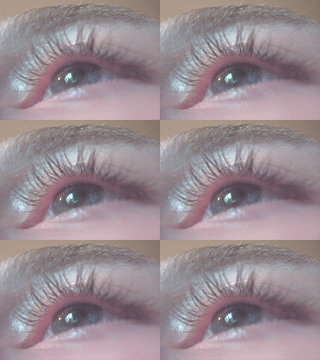
Animated image showing involuntary twitching in the upper eyelid of a young adult male
Pronunciation
SpecialtyNeurology

A fasciculation, or muscle twitch, is a spontaneous, involuntary muscle contraction and relaxation, involving fine muscle fibers.[1] They are common, with as many as 70% of people experiencing them.[1] They can be benign, or associated with more serious conditions.[1] When no cause or pathology is identified, they are diagnosed as benign fasciculation syndrome.[1]

Diagnosis

[edit]

Fasciculations can be detected by electromyography (EMG). Surface EMG is more sensitive than needle electromyography and clinical observation in the detection of fasciculation in people with amyotrophic lateral sclerosis[2] (ALS).

Deeper areas of contraction can be detected by electromyography (EMG) testing, though they can happen in any skeletal muscle in the body. Fasciculations arise as a result of spontaneous depolarization of a lower motor neuron leading to the synchronous contraction of all the skeletal muscle fibers within a single motor unit. An example of normal spontaneous depolarization is the constant contractions of cardiac muscle, causing the heart to beat. Usually, intentional movement of the involved muscle causes fasciculations to cease immediately, but they may return once the muscle is at rest again.

Tics must also be distinguished from fasciculations. Small twitches of the upper or lower eyelid, for example, are not tics, because they do not involve a whole muscle, but rather are unsuppressible twitches of a few muscle fibre bundles.[3]

Causes

[edit]

Fasciculations have a variety of causes, the majority of which are benign, but can also be due to disease of the motor neurons. They are encountered by up to 70% of all healthy people,[1] though for most, it is quite infrequent. In some cases, the presence of fasciculations can be annoying and interfere with quality of life. If a neurological examination is otherwise normal and EMG testing does not indicate any additional pathology, a diagnosis of benign fasciculation syndrome is usually made.[4]

Risk factors

[edit]

Risk factors for benign fasciculations are age, stress, fatigue, and strenuous exercise.[1] Fasciculations can be caused by anxiety, caffeine or alcohol and thyroid disease.[5]

Other factors may include the use of anticholinergic drugs over long periods.[citation needed] In particular, these include ethanolamines such as diphenhydramine (brand names Benadryl, Dimedrol, Daedalon and Nytol), used as an antihistamine and sedative, and dimenhydrinate (brand names Dramamine, Driminate, Gravol, Gravamin, Vomex, and Vertirosan) for nausea and motion sickness. Persons with benign fasciculation syndrome (BFS) may experience paraesthesia (especially numbness) shortly after taking such medication; fasciculation episodes begin as the medication wears off.

Stimulants can cause fasciculations directly. These include caffeine, pseudoephedrine (Sudafed), amphetamines, and the asthma bronchodilator salbutamol (brand names Proventil, Combivent, Ventolin). Medications used to treat attention deficit disorder (ADHD) often contain stimulants and are common causes of benign fasciculations.

The depolarizing neuromuscular blocker succinylcholine causes fasciculations. It is a normal side effect of the drug's administration. It can be prevented with a small dose of a nondepolarizing neuromuscular blocker prior to the administration of succinylcholine, often 10% of a nondepolarizing NMB's induction dose.

Even if a drug such as caffeine may be suspected to cause fasciculations, that does not necessarily mean it is the actual cause. For example, a very slight magnesium deficiency by itself might not be enough for fasciculations to occur, but when combined with caffeine, the two factors together could be enough.[citation needed]

Treatment

[edit]

There is no proven treatment for fasciculations in people with ALS. Among patients with ALS, fasciculation frequency is not associated with the duration of ALS and is independent of the degree of limb weakness and limb atrophy. No prediction of ALS disease duration can be made based on fasciculation frequency alone.[2]

Epidemiology

[edit]

Fasciculations are observed more often in males, and clinicians are overrepresented in study samples.[1]

See also

[edit]

References

[edit]
[edit]
Revisions and contributorsEdit on WikipediaRead on Wikipedia
from Grokipedia
Fasciculation, commonly known as muscle twitching, is the involuntary, spontaneous contraction of a small bundle of muscle fibers innervated by a single , often manifesting as a fine, visible twitch, ripple, or dimpling beneath the skin without sufficient force to produce joint movement. These contractions are typically brief, lasting milliseconds to seconds, and painless, arising from hyperexcitability of the peripheral nerve or . While often benign and self-limiting, fasciculations can occur in isolation or as part of broader neuromuscular syndromes. The most common causes of fasciculations are non-pathological, including physical or emotional stress, excessive or stimulant intake, , vigorous exercise or overexertion, dehydration, electrolyte imbalances (such as low levels of magnesium, potassium, or calcium from sweating), or medication side effects such as those from corticosteroids or diuretics. Chest twitching after a workout is typically benign, often occurring in the pectoral muscles due to muscle fatigue, dehydration, or electrolyte loss from sweating; these fasciculations are usually harmless and resolve with rest, hydration, proper nutrition, and recovery. Strenuous exercise can trigger or worsen them, as seen in benign fasciculation syndrome (BFS). Nutrient deficiencies, particularly , or metabolic disturbances like low () or low blood sugar can also trigger them. In contrast, persistent or widespread fasciculations may indicate underlying disorders, such as including (), where they represent an early sign of lower motor neuron degeneration; ; peripheral neuropathies; or autoimmune conditions like Isaacs' syndrome or cramp-fasciculation syndrome. Diagnosis typically involves a thorough clinical history, , and (EMG) to assess muscle electrical activity and distinguish benign from pathological causes. Treatment focuses on addressing any identifiable underlying condition, such as correcting electrolyte imbalances or managing neurological diseases, while benign cases often require no intervention beyond lifestyle modifications like reducing or stress. Individuals with persistent fasciculations, particularly if accompanied by muscle weakness, atrophy, or other neurological symptoms, should seek evaluation from a neurologist, who may perform a neurological exam and EMG to rule out serious conditions such as ALS. If fasciculations (particularly in the chest) are accompanied by chest pain, shortness of breath, dizziness, weakness, or other concerning non-neurological symptoms, prompt medical attention is advised to exclude serious conditions. Persistent or worsening fasciculations in the thumb or hand, accompanied by muscle weakness (e.g., trouble gripping), atrophy, numbness, tingling, or pain in the thumb or fingers, or visible muscle wasting in that area necessitate prompt medical evaluation to exclude serious pathology.

Overview

Definition

Fasciculations are involuntary, visible contractions of small groups of muscle fibers, appearing as fine, rapid, and intermittent twitches beneath the skin, often likened to worm-like or vermicular movements. These contractions arise from the spontaneous firing of a single , involving a limited number of muscle fibers innervated by that unit, and are typically too subtle to produce joint movement but sufficient to cause a visible ripple or dimpling on the skin surface. Fasciculations must be distinguished from other involuntary muscle activities, such as , which manifests as continuous, undulating, or rippling movements due to repetitive firing of muscle fiber groups; , involving abrupt, jerky contractions of entire muscles or muscle groups that can displace limbs; and muscle cramps, which are prolonged, sustained, and often painful contractions affecting larger muscle portions. The phenomenon was first systematically described in during the early , with pioneering electromyographic studies by neurologists Derek Denny-Brown and J.B. Pennybacker in 1938, who differentiated fasciculation potentials from fibrillations and established their association with activity. These observations laid the groundwork for understanding fasciculations as a distinct neuromuscular event. Common sites include the eyelids, calves, and thumbs.

Clinical Presentation

Fasciculations manifest as brief, visible, and involuntary contractions of small groups of muscle fibers, typically lasting milliseconds per individual twitch and often appearing as fine, rapid, or worm-like movements. These twitches are generally painless, though some patients describe accompanying sensations of tingling, numbness, or heightened awareness of the muscle activity without overt discomfort. The frequency and duration of fasciculation episodes vary considerably among individuals, ranging from sporadic events occurring once daily to more persistent patterns with multiple twitches per hour; episodes themselves may cluster and last from seconds to minutes. In benign cases, these occurrences can persist intermittently over months or years without progression to weakness or other deficits. Common sites for fasciculations include the eyelids, which represent the most frequent location in benign presentations, as well as the lower limbs (particularly calves and thighs) and upper limbs (such as thumbs and fingers), where finger twitching is a frequent manifestation of benign fasciculations, usually presenting as brief, non-rhythmic muscle contractions. Less commonly, they affect areas like the lower lip, or , often remaining localized or migrating between sites. Associated subjective complaints frequently involve anxiety triggered by the persistent or noticeable twitching, prompting patients to seek medical evaluation due to fears of underlying neurological conditions; this health anxiety can in turn exacerbate the frequency or perceived intensity of the symptoms. In most cases, fasciculations are benign and do not indicate serious pathology. Individuals experiencing twitching in the thumb or hand should seek medical advice if the twitching is persistent or worsening, or if it is accompanied by weakness (such as trouble gripping objects), numbness, tingling, or pain in the thumb or fingers, or visible muscle wasting in the area.

Pathophysiology

Normal Mechanisms

Fasciculations in healthy individuals arise from spontaneous depolarizations of lower motor neurons, particularly alpha motor neurons in the or their peripheral axons, which briefly activate a small group of muscle fibers within a . These discharges are irregular and occur at low frequencies, typically less than 5 Hz, without involving widespread . In benign cases, such activity reflects normal variability in neuronal membrane stability rather than any underlying . The physiological hyperexcitability underlying these events may stem from mechanisms such as afterdepolarizations at nerve terminals, where residual following an triggers additional firing, or ephaptic transmission between adjacent , allowing electrical crosstalk to initiate spontaneous activity. These processes occur at distal sites like axon terminals or proximal locations within the pool, contributing to the visible twitches without compromising motor function. Everyday factors can exacerbate this normal hyperexcitability; physical exercise induces that heightens spontaneous discharges, caffeine enhances neuronal excitability by blocking receptors, and disrupts membrane potentials, increasing twitch frequency. Unlike pathological states, benign fasciculations involve no structural damage to neurons or muscles and resolve spontaneously without medical intervention.

Pathological Mechanisms

In pathological states, fasciculations often stem from disruptions in motor neuron integrity, particularly through degeneration of upper and lower s as seen in (ALS). This process involves progressive loss of anterior horn cells in the , leading to of fibers and heightened sensitivity at the , known as denervation hypersensitivity. The resulting instability triggers ectopic spontaneous firing from surviving motor axons, producing repetitive muscle twitches that can precede overt weakness by months. Ion channel dysfunction represents another key mechanism, exemplified by acquired or Isaacs' syndrome, where autoantibodies target (VGKC) complexes, including proteins like CASPR2 and LGI1. This impairs potassium efflux, causing prolonged and membrane hyperexcitability in peripheral motor nerves, which generates continuous ectopic discharges and fasciculations alongside and stiffness. Electrodiagnostic studies confirm this through after-discharges on , reflecting nerve instability rather than central involvement. Neurotoxic exposures can induce fasciculations by altering inhibitory or mimicking neurodegenerative processes. Strychnine, a , blocks inhibitory postsynaptic potentials in spinal , leading to unopposed excitatory activity and widespread muscle twitching that evolves into tetanic spasms. Similarly, chronic exposure to like mercury can produce fasciculations through axonal degeneration and oxidative damage to motor neurons, often resolving upon cessation of exposure in cases mimicking . Pathological fasciculations also differ by origin, with peripheral mechanisms predominating in conditions like , where compressive injury to roots irritates lower motor neurons, causing localized ectopic activity and in affected myotomes. In contrast, central lesions such as involving upper motor neurons may rarely trigger fasciculations through of spinal circuits, though these are typically overshadowed by and less persistent than peripheral forms.

Causes and Risk Factors

Benign Causes

Finger twitching represents a common manifestation of benign fasciculations, often brief and non-rhythmic, primarily affecting the hands and thumbs due to their frequent use in daily activities. These twitches are typically triggered by lifestyle and physiological factors including stress and anxiety, which heighten nerve excitability; fatigue and lack of sleep, leading to muscle overactivity; excessive caffeine intake; dehydration; muscle overuse from repetitive tasks like typing or gripping; electrolyte imbalances; and vitamin deficiencies such as those in B vitamins or magnesium. Such episodes are self-limiting and resolve with rest, hydration, dietary adjustments, or stress reduction, affecting a significant portion of the population without indicating pathology. Fasciculations are commonly triggered by lifestyle factors that temporarily increase excitability without indicating underlying . High intake, such as exceeding 400 mg per day from sources like or energy drinks, can stimulate the and lead to muscle twitches in otherwise healthy individuals. use, particularly through , acts as a that heightens activity, resulting in benign fasciculations that subside upon cessation. Strenuous exercise, such as intense workouts or prolonged , can provoke twitches during recovery periods due to metabolic stress on muscle fibers and , particularly in the pectoral or chest muscles following upper body exercises like bench presses or push-ups. Common contributing factors include muscle fatigue and overexertion, dehydration, electrolyte imbalances (e.g., low magnesium, potassium, or calcium from sweating), caffeine intake, stress/anxiety, or lack of sleep. These fasciculations are typically benign, resolve with rest, hydration, proper nutrition, and recovery, and strenuous exercise can trigger or worsen them, as seen in benign fasciculation syndrome (BFS). A temporary increase is observed in about 25% of healthy individuals and typically resolves within hours to days. Individuals should consult a doctor if twitching persists beyond a few weeks, or if accompanied by chest pain, shortness of breath, weakness, dizziness, or other concerning symptoms to rule out rare serious conditions. Mild metabolic imbalances also contribute to benign fasciculations by disrupting normal neuromuscular function. Hypomagnesemia, or low magnesium levels often from dietary insufficiency or medication effects, can cause spontaneous muscle contractions through heightened neuronal excitability, affecting about 2-15% of the general population and correcting with supplementation. Dehydration, frequently induced by diuretic use in conditions like hypertension, leads to electrolyte shifts that promote twitches, particularly in the limbs, and is common among athletes or those in hot environments, with symptoms alleviating upon rehydration. Such imbalances are prevalent and self-limiting when addressed promptly, underscoring their benign profile. Fasciculations can also occur following surgical procedures, such as ankle surgery or other orthopedic interventions involving the extremities, commonly resulting from nerve irritation, damage, or regeneration during the healing process from surgical trauma. Other contributing factors may include electrolyte imbalances, dehydration, medications, muscle fatigue from immobility, or pinched nerves. These post-surgical fasciculations are usually benign and self-resolve over weeks to months as the nerves recover. Benign fasciculation syndrome (BFS) represents an idiopathic condition characterized by widespread, persistent muscle twitches in healthy individuals, often without identifiable triggers beyond everyday stressors. BFS primarily affects young adults, especially in high-stress professions like healthcare, manifesting as intermittent twitches in the eyelids, calves, or hands, accompanied by subjective but preserved muscle strength. Frequently linked to anxiety or , which amplifies perception of symptoms, BFS impacts up to 70% of reported cases in non-neurological populations and remains stable over time without progression. Its commonality and lack of associated weakness emphasize its harmless, reversible essence through or reassurance. Post-viral or fatigue-related fasciculations arise as temporary responses to bodily stressors, resolving spontaneously in most cases. In cases of benign fasciculations, a preceding common viral like is reported in about 12% of patients, with twitches arising as a transient response to hyperexcitability and typically fading within weeks. Overexertion or chronic from similarly induces these benign twitches by elevating free radical production and depleting energy stores in muscles, a reversible state that affects active or stressed populations and normalizes with rest. These episodes are widespread, self-resolving, and do not herald chronic issues, reinforcing their non-pathological status.

Serious Causes

Fasciculations serve as an early indicator in , particularly (ALS), where they occur in approximately 56% of patients and often precede or accompany and . In ALS, these involuntary twitches arise from the degeneration of upper and lower motor neurons, leading to spontaneous firing of motor units, and are typically widespread, involving limbs, trunk, and bulbar muscles. Diagnosis of ALS requires correlating fasciculations with progressive weakness, as isolated twitching alone is insufficient but gains significance when combined with electromyographic evidence of . Peripheral neuropathies such as (MMN) can present with focal fasciculations, affecting up to 40% of patients, often in the distal upper limbs alongside asymmetric weakness and minimal sensory involvement. These twitches result from conduction blocks in motor nerves, distinguishing MMN from through the absence of signs and responsiveness to immunomodulatory therapy, though fasciculations may persist. Similarly, (CIDP) features fasciculations in about 40% of cases, typically proximal and symmetric, linked to demyelination-induced nerve hyperexcitability and often accompanied by areflexia and elevated protein in . Autoimmune disorders like Isaac's syndrome, also known as , are characterized by continuous, widespread fasciculations due to autoantibodies targeting voltage-gated potassium channels, resulting in peripheral nerve hyperexcitability. Patients experience muscle stiffness, cramps, and , with fasciculations visible even during sleep, and the condition may be paraneoplastic or idiopathic, requiring antibody testing for confirmation. Other serious conditions include , where fasciculations, particularly in the , accompany proximal weakness and hypotonia from loss, especially in infantile forms. Kennedy's disease, or spinobulbar muscular atrophy, features prominent perioral and fasciculations alongside bulbar dysfunction and due to gene mutations. Paraneoplastic syndromes may also manifest with fasciculations, often with or sensory changes, stemming from autoimmune responses to underlying malignancies like .

Risk Factors

Fasciculations are more prevalent in older adults, with studies using ultrasonography detecting them in 43% of healthy individuals overall, and subjects exhibiting fasciculations being significantly older than those without. This age-related increase, often observed beyond 50 years, may stem from natural changes in neuronal excitability, though the effect remains somewhat variable across populations. Males also show a slightly higher incidence, particularly in cases of (BFS), where affected individuals are predominantly men in their 30s to 60s. Lifestyle factors play a notable role in heightening the risk, including and anxiety disorders, which can precipitate or exacerbate muscle twitches through heightened activity. High levels of , such as strenuous exercise, temporarily increase fasciculation frequency, especially in lower leg muscles, while exposure to stimulants like excessive intake aggravates the condition in susceptible individuals. Similarly, alcohol withdrawal is associated with involuntary muscle twitching due to overactivity during . Certain elements of elevate vulnerability, such as recent viral illnesses, which have been reported to trigger acute onset of fasciculations in up to 16% of benign cases. dysfunction, including , can manifest with fasciculations alongside muscle cramps and weakness, though they are uncommon and typically affect distal muscles. Medication use further contributes, with corticosteroids inducing benign fasciculations through effects on muscle excitability, and beta-agonists, often prescribed for , similarly promoting twitches via adrenergic stimulation. Genetic predisposition underlies rare familial forms of fasciculations, primarily linked to ion channelopathies such as mutations in the SCN4A gene causing sodium channel myotonia or paramyotonia congenita, which enhance muscle membrane excitability. These hereditary disorders, including those involving chloride (CLCN1) or potassium (KCNJ2) channels, lead to hyperexcitability syndromes with fasciculations as a key feature, though most fasciculations remain sporadic without genetic basis.

Diagnosis

History and Physical Examination

The evaluation of fasciculations begins with a detailed patient history to characterize the twitching and identify potential underlying factors. Clinicians inquire about the onset of symptoms, whether sudden or gradual, and the duration and frequency of episodes, which may range from intermittent to persistent. Distribution is assessed by noting affected muscle groups, such as limbs, eyelids, or calves, and whether the twitching is focal, multifocal, or migratory. Associated symptoms are explored, including muscle weakness (e.g., trouble gripping objects with the thumb or hand), numbness, tingling, or pain in the thumb or fingers, cramps, fatigue, or sensory changes like paresthesias, as these may indicate broader neurological involvement. Triggers such as physical exercise, stress, caffeine intake, or fatigue are also documented, as they commonly precipitate benign fasciculations. Red flags in the history prompt urgent evaluation for serious conditions like amyotrophic lateral sclerosis (ALS). Persistent or worsening twitching in the thumb or hand, particularly if accompanied by weakness (e.g., trouble gripping), numbness, tingling, or pain in the thumb or fingers, or visible muscle wasting in that area, raises concern for motor neuron disease. Progressive muscle weakness, unexplained weight loss, or bulbar symptoms—such as tongue fasciculations, dysarthria, or dysphagia—raise concern for motor neuron disease. Family history of neurodegenerative disorders or recent infections may further heighten suspicion. In contrast, isolated twitching without these features often aligns with benign causes, allowing for initial reassurance. Individuals experiencing persistent fasciculations, especially if accompanied by other symptoms such as weakness, are advised to consult a neurologist for a clinical examination and possibly electromyography (EMG) to rule out underlying conditions. The physical examination focuses on non-invasive bedside assessment to observe fasciculations and evaluate neuromuscular integrity. Twitches are best visualized during muscle relaxation, using oblique lighting to enhance visibility, particularly in the calves, eyelids, or tongue, where the patient is asked to rest without voluntary contraction. Palpation assesses muscle firmness and texture for signs of underlying tension or early atrophy. A comprehensive neurological screening follows, testing muscle strength via manual resistance (e.g., Medical Research Council scale), deep tendon reflexes for hyper- or hyporeflexia, and coordination to detect subtle deficits. Sensory examination rules out associated abnormalities like numbness. This history and examination play a pivotal role in distinguishing benign fasciculation syndrome from pathological cases, providing reassurance when atrophy, weakness, or sensory deficits are absent. Normal findings, such as preserved strength and reflexes with twitching limited to common sites like the calves, support a benign etiology without immediate need for advanced testing. Conversely, any concerning features guide further investigation to exclude serious disorders.

Electrophysiological Studies

Electrophysiological studies play a crucial role in confirming the presence of fasciculations and distinguishing benign from pathological causes by providing objective, quantitative assessments of muscle and nerve function. These tests, primarily performed in a laboratory, include (EMG) and nerve conduction studies (NCS), with single-fiber EMG used in select cases to evaluate integrity. Electromyography (EMG) is the cornerstone for detecting fasciculations, involving the insertion of a concentric needle into the muscle to record spontaneous electrical activity at rest. Fasciculation potentials appear as brief, spontaneous discharges of entire motor units, typically lasting 5-15 ms, with polyphasic waveforms in pathological cases due to reinnervation or axonal damage. These potentials are distinguished from , which produces synchronized, high-amplitude bursts across multiple motor units, and from movement artifacts, which lack the characteristic irregular firing pattern (0.1-10 Hz) and "popcorn popping" audio signature of fasciculations. In routine needle EMG, fasciculations are graded by frequency and distribution, from rare (1+) to continuous (4+), aiding in localization to specific muscle groups. Nerve conduction studies (NCS) complement EMG by evaluating the integrity of peripheral nerves, helping to rule out underlying neuropathy that could contribute to fasciculations. These studies measure motor and conduction velocities (typically 40-60 m/s in upper limbs for healthy adults) and amplitudes, identifying slowing or reduced responses indicative of demyelination or axonal loss in peripheral neuropathies. In isolated fasciculations without neuropathy, NCS findings are normal, supporting a benign , whereas abnormalities such as prolonged distal latencies or low amplitudes may prompt further investigation for conditions like disease or . Single-fiber EMG (SFEMG) is a specialized technique employed when neuromuscular transmission disorders are suspected as a cause of fasciculations, offering higher sensitivity than routine EMG for subtle defects. It records action potentials from individual muscle fibers within the same using a small single-fiber needle, quantifying (variability in interpotential intervals, normally <55 μs in extensor digitorum communis) and impulse blocking (failure of transmission). Increased or blocking, often exceeding 70 μs mean consecutive difference, indicates impaired synaptic function, as seen in , where fasciculations may arise from unstable endplate potentials. This test is particularly useful in clinically normal muscles, where routine EMG might be unremarkable. The utility of these studies lies in their ability to differentiate benign from pathological fasciculations through recruitment patterns and associated abnormalities. In , EMG reveals isolated fasciculation potentials with normal voluntary (firing rate to motor unit action potential ratio ≈5:1) and no evidence of , such as fibrillation potentials. Pathological fasciculations, conversely, often accompany fibrillation potentials—brief (1-5 ms), regular spikes signaling acute —and reduced due to motor neuron loss, as in , where complex, polyphasic fasciculations predominate. This differentiation guides prognosis and management, with normal studies reassuring against serious pathology.

Management and Treatment

Benign Fasciculation Syndrome

Benign fasciculation syndrome (BFS) is an idiopathic condition characterized by persistent, spontaneous muscle twitches without evidence of underlying neurological , often managed through reassurance and supportive measures rather than aggressive intervention. Diagnosis typically requires the presence of ongoing fasciculations lasting months to years, in the absence of objective , , or other neurological deficits, with (EMG) showing normal findings except for the fasciculation potentials themselves. Associated features frequently include subjective complaints such as perceived weakness, sensory disturbances like tingling or numbness, muscle cramps, and heightened anxiety, which may exacerbate the symptoms but do not indicate progression to serious . Fasciculations in BFS can occur in various sites, including the lower lip. Initial management emphasizes modifications to mitigate triggers and reduce symptom intensity. Patients are advised to reduce or avoid intake of , tea, energizers, and alcohol, as they can worsen fasciculations, and to prioritize adequate sleep of 7-8 hours per night to address fatigue-related exacerbations. techniques, including deep breathing, meditation, light exercise, practices, , or , are recommended to alleviate anxiety, which is present in up to 30% of cases and often amplifies the perception of twitching. These non-pharmacological strategies form the cornerstone of care, promoting overall well-being without the need for invasive procedures. Ensuring adequate hydration is also key to preventing dehydration-induced twitching. Additional home remedies can further support symptom relief in benign cases, such as those involving the lower lip or muscle tightness while awaiting medical evaluation. Maintaining hydration by drinking plenty of water helps prevent dehydration, a common trigger for muscle twitching. Consuming foods rich in essential minerals and electrolytes, such as bananas, leafy greens, and nuts, may address potential nutritional deficiencies contributing to fasciculations. Applying a warm compress or performing gentle massage on the affected area, including the upper knee or lower lip, can provide immediate symptomatic relief by relaxing the muscles. Patients are also advised to avoid touching or fixating on the twitching area, as this can heighten anxiety and worsen symptoms. Practicing stress-relief techniques such as stretching, walking, and meditation can help manage associated tightness and reduce twitching frequency. Considering magnesium supplements may be beneficial for some individuals, but only after consulting a healthcare provider to ensure safety and necessity. For individuals with severe or disruptive symptoms unresponsive to lifestyle changes, pharmacological options may be considered on a case-by-case basis, though evidence supporting their efficacy remains largely anecdotal and derived from small studies or case reports. Low-dose beta-blockers, such as at 10-40 mg daily, can provide symptomatic relief by reducing anxiety-driven twitches, while anticonvulsants like or may help stabilize nerve excitability in select patients. These agents are typically used sparingly due to potential side effects and the lack of robust clinical trials demonstrating consistent benefits. The for BFS is excellent, with no of progression to like ; symptoms often wax and wane over years but remain benign and non-degenerative. In prospective studies, fasciculations persist in over 95% of patients after two years, yet associated morbidity is primarily psychological rather than physical, resolving with targeted anxiety management in many cases. Benign fasciculations occur in up to 70% of healthy individuals at some point, while (BFS), characterized by persistent symptoms, is less common and affects a smaller subset of the population.

Treatment of Underlying Conditions

Treatment of pathological fasciculations primarily involves addressing the underlying etiology to mitigate symptoms and slow disease progression where possible. In motor neuron diseases such as amyotrophic lateral sclerosis (ALS), disease-modifying therapies like riluzole, administered at 50 mg twice daily, reduce glutamate-induced excitotoxicity and modestly extend survival by slowing motor neuron degeneration. For specific genetic forms, such as SOD1-mutant ALS, targeted therapies like tofersen (Qalsody), approved in 2023, may be used to slow progression and manage symptoms including fasciculations. Similarly, edaravone is recommended for select patients to decelerate functional decline, though its impact on fasciculations specifically remains supportive rather than curative. For associated muscle cramps and fasciculations, symptomatic relief can be achieved with sodium channel blockers such as mexiletine, which stabilizes neuronal membranes and reduces ectopic discharges. Quinine sulfate may also be used for cramp management in these cases, targeting hyperexcitability, although its use is limited due to serious risks such as thrombocytopenia and is not recommended for routine treatment by the FDA. In autoimmune conditions linked to fasciculations, such as or (CIDP), therapies focus on modulating the immune response to target autoantibodies affecting peripheral nerves. Intravenous immunoglobulin (IVIG) is a first-line option, providing rapid symptom improvement by neutralizing pathogenic antibodies and reducing neuromuscular hyperexcitability. , involving 5-7 exchanges, effectively removes circulating autoantibodies and is particularly beneficial in acute exacerbations of neuromyotonia. These interventions aim to alleviate fasciculations by restoring nerve membrane stability, with often combined with membrane-stabilizing agents like for enhanced control. Metabolic derangements causing fasciculations, including imbalances, require prompt correction to resolve symptoms. Hypomagnesemia, a common trigger, is treated with magnesium supplementation to normalize serum levels and diminish muscle . or other imbalances may necessitate intravenous replacement alongside hydration to prevent recurrent fasciculations. When fasciculations stem from medications such as inhibitors inducing hypomagnesemia, discontinuation of the offending agent is essential, often leading to rapid resolution upon switching to alternatives. A multidisciplinary approach enhances outcomes in degenerative conditions with fasciculations, integrating targeted therapies with supportive measures. helps maintain muscle function and mobility, reducing secondary complications from weakness. Nutritional support, including dietary modifications and supplementation, addresses malnutrition risks in progressive , indirectly supporting overall neuromuscular health.

Post-Surgical Fasciculations

Fasciculations occurring after surgery, such as ankle surgery, are commonly attributed to nerve irritation, damage, or regeneration during the healing process from surgical trauma. Contributing factors may also include electrolyte imbalances, dehydration, certain medications, muscle fatigue from immobility, or pinched nerves. These are typically benign and self-resolve over weeks to months as nerve recovery progresses. Relief strategies include maintaining hydration and electrolyte balance (particularly adequate magnesium and potassium intake), limiting caffeine consumption, ensuring sufficient rest, and performing gentle stretching or physical therapy once approved by a physician. Muscle relaxants may be prescribed for symptomatic relief in some cases. Patients should consult a healthcare provider if fasciculations persist, worsen, or are accompanied by severe pain, weakness, numbness, or other concerning symptoms.

Epidemiology and Prognosis

Prevalence and Distribution

Fasciculations occur frequently in the general population, with up to 70% of healthy adults reporting occasional episodes based on self-reported surveys. More objective assessments using muscle ultrasonography have detected fasciculations in approximately 43% of healthy individuals, often sporadically and without clinical significance. Benign fasciculation syndrome (BFS), characterized by persistent and widespread fasciculations, represents a subset of these cases, though precise prevalence estimates for BFS remain limited due to variability in diagnostic criteria and reporting. The occurrence of fasciculations increases with age, with older adults exhibiting a higher likelihood of detection compared to younger individuals. For instance, studies have shown a significant age-related rise, potentially linked to physiological changes in excitability. Fasciculations are also slightly more common in males than females, particularly in cohorts presenting with persistent symptoms. Anatomically, fasciculations in healthy individuals most commonly affect the lower extremities, particularly the calves and foot muscles such as the abductor hallucis longus, followed by the eyelids and upper extremities including the arms and hands. They are rare in the trunk or proximal muscles above the . Recent post-2020 ultrasound studies have quantified higher detection rates in the lower legs (approximately 13-14%) compared to the upper legs (9-10%), with influenced by factors like recent exercise. These findings highlight the distal predominance of benign fasciculations and underscore the utility of for precise mapping.

Prognosis

The prognosis of fasciculations varies significantly depending on their underlying , with benign cases generally carrying an excellent outlook and pathological cases showing more heterogeneous outcomes. In (BFS), fasciculations typically persist over time but do not progress to disease or other serious neurological conditions; long-term follow-up studies of over 100 patients have reported no instances of symptomatic disease development after 2 to 32 years. While complete resolution is uncommon, with fasciculations continuing in approximately 98% of cases, symptomatic improvement occurs in about 52% of individuals, often stabilizing without intervention. Although BFS is not associated with progression to anxiety disorders, affected patients frequently experience health-related anxiety due to symptom persistence, which can be managed supportively. In pathological cases, outcomes are etiology-specific and often more guarded. For instance, fasciculations occurring in (ALS) are linked to a survival of 2 to 5 years from symptom onset, with wide individual variation influenced by factors such as age and site of onset. In autoimmune-mediated conditions like Isaac's syndrome (a form of featuring prominent fasciculations), the is more favorable with treatment; such as rituximab or intravenous immunoglobulin leads to substantial symptom remission or long-term improvement in the majority of cases, particularly when initiated early and in non-paraneoplastic forms. Overall, pathological fasciculations require targeted management of the underlying disorder to optimize outcomes. Several factors influence the across etiologies. Early diagnosis facilitates timely intervention, particularly in treatable pathological cases, thereby improving and potentially extending survival. The absence of or at presentation strongly predicts a benign course, with isolated fasciculations carrying a high likelihood (over 95% in cohort studies) of remaining non-progressive. For persistent benign cases, long-term monitoring with annual neurological evaluations is recommended to identify any rare progressions, though the risk of BFS evolving into is exceedingly low, estimated at less than 1% based on extensive follow-up data.

References

Add your contribution
Related Hubs
User Avatar
No comments yet.