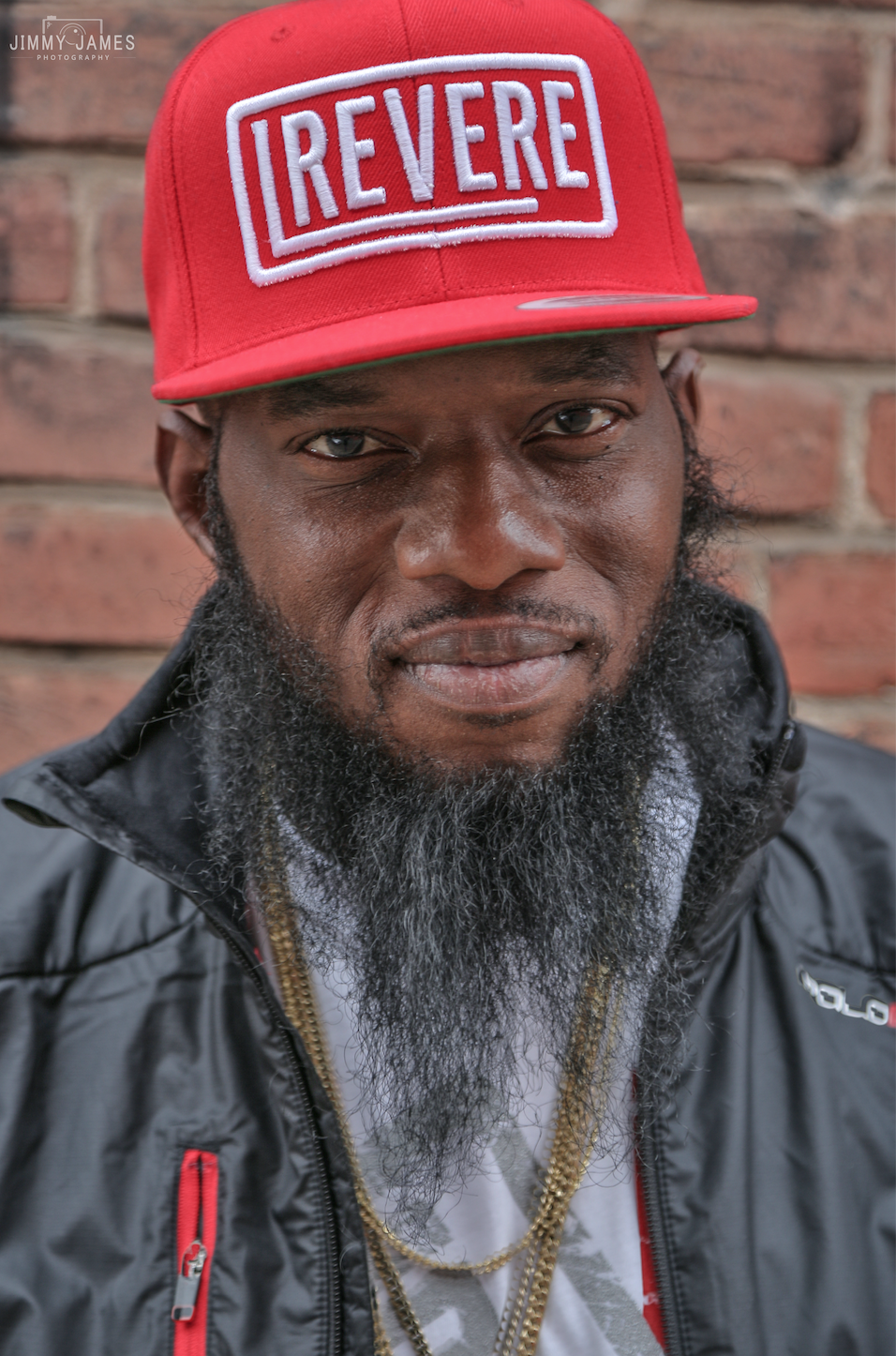

Freeway (rapper)
View on Wikipedia
Key Information


Leslie Edward Pridgen (born August 6, 1978), better known by his stage name Freeway, is an American rapper. Based in Philadelphia, Pennsylvania, he first gained recognition after appearing on Jay-Z's fifth album, The Dynasty: Roc La Familia, in 2000. The following year, he joined the Philadelphia-based hip-hop collective State Property, who were signed to Jay-Z's Roc-A-Fella Records, an imprint of Def Jam Recordings.
After the release of State Property's self-titled debut album (2002), Pridgen signed with Roc-A-Fella to release his first two solo albums, Philadelphia Freeway (2003) and Free at Last (2007). Both critically praised, the former album peaked at number five on the Billboard 200, while the latter was the final project released before him and fellow State Property members were dropped from the label.[1][2]
Pridgen independently released his next three albums: Philadelphia Freeway 2 (2009), Diamond in the Ruff (2012), and Free Will (2016).[3] He returned to work with Jay-Z in 2018, signing with Roc-A-Fella's successor label, Roc Nation, to release his sixth album, Think Free in June of that year.[4]
Life and career
[edit]Early life and career beginnings
[edit]Freeway was born Leslie Pridgen on August 6, 1978, in North Philadelphia, Pennsylvania. He adopted his moniker from the name of the infamous drug trafficker "Freeway" Rick Ross as he found no one wanted to listen to a rapper named Leslie. Freeway began his career by participating in freestyle battles in his high school and met fellow Philadelphia native Beanie Sigel, while rapping on stage at a hometown nightclub. Not long after being signed to Roc-A-Fella Records, Sigel put in a word for Freeway, who made his first appearance on The Dynasty: Roc La Familia, on the track "1-900-Hustler" with Sigel, Jay-Z, and Memphis Bleek. After the appearance, Jay-Z signed him to a deal; he was featured on "Think it's a Game", also alongside Jay-Z, on Sigel's second album The Reason. In 2001, he underwent a notorious freestyle battle with then-unsigned rapper Cassidy, hosted by Swizz Beatz and lost with a unanimous judges decision.[5]
Philadelphia Freeway (2003)
[edit]On February 25, 2003, Freeway released his debut album, Philadelphia Freeway. The album was produced primarily by Roc-A-Fella-affiliated beatsmiths Just Blaze, Bink!, and Kanye West and featured a large number of Roc-A-Fella rappers. Many of them also hailed from Philadelphia, and were soon compiled into the group State Property led by Freeway and Beanie Sigel. The album had two singles, the biggest hits of Freeway's career thus far: "What We Do", featuring Jay-Z and Beanie Sigel, for which a video was released showcasing most of the Roc's roster at the time,[6] and "Flipside", featuring State Property member Peedi Crakk; both records were produced by Just Blaze. The album also sold over 500,000 units in the United States.
State Property problems and Ice City (2004–2006)
[edit]After Jay-Z's "retirement" album and the uncertainty over what direction the label was headed, Beanie Sigel was arrested and jailed on a charge of attempted murder. Relations between Beanie Sigel and State Property soured after the incarceration of Sigel, and State Property essentially broke up, with Sigel stating he was unsure he would work with them again.[7] Over the next few years, members of the group—most notably Freeway and Sigel themselves—slowly began collaborating once again, though members such as Oschino and Peedi Crakk fell out of the loop. During this time, with his crew and label in turmoil, Freeway turned to his Muslim faith.[8] With uncertainty in the air, Freeway put together another Philadelphia-based crew called Ice City, named after their North Philly neighborhood. While active, the group consisted of Face Money, Bars and Hydro,[9] with Freeway playing a major mentoring role. Their debut album, Welcome to the Hood, was released under Sure Shot Recordings, but received little attention.[10] Subsequently, groupmember Hydro released a mixtape dissing Freeway, distancing himself and the group from its founder.[11]
Free At Last and departure from Roc-A-Fella (2007–2009)
[edit]
In response to a crisis of faith, Freeway went on hiatus for a few years, making his Hajj, a journey to the holy city of Mecca, required by every Muslim at least once in his or her lifetime if they are able. Upon his return, Freeway recorded his second album Free at Last, which was released in the United States on November 20, 2007.[12] Initially, Jay-Z and 50 Cent were both set to co-executive produce the album; while both were featured, the project ended up solely a Roc-A-Fella release, with 50 giving up his co-executive producer's role.[13] The first single was "Roc-A-Fella Billionaires", featuring Jay-Z, which leaked to the internet; the second single, and first official single, was "Lights Get Low" featuring Rick Ross and Dre of the production team Cool & Dre. As the album featured no production from either Kanye West or Just Blaze, who together produced the lion's share of his debut, Freeway lashed out at them in his lyrics, generating rumors that he and his former producers had unresolved differences.[14] After the album's release, Freeway went on record to clarify his comments, saying he had no real animosity towards them and that he had only been speaking his mind.[15] The album eventually sold over 100,000.[16] In 2008, Freeway initiated what he called the Month of Madness, releasing a song a day for the month of December.[17] The songs, featuring input from Phoe Notes, Erick Sermon, Don Cannon, Cardiak, Jake One, Oddisee and others, were later compiled into a mixtape.[18] The year 2009 brought an announcement that he would be working on his third album amidst his regrets over hearing Jay-Z had stepped down as Def Jam president. Shortly afterward, the rapper announced his release from Def Jam, which distributed a now defunct Roc-A-Fella Records,[19] and that his next album would be titled The Stimulus Package, produced by Jake One and released by Rhymesayers Entertainment.[20]
Philadelphia Freeway 2 and record deals (2009)
[edit]A project titled Philadelphia Freeway 2 was released on the independent label Real Talk Entertainment on May 19, 2009.[21] The first single, "Finally Free", was released on iTunes on April 14, 2009.[22] Freeway also made an original song "Car Jack" for the 2009 game Grand Theft Auto IV: The Lost and Damned.[23] On March 19, 2009, he performed at SXSW.[24] Freeway released his mixtape "The Beat Made Me Do It" on November 13, 2009, which featured production by veteran producer Jake One with assistance by Don Cannon to officially announce his 2010 Rhymesayers debut album The Stimulus Package.[25] Rhymesayers and Freeway leaked the first official track and video, "Know What I Mean" off of The Stimulus Package on December 1, 2009.[26]
In June 2009, Freeway had confirmed a deal with Cash Money Records, and the start of his own label, Free Money. Following this, he put out a few mixtape tracks speaking of the deal, including "Touchdown" and "All Night Long".
Freeway, speaking on that label deal and his relationship with Jay-Z:
"I been fucking with Cash Money," he said in an interview. "You know, me and Wayne did a joint for the last album, but we couldn't get the shit cleared in time and all that. We just throwing around some ideas. And I'm launching a label, Free Money, so what better home for it...My man Ceelo, he worked with Baby, so he really basically connected us like that. But, right now everything is still in preliminary...It's still Roc-A-Fella for life. That's something that's not going to leave me...Everything still preliminary. Jay give me his blessing with whatever I want to do. Jay want to see niggas making moves."
Diamond In the Ruff (2010–2014)
[edit]In a video interview with KarmaloopTV in 2010, Freeway announced a new clothing line in the works titled "Freestyle".[27] In addition to the new clothing line, Free also announced an album called Diamond In The Ruff which featured production from Jake One, Bink!, Needlz and Just Blaze. Freeway explained in the interview that the album should have come after Philadelphia Freeway.[28] Diamond In the Ruff was released November 27, 2012, and featured collaborations with Rick Ross and Black Thought. Freeway recorded an EP with Statik Selektah, called the Statik-Free EP, which was completed in 24 hours and released on iTunes on January 11, 2011.[29]
Freeway also released a collaboration in 2014 with DJ mashup artist Girl Talk, an EP called Broken Ankles, which included stylistic attributes that would normally be included in transitions between Girl Talk segments.[30]
Free Will and health scare (2015–2017)
[edit]In 2015, Freeway was diagnosed with kidney failure, and as a result, wrote about dealing with the experience on his 2016 album, Free Will, which he released independently.[31] He began what became a three-year wait for a kidney transplant, and currently serves as the official ambassador for the Kidney Foundation.[32] On Free Will, frequent Nas collaborator L.E.S. produced "Kane & Abel," and Girl Talk produced "Addiction," "Always Love You" and "First Things First." G-Unit's Young Buck has a feature spot on "We Thuggin."[33]
Think Free and the return to the Roc (2018–2019)
[edit]After years away, Freeway returned to working with Jay-Z at his entertainment company called Roc Nation in 2018. Under this umbrella, Freeway's sixth solo album, Think Free, was released that year on June 22, and its 13 songs include appearances from Lil Wayne, Lil Uzi Vert, Jadakiss, BJ The Chicago Kid, Fat Joe, Faith Evans and more. The first singles released were "All Falls Down," "All the Way Live" and "Blood Pressure," with the latter featuring Lil Wayne.[34]
Prior to the release of Think Free, Freeway announced he was filming the Think Free documentary, a video account offering a behind-the-scene look at his music, family life, and health following the diagnosis of kidney failure.[35] The documentary, which was originally scheduled to accompany the Think Free album, has yet to be released. The rapper underwent a kidney transplant in February 2019.[36]
Discography
[edit]Studio albums
- Philadelphia Freeway (2003)
- Free at Last (2007)
- Philadelphia Freeway 2 (2009)
- Diamond in the Ruff (2012)
- Free Will (2016)
- Think Free (2018)
Collaborative albums
- State Property OST (with State Property) (2002)
- The Chain Gang Vol. 2 (with State Property) (2003)
- The Stimulus Package (with Jake One) (2010)
- The Roc Boys (with Beanie Sigel) (2010)
- Highway Robbery (with The Jacka) (2014)
- The Stimulus Package 2 (with Jake One) (2024)
- 365 (with Damon Dash & The Black Guns) (2025)
Video games
[edit]- Def Jam: Fight for NY (2004) as himself[37]
- Def Jam Fight for NY: The Takeover (2006) as himself[38]
References
[edit]- ^ "What Happened to Freeway?". MTV. Archived from the original on October 30, 2023.
- ^ Centeno, Tony (February 7, 2018). "Freeway Heads Back Into The Streets Of Philly In "Devils & Angels" (Video)". Vibe. Retrieved July 30, 2018.
- ^ "Weezy Pushed Again, Freeway Signs To Cash Money | Lil Wayne". Rap Basement. June 3, 2009. Archived from the original on June 6, 2009. Retrieved February 11, 2011.
- ^ Ivey, Justin (July 3, 2018). "Review: Freeway's "Think Free" Harks Back To The Roc's Glory Days". hiphopdx.com. Retrieved July 27, 2018.
- ^ "50 Greatest Battle Rappers (Classic Battles): Cassidy vs. Freeway." Archived July 14, 2014, at the Wayback Machine www.rapmusic.com, July 28, 2012. Retrieved July 11, 2014.
- ^ Reid, Shaheem (November 22, 2002). "Jay-Z, Beans, Dame Dash Withstand Fire, Rain On Freeway Video Set". MTV.com. Archived from the original on November 24, 2002. Retrieved February 11, 2011.
- ^ Reid, Shaheem (August 10, 2005). "Beanie Blasts 'Disloyal' State Property, Explains Why He's With Dame And Not Jay-Z". MTV. Archived from the original on August 13, 2005. Retrieved February 11, 2011.
- ^ Bronstein, Jake (April 17, 2003). "Interview: Freeway". Rolling Stone. Retrieved July 31, 2018.
- ^ Jeffries, David. "Welcome to the Hood". www.allmusic.com. Retrieved July 31, 2018.
- ^ "Freeway Bio". MTV.com. Archived from the original on April 15, 2006. Retrieved February 11, 2011.
- ^ "HYDRO & ICE CITY turn their back on Freeway and exposes him on a new MIXTAPE". Smartenupnas.com. February 27, 2007. Archived from the original on March 24, 2016. Retrieved February 11, 2011.
- ^ "DefJam. Accessed August 23, 2007". Nahright.com. October 17, 2007. Archived from the original on January 6, 2016. Retrieved February 11, 2011.
- ^ Horowitz, Steven (November 28, 2012). "Freeway Explains Why G-Unit Deal Fell Through, Delivers Freestyle". hiphopdx.com. Retrieved July 31, 2018.
- ^ "Miss Info Exclusive: Freeway Speaks on Kanye…."It's Over"". MissInfo.tv. October 24, 2007. Archived from the original on April 16, 2011. Retrieved February 11, 2011.
- ^ "Freeway Speaks On Kanye/Just Blaze Comments". Nah Right. October 24, 2007. Archived from the original on January 6, 2016. Retrieved February 11, 2011.
- ^ Ewing, Aliya (April 2, 2008). "Hip Hop Album Sales: Week Ending 3/30/08 | Get The Latest Hip Hop News, Rap News & Hip Hop Album Sales". HipHopDX. Retrieved February 11, 2011.
- ^ Orcutt, KC (June 24, 2017). "30 Unconventional Marketing Methods Used By Hip-Hop Artists". hotnewhiphop.com. Archived from the original on June 26, 2017. Retrieved July 31, 2018.
- ^ "Freeway Month of Madness". Pitchfork.
- ^ Schwartz, Danny (December 4, 2017). "Happy Birthday, Jay-Z: A Quick Look At His Rise To Near-Billionaire Status". hotnewhiphop.com. Retrieved July 31, 2018.
- ^ Kangas, Chaz (December 2, 2015). "Rhymesayers at 20: How the best roster in hip-hop was built". City Pages. Retrieved July 31, 2018.
- ^ Yuscavage, Chris (September 18, 2013). "A History of Rap Album Sequels". Complex. Retrieved July 31, 2018.
- ^ "Finally Free - Single". iTunes. April 14, 2009. Retrieved July 31, 2018.
- ^ "Grand Theft Auto IV: The Lost & Damned EP Special Edition". iTunes. January 1, 2011. Retrieved July 31, 2018.
- ^ "Freeway". schedule.sxsw.com. Retrieved July 31, 2018.
- ^ "Freeway". rhymesayers.com. Archived from the original on August 9, 2018. Retrieved July 31, 2018.
- ^ Richter, Adam (February 26, 2010). "New releases by Freeway & Jake One, Lelica and Dios get reviewed together for no good reason". Lehigh Valley Live. Retrieved July 31, 2018.
- ^ "Freeway Announces New Album 'Diamond In The Ruff' | HipHop-N-More". Hiphop-n-more.com. August 21, 2010. Retrieved February 11, 2011.
- ^ Harling, Danielle (August 23, 2010). "DX News Bits: Freeway, Newtroit Records, Kanye West | Get The Latest Hip Hop News, Rap News & Hip Hop Album Sales". HipHopDX. Archived from the original on August 29, 2010. Retrieved February 11, 2011.
- ^ Gary, Kevin S. (January 12, 2011). "Freeway & Statik Selektah One-Day-Made EP "StatikFree" Hits iTunes | Get The Latest Hip Hop News, Rap News & Hip Hop Album Sales". HipHopDX. Archived from the original on January 14, 2011. Retrieved February 11, 2011.
- ^ Anderson, Stacey (April 18, 2014). "Girl Talk and Freeway Explain 'Broken Ankles' and Being Brutal". Rolling Stone. Retrieved July 30, 2018.
- ^ Price, Joe (April 27, 2018). "Freeway Celebrates His Health With New Song "All the Way Live"". Complex. Retrieved July 27, 2018.
- ^ Allah, Sha Be (May 7, 2018). "PHILLY FREEWAY NEEDS IMMEDIATE KIDNEY TRANSPLANT". The Source. Retrieved July 27, 2018.
- ^ Gibbons, Chris (May 4, 2016). "FREEWAY HOLDS HIS OWN ON 'FREE WILL'". XXL Magazine. Retrieved July 27, 2018.
- ^ Robertson, Darry (June 22, 2018). "Freeway Delivers Sixth Studio Album 'Think Free'". Vibe Magazine. Archived from the original on August 9, 2018. Retrieved July 30, 2018.
- ^ Ketchum III, William E (April 25, 2018). "Freeway premieres 'Think Free' doc about kidney disease, announces Roc Nation LP". Revolt TV. Archived from the original on August 9, 2018. Retrieved July 30, 2018.
- ^ "From kidney failure to transplant: Philly rapper Freeway advocates for kidney disease awareness". Fox29. March 1, 2020.
- ^ "Def Jam: Fight for NY IMDB Page". IMDb. Retrieved February 23, 2017.
- ^ "Def Jam: Fight for NY: The Takeover". Giant Bomb. Retrieved February 23, 2017.
External links
[edit]
- Freeway at IMDb
- HipHopGame Interview Archived April 17, 2009, at the Wayback Machine
- Uncensored Freeway Radio Interview 2010 Archived July 15, 2011, at the Wayback Machine
| International | |
|---|---|
| National | |
| Artists | |
| People | |

Freeway (rapper)
View on GrokipediaEarly life
Childhood in Philadelphia
Leslie Edward Pridgen, professionally known as Freeway, was born on August 6, 1978, in West Philadelphia, Pennsylvania, before moving to North Philadelphia during his early years.[2][10] He spent his childhood in a challenging environment marked by pervasive violence, drug trade, and poverty, where the presence of groups like the Junior Black Mafia underscored the neighborhood's harsh realities.[10] This upbringing in North Philadelphia's streets, often described as crime-ridden, profoundly shaped his worldview and resilience amid constant uncertainty.[11] As hip-hop emerged and flourished across the United States during the 1980s and 1990s, Pridgen gained early exposure to Philadelphia's vibrant local rap scene, which emphasized raw, street-level narratives reflective of urban life.[12] Pioneering figures like Schoolly D, a West Philadelphia native whose gritty tracks such as "P.S.K. (What Does It Mean?)" helped lay the groundwork for gangsta rap, contributed to the city's influential sound that resonated in neighborhoods like Pridgen's.[13][10] Philadelphia's battle rap culture, thriving through freestyle competitions and cyphers in high schools and street corners, further immersed young Pridgen in the genre's competitive ethos, where quick-witted lyricism was honed amid the city's socio-economic struggles.[10][14] Pridgen adopted his stage name "Freeway" during adolescence, drawing inspiration from a magazine profile on the infamous Los Angeles drug kingpin "Freeway" Rick Ross, whose moniker symbolized the high-stakes world of street hustling that echoed his own surroundings.[15] After reading the article, he sought and received personal approval from Ross to use the name, marking an early nod to the intersection of Philadelphia's rap aspirations and broader narratives of notoriety.[15] These formative experiences in North Philadelphia's rap ecosystem, blending local pioneers' innovations with battle-tested skills, set the stage for his deeper involvement in hip-hop as a teenager.[10]Entry into hip-hop
Freeway, born Leslie Edward Pridgen, first immersed himself in Philadelphia's underground hip-hop scene during the late 1990s, participating in local freestyle battles that honed his rapid-fire delivery and energetic style, influenced by the gritty rhythms of his North Philadelphia neighborhood.[16] These battles, often held in community spots and high schools, allowed him to connect with emerging talents and build a reputation for his relentless flow.[17] In 2001, Freeway gained significant attention through a high-profile freestyle battle against fellow Philadelphia rapper Cassidy, hosted by Swizz Beatz. Although Freeway lost the contest, the matchup—allegedly arranged by Jay-Z to test emerging talent—elevated his profile within the city's competitive rap circuit and showcased his resilience.[18][19] Freeway's breakthrough to a wider audience came with his guest verse on Jay-Z's "1-900-Hustler" from the album The Dynasty: Roc La Familia (2000), where he traded bars with Beanie Sigel and Memphis Bleek, demonstrating his potential as a Roc-A-Fella affiliate.[20] This exposure led to his signing with Roc-A-Fella Records and integration into the State Property collective in 2001, solidifying his entry into major-label hip-hop alongside Philadelphia peers like Beanie Sigel and Young Gunz.[21]Musical career
Rise with Roc-A-Fella and State Property (2000–2003)
Freeway first garnered attention within Roc-A-Fella Records in 2000 through his contributions to Jay-Z's album The Dynasty: Roc La Familia, where he delivered verses on tracks including "1-900-Hustler" and "You, Me, Him and Her." These appearances showcased his energetic delivery and helped establish him as a promising talent from Philadelphia, building early hype among fans of the label's street rap aesthetic. Following this introduction, Freeway joined the Roc-A-Fella-affiliated group State Property, led by Beanie Sigel, and played a key role in their self-titled debut album released on January 29, 2002. He contributed to several standout tracks, such as "Roc the Mic" alongside Beanie Sigel, "Sun Don't Shine" with Oschino, "It's Not Right" featuring Beanie Sigel and Young Chris, and his solo cut "International Hustler," which highlighted his growing presence within the collective's gritty, ensemble-driven sound. Later in 2003, Freeway continued his involvement with State Property on their follow-up compilation The Chain Gang Vol. II, including the track "Still in Effect" with Neef-Buck, further solidifying his contributions to the group's output during this formative period.[22][23] Within State Property, Freeway honed his signature fast-flow rapping style and knack for infectious chorus hooks, which added a dynamic, high-energy element to the crew's street-oriented narratives rooted in Philadelphia's hip-hop scene. His early experiences in local rap battles had sharpened these skills, earning him respect and paving the way for his label integration. Freeway also amplified anticipation for his solo career through additional Roc-A-Fella compilations and live performances, including spots on the 2003 ROC Army tour alongside labelmates like Cam'ron, Beanie Sigel, and other State Property members.[24] By 2002, amid mounting buzz from these group efforts and guest features, Freeway secured a solo recording deal with Roc-A-Fella Records, positioning him for an independent breakout while remaining tied to the label's influential roster.[21]Philadelphia Freeway and breakthrough (2003)
Freeway's debut solo album, Philadelphia Freeway, was released on February 25, 2003, through Roc-A-Fella Records and Def Jam Recordings. The project was predominantly produced by Just Blaze, with additional contributions from Bink! and Kanye West, among others, crafting a sound rooted in soulful samples and booming beats that complemented Freeway's rapid-fire flow.[25][26] The album achieved significant commercial success, debuting at number 5 on the Billboard 200 chart and selling 132,000 copies in its first week. It was later certified gold by the RIAA for exceeding 500,000 units sold in the United States, marking a breakthrough for Freeway as a solo artist following his group work. Promotion benefited from his affiliation with State Property, which helped amplify visibility within the Roc-A-Fella ecosystem.[4][25][27] Lead singles "What We Do," featuring Jay-Z and Beanie Sigel, and "Flipside," featuring Peedi Peedi, both produced by Just Blaze, propelled the album's momentum. "What We Do" peaked at number 47 on the Hot R&B/Hip-Hop Songs chart and number 18 on the Hot Rap Songs chart, while "Flipside" reached number 40 on the Hot R&B/Hip-Hop Songs chart and number 41 on the Hot Rap Songs chart, showcasing Freeway's collaborative chemistry and street-oriented appeal.[28][29] Critics praised Philadelphia Freeway for Freeway's energetic delivery and Philly-centric lyrics, which vividly captured the grit and hustle of North Philadelphia life through passionate storytelling and regional slang. Reviewers highlighted tracks like "What We Do" and "Flipside" for their high-energy anthems, noting how Freeway's gruff, urgent style—infused with local pride—distinguished him amid the early 2000s East Coast rap scene. The album's reception underscored its role as a defining Philly rap statement, blending raw lyricism with polished production.[26][27]State Property dissolution and Ice City (2004–2006)
Following the success of his debut album Philadelphia Freeway, which continued to generate buzz through lingering sales and radio play, Freeway faced significant challenges as part of State Property. The group disbanded in 2005 amid escalating internal conflicts and the fallout from leader Beanie Sigel's legal troubles. Sigel was convicted on federal weapons charges in 2004 and served a one-year prison sentence, which strained group dynamics and contributed to the overall deterioration of relationships among members. By the time of Sigel's release in 2005, the collective's cohesion had irreparably soured, leading to its dissolution.[30] In response to the group's breakup, Freeway assembled a new Philadelphia-based collective called Ice City, drawing from his North Philly neighborhood roots and featuring artists such as Face Money, Bars, and Hydro. The crew released their debut project, Welcome to the Hood, in 2004 via Sure Shot Recordings, an independent effort that showcased gritty, street-oriented tracks like the lead single "Lock It Down." Despite its raw energy and Freeway's prominent role as executive producer, the album received limited promotion due to the indie label's resources and the shifting priorities at Roc-A-Fella, resulting in modest visibility within underground circles.[31] Freeway's momentum was further hampered by prolonged delays in his second solo album, Free at Last, which was not released until 2007. These setbacks stemmed from Roc-A-Fella's internal turmoil, including the 2004 split between co-founders Jay-Z and Dame Dash, which destabilized artist support. The label's focus shifted heavily toward emerging priorities like Kanye West's debut The College Dropout in 2004, diverting promotional and production resources away from Freeway and other established acts. This redirection sapped his career trajectory, as the four-year gap eroded much of the goodwill from his breakthrough.[20] Amid these obstacles, Freeway sustained his presence in the industry through select guest appearances, including on Paul Wall's 2005 track "State to State" from The Peoples Champ. Such features allowed him to maintain connections within the Roc-A-Fella ecosystem and broader hip-hop landscape, even as solo output stalled.Free At Last and label transitions (2007–2009)
Freeway released his second studio album, Free at Last, on November 20, 2007, via Roc-A-Fella Records and Def Jam Recordings.[32] The project featured guest appearances from artists including Jay-Z, 50 Cent, Marsha Ambrosius, Rick Ross, Busta Rhymes, and Jadakiss, with production handled by a team that included Bink!, Eric Hudson, J.R. Rotem, and Carvin & Ivan.[33] It served as a follow-up to his 2003 debut, shifting toward a more varied sound amid Roc-A-Fella's evolving roster under Def Jam's umbrella.[34] The album's lead single, "Roc-A-Fella Billionaires" featuring Jay-Z and produced by Dame Grease, highlighted Freeway's ties to the label, sampling elements of classic soul for a celebratory tone. A second single, "Still Got Love," produced by Bink! and released as a promotional maxi-single, emphasized romantic themes with a smooth R&B-infused beat.[35] Free at Last debuted at number 42 on the Billboard 200 chart, moving 36,000 copies in its first week, and reached number 7 on the Top R&B/Hip-Hop Albums chart.[36] By early 2008, it had sold over 100,000 units in the United States, though it underperformed commercially compared to his debut.[37] Following the release, Freeway issued the collaborative project Ice City with producer Desperado in 2008, bridging his major-label output with independent explorations amid growing frustrations at Roc-A-Fella.[34] By March 2009, amid Def Jam's restructuring and Jay-Z's departure as president, Freeway negotiated his release from the label to pursue new opportunities, citing a desire for greater creative control.[34] He briefly aligned with 50 Cent's G-Unit Records later that year, with plans for a joint album, but the deal collapsed due to logistical and creative mismatches.[38] This period marked the end of Freeway's Roc-A-Fella era, setting the stage for his independent trajectory.Philadelphia Freeway 2 and independent moves (2009–2010)
Following the conclusion of his major label commitments, Freeway transitioned to independent releases with his third studio album, Philadelphia Freeway 2, issued on May 19, 2009, via the independent imprint Real Talk Entertainment.[39] The project served as a sequel to his 2003 debut, emphasizing his signature energetic flow and street narratives over beats produced by Big Hollis, Cozmo, and others, with a sole guest appearance from D-Block's Sheek Louch on the track "Crack Rap."[40] Despite the absence of high-profile collaborators typical of his Roc-A-Fella era, the album debuted at number 99 on the Billboard 200, underscoring Freeway's enduring appeal amid his shift away from major-label support. In June 2009, shortly after the album's launch, Freeway signed a short-term distribution deal with Cash Money Records, aiming to distribute future material through this partnership while retaining greater artistic autonomy.[41] As part of the arrangement, he announced the formation of his own label, Free Money Entertainment, intended to operate as a subsidiary under Cash Money to foster creative control and support emerging Philadelphia talent.[41] However, the deal proved short-lived, dissolving by late 2009 without yielding any official releases, prompting Freeway to pursue fully independent ventures.[42] To sustain momentum and reconnect with fans during this transitional period, Freeway issued the mixtape Freelapse in February 2010, a 20-track project hosted by DJ Wonder where he delivered verses over instrumental versions of Eminem's beats, highlighting his rapid-fire lyricism and adaptability in the mixtape circuit.[43] This effort, distributed freely online, helped rebuild his grassroots following ahead of subsequent independent collaborations.Diamond in the Ruff and key collaborations (2011–2014)
Following his independent transition, Freeway released his fourth studio album, Diamond in the Ruff, on November 27, 2012, through a partnership with Babygrande Records.[44] The project featured prominent guest appearances from artists including Rick Ross on "Golden Gods," Black Thought on "The Final Hour," and Jadakiss on "She Makes Me Feel Alright," alongside R&B vocalists like Marsha Ambrosius and Musiq Soulchild.[45] Produced by contributors such as Just Blaze, Bink!, and Jake One, the album marked a return to Freeway's signature energetic flow while incorporating more introspective production.[46] Thematically, Diamond in the Ruff reflected Freeway's personal and professional challenges, including the dissolution of Roc-A-Fella affiliations and family losses, positioning the title as a metaphor for resilience amid adversity.[47] Freeway described the record as a testament to enduring shine through rough circumstances, blending street narratives with motivational hooks across its 16 tracks.[48][49] During this period, Freeway pursued several high-profile collaborations that highlighted his versatility. In 2011, he partnered with producer Statik Selektah for the Statik-Free EP, a seven-track project recorded in a single day and featuring guests like Mac Miller and The Jacka, emphasizing raw, boom-bap energy.[50] By 2014, he teamed with electronic mashup artist Girl Talk for the Broken Ankles EP, released for free on April 8 via DatPiff, which fused Freeway's rapid-fire rhymes with sampled pop and rock elements, including appearances from Waka Flocka Flame and Young Chris.[51] That same year, Freeway collaborated with Bay Area rapper The Jacka on the full-length Highway Robbery, issued September 16, blending East Coast grit with West Coast influences on tracks like "Write My Wrongs" featuring Cormega.[52] Freeway also contributed guest verses to other artists' projects, such as Chill Moody's "Change Coming" in 2013, where his energetic delivery complemented the track's uplifting message. These partnerships reinforced Freeway's role as a connective figure in underground and mainstream rap circles during his independent era.Health challenges and Free Will (2015–2017)
In September 2015, Freeway was diagnosed with end-stage renal disease, resulting in kidney failure that necessitated immediate medical intervention.[53][54] The condition required him to undergo dialysis treatments three times a week, each session lasting approximately four hours, to manage the loss of kidney function and sustain his health.[55][56] This health crisis marked a significant turning point, limiting his physical activities and prompting a period of introspection amid ongoing medical care.[53] Despite these challenges, Freeway channeled his experiences into his music, releasing his fifth studio album, Free Will, on April 29, 2016, through Babygrande Records.[57] The project explores themes of resilience, personal struggle, and determination, reflecting his battle with illness and desire to reclaim creative control.[53][58] It features collaborations with artists such as Young Buck and Raheem DeVaughn, alongside production from contributors including S. Frank, Scholito, and Girl Talk. Due to the demands of dialysis, Freeway scaled back on live performances and touring but actively promoted the album through social media updates and media interviews, sharing glimpses of his recovery and artistic process.[59][53] The album garnered positive critical reception for its introspective lyricism and Freeway's unwavering energy, with reviewers noting how it captured his triumphant return amid adversity.[57][58] In 2017, as he continued dialysis, Freeway expanded his role beyond music by partnering with the National Kidney Foundation as an ambassador, using his platform to raise awareness about kidney disease, particularly within the Black community.[60][61] He participated in events like the Greater Baltimore Kidney Walk to advocate for early detection and organ donation.[62]Return to Roc Nation and Think Free (2018–2019)
In 2018, Freeway returned to the Roc family through a partnership with Roc Nation, marking a significant reconnection to his early career roots after years of independent releases and health struggles. This collaboration culminated in the release of his sixth studio album, Think Free, on June 22, 2018, via his own New Rothchilds imprint in conjunction with Roc Nation.[63][64] The album, which celebrated the 15th anniversary of Freeway's debut Philadelphia Freeway under the original Roc-A-Fella banner, featured contributions from notable artists including Lil Wayne on "Blood Pressure," Jadakiss on "The Nation," Faith Evans on "Blessed," and BJ the Chicago Kid, among others. Produced by a mix of established and emerging talents like StreetRunner and Jake One, Think Free reflected on Freeway's resilience amid his ongoing battle with kidney failure, a condition diagnosed in 2015 that had previously forced him onto dialysis.[65] Tracks like "All Falls Down" and "Life on the Line" addressed themes of health challenges and perseverance, blending introspective lyricism with the high-energy style that defined his early work.[66] Complementing the album, Freeway produced a documentary titled Think Free in 2018, which chronicled his personal journey with kidney disease, including educational segments on the condition, interviews with fellow patients, and his search for a transplant donor.[65] The film premiered that year but remained unreleased to wider audiences at the time, serving as a platform for raising awareness about organ donation and chronic illness within the hip-hop community. In February 2019, Freeway underwent a successful kidney transplant surgery, receiving a donor kidney that alleviated years of dialysis dependency and marked a turning point in his recovery.[67][68] The procedure, performed in Baltimore, allowed him to resume a fuller schedule of performances and creative endeavors, reinforcing the themes of triumph explored in Think Free.Recent releases and honors (2020–present)
In the early 2020s, Freeway maintained a steady output of music amid his ongoing recovery from health challenges, focusing on collaborative projects that highlighted his Philadelphia roots and lyrical prowess. In July 2024, he reunited with producer Jake One for The Stimulus Package 2, a sequel to their 2010 album, featuring guest appearances from artists like Black Thought and Conway the Machine; the project received praise for its boom-bap production and Freeway's energetic delivery, marking a return to his classic sound.[69][70] Building on this momentum, Freeway released 365 with rock-rap duo The Black Guns in June 2025, produced by Damon Dash, blending hip-hop with rock elements across 11 tracks to explore themes of resilience and daily grind.[8][71] In August 2025, he issued The 215 Way with emerging Philadelphia rapper Son of the 215, an eight-track EP that bridged generational styles in hip-hop and celebrated the city's street culture. Accompanying these were singles like "Keep the Apologies" and "Rearview Mirror," both radio edits featuring Son of the 215, which showcased Freeway's introspective bars over gritty beats and served as lead promotions for The 215 Way.[72][73][74] Freeway's contributions to hip-hop were formally recognized in 2024 when the Philadelphia City Council declared June 1 as "Philadelphia Freeway Day," honoring his cultural impact, commitment to mental health awareness, and role in elevating the city's rap scene. This accolade came during a City Hall ceremony where he spoke on perseverance and community upliftment.[75][76] Post-transplant, Freeway has continued his advocacy for organ donation and kidney health, particularly targeting minority communities, through public appearances and a 2025 documentary titled Think Free that chronicles his journey. In August 2025, he promoted National Minority Donor Awareness Week, emphasizing the importance of donor registration based on his own life-saving transplant. He has also made sporadic live performances, including a guest spot with Usher during the Past Present Future Tour in Philadelphia in August 2024 and a freestyle session on The Come Up Show in October 2025, where he reflected on his career longevity.[77][78][79][80][81]Personal life
Family and background
Leslie Edward Pridgen, professionally known as Freeway, was born on August 6, 1978, in North Philadelphia, Pennsylvania, where he was raised in a challenging urban environment that shaped his street-smart perspective and informed his lyrical content.[34] A devout Sunni Muslim, Freeway has undertaken multiple Hajj pilgrimages to Mecca, including in 2004 and 2009, which influenced a period of career hiatus for spiritual reflection.[82] In his music, he has referenced being raised by his mother's rules, highlighting the influence of maternal guidance amid the hardships of his upbringing.[83] Freeway has credited his family for providing crucial support during periods of independent career struggles, allowing him to navigate transitions away from major labels.[84] He generally maintains privacy regarding his family but has publicly shared about major tragedies, including the death of his son, Jihad Pridgen (also known as the aspiring rapper SnowHadd), in October 2020 at age 20, and his daughter, Harmony Pridgen, in October 2021 at age 21 following a battle with cancer.[85][86] These losses, along with the death of his father during the same period, have been discussed in interviews as strengthening his resilience.[87]Health issues and advocacy
In 2015, Freeway was diagnosed with chronic kidney disease, which progressed to end-stage renal failure; the condition was attributed to a combination of genetic predispositions, as he is Black—a demographic disproportionately affected by the disease—and lifestyle factors including high blood pressure and diabetes, diagnosed in 2012.[79][53] He underwent dialysis treatments from September 2015 until 2019 to manage the failure, a period during which his family provided crucial emotional and practical support.[56][88] On February 5, 2019, Freeway received a successful kidney transplant from a deceased donor, marking a turning point that restored his health and allowed him to resume normal activities without ongoing medical interventions.[89][90] As of November 2025, he reported no further complications from the transplant or his prior condition, crediting the procedure and subsequent lifestyle changes for his sustained recovery.[79][78] Following his transplant, Freeway became an ambassador for the National Kidney Foundation in 2019, leveraging his platform to advocate for kidney health awareness, particularly targeting Black communities where the disease prevalence is higher.[91][79] He has spoken at numerous events promoting organ donation, including National Minority Donor Awareness Week in August 2024 and the Gift of Life Donor Dash in 2024, emphasizing the importance of registration and education to address disparities in transplant access.[77][88] Freeway continues to use his influence for broader health equity initiatives, such as community discussions on preventive care and equitable healthcare access in Philadelphia.[92][93]Other appearances
Video games
Freeway voiced and portrayed himself as a playable character in the hip-hop themed fighting video game Def Jam: Fight for NY (2004), developed by EA Canada and AKI Corporation. In the game, he serves as a fighter aligned with the D-Mob faction, utilizing a fighting style that blends kickboxing and martial arts moves, and participates in both underground brawls and rap battle mechanics central to the gameplay.[94][95][96] His track "Flipside" (featuring Peedi Crakk), produced by Just Blaze, is featured in the game's rap battle mode, where characters perform verses to taunt opponents before fights. This integration highlighted Freeway's energetic delivery and contributed to the game's immersive blend of music and combat.[97] Freeway reprised his role in the portable sequel Def Jam Fight for NY: The Takeover (2006) for PlayStation Portable, again as a playable fighter with similar attributes and story involvement. The game expanded on the original's formula with new venues and customization options, maintaining Freeway's presence among over 60 hip-hop artists.[98][99] Beyond the Def Jam series, Freeway contributed to the soundtrack of the basketball simulation NBA Live 2004 with an exclusive NBA Live Mix of "Flipside," which played during in-game menus and action sequences to energize the sports atmosphere. These early 2000s appearances aligned with the promotion of his debut album Philadelphia Freeway (2003), amplifying his breakthrough in mainstream media.[100] Freeway has had no subsequent roles as a playable or voiced character in major video games after 2006, though his Def Jam portrayals are frequently cited in retrospectives on hip-hop's influence in gaming history.[101]Film and television roles
Freeway made his acting debut in the 2005 urban crime drama State Property 2, where he portrayed himself as part of the State Property group, blending his musical persona with the film's narrative about internal conflicts and betrayals in the drug trade. The movie, produced by Roc-A-Fella Records affiliates, served as a vehicle for State Property members to extend their influence beyond music into cinema.[102] Freeway's film roles expanded in 2006 with a cameo in the dance drama Take the Lead, starring Antonio Banderas, where he played a club rapper, contributing to the movie's urban youth and music-infused atmosphere. The film highlighted his ability to transition from recording artist to on-screen performer in a mainstream production.[103] More recently, Freeway featured in the 2022 Netflix sports drama Hustle, directed by Jeremiah Zagar, in a cameo as himself, appearing alongside Adam Sandler and drawing on his Philadelphia roots to add authenticity to the basketball underdog story. The role emphasized mentorship themes resonant with his own career journey.[104] Freeway has also made occasional appearances in music documentaries, such as Napoleon: Life of an Outlaw (2019), where he appeared as himself to discuss hip-hop influences and collaborations. These spots often focus on his contributions to the genre rather than scripted acting. Freeway also appears as himself in the 2018 documentary Think Free, directed by Todd Reed, which details his experience with kidney failure and transplant; it became available on major streaming services including Apple TV and Amazon in 2025.[105][106]Discography
Studio albums
Freeway's debut studio album, Philadelphia Freeway, was released on February 25, 2003, by Roc-A-Fella Records and Def Jam Recordings. It marked his introduction as a solo artist following his work with State Property, achieving gold certification from the RIAA for sales exceeding 500,000 copies.[107] His second studio album, Free at Last, arrived on November 20, 2007, also via Roc-A-Fella Records and Def Jam Recordings. The project explored more personal and reflective elements in Freeway's lyricism, building on his established style with contributions from producers like Just Blaze.[33] Philadelphia Freeway 2, released on May 19, 2009, by Real Talk Entertainment, served as a thematic sequel to his debut, emphasizing his Philadelphia roots through gritty street narratives and guest appearances from Roc affiliates.[39] The album Diamond in the Ruff came out on November 27, 2012, distributed by Babygrande Records. It highlighted Freeway's perseverance amid label transitions and personal challenges, with beats from producers including Jake One and Bink!.[108] Free Will, issued on April 29, 2016, by Babygrande Records, drew inspiration from Freeway's ongoing health struggles with kidney disease, incorporating messages of determination and recovery into its tracks.[53] Finally, Think Free, released on June 22, 2018, through his New Rothchilds imprint in partnership with Roc Nation, signified his return to the Roc family with a mix of veteran producers and contemporary sounds.[109]Collaborative albums
Freeway has engaged in several notable collaborative projects throughout his career, partnering with producers and artists to explore diverse sounds while maintaining his signature energetic flow and Philadelphia-rooted lyricism. These full-length efforts highlight his versatility in group settings, often blending street narratives with innovative production. The Stimulus Package (2010) with Jake OneReleased on February 16, 2010, via Rhymesayers Entertainment, The Stimulus Package marked Freeway's first major collaboration with Seattle-based producer Jake One. The album features 15 tracks, including guest appearances from Bun B, Brother Ali, and Jaz, and received widespread critical acclaim for its soulful, boom-bap production and Freeway's revitalized delivery. Reviewers praised its tangible, physical packaging in a billfold format as a nod to classic hip-hop aesthetics, with PopMatters calling it "solid and formidable" in comparison to era-defining works. NPR highlighted the project's role in combating digital apathy through compelling, sample-driven beats that punctured mainstream trends. AllMusic noted the high-quality beatmaking from start to finish, positioning it as a standout in Freeway's discography for recapturing his early-2000s momentum.[110][111][112] Broken Ankles (2014) with Girl Talk
The Broken Ankles EP, released on April 8, 2014, as a self-released project, paired Freeway with Pittsburgh producer and mashup artist Girl Talk for an experimental six-track effort spanning 18 minutes. The collaboration fused Freeway's rapid-fire rhymes with Girl Talk's chaotic, sample-heavy style, featuring guests like Waka Flocka Flame and Problem on tracks such as "Tolerated" and "Tell Me Yeah." Pitchfork lauded it as Freeway's strongest solo-adjacent project in years, emphasizing the legitimacy of Girl Talk's production in elevating the pairing beyond novelty. The EP's mashup approach drew from both artists' Pennsylvania backgrounds, creating a high-energy, genre-blending sound that contrasted Freeway's traditional rap roots. Available initially on SoundCloud before wider streaming, it underscored Freeway's willingness to innovate outside conventional hip-hop structures.[113][114] Highway Robbery (2014) with The Jacka
Highway Robbery, released on September 16, 2014, via The Artist Records, teamed Freeway with Bay Area rapper The Jacka for a 15-track collaborative album blending East Coast grit with West Coast street tales. Guests including Cormega, Joe Blow, and Planet Asia appeared on cuts like "Write My Wrongs" and "No Time," with production from suppliers such as J. Cardim and DJ Ted Smooth. Pitchfork commended the duo's chemistry and raw narratives, rating it 7.4/10 despite some uneven beats, highlighting Freeway's energetic flow complementing The Jacka's laid-back delivery in a cross-coastal effort delayed by label issues.[52] The Stimulus Package 2 (2024) with Jake One
Serving as a long-awaited sequel, The Stimulus Package 2 dropped on July 19, 2024, through General Principle Records, featuring 14 tracks with updated, blockbuster-style production from Jake One. Guests including Black Thought, Jadakiss, Conway the Machine, and Peedi Crakk contributed to its roster, blending nostalgic soul samples with modern edge on songs like "Crystals and Keys" and "Bearded Legend." RapReviews commended the crisp engineering and grown-up maturity, rating it highly for beats that evoke rare chipmunk soul vibes amid 2024's landscape. The album's vinyl release on Fat Beats emphasized its collector appeal, with Freeway reflecting on career longevity in interviews tied to the project. This iteration built on the original's acclaim by incorporating contemporary guests while refreshing the duo's chemistry.[115][116][117] The 215 Way (2025) with Son of the 215
Released on July 25, 2025, via Freedom Thinkers Academy, The 215 Way is an eight-track independent album with emerging Philadelphia artist Son of the 215, centering on raw, street-level tales from the 215 area code. Tracks like "All the Way" and "Rearview Mirror" capture a heartfelt, authentic Philly sound, with Freeway's veteran presence guiding the project's unapologetic narratives. Rap Industry described it as a "raw, heartfelt, and unapologetically authentic soundtrack for the streets," highlighting the duo's chemistry in evoking local pride and resilience. The 25-minute effort, available on platforms like Audiomack, represents Freeway's ongoing commitment to mentoring up-and-coming talent from his hometown scene.[72][118][119] 365 (2025) with The Black Guns
*The Black Guns' 2025 album 365, released on June 21 via independent distribution on platforms like EVEN, features Freeway alongside the rock-soul group The Black Guns, produced by Damon Dash (as Billy Pablo the Third). Spanning 11 tracks and 50 minutes, it merges hip-hop with rock elements on songs like "We Don't Play" and the title track, with Nicky Licky adding to the ensemble vibe. The limited-edition vinyl, promoted through CEO by Dash, positions it as a collector's item blending Freeway's rap prowess with the band's instrumentation for a fresh group dynamic. Interviews revealed the project's vision as a creative fusion, marking a recent evolution in Freeway's collaborative output toward genre-crossing experimentation.[120][8][121]