
Recent from talks
Howard Atwood Kelly
Knowledge base stats:
Talk channels stats:
Members stats:
Howard Atwood Kelly
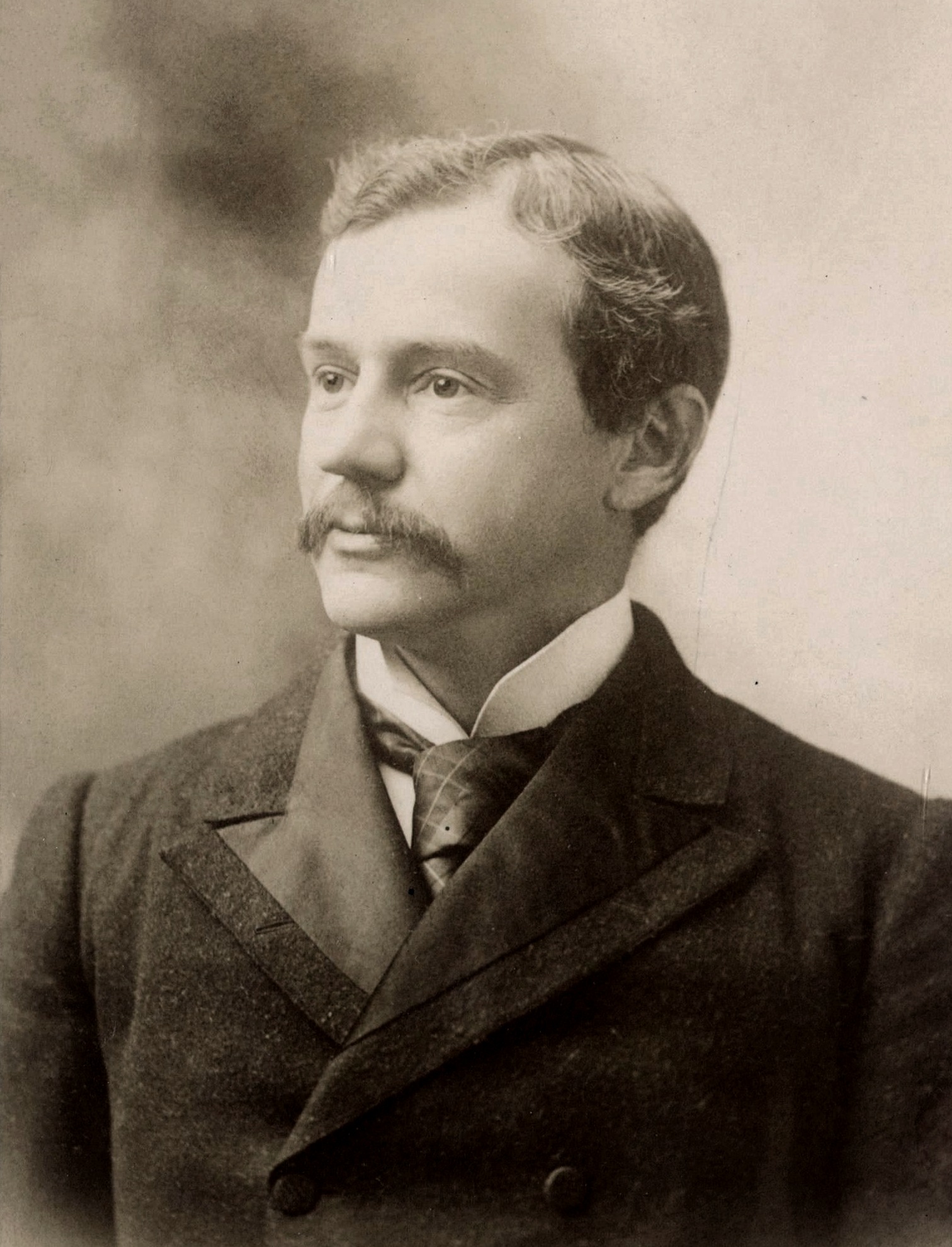
Howard Atwood Kelly (February 20, 1858 – January 12, 1943) was an American gynecologist. He obtained his B.A. degree and M.D. degree from the University of Pennsylvania. He, William Osler, William Halsted, and William Welch together are known as the "Big Four", the founding professors at the Johns Hopkins Hospital in Baltimore, Maryland. He is credited with establishing gynecology as a specialty by developing new surgical approaches to gynecological diseases and pathological research. He also developed several medical innovations, including the improved cystoscope, Kelly's clamp, Kelly's speculum, and Kelly's forceps. Because Kelly was a famous prohibitionist and Fundamentalist Christian, many of his contemporaries expressed skepticism towards his medical professionalism.
Howard Kelly was born in Camden, New Jersey, in 1858; his parents were Henry Kuhl Kelly and Louisa Warner (Hard) Kelly. His family had a history in politics (Kelly's father's great grandfather, Michael Hillegas, was the first Treasurer of the United States), business, real estate and civil service. He was raised with strong religious influence from his parents, especially his mother. During the Civil War, Kelly and his mother lived in Chester while his father served in the war; Kelly spent his free time observing nature and studying the Bible with his mother. In the fall of 1867, Kelly entered the Faires Classical Institute. There, he developed an interest in languages, biology, natural science, and botany. In 1873 he started his undergraduate education at the University of Pennsylvania. During his college years, he was the president of the Franklin Scientific Society. At the age of 17, he became a member of the Philadelphia Academy of Natural Sciences. He received his B.A. degree in 1877.
In 1877 he enrolled in the University of Pennsylvania's medical school where he became interested in anatomy, and in 1882, he graduated with the Anomaly Prize from the Demonstrator of Morbid Anatomy. He did his residency at the Episcopal Hospital at Kensington, Pennsylvania. Gynecology wasn't practiced at the hospital, so he opened his own clinic in a two-story house in a working district where he also lived. He saw patients during the day and slept on a sofa at night with a string tied to his toe so that whenever there was a tug on the string, he would be woken up to provide medical assistance. He also made house calls. Later, with money from a group of Philadelphia philanthropist women, he was able to open a formal clinic with an operating room in Norris Square, which later became the Kensington Hospital for Women, the sixth women's hospital in the United States. There, he created the "Kelly stitch", a procedure to treat Stress incontinence, and performed the first successful C-section in Philadelphia. He gained a reputation as an innovator in surgical techniques during this time.
From 1886 to 1888, Kelly traveled to England, Scotland, and Germany to observe abdominal and pelvic surgeons at work. When he was in Leipzig in 1886, he was introduced to the palpation of female ureters by Max Saenger. In Berlin in 1888, he worked with pathologist Rudolf Virchow to determine the best way to catheterize ureters. Then, in Prague in 1888, Czech physician Parel Pawlik showed him how to catheterize ureters using a speculum and how to conduct an air cystoscopy. In 1888, he returned to the University of Pennsylvania, to become an associate professor of obstetrics under the recommendation of William Osler.
In 1889, Osler recruited Kelly to become chair of gynecological surgery of the Johns Hopkins School of Medicine. Those two, along with two other founding faculty members, William Stewart Halsted and William H. Welch, became known at Hopkins as "The Big Four". After three years in Baltimore, Kelly founded the Howard A. Kelly Hospital, which was active until 1938. Kelly didn't require his patients to pay for surgical fees at Hopkins, but in his private practice, he charged a significant amount for his surgical and medical services.[citation needed]
In the early 1890s, Kelly pursued the field of urogynecology and is known for establishing gynecology as its own field of study and through his textbook, Operative Gynecology, established a systematic approach to gynecological medicine and surgery.
Along with "Kelly's stitch", he developed other new surgical techniques and devices.
He identified what became known as "Kelly's sign", a way to find the ureter during surgeries. Because ureters tend to adhere to the peritoneum instead of maintaining its normal position along the psoas muscle during operations, it can be hard to find. Kelly's sign is a technique of applying gentle pressure to the ureters to cause peristalsis, or worm-like muscle contraction to identify the ureter.
Hub AI
Howard Atwood Kelly AI simulator
(@Howard Atwood Kelly_simulator)
Howard Atwood Kelly
Howard Atwood Kelly (February 20, 1858 – January 12, 1943) was an American gynecologist. He obtained his B.A. degree and M.D. degree from the University of Pennsylvania. He, William Osler, William Halsted, and William Welch together are known as the "Big Four", the founding professors at the Johns Hopkins Hospital in Baltimore, Maryland. He is credited with establishing gynecology as a specialty by developing new surgical approaches to gynecological diseases and pathological research. He also developed several medical innovations, including the improved cystoscope, Kelly's clamp, Kelly's speculum, and Kelly's forceps. Because Kelly was a famous prohibitionist and Fundamentalist Christian, many of his contemporaries expressed skepticism towards his medical professionalism.
Howard Kelly was born in Camden, New Jersey, in 1858; his parents were Henry Kuhl Kelly and Louisa Warner (Hard) Kelly. His family had a history in politics (Kelly's father's great grandfather, Michael Hillegas, was the first Treasurer of the United States), business, real estate and civil service. He was raised with strong religious influence from his parents, especially his mother. During the Civil War, Kelly and his mother lived in Chester while his father served in the war; Kelly spent his free time observing nature and studying the Bible with his mother. In the fall of 1867, Kelly entered the Faires Classical Institute. There, he developed an interest in languages, biology, natural science, and botany. In 1873 he started his undergraduate education at the University of Pennsylvania. During his college years, he was the president of the Franklin Scientific Society. At the age of 17, he became a member of the Philadelphia Academy of Natural Sciences. He received his B.A. degree in 1877.
In 1877 he enrolled in the University of Pennsylvania's medical school where he became interested in anatomy, and in 1882, he graduated with the Anomaly Prize from the Demonstrator of Morbid Anatomy. He did his residency at the Episcopal Hospital at Kensington, Pennsylvania. Gynecology wasn't practiced at the hospital, so he opened his own clinic in a two-story house in a working district where he also lived. He saw patients during the day and slept on a sofa at night with a string tied to his toe so that whenever there was a tug on the string, he would be woken up to provide medical assistance. He also made house calls. Later, with money from a group of Philadelphia philanthropist women, he was able to open a formal clinic with an operating room in Norris Square, which later became the Kensington Hospital for Women, the sixth women's hospital in the United States. There, he created the "Kelly stitch", a procedure to treat Stress incontinence, and performed the first successful C-section in Philadelphia. He gained a reputation as an innovator in surgical techniques during this time.
From 1886 to 1888, Kelly traveled to England, Scotland, and Germany to observe abdominal and pelvic surgeons at work. When he was in Leipzig in 1886, he was introduced to the palpation of female ureters by Max Saenger. In Berlin in 1888, he worked with pathologist Rudolf Virchow to determine the best way to catheterize ureters. Then, in Prague in 1888, Czech physician Parel Pawlik showed him how to catheterize ureters using a speculum and how to conduct an air cystoscopy. In 1888, he returned to the University of Pennsylvania, to become an associate professor of obstetrics under the recommendation of William Osler.
In 1889, Osler recruited Kelly to become chair of gynecological surgery of the Johns Hopkins School of Medicine. Those two, along with two other founding faculty members, William Stewart Halsted and William H. Welch, became known at Hopkins as "The Big Four". After three years in Baltimore, Kelly founded the Howard A. Kelly Hospital, which was active until 1938. Kelly didn't require his patients to pay for surgical fees at Hopkins, but in his private practice, he charged a significant amount for his surgical and medical services.[citation needed]
In the early 1890s, Kelly pursued the field of urogynecology and is known for establishing gynecology as its own field of study and through his textbook, Operative Gynecology, established a systematic approach to gynecological medicine and surgery.
Along with "Kelly's stitch", he developed other new surgical techniques and devices.
He identified what became known as "Kelly's sign", a way to find the ureter during surgeries. Because ureters tend to adhere to the peritoneum instead of maintaining its normal position along the psoas muscle during operations, it can be hard to find. Kelly's sign is a technique of applying gentle pressure to the ureters to cause peristalsis, or worm-like muscle contraction to identify the ureter.
Recent media