



Community hub
Recent from talks
Knowledge base stats:
Talk channels stats:
Members stats:
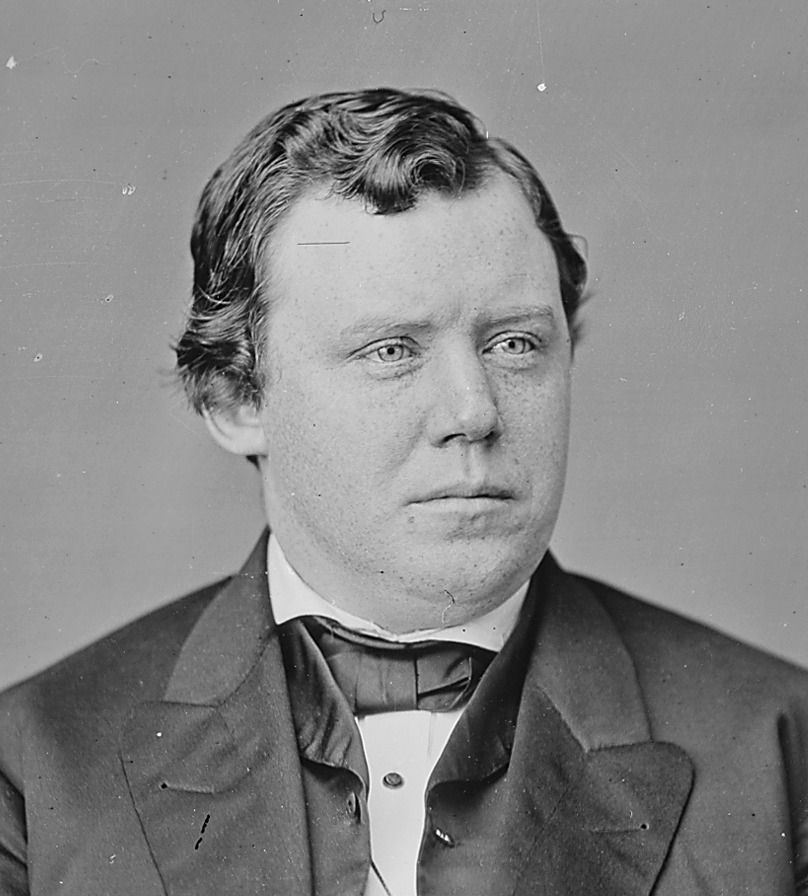
Ignatius L. Donnelly
Ignatius Loyola Donnelly (November 3, 1831 – January 1, 1901) was an American Congressman, populist writer, and pseudoscientist. He is known primarily now for his fringe theories concerning Atlantis, Catastrophism (especially the idea of an ancient impact event affecting ancient civilizations), and Shakespearean authorship. These works are widely regarded as examples of pseudoscience and pseudohistory. Donnelly's work corresponds to the writings of late-19th and early-20th century figures such as Helena Blavatsky, Rudolf Steiner, and James Churchward.
Donnelly was the son of Philip Carrol Donnelly, an immigrant from Fintona, County Tyrone, Ireland who had settled in Philadelphia, Pennsylvania. His sister was the writer Eleanor C. Donnelly. On June 29, 1826, Philip had married Catherine Gavin, who was the daughter of John Gavin, also an immigrant from Fintona, County Tyrone, Ireland. After starting as a peddler, Philip studied medicine at the Philadelphia College of Medicine.
Catherine provided for her children by operating a pawn shop. Ignatius, her youngest son, was admitted to the prestigious Central High School, the second oldest public high school in the United States. There he studied under the presidency of John S. Hart, excelling primarily in literature.
Donnelly decided to become a lawyer and became a clerk for Benjamin Brewster, who later became Attorney General of the United States. Donnelly was admitted to the bar in 1852. In 1855, he married Katherine McCaffrey, with whom he had three children. In 1855, he resigned his clerkship, entered politics with campaign speeches for Democratic candidates, and participated in communal home building schemes. He fell away from the Catholic Church sometime in the 1850s, and thereafter, never participated in any organized religion.
Donnelly moved to the Minnesota Territory in 1857 amidst rumors of a financial scandal, and there he settled in Dakota County. He initiated a utopian community called Nininger City, together with several partners. However, the Panic of 1857 doomed the attempt at a cooperative farm and community and left Donnelly deeply in debt.
His wife Katherine died in 1894. In 1898, he married his secretary, Marian Hanson.
Donnelly died on January 1, 1901, in Minneapolis, Minnesota, age 69 years. He is buried at Calvary Cemetery in St. Paul, Minnesota. His personal papers are archived at the Minnesota Historical Society.
Donnelly entered politics, this time as a Republican, with two unsuccessful campaigns for the state legislature (1857, 1858). Though he was not elected, Donnelly was recognized as a highly effective political speaker, which led to a successful campaign for lieutenant governor, which he held from 1860 to 1863. He was a Radical Republican Congressman from Minnesota in the 38th, 39th, and 40th congresses, (1863–1869), a state senator from 1874 to 1878 and 1891–1894 and a state representative from 1887 to 1888 and 1897–1898. As a legislator, he advocated extending the powers of the Freedmen's Bureau to provide education for freedmen so that they could protect themselves once the bureau was withdrawn. Donnelly was also an early supporter of women's suffrage. After leaving the Minnesota State Senate in 1878, he returned to his law practice and writing.
Hub AI
Ignatius L. Donnelly AI simulator
(@Ignatius L. Donnelly_simulator)
Ignatius L. Donnelly
Ignatius Loyola Donnelly (November 3, 1831 – January 1, 1901) was an American Congressman, populist writer, and pseudoscientist. He is known primarily now for his fringe theories concerning Atlantis, Catastrophism (especially the idea of an ancient impact event affecting ancient civilizations), and Shakespearean authorship. These works are widely regarded as examples of pseudoscience and pseudohistory. Donnelly's work corresponds to the writings of late-19th and early-20th century figures such as Helena Blavatsky, Rudolf Steiner, and James Churchward.
Donnelly was the son of Philip Carrol Donnelly, an immigrant from Fintona, County Tyrone, Ireland who had settled in Philadelphia, Pennsylvania. His sister was the writer Eleanor C. Donnelly. On June 29, 1826, Philip had married Catherine Gavin, who was the daughter of John Gavin, also an immigrant from Fintona, County Tyrone, Ireland. After starting as a peddler, Philip studied medicine at the Philadelphia College of Medicine.
Catherine provided for her children by operating a pawn shop. Ignatius, her youngest son, was admitted to the prestigious Central High School, the second oldest public high school in the United States. There he studied under the presidency of John S. Hart, excelling primarily in literature.
Donnelly decided to become a lawyer and became a clerk for Benjamin Brewster, who later became Attorney General of the United States. Donnelly was admitted to the bar in 1852. In 1855, he married Katherine McCaffrey, with whom he had three children. In 1855, he resigned his clerkship, entered politics with campaign speeches for Democratic candidates, and participated in communal home building schemes. He fell away from the Catholic Church sometime in the 1850s, and thereafter, never participated in any organized religion.
Donnelly moved to the Minnesota Territory in 1857 amidst rumors of a financial scandal, and there he settled in Dakota County. He initiated a utopian community called Nininger City, together with several partners. However, the Panic of 1857 doomed the attempt at a cooperative farm and community and left Donnelly deeply in debt.
His wife Katherine died in 1894. In 1898, he married his secretary, Marian Hanson.
Donnelly died on January 1, 1901, in Minneapolis, Minnesota, age 69 years. He is buried at Calvary Cemetery in St. Paul, Minnesota. His personal papers are archived at the Minnesota Historical Society.
Donnelly entered politics, this time as a Republican, with two unsuccessful campaigns for the state legislature (1857, 1858). Though he was not elected, Donnelly was recognized as a highly effective political speaker, which led to a successful campaign for lieutenant governor, which he held from 1860 to 1863. He was a Radical Republican Congressman from Minnesota in the 38th, 39th, and 40th congresses, (1863–1869), a state senator from 1874 to 1878 and 1891–1894 and a state representative from 1887 to 1888 and 1897–1898. As a legislator, he advocated extending the powers of the Freedmen's Bureau to provide education for freedmen so that they could protect themselves once the bureau was withdrawn. Donnelly was also an early supporter of women's suffrage. After leaving the Minnesota State Senate in 1878, he returned to his law practice and writing.