Hubbry Logo
Persecutory delusionPersecutory delusionMain
Open search
Persecutory delusion
Community hub
Persecutory delusion
logo
8 pages, 0 posts
0 subscribers
Be the first to start a discussion here.
Persecutory delusion
from Wikipedia

Persecutory delusion
Other namesParanoid delusion[1]
SpecialtyPsychiatry, clinical psychology Edit this on Wikidata
SymptomsFalse beliefs that one will be harmed, violent behaviour, theory of mind deficits, safety behaviours, low self-esteem, rumination
ComplicationsPremature death, heart disease, diabetes, high blood pressure, anxiety, depression, sleep disturbance
CausesMental illness (schizophrenia, delusional disorder, schizoaffective disorder), emotional abuse, drugs and alcohol use, family history
Differential diagnosisDelusions of guilt or sin[1] and paranoid personality disorder
TreatmentAntipsychotics, cognitive behavioral therapy, vitamin B12 supplements

A persecutory delusion is a type of delusional condition in which the affected person believes that harm is going to occur to oneself by a persecutor, despite a clear lack of evidence. The person may believe that they are being targeted by an individual or a group of people. Persecution delusions are very diverse in terms of content and vary from the possible, although improbable, to the completely bizarre. The delusion can be found in various disorders, being more usual in psychotic disorders.

Persecutory delusion is at the more severe end of the paranoia spectrum and can lead to multiple complications, from anxiety to suicidal ideation. Persecutory delusions have a high probability of being acted upon, for example not leaving the house due to fear, or acting violently. The persecutory delusion is a common type and is more prevalent in males.

Persecutory delusions can be caused by a combination of genetic (family history) and environmental (drug and alcohol use, emotional abuse) factors. This type of delusion is treatment-resistant. The most common methods of treatment are cognitive behavioral therapy, medications, namely first and second generation antipsychotics, and in severe cases, hospitalization. The diagnosis of the condition can be made using the DSM-5 or the ICD-11.

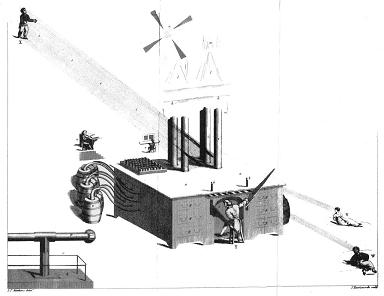
James Tilly Matthews' illustration of a gang of spies using an "air loom" to torment him at a distance

Signs and symptoms

[edit]

Persecutory delusions are persistent, distressing beliefs that one is being or will be harmed, that continue even when evidence of the contrary is presented. This condition is often seen in disorders like schizophrenia, schizoaffective disorder, delusional disorder, manic episodes of bipolar disorder, psychotic depression, and some personality disorders.[2][3] Alongside delusional jealousy, persecutory delusion is the most common type of delusion in males and is a frequent symptom of psychosis.[4][5] More than 70% of individuals with a first episode of psychosis reported persecutory delusions.[6] Persecutory delusion is often paired with anxiety, depression, disturbed sleep, low self-esteem, rumination and suicidal ideation.[3][7][8] High rates of worry, similar to those in generalized anxiety disorder, are present in individuals with the delusion, moreover the level of worry has been linked to the persistence of the delusion.[3] People with persecutory delusion have an increased difficulty in attributing mental states to others and oftentimes misread others' intentions as a result.[9][5]

People who present with this form of delusion are often in the bottom 2% in terms of psychological well-being.[3] A correlation has been found between the imagined power the persecutor has and the control the sufferer has over the delusion. Those with a stronger correlation between the two factors have a higher rate of depression and anxiety.[8] In urban environments, going outside leads people with this delusion to have a major increases in levels of paranoia, anxiety, depression and lower self-esteem.[3] People with this delusion often live a more inactive life and are at a higher risk of developing high blood pressure, diabetes and heart disease, having a lifespan 14.5 years less than the average as a result.[10][11]

Those with persecutory delusion have the highest risk of acting upon those thoughts compared to other type of delusions, such acts include refusing to leave their house out of the fear of being harmed, or acting violently due to a perceived threat.[12][13] Safety behaviors are also frequently found — individuals who feel threatened perform actions in order to avert their feared delusion from occurring. Avoidance is commonly observed: individuals may avoid entering areas where they believe they might be harmed. Some may also try to lessen the threat, such as only leaving the house with a trusted person, reducing their visibility by taking alternative routes, increasing their vigilance by looking up and down the street, or acting as if they would resist attack by being prepared to strike out.[14]

Causes

[edit]

A study assessing schizophrenia patients with persecutory delusion found significantly higher levels of childhood emotional abuse within those people but found no differences of trauma, physical abuse, physical neglect and sexual abuse.[15] Because individuals with the disorder tend to respond to the delusion with worry instead of challenging the content of the delusion, worry is responsible in developing and maintaining the persecutory thoughts on the individuals' minds.[3][16] Biological elements, such as chemical imbalances in the brain and alcohol and drug use are a contributing factor to persecutory delusion. Genetic elements are also thought to influence, family members with schizophrenia and delusional disorder are at a higher risk of developing persecutory delusion.[17]

Persecutory delusions are thought to be linked with problems in self-other control, that is, when an individual adjusts the representation of oneself and others in social interactions.[note 1] Because of this shortcoming, the person might misattribute their own negative thoughts and emotions onto others.[18] Another theory is that the delusional belief arises due to low self-esteem. When a threat appears, the person protects themselves from negative feelings by blaming others.[19]

The development of these delusional beliefs can be influenced by a past history of persecutory experiences — being stalked, drugged or harassed.[1] Certain factors further contribute to this, including having a low socioeconomic status, lacking access to education, experiencing discrimination, humiliation, and threats during early life, and being an immigrant.[1][20][21]

Treatment

[edit]

Persecutory delusion is difficult to treat and is therapy resistant.[22] Medications for schizophrenia are often used, especially when positive symptoms are present. Both first-generation antipsychotics and second-generation antipsychotics may be useful.[23] Since these delusions are often accompanied with worry, using cognitive behavioral therapy to tackle this thought has shown to reduce the frequency of the delusions itself, improvement of well-being and less rumination.[24] When vitamin B12 deficiency is present, supplements have shown positive results in treating those patients with persecutory delusion.[25] Virtual reality cognitive therapy as a way to treat persecutory delusion, has shown a reduction in paranoid thinking and distress. Virtual reality permits patients to be immersed in a world that replicates real life but with a decreased amount of fear. Patients are then proposed to fully explore the environment without engaging in safety behaviors, thus challenging their perceived threat as unfounded.[26]

Diagnosis

[edit]

The Diagnostic and Statistical Manual of Mental Disorders (DSM-5) enumerates eleven types of delusions. The International Classification of Diseases (ICD-11) defines fifteen types of delusions; both include persecutory delusion. They state that persecutory type is a common delusion that includes the belief that the person or someone close to the person is being maliciously treated. This encompasses thoughts that oneself has been drugged, spied upon, harmed, mocked, cheated, conspired against, persecuted, harassed and so on and may procure justice by making reports, taking action or responding violently.[27]

In an effort to have a more detailed criteria for the disorder, a diagnostic table has been advanced by Daniel Freeman and Philippa Garety. It is divided in two criteria that must be met: the individual believes that harm is going to occur to oneself at the present or future, and that the harm is made by a persecutor. There are also points of clarification: the delusion has to cause distress to the individual; only harm to someone close to the person doesn't count as a persecutory delusion; the individual must believe that the persecutor will attempt to harm them and delusions of reference do not count within the category of persecutory beliefs.[20][needs update]

See also

[edit]

Notes

[edit]

References

[edit]
Revisions and contributorsEdit on WikipediaRead on Wikipedia
from Grokipedia
Persecutory delusion is a psychotic symptom defined as the fixed, false belief that one is being harmed, persecuted, spied on, followed, poisoned, or conspired against by others, often held with intense despite to the contrary. These delusions represent the severe end of a continuum of paranoid ideation that exists in the general , where milder forms of suspicious thoughts are common. At least 10-15% of the general regularly experiences paranoid thoughts, while persecutory delusions occur frequently in clinical settings, comprising about 64.5% of delusions in individuals with psychotic disorders and affecting approximately 80% of those with . Persecutory delusions are associated with heightened anxiety, emotional distress, and behaviors such as social withdrawal or , which can exacerbate isolation and functional impairment. They arise from multifactorial causes, including cognitive biases (like ), anomalous experiences (such as perceptual distortions), worry, and past negative events, forming a that explains a significant portion of their variance. Although most prevalent in and , these delusions can also appear in other conditions like major depression or during psychotic episodes. Treatment primarily involves antipsychotic medications to reduce symptom intensity, combined with (CBT) tailored to delusions, which targets safety beliefs and reasoning biases; innovative programs like Feeling Safe have demonstrated recovery rates of around 50% in treatment-resistant cases.

Definition and Overview

Definition

A persecutory delusion is characterized by a fixed, false that one is being harmed, threatened, conspired against, or spied on by others, in the absence of any supporting . This is rigidly held despite contradictory information and is not accounted for by cultural or religious norms. In the DSM-5-TR, persecutory delusions are classified as a subtype within , where the central theme involves the conviction of being conspired against, cheated, spied on, followed, poisoned, drugged, maliciously maligned, harassed, or obstructed in achieving long-term goals. They are typically considered non-bizarre delusions, meaning the described scenarios are physically possible albeit incorrect, in contrast to bizarre delusions that involve clearly implausible or impossible events, such as being controlled by external forces in an unreal way. Similarly, the defines a persecutory delusion as one in which the central theme is that oneself or a close associate is being attacked, mocked, harassed, cheated, conspired against, or spied on. Persecutory delusions differ from other delusion types, such as grandiose delusions involving beliefs of exceptional abilities or status, or referential delusions where neutral events are interpreted as having direct personal significance. They represent the most common subtype of , present in over 70% of individuals experiencing a first episode of . These delusions commonly occur as a core symptom in various psychotic disorders, including , , and .

Historical Context

Early 19th-century began shifting understandings of abnormal suspicion and mistrust from moral failings to medical pathologies, with concepts like Jean-Étienne Dominique Esquirol's (introduced around 1810) describing partial insanities involving systematized delusions, often of persecution, and James Cowles Prichard's "" (1835), which emphasized affective and volitional defects manifesting as paranoid mistrust without overt delusions or intellectual impairment. These frameworks laid groundwork for later conceptualizations of delusional states, though Prichard's model focused more on moral depravity than systematized persecutory ideas. In the late , advanced a more structured in his seminal work Psychiatrie (8th edition, 1909–1915), describing as a distinct chronic disorder featuring immutable, systematized delusions—frequently of or grandeur—while differentiating it from (later ), which involved broader cognitive deterioration and less organized delusional content. Kraepelin's delineation highlighted the logical coherence and late onset of paranoid delusions, portraying them as a stable form of without the progressive decline seen in other conditions, thus establishing (including its persecutory subtype) as a core diagnostic entity in early 20th-century classifications. Karl Jaspers further refined this in his 1913 Allgemeine Psychopathologie, introducing criteria for "primary delusions" as autochthonous experiences that arise unmediated and ununderstandable, profoundly influencing the assessment of delusional authenticity in persecutory cases by emphasizing their subjective immediacy and resistance to empathetic comprehension. Jaspers' framework distinguished these from secondary delusions derived from mood or perceptual anomalies, providing a phenomenological basis for evaluating the "realness" of persecutory beliefs in modern , where the term "persecutory delusion" began to crystallize as a specific subtype amid evolving diagnostic systems. Twentieth-century views evolved from psychoanalytic interpretations, as in Sigmund Freud's 1911 analysis of the Schreber case, where persecutory delusions were theorized as defensive projections of repressed internal conflicts—particularly homosexual impulses—onto external persecutors, serving to restore ego equilibrium amid psychic disintegration. This perspective dominated early 20th-century understandings, framing delusions as symbolic resolutions of unconscious tensions rather than isolated symptoms. However, post-1950s developments marked a pivot to biological models, catalyzed by the discovery of antipsychotic medications like in 1952, which targeted dysregulation to alleviate delusional symptoms, repositioning persecutory delusions as manifestations of neurochemical imbalances amenable to pharmacological intervention. By the 1980s, evidence-based integrated cognitive approaches, with Brendan Maher's 1974 model positing delusions as rational explanations for genuine perceptual anomalies, challenging earlier views and influencing subsequent on reasoning biases in persecutory ideation. Philippa Garety extended this in her 1988 work on reasoning and delusions, proposing that externalizing attributions and "" biases perpetuate persecutory beliefs, bridging psychological mechanisms with empirical testing and paving the way for targeted cognitive therapies within a broader evidence-based .

Epidemiology and Demographics

Prevalence and Incidence

Persecutory delusions represent the most common form of encountered in psychotic disorders, occurring in 50-70% of individuals during their first episode of . In specifically, the persecutory subtype predominates, with studies indicating it accounts for the majority of cases, often exceeding 50% of presentations. Within the broader schizophrenia spectrum disorders, persecutory delusions comprise 60-80% of all delusional content, as reflected in clinical data aligned with classifications. The incidence of , which frequently features persecutory delusions, is estimated at 0.7 to 3.0 cases per 100,000 individuals annually in the general population, though in mental health treatment settings ranges from 0.5% to 1.2%. Among older adults, rates are notably higher, with up to 5% exhibiting paranoid ideation consistent with persecutory delusions in community samples. Prevalence rates of have remained relatively stable over recent decades, though highlights a temporary uptick in pandemic-related following 2020, with general population surveys reporting increased paranoid beliefs during the initial phase. Lifetime risk appears elevated in urban environments compared to rural settings, potentially due to heightened social stressors.

Demographic Patterns

Persecutory delusions exhibit notable differences, with a higher among s compared to females in the context of and related psychotic conditions. This disparity is associated with elevated levels of aggression and violent behavior in male patients experiencing these delusions, potentially due to the intensity of perceived threats. In terms of age, persecutory delusions typically peak during , with an average onset around 40 to 60 years in cases of . Among older adults over 65 years, the condition becomes more frequent, particularly linked to sensory declines such as hearing or vision loss, and prevalence of psychotic symptoms including persecutory delusions can reach 10% to 60% in settings. Socioeconomic and cultural factors significantly influence the occurrence of persecutory delusions, with rates up to two to three times higher in lower groups, attributed to and limited resources. Immigrants and ethnic minorities also face elevated risks, often twofold higher than native populations, compounded by acculturation stress and . Urban environments further amplify this vulnerability, increasing risk by 30% to 50% through heightened social adversity and environmental stressors. Comorbidity patterns reveal that persecutory delusions are more common in males with a history of substance use, such as or , which can exacerbate delusional ideation and is more prevalent among men in psychotic populations. In contrast, elderly females often present with hybrid somatic-persecutory delusions, blending bodily concerns with themes, reflecting gender-specific expressions in late-life .

Clinical Presentation

Signs and Symptoms

Persecutory delusions manifest as an intense, persistent conviction that one is being deliberately targeted by others for harm, such as through , , following, or conspiratorial plots against one's safety or well-being. This core symptom fosters , where individuals remain in a heightened state of , constantly scanning for signs of and interpreting neutral events as evidence of malice. Examples include beliefs that neighbors are food supplies or that authorities are monitoring one's movements via hidden devices, leading to a pervasive of and defensiveness. Associated emotional features are prominent, with high levels of anxiety reported by the majority of affected individuals, often manifesting as excessive worry that exacerbates threat misinterpretations. Depression co-occurs frequently, with approximately 50% of patients with persecutory delusions meeting criteria for , characterized by feelings of hopelessness tied to the unrelenting threat perception. Low is also common, underlying emotional distress and reinforcing the delusion as a maladaptive defense against feelings of inadequacy. In response, individuals often engage in safety behaviors, such as avoiding social situations, limiting outings, or employing protective strategies like heightened checking or to avert perceived dangers. Physical correlates include sleep disturbances, such as , which are prevalent and associated with a twofold to threefold increased of paranoid ideation due to disrupted rest cycles. from these delusions elevates levels, as observed in psychotic disorders where hypothalamic-pituitary-adrenal axis hyperactivity contributes to sustained physiological arousal. This ongoing stress, combined with and avoidance of healthcare, is linked to a reduced lifespan, with individuals experiencing facing an average of 14.5 years shorter compared to the general population. Behaviorally, persecutory delusions prompt social withdrawal, as fear of persecution restricts participation in everyday interactions and activities, often resulting in isolation. Aggression toward perceived persecutors can emerge in some cases, potentially involving violent acts driven by the belief. Overall, these manifestations cause substantial functional impairment, hindering work, relationships, and self-care, and transforming daily life into a battle against imagined adversaries.

Subtypes and Variations

The persecutory type is the most common subtype of delusional disorder, accounting for around 70% of cases in certain clinical samples. Persecutory delusions can vary in intricacy and thematic integration, from straightforward convictions of personal threat or harm from others, such as beliefs that neighbors are spying, poisoning food, or plotting minor sabotage, to more elaborate narratives incorporating additional elements. Complex variations incorporate persecutory themes with other delusional content, creating multifaceted beliefs that heighten conviction and distress. Grandiose-persecutory delusions, for instance, involve ideas of being targeted due to perceived exceptional abilities or status, such as believing government agencies are pursuing the individual because of their "special powers" or hidden talents. Somatic-persecutory variations focus on , where the person believes others are inflicting physical ailments, like implanting devices to cause pain or through invisible means. Referential-persecutory delusions interpret neutral events or media as personalized threats, such as perceiving television broadcasts or passersby's gestures as encoded messages signaling imminent danger. Cultural context significantly shapes the content of persecutory delusions while maintaining similar overall prevalence across populations. In many African societies, themes frequently revolve around or persecution, reflecting local spiritual beliefs where individuals may fear being bewitched or cursed by community members. In contrast, Western cultures often feature technology-driven motifs, exemplified by "Truman Show" delusions, where people believe their lives are staged reality shows monitored by and actors. indicate that grandiose elements within persecutory delusions appear more frequently in some Asian groups, potentially influenced by societal emphases on achievement and hierarchy, though core persecutory structures remain consistent globally. Rare variations include hybrids blending persecutory elements with other delusion types, such as erotomanic-persecutory forms where initial romantic fixation on another evolves into beliefs of reciprocal love turning hostile or vengeful. In chronic cases, delusions may evolve from non-persecutory origins, like initial grandiose or somatic ideas, progressively incorporating persecutory themes as interpersonal stressors accumulate over time.

Etiology and Pathophysiology

Biological and Genetic Factors

Persecutory delusions show genetic similar to that in spectrum disorders, where monozygotic twin concordance rates are estimated at 40-50%, substantially higher than the 10-15% observed in dizygotic twins, indicating a strong inherited component. Polygenic risk scores for show overlap with vulnerability to persecutory delusions, as genetic variants disrupt and neurodevelopment, increasing susceptibility to psychotic symptoms. Neuroimaging studies reveal hyperactivity in the and altered connectivity with the among individuals experiencing persecutory delusions, reflecting heightened threat processing and impaired emotion regulation. This neural pattern contributes to the misattribution of neutral stimuli as threatening, often driven by dysregulation in the , where excessive signaling generates aberrant salience and reinforces persecutory beliefs. has demonstrated increased amygdala-prefrontal coupling during paranoid states, underscoring these regions' role in the biological substrate of delusion formation. Persecutory delusions are associated with certain neurological conditions, including , where ictal or interictal activity can precipitate delusional ideation as part of post-seizure . In , up to 40% of patients develop psychotic symptoms, including persecutory delusions, linked to therapy and neurodegeneration in limbic circuits. Additionally, is a recognized reversible cause of neuropsychiatric symptoms, including persecutory delusions, in elderly patients due to demyelination and metabolic disruption in neural pathways; supplementation often resolves these manifestations. Emerging research as of 2025 also implicates gut microbiome dysbiosis and in contributing to and imbalances underlying persecutory delusions. Elevated inflammatory markers, particularly cytokines like IL-6, are observed in acute paranoid , suggesting an immune-mediated vulnerability that amplifies in . This proinflammatory state may contribute to blood-brain barrier permeability and microglial activation, further linking peripheral immune responses to central delusional processes.

Psychological and Environmental Factors

Persecutory delusions are influenced by various cognitive biases that distort threat perception and reasoning. A prominent example is the jumping-to-conclusions (JTC) bias, where individuals draw hasty decisions based on limited , which has been consistently associated with the formation and maintenance of these delusions in patients with . This bias is thought to contribute to the rapid adoption of persecutory beliefs by reducing the need for thorough evidence gathering. Similarly, an externalizing attributional style—characterized by attributing negative events to external causes, particularly others' intentions—exhibits excessive bias in individuals with a history of persecutory delusions, exacerbating mistrust and poor into one's beliefs. Low often serves as a precursor, with negative self-cognitions prevalent among those experiencing persecutory delusions and linked to heightened emotional distress that reinforces threat interpretations. Environmental stressors play a significant role in elevating the risk of developing persecutory delusions. Childhood abuse, including physical, sexual, and emotional forms, is associated with nearly a threefold increased of psychosis onset, potentially through long-term alterations in stress response and threat sensitivity. Urban living further compounds this vulnerability, with a dose-response relationship showing up to twofold higher incidence of psychotic disorders, including those featuring persecutory delusions, possibly due to heightened and . Migration status amplifies these risks, as first- and second-generation migrants face relative risks of around 2.9 for , often tied to experiences of and social adversity that intensify persecutory ideation. Substance use, particularly heavy , elevates the onset risk by 2-4 times, with daily users showing odds ratios up to 3.2 for psychotic disorders compared to non-users. Social isolation contributes to the persistence of persecutory delusions by impairing interpersonal understanding and attachment security. Poor —the ability to infer others' mental states—moderates the link between delusions and social functioning, leading to misinterpretations of neutral as threats. Insecure attachment styles, especially anxious and avoidant types, are strongly correlated with (r = 0.18-0.46), fostering social withdrawal and heightened sensitivity to perceived rejection or harm. Recent theoretical advancements, such as the 2025 counterweight model, emphasize strengthening alternative, safety-oriented beliefs to counteract . This model views as arising from an imbalance of threat factors (e.g., anxiety, past trauma) and proposes building "counterweights" through experiential safety-building activities, which has shown promise in reducing by tipping cognitive scales toward non-threatening interpretations.

Diagnosis and Assessment

Diagnostic Criteria

Persecutory delusions are diagnosed within the framework of in major classification systems, where they represent a specific theme of non-bizarre delusions involving perceived malevolent intent toward the individual or a close associate. In the DSM-5-TR, the diagnostic criteria for require the presence of one or more delusions lasting for at least one month, with the persecutory type specified when the central theme involves the belief that the person—or someone close to them—is being conspired against, cheated, spied on, followed, poisoned, or otherwise malevolently harmed. Additional criteria stipulate that criterion A for (which includes multiple psychotic symptoms) has never been met; functioning is not markedly impaired beyond the impact of the delusion itself, and behavior remains non-bizarre; any concurrent mood episodes are brief relative to the delusional period; and the disturbance is not attributable to substances, medical conditions, or better explained by another such as obsessive-compulsive disorder or . These criteria emphasize the encapsulated nature of the delusion, distinguishing it from more pervasive psychotic states. The classifies (code 6A24) as characterized by one or more delusions or a set of related delusions persisting for at least three months, often longer, without concurrent depressive or manic episodes, and with relatively preserved functioning outside the delusion's direct effects. Persecutory delusions fall under the specified themes, defined as a conviction that one is being malevolently treated, such as through attack, , , or spying, despite a lack of supporting , which causes significant distress or impairment. may be partial or absent, and the delusions are typically non-bizarre, meaning they involve plausible scenarios rather than impossible events. Freeman and Garety's operational criteria for persecutory delusions, originally proposed in 2004 and refined in subsequent models through 2022, define them as involving two core elements: the anticipation of harm occurring to oneself or a close other, and the attribution of malicious intent to a specific persecutor. Their further incorporates associated features such as threat anticipation, use of safety behaviors to mitigate perceived danger, and heightened emotional distress, which contribute to the delusion's maintenance and . Assessment of persecutory delusions relies on structured clinical tools to confirm and evaluate severity. The (PANSS) includes item P6 specifically for delusions, rating the conviction and preoccupation with beliefs like on a scale from absent to extreme, based on patient reports and observed behavior. The Structured Clinical Interview for DSM-5 (SCID-5) provides a semi-structured format to systematically probe for the presence, duration, and content of delusions, ensuring alignment with criteria while ruling out broader psychotic syndromes. These tools facilitate reliable identification in clinical settings.

Differential Diagnosis

Persecutory delusions must be differentiated from other psychiatric, medical, substance-related, and cultural conditions that present with similar paranoid ideation to ensure accurate and appropriate management. Distinguishing features often include the presence of additional symptoms, temporal associations, insight levels, and results from or studies. In psychiatric differentials, is characterized by persecutory delusions alongside active-phase symptoms such as auditory hallucinations, disorganized speech, or negative symptoms lasting at least six months, whereas isolated persecutory delusions without these features suggest . Bipolar mania involves mood-congruent persecutory delusions occurring exclusively during manic or depressive episodes lasting at least one week, with delusions resolving outside these periods. Obsessive-compulsive disorder (OCD) may mimic delusions through intrusive paranoid thoughts, but patients retain , recognizing ideas as irrational and excessive, and exhibit resistance with associated compulsions aimed at neutralization, unlike the absolute conviction in persecutory delusions. Medical conditions can produce secondary paranoia resembling persecutory delusions. Delirium presents with acute-onset fluctuating confusion, visual hallucinations, and altered consciousness, often reversible with treatment of underlying causes like . , particularly , features paranoia as part of occurring in 16-23% of cases among older adults with , with higher rates (up to 75%) in , accompanied by cognitive decline and , distinguished by chronological progression and findings. disorders, such as (), induce paranoia in 5-15% of severe cases, identifiable through showing elevated TSH levels. Brain tumors may cause subacute paranoia with focal neurological signs or visual hallucinations, confirmed by MRI revealing structural abnormalities. Substance-induced psychotic disorders often replicate persecutory delusions, with amphetamines causing prominent , visual hallucinations, and agitation shortly after use, resolving within one week of ; the temporal link to , verified by , differentiates it from primary delusions. Anabolic steroids similarly provoke persecutory delusions and auditory hallucinations within 3-4 days of initiation, particularly at doses exceeding 40 mg/day equivalent, with symptoms abating upon discontinuation, as confirmed by drug history and exclusion of comorbidities. Other conditions include with mixed anxiety and depressed mood, where transient arises directly from an identifiable and resolves within six months, assessed via detailed psychosocial history. Cultural syndromes, such as beliefs in ghost possession or ancestral spirits in certain communities, may appear as persecutory ideation but are normative and non-distressing; differentiation relies on collateral history from family or informants using tools like the Cultural Formulation Interview to evaluate community acceptance and lack of functional impairment.

Treatment and Management

Pharmacological Approaches

Second-generation antipsychotics (SGAs) represent the first-line pharmacological treatment for persecutory delusions, primarily due to their efficacy in reducing positive symptoms such as delusions and hallucinations in conditions like and . Agents like and are commonly used, with typical dosing ranges of 2-6 mg/day for and 5-20 mg/day for , titrated based on response and tolerability. These medications modulate D2 receptors, leading to symptom improvement in approximately 50-70% of patients within 4-6 weeks, as measured by scales like the (PANSS). Common side effects include weight gain, sedation, and metabolic disturbances, necessitating regular monitoring. Adjunctive therapies may be employed to address comorbid features or specific etiologies. Mood stabilizers such as (divalproex sodium) are used for agitation accompanying persecutory delusions, particularly in acute psychotic episodes, with rapid onset in reducing behavioral disturbances without excessive . In cases linked to , supplementation (e.g., 1 mg/day intramuscular initially) can reverse psychotic symptoms, including persecutory delusions, in a majority of patients, often within 4 weeks, alongside correction of and elevated levels. Treatment resistance occurs in 30% of cases, defined as inadequate response to at least two adequate trials of antipsychotics (e.g., ≥600 mg/day equivalent for ≥4 weeks). For refractory persecutory delusions, is recommended as the gold standard per 2022 guidelines, with 2025 studies confirming its superior efficacy over other SGAs; initiated at 12.5 mg/day and gradually increased, with monitoring for and other risks like . Recent studies from 2023 indicate potential benefits from adjunctive anti-inflammatory agents, such as (typically 200 mg/day), which may reduce total symptom severity (SMD -0.36) and negative symptoms (SMD -0.69) in patients when added to antipsychotics, attributed to its neuroprotective and immunomodulatory effects, though not significantly for positive symptoms like delusions. These approaches highlight ongoing efforts to enhance response rates while managing side effects like gastrointestinal upset from .

Psychotherapeutic Interventions

(CBT) for (CBTp) is a primary psychotherapeutic intervention for persecutory delusions, targeting reasoning biases such as and externalizing attributional styles that maintain delusional beliefs. Therapists collaborate with patients to test threat beliefs through behavioral experiments and , aiming to reduce conviction in the delusion. Meta-analyses indicate small-to-medium effect sizes (Hedges' g = -0.36) for overall delusion severity compared to treatment as usual, with increasing over time across studies. The Feeling Safe Programme represents an advanced, accessible adaptation of CBTp, originally developed as a face-to-face and updated in 2024-2025 to a 6-month supported online format using a . It incorporates modules on improvement, worry reduction, and self-confidence building, with optional (VR) exposure for immersive threat simulation to challenge safety behaviors. The original trial demonstrated a large (Cohen's d = 1.2) in reducing severity at treatment end, maintained at 12-month follow-up. Metacognitive therapy (MCT) addresses as a key maintainer of persecutory delusions by modifying metacognitive beliefs about thinking processes, such as the uncontrollability of . In MCT for , patients learn detached and attention training techniques to disengage from cycles, leading to decreased delusion distress in feasibility studies. Family interventions focus on reducing (EE), such as criticism and emotional over-involvement, which exacerbate persecutory delusions in . These structured sessions educate families on illness management and communication skills, resulting in lower rates and improved outcomes in meta-analyses of early . Emerging innovations include machine learning-guided personalization of therapies like MCT, where AI platforms predict treatment response using to tailor interventions, as shown in 2025 proof-of-concept trials with 10-20% prediction accuracy for symptom changes. Virtual reality-assisted CBT enables safe threat simulation, allowing patients to drop safety behaviors in controlled scenarios; randomized trials report reductions in delusional conviction and increased real-world safety behaviors, with 2025 studies confirming up to 22% improvements.

Prognosis and Complications

Long-Term Outcomes

With appropriate treatment, such as the Feeling Safe psychological program, approximately 50% of individuals with persecutory delusions achieve full recovery, defined as a reduction in conviction to below 25% alongside low preoccupation and distress, while an additional 25% experience moderate improvements, yielding partial remission rates of 50-75% overall. This trajectory generally surpasses that of , where global functioning remains more impaired despite similar persecutory features, as outlined in DSM-5-TR criteria emphasizing preserved social and occupational capacity in isolated delusional presentations. Chronicity affects 20-30% of cases, with longitudinal data indicating that 26% of patients exhibit persistent delusions across multiple follow-ups over 20 years, and 57% face frequent recurrences despite therapy. follows initial remission in roughly 38% of individuals, rising sharply to a nearly fivefold increase among those non-adherent to within 5 years. Positive prognostic factors include early intervention, which mitigates symptom entrenchment and boosts remission likelihood through timely symptom reduction. High clinical insight facilitates better engagement with treatment and sustained recovery, while robust buffers daily and enhances overall stability. Studies from 2025 on supported programs like Feeling Safer report very large reductions in severity (Cohen's d = 3.0) at 6 months, with high usability fostering potential for extended 2-year stability in accessible care models. Negative influences encompass comorbid substance use, which doubles the chronic risk by exacerbating and prolonging hospitalization. Elderly cases often demonstrate greater persistence, with delusions enduring for years amid life stressors, though targeted interventions can achieve clinically significant conviction reductions from 100% to 25%.

Associated Risks and Complications

Individuals with persecutory delusions face elevated risks, including a lifetime risk estimated at 10-15% within spectrum disorders where these delusions are prevalent. This risk is heightened by severe psychological distress and hopelessness associated with the delusions. , such as inadequate or due to against perceived threats, contributes to increased mortality from preventable causes like infections or . Additionally, approximately 20% of individuals with untreated persecutory delusions in psychotic disorders may engage in , often as a defensive response to believed , though this is mediated by factors like . Social complications arise from the isolating nature of persecutory beliefs, leading to withdrawal from relationships and to avoid imagined harm, which exacerbates . Job loss is common due to interfering with workplace interactions or performance, resulting in rates significantly higher than the general population. Legal issues frequently emerge from actions driven by delusions, such as false accusations against perceived persecutors or , potentially leading to arrests or civil disputes. Family strain is also prevalent, as persistent suspicions erode trust and support networks. Medical comorbidities include a twofold increased risk of , attributed to from the delusions and associated factors like poor diet and inactivity. Iatrogenic risks from pharmacological management, such as over-medication with antipsychotics, can lead to side effects like , further compounding health vulnerabilities. Recent studies from the era indicate that persecutory delusions are linked to heightened endorsement of conspiracy beliefs, such as those involving government plots, which intensify and mistrust during crises. This association, observed in 2022-2025 , underscores how external stressors can amplify delusional content and its isolating effects.

References

Add your contribution
Related Hubs
User Avatar
No comments yet.