Hubbry Logo
search
logo
2176093

Prothrombin time

logo
Community Hub0 Subscribers
Read side by side
from Wikipedia

Prothrombin time
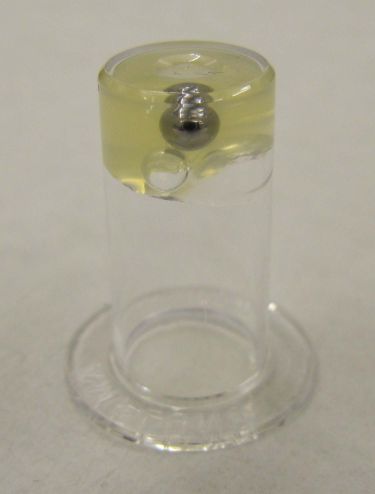
Blood plasma after the addition of tissue factor. The gel-like structure is strong enough to hold a steel ball.
MeSHD011517

The prothrombin time (PT) – along with its derived measures of prothrombin ratio (PR) and international normalized ratio (INR) – is an assay for evaluating the extrinsic pathway and common pathway of coagulation. This blood test is also called protime INR and PT/INR. They are used to determine the clotting tendency of blood, in conditions such as the measure of warfarin dosage, liver damage (cirrhosis), and vitamin K status. PT measures the following coagulation factors: I (fibrinogen), II (prothrombin), V (proaccelerin), VII (proconvertin), and X (Stuart–Prower factor).

PT is often used in conjunction with the activated partial thromboplastin time (aPTT) which measures the intrinsic pathway and common pathway of coagulation.[citation needed]

Laboratory measurement

[edit]

The reference range for prothrombin time depends on the analytical method used, but is usually around 12–13 seconds (results should always be interpreted using the reference range from the laboratory that performed the test), and the INR in absence of anticoagulation therapy is 0.8–1.2. The target range for INR in anticoagulant use (e.g. warfarin) is 2 to 3. In some cases, if more intense anticoagulation is thought to be required, the target range may be as high as 2.5–3.5 depending on the indication for anticoagulation.[1]

Methodology

[edit]
Vacutainer tube used for PT and PTT blood tests

Prothrombin time is typically analyzed by a laboratory technologist on an automated instrument at 37 °C (as a nominal approximation of normal human body temperature).[citation needed]

  • Blood is drawn into a test tube containing liquid sodium citrate, which acts as an anticoagulant by binding the calcium in a sample. The blood is mixed, then centrifuged to separate blood cells from plasma (as prothrombin time is most commonly measured using blood plasma). In newborns, a capillary whole blood specimen is used.[2]
  • A sample of the plasma is extracted from the test tube and placed into a measuring test tube (Note: for an accurate measurement, the ratio of blood to citrate needs to be fixed and should be labeled on the side of the measuring test tube by the manufacturing company; many laboratories will not perform the assay if the tube is underfilled and contains a relatively high concentration of citrate—the standardized dilution of 1 part anticoagulant to 9 parts whole blood is no longer valid).
  • Next an excess of calcium (in a phospholipid suspension) is added to the test tube, thereby reversing the effects of citrate and enabling the blood to clot again.
  • Finally, in order to activate the extrinsic / tissue factor clotting cascade pathway, tissue factor (also known as factor III) is added and the time the sample takes to clot is measured optically. Some laboratories use a mechanical measurement, which eliminates interferences from lipemic and icteric samples.

Prothrombin time ratio

[edit]

The prothrombin time ratio is the ratio of a subject's measured prothrombin time (in seconds) to the normal laboratory reference PT. The PT ratio varies depending on the specific reagents used, and has been replaced by the INR.[3] Elevated INR may be useful as a rapid and inexpensive diagnostic of infection in people with COVID-19.[4]

International normalized ratio

[edit]

The result (in seconds) for a prothrombin time performed on a normal individual will vary according to the type of analytical system employed. This is due to the variations between different types and batches of manufacturer's tissue factor used in the reagent to perform the test. The INR was devised to standardize the results. Each manufacturer assigns an ISI value (International Sensitivity Index) for any tissue factor they manufacture. The ISI value indicates how a particular batch of tissue factor compares to an international reference tissue factor. The ISI is usually between 0.94 and 1.4 for more sensitive and 2.0–3.0 for less sensitive thromboplastins.[5][6][7]

The INR is the ratio of a patient's prothrombin time to a normal (control) sample, raised to the power of the ISI value for the analytical system being used.
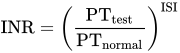
PTnormal is established as the geometric mean of the prothrombin times (PT) of a reference sample group.[8]

Interpretation

[edit]

The prothrombin time is the time it takes plasma to clot after addition of tissue factor (obtained from animals such as rabbits, or recombinant tissue factor, or from brains of autopsy patients). This measures the quality of the extrinsic pathway (as well as the common pathway) of coagulation. The speed of the extrinsic pathway is greatly affected by levels of functional factor VII in the body. Factor VII has a short half-life and the carboxylation of its glutamate residues requires vitamin K. The prothrombin time can be prolonged as a result of deficiencies in vitamin K, warfarin therapy, malabsorption, or lack of intestinal colonization by bacteria (such as in newborns). In addition, poor factor VII synthesis (due to liver disease) or increased consumption (in disseminated intravascular coagulation) may prolong the PT.[citation needed]

The INR is typically used to monitor patients on warfarin or related oral anticoagulant therapy. The normal range for a healthy person not using warfarin is 0.8–1.2, and for people on warfarin therapy an INR of 2.0–3.0 is usually targeted, although the target INR may be higher in particular situations, such as for those with a mechanical heart valve. If the INR is outside the target range, a high INR indicates a higher risk of bleeding, while a low INR suggests a higher risk of developing a clot. In patients on a vitamin K antagonist such as warfarin with supratherapeutic INR but INR less than 10 and no bleeding, it is enough to lower the dose or omit a dose, monitor the INR and resume the vitamin K antagonist at an adjusted lower dose when the target INR is reached.[9] For people who need rapid reversal of the vitamin K antagonist – such as due to serious bleeding – or who need emergency surgery, the effects of warfarin can be reversed with vitamin K, prothrombin complex concentrate (PCC), or fresh frozen plasma (FFP).[10]

Factors determining accuracy

[edit]

Lupus anticoagulant, a circulating inhibitor predisposing for thrombosis, may skew PT results, depending on the assay used.[11] Variations between various thromboplastin preparations have in the past led to decreased accuracy of INR readings, and a 2005 study suggested that despite international calibration efforts (by INR) there were still statistically significant differences between various kits,[12] casting doubt on the long-term tenability of PT/INR as a measure for anticoagulant therapy.[13] Indeed, a new prothrombin time variant, the Fiix prothrombin time, intended solely for monitoring warfarin and other vitamin K antagonists has been invented[14] and recently become available as a manufactured test. The Fiix prothrombin time is only affected by reductions in factor II and/or factor X and this stabilizes the anticoagulant effect and appears to improve clinical outcome according to an investigator initiated randomized blinded clinical trial, The Fiix-trial.[15] In this trial thromboembolism was reduced by 50% during long-term treatment and despite that bleeding was not increased.

Statistics

[edit]

An estimated 800 million PT/INR assays are performed annually worldwide.[13]

Near-patient testing

[edit]

In addition to the laboratory method outlined above, near-patient testing (NPT) or home INR monitoring is becoming increasingly common in some countries. In the United Kingdom, for example, near-patient testing is used both by patients at home and by some anticoagulation clinics (often hospital-based) as a fast and convenient alternative to the lab method. After a period of doubt about the accuracy of NPT results, a new generation of machines and reagents seems to be gaining acceptance for its ability to deliver results close in accuracy to those of the lab.[16]

Patient testing with microINR from iLine Microsystems
A Roche CoaguChek XS

In a typical NPT set up, a small table-top device is used. A drop of capillary blood is obtained with an automated finger-prick, which is almost painless. This drop is placed on a disposable test strip with which the machine has been prepared. The resulting INR comes up on the display a few seconds later. A similar form of testing is used by people with diabetes for monitoring blood sugar levels, which is easily taught and routinely practiced.[citation needed]

Local policy determines whether the patient or a coagulation specialist (pharmacist, nurse, general practitioner or hospital doctor) interprets the result and determines the dose of medication. In Germany and Austria, patients may adjust the medication dose themselves,[citation needed] while in the UK and the US this remains in the hands of a health care professional.

A significant advantage of home testing is the evidence that patient self-testing with medical support and patient self-management (where patients adjust their own anticoagulant dose) improves anticoagulant control. A meta analysis which reviewed 14 trials showed that home testing led to a reduced incidence of complications (bleeding and thrombosis) and improved the time in the therapeutic range, which is an indirect measure of anticoagulant control.[17] In 2022, a smartphone system was introduced by researchers to perform PT/INR testing in an inexpensive and accessible manner.[18] It uses the vibration motor and camera ubiquitous on smartphones to track micro-mechanical movements of a copper particle and compute PT/INR values.

Other advantages of the NPT approach are that it is fast and convenient, usually less painful, and offers, in home use, the ability for patients to measure their own INRs when required. Among its problems are that quite a steady hand is needed to deliver the blood to the exact spot, that some patients find the finger-pricking difficult, and that the cost of the test strips must also be taken into account. In the UK these are available on prescription so that elderly and unwaged people will not pay for them and others will pay only a standard prescription charge, which at the moment represents only about 20% of the retail price of the strips. In the US, NPT in the home is currently reimbursed by Medicare for patients with mechanical heart valves, while private insurers may cover for other indications. Medicare is now covering home testing for patients with chronic atrial fibrillation. Home testing requires a doctor's prescription and that the meter and supplies are obtained from a Medicare-approved Independent Diagnostic Testing Facility (IDTF).[citation needed]

There is some evidence to suggest that NPT may be less accurate for certain patients, for example those who have the lupus anticoagulant.[19]

Guidelines

[edit]

International guidelines were published in 2005 to govern home monitoring of oral anticoagulation by the International Self-Monitoring Association for Oral Anticoagulation.[20] The international guidelines study stated, "The consensus agrees that patient self-testing and patient self-management are effective methods of monitoring oral anticoagulation therapy, providing outcomes at least as good as, and possibly better than, those achieved with an anticoagulation clinic. All patients must be appropriately selected and trained. Currently, available self-testing/self-management devices give INR results which are comparable with those obtained in laboratory testing."

Medicare coverage for home testing of INR has been expanded in order to allow more people access to home testing of INR in the US. The release on 19 March 2008 said, "[t]he Centers for Medicare & Medicaid Services (CMS) expanded Medicare coverage for home blood testing of prothrombin time (PT) International Normalized Ratio (INR) to include beneficiaries who are using the drug warfarin, an anticoagulant (blood thinner) medication, for chronic atrial fibrillation or venous thromboembolism." In addition, "those Medicare beneficiaries and their physicians managing conditions related to chronic atrial fibrillation or venous thromboembolism will benefit greatly through the use of the home test."[21]

History

[edit]

The prothrombin time was developed by Armand J. Quick and colleagues in 1935,[22] and a second method was published by Paul Owren [no],[23] also called the "p and p" or "prothrombin and proconvertin" method. It aided in the identification of the anticoagulants dicumarol and warfarin,[24] and was used subsequently as a measure of activity for warfarin when used therapeutically.

The INR was invented in the early 1980s by Tom Kirkwood working at the UK National Institute for Biological Standards and Control (and subsequently at the UK National Institute for Medical Research) to provide a consistent way of expressing the prothrombin time ratio, which had previously suffered from a large degree of variation between centres using different reagents. The INR was coupled to Dr Kirkwood's simultaneous invention of the International Sensitivity Index (ISI), which provided the means to calibrate different batches of thromboplastins to an international standard.[25] The INR became widely accepted worldwide, especially after endorsement by the World Health Organization.[26]

See also

[edit]

References

[edit]
[edit]
Revisions and contributorsEdit on WikipediaRead on Wikipedia
from Grokipedia
Prothrombin time (PT) is a blood test that measures the time it takes for plasma, the liquid portion of blood, to form a clot after the addition of tissue factor and calcium, primarily evaluating the extrinsic and common pathways of the coagulation cascade.[1] Developed in 1935 by Armand J. Quick as a method to assess prothrombin levels, it has become a cornerstone for monitoring hemostasis in clinical practice.[2] The test is typically reported in seconds and standardized using the international normalized ratio (INR), which accounts for variability in reagents across laboratories.[3] In medical settings, PT is widely used to monitor the efficacy and safety of vitamin K antagonist anticoagulants like warfarin, where therapeutic INR targets often range from 2.0 to 3.0 depending on the indication, such as atrial fibrillation or deep vein thrombosis.[4] It also aids in diagnosing bleeding disorders, assessing liver synthetic function—since clotting factors are produced in the liver—and evaluating disseminated intravascular coagulation (DIC) or vitamin K deficiency.[1] For patients with liver disease, prolonged PT serves as a prognostic indicator, reflecting impaired production of factors II, V, VII, and X.[5] The procedure involves drawing venous blood into a citrated tube to prevent premature clotting, followed by adding thromboplastin (a reagent containing tissue factor) and calcium to recalcify the plasma; clotting time is then measured optically or mechanically, usually completing within minutes.[3] Normal PT values for individuals not on anticoagulants typically range from 10 to 13.5 seconds (most commonly cited as 11 to 13.5 seconds), corresponding to an INR of 0.8 to 1.1, though slight variations exist by laboratory and reagent.[6][7] Prolonged PT may indicate factor deficiencies, anticoagulant excess, or fibrinolysis, while shortened PT is less common but can occur with excess clotting factors or hypercoagulable states.[8] Factors influencing results include sample handling, hematocrit levels, and concurrent medications, necessitating careful interpretation in context.[1]

Overview

Definition

Prothrombin time (PT) is a blood test that measures the time, in seconds, required for plasma to clot after the addition of thromboplastin reagent and calcium ions, providing an assessment of the extrinsic and common pathways of the coagulation cascade.[1] This assay evaluates the functionality of key clotting factors, including factors II (prothrombin), V, VII, and X, by initiating clot formation through the activation of the extrinsic pathway via tissue factor exposure.[1] The test is performed on citrated plasma, where the citrate anticoagulant chelates calcium to prevent premature clotting during sample collection.[1] The primary components of the PT test include a plasma sample derived from the patient's blood, thromboplastin reagent—comprising tissue factor (also known as factor III) combined with phospholipids to mimic cellular membranes—and calcium chloride to restore the necessary ions for the coagulation reaction.[1] Tissue factor, released from damaged endothelial cells or subendothelial tissues, binds to factor VII, forming a complex that activates factor X, which then leads to the conversion of prothrombin to thrombin and subsequent fibrin clot formation in the common pathway.[9] This process quantifies the overall efficiency of the extrinsic initiation and shared downstream elements of hemostasis, distinguishing it from assays that target other aspects of coagulation.[9] In contrast to the activated partial thromboplastin time (aPTT), which primarily evaluates the intrinsic and common coagulation pathways by activating factor XII through contact activation, PT specifically focuses on the extrinsic pathway triggered by tissue factor, allowing for complementary assessment of different clotting mechanisms.[9] This mechanistic distinction enables PT to detect deficiencies or inhibitors affecting tissue factor-dependent coagulation more sensitively than aPTT.[1]

Clinical Purpose

The prothrombin time (PT) test serves as a key screening tool for coagulation disorders by assessing the integrity of the extrinsic and common pathways of the coagulation cascade, helping to detect deficiencies in clotting factors such as II, V, VII, X, and fibrinogen.[1] It is also essential for evaluating liver function, as the liver produces most of these vitamin K-dependent factors, with prolonged PT often indicating synthetic dysfunction in conditions like cirrhosis.[1] Additionally, PT aids in diagnosing disseminated intravascular coagulation (DIC) by revealing widespread activation and depletion of clotting factors.[1] In clinical practice, PT is frequently ordered for preoperative screening to establish baseline coagulation status and mitigate bleeding risks during surgery.[7] It is indicated in patients presenting with unexplained bleeding, easy bruising, or prolonged bleeding from minor injuries, prompting further investigation into underlying hemostatic abnormalities.[4] A primary application of PT is monitoring oral anticoagulant therapy with vitamin K antagonists, such as warfarin, where results are standardized as the international normalized ratio (INR) to guide dosing and ensure therapeutic efficacy while minimizing thrombosis or hemorrhage risks.[1] The INR, derived from PT, provides a calibrated measure that accounts for reagent variability, making it indispensable for consistent patient management in conditions like atrial fibrillation or deep vein thrombosis.[10]

Coagulation Basics

Extrinsic Pathway

The extrinsic coagulation pathway is a critical component of hemostasis, initiated upon vascular injury when subendothelial tissue factor (TF, also known as factor III) is exposed to circulating blood. TF rapidly binds to factor VII, promoting its activation to factor VIIa in the presence of calcium ions; this forms the TF-VIIa complex, which serves as the primary initiator of the clotting cascade.[9] The pathway is designed for rapid response to trauma, contrasting with the slower intrinsic pathway that is triggered by contact activation on negatively charged surfaces like exposed collagen.[9] Once formed, the TF-VIIa complex activates factor X to its active form, factor Xa, on the surface of TF-bearing cells; this step requires calcium and phospholipid membranes for efficiency. Factor Xa then assembles with factor Va, calcium, and phospholipids to create the prothrombinase complex, which converts prothrombin (factor II) into thrombin (factor IIa). Thrombin, in turn, cleaves fibrinogen (factor I) to generate fibrin monomers that polymerize into a stable clot, amplified by thrombin's activation of upstream factors for burst clot formation.[11] This sequence converges with the intrinsic pathway at factor X activation, entering the common pathway that culminates in fibrin clot stabilization.[9] The prothrombin time (PT) test specifically evaluates the extrinsic and common pathways by adding exogenous TF and calcium to plasma, bypassing the intrinsic pathway; thus, PT is particularly sensitive to deficiencies or inhibitors of factors VII (extrinsic-specific), as well as X, V, II, and I (common pathway factors).[12] In contrast, the intrinsic pathway, involving factors XII, XI, IX, and VIII, is assessed by the activated partial thromboplastin time (aPTT) and contributes to amplification but not initiation in vivo.[13] This distinction underscores the extrinsic pathway's role in physiologic hemostasis and pathologic thrombosis, where dysregulated TF expression can lead to excessive clotting.[14]

Factors Involved

The prothrombin time (PT) test primarily assesses the functionality of several key coagulation factors in the extrinsic and common pathways of the coagulation cascade. Factor VII serves as the primary initiator, where it binds to tissue factor exposed at sites of vascular injury to form an activated complex that propagates downstream events. Factor X, once activated by this complex, plays a central role in converting prothrombin (factor II) to thrombin in conjunction with factor V as a cofactor on the prothrombinase complex. Prothrombin itself is cleaved by factor Xa to generate thrombin, which then acts on fibrinogen (factor I) to form the fibrin clot essential for hemostasis. These factors collectively ensure the rapid formation of a stable clot in response to injury.[1][3][15] Several of these factors are vitamin K-dependent, requiring post-translational gamma-carboxylation for proper activation and function, which is facilitated by the liver. Specifically, factors II (prothrombin), VII, and X undergo this modification, as do factor IX (in the intrinsic pathway) and the anticoagulant proteins C and S. Deficiencies in vitamin K, often due to malnutrition, malabsorption, or antagonism by drugs like warfarin, impair carboxylation of these proteins, leading to reduced activity and prolongation of PT, particularly sensitive to factor VII's short half-life. This dependency underscores PT's utility in monitoring vitamin K-related coagulopathies.[16][17][1] Natural anticoagulants also influence PT indirectly by modulating the balance of procoagulant factors. Antithrombin inhibits thrombin (factor IIa) and factor Xa, preventing excessive clot formation, while protein C, activated by thrombin-thrombomodulin complex and aided by protein S, degrades factors Va and VIIIa to downregulate the cascade. Deficiencies or dysfunctions in these inhibitors can indirectly affect PT results by altering the overall hemostatic equilibrium, though PT primarily reflects procoagulant deficiencies.[18][1]

Laboratory Measurement

Methodology

The prothrombin time (PT) test begins with sample collection from venous blood using a citrate anticoagulant, typically 3.2% buffered sodium citrate in a 9:1 blood-to-anticoagulant ratio, to chelate calcium and prevent premature clotting. The filled tube is gently inverted several times to ensure mixing, then centrifuged at approximately 3,500 RPM for 10-15 minutes to separate plasma from cellular components.[19] For optimal accuracy, the plasma is often double-centrifuged to produce platelet-poor plasma (platelet count <10,000/µL), with the supernatant transferred to a plastic tube and stored at room temperature if testing is delayed, but processed within 24 hours to avoid artifactual prolongation.[20] In the laboratory procedure, an aliquot of citrated plasma is mixed with a thromboplastin reagent, which contains tissue factor and phospholipids to activate the extrinsic coagulation pathway, and the mixture is incubated at 37°C for 1-4 minutes depending on the reagent.[21] Calcium chloride is then added to recalcify the plasma and initiate the clotting cascade, triggering the conversion of prothrombin to thrombin and subsequent fibrin formation. The time from calcium addition to the first detectable fibrin clot is measured, typically using automated detection methods that monitor changes in optical density or mechanical impedance as the clot forms.[1] Modern laboratories employ automated coagulometers, such as photo-optical or mechanical instruments, to precisely time the clotting endpoint and process multiple samples efficiently.[1] Historically, the manual tilt-tube method was used, where the tube is periodically tilted to observe the endpoint of clot formation by visual inspection, though this is now largely replaced due to variability.[22] PT results are reported in seconds, with normal values typically ranging from 10 to 13.5 seconds (most commonly cited as 11 to 13.5 seconds), varying slightly by reagent and instrument.[23][7]

Ratio Calculations

The prothrombin time ratio (PTR), also known as the prothrombin ratio, is calculated by dividing the patient's prothrombin time (PT) by the mean normal prothrombin time (MNPT), expressed as PTR = patient's PT / MNPT.[24] The MNPT represents the geometric mean of PT values obtained from at least 20 healthy individuals using the same laboratory reagents and equipment, ensuring a standardized reference for the local testing system.[2] To further standardize PT results across different laboratories and thromboplastin reagents, the international normalized ratio (INR) is derived from the PTR using the formula:
INR=(patient’s PTMNPT)ISI \text{INR} = \left( \frac{\text{patient's PT}}{\text{MNPT}} \right)^{\text{ISI}}
where ISI is the International Sensitivity Index, a calibration factor that measures the responsiveness of a specific thromboplastin reagent relative to the World Health Organization (WHO) primary reference standard, with an ideal ISI value of 1.0 indicating equivalence to the reference.[10][25] Thromboplastin reagents with ISI values close to 1.0 are preferred for their high sensitivity to factor deficiencies in the extrinsic coagulation pathway.[26] The primary purpose of these ratio calculations is to account for inter-laboratory variability arising from differences in thromboplastin reagents, instrument types, and testing methodologies, thereby enabling consistent PT reporting worldwide, particularly for monitoring oral anticoagulant therapy.[3] For most patients on vitamin K antagonist therapy, such as warfarin, the target therapeutic INR range is 2.0 to 3.0, balancing anticoagulation efficacy against bleeding risk.[10] As an illustrative example, consider a patient with a PT of 18 seconds, an MNPT of 12 seconds, and an ISI of 1.2: the PTR is 18 / 12 = 1.5, and the INR is calculated as (1.5)1.2 ≈ 1.63.[10]

Interpretation and Accuracy

Normal Ranges and Results

The prothrombin time (PT) in healthy individuals typically falls within 10 to 13.5 seconds (most commonly cited as 11 to 13.5 seconds), although exact ranges can vary by laboratory due to differences in reagents and equipment.[6] The international normalized ratio (INR), a standardized measure derived from the PT to account for such variations, normally ranges from 0.8 to 1.1 in non-anticoagulated patients.[6] This normal range has remained consistent in authoritative medical sources from 2024 through 2025, with no evidence of changes in 2026.[7][23] Prolonged PT or elevated INR values signify deficiencies in coagulation factors of the extrinsic pathway (primarily factor VII) or the common pathway (factors X, V, II, and fibrinogen), leading to delayed clot formation.[1] For instance, an INR exceeding 1.5 in non-anticoagulated individuals indicates potential impairment in these factors and heightened bleeding risk.[1] In patients on anticoagulant therapy, such as warfarin, prolonged values beyond therapeutic targets similarly suggest over-anticoagulation and increased hemorrhage potential.[7] Shortened PT results are uncommon and often attributable to excess levels of clotting factors or artifacts like cold activation of factor VII during sample handling, with limited direct clinical implications beyond prompting verification of the test.[1] Critical INR thresholds, generally above 4.5 to 10, demand immediate action to mitigate life-threatening bleeding, typically involving reversal strategies such as vitamin K administration or prothrombin complex concentrates.[10][27]

Influencing Factors

Pre-analytical factors can significantly impact prothrombin time (PT) results, primarily by introducing artifacts during sample collection, handling, and processing. Improper anticoagulation, such as underfilled tubes leading to an incorrect blood-to-anticoagulant ratio, is a common error that prolongs PT by diluting clotting factors.[28] Hemolysis, resulting from traumatic venipuncture or improper handling, interferes with optical detection methods and can prolong PT, particularly at hemoglobin levels above 5 g/L.[29] Lipemia, caused by elevated triglycerides, scatters light in photometric assays and may falsely elevate PT values.[30] Delayed processing or prolonged storage at room temperature allows ongoing coagulation activity, further extending PT.[31] Analytical factors during laboratory testing also contribute to PT variability. Reagent lot-to-lot differences in thromboplastin sensitivity can alter responsiveness to clotting factors, leading to inconsistent PT measurements across batches.[32] Instrument calibration errors, such as misalignment in coagulometers, may cause inaccurate endpoint detection and prolong or shorten PT results.[33] Temperature fluctuations in the incubation or reaction phase affect enzyme kinetics; for instance, a 2°C deviation can increase PT by up to 7.8% in certain reagents.[34] Biological patient-specific factors influence baseline PT through effects on coagulation synthesis and activity. Age-related changes, such as reduced liver function in the elderly, can mildly prolong PT, with reference intervals varying across age groups—higher in children under 14 years compared to adults over 50.[35] Dietary vitamin K intake modulates PT, as deficiency impairs gamma-carboxylation of factors II, VII, IX, and X, resulting in prolongation; low intake can elevate PT within days.[36] Medications like broad-spectrum antibiotics disrupt gut flora that produce vitamin K, potentially prolonging PT in susceptible individuals.[37] Quality control measures, including International Sensitivity Index (ISI) calibration using World Health Organization (WHO) reference plasmas, help minimize inter-laboratory discrepancies in PT reporting. This calibration adjusts for reagent and instrument variations by comparing local PTs to certified plasmas with assigned INR values, ensuring more consistent results.[2] INR standardization, as detailed in ratio calculations, further refines PT interpretation by incorporating ISI.[38]

Clinical Applications

Anticoagulation Monitoring

Prothrombin time (PT), expressed as the international normalized ratio (INR), serves as the primary laboratory measure for monitoring anticoagulation therapy with vitamin K antagonists such as warfarin.[39] During the initiation of warfarin therapy, dosing adjustments are made based on daily INR measurements to achieve therapeutic levels rapidly while minimizing risks.[40] Typically, INR testing occurs daily during the induction phase (first 5-7 days), transitioning to weekly assessments once stable, and then to monthly or every 4-12 weeks for patients with consistent results.[41] The INR standardizes PT results to account for reagent variations, enabling precise dose titration.[10] Target INR ranges vary by clinical indication to balance thrombotic and bleeding risks. For patients with atrial fibrillation or venous thromboembolism, the recommended target is 2.0-3.0.[39] In contrast, individuals with mechanical heart valves often require a higher range of 2.5-3.5, particularly for mitral valve prostheses, to prevent valve thrombosis.[42] Subtherapeutic INR levels (below target) increase the risk of thrombosis, while supratherapeutic values (above target) heighten bleeding potential, including major hemorrhage.[39] For over-anticoagulation without active bleeding, low-dose oral vitamin K (1-2.5 mg) can normalize INR within 24 hours.[43] In cases of serious bleeding, rapid reversal involves intravenous vitamin K combined with prothrombin complex concentrates (PCC) or fresh frozen plasma (FFP), with PCC preferred for faster factor replacement and lower volume load.[44] Direct oral anticoagulants (DOACs), such as factor Xa inhibitors (e.g., rivaroxaban, apixaban), have largely supplanted warfarin in many settings due to fixed dosing and no routine PT/INR monitoring requirement.[45] However, PT prolongation can partially reflect the anticoagulant effect of factor Xa inhibitors, though it is not a reliable quantitative measure for dose adjustment.[46]

Disease Assessment

Prothrombin time (PT) serves as a key diagnostic tool in evaluating coagulation disorders and organ dysfunction, particularly those affecting the extrinsic pathway and vitamin K-dependent factors. Prolonged PT indicates impaired clotting factor synthesis or consumption, helping clinicians identify underlying pathologies such as hepatic impairment or disseminated coagulopathy.[1] In liver disease, PT prolongation arises from the liver's reduced synthetic capacity for clotting factors II, V, VII, IX, and X, reflecting the severity of hepatic dysfunction. This marker is integral to the Model for End-Stage Liver Disease (MELD) score, which incorporates the international normalized ratio (INR) derived from PT to prioritize patients for liver transplantation based on 3-month mortality risk. For instance, elevated INR values in MELD calculations signal advanced cirrhosis and guide organ allocation decisions.[1][47][48] Vitamin K deficiency, often due to malnutrition or malabsorption syndromes such as biliary obstruction, leads to decreased carboxylation of factors II, VII, IX, and X, resulting in isolated PT prolongation that typically corrects with vitamin K supplementation. This responsiveness distinguishes it from other causes of extended PT, aiding in targeted therapeutic interventions.[49][16] Disseminated intravascular coagulation (DIC), a consumptive coagulopathy triggered by conditions like sepsis or trauma, manifests with prolonged PT due to depletion of clotting factors alongside thrombocytopenia and reduced fibrinogen levels. PT results, combined with other markers like D-dimer, contribute to scoring systems for DIC diagnosis and monitoring disease progression.[50][51] Rare hereditary deficiencies, such as factor VII deficiency, present with isolated PT prolongation while maintaining normal activated partial thromboplastin time (aPTT), as factor VII is the primary extrinsic pathway initiator. Specific factor VII assays confirm the diagnosis in symptomatic patients with bleeding tendencies.[52][53] In patients presenting with acute gastrointestinal (GI) bleeding, particularly upper GI bleeding, the prothrombin time (PT) test, often expressed as the international normalized ratio (INR), is ordered to assess coagulation status, detect coagulopathy that may exacerbate bleeding, evaluate the effects of anticoagulants (e.g., warfarin), and guide correction (e.g., fresh frozen plasma if PT >1.5 times normal or prothrombin complex concentrate for reversal). It is especially important in upper GI bleeds associated with liver disease (e.g., varices in cirrhosis, where PT/INR is prolonged due to reduced clotting factor synthesis) or anticoagulant use, and forms part of initial lab evaluation and risk stratification (e.g., AIMS65 score where INR >1.5 is a component associated with higher in-hospital mortality).[54][55] Despite its utility, PT has limitations in assessing certain bleeding disorders; it remains insensitive to deficiencies in factors VIII or IX, as seen in hemophilia A and B, where PT is normal and aPTT is prolonged, necessitating combined testing for a comprehensive coagulation profile.[56][57]

Point-of-Care Testing

Techniques

Point-of-care prothrombin time (PT) testing employs portable analyzers that utilize fingerstick capillary whole blood samples to deliver rapid international normalized ratio (INR) results, facilitating testing outside conventional laboratory settings.[58] These devices, such as the CoaguChek XS system, operate by inserting a test strip containing dry reagents—typically human recombinant thromboplastin—into the meter, followed by application of a small blood drop obtained via fingerstick. The electrochemical detection in the strip measures clotting time, yielding quantitative PT/INR values in approximately one minute.[59] Key advantages of these systems include their suitability for bedside application in clinical environments and self-monitoring at home for patients on stable anticoagulation therapy, enhancing accessibility and enabling more frequent assessments.[60] Compared to central laboratory methods, which involve plasma separation and optical detection, point-of-care devices provide INR results that generally correlate well, with agreement within 10-20% in therapeutic ranges (e.g., 2.0-3.0 INR) across multiple validation studies.[61][62] However, these analyzers have limitations, including higher operational costs due to disposable test strips and potential for user error in sample application or device handling, which can affect result reliability.[63] Accuracy may diminish in patients with extreme hematocrit levels (e.g., <30% or >55%), where whole-blood viscosity influences readings, or in cases of elevated INRs (>4.5), often leading to underestimation or error messages.[64][65] For optimal use, point-of-care PT/INR testing requires periodic correlation with laboratory plasma-based assays to ensure ongoing accuracy, particularly in long-term monitoring programs.[66] These devices are recommended for routine follow-up in established patients rather than initial diagnosis or unstable conditions, where comprehensive laboratory evaluation remains essential.[67]

Regulatory Guidelines

The World Health Organization (WHO), in collaboration with the International Society on Thrombosis and Haemostasis (ISTH), provides guidelines for the calibration and reporting of the International Normalized Ratio (INR) derived from prothrombin time (PT) tests, emphasizing traceability to international reference standards to ensure consistency across point-of-care (POC) devices and laboratory methods.[68] These guidelines recommend that POC INR results be reported using certified thromboplastin reagents with International Sensitivity Index (ISI) values between 0.9 and 1.7 for manual methods, promoting harmonized anticoagulation management globally.[2] Complementing this, the Clinical and Laboratory Standards Institute (CLSI) outlines protocols in its POCT14 guideline for point-of-care coagulation testing, focusing on device validation through comparative accuracy studies against laboratory references and quality assurance measures such as regular calibration and control testing to maintain result reliability.[69] POC PT/INR devices are approved by the U.S. Food and Drug Administration (FDA) for monitoring warfarin therapy in outpatient and home settings, specifically for patients on oral anticoagulation to assess clotting status and adjust dosing as needed. Most such devices, including the CoaguChek XS, are classified as CLIA-waived.[70][67] These approvals extend to patient self-testing systems, provided that operators receive training from healthcare professionals on proper device use, sample collection, and result interpretation to minimize errors and ensure safe application. Such training is mandatory for non-laboratory personnel conducting POC testing, aligning with FDA clearance conditions that prioritize user competency in diverse care environments. Oversight for POC PT/INR testing includes requirements for periodic proficiency testing where applicable under the Clinical Laboratory Improvement Amendments (CLIA); for non-waived tests, CLIA mandates participation in external quality assessment programs at least twice per year, though many programs recommend monthly evaluations to verify ongoing accuracy, and such participation is also encouraged for waived tests.[71] The American Society of Hematology (ASH) guidelines endorse home POC INR testing for low-risk patients on long-term vitamin K antagonist therapy, particularly those stable on maintenance dosing, with testing frequency tailored to clinical stability—ranging from weekly during initiation to every 12 weeks in well-controlled cases—under physician supervision to guide dose adjustments.[72] As of 2025, regulatory updates integrate POC PT/INR with telehealth frameworks, allowing remote transmission of INR results via secure platforms under Centers for Medicare & Medicaid Services (CMS) remote patient monitoring policies, which extend coverage for home-based anticoagulation management through September 30, 2025, to facilitate timely virtual consultations.[73] Additionally, CMS emphasizes equity in access, promoting POC testing deployment in rural areas through expanded reimbursement for telehealth-enabled devices and initiatives to address geographic disparities in anticoagulation care, ensuring underserved populations benefit from convenient monitoring options.[74] These developments, informed by 2025 CLIA proficiency testing enhancements, strengthen quality assurance while broadening POC PT/INR utility in decentralized settings.[75]

History and Developments

Origins

The foundational understanding of blood coagulation that informed the development of the prothrombin time (PT) test traces back to Paul Morawitz's 1904 model of the coagulation cascade, which described clotting as a process involving fibrinogen, prothrombin, calcium ions, and thrombokinase (now recognized as tissue factor) to generate thrombin and fibrin.[76] This framework provided the theoretical basis for later quantitative assessments of prothrombin activity, emphasizing the extrinsic pathway's role in rapid clot initiation.[77] In the early 1930s, amid growing interest in hemorrhagic disorders and nutritional factors affecting clotting, American physician Armand J. Quick developed the PT test as a simple method to quantify prothrombin levels in plasma.[78] Quick's seminal 1935 publication detailed the one-stage PT procedure, which involved mixing citrated plasma—initially from rabbits—with an extract of rabbit brain tissue serving as thromboplastin to provide tissue factor, followed by calcium chloride to recalcify and initiate clotting. The test measured the time to visible fibrin clot formation, typically observed manually by tilting glass tubes in a 37°C water bath until a solid gel formed, yielding results in seconds.[1] The PT assay was initially devised to investigate prothrombin deficiencies linked to vitamin K research, as the newly discovered vitamin (with the term coined in 1935 and isolated in 1939) was found essential for hepatic synthesis of prothrombin and other clotting factors. This work earned Henrik Dam and Edward A. Doisy the 1943 Nobel Prize in Physiology or Medicine for their discoveries relating to the coagulation of the blood.[79] It proved particularly valuable for studying hemorrhagic diseases, such as obstructive jaundice where bile duct obstruction impairs vitamin K absorption, leading to prolonged clotting times, and early explorations of hemophilia.[80] Quick's method gained traction during World War II, as military medicine spurred advancements in hemophilia diagnosis and management through refined coagulation studies.[81]

Standardization Advances

Efforts to standardize prothrombin time (PT) testing gained momentum in the 1950s and 1960s due to significant variability among commercial thromboplastins, which led to inconsistent results across laboratories. In the early 1960s, the Manchester Comparative Reagent, derived from human brain tissue, was introduced in Britain as a national reference preparation to improve comparability, marking an initial step toward calibration methods.[82] This was followed by the World Health Organization (WHO) establishing a reference thromboplastin in 1977, providing a primary standard with an assigned International Sensitivity Index (ISI) of 1.0 for calibrating other reagents and addressing thromboplastin sensitivity differences.[83] The 1980s saw major advancements with the development of the ISI by Tom Kirkwood at the UK National Institute for Biological Standards and Control, which quantified the responsiveness of individual thromboplastins relative to the WHO standard, enabling more precise calibration. This paved the way for the adoption of the International Normalized Ratio (INR), calculated as INR = (patient PT / mean normal PT)^ISI, which was recommended by WHO in 1983 and rapidly became the global standard for reporting PT results. The INR significantly reduced inter-laboratory variability in PT measurements, with studies demonstrating a decrease in deviation from certified values, such as from approximately 8-9% to under 2% in some reagent systems, enhancing reliability for anticoagulation management. This standardization was pivotal for establishing uniform therapeutic ranges (typically 2.0-3.0) in warfarin guidelines, facilitating consistent clinical decision-making worldwide.[84][82] From the 2000s onward, automation through coagulometers revolutionized PT testing by integrating optical or mechanical clot detection systems, improving precision, reducing manual errors, and increasing throughput in clinical laboratories. These instruments, often calibrated using ISI values, further minimized variability and supported high-volume testing. In the 2020s, updates have focused on point-of-care (POC) devices with enhanced calibration protocols aligned to WHO standards, such as those outlined in CLSI guidelines, ensuring INR accuracy comparable to laboratory methods. Additionally, pharmacogenetic dosing algorithms incorporating variants like CYP2C9 and VKORC1 have been refined, allowing better prediction of warfarin doses and potentially reducing the frequency of required PT/INR monitoring by optimizing initial therapy and minimizing adjustments.[69][85] These standardization advances have profoundly impacted patient care, with improved PT/INR monitoring contributing to better anticoagulation control and reduced risks of thromboembolic events and bleeding through more stable therapeutic ranges. By bridging gaps in traditional methods, recent integrations like digital pharmacogenetic tools address ongoing challenges in personalized dosing and POC reliability.[86]

References

User Avatar
No comments yet.