Hubbry Logo
HemoglobinopathyHemoglobinopathyMain
Open search
Hemoglobinopathy
Community hub
Hemoglobinopathy
logo
8 pages, 0 posts
0 subscribers
Be the first to start a discussion here.
Hemoglobinopathy
Hemoglobinopathy
from Wikipedia
Hemoglobinopathy
Other namesHemoglobinopathies
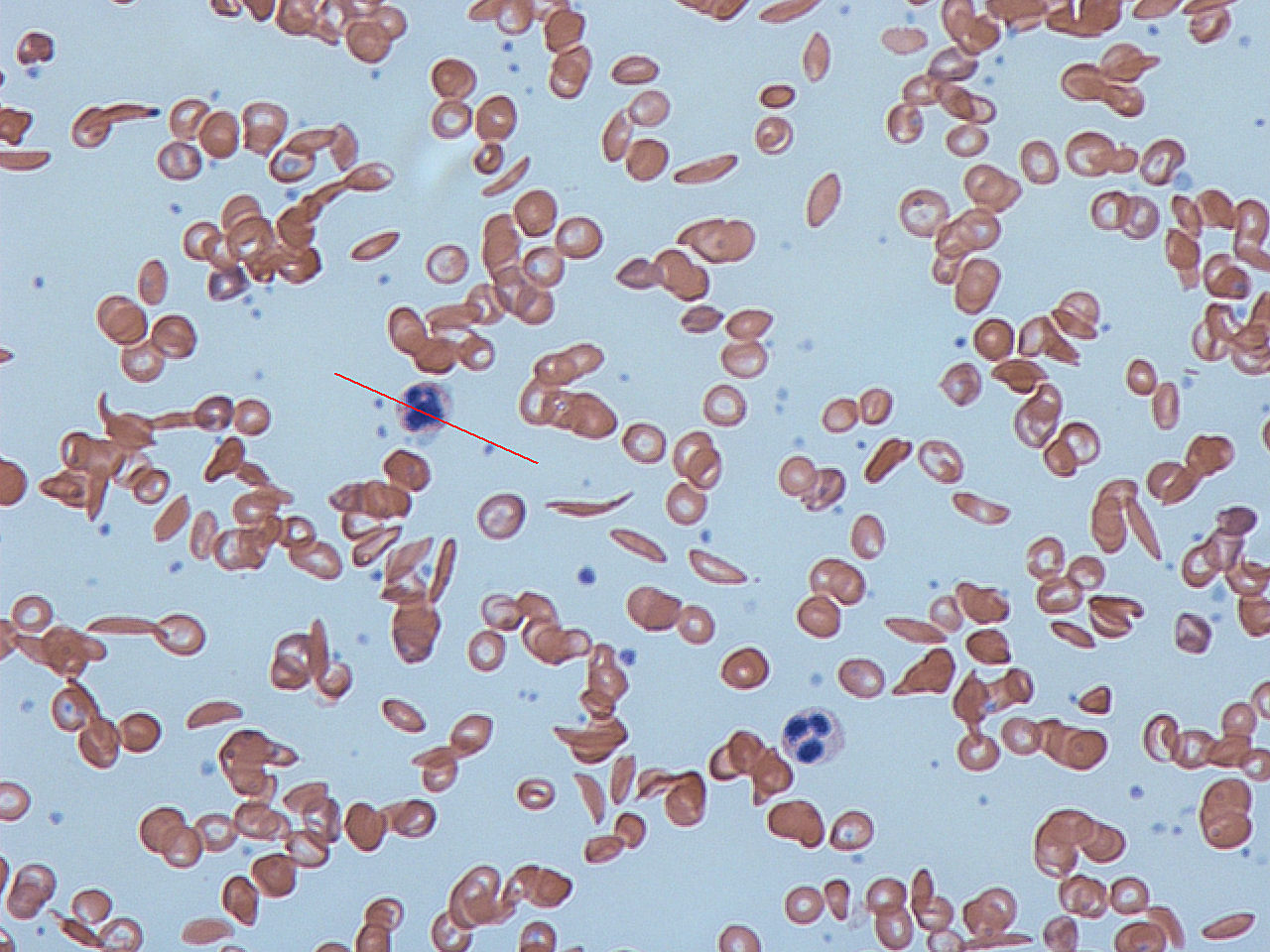
Red blood cells from a person with sickle cell disease, illustrating abnormal 'sickle' shaped red blood cells - key characteristic of the disease.
SpecialtyHematology Edit this on Wikidata
SymptomsChronic anemia
ComplicationsEnlarged spleen, iron overload, death
Usual onsetDuring fetal development or very early infancy
TypesRelatively frequent: sickle cell disease, alpha thalassemia and beta thalassemia
CausesInherited disease
Diagnostic methodBlood smear, ferritin test, hemoglobin electrophoresis, DNA sequencing
Differential diagnosisIron deficiency anemia
PreventionGenetic counselling of potential parents, termination of pregnancy
TreatmentBlood transfusion, iron chelation, hematopoietic stem cell transplant

Hemoglobinopathy is the medical term for a group of inherited blood disorders involving the hemoglobin, the major protein of red blood cells.[1] They are generally single-gene disorders and, in most cases, they are inherited as autosomal recessive traits.[2][3]

There are two main groups: abnormal structural hemoglobin variants caused by mutations in the hemoglobin genes, and the thalassemias, which are caused by an underproduction of otherwise normal hemoglobin molecules. The main structural hemoglobin variants are HbS, HbE and HbC. The main types of thalassemia are alpha-thalassemia and beta thalassemia.[4][2]

Hemoglobin functions

[edit]

Hemoglobin is a protein containing iron that facilitates the transportation of oxygen in red blood cells.[5] Hemoglobin in the blood carries oxygen from the lungs to the other tissues of the body, where it releases the oxygen to enable aerobic respiration which powers the metabolism. Normal levels of hemoglobin vary according to sex and age in the range 9.5 to 17.2 grams of hemoglobin in every deciliter of blood.[6]

Hemoglobin also transports other gases. It carries off some of the body's respiratory carbon dioxide (about 20–25% of the total)[7] as carbaminohemoglobin, in which CO2 binds to the heme protein. The molecule also carries the important regulatory molecule nitric oxide bound to a thiol group in the globin protein, releasing it at the same time as oxygen.[8]

Hemoglobin structural biology

[edit]
(a) schematic representation of a hemoglobin molecule, showing alpha and beta globins. (b) structure of the heme molecular component of hemoglobin

Normal human hemoglobins are tetrameric proteins composed of two pairs of globin chains, each of which contains one alpha-like (α) globin and one beta-like (β) globin. Each globin chain is associated with an iron-containing heme moiety. Throughout life, the synthesis of the α and the β chains is balanced so that their ratio is relatively constant and there is no excess of either type.[9]

The specific α and β chains that are incorporated into Hb are highly regulated during development:[10]

  • Embryonic Hb are expressed as early as four to six weeks of embryogenesis and disappear around the eighth week of gestation as they are replaced by fetal Hb.[11][12] Embryonic Hbs include:
    • Hb Gower-1, composed of two ζ (zeta) globins and two ε (epsilon) globins, i.e., ζ2ε2
    • Hb Gower-2, composed of two α globins and two ε globins (α2ε2)
    • Hb Portland, composed of two ζ globins and two γ (gamma) globins (ζ2γ2)
  • Fetal Hb (HbF) is produced from approximately eight weeks of gestation through birth and constitutes approximately 80 percent of Hb in the full-term neonate. It declines during the first few months of life and, in the normal state, constitutes <1 percent of total Hb by early childhood. HbF is composed of two α globins and two γ globins (α2γ2).[13]
  • Adult Hb (HbA) is the predominant Hb in children by six months of age and onward; it constitutes 96-97% of total Hb in individuals without a hemoglobinopathy. It is composed of two α globins and two β globins (α2β2).[14]
  • HbA2 is a minor adult Hb that normally accounts for approximately 2.5–3.5% of total Hb from six months of age onward. It is composed of two α globins and two δ (delta) globins (α2δ2).[14]

Classification of hemoglobinopathies

[edit]

A) Qualitative

[edit]

Structural abnormalities

[edit]

Hemoglobin structural variants manifest a change in the structure of the Hb molecule. The majority of hemoglobin variants do not cause disease and are most commonly discovered either incidentally or through newborn screening. Hb variants can usually be detected by protein-based assay methods such as electrophoresis,[15] isoelectric focusing,[16] or high-performance liquid chromatography.[17] Diagnosis is commonly confirmed by DNA sequencing.[18]

The hemoglobin structural variants can be broadly classified as follows:[19]

  • Sickle cell disorders, which are the most prevalent form of hemoglobinopathy. Sickle hemoglobin (HbS) is prone to polymerize when deoxygenated, precipitating within the red blood cell. This damages the RBC membrane resulting in its premature destruction and consequent anemia.[20]
  • Unstable hemoglobin variants are mutations that cause the hemoglobin molecule to precipitate, spontaneously or upon oxidative stress, resulting in hemolytic anemia. Precipitated, denatured hemoglobin can attach to the inner layer of the plasma membrane of the red blood cell (RBC) forming Heinz bodies, leading to premature destruction of the RBC and anemia.[21]
  • Change in oxygen affinity. High or low oxygen affinity hemoglobin molecules are more likely than normal to adopt the relaxed (R, oxy) state or the tense (T, deoxy) state, respectively. High oxygen affinity variants (R state) cause polycythemia (e.g., Hb Chesapeake, Hb Montefiore). Low oxygen affinity variants can cause cyanosis (e.g., Hb Kansas, Hb Beth Israel).[22]

Chemical abnormalities

[edit]

Methemoglobinemia is a condition caused by elevated levels of methemoglobin in the blood. Methaemoglobin is a form of hemoglobin that contains the ferric [Fe3+] form of iron, instead of the ferrous [Fe2+] form . Methemoglobin cannot bind oxygen, which means it cannot carry oxygen to tissues. In human blood a trace amount of methemoglobin is normally produced spontaneously; the enzyme methemoglobin reductase is responsible for converting methemoglobin back to hemoglobin.[23][24] Methemoglobinemia can be hereditary but more commonly occurs as a side effect of certain medications or by abuse of recreational drugs.[25]

B) Quantitative

[edit]

Production abnormalities

[edit]
Red blood cells from a person with beta thalassemia

Thalassemias are quantitative defects that lead to reduced levels of one type of globin chain, creating an imbalance in the ratio of alpha-like chains to beta-like chains. This ratio is normally tightly regulated to prevent excess globin chains of one type from accumulating. The excess chains that fail to incorporate into normal hemoglobin can form non-functional aggregates that precipitate. This can lead to premature RBC destruction in the bone marrow and/or in the peripheral blood. Thalassemia subtypes of clinical significance are alpha thalassemia and beta thalassemia. A third subtype, delta thalassemia, affects production of HBA2 and is generally asymptomatic.[26]

The severity of alpha thalassemia depends on how many of the four genes that code for alpha globin are faulty. In the fetus, a deficiency of alpha globin results in the production of Hemoglobin Barts - a dysfunctional hemoglobin that consists of four gamma globins. In this situation, a fetus will develop hydrops fetalis and normally die before or shortly after birth.[27] In adults alpha thalassemia manifests as HbH disease. In this, excess beta-globin forms β4-tetramers, which accumulate and precipitate in red blood cells, damaging their membranes. Damaged RBCs are removed by the spleen resulting in moderate to severe anemia.[28]

In beta thalassemia, reduced production of beta globin, combined with a normal synthesis of alpha globin, results in an accumulation of excess unmatched alpha globin. This precipitates in the red cell precursors in the bone marrow, triggering their premature destruction. Anemia in beta thalassemia results from a combination of ineffective production of RBCs, peripheral hemolysis, and an overall reduction in hemoglobin synthesis.[29]

Combination hemoglobinopathies

[edit]

A combination hemoglobinopathy occurs when someone inherits two different abnormal hemoglobin genes. If these are different versions of the same gene, one having been inherited from each parent it is an example of compound heterozygosity.

Both alpha- and beta- thalassemia can coexist with other hemoglobinopathies. Combinations involving alpha thalassemia are generally benign.[30][31]

Some examples of clinically significant combinations involving beta thalassemia include:

There are two clinically significant combinations involving the sickle cell gene:

  • Hemoglobin S/ beta thalassemia: (see above).[35]
  • Hemoglobin S/ hemoglobin C (Hemoglobin SC disease) occurs when an individual inherits one gene for hemoglobin S (sickle cell) and one gene for hemoglobin C, The symptoms are very similar to sickle cell disease.[37]

Hemoglobin variants

[edit]

Hemoglobin variants are not necessarily pathological. For example, Hb Lepore-Boston and G-Waimanalo are two variants which are non-pathological.[38] There are in excess of 1,000 known hemoglobin variants.[39] A research database of hemoglobin variants is maintained by Penn State University.[40] A few of these variants are listed below.

Normal hemoglobins

[edit]

Source:[2]

Embryonic
Fetal
  • HbF/Fetal2γ2) dominating during pregnancy and reducing close to zero a few weeks after birth
  • HbA2β2) Adult hemoglobin, present in small quantities during pregnancy
Adult
  • HbA2β2) comprising approximately 97% of adult hemoglobin
  • HbA22δ2) comprising approximately 3% of adult hemoglobin
  • HbF/Fetal2γ2) dominating during pregnancy and reducing close to zero after birth

Relatively common abnormal hemoglobins

[edit]

Source:[2]

  • HbS2βS2) causing sickle cell disease
  • HbC2βC2) causing mild anemia if homozygous
  • HbE2βE2) causing mild anemia if homozygous
  • HbD causing mild anemia if homozygous
  • HbH formed from 4 beta globins in severe alpha thalassemia causing severe anemia

Evolutionary advantage

[edit]
Historical distribution of red blood cell abnormalities

Some hemoglobinopathies seem to have given an evolutionary benefit, especially to heterozygotes, in areas where malaria is endemic. Malaria parasites infect red blood cells, but subtly disturb normal cellular function and subvert the immune response. A number of mechanisms have been proposed to explain the increased chance of survival for the carrier of an abnormal hemoglobin trait.[43]

References

[edit]
Revisions and contributorsEdit on WikipediaRead on Wikipedia
from Grokipedia
Hemoglobinopathies are a diverse group of inherited genetic disorders characterized by abnormalities in the structure, production, or function of , the oxygen-carrying protein in red blood cells. These conditions arise from mutations in the genes encoding the chains of hemoglobin and can lead to various forms of , impaired oxygen delivery, and organ damage. Affecting millions worldwide, hemoglobinopathies include both quantitative defects in hemoglobin synthesis and qualitative alterations in its molecular structure. The primary classification of hemoglobinopathies divides them into two main categories: thalassemia syndromes and structural . Thalassemias involve reduced or absent production of one or more chains, with affecting the alpha-globin genes and beta-thalassemia impacting the beta-globin genes; these range from asymptomatic carrier states to severe, transfusion-dependent anemias. Structural variants, such as sickle cell hemoglobin (HbS), (HbC), and (HbE), result from amino acid substitutions in the globin chains, altering hemoglobin's stability, solubility, or oxygen affinity; , caused by HbS, is the most prevalent and clinically significant example. Over 1,400 variants have been identified, though only a subset cause significant disease. Most hemoglobinopathies are caused by single-gene mutations inherited in an autosomal recessive pattern, requiring inheritance of two abnormal alleles (one from each parent) for full clinical expression, while heterozygotes are typically carriers with mild or no symptoms; some structural variants may exhibit dominant inheritance. Mutations include point substitutions, deletions, or insertions in the alpha- or beta- gene clusters on chromosomes 16 and 11, respectively, leading to imbalanced globin chain synthesis or dysfunctional tetramers. Globally, an estimated 7% of the population carries a hemoglobinopathy trait, with higher in malaria-endemic regions due to heterozygous advantage against the parasite. Clinical manifestations vary widely by type and severity but commonly include chronic , , , and from breakdown. In severe forms like beta-thalassemia major or homozygous , symptoms encompass growth delays, bone deformities, recurrent pain crises (vaso-occlusive events), , and increased infection risk due to functional . Unstable hemoglobins may cause congenital , while high-oxygen-affinity variants can lead to . Complications often involve multiorgan failure if untreated, underscoring the need for early screening and management. Diagnosis relies on newborn screening, complete blood counts showing microcytic or , and or to identify variant patterns (e.g., HbAS for ). confirms specific mutations. Treatment strategies include blood transfusions and iron chelation for thalassemias, hydroxyurea to increase in , , prophylactic antibiotics, potentially curative , and gene therapies such as exagamglogene autotemcel (Casgevy) and lovotibeglogene autotemcel (Lyfgenia), approved in 2023. Prenatal and are available for at-risk families.

Hemoglobin Fundamentals

Structure

Hemoglobin exhibits a quaternary structure as a heterotetramer composed of two α-globin subunits and two β-globin subunits, denoted as α₂β₂, arranged with approximate twofold rotational symmetry around a central axis. This tetrameric assembly enables cooperative interactions between subunits, though the focus here is on the structural organization. Each of the four subunits binds one heme group—a protoporphyrin IX ring chelating a ferrous (Fe²⁺) iron ion—which imparts the protein's oxygen-carrying capacity and characteristic red color. The overall molecular weight is approximately 64.5 kDa, with the subunits held together by non-covalent interactions including hydrogen bonds, salt bridges, and hydrophobic contacts at the α₁β₁ and α₁β₂ interfaces. At the primary structure level, the α-globin chains consist of 141 residues, while the β-globin chains have 146 residues, encoded by distinct genes. The secondary structure is dominated by α-helices, comprising about 75% of each chain: the α-subunit features seven helices (A–G), and the β-subunit has eight (A–H), connected by short non-helical loops (e.g., the AB corner and CD corner). These helices form the classic globin fold in the tertiary structure, where each subunit adopts a compact globular domain with a deep crevice serving as the heme pocket, primarily formed by the E and F helices. Within this pocket, the is stabilized by a proximal residue at position F8 (His87 in α, His92 in β), which coordinates the iron from one side, while a distal at E7 (His58 in α, His63 in β) lies opposite, facilitating binding without direct coordination to the iron. Additionally, a central cavity in the tetramer, accessible in the deoxy (T-state) conformation, accommodates the allosteric effector 2,3-bisphosphoglycerate (2,3-BPG), which binds electrostatically to the β-subunits via residues Val1 (βNA1), His2 (βNA2), Lys82 (βEF6), and His143 (βH21), thereby stabilizing the low-affinity T-state. The genes encoding these globin chains are organized into two distinct clusters. The α-globin gene cluster is located on the short arm of at position 16p13.3, spanning approximately 30 kb and containing seven loci in telomeric-to-centromeric order: ζ (HBZ), pseudoζ, μ, pseudoα-1, α2 (HBA2), α1 (HBA1), and θ (HBQ1), with only the two α genes (HBA1 and HBA2) being functional in adults, producing identical α-chains despite a few silent polymorphisms. The β-globin gene cluster resides on at 11p15.5, encompassing about 50 kb with five functional genes arranged in the order of developmental expression: ε (HBE1, embryonic), Gγ (HBG2), Aγ (HBG1, fetal), δ (HBD), and β (HBB, adult). These clusters are regulated by locus control regions that ensure stage-specific and tissue-specific expression. The fold underlying hemoglobin's tertiary demonstrates remarkable evolutionary conservation, tracing back to ancient heme-binding proteins in prokaryotes and persisting across metazoans for roles in and transport. This 3-over-10 helical topology, with the sandwiched between E and F helices, has been maintained through billions of years of divergence, as evidenced by structural similarities between human and globins in , plants, and , underscoring its functional indispensability. events within the α- and β-like clusters further highlight this conservation, with paralogous genes retaining the core fold while adapting to developmental needs in vertebrates.

Function

Hemoglobin's primary physiological role is the reversible binding and of oxygen from the lungs to peripheral tissues, where it is released to support , while also facilitating the return of from tissues to the lungs for . This dual is essential for maintaining aerobic and acid-base balance. The tetrameric of underlies its functional efficiency by enabling cooperative interactions among its four heme-binding subunits. A key feature of hemoglobin's oxygen transport is its , which produces a sigmoidal oxygen dissociation curve, allowing high in the oxygen-rich pulmonary capillaries and efficient unloading in the relatively hypoxic tissues. This is described by the Hill equation, with a Hill coefficient of approximately 2.8 under physiological conditions, reflecting the non-independent binding of oxygen molecules to the groups. Additional allosteric modulation occurs via the , in which decreased blood or increased partial pressure of —common in active tissues—shifts the dissociation curve to the right, reducing hemoglobin's oxygen affinity and enhancing release at the site of need. Hemoglobin also engages in interactions with other gaseous ligands that influence its transport functions. binds to the heme iron with an affinity roughly 200 times greater than that of oxygen, forming stable and thereby reducing the blood's oxygen-carrying capacity. In contrast, can be carried by hemoglobin, particularly as S-nitrosylated hemoglobin, which promotes in the microvasculature to match local blood flow with tissue oxygen demands. These interactions help fine-tune oxygen delivery but, if disrupted, can compromise vascular regulation and perfusion. Beyond direct binding, contributes to blood through its concentration within red blood cells, which affects rheological properties and thereby modulates microvascular flow and oxygen diffusion to tissues. In the , where red blood cells deform to navigate narrow capillaries, optimal levels balance oxygen-carrying capacity with flow resistance to ensure adequate tissue oxygenation. Disruptions in these dynamics, such as altered binding affinities or reduced functional , impair oxygen delivery, leading to hypoxia, fatigue, and potential characteristic of hemoglobinopathies. In healthy individuals, typically exhibits an of about 97%, reflecting near-complete loading in the lungs, while mixed saturation averages around 75%, indicating substantial unloading during tissue transit. These levels underscore 's role in maintaining a steep for efficient delivery, with any interference in this process exacerbating symptoms in conditions affecting hemoglobin function.

Normal Hemoglobin Variants

Embryonic and Fetal Hemoglobins

During early , primitive erythroblasts in the express embryonic hemoglobins, which are tetrameric proteins composed of specific chains adapted for the hypoxic intrauterine environment. The primary embryonic variants include hemoglobin Gower 1 (ζ₂ε₂), formed by two zeta (ζ) and two (ε) chains; hemoglobin Gower 2 (α₂ε₂), with two alpha (α) and two ε chains; and hemoglobin Portland (ζ₂γ₂), consisting of two ζ and two gamma (γ) chains. These hemoglobins predominate from approximately weeks 3 to 8 of , supporting initial oxygen transport before the transition to fetal in the liver. Fetal hemoglobin (HbF), with the structure α₂γ₂, becomes the dominant form starting around week 8 of gestation and persists throughout fetal life, produced mainly in the fetal liver and spleen. HbF exhibits higher oxygen affinity than adult hemoglobin (P₅₀ ≈ 19 mmHg versus 26 mmHg for HbA), enabling efficient oxygen extraction from maternal blood across the placenta. This elevated affinity arises from weaker binding to 2,3-bisphosphoglycerate (2,3-BPG), an allosteric effector that reduces oxygen affinity in adult hemoglobin; in HbF, substitutions in the γ chains, such as histidine 143 to serine, diminish this interaction, favoring the relaxed (R) state of the molecule. The switch from embryonic and fetal to adult expression occurs perinatally, driven by as shifts from the fetal liver to the around birth. This process involves locus control regions and transcription factors like BCL11A, which repress γ-globin genes while activating β-globin expression, ensuring a gradual decline in HbF to less than 1% in healthy adults postnatally. In the context of hemoglobinopathies, (HPFH) represents a benign condition where HbF levels remain elevated in adulthood (typically 10-30% in heterozygotes), due to deletions or mutations in the β-globin gene cluster that disrupt normal switching. These variants can ameliorate the severity of disorders like by diluting abnormal adult hemoglobin.

Adult Hemoglobins

In adults, the predominant form of hemoglobin is (HbA), which constitutes 95-98% of total and has the tetrameric structure α₂β₂, consisting of two alpha-globin chains and two beta-globin chains. This structure enables efficient oxygen transport in mature erythrocytes. Minor variants include (HbA₂), which makes up 1-3% of total adult and features the structure α₂δ₂, with two alpha-globin chains and two delta-globin chains. Another minor form is hemoglobin A₁c (HbA₁c), a post-translationally glycated variant of HbA where glucose attaches to the N-terminal of the beta chain; its levels, typically below 6% in healthy individuals, serve as a key for monitoring long-term glycemic control in . In healthy adults, alpha- and beta-globin chain synthesis is precisely balanced and coordinated, with four alpha-globin genes (two per ) producing an equivalent amount to the two beta-globin genes (one per ) to form stable HbA tetramers without excess chains. This equilibrium is essential for normal and function. Hemoglobin undergoes post-translational modifications that influence its stability and function, including glycation as seen in HbA₁c. The iron atom in the prosthetic group maintains the (Fe²⁺) , which is critical for reversible oxygen binding.

Classification of Hemoglobinopathies

Qualitative Defects

Qualitative defects in hemoglobinopathies arise from genetic mutations, primarily point mutations or small insertions/deletions, that alter the sequence of the chains, thereby modifying the structure and function of the molecule without significantly impacting its overall production quantity. These structural variants contrast with quantitative defects by preserving normal globin synthesis levels while introducing functional abnormalities, such as changes in stability, oxygen binding, or state. Over 1,800 such variants have been documented in comprehensive databases, highlighting the diversity of these molecular alterations. A major subtype involves unstable , where mutations disrupt the folding or binding of chains, leading to denaturation, precipitation within red blood cells, and formation of —aggregates of denatured protein that trigger . These precipitates damage the , resulting in extravascular and clinical manifestations ranging from mild chronic to severe episodes exacerbated by . Another subtype encompasses variants with altered oxygen affinity; high-affinity hemoglobins, such as Hb Chesapeake (α92 Arg→Leu), shift the oxygen dissociation curve leftward, impairing tissue oxygen delivery and often causing compensatory erythrocytosis, while low-affinity variants may lead to mild due to reduced oxygen uptake. Approximately one-third of high-affinity variants also exhibit instability, compounding their clinical effects. Methemoglobin variants, designated as HbM types, result from mutations that stabilize the ferric (Fe³⁺) state of the iron, preventing normal oxygen transport and causing with characteristic . These variants, such as HbM Boston (α58 His→Tyr) or HbM Iwate (α87 His→Tyr), typically affect proximal or distal residues involved in heme coordination, leading to persistent oxidation and reduced functional levels despite normal synthesis. Representative examples of qualitative defects include HbS, caused by a β6 Glu→Val substitution that promotes deoxyhemoglobin under low-oxygen conditions, and HbC, featuring a β6 Glu→Lys change that alters and hydration. These variants underscore how single changes can profoundly influence hemoglobin's biochemical properties and clinical outcomes.

Quantitative Defects

Quantitative defects in hemoglobinopathies, collectively known as thalassemias, arise from genetic alterations that impair the synthesis of one or more chains, resulting in reduced or absent production of functional . These defects typically involve deletions or point mutations in promoter and enhancer regions of the genes, leading to imbalanced alpha-to-non-alpha chain ratios that cause ineffective and . Alpha-thalassemia results from mutations affecting the four alpha-globin genes (two on each chromosome 16 in the alpha-globin cluster), most commonly large deletions that reduce alpha-chain production in a gene-dosage manner. Deletion of a single alpha gene produces the silent carrier state (-α/αα), characterized by minimal hematologic abnormalities and nearly complete compensation by the remaining genes. Deletion of two alpha genes leads to alpha-thalassemia trait, either in trans (-α/-α) with mild microcytosis or in cis (--/αα) more common in Southeast Asian populations, both typically asymptomatic or with mild anemia. Loss of three alpha genes (--/-α) causes hemoglobin H (HbH) disease, where excess beta chains form beta-tetramers (HbH), resulting in moderate hemolytic anemia and splenomegaly. Complete deletion of all four alpha genes (--/--) results in hydrops fetalis (alpha-thalassemia major), a lethal condition in utero due to the inability to form functional fetal hemoglobin, with excess gamma chains forming hemoglobin Bart's (γ4 tetramers) that have high oxygen affinity but low delivery capacity. Beta-thalassemia stems from mutations in the single beta-globin gene on chromosome 11, classified as β⁰ (complete absence of beta-chain synthesis) or β⁺ (reduced synthesis) based on the severity of the molecular defect, such as nonsense mutations for β⁰ or splice-site alterations for β⁺. Homozygous or compound heterozygous β⁰/β⁰ or β⁰/β⁺ genotypes typically manifest as beta-thalassemia major (Cooley's anemia), a severe transfusion-dependent anemia due to profound imbalance with excess alpha chains precipitating as inclusions. In contrast, β⁺/β⁺ or certain β⁰/β⁺ combinations with genetic modifiers produce beta-thalassemia intermedia, a milder non-transfusion-dependent form with variable anemia, skeletal changes, and extramedullary hematopoiesis. Rare quantitative defects involving delta- and gamma-globin chains include , caused by deletions encompassing the delta and beta genes, leading to absent delta- and beta-chain production but compensatory elevation of (HbF, α₂γ₂) from unaffected gamma genes, resulting in a thalassemia intermedia with high HbF levels (5-20%). , an even rarer , involves larger deletions affecting the gamma, delta, and beta genes in the beta-globin cluster, similarly increasing embryonic hemoglobins but causing more severe due to broader non-alpha chain deficiency.

Pathophysiology

Mechanisms in Structural Variants

Structural variants of hemoglobin arise from point mutations that alter the sequence of the chains, thereby disrupting the protein's quaternary structure, stability, or functional properties. These qualitative defects lead to abnormal behavior at the molecular level, which manifests as cellular dysfunction and tissue . For instance, the substitution in S (HbS) at the β6 position ( to ) exemplifies how a single change can promote pathological . In HbS, the deoxygenated form undergoes hydrophobic interactions between the mutant and a complementary pocket on adjacent tetramers, resulting in the formation of rigid, multistranded fibers. These fibers distort the (RBC) membrane, causing the characteristic sickling shape that reduces cellular deformability and promotes adhesion to vascular . Consequently, this leads to vaso-occlusion, where aggregated sickled cells block microvasculature, impairing blood flow and oxygen delivery to tissues. Unstable hemoglobin variants, such as Hb Zurich (β63 histidine to arginine), compromise the α-helical structure or heme pocket integrity, accelerating protein denaturation under physiological stress. This instability exposes the heme group to oxidative damage, generating reactive oxygen species that precipitate as Heinz bodies within RBCs. The resulting hemolytic anemia stems from splenic sequestration and extravascular destruction of these damaged cells, exacerbated by oxidative stress that overwhelms cellular antioxidant defenses. Alterations in oxygen affinity represent another key mechanism in structural variants. High-affinity hemoglobins, like Hb Chesapeake (α92 arginine to leucine), stabilize the relaxed (R) quaternary state, shifting the oxygen dissociation curve leftward and impairing oxygen unloading to tissues; this triggers compensatory erythropoiesis, leading to polycythemia with elevated RBC mass. Conversely, low-affinity variants such as Hb Kansas (β102 asparagine to threonine) favor the tense (T) deoxy state, reducing oxygen binding and causing peripheral cyanosis due to increased deoxyhemoglobin levels, which imparts a bluish tint to the skin and mucous membranes. More broadly, many structural variants perturb -globin interactions by modifying residues near the heme pocket, which destabilizes the iron-oxygen bond and promotes auto-oxidation to (ferric iron). For example, in Hb M variants like Hb M Iwate (α87 to ), the mutant residue directly coordinates the heme iron in its oxidized form, inhibiting reduction back to ferrous iron and amplifying oxidative damage to the globin chain. This increased auto-oxidation contributes to chronic and , further compounding RBC fragility and vascular complications.

Mechanisms in Production Defects

Production defects in hemoglobinopathies, primarily thalassemias, arise from quantitative imbalances in chain synthesis, leading to an excess of unpaired chains that disrupt and survival. In beta-thalassemia, reduced beta- production results in a relative excess of alpha- chains, which are unstable and precipitate as insoluble inclusions within erythroblasts. These alpha-chain aggregates form as early as the polychromatophilic stage of erythroid maturation, causing oxidative damage to cell membranes, mitochondria, and other organelles, thereby impairing synthesis and cellular function. This chain imbalance triggers ineffective , characterized by a marked expansion of the erythroid progenitor pool in the alongside a profound failure to produce mature red blood cells. The precipitated alpha chains induce stress and activate pathways leading to of erythroblasts, with studies showing a 3- to 4-fold increase in at the polychromatophilic and orthochromatic stages. Consequently, up to 70-80% of erythroid precursors undergo before reaching maturity, resulting in severe despite hyperplastic . To compensate for this intramedullary destruction, expands in sites such as the , liver, and other organs, further contributing to . Peripheral hemolysis exacerbates the anemia in production defects, as surviving mature red blood cells retain residual alpha-chain precipitates that damage their membranes, rendering them susceptible to destruction. These abnormal erythrocytes are primarily removed via extravascular in the , where macrophages phagocytose the inclusion-bearing cells, leading to shortened survival (often 10-20 days compared to the normal 120 days). Chronic and the sequestration of defective precursors drive , with the becoming a major site of both destruction and compensatory . A key compensatory mechanism in beta-thalassemia involves the upregulation of (HbF), which consists of alpha and gamma chains and helps mitigate the alpha-chain excess. Elevated HbF levels (often 30-95% in beta-thalassemia major) pair with available alpha chains, reducing the formation of toxic precipitates and partially restoring hemoglobin production to alleviate ineffective . This natural compensation varies by genetic modifiers but underscores the adaptive response to globin imbalance.

Common Hemoglobinopathies

Sickle Cell Disease

Sickle cell disease (SCD) is an inherited hemoglobinopathy characterized by the presence of abnormal hemoglobin S (HbS), leading to distorted red blood cell morphology and impaired oxygen transport. It primarily results from a point mutation in the beta-globin gene on chromosome 11, substituting valine for glutamic acid at the sixth position (Glu6Val). Individuals with homozygous HbSS genotype, known as sickle cell anemia, inherit two copies of the mutated gene, one from each parent, resulting in the exclusive production of HbS. In contrast, heterozygous HbAS individuals carry one HbS allele and one normal hemoglobin A (HbA) allele, conferring sickle cell trait (SCT), which is typically asymptomatic under normal conditions but may cause complications during extreme physiological stress such as high altitude or severe dehydration. SCD exhibits the highest prevalence in regions with historical malaria endemicity, particularly , where it affects up to 3% of newborns in some areas and accounts for approximately 80% of global cases. Annually, an estimated 300,000 to 515,000 infants are born with SCD worldwide, with 2021 data indicating around 515,000 new births, primarily in facing high early childhood mortality rates of 50% to 90% before age five due to limited healthcare access. In the United States, SCD occurs in about 1 in every 365 Black or African American births and 1 in every 16,300 Hispanic American births, reflecting the disease's disproportionate impact on populations of African descent. The carrier frequency for SCT reaches 1 in 13 Black or African American individuals, underscoring the genetic persistence driven by against . The hallmark clinical feature of SCD is the (VOC), an acute episode triggered by HbS polymerization under deoxygenation, leading to sickling, vascular obstruction, and tissue ischemia. VOCs most commonly manifest as severe episodes, often described as the "sickle cell pain crisis," affecting bones, joints, abdomen, or chest and lasting from hours to days; these are the primary reason for hospitalization in SCD patients, occurring on average once per year in adults. A particularly dangerous complication is (ACS), which develops in 12% to 42% of VOC cases in adults and is characterized by fever, , hypoxia, and new pulmonary infiltrates on imaging; ACS is the leading in SCD, often precipitated by , fat , or . Prompt recognition and of VOCs and ACS are critical to prevent progression to organ or mortality. SCD also encompasses compound heterozygous forms that modify disease severity. HbSC disease arises from co-inheritance of HbS and (HbC) alleles, comprising about one-third of SCD cases and generally presenting with milder and fewer crises than HbSS, though still prone to and ACS. Sickle beta-thalassemia (HbS/β-thal) results from HbS combined with a beta-thalassemia ; the HbS/β⁰ form, with absent beta-globin production, mimics the severity of HbSS, while HbS/β⁺, with reduced but present production, leads to an intermediate with variable transfusion needs. These variants highlight the in SCD, influencing and therapeutic approaches.

Thalassemias

Thalassemias are inherited quantitative defects in production, primarily affecting the synthesis of or beta chains, resulting in an imbalance that leads to ineffective and . This chain imbalance, as detailed in the of production defects, causes excess unpaired chains to precipitate and damage precursors. The disorders are classified based on the affected chain and severity, with major forms requiring lifelong to address severe and its complications, including transfusion-dependent . Beta-thalassemia major, also known as Cooley's anemia, manifests as severe anemia shortly after birth due to absent or markedly reduced beta-globin production from homozygous or compound heterozygous mutations in the HBB gene. Affected individuals typically present with profound hypochromic , , and within the first year of life, necessitating regular transfusions every 3 to 4 weeks to maintain levels above 9-10 g/dL and suppress . These frequent transfusions, while life-sustaining, lead to progressive as each unit introduces approximately 200-250 mg of iron, accumulating in organs such as the liver, heart, and endocrine glands, which can cause , , and if unmanaged. Alpha-thalassemia major, resulting from deletion of all four alpha-globin genes (two on each ), leads to the absence of functional alpha chains and production of hemoglobin Bart's (gamma4 tetramers) in the fetus, causing severe hypoxia and characterized by generalized , , and pleural/pericardial effusions. This condition is often lethal or shortly after birth without intrauterine interventions, with mortality rates approaching 100% in untreated cases due to high-output cardiac failure and profound . Survivors, rare without aggressive prenatal transfusions, face ongoing transfusion dependence and risks of similar to beta-thalassemia major. Thalassemia intermedia encompasses milder non-transfusion-dependent or variably transfusion-requiring forms of both alpha and beta thalassemias, arising from heterozygous or compound heterozygous mutations that allow partial chain production, resulting in levels of 7-10 g/dL and symptoms like , , and skeletal deformities from chronic . Severity varies widely based on genetic modifiers, with some patients experiencing growth delays or gallstones, and may be considered in cases of hypersplenism to reduce transfusion needs and improve , though it increases risks of and . Co-inheritance of (a beta- variant common in ) with beta-thalassemia mutations produces HbE/beta-thalassemia, which often presents as an intermedia phenotype with moderate requiring occasional transfusions, but can range from mild to transfusion-dependent, affecting over 30% of thalassemia cases in regions like and .

Other Notable Variants

Hemoglobin C (HbC) disease arises from homozygosity for the β6 Glu→Lys mutation, resulting in a mild form of characterized by reduced lifespan and the presence of target cells on peripheral blood smears. Affected individuals often exhibit , along with occasional , though many remain or experience only subtle symptoms such as , , and due to the chronic low-grade . The condition is generally benign, with hemoglobin levels typically ranging from 10-12 g/dL, and complications like gallstones or mild occur infrequently. Hemoglobin E (HbE), resulting from a β26 Glu→Lys substitution, is the second most common variant worldwide, with carrier frequencies reaching up to 60% in certain populations of , including , , and . Homozygous HbE disease itself is usually mild or asymptomatic, featuring microcytosis and target cells without significant , but it frequently co-occurs with β- (HbE/β-), leading to a spectrum of disease severity from mild to transfusion-dependent thalassemia intermedia. In regions like , where approximately 3,000 children are born annually with HbE/β-, the condition poses a notable challenge, often presenting with growth retardation, , and in moderate to severe cases. Unstable hemoglobin variants, such as Hb Köln (β98 Val→Met), disrupt the normal tetrameric structure of hemoglobin, leading to loss and precipitation within erythrocytes, which manifests as congenital non-spherocytic with . These variants cause chronic , resulting in , dark , and , with severity varying based on the degree of instability; for instance, Hb Köln often requires in childhood to manage exacerbated . The instability arises from substitutions that weaken heme-globin interactions, promoting oxidative damage and premature destruction, as observed in laboratory screenings. Compound heterozygous states, such as HbS/HbC disease, combine the β6 Glu→Val mutation of HbS with the β6 Glu→Lys of HbC, producing a milder cell disorder than homozygous HbSS, with higher levels (typically 10-12 g/dL) and less frequent vaso-occlusive crises but persistent and risks. variants, known as hemoglobin M (HbM) diseases, involve mutations at heme-contact sites (e.g., α or β chain His residues replaced by Tyr), stabilizing the ferric iron state and causing congenital with , chocolate-brown blood, and variable due to impaired oxygen delivery. These rare variants, such as HbM , often present in infancy with lifelong but minimal functional impairment unless compounded with other hemoglobinopathies.

Clinical Manifestations

Symptoms

Hemoglobinopathies often present with symptoms stemming from chronic , which reduces oxygen-carrying capacity in the blood. Common manifestations include , , and , as the body compensates for low levels by increasing . In children, severe can lead to growth delays and developmental setbacks due to persistent tissue hypoxia. In , a prominent structural variant, patients experience acute vaso-occlusive episodes known as painful crises, characterized by severe, episodic pain in the bones, joints, abdomen, or chest. Early childhood symptoms may include , or painful swelling of the hands and feet, often appearing before age two. Additionally, —prolonged, painful erections lasting over four hours—affects up to 35% of males with the condition, leading to significant discomfort and potential complications if untreated. Thalassemias, quantitative defects in globin chain production, manifest with symptoms related to ineffective and , such as from elevated bilirubin levels. Bone deformities, particularly in the face and long bones, arise from causing skeletal expansion, especially in untreated beta-thalassemia major. Across various hemoglobinopathies, hemolytic processes contribute to due to sequestration and destruction in the . Gallstones may also form secondary to chronic and hyperbilirubinemia, presenting with or .

Complications

Hemoglobinopathies, including and thalassemias, predispose individuals to a range of chronic complications arising from chronic , vaso-occlusion, ineffective , and repeated blood transfusions. These sequelae often manifest as progressive organ damage, significantly impacting quality of life and survival. is a major complication in transfusion-dependent hemoglobinopathies such as β-thalassemia major, resulting from repeated blood transfusions that deposit excess iron in organs like the heart and liver. Cardiac iron deposition leads to and , the leading cause of death in these patients, with symptoms including dyspnea, , and ; cardiac T2* MRI values below 20 ms indicate elevated risk. Hepatic iron accumulation causes fibrosis, chronic , cirrhosis, and increased risk of , with liver iron concentrations exceeding 15 mg/g dry weight signaling severe overload. In sickle cell disease, vaso-occlusive events contribute to specific complications such as , , and leg ulcers. Stroke occurs due to cerebral vessel occlusion, presenting with sudden weakness, numbness, confusion, or speech difficulties, and affects up to 11% of children without preventive measures. results from reduced blood flow to joints, particularly the hips, causing pain and mobility limitations that may necessitate joint replacement in advanced stages. Chronic leg ulcers, often starting after age 10, form on the ankles due to poor circulation and , frequently recurring and requiring prolonged healing. Thalassemias are associated with endocrinopathies, , and heightened infection risk following . and chronic induce endocrinopathies like , , diabetes mellitus, and , affecting up to 21% of patients with β-thalassemia intermedia. arises from expansion and hormonal disruptions, leading to fractures and requiring annual bone densitometry monitoring. Post- patients face increased susceptibility to encapsulated bacterial infections, necessitating vaccinations against pneumococcus, meningococcus, and . Multi-organ involvement in hemoglobinopathies includes and renal failure, driven by hemolysis-induced and chronic . affects 6-10% of adults with and up to 75% in by , increasing mortality risk by 40-50% within 2 years due to reduced bioavailability and vasoconstriction. Renal complications, such as and failure, stem from glomerular hyperfiltration and scarring, with sickle cell patients showing higher rates of and end-stage renal disease.

Diagnosis

Hematological Tests

Hematological tests form the cornerstone of initial screening for hemoglobinopathies, providing phenotypic insights into morphology, hemoglobin composition, and hemolytic processes through blood-based analyses. These tests are non-invasive, cost-effective, and essential for detecting structural variants and production defects before proceeding to confirmatory methods. They help identify patterns such as severity, abnormal hemoglobin fractions, and cellular inclusions that suggest specific disorders like or thalassemias. The (CBC) is typically the first-line investigation, revealing key abnormalities in . In thalassemias, microcytosis ( <80 fL) and hypochromia (mean corpuscular hemoglobin <27 pg) are hallmark findings due to impaired globin synthesis, often accompanied by elevated red blood cell counts relative to hemoglobin levels. Reticulocytosis, indicated by reticulocyte counts exceeding 2-3%, signals compensatory bone marrow response to chronic hemolysis, as seen in sickle cell disease where hemoglobin levels may drop to 6-9 g/dL with reticulocyte percentages of 5-15%. These CBC parameters establish the scale of anemia and guide further testing, though they are not diagnostic alone. Examination of the peripheral blood smear offers qualitative visualization of red blood cell morphology under microscopy, highlighting pathognomonic features. In , sickle cells—elongated, crescent-shaped erythrocytes—appear under deoxygenated conditions, alongside Howell-Jolly bodies from functional asplenia. Target cells, characterized by a central hemoglobin concentration surrounded by a pale ring, predominate in and hemoglobin C disorders due to excess membrane relative to cell volume. Basophilic stippling, fine blue granules representing ribosomal remnants, is observed in beta-thalassemia, particularly severe forms, reflecting ineffective erythropoiesis and heme synthesis disruption. Hemoglobin electrophoresis separates hemoglobin variants based on their electrophoretic mobility under an electric field, typically at alkaline pH, allowing quantification of major fractions. Normal adult hemoglobin A (HbA) migrates to a standard position, while sickle hemoglobin (HbS) shows slower migration due to its glutamic acid-to-valine substitution, comprising 80-95% in homozygous sickle cell disease. Fetal hemoglobin (HbF) migrates faster and is elevated (10-30%) in hereditary persistence of fetal hemoglobin or beta-thalassemia major, where it can reach 70-90% alongside reduced or absent HbA. High-performance liquid chromatography (HPLC) variants of electrophoresis provide precise percentages, aiding in distinguishing compound heterozygotes like HbS/beta-thalassemia. Solubility tests specifically screen for HbS by exploiting its polymerization and reduced solubility in deoxygenated or buffered solutions. In the standard sickle solubility test, a reducing agent like sodium dithionite induces turbidity in samples containing >10-20% HbS, positive in both (HbAS) and disease (HbSS), though it cannot differentiate them. This rapid, inexpensive is widely used in resource-limited settings for initial HbS detection, with sensitivity approaching 100% for clinically significant levels.

Genetic Testing

Genetic testing is essential for the definitive of hemoglobinopathies, enabling the identification of specific genetic variants in the alpha- and beta-globin clusters that cause these disorders. Unlike initial hematological evaluations, molecular techniques provide precise characterization of , facilitating carrier screening, , and targeted interventions. These methods target the HBA1, HBA2, and HBB , where deletions, point , and other alterations disrupt production. Common approaches include (PCR)-based assays and sequencing, which are widely adopted due to their high in detecting clinically significant variants. For structural variants such as large deletions in , gap-PCR is a standard first-line molecular tool that amplifies the unique junction sequences formed by deleted regions in the alpha-globin gene cluster on chromosome 16. This technique efficiently detects prevalent deletions like the Southeast Asian (--SEA) type, which removes both alpha-globin genes, or the single-gene -α3.7 deletion, allowing rapid screening in high-prevalence populations. Allele-specific PCR complements gap-PCR by targeting known point mutations in the alpha-globin genes, such as the initiation codon variant (αα/α−), which is particularly useful for carrier detection in diverse ethnic groups. These PCR methods are cost-effective and suitable for routine diagnostics in resource-limited settings. In beta-thalassemia, where over 200 point mutations in the predominate, serves as the gold standard for identifying causative alleles, such as the IVS1-5 (G>C) or CD39 (C>T) variants, by directly reading the of amplified gene fragments. This approach confirms ambiguous results from initial screening and detects rare or novel mutations not covered by targeted PCR assays. Next-generation sequencing (NGS) is increasingly integrated for comprehensive analysis, offering higher throughput to scan multiple genes simultaneously and uncover complex genotypes in compound heterozygotes. Newborn screening programs for hemoglobinopathies often employ (MS/MS) on dried blood spots to quantify and peptides, providing an early, non-invasive detection of disorders like (HbSS) or beta-thalassemia major. This method identifies abnormal hemoglobin ratios, such as elevated HbS or reduced beta-globin chains, with high reliability and has been validated in large-scale implementations, enabling prompt referral for confirmatory . In regions with elevated prevalence, MS/MS enhances the efficiency of universal screening by distinguishing clinically significant variants from benign ones. Prenatal diagnosis of hemoglobinopathies typically involves (CVS) at 10-13 weeks or at 15-18 weeks to obtain fetal DNA for molecular analysis, often using PCR or sequencing to assess inheritance of parental mutations. CVS provides earlier results with villous tissue, while uses cells, both achieving diagnostic accuracy exceeding 99% when combined with linkage analysis or direct mutation detection for conditions like beta-thalassemia. These invasive procedures are recommended for at-risk pregnancies following carrier screening, with risks of around 0.5-1% managed through .

Treatment and Management

Supportive Care

Supportive care in hemoglobinopathies focuses on alleviating symptoms, preventing complications, and improving through targeted interventions such as transfusions, , pharmacologic agents, and acute pain relief. These measures are essential for managing chronic , iron accumulation, and recurrent vaso-occlusive events common in conditions like (SCD) and thalassemias. Blood transfusions serve as a cornerstone for treating severe in hemoglobinopathies. In SCD, simple transfusions are indicated when hemoglobin levels fall below 5-7 g/dL to raise total to approximately 10 g/dL, particularly during acute exacerbations or preoperative preparation. Exchange transfusions are preferred for acute sickle cell crises, such as or severe vaso-occlusive events, aiming to reduce hemoglobin S levels to below 30% while maintaining above 9 g/dL, thereby minimizing risks of further sickling. In transfusion-dependent thalassemias, regular transfusions every 2-4 weeks maintain pretransfusion at 9-10.5 g/dL to suppress ineffective and alleviate symptoms. Iron is critical to mitigate transfusional , which can lead to organ damage in both SCD and thalassemias. , administered subcutaneously or intravenously at 20-60 mg/kg/day over 8-12 hours, effectively reduces liver iron concentration and improves survival when initiated upon serum exceeding 1000 ng/mL. , an oral agent dosed at 20-40 mg/kg/day, offers comparable efficacy in lowering total body iron and is preferred for its convenience, with monitoring for renal and gastrointestinal side effects essential. Therapy is tailored based on serum (target 500-1000 μg/L) and MRI-assessed liver iron, with initiation recommended when surpasses 500-1000 ng/mL to prevent complications like cardiac dysfunction. Hydroxyurea is a key disease-modifying agent primarily for SCD, where it increases (HbF) production to inhibit S polymerization. Administered orally at 15-35 mg/kg/day, it elevates HbF levels by stimulating γ-globin synthesis, thereby reducing the frequency of painful crises by up to 50% and episodes. Long-term use also decreases transfusion requirements and hospitalizations, with benefits observed after 6-12 months of therapy. Pain management during vaso-occlusive crises in SCD emphasizes rapid intervention with hydration and opioids to address dehydration and severe pain. Intravenous hydration with normal saline or 5% dextrose in saline corrects fluid deficits and improves blood flow, administered vigorously upon presentation. Opioids, such as morphine (initial IV dose 0.1-0.15 mg/kg), are the mainstay for moderate-to-severe pain, titrated every 15-30 minutes until relief, often via patient-controlled analgesia to avoid delays in treatment. Adjunctive nonsteroidal anti-inflammatory drugs may be used for milder pain, but opioids remain central to inpatient care.

Curative Approaches

Hematopoietic stem cell transplantation (HSCT) represents the established curative approach for hemoglobinopathies, particularly in pediatric patients with thalassemia major and . Allogeneic HSCT from HLA-matched siblings has demonstrated long-term disease-free survival rates exceeding 80% in thalassemia major when performed early, before the development of severe or organ damage. In , HSCT cures the condition in children with severe manifestations, with overall survival rates approaching 90% and event-free survival around 80% using matched sibling donors. Success depends on donor matching and pre-transplant conditioning to minimize graft rejection and complications like . Gene therapy has emerged as a promising one-time curative option by modifying autologous hematopoietic stem cells to address the underlying genetic defects. Lentiviral vector-based therapies, such as (Zynteglo), insert a functional β-globin gene into patients' stem cells, enabling production of normal and reducing transfusion dependence in β-thalassemia. The U.S. (FDA) approved in August 2022 for adults and pediatric patients with transfusion-dependent β-thalassemia. Clinical trials showed that over 80% of treated patients achieved transfusion independence for at least one year post-infusion. CRISPR/Cas9-based gene editing therapies offer precise correction of mutations, with exagamglogene autotemcel (exa-cel, Casgevy) targeting the BCL11A gene to reactivate (HbF), which inhibits sickling in and compensates for β-globin deficiency in . The FDA approved exa-cel in December 2023 for in patients aged 12 and older, following phase 3 trials where 94% of patients were free from severe vaso-occlusive crises for at least 12 months. Approval for transfusion-dependent β-thalassemia followed in 2024, with similar efficacy in achieving transfusion independence. These therapies involve editing of patient stem cells, which are reinfused after myeloablative conditioning. Recent advances from 2024 to 2025 have highlighted sustained clinical benefits, including robust improvements in for patients treated with exa-cel, as measured by validated scales showing reduced and scores persisting beyond two years. However, allocation challenges persist due to high costs and limited manufacturing capacity, prompting ethical frameworks to prioritize severe cases in resource-scarce settings. Ongoing research emphasizes HbF reactivation through BCL11A disruption, with next-generation vectors improving editing efficiency and reducing off-target effects. Base editing technologies provide even greater precision for correcting point mutations in hemoglobinopathies without double-strand breaks, minimizing risks of genomic instability. Adenine base editors have successfully converted disease-causing mutations, such as the common β-thalassemia HBB c.118C>T variant, in patient-derived stem cells, achieving up to 50% correction efficiency while preserving cell viability. Preclinical studies demonstrate that base editing of HBG promoters reactivates HbF expression safely, offering a universal strategy applicable to diverse genotypes in β-hemoglobinopathies. These approaches are advancing toward clinical trials, with potential to expand curative options beyond current limitations.

Epidemiology and Evolution

Global Prevalence

Hemoglobinopathies affect approximately 5% of the global population as carriers, making them one of the most common genetic disorders worldwide. Each year, approximately 570,000 infants are born with severe forms of these disorders (including ~515,000 with and ~56,000 with clinically significant ), with the majority occurring in low- and middle-income countries where access to care is limited. These conditions impose a significant health burden, particularly in regions with high endemicity, contributing to increased morbidity, mortality, and healthcare costs. Recent data indicate a 41% increase in the global number of people living with from 2000 to 2021 (to 7.74 million), driven by population growth and improved childhood survival, alongside WHO initiatives like the 2022 resolution and 2024 guidelines integrating care into primary health systems. Regional hotspots for hemoglobinopathies vary by type, with showing the highest carrier rates in , where up to 25% of the population in some areas carries the trait. This region accounts for about 80% of global births, exacerbating the disease burden due to overlapping factors like prevalence and limited medical resources. In contrast, thalassemias are most prevalent in the Mediterranean basin, the , and , with carrier rates reaching up to 10% in affected populations, such as in parts of , , and . These geographic patterns reflect historical genetic distributions influenced by environmental selective pressures, though socioeconomic factors like and inadequate nutrition further amplify the impact in these areas. Global migration has led to a rise in hemoglobinopathy cases in traditionally low-prevalence regions, including and . For instance, immigration from endemic areas has introduced hemoglobinopathy genes into countries like and the , resulting in increased diagnoses among migrant populations and their descendants, often straining unprepared healthcare systems. This shift has prompted adaptations in strategies, such as expanded carrier screening in diverse urban centers. Screening programs, particularly antenatal testing, are implemented in high-risk areas to identify carriers and prevent severe births through informed reproductive choices. In regions like and , widespread premarital and prenatal screening has significantly reduced incidence by over 90% in some communities. However, disparities persist in low-resource settings, where limited access to and testing leaves many carriers undiagnosed, contributing to high rates of affected births and early childhood mortality—up to 50-90% in parts of . These inequities highlight the need for equitable global health initiatives to address socioeconomic barriers in prevention efforts.

Evolutionary Advantages

Hemoglobinopathies, such as and , persist at notable frequencies in human populations largely due to , where carriers of a single mutant experience enhanced survival against certain infectious diseases, particularly caused by Plasmodium falciparum. This balancing selection maintains deleterious alleles despite their harmful effects in homozygotes, as the fitness benefits in heterozygotes outweigh the costs in regions with high disease prevalence. A prominent example is the (HbAS), where individuals heterozygous for the β-globin S mutation (HbS) exhibit approximately 90% protection against severe . This resistance arises because HbS polymerizes under the low-oxygen conditions induced by P. falciparum infection within red blood cells, leading to sickling, membrane damage, and premature clearance of infected cells by the , thereby limiting parasite replication and disease progression. Similarly, carriers of alleles, including α- and β-thalassemia traits, demonstrate resistance to P. falciparum through mechanisms such as reduced erythrocyte invasion by the parasite, impaired parasite growth due to from elevated zinc protoporphyrin levels, and altered red cell membrane properties that hinder parasite development. Genetic evidence supports this evolutionary link, with hemoglobinopathy alleles occurring at higher frequencies in historically malaria-endemic regions, such as and parts of , where HbS frequencies can reach 10-20% in holoendemic areas compared to near absence in non-endemic zones. This distribution correlates strongly with past intensity, indicating that has favored these variants over millennia to counter the high mortality from severe in children. In contemporary settings, successful control efforts, including widespread use of insecticide-treated nets, antimalarial drugs, and vaccines, are reducing disease incidence and thereby diminishing the selective pressure that sustains hemoglobinopathy . Mathematical models predict gradual declines in HbS frequencies in low-malaria environments, such as urban areas in or diaspora populations in non-endemic regions like , potentially leading to lower carrier rates over generations as the heterozygote benefit wanes.

References

Add your contribution
Related Hubs
User Avatar
No comments yet.