Hubbry Logo
Samson UnitSamson UnitMain
Open search
Samson Unit
Community hub
Samson Unit
logo
8 pages, 0 posts
0 subscribers
Be the first to start a discussion here.
Samson Unit
Samson Unit
from Wikipedia
Unit 367
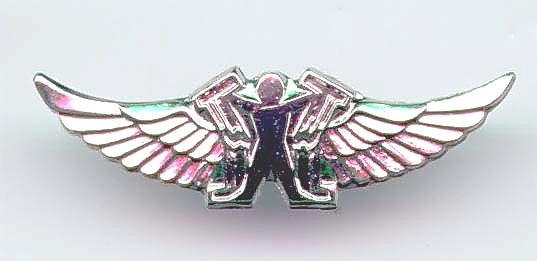
Badge of Samson Unit
Active1986–1996
Country Israel
Branch Israeli Ground Forces
TypeMista'arvim
RoleSpecial Reconnaissance
Undercover Counterterrorism
Counterterrorism
Size~250
Garrison/HQNuria Military Base

Unit 367, Samson Unit, or Shimshon (שמשון‎), was a special forces unit within the Israeli Defense Forces named after the biblical figure Samson.

History

[edit]

Shimshon unit's modus operandi focused on undercover military operations against Palestinian militants in the Gaza Strip.[1][2]

Shimshon was disbanded in 1996 following the Oslo Accords.

Samson Unit's roles are believed to have included:

References

[edit]
Revisions and contributorsEdit on WikipediaRead on Wikipedia
from Grokipedia
The Samson Unit, also known as Unit 367 or Shimshon (שמשון), was an elite special forces subunit of the Israel Defense Forces specializing in tactics—undercover operations in which soldiers disguised themselves as to conduct missions in the . Named after the biblical judge , renowned for his strength and battles against the in the region's ancient territory, the unit focused on intelligence gathering, arrests, and targeted eliminations of Palestinian militants amid rising violence during the . Established in 1988, it exemplified the IDF's adaptation of historical Jewish guerrilla methods to modern , prioritizing deep infiltration over conventional assaults. The unit's operations were marked by high-risk engagements, such as close-quarters shootouts with terrorists, as exemplified by the 1992 incident in which soldier Doron Daniel Derzi sustained fatal wounds during a Gaza confrontation while operating undercover. Its emphasized blending into local populations to disrupt militant networks, contributing to the neutralization of threats in Gaza's urban and rural environments without relying on large-scale incursions. Though effective in degrading terrorist infrastructure, the unit's activities drew accusations from Palestinian sources of excessive force and violations, claims often amplified by media outlets with documented biases against Israeli security measures; however, empirical assessments of operational outcomes highlight their role in preventing attacks through precise, intelligence-driven actions. Disbanded in 1996 following the , which shifted IDF priorities toward phased withdrawals and reduced the perceived need for such specialized Gaza-focused units, the Samson Unit's legacy influenced subsequent formations like those in the Kfir Brigade's Shimshon Battalion, though the latter operates as regular infantry rather than elite special forces. The unit's short but intense tenure underscored the causal link between proactive undercover warfare and deterrence in contested territories, a principle rooted in the IDF's doctrine of preemption amid existential threats.

Overview

Role and Mandate

The Samson Unit, designated as the 92nd Shimshon Battalion within the Kfir Brigade of the Israel Defense Forces (IDF), operates as a specialized infantry force focused on counter-terrorism in high-threat urban and irregular warfare environments. Its primary mandate involves executing targeted raids, apprehending suspected militants, and dismantling terrorist infrastructure to neutralize threats posed by Palestinian armed groups, particularly in Judea and Samaria (West Bank). This role aligns with the Kfir Brigade's broader mission, established in 2005, to combat terrorism through proactive operations under Central Command, emphasizing rapid response and intelligence-driven actions in densely populated areas. The unit's responsibilities extend to securing key population centers, such as in the Etzion region, where it conducts patrols, intelligence gathering, and direct engagements to prevent attacks on Israeli civilians and forces. In addition to routine counter-terror duties, Shimshon Battalion has participated in larger-scale operations, including incursions into Gaza for eliminating Hamas-linked targets and destroying weapon caches, as evidenced by activities in northern Gaza and as recently as November 2024. These efforts underscore a mandate prioritizing alongside offensive disruption of enemy networks, often in coordination with other IDF units. Training and doctrine for the unit emphasize adaptability to guerrilla tactics, with soldiers prepared for both daylight arrests and nighttime ambushes, reflecting the IDF's operational emphasis on minimizing civilian casualties while maximizing threat elimination in asymmetric conflicts. The battalion's integration into the Kfir structure ensures specialized capabilities, such as handling improvised explosive devices and fortified positions, derived from lessons in prior Intifada-era engagements.

Naming and Symbolism

The Samson Unit, officially Unit 367 and designated Shimshon (שִׁמְשׁוֹן) in Hebrew, takes its name from the biblical , a figure in the endowed with supernatural strength to combat the , ancient inhabitants of the coastal plain including Gaza. This naming aligns with the unit's establishment for undercover operations in the during the , evoking Samson's historical confrontations in that region, where he performed feats like slaying a thousand Philistines with a donkey's jawbone and ultimately destroyed a temple in Gaza, killing himself and thousands of enemies. The symbolism of the name underscores themes of extraordinary physical and operational prowess, solitary defiance against superior forces, and sacrificial determination, mirroring 's God-granted power channeled against existential threats from the , analogous to the unit's (undercover Arab guise) tactics in hostile Palestinian territories. In broader Israeli military culture, Samson embodies the —raw, unyielding strength coupled with a readiness for catastrophic escalation if survival demands it, as in his final act of pulling down the pillars of Dagon's temple, serving as a deterrent signal of uncontrollable resolve to adversaries. This resonates with the unit's mandate for high-risk counter-terrorism engagements, positioning it as a modern embodiment of biblical heroism in .

History

Establishment and Early Years

The Shimshon Battalion, commonly referred to as the Samson Unit, was established in 1997 within the Israel Defense Forces (IDF) as a dedicated force to address escalating security threats in the . This formation occurred amid ongoing tensions following the and the implementation of interim agreements under the , which had transferred partial control of Gaza areas to Palestinian authorities, necessitating specialized units for and counter-terrorism. The battalion drew its name from the biblical figure , symbolizing strength in operations against adversaries, though its initial mandate emphasized conventional engagements rather than elite roles. In its formative period from 1997 to the early 2000s, the unit focused on operational deployment in Gaza, where it confronted Palestinian rioters and conducted patrols to suppress violent disturbances and prevent infiltrations. Early activities included combining existing infantry companies such as "Pine" and "Ashbel," which had been active in the region, into a cohesive battalion structure to enhance coordination and effectiveness in urban and border environments. These efforts were part of broader IDF adaptations to low-intensity conflict, prioritizing rapid response to stone-throwing mobs, Molotov cocktails, and emerging terrorist networks, with the battalion serving under various brigade commands before its later consolidation. By the late 1990s, as violence intensified ahead of the Second Intifada, Shimshon's presence in Gaza became critical for maintaining Israeli security perimeters around settlements and key infrastructure.

Operations During the Intifadas

The Samson Unit (Unit 367, or Shimshon) was established in 1986 and became operational in the amid escalating Palestinian violence, conducting undercover missions to infiltrate militant groups, gather intelligence, and execute arrests or targeted neutralizations of individuals involved in attacks against Israeli civilians and security forces during the (1987–1993). These operations targeted key agitators responsible for organizing riots, stone-throwing assaults, and improvised explosive attacks, which resulted in over 100 Israeli deaths and widespread disruption in the territories by mid-1988. Undercover teams, dressed in Palestinian attire and fluent in dialects, embedded in urban environments like to disrupt command structures, often leading to direct confrontations; according to monitoring, such units accounted for approximately 70 fatalities among targeted militants by April 1992. The unit's tactics emphasized surprise raids and low-profile extractions to minimize broader escalation, contributing to the IDF's shift toward precision counter-measures against asymmetric threats rather than large-scale sweeps. Disbanded in 1996 following territorial withdrawals under the , the Samson designation was later applied to a (Givati 92nd) within the newly formed , which assumed similar roles in the during the Second Intifada (2000–2005). This specialized in high-risk arrest raids and urban counter-terrorism, participating in operations that dismantled bomb-making labs and apprehended hundreds of bombers amid a wave of suicide attacks that killed over 1,000 Israelis. Focused on Judea and Samaria, these missions involved night incursions into densely populated areas, leveraging disguise and rapid assault techniques to neutralize threats from groups like and , often in coordination with intelligence from the .

Integration into the Kfir Brigade

The original Samson Unit, a specialized and counter-terrorism force operating in the , was disbanded in 1996 following the , which led to the withdrawal of IDF forces from parts of the territory and a shift in operational priorities. In response to heightened threats, particularly after the February 1994 in that killed 29 Israelis and underscored vulnerabilities in urban security, the IDF established the 92nd Shimshon Battalion in November 1997. This new infantry unit, initially assigned to the Northern Brigade in Gaza, was explicitly named after the disbanded Samson Unit to honor its legacy of undercover infiltration and close-quarters counter-terrorism tactics, adopting the same insignia depicting Samson wielding a donkey's jawbone. The battalion specialized in built-up area combat (LASHAB), emphasizing rapid raids, area security, and disruption of terrorist networks in densely populated environments. By 2005, amid ongoing operations requiring enhanced infantry capabilities in Judea and Samaria, the IDF restructured its forces by forming the (900th Brigade) through the consolidation of several independent "90s battalions," including the 92nd Shimshon, 90th Nachshon, and 93rd Haruv units, which had originated in the for territorial defense and anti-terror missions. This integration subordinated Shimshon to Kfir's command structure under the Etzion or Judea Brigade initially, before full alignment with Central Command, enabling standardized training, logistics, and joint maneuvers while preserving the battalion's focus on and mista'arvim-derived infiltration techniques. The move expanded operational reach beyond Gaza—post-2005 disengagement—toward broader engagements, with Shimshon contributing to thousands of arrests and infrastructure destructions in subsequent years. Under Kfir, the battalion underwent enhancements, including advanced anti-tank training and integration with and elements, reflecting the IDF's adaptation to asymmetric threats like roadside bombs and ambushes. By 2020, Kfir's evolution into a "superior " force further bolstered Shimshon's capabilities with new maneuver doctrine, though it retained its core identity tied to the original Samson's emphasis on deception and precision strikes. This structural embedding has sustained the unit's effectiveness in high-intensity operations, such as Gaza border security and Jenin raids, without diluting its specialized ethos.

Organization and Training

Unit Structure and Recruitment

The Shimshon Battalion (92nd Battalion), known as the Samson Unit, functions as a infantry battalion within the , specializing in counter-terrorism and operations primarily in the and and regions. It is one of four main battalions in the brigade, alongside Nachshon (90th), Haruv (93rd), and others, under the brigade's headquarters that includes a battalion (Duchifat, 94th), a unit (Duvdevan), and a communications detachment. The battalion's structure typically mirrors standard IDF organization, with a headquarters company, three to four rifle companies for direct engagements, and support elements equipped for rapid deployment and area control, accommodating approximately 600-700 personnel during active service. Established in November 1997 following an IDF decision to create a dedicated regular force for Gaza operations, the was initially formed by merging existing companies such as and Ashbel, which had been operating independently. This structure emphasized high-mobility units suited to , with companies trained for patrols, raids, and threat neutralization in densely populated areas. Recruitment for the Shimshon Battalion draws from the IDF's mandatory conscription pool, prioritizing male soldiers aged 18-21 with combat-ready medical profiles (typically 82 or higher), strong physical fitness scores from pre-induction tests, and motivation for extended service in high-risk zones. Initially, the unit relied heavily on volunteers transferred from other IDF formations and fresh inductees selected for their adaptability to counter-terrorism roles, reflecting the brigade's focus on building a committed force for sustained territorial security. Ongoing enlistment involves assessment at induction centers, where candidates expressing interest in infantry combat may be directed to Kfir Brigade options, with the Shimshon Battalion assigning personnel based on performance in basic evaluations and compatibility with its operational tempo. The brigade as a whole incentivizes recruitment by offering pathways to advanced special operations training, though Shimshon itself emphasizes rigorous basic infantry preparation over elite selection gibushim (tryouts) used in Sayeret units.

Selection and Training Regimen

Selection into the Samson Battalion of the targets motivated recruits with strong physical conditioning and psychological fortitude suitable for counter-terrorism duties in urban environments. Candidates must achieve a of at least 72 and demonstrate above-average aptitude in pre-enlistment assessments, with priority given to those scoring highly in combat motivation tests. Upon drafting into the , prospective members face initial screenings, including runs, strength exercises, and interviews evaluating resilience under simulated stress and aptitude for undercover infiltration. The training regimen commences with four months of basic instruction at the Kfir Training Base in the , emphasizing marksmanship—spanning six weeks of intensive shooting drills—and core skills such as navigation, , and small-unit tactics. This phase incorporates physical conditioning through long marches and obstacle courses to build stamina for prolonged operations. Advanced training follows for another four months, honing specialized counter-terrorism capabilities, including urban combat simulations, raid executions, and techniques like in civilian attire and basic proficiency for blending into target populations. Historical accounts of the unit's earlier iteration detail three weeks of dedicated Arabic instruction at an IDF intelligence facility, underscoring the emphasis on linguistic and cultural immersion for effective undercover engagements. Post-basic phases integrate scenario-based exercises replicating high-threat arrests and ambushes in built-up areas, with ongoing evaluations to ensure proficiency in non-lethal restraint methods alongside lethal force application. The cycle alternates between four-month training blocks and operational deployments, allowing continuous skill refinement amid real-world missions in contested territories like and Samaria. This structure prioritizes operational readiness over routine garrison duties, reflecting the battalion's mandate in persistent .

Operational Doctrine and Tactics

Mista'arvim Undercover Operations

The Samson Unit conducted undercover operations primarily in the , where operatives disguised themselves as local by adopting Arab clothing such as kaffiyehs, speaking fluent dialects, and mimicking cultural behaviors to infiltrate militant strongholds. These missions focused on gathering, of terrorist cells, and against Palestinian militants, enabling the unit to penetrate densely populated areas without immediate detection. Established as a specialized Sayeret () force following the 1967 , the unit's tactics emphasized long-term immersion to identify and neutralize threats from groups like , which were active in cross-border raids and bombings during the late and . During the (1987–1993), Samson teams, operating under code names for clandestine activities, intensified efforts to counter widespread riots, stone-throwing attacks, and emerging suicide bombings by blending into Gaza's refugee camps and urban neighborhoods. Operatives would pose as laborers, vendors, or locals to map militant networks, plant surveillance devices, or stage sudden arrests, often coordinating with larger IDF forces for extractions. This approach proved effective in disrupting operations by groups affiliated with the , though it carried high risks, including exposure leading to ambushes; the unit suffered significant casualties in such engagements, contributing to its eventual disbandment around 1972 and partial reintegration into successor units like Duvdevan by the mid-1990s. The unit's doctrine prioritized alongside physical action, with soldiers trained in behavioral adaptation to avoid cultural that could betray their identity, such as incorrect greetings or unfamiliarity with local customs. Successes included the elimination of key militants responsible for attacks on Israeli settlements, though operations were criticized by Palestinian sources for alleged excesses in civilian areas; independent analyses highlight their role in reducing terror incidents through proactive infiltration rather than reactive border defense. Post-dissolution, elements of Samson's expertise influenced IDF counter-terrorism training, emphasizing the causal link between deep-cover intelligence and preemptive threat neutralization.

Counter-Terrorism Engagements

The Samson Unit (Unit 367), active from 1988 to 1996, specialized in undercover counter-terrorism operations within the , targeting Palestinian militants through infiltration and arrests to dismantle terror cells during the . Operators, disguised as local Arabs, conducted raids in urban and environments, prioritizing the capture of wanted individuals for intelligence gathering over lethal engagements unless necessary for self-preservation. These missions frequently involved navigating hostile territories like and , where fighters prepared for immediate combat, as in a December 1990 operation in Rafah's that exemplified the unit's expectation of ambushes and close-range firefights. The unit's approach emphasized creative tactics to neutralize emerging terror leaders, though not without setbacks, including failed captures of high-profile targets that allowed threats to persist. A documented example is Operation Shoshana on March 5, 1992, in Bnei Suheila, Gaza, where four coordinated forces—including Samson operators concealed in civilian vehicles alongside Duvdevan personnel—executed a raid to apprehend suspects linked to terror activities, overcoming resistance through synchronized infiltration and support from regional commanders. Over its tenure, the unit contributed to broader IDF efforts against Gaza-based by accumulating actionable intelligence from detainees, which informed subsequent operations, though exact arrest tallies remain classified. After disbandment and integration into the Kfir Brigade as the Shimshon Battalion, the unit shifted focus to counter-terrorism in Judea and Samaria, particularly southern sectors near Gaza, employing similar undercover and rapid-response tactics for arrests, infrastructure raids, and attack prevention. In one 140-day deployment in the Binyamin sector ending around 2021, battalion forces conducted approximately 100 preventive operations at night, including detentions of terror operatives and protection of key routes and settlements. During 2021 activities, it arrested 56 Palestinian suspects involved in or planning terror acts, plus four funding terror networks. In December 2022, near Ein Yabrud, Shimshon troops responded to gunfire from a terrorist vehicle, pursued and eliminated the shooter after a chase, recovering evidence of the attack. These engagements underscore the battalion's role in low-intensity conflict, blending Mista'arvim infiltration with conventional infantry maneuvers to maintain operational tempo despite risks like ramming attempts.

Equipment and Capabilities

Armament and Technology

The Samson Unit employs compact, suppressible firearms optimized for close-quarters engagements in urban and undercover environments, prioritizing stealth to avoid alerting suspects or bystanders during arrests or targeted neutralizations. Operatives frequently use silenced pistols for precise, low-signature takedowns, as demonstrated in a , 2024, raid at Jenin Hospital where IDF undercover teams executed three militants with suppressor-fitted handguns. Short-barreled carbines, such as variants of the M4, provide versatility for transitioning to if cover is blown, aligning with the unit's dual role in infiltration and rapid response. In addition to standard IDF-issue assault rifles like the or M4 platform—adapted with optics and suppressors for Mista'arvim-style operations—the unit integrates shotguns for breaching and scenarios. Technology enhancements include advanced suppressors to mitigate acoustic signatures, enabling operations in densely populated areas without compromising positions. While specific proprietary tech remains classified, similar elite units train with for and explosive ordnance handling, suggesting comparable capabilities for threat detection in high-risk zones. Heavy armament is limited in undercover contexts to maintain civilian disguises, but during overt counter-terrorism actions, the unit accesses brigade-level support including machine guns and grenade launchers for perimeter security or escalation. This armament philosophy reflects causal priorities of surprise and minimal collateral disruption, derived from empirical lessons in operations where detection often determines mission success.

Specialized Gear for Infiltration

Operators of the Samson Unit, specializing in undercover infiltration akin to tactics, rely on advanced disguise techniques to mimic local Arab populations, including professional makeup to enhance Middle Eastern features, hair dyeing, and colored contact lenses for ethnic blending. These alterations, combined with fluency in dialects and cultural mannerisms, enable prolonged immersion in target areas without detection. Clothing selections replicate everyday Palestinian civilian attire, such as traditional garments, vendor uniforms, or casual street wear, allowing operatives to pose as traders, laborers, or residents during or operations. Specialized prosthetics and accessories further obscure military bearing, with training emphasizing seamless integration into urban settings like markets or neighborhoods in the and former Gaza operations. For mobility, the unit deploys modified commercial vehicles disguised with Palestinian license plates and local business logos, such as dairy trucks or service vans, incorporating hidden armor plating, reinforced engines, and concealed cameras for real-time intelligence transmission. These vehicles facilitate covert insertion and extraction while minimizing suspicion. Concealed weaponry forms a core component, with operators carrying suppressed handguns or compact submachine guns hidden in clothing or vehicle compartments, transitioning to revealed assault rifles only upon engagement to neutralize threats swiftly. Discreet communication gear, including earpieces and encrypted radios, maintains coordination with support elements without compromising cover. Such equipment, tested in high-risk environments like and raids, underscores the unit's emphasis on surprise and rapid escalation from infiltration to action.

Controversies and Criticisms

Allegations of Excessive Force

The Samson Unit, operating primarily during the (1987–1993), conducted high-risk undercover raids in the and to apprehend or neutralize Palestinian militants suspected of involvement in attacks against Israeli civilians and security forces. These operations often involved small teams disguising themselves as , leading to close-quarters confrontations where suspects were typically armed with knives, clubs, or improvised weapons. documented that IDF special undercover units, including the Samson Unit, accounted for approximately 160 Palestinian fatalities between April 1988 and May 1993, with about 40 percent of those killed not wanted for serious violent offenses and many deaths occurring during arrests rather than active combat. Critics, including Palestinian advocacy groups and international observers, alleged that such units operated under an informal "license to kill," employing lethal force against individuals who posed no immediate threat, such as those attempting to flee or who had surrendered, thereby constituting summary executions or disproportionate responses. A notable depiction of these tactics appeared in the Channel 4 Dispatches documentary The Samson Unit, which filmed a raid on a house targeting suspected gunmen; the footage showed soldiers using physical force to subdue and extract targets amid chaotic resistance, prompting accusations of brutality in handling detainees, though no fatalities were recorded in that specific operation. The IDF responded to such claims by asserting that all uses of force complied with , emphasizing that operations targeted individuals linked to stabbings, shootings, or bombings—empirical data from IDF records indicate over 1,000 wanted suspects were arrested or killed by undercover units during this period, correlating with a decline in certain attack types. However, investigations by military prosecutors rarely resulted in indictments, with fewer than 5 percent of cases leading to convictions for excessive force, fueling perceptions of among organizations. Post-Intifada, as elements of the Samson Unit's structure integrated into the Kfir Brigade's Shimshon Battalion (Unit 92), similar allegations surfaced regarding and arrest procedures in the . In 2011, the brigade's deputy commander faced trial for assaulting a Palestinian detainee during an , with the unit's leadership accused of fostering a culture tolerant of physical to extract information or maintain order; the incident involved punches and kicks, deemed excessive by the court, though the commander received a . Breaking the Silence, an Israeli NGO comprising former soldiers, collected testimonies from Kfir personnel describing routine use of beatings during detentions to "soften" suspects, though these accounts have been contested by the IDF as unrepresentative and lacking context of ongoing threats from improvised explosive devices and ambushes. Reports from organizations like recorded over 20 complaints of abuse by Kfir units between 2009 and 2015, including unnecessary shootings during pursuits, but IDF internal probes often attributed incidents to "operational necessity" amid elevated violence, with casualty data showing Palestinian assailants frequently initiating lethal encounters. These allegations must be weighed against the units' role in preventing attacks; for instance, Shimshon Battalion operations in the 2015–2016 wave of stabbings contributed to neutralizing over 200 incidents, per IDF assessments, though critics argue the emphasis on kinetic force over non-lethal alternatives exacerbated tensions.

Achievements in Threat Neutralization

The Samson Unit, operating from 1986 to 1996 in the , specialized in undercover counter-terrorism missions that emphasized the capture and neutralization of high-value terrorist targets during the , complementing broader IDF strategies with ground-level "lower floor" operations focused on arrests and eliminations rather than solely aerial strikes. Unit operatives, trained in tactics to blend into local Arab populations, conducted deep infiltrations that yielded significant intelligence and outcomes, including the seizure of weapons caches and the apprehension of senior figures. A notable achievement was the unit's role in the 1989 capture of Sheikh Ahmed Yassin, founder of , which temporarily disrupted the group's organizational structure and leadership in Gaza; Yassin was released in a 1990 but the operation demonstrated the unit's capacity for precise, intelligence-driven arrests of ideologically central threats. In another operation, Shimshon forces eliminated a Palestinian terrorist cell leader in southern Gaza, whom then-IDF Chief of Staff described as "one of the most notorious terrorists in the southern ," highlighting the unit's effectiveness in targeting operatives responsible for multiple attacks. Over its decade of activity, the unit contributed to neutralizing numerous wanted terrorists through a combination of arrests, killings in engagements, and disruption of networks, fostering a legacy of relentless pursuit that senior commanders likened to high-stakes covert actions, though exact tallies remain classified due to the sensitive nature of special operations. These efforts were credited with reducing terrorist infrastructure in Gaza prior to the unit's disbandment following the 1995 Oslo II Agreement, which shifted territorial control dynamics.

Current Status and Impact

Recent Deployments in Gaza

The Samson Unit, a specialized undercover counter-terrorism force, concluded its operational activities in the by mid-1994 amid shifting security dynamics during the peace process. The unit was officially disbanded in May 1996 as part of broader IDF withdrawals and reallocations following the interim agreements that transferred partial control of Gaza to Palestinian authorities, rendering further undercover deployments infeasible under the new framework. Since its dissolution, the original Samson Unit (Unit 367) has not been reactivated or redeployed in Gaza, including during escalations such as Operations Cast Lead (2008–2009), Pillar of Defense (2012), Protective Edge (2014), or the ongoing Swords of Iron campaign initiated after the October 7, 2023, Hamas attacks. This absence reflects the unit's historical focus on pre-Oslo era irregular warfare in Gaza, which diminished with the rise of conventional and rocket-based threats addressed by other IDF formations. A separate 92nd Infantry Battalion, designated "Samson" within the Kfir Brigade and established in November 1997 explicitly in homage to the original unit, has conducted ground maneuvers in Gaza, including anti-terror raids in Jabalia and Khan Yunis since late 2023, but operates as a standard mechanized infantry force rather than an undercover specialist group.

Legacy in IDF Special Forces

The Samson Unit's disbandment in the mid-1990s did not erase its contributions to IDF special forces doctrine, particularly in undercover tactics tailored to Gaza's urban and densely populated terrain. Established in 1988, the unit honed methods for infiltrating terrorist networks during the (1987–1993), including , targeted arrests, and weapon seizures, which set precedents for low-profile, ground-level operations complementing aerial or standoff strikes. Upon dissolution—dated variably as 1994 or following the 1995 Oslo II Agreement—its personnel were integrated into Duvdevan (Unit 217), bolstering that unit's expertise in regional counter-terrorism and ensuring continuity of specialized infiltration skills. Veterans of the unit sustained its operational legacy through institutional memory and new formations. Many transitioned to elite roles, including the establishment of the Enav unit within the , an elite force applying Samson-derived techniques for border security and counter-terrorism. The Bazelet 367 association, founded in 2008 by former members, preserves doctrinal knowledge via heritage programs, family support, and educational initiatives for youth, emphasizing the unit's role in neutralizing high-value targets like Yassin precursors during peak operations. This veteran network has indirectly shaped ongoing IDF training emphases on adaptive, intelligence-driven engagements in hostile civilian-militant environments. The revival of the "" designation for a battalion in the underscores enduring tactical influence. Formed in 1998 amid rising needs for urban combat post-1994 events, Gedud Shimshon specializes in built-up area warfare across , , and Gaza (until the 2005 disengagement), inheriting the original unit's name and focus on masquerade operations in Palestinian locales. Integrated into Kfir in 2005 under Division 900, it embodies the shift from ad-hoc to structured infantry with elements, reflecting how Samson Unit experiences informed scalable counter-insurgency capabilities amid evolving threats.

References

Add your contribution
Related Hubs
User Avatar
No comments yet.