Hubbry Logo
SingrauliSingrauliMain
Open search
Singrauli
Community hub
Singrauli
logo
8 pages, 0 posts
0 subscribers
Be the first to start a discussion here.
Singrauli
Singrauli
from Wikipedia

Singrauli is a city in Singrauli district in the Indian state of Madhya Pradesh and Commissionaire of Rewa. It lies about 26 kilometres (16 mi) from the district headquarters of Waidhan.

Key Information

History

[edit]

Previously, it was a part of Singrauli State which was ruled by the Venvanshi Maharajas. Khairwar (tribe) are native of Singrauli (M.P.) who have been living here for many decades.

Geography

[edit]

Singrauli is located on 24°12′07″N 82°39′58″E / 24.202°N 82.666°E / 24.202; 82.666. It is at an elevation of 394 m.[2] 486889 is pin code of singrauli.

Demographics

[edit]

[needs update] As of the 2011 Census of India,[3] Singrauli had a population of 220,257, of which males were 53.1% and females were 46.9%. Child population (0–6) in urban region was 30,079. The average literacy rate in Singrauli was 75.51%.


Administration

[edit]

Singrauli Municipal Corporation is the local body governing the city, and is the second richest municipal corporation in Madhya Pradesh.[4] Rani Agrawal is the mayor of the city.[5] Singrauli is in Rewa Division.

Politics

[edit]

The city is part of the Singrauli Assembly constituency. Ramniwas Shah is MLA from here. It's part of Sidhi Lok Sabha constituency..[6]

Economy

[edit]

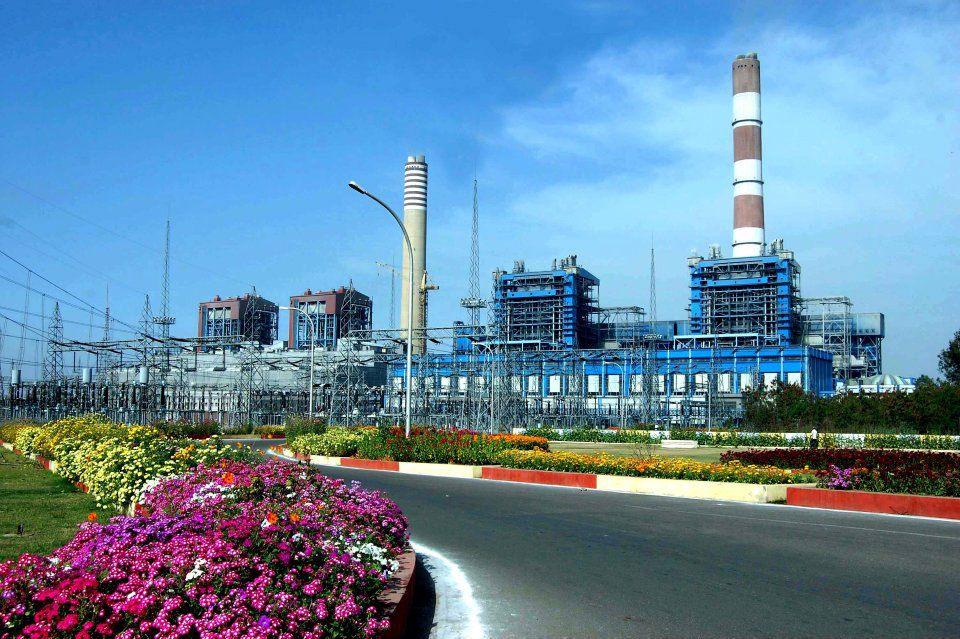
The economy of Singrauli is mainly related to coal mining and related activities. Singrauli coal region is a big coal producing region. Many thermal plants are also operating here, which makes it the energy source of India. Along with this, an aluminium plant of Hindalco Industries is also located here.[7][8] It is the 2nd largest district for per capita income in Madhya Pradesh.

Major Thermal Power Project and Plants of Singrauli -

Transport

[edit]

Singrauli railway station - Here is a railway station located in Singrauli town. Its code is SGRL. The station consists of 3 platforms. Katni Singrauli railway line passing through here, which connects it from Delhi and Bhopal by train.[9]

References

[edit]
[edit]
Revisions and contributorsEdit on WikipediaRead on Wikipedia
from Grokipedia

Singrauli is a district in the eastern part of , , established as the state's 50th district on 24 May 2008 with its headquarters at . Covering an area of 5,675 square kilometers, it had a of 1,178,273 according to the , with a density reflecting its rural and industrial character.
The district's has transformed from agriculture-dominated to industry-focused following the discovery of vast reserves, making it India's "Energy Capital" or Urjanchal, with Northern Coalfields Limited overseeing major operations that produced over 51 million tonnes of annually in the mid-2010s.
It hosts six major thermal power plants generating approximately 21 gigawatts of electricity, supplying a substantial portion—up to 15%—of India's power needs, primarily through coal-fired facilities that support northern grid demands.
While this industrial base drives employment and regional development, empirical studies document elevated air and levels around these plants and mines, correlating with risks for local residents despite the district's role in national .

Historical Background

Ancient and Medieval Periods

The Singrauli region preserves evidence of human occupation from the era, with lithic artifacts including handaxes, scrapers, and choppers discovered in river valleys such as the Mayar. These findings, exposed through erosion and surveys, span to phases, suggesting sustained prehistoric settlement amid forested terrain conducive to lifestyles. In the early historic period, the area functioned as a trade nexus linking northern and central Indian networks, evidenced by artifact distributions and proximity to ancient routes. Local attributes the name Shringavali—later evolving to Singrauli—to the sage Shringi, a figure invoked in ancient Hindu lore for performing rituals that precipitated rains, though this etymology remains legendary rather than archaeologically corroborated. Transitioning into the early medieval era, rock-cut caves emerged in Mada around the 7th to 8th centuries AD, showcasing rudimentary monastic and sculptural features. Prominent examples include Vivah Mada, Ganesh Mada, Shankar Mada, Jaljalia, and Ravan Mada, hewn into sandstone cliffs and indicative of Buddhist or early Hindu ascetic practices amid regional political fragmentation. Painted rock shelters nearby further attest to artistic continuity from prehistoric motifs. As part of the broader Baghelkhand tract—historically termed Dahala—Singrauli experienced rule by the Kalachuri dynasty from the 6th to 12th centuries, a warrior lineage centered at strongholds like Kalinjar, which exerted control over eastern through feudal tributaries. By the , localized principalities emerged, including a purported Singrauli kingdom with capital at Teonthar under Raja Kot Rai, reflecting the era's mosaic of semi-independent navigating Kalachuri overlordship and emerging Baghel clans. Archaeological paucity limits precise attributions, but the caves' dating aligns with Kalachuri cultural patronage of rock .

Colonial Era and Early Independence

During the British colonial period, Singrauli constituted a portion of the Rewa princely state, governed by the Baghel Rajput dynasty under British paramountcy via the Baghelkhand Agency. The region's dense forests rendered it suitable as an open-air prison for political detainees, while supporting local communities dependent on forest resources for sustenance. Commercial exploitation intensified as timber from these forests was harvested to meet demands for railway construction and locomotive manufacturing. In 1857, amid the broader Indian Rebellion against British rule, British officer Rabthan identified deposits and established the area's first open-cast mine at Kotav village, leveraging the Son River for transportation of extracted . The Baghelkhand Agency, overseeing Rewa and adjacent territories including Singrauli, merged administratively with the Agency in 1931, though direct governance remained with Rewa's rulers subject to British oversight. Upon 's independence in 1947, Rewa—encompassing Singrauli—acceded to the Dominion of through an instrument signed by Maharaja , ending princely autonomy. The territory integrated into the Union as part of , formed in 1948 by consolidating Rewa and neighboring former princely states, with Rewa designated as the capital; this union persisted until further reorganization into in 1956.

Industrial Transformation Post-1950s

The industrial development of Singrauli accelerated post-independence as India's demands spurred systematic exploitation of its extensive reserves, shifting the region from agrarian roots to a focal point for and power generation. Although exploratory occurred earlier, the post-1950s era saw intensified efforts through initiatives, aligning with national plans for heavy industrialization and self-sufficiency in production. By the and , geological surveys confirmed vast reserves in the , prompting infrastructure investments that transformed the landscape into an hub. The nationalization of coal mines via the Coal Mines (Nationalisation) Act, 1973, centralized operations under state control, facilitating large-scale open-cast mining suited to Singrauli's geology. This culminated in the establishment of Northern Coalfields Limited (NCL) in November 1985 as a of Limited, headquartered in Singrauli to manage coalfield operations. NCL's formation from portions of existing units enabled efficient extraction, with production ramping up through mechanized methods; by the late , the region hosted multiple operational mines contributing significantly to national coal supply. Concurrently, thermal power development intertwined with , exemplified by the National Thermal Power Corporation's (NTPC) founding in 1975 and the commissioning of the in 1977 as India's inaugural pithead facility. With an initial capacity of 2,000 MW across five 200 MW units plus expansions, it leveraged adjacent coal sources for cost-effective generation, powering northern and central grids. Subsequent plants, including those by NTPC and private entities, proliferated in the 1980s–2000s, establishing Singrauli's role in supplying over 10% of India's thermal power by the 2010s, though expansion involved land acquisition challenges. This synergy of and power infrastructure generated employment for tens of thousands while driving ancillary industries like transportation and production, yet it also intensified environmental pressures from opencast operations and emissions, underscoring trade-offs in resource-led growth.

Physical Geography

Location and Topography

Singrauli district lies in the northeastern corner of , , extending across latitudes approximately 23.8° to 24.7° N and longitudes 81.8° to 82.8° E. Covering an area of 5,672 square kilometers, it shares its northern boundary with along the Son River and adjoins to the south and west. The district headquarters at is positioned at roughly 24.20° N, 82.67° E. The topography features undulating terrain with a series of central hill ranges and southern elevations varying between 365 and 488 meters above . The general slope inclines northeast toward the Son River, with the highest recorded point near Chitrangi reaching 609 meters. Average elevations across the district hover around 361 meters, reflecting a landscape of plateaus interspersed with valleys. Principal rivers shaping the hydrology include the , which flows west to east along the northern edge, and the Rihand, originating within the district and joining the Son after forming the significant Rihand . Tributaries such as Gopad, Mahan, and Mayar drain the hilly interiors, often coursing through rocky channels with limited alluvial deposits except near major streams. This riverine network supports the region's and influences local patterns amid the predominantly lateritic and alluvial soils.

Climate Patterns and Natural Resources

Singrauli district features a , marked by distinct seasonal variations including hot summers from to May, a southwest period from to , post-monsoon transition in and , and mild winters from to . Summer temperatures often surpass 40°C, peaking near 45°C in May, while winter lows dip to around 10°C in January, with average annual temperatures at 25.2°C. Precipitation totals approximately 1,096 mm annually, concentrated during the , with recording the highest at 317 mm across about 15 rainy days; drier months like see minimal rainfall under 10 mm. This pattern supports but contributes to seasonal flooding risks in low-lying areas near rivers. The district's natural resources are dominated by extensive deposits in the , part of the supergroup, which underpin large-scale mining operations by entities like Northern Coalfields Limited and fuel thermal power plants. Permian-age seams, analyzed for geochemical properties, yield reserves vital to India's energy sector, though extraction has led to environmental pressures including and water . Forests, primarily tropical dry deciduous types, originally covered significant portions but have diminished due to ; remaining wooded areas harbor yet face ongoing threats from projects encroaching on 90% forested blocks in some cases. Rivers such as the (originating near and flowing northeast), Rihand (dammed into Govind Ballabh Pant Sagar for and industrial water supply), and Gopad provide resources, while aquifers in sandstones and Archaean granites sustain limited yields, with dynamic resources estimated through geological surveys showing moderate recharge potential amid impacts.

Demographic Profile

Population Dynamics and Census Data

According to the , had a total of 1,178,273, comprising 613,637 males and 564,636 females, yielding a of 920 females per 1,000 males. The district recorded a decadal population growth rate of 28.03% between 2001 and 2011, exceeding the state average for of approximately 20%, attributable in part to influxes of migrant labor drawn by expanding and thermal power sectors. This growth followed a 38.6% increase from 1991 to 2001, reflecting accelerated industrialization post-1950s that shifted the region from agrarian subsistence to resource extraction hubs. Population density stood at 208 persons per square kilometer in , across the district's 5,675 square kilometers, with rural areas predominating; of the total, about 81% resided in rural settings, while urban centers like Singrauli city accounted for 220,257 inhabitants. Scheduled Tribes constituted 32.6% of the (383,994 individuals), primarily indigenous groups displaced or employed in peripheries, contributing to uneven demographic pressures including seasonal migration and family relocations for industrial jobs. The child (0-6 years) was 909, indicative of persistent gender imbalances amid economic transitions. No comprehensive has occurred since due to national delays, but provisional estimates project the 2023 population at around 1.51 million, assuming continued annual growth near 2.3% driven by sustained in sectors rather than natural increase alone. These dynamics underscore Singrauli's transformation into a labor-importing , with net in-migration offsetting lower rural rates, though official data gaps limit precise quantification of inter-state inflows from labor-surplus regions.

Ethnic and Socio-Economic Composition

The ethnic composition of includes a significant indigenous Scheduled (ST) population of 383,994 persons, representing 32.6% of the total 1,178,273 residents recorded in the 2011 Census. Scheduled Castes (SC) comprise 150,664 individuals, or 12.8% of the population. The balance consists of Other Backward Classes and general category groups, with spoken by 96.67% of residents and Gondi by 1.64%, indicative of Gond tribal influence. Major tribal communities encompass Baiga, Kol, and Gond groups, historically dependent on forest , , and small-scale agriculture. Socio-economic indicators reveal persistent disparities, particularly among tribal populations. The district's overall rate is 60.41%, below the national average of 74.04% as of , with male at 71.34% and female at 48.53%. Tribal lags further, constrained by limited school in remote areas and cultural factors prioritizing early labor over . Employment is dominated by the sector, with a labour force participation rate of 79.02% in 2023-2024, but indigenous groups often hold low-skill, informal roles amid heavy in-migration of non-local workers for technical positions. Industrial expansion has induced displacement of over 10,000 tribal families since the 1970s, eroding traditional livelihoods through land acquisition and without commensurate rehabilitation or skill training. This has perpetuated cycles, with tribes facing hazards from —such as respiratory ailments—and restricted access to project benefits, as resource revenues accrue primarily to external corporations and state coffers rather than local reinvestment. Urban-rural divides exacerbate these issues, with 19.25% urban residency correlating to higher incomes in industry but minimal trickle-down to rural tribal hamlets.

Governance and Politics

Administrative Framework

Singrauli district operates under the administrative jurisdiction of , forming part of the , with its headquarters at . The district was established as the 50th district of the state on 24 May 2008 through the bifurcation of . Governance follows India's three-tier system, integrating revenue administration, magisterial functions, and rural development initiatives, overseen by state-appointed officials and elected local bodies. The district administration is led by the Collector and , who serves as the chief executive responsible for , revenue collection, disaster management, and coordination of development schemes. The current Collector is Gaurav Benal, IAS, assisted by an Additional District Magistrate (Pramod Kumar Sengupta), a Collector (Sanjeev Kumar Pandey), and Deputy Collectors. falls under the Superintendent of Police, currently Manish Khatri, IPS, who manages district-wide policing through sub-divisional and tehsil-level stations. Sub-Divisional Magistrates handle executive magistracy in key areas, such as Singrauli (Suresh Jadav) and Deosar (Akhilesh Singh). Revenue administration is structured across eight tehsils—Singrauli Nagar, Singrauli, Chitrangi, Deosar, Mada, Sarai, Dudhmania, and Bargawan—each headed by a tasked with land records, taxation, and . Rural development occurs through three community development blocks (Chitrangi, Deosar, and ), managed by Block Development Officers who implement schemes like MGNREGA and . These blocks encompass 316 gram panchayats governing 832 villages, facilitating governance and service delivery. At the district level, the Zila Panchayat coordinates panchayat-level activities, while urban areas like Singrauli city fall under a municipal council for civic administration.

Electoral History and Representation

Singrauli district is represented in the by three constituencies: Chitrangi (reserved for Scheduled Tribes, AC 79), Singrauli (general category, AC 80), and Devsar (general category, AC 81). These constituencies form part of the (PC 11), which encompasses Singrauli along with and parts of districts. In the 2023 Madhya Pradesh Legislative Assembly elections, conducted on November 17, 2023, the (BJP) won all three seats with substantial margins, reflecting its continued hold in the region.
ConstituencyWinnerPartyMargin of Victory (Votes)
ChitrangiRadha Ravindra SinghBJP59,879 over INC candidate Manik Singh
SingrauliRamniwas ShahBJP37,977 over INC candidate Renu Shah
DevsarRajendra MeshramBJP22,454 over INC candidate Bansmani Prasad Verma
The BJP also secured the Sidhi Lok Sabha seat in the 2024 general elections, with Dr. Rajesh Mishra defeating (INC) candidate Kamleshwar Indrajit Kumar by 164,969 votes, polling 571,669 votes to the INC's 406,700. This victory maintained the BJP's representation for the constituency, following its win in 2019. Electoral outcomes in Singrauli have favored the BJP since at least the 2018 assembly elections, where it captured all three district seats, including Devsar by a margin of 10,678 votes. in the 2023 assembly polls across these constituencies ranged from approximately 72% in Singrauli to higher in tribal-dominated Chitrangi, influenced by the district's mining workforce and rural demographics.

Economic Foundations

Coal Mining Operations

Coal mining operations in Singrauli are predominantly managed by Northern Coalfields Limited (NCL), a subsidiary of Coal India Limited headquartered in the district, focusing on large-scale opencast extraction to supply thermal power plants. NCL's activities in the region utilize highly mechanized techniques, including shovel-dumper systems for removal and loading, alongside equipment like draglines and dozers for efficient large-volume production. These operations target non-coking suitable for power generation, with mines designed for high-capacity output through continuous cycles. Key NCL mines in Singrauli include the Jayant, Nigahi, Amlohri, Dudhichua, Khadia, and Block-B opencast projects, each contributing to the coalfield's output via expansive open pits that can reach depths exceeding 200 meters. The Nigahi mine, one of the largest, historically produced around 15 million tonnes per annum as of 2015-16 data, while capacities for others range from 10 to 20 million tonnes per annum depending on project expansions. Mining employs advanced planning for equipment deployment, with coal handling plants integrated at sites for processing and rail dispatch, ensuring minimal downtime and optimized logistics. In 2023-24, NCL achieved production of 136.15 million tonnes across its Singrauli and adjacent Sonbhadra operations, surpassing targets with a 3.8% year-over-year growth, reflecting expanded capacities and operational efficiencies. This output supports India's energy needs, with nearly all production directed to the power sector. Recent developments include approvals for private operations, such as Adani Power's Dhirauli mine, which received clearance in 2025 for opencast extraction aiming at a peak of 6.5 million tonnes per annum by FY 2027, marking increased commercial mining in the area.

Thermal Power Generation

Singrauli district hosts several large-scale coal-fired thermal power stations, leveraging the region's abundant coal reserves from nearby mines operated by Northern Coalfields Limited. These facilities collectively contribute over 12,000 MW to India's national grid, making the area one of the country's primary power generation hubs. The plants primarily use subcritical and supercritical technologies, drawing water from local sources like the discharge canal of the and Rihand Reservoir. The , located near Vindhyanagar, is India's largest -fired power plant with an installed capacity of 4,760 MW across 13 units, including six 210 MW units commissioned between 1982 and 1988, four 500 MW units from 1999 to 2006, and three 1,000 MW supercritical units added between 2012 and 2017. Operated by National Thermal Power Corporation (NTPC), it sources from Nigahi Mines and supplies power to multiple northern and central states. In 2023-24, the station achieved a plant load factor exceeding 80%, underscoring operational efficiency despite its age. NTPC's , established in 1977 as a pithead facility, has an installed capacity of 2,015 MW, comprising five 200 MW units (commissioned 1982-1985) and two 500 MW units (1993-1994), supplemented by a 15 MW solar photovoltaic addition. is supplied from nearby opencast mines, with the station serving as a key supplier to and other states. Its oldest unit, commissioned in 1982, recorded a peak plant load factor of over 90% in recent operations, highlighting maintenance capabilities. The (UMPP), developed by Sasan Power Limited (a subsidiary), features a 3,960 MW capacity across six 660 MW supercritical units, fully commissioned by 2013. As an integrated mine-mouth project, it utilizes from the adjacent Moher-Amlohri Extension mine, enabling cost efficiencies and supplying power under long-term agreements to seven states, benefiting over 400 million consumers. The facility incorporates advanced pollution control measures, though operational incidents like ash dyke breaches have occurred. Additional capacity comes from the Mahan Super Thermal Power Project, a 1,200 MW joint venture between Essar Power and , with two 600 MW units operational since 2013 and 2014, sourcing from Mahan coal block. These plants underscore Singrauli's role in baseload power, though expansions face scrutiny over resource strain and emissions.

Ancillary Industries and Employment Metrics

Ancillary industries in primarily support the core and thermal power sectors through small-scale , services, and operations. Key examples include sponge iron production and units, with Trimula Industries establishing one of the region's first sponge iron plants with a capacity of 350 TPD x 2 in the early . Other ancillary activities encompass equipment repair workshops, construction material suppliers, and transportation firms handling logistics, often operated as micro, small, and medium enterprises (MSMEs). These sectors remain underdeveloped relative to primary industries, with limited large-scale diversification noted in official profiles. Employment in ancillary industries is modest but contributes to the district's industrial workforce. As per the district's Brief Industrial Profile up to 2010-11, approximately 150 registered MSME units generated 443 jobs, supported by investments totaling 195.37 rupees by 2009-10, reflecting early growth in supporting sectors. More recent data indicate a high reliance on industry-related , with the sector serving as the main income source amid a labor force participation rate of 79.02% for 2023-2024. The 2011 Census recorded 499,439 workers district-wide, of which 69.8% were in main , many in ancillary roles such as contractual and tied to and power operations. Job opportunities in these areas often include positions in , , and field for power and support, as evidenced by ongoing vacancies in MSMEs and service firms. However, employment exchanges report thousands of registered jobseekers, with over 29,556 total registrations since 2017, highlighting persistent demand for skilled ancillary roles amid the district's energy-driven economy. derives predominantly from industrial activities, underscoring the ancillary sectors' role in supplementing direct and power jobs.

Infrastructure Development

Transportation Networks

Singrauli district's road network is anchored by National Highway 39 (NH-39), which traverses the region and facilitates connectivity to adjacent districts in , , and , supporting the transport of and industrial goods. The Sidhi-Singrauli section of NH-75E, spanning from Bypass to the Madhya Pradesh-Uttar Pradesh border, further bolsters east-west linkages for freight movement. Despite these arteries, infrastructure lags behind industrial demands, with persistent issues of inadequate maintenance and congestion exacerbated by heavy trucking for mining and power sectors. Rail connectivity centers on Singrauli Railway Station (SGRL), situated approximately 25 kilometers from the district headquarters at , serving as a key junction for passenger and freight traffic on the Delhi-Howrah corridor. The station handles around 33 trains daily, including those originating or terminating there, primarily facilitating coal evacuation from nearby mines via the . However, passenger services remain limited, with the network prioritizing freight over regular commuter options, contributing to reliance on private vehicles. The district lacks a dedicated airport, with the nearest facility at Varanasi (approximately 225 kilometers away) providing air links to major cities like Delhi and Mumbai. Public transportation within Singrauli is underdeveloped, marked by a scarcity of buses and organized services, which has intensified mobility challenges amid rapid industrialization; as of 2025, surging vehicle numbers tied to power plants have resulted in chronic gridlock and limited alternatives for local residents and workers.

Utilities and Energy Distribution

Electricity distribution in Singrauli district falls under the jurisdiction of Poorv Kshetra Vidyut Vitaran Company Limited (MPPKVVCL), responsible for retail supply in eastern , including key substations such as 132 kV and 132 kV Morwa that connect to 33 kV feeders like Jayant and others serving industrial and residential loads. Transmission infrastructure, managed by Power Transmission Company Limited (MPPTCL), supports evacuation from major thermal plants to the interstate grid via Limited (PGCIL) lines, with recent upgrades including a February 2024 installation of a 50 MVA at the 132/33 kV Chitrangi substation, raising capacity from 31.5 MVA to enhance local reliability amid growing demand from mining and power sectors. Power generated at Singrauli's plants, totaling around 10% of India's installed capacity as of recent assessments, primarily feeds the national grid rather than prioritizing local consumption, leading to reported disparities where the district supplies approximately 35,000 MW nationally but experiences frequent outages and voltage fluctuations for residents. Water supply infrastructure relies on surface sources like the Rihand River and aquifers, with the Central Ground Water Board estimating annual extractable at 56,361.39 meters against 13,032.75 meters extracted across domestic, industrial, and uses, indicating moderate development stage but vulnerability to from power plant cooling demands. The Public Health Engineering Department oversees rural and urban schemes, including Jal Jeevan Mission initiatives for functional household tap connections, though functionality assessments highlight gaps in testing and lab operations. Sanitation and are managed by Singrauli Nagar Nigam for urban areas covering 280 square kilometers, with a project underway for comprehensive sewerage treatment to address untreated from industrial and domestic sources.

Environmental Realities

Pollution Metrics and Health Correlations

Singrauli's air quality is predominantly degraded by emissions from over a dozen coal-fired thermal power plants and extensive operations, resulting in elevated concentrations of particulate matter (PM), (SO₂), nitrogen oxides (NOₓ), and . Satellite-derived optical depth (AOD) data from 2005 to 2019 reveal a mean AOD rise from approximately 0.4 to 0.6, directly correlating with the proliferation of power generation capacity in the region, which exceeds 13,000 MW. Ground-based monitoring stations report PM₂.₅ levels averaging 24–65 µg/m³ in recent years, often classifying the (AQI) as unhealthy (150+), with PM₁₀ reaching 153 µg/m³ during peak emissions; these exceed India's (NAAQS) of 40 µg/m³ annual mean for PM₂.₅ and WHO guidelines of 5 µg/m³. SO₂ and NOₓ emissions from combustion contribute to and photochemical , with studies documenting concentrations of SO₂ up to 50–100 µg/m³ near facilities, driven by incomplete in older plants. Soil and exacerbate atmospheric issues, with such as lead, , and accumulating from fly ash disposal and mine . A of sites around thermal plants and mines found geo-accumulation indices indicating moderate to heavy contamination (I_geo >1 for metals like and ), facilitating resuspension and secondary PM formation via wind erosion. These contaminants leach into and the Son River basin, with levels linked to regional exceedances that pose inhalation risks during dry seasons. , a potent climate forcer and respiratory irritant, shows elevated ground and satellite measurements near power plants, contributing 20–30% to local . Health outcomes in Singrauli correlate strongly with chronic exposure to these pollutants, particularly through particulate-bound and fly ash, which penetrate deep into lungs and bloodstream. Respiratory disorders predominate, with local populations exhibiting higher rates of , , and (COPD) due to PM₂.₅-induced inflammation and ; fly ash exposure alone aggravates these in 20–40% of nearby residents per case studies. risk elevates from polycyclic aromatic hydrocarbons (PAHs) and metals in PM₁₀, with lifetime inhalation risks exceeding U.S. EPA thresholds (10⁻⁶) in high-exposure zones. Cardiovascular and skin ailments also rise, causally tied to SO₂/NOₓ acidification and heavy metal , as evidenced by epidemiological surveys linking proximity to plants with 1.5–2x odds ratios for chronic conditions; these effects compound in vulnerable groups like children and miners, independent of socioeconomic factors.

Biodiversity and Water Resource Strain

Open-cast coal mining in Singrauli has resulted in substantial , with approximately 5,872 hectares of land diverted for activities since 1980, including 5,760 hectares of notified and 111 hectares of . This has primarily affected sal-dominated forests, which historically characterized the region's , leading to reduced floristic diversity and services such as and . According to the State of Report 2019, Singrauli district's stands at 2,180 square kilometers, constituting 38.42% of its geographical area of 5,675 square kilometers, though it experienced a recorded decrease of 8.87 square kilometers compared to 2017 assessments, attributable in part to ongoing expansion. Restoration efforts on mine spoils have shown mixed ecological outcomes, with studies documenting 197 vascular plant across 45 families on reclaimed sites, dominated by herbaceous , yet survival and net primary productivity often lag behind pre-mining conditions due to soil degradation and dominance. habitats have been fragmented, exacerbating pressures on local through loss of corridors and increased human-wildlife conflict, though specific remain limited in peer-reviewed assessments. Thermal power plants and mining operations impose significant strain on water resources, drawing substantial volumes from the Rihand Reservoir; for instance, NTPC's Singrauli Super Thermal Power Station consumes 6,713 cubic meters per hour (equivalent to 3.36 cubic meters per megawatt-hour), contributing to seasonal depletion in a region where agriculture relies heavily on monsoon rains and river flows, with water scarcity persisting from July to August. Effluents, including fly ash slurry from plants like Anpara, have contaminated the reservoir and groundwater, elevating levels of heavy metals such as mercury, arsenic, lead, and cadmium beyond natural baselines, as detected in surface and subsurface waters across the industrial belt. This pollution, compounded by mining leachates, has rendered local sources unfit for potable use in affected villages, prompting residents to travel 2-3 kilometers for alternatives and prompting National Green Tribunal directives in 2014 to halt waste dumping into the Rihand and connected rivers.

Socio-Economic Consequences

Growth Benefits and Poverty Alleviation

The and thermal power industries in Singrauli have driven substantial , positioning as a vital energy hub that supplies up to 15% of India's capacity. This sectoral dominance has elevated the 's per capita net district domestic product to Rs. 168,375 in 2020-21, with industry serving as the primary income source, surpassing Madhya Pradesh's state average and reflecting capital inflows from mining royalties, power tariffs, and related investments. Northern Coalfields Limited (NCL), the principal operator, directly employs over 16,000 personnel as recorded in 2015, fostering multiplier effects through ancillary sectors like , equipment maintenance, and local procurement that generate thousands of indirect jobs. These opportunities have enhanced household incomes for skilled and semi-skilled workers, contributing to broader economic multipliers in a region historically reliant on and . Poverty alleviation efforts are bolstered by NCL's CSR expenditures exceeding Rs. 1,000 over the past decade, directed toward enhancement, including models for tribal women in rural areas and initiatives like Project Bachpan to combat and labor. Such programs target vulnerable populations, providing vocational training and micro-enterprises that supplement industrial employment benefits, though comprehensive district-level rate data post-2011 remains sparse, with national trends in showing multidimensional reductions partly attributable to industrial expansion.

Displacement Issues and Local Grievances

In Singrauli, extensive land acquisition for mines and thermal power plants has displaced hundreds of thousands of residents since the mid-20th century, primarily affecting tribal and rural communities reliant on and forests. Northern Coalfields Limited (NCL), a subsidiary of , has overseen much of this through open-cast mining expansions, with historical data showing over 300,000 people uprooted across 65 years of development projects. Earlier records from the indicate 8,504 families displaced by and power initiatives, though rehabilitation covered only about 4,563 of them, leaving many without adequate resettlement or livelihood restoration. Recent expansions exacerbate the issue, as seen in NCL's Morwa and Jayant mine projects, which are estimated to displace over 50,000 individuals and require demolishing around 22,000 houses to access underlying reserves. In November 2024, NCL planned relocation of an entire township overlying 600 million tonnes of mineable , prompting a Rs 24,000 rehabilitation and resettlement (R&R) initiative announced in March 2025 to address affected populations. Tribal groups, comprising a significant portion of Singrauli's , face disproportionate impacts, including loss of access critical for traditional livelihoods like non-timber forest produce collection. Local grievances center on inadequate compensation, procedural irregularities in land acquisition, and repeated displacements without sustained economic alternatives. Protests have erupted over forged village assembly resolutions and lack of consent, as in Mahan forest areas where communities opposed leases since 2016. In Adani-operated Suliyari and Dhiroli mines, authorities imposed Section 144 restrictions in June 2024 amid arrests of displaced residents demonstrating against relocation terms. Critics, including affected villagers, argue that rehabilitation packages fail to match pre-displacement living standards, with many reporting persistent and issues post-relocation, though government reports emphasize job quotas and in new sites as mitigations.

Controversies and Debates

Development vs. Degradation Narratives

The development narrative in Singrauli emphasizes the region's transformation from a forested, underdeveloped area into India's "energy capital" through and thermal power generation, which have driven and expansion since the 1960s. Northern Coalfields Limited (NCL), headquartered in Singrauli, achieved production of 136.15 million tonnes in 2023-24, exceeding targets and contributing to national supplies amid India's coal output reaching 997.83 million tonnes that year. The Singrauli coalfields support a mining capacity of 82.19 million tonnes annually, powering 21 thermal stations, including major facilities like (4,760 MW installed capacity) and (3,960 MW). Proponents, including government and industry sources, argue this has alleviated by creating direct and indirect jobs in and power sectors, with coal-dependent districts like Singrauli hosting thousands of workers amid national estimates of 3.6 million coal-related employments. In contrast, the degradation narrative highlights environmental and social costs, portraying coal-driven industrialization as causing irreversible harm despite mitigation claims. Empirical data indicate elevated pollution: mean PM2.5 concentrations around 58 µg/m³ in the Singrauli region in 2018, far exceeding WHO guidelines of 10 µg/m³ annual average, linked to thermal power plants and open-cast . and air samples near these sites show heavy metal contamination, including lead and levels above permissible limits, correlating with and potential in food chains. Health studies in adjacent , sharing the industrial belt, document widespread respiratory ailments and organ damage from exposure, based on surveys of over 4,000 households revealing pollution-attributable morbidity. Displacement affects an estimated 300,000 people over six decades from and plant expansions, often with inadequate rehabilitation, exacerbating grievances among tribal communities. These narratives clash in policy debates, with industry reports prioritizing and job retention—causally tied to regional and GDP uplift—while environmental assessments from peer-reviewed sources underscore unmitigated externalities like and , questioning net benefits without stricter enforcement. panels have acknowledged Singrauli's burden as "serious," yet expansions continue, reflecting a prioritization of output over long-term ecological costs. Critics from NGOs often amplify degradation claims, potentially overlooking adaptive measures like NCL's reclamation efforts, whereas official data may understate health correlations due to monitoring gaps. reveals coal as the primary driver of both prosperity and strain, with empirical trade-offs evident in sustained production amid rising particulate levels. The Indian Ministry of Environment, Forest and Climate Change declared Singrauli a Critically Area in March 2014 due to excessive emissions from coal-based power and operations, prompting the development of a Comprehensive Environmental Index (CEPI) . This plan required industries to retrofit control equipment, such as electrostatic precipitators and units, and implement fly ash utilization protocols to mitigate air and water contamination. Compliance monitoring was assigned to state control boards, with timelines for effluent treatment and zero-liquid discharge systems in thermal power . The Pollution Control Board issued a District Environment Plan for Singrauli, focusing on air quality management through measures like road paving, water sprinkling for dust suppression, and promotion of cleaner fuels in industrial transport. Additional policies emphasized for coal washeries and rehabilitation of ash ponds to prevent leaching into the Son River. In July 2025, the central government reaffirmed enforcement under the , Water (Prevention and Control of Pollution) Act 1974, and Air (Prevention and Control of Pollution) Act 1981, pledging intensified inspections and penalties for non-compliance amid persistent violations. Legal challenges have centered on the (NGT), which in Pankaj Kumar Mishra v. Union of India (2018) ruled on industrial pollution causing health hazards, directing compensation for affected communities and stricter emission norms for power stations. The NGT has also addressed fly ash mismanagement in multiple cases, mandating covered transport and pond capping, though enforcement has faced delays due to industry appeals. In v. Ashwani Kumar Dubey (2023), the set aside an NGT order for violating principles—such as inadequate hearing opportunities—but upheld substantive directives on controls and ash disposal, requiring appellants to demonstrate compliance within specified timelines. The Supreme Court issued notices in October 2020 to the central government and industries on petitions alleging non-implementation of NGT orders, highlighting gaps in remediation for soil and groundwater contamination from coal ash. These proceedings underscore tensions between regulatory mandates and operational flexibilities sought by coal-dependent entities, with courts prioritizing empirical evidence of pollution indices over unsubstantiated industry claims of economic hardship. Ongoing NGT oversight includes environmental compensation assessments for Northern Coalfields Limited projects, enforcing penalties for illegal dumping and inadequate pollution abatement.

Recent Advancements

Production Records and Expansions

Northern Coalfields Limited (NCL), the primary coal producer in the , achieved a record production of 139 million tonnes of coal in the financial year 2024-25, surpassing previous highs and dispatching 137.7 million tonnes, with 118.51 million tonnes supplied to thermal power plants. This milestone reflects operational efficiencies in NCL's open-cast mines, including those in , amid rising national energy demands. Expansions in Singrauli's include NCL's Jayant opencast mine, where capacity is targeted to increase from 30 million tonnes per annum (MTPA) to 35 MTPA by 2026-27 as part of a broader relocation and rehabilitation costing approximately Rs 24,000 , aimed at accessing 600 million tonnes of underlying reserves previously locked under a 927-hectare township. Additionally, NCL's Nigahi mine expansion seeks to raise output from 15 MTPA to 25 MTPA to bolster supply for linked power . Private sector developments feature Adani Power's Dhirauli mine in , which received approval on September 2, 2025, to commence operations with a peak capacity of 6.5 MTPA, targeting 5 MTPA from open-cast by FY27 to fuel captive thermal plants. These initiatives, supported by brownfield enhancements and new clearances, position Singrauli to sustain its role as a key hub, with projected output growth aligning with India's energy security goals through 2030.

Emerging Discoveries and Transitions

In July 2025, a study by Limited identified promising concentrations of rare earth elements (REEs), including and , in the coal seams and associated rocks of Singrauli's coalfields, with average levels around 250 parts per million in coal samples. The discovery, announced by the , marks a potential shift from Singrauli's traditional role as a coal-centric hub toward extraction of critical minerals essential for electric vehicles, technologies, and defense applications. Madhya Pradesh Chief Minister Mohan Yadav highlighted the findings on August 19, 2025, stating they position the state as a hub for critical minerals, reducing India's reliance on imports, particularly from , which dominates global REE supply. However, Minister G. Kishan Reddy noted in that economic viability for extraction remains under evaluation, as REE recovery from byproducts like fly ash requires advanced processing technologies not yet scaled commercially in . This could enable a gradual transition in Singrauli's , integrating REE processing with existing operations to diversify revenue amid depleting reserves projected to last 15-20 more years. Parallel developments include Northern Coalfields Limited's approval in March 2025 for a ₹24,000 rehabilitation project to relocate approximately 50,000 people affected by expansions, signaling efforts to modernize operations amid ongoing output growth. received clearance in September 2025 to commence operations at the Dhirauli captive mine, boosting local production but underscoring persistent reliance on fossil fuels without immediate large-scale renewable integrations. These steps, combined with REE prospects, suggest emerging pathways for technological and economic diversification, though implementation hinges on technological feasibility and policy support.

References

Add your contribution
Related Hubs
User Avatar
No comments yet.