


_IMG_3129_(4331873379).jpg/2000px-North_Carolina_Museum_of_History_(3_Feb_2010)_IMG_3129_(4331873379).jpg)

Community hub
Small Arms Protective Insert
View on Wikipedia_IMG_3129_(4331873379).jpg)
The Small Arms Protective Insert (SAPI) is a ceramic ballistic plate used by the United States Armed Forces. It was first used in the Ranger Body Armor and Interceptor Body Armor, both are ballistic vests. It is now also used in the Improved Outer Tactical Vest as well as the Modular Tactical Vest, in addition to commercially available "plate carriers". The Kevlar Interceptor vest itself is designed to stop projectiles up to and including 9×19mm Parabellum submachine gun rounds, in addition to fragmentation. To protect against higher-velocity rifle rounds, SAPI plates are needed.
ESAPI
[edit]
.jpg)
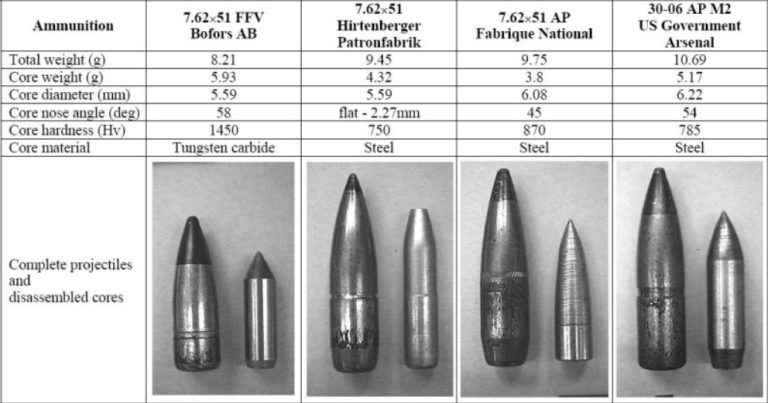
In May 2005, the U.S. Armed Forces began replacing the standard Small Arms Protective Insert plates with the Enhanced Small Arms Protective Insert (ESAPI).[1][2] An ESAPI provides protection from .30-06 Springfield M2 armor-piercing (AP) with a steel[3][4] penetrator in accordance with the NIJ Level IV standard, but costs about $600 per plate, 50% more than SAPI plates.[2] They are produced by Ceradyne, BAE Systems, and ArmorWorks Enterprises.[5] Newer revisions are also produced by CW Security Solutions, CW Armor, Point Blank Enterprises and Leading Technology Composites.
XSAPI
[edit]A call for a next generation plate, to stop even greater velocity threats than the ESAPI plate was issued by the U.S. Army in 2008.[5] The X Threat Small Arms Protective Insert plates are specifically allowed scalar or flexible systems, and asked for better coverage, with less than a pound of additional weight.[6][7] XSAPI did in fact offer slightly better protection, at the cost of more weight and thicker armor profile.[8]
The XSAPI is intended to protect against an "X-Threat",[9] which is able to be inferred from another source to be the M993 7.62 NATO armor piercing tungsten carbide projectile.[10] In addition, there is record of the FBI utilizing the plate for their purposes in May 2011.[11]
The plates were developed in response to a perceived threat of AP projectiles in Iraq and Afghanistan. Over 120,000 inserts were procured; however, the AP threats they were meant to stop never materialized, and the plates were put into storage.
Materials and capabilities
[edit]The standard plate for the Interceptor body armor is made of boron carbide[12] or silicon carbide ceramic.[1] The standard plates are not given an NIJ rating, as they are tested in accordance with specific protocols for the military and not the NIJ's testing. Military testing calls for survivability of three hits from the round marked on the plate - for standard SAPI, of a caliber up to 7.62 NATO M80 ball and of a muzzle velocity up to 2,750 ft (230 m)/s (840 m/s). For ESAPI, a .30-06 Springfield M2 armor-piercing (AP) (.30-06 black-tip armor-piercing) cartridge. This performance is only assured when backed by the soft armor of the OTV (or any soft armor which meets military requirements for protection). The ceramic plate is backed with a shield made of Spectra, a material up to 40% stronger than Kevlar,[1] to trap any fragments of either plate or projectile and prevent them from injuring the wearer.
Sizes and weights
[edit]SAPI plates meant for body armor come in front and back plates which are identical, and smaller side plates. The front and back plates come in five sizes. Their dimensions are the following:[1][13]
Front and back SAPI plates:
- Extra Small - 1.27 kg (2.8 lb) | 184 mm × 292 mm (7.2 in × 11.5 in)
- Small - 1.59 kg (3.5 lb) | 222 mm × 298 mm (8.7 in × 11.7 in)
- Medium - 1.82 kg (4.0 lb) | 241 mm × 318 mm (9.5 in × 12.5 in)
- Large - 2.09 kg (4.6 lb) | 260 mm × 337 mm (10.2 in × 13.3 in)
- Extra Large 2.40 kg (5.3 lb) | 280 mm × 356 mm (11.0 in × 14.0 in)
ESAPI plates are the same size but greater in weight.[13]
- Extra Small - 1.70 kg (3.7 lb)
- Small - 2.08 kg (4.6 lb)
- Medium - 2.50 kg (5.5 lb)
- Large - 2.85 kg (6.3 lb)
- Extra Large - 3.25 kg (7.2 lb)
Side SAPI (SSAPI, S-SAPI) torso side plates are only in 6 in × 8 in (150 mm × 200 mm) size, and weigh around 1 kg (2.2 lb).[13] The replacement for the S-SAPI in U.S. Army, the Enhanced Side Ballistic Inserts (ESBI, E-SBI), originally had only the 7 in × 8 in (180 mm × 200 mm) size, Small and medium were added later on.[14] The counterpart of the ESBI used by the U.S. Marines is called Enhanced Side Small Arms Protective Inserts (Enhanced S‐SAPI, Side ESAPI).[15] The Enhanced S‐SAPIs have only 6 in × 8 in (150 mm × 200 mm) size as the S-SAPIs.[14] ESBI or Enhanced S-SAPI plates can be replaced with size X-Small ESAPI plates (by unfolding an extension built into the bottom of the ESBI Carrier assembly for the U.S. Army and the S-SAPI Carrier assembly for U.S. Marines for OTVs), if permitted by the unit commander.[15][16]
ESBI plates:
- Small - 0.75 kg (1.65 lb) | 152 x 152 mm (6 x 6 in)
- Medium - 1 kg (2.19 lb) | 152 x 203 mm (6 x 8 in)[17]
- Large - 1.15 kg (2.53 lb) | 178 x 203 mm (7 x 8 in)
Physics
[edit]The mechanism of effect lies in absorbing and dissipating the projectile's kinetic energy in local shattering of the ceramic plate and blunting the bullet material on the hard ceramic. The Spectra backing then spreads the energy of the impact to a larger area and stops the fragments as well as catching the, now deformed, projectile with its larger surface area. The same principle is used for the ceramic tiles used for the armored cockpits of some military airplanes, ceramic composites in ground vehicles, and the anti-spallation liners used in modern armored personnel carriers.
While the projectile may be stopped by the armor, there is cases of those who have been severely injured or killed by back face defamation.[18] Though this is exceptionally rare in the field and in real combat cases, or at least rarely reported, as often in cases of injuries stemming from Behind Armor Blunt Trauma the sources has been found to either be rounds that already exceed or atleast very nearly penetrate the Body Armor in question.[19]
See also
[edit]References
[edit]- ^ a b c d "Interceptor Body Armor". GlobalSecurity.org. Retrieved 2008-11-10.
- ^ a b "Up to $160M for Enhanced Interceptor Vest Protection (Updated)". Defense Industry Daily. Defense Industry Daily, LLC. 2005-08-23. Retrieved 2008-11-10.
- ^ "Pew Pew Tactical, M2AP chart". Jan 17, 2021.
- ^ "AmmoChannel M2AP Core makeup". Jan 17, 2021.
- ^ a b "Plate Inserts for US Body Armor". Defense Industry Daily. Defense Industry Daily, LLC. 2008-10-19. Retrieved 2008-11-10.
- ^ Lowe, Christian (2007-06-27). "Army Seeks Body Armor for New Threat". Defense Tech. Archived from the original on October 5, 2008. Retrieved 2008-11-10.
- ^ army.mil[dead link]
- ^ Burton, Scott (February 5, 2009). "Better Body Armor Means More Weight For Troops". Fox News.
- ^ "XSAPI documentation, Ciehub" (PDF). Ciehub.
- ^ "X-Threat documentation, Pg 6". Scribd, document from Sjold. November 25, 2019.
- ^ "FBO Daily XSAPI record". FBO Daily.
- ^ "StackPath" (PDF). www.co.washington.wi.us. Archived from the original (PDF) on October 11, 2007.
- ^ a b c "Hard Body Armor Insert Plates" (PDF). BAE Systems. Archived from the original (PDF) on 2008-08-04. Retrieved 2008-11-11.
- ^ a b "Enhanced Side Ballistic Insert and Ballistic Carrier". CIE Hub.
- ^ a b "Enhanced Side Small Arms Protective Inserts and Ballistic Carriers". CIE Hub.
- ^ "Interceptor SAPI / ESAPI". olive-drab.com. Archived from the original on 2019-08-27. Retrieved 2019-08-27.
- ^ "8470-01-616-6647 (AR/PD 11-06) Data". ParTarget.
- ^ Cannon, L. (2001). "Behind Armour Blunt Trauma - an emerging problem". Journal of the Royal Army Medical Corps. 147 (1): 87–96. doi:10.1136/jramc-147-01-09. PMID 11307682. S2CID 6186824.
- ^ Carr, Debra J.; Horsfall, I.; Malbon, C. (1 February 2016). "Is behind armour blunt trauma a real threat to users of body armour? A systematic review". BMJ Military Health. 162 (1): 10. doi:10.1136/jramc-2013-000161. ISSN 2633-3767. Retrieved 18 August 2025.
Small Arms Protective Insert
View on GrokipediaIntroduction
Definition and Purpose
The Small Arms Protective Insert (SAPI) is a rigid, ceramic-faced ballistic plate designed as a modular insert for enhancing torso protection in military body armor systems, such as the Interceptor Body Armor (IBA) and Improved Outer Tactical Vest (IOTV).[6] These plates provide hard armor augmentation to underlying soft armor vests, targeting vital areas like the chest and back without requiring fully rigid protective suits. The primary purpose of SAPI plates is to defeat or significantly mitigate penetration from small arms rifle ammunition, including 7.62×51mm NATO full metal jacket rounds (M80 ball), while balancing protection with minimal added weight to preserve soldier mobility during infantry operations.[8] This design addresses the limitations of soft armor alone, which is insufficient against high-velocity rifle threats, by absorbing and dispersing impact energy to prevent lethal trauma.[9] SAPI plates integrate into soft armor carriers via dedicated pockets in the front, rear, and sometimes side panels of vests like the IBA and IOTV, allowing for quick insertion and removal to adapt to mission requirements. In basic construction, they feature a ceramic core—either monolithic or composed of tiled segments—bonded to a composite backing layer, with an overall thickness of approximately 1 inch to optimize ballistic performance and fit within standard carriers.[6] Later evolutions, such as Enhanced SAPI (ESAPI) and X-Threat SAPI (XSAPI), build on this foundation to counter advanced threats like armor-piercing rounds.Historical Context
Prior to the development of the Small Arms Protective Insert (SAPI), U.S. military personnel relied on soft armor systems like the Personnel Armor System for Ground Troops (PASGT) vest, introduced in 1983, which used Kevlar fabric to protect against fragmentation but offered no defense against rifle rounds.[10] This vulnerability became evident during the 1990-1991 Gulf War (Operations Desert Shield and Desert Storm), where encounters with small arms fire underscored the limitations of fragmentation-only protection in modern combat environments.[10] The inception of SAPI traces to the early 1990s, when the U.S. Army Research Laboratory, in collaboration with the Defense Advanced Research Projects Agency (DARPA), initiated upgrades to the PASGT system to incorporate hard armor capable of stopping small arms projectiles.[10][11] Key influences driving this effort included combat experiences in Somalia during the 1993 Battle of Mogadishu, where PASGT vests failed to stop AK-47 rifle rounds, contributing to fatalities among Rangers and highlighting the urgent need for enhanced torso protection.[12] The Ranger Body Armor, featuring early ceramic plates, was rapidly developed and fielded in response, credited with saving at least 12 lives in that engagement by providing ballistic resistance absent in prior systems.[13] SAPI plates were first introduced in 1999 as part of the Interceptor Body Armor (IBA) system, building on earlier ceramic plate designs used in the Ranger Body Armor, and saw broader deployment in 2001 with the IBA for U.S. forces entering Operation Enduring Freedom in Afghanistan. SAPI achieved Milestone III approval in June 1999, enabling rapid production and fielding.[10][11] Initial experiences in Iraq and Afghanistan further emphasized the plates' role in countering rifle threats from insurgents.[10] However, early adoption faced significant challenges, including a high production cost of approximately $712 per set, which restricted issuance to one set for every three vests initially, and added weight—around 8 pounds for a pair of plates—that reduced soldier mobility and increased fatigue.[10] These issues prompted ongoing refinements, culminating in the transition to Enhanced SAPI plates around 2004 to better address evolving threats.[11]Development and Variants
Original SAPI Development
The development of the original Small Arms Protective Insert (SAPI) began in the late 1990s as part of the U.S. Army's efforts to improve personal protective equipment for infantry forces.[10] This effort focused on creating lightweight ceramic plates to enhance ballistic resistance beyond existing soft armor systems. Boron carbide ceramics were incorporated in early hard armor designs, with SAPI plates entering production in 1998.[10] Key collaboration involved the U.S. Army Natick Soldier Research, Development and Engineering Center, alongside industry partners Ceradyne and Honeywell, who specialized in ceramic manufacturing and composite backing materials.[10] These entities worked to refine plate design for integration into the Interceptor Body Armor system, introduced in 1999. The plates were engineered to meet standards equivalent to the National Institute of Justice (NIJ) Level III, capable of stopping 7.62x51mm full metal jacket (FMJ) rounds at velocities up to approximately 840 m/s (2,750 ft/s).[11] Initial contracts for production were awarded in 1998, enabling the transition from prototyping to manufacturing.[10][11] Early testing emphasized live-fire trials at Aberdeen Proving Ground, where plates underwent rigorous assessments for penetration resistance and multi-hit performance to simulate combat scenarios.[10] These evaluations confirmed the plates' ability to withstand multiple impacts without catastrophic failure, a critical feature for soldier survivability. By 2003, production had scaled significantly; between January 2003 and July 2004, approximately 300,000 full Interceptor Body Armor sets, including SAPI plates, were purchased, contributing to over 896,000 SAPI sets fielded by 2006.[11][10] Initial costs averaged about $712 per set of plates, reflecting the balance between advanced materials and mass production efficiencies.[10] Field use in early 2000s operations, such as in Iraq, revealed vulnerabilities to certain armor-piercing rounds like 7.62x39mm AP, prompting subsequent enhancements.[11]ESAPI Enhancements
The development of the Enhanced Small Arms Protective Insert (ESAPI) was triggered by combat experiences in Iraq during 2004, where insurgents increasingly employed armor-piercing rounds, such as the 7.62x54R, that could defeat the original SAPI plates.[14]) In response, the U.S. military launched the ESAPI program in 2005 to enhance protection against these evolving threats from rifle-fired projectiles.[15] Key enhancements in ESAPI focused on a thicker ceramic strike face composed of a boron carbide and silicon carbide hybrid, which provided the capability to stop .30-06 M2 AP rounds traveling at 878 m/s.[15][16] This design also improved multi-hit tolerance, allowing the plates to withstand up to six impacts while maintaining structural integrity against repeated threats.[17] Production ramped up with contracts awarded to CeramTec and BAE Systems beginning in 2005, leading to the manufacture of over two million units by 2010 to meet demand across U.S. forces. The medium-size ESAPI plate weighed approximately 4.2 pounds, reflecting the added material for enhanced protection. Testing protocols were upgraded to comply with MIL-STD-662F V50 ballistic limits, ensuring reliable performance under specified impact conditions.[18] The plates were first fielded in the Improved Outer Tactical Vest (IOTV) in 2007, providing troops with immediate upgrades during ongoing operations.[19] Through scaled manufacturing, the cost per ESAPI plate was reduced to around $600, making widespread deployment more feasible while balancing performance and affordability.[20] These advancements laid the groundwork for later variants like XSAPI to address even more severe threats.XSAPI and Advanced Variants
The X-Threat Small Arms Protective Insert (XSAPI) represents a post-ESAPI advancement in ballistic plate technology, developed under the U.S. Army's Soldier Protection System (SPS) initiative between 2010 and 2012 to counter emerging "X-threats," such as the 7.62x51mm M993 armor-piercing round fired at velocities up to 930 m/s.[21][22] This variant builds on ESAPI foundations by targeting higher-velocity penetrators in peer-adversary scenarios, with first-article testing resuming in 2016 to validate performance against these threats.[21] Design improvements in XSAPI plates emphasize multi-layered ceramic strike faces combined with advanced composite backings to enhance multi-hit capability and defeat tungsten-core projectiles while minimizing weight and trauma.[23] Initial production contracts were awarded in 2015 to BAE Systems for variants including the Lightweight XSAPI, aimed at reducing overall system weight without compromising protection levels.[24] These plates incorporate denser ceramic formulations tested to standards like VPAM-11, ensuring resilience against specified X-threats in operational environments.[22] Other experimental variants emerged from SPS trials, including lightweight ESAPI plates, with a 2015 contract for low-rate production of units aimed at weight reduction while maintaining protection.[25] By 2018, XSAPI and related plates were integrated into the Modular Scalable Vest (MSV), a lighter carrier system that supports scalable configurations for ESAPI/XSAPI inserts, enhancing compatibility across mission profiles.[21] As of 2025, ongoing innovations include DARPA's SPS program research into adaptive armor incorporating nanomaterials for dynamic threat response and further weight savings, with limited fielding of XSAPI variants reported in special operations units for high-risk deployments; the Army continues development under the SPS and Integrated Torso and Extremity Protection (ITEP) programs, focusing on integrated protection systems that may incorporate advanced SAPI-derived plates for enhanced mobility and threat defeat.[26][27] Production challenges persist, including procurement costs averaging around $450 per XSAPI plate and vulnerabilities in the ceramic supply chain due to specialized material dependencies.[28]Materials and Construction
Ceramic Strike Faces
The ceramic strike faces of Small Arms Protective Inserts (SAPI) primarily utilize boron carbide (B₄C) in the original design, valued for its low density of 2.5 g/cm³ and exceptional hardness of 9.5 on the Mohs scale, which enable lightweight yet highly effective projectile disruption.[29][30][31] In Enhanced SAPI (ESAPI) variants, materials such as silicon carbide (SiC) or advanced boron carbide formulations are used to provide improved fracture toughness over the original B₄C.[31][32] These strike faces are constructed as monolithic tiles, typically measuring 9.5 by 12.5 inches for standard medium plates, or as segmented arrays of smaller tiles to mitigate the risk of catastrophic brittle failure upon impact.[33][34] The ceramic layer's thickness generally ranges from 0.5 to 0.75 inches, optimized to balance protection and weight without excessive bulk.[15] Manufacturing involves hot-pressed sintering of the ceramic powder at approximately 2000°C under high pressure to achieve near-full density and structural integrity. Modern manufacturing may also employ reaction-bonded or spark plasma sintering for efficiency.[35] Protective coatings, such as thin layers of alumina, are often applied to the strike face to enhance resistance to projectile-induced erosion during impact.[36] Upon ballistic impact, the ceramic strike face functions by shattering the incoming projectile, eroding its leading mass and deforming its shape to reduce penetration velocity—a core feature of SAPI's hard armor architecture.[37] This brittle fracture mechanism is distinct from ductile materials, prioritizing rapid energy redirection over deformation.[38] The strike face integrates with underlying backing layers to capture fragments and absorb residual energy, completing the plate's protective assembly.[39] As of 2025, research continues into hybrid ceramic composites for further weight reduction while maintaining protection.[32]Backing and Support Layers
The backing and support layers in Small Arms Protective Insert (SAPI) plates form the rear composite structure that complements the ceramic strike face by absorbing residual kinetic energy and containing fragments after impact.[40] These layers primarily consist of ultra-high-molecular-weight polyethylene (UHMWPE) laminates or aramid (such as Kevlar) fabrics, providing a flexible yet robust matrix that deforms to dissipate energy while capturing debris from the disrupted projectile and ceramic.[41] The materials are typically layered in multiple plies—often 30 to 80 sheets—and bonded together using epoxy resins to ensure structural integrity and prevent delamination under stress.[42] In the original SAPI design, the backing utilizes Spectra fabric, a UHMWPE variant developed by Honeywell, which offers high tensile strength to trap fragments and distribute impact forces across a broader area.[40] Enhanced variants like the Enhanced SAPI (ESAPI) and X-Threat SAPI (XSAPI) incorporate advanced UHMWPE materials such as Dyneema, which provide superior multi-hit capability by maintaining integrity after repeated impacts compared to earlier aramid-based systems.[42] This upgrade in backing composition contributes to improved energy absorption and reduced back-face deformation, allowing the plates to withstand subsequent strikes without catastrophic failure.[43] To enhance overall durability and prevent spalling—where fragments could escape the rear—the backing layers are often encapsulated with rubber or polymer edging around the plate perimeter, maintaining a total thickness of approximately 1 inch for rigidity while preserving the plate's fit within standard carriers.[44] These plates are rated for a shelf life of up to 5 years under controlled storage conditions, though exposure to moisture can accelerate degradation in aramid components by promoting hydrolysis and loss of tensile strength, necessitating sealed packaging and environmental protection.[45] UHMWPE backings, being more hydrophobic, exhibit greater resistance to such environmental factors.Ballistic Physics
Mechanism of Protection
The mechanism of protection in Small Arms Protective Insert (SAPI) plates begins with the projectile striking the ceramic strike face, which induces yaw and fragmentation of the incoming round due to the ceramic's brittle nature and high hardness. This initial interaction causes the ceramic layer to crack extensively, redistributing the projectile's kinetic energy and eroding or shattering the bullet into smaller fragments, thereby disrupting its trajectory and significantly reducing its penetrating velocity.[46][47] Following fragmentation, the backing layer—typically composed of laminated composites or aramid materials—captures and absorbs the resulting debris and ceramic pieces, preventing spallation and secondary wounding from fragments. This containment limits behind-armor blunt trauma, with the total backface deformation (BFD) restricted to no more than 44 mm under National Institute of Justice (NIJ) standards, ensuring the impact does not cause severe internal injuries.[9][48] For multi-hit scenarios, SAPI plates are designed to withstand multiple impacts, but efficacy depends on shot spacing to prevent cumulative structural weakening; military standards require a minimum separation of approximately 5 inches (127 mm) between hits to maintain integrity across subsequent strikes.[4] Failure occurs if the projectile velocity exceeds the V50 ballistic limit—the velocity at which penetration happens 50% of the time—such as above the plate's design threshold for 7.62 mm rounds, leading to complete perforation. Edge hits further compromise performance due to diminished ceramic support and increased stress concentrations.[49][4] Environmental factors, including extreme temperatures from -25°C to 120°C, can degrade performance by altering material properties, such as reduced ceramic brittleness or backing flexibility, necessitating conditioning tests to verify ballistic resistance under such conditions.[4]Energy Dissipation Principles
The kinetic energy of an impacting projectile, given by the formula $ E = \frac{1}{2} m v^2 $, where $ m $ is the projectile mass and $ v $ is its velocity, represents the primary energy that small arms protective insert (SAPI) plates must dissipate to prevent penetration.[50] For a typical 7.62 mm NATO ball projectile, $ m \approx 9.5 $ g (0.0095 kg) and impact velocity $ v $ ranges from 847 to 930 m/s, yielding an initial kinetic energy on the order of 3,400 J.[51] SAPI plates achieve this dissipation primarily through projectile fragmentation and controlled deformation, reducing the transmitted energy behind the plate by over 90% in non-penetrating impacts, thereby minimizing residual velocity to near zero.[38] A key metric for evaluating energy dissipation efficiency is the V50 ballistic limit, defined as the projectile velocity at which there is a 50% probability of complete penetration through the armor.[18] This probability-based threshold, established in MIL-STD-662F, is determined experimentally via an up-and-down firing sequence, calculating V50 as the arithmetic mean of the highest partial penetration velocities and lowest complete penetration velocities within a specified spread (typically 30-38 m/s for rigid armor).[18] Conceptually, V50 can be approximated from energy considerations as $ v_{50} = \sqrt{\frac{2 E_{\text{threshold}}}{m}} $, where $ E_{\text{threshold}} $ is the minimum energy required for penetration, linking the ballistic limit directly to the plate's capacity to absorb or redirect kinetic energy before failure.[18] In addition to energy absorption, SAPI plates manage linear momentum transfer, $ p = m v $, which drives the initial shock and subsequent deformation.[52] The ceramic strike face erodes and fractures to blunt the projectile, dissipating momentum through localized material failure; this process absorbs energy via the fracture energy $ G_c $, approximately 3-5 J/m² for boron carbide (B4C) ceramics under dynamic loading, enabling the plate to distribute the impact over a larger area and reduce peak stresses.[53] To mitigate behind-armor blunt trauma (BABT), finite element analysis (FEA) models simulate the transient pressure waves generated by non-penetrating impacts, ensuring peak overpressure transmitted to the body remains below injury thresholds, typically under 45 kPa for moderate thoracic risk.[54] These simulations incorporate viscoelastic body models and plate deformation, optimizing energy dissipation to limit backface deformation and associated overpressure while tying into broader protection mechanisms like projectile fragmentation.[55] For multi-hit scenarios, cumulative damage models track progressive degradation, often using a damage index $ D = \sum \frac{E_i}{E_{\max}} $, where $ E_i $ is the energy of the $ i $-th impact and $ E_{\max} $ is the single-hit threshold; failure occurs when $ D > 1 $, reflecting how prior impacts reduce the plate's residual energy absorption capacity through microcracking and delamination.[56] This linear accumulation, adapted from continuum damage mechanics, is implemented in FEA for ceramic-composite systems to predict multi-hit performance without full experimental replication.Performance Specifications
Threat Levels and Capabilities
The Small Arms Protective Insert (SAPI) is designed to provide protection equivalent to National Institute of Justice (NIJ) Level III standards under military testing protocols, capable of stopping 7.62×51mm NATO full metal jacket (FMJ) rounds, such as the M80 ball ammunition, at velocities up to approximately 847 m/s.[38] The Enhanced SAPI (ESAPI) advances to protection equivalent to NIJ Level IV, providing protection against the same threats as SAPI while additionally defeating .30-06 M2 armor-piercing (AP) rounds at velocities up to 878 m/s.[38] The X-SAPI (XSAPI) variant addresses special or "X-threats," including high-velocity tungsten-core projectiles like the 5.56×45mm M995 AP round, as part of an expanded set of eight designated threats (A through D, plus E, F, X, and Y) tailored to evolving battlefield risks.[57] These plates align with emerging NIJ 0101.07 standards (draft as of 2021), which introduce Rifle Fixed (RF1/RF3) multi-hit requirements for Level III/IV equivalents.[58] These plates demonstrate multi-hit capabilities, with ESAPI and XSAPI designed to withstand 3 spaced shots (approximately 3-6 rounds total within a 10×12-inch area) against rated threats A, B, and C, and 2 shots against higher-threat D, without penetration.[4] Oblique-angle protection extends up to 30 degrees for primary threats, enhancing real-world efficacy against angled impacts, though plates lack specific ratings for full-automatic bursts due to the spaced-shot testing protocol.[11] Testing occurs at ranges of 10-15 meters using a 10-shot qualification protocol per plate configuration, evaluating V0 (zero-penetration velocity) and V50 (50% penetration probability) across multiple samples, with pass/fail determined by zero complete penetrations and backface deformation limited to under 44 mm to minimize blunt trauma.[4][57] Limitations include ineffectiveness against explosive fragments or shrapnel, which are addressed by underlying soft armor layers rather than hard inserts.[11] Ceramic-based construction leads to degradation after 1-2 hits, as fractures propagate and reduce overall ballistic resistance, potentially compromising subsequent impacts even if spaced appropriately.[38] These ratings stem from military-specific protocols under documents like FQ/PD 07-03B, prioritizing high-confidence non-penetration (90% for the first shot, 70% for the second) over civilian NIJ single-hit minima.[57]Sizes and Weights
The Small Arms Protective Insert (SAPI) plates are produced in standardized sizes to accommodate a range of body types while ensuring compatibility with military plate carriers such as the Improved Outer Tactical Vest (IOTV). The primary sizes include Small (8.75 × 11.75 inches), Medium (9.5 × 12.5 inches), and Large (10.25 × 13.25 inches), with these dimensions designed for the SAPI cut that features symmetrical 45-degree angled corners for shoulder mobility and integration into IOTV systems.[59] Extra Large variants extend to 11 × 14 inches for broader coverage.[59] Weights vary by variant and size, reflecting differences in material composition and protective capabilities. The original SAPI plates, typically made from alumina ceramic composites, weigh approximately 4.0 pounds for a medium plate, providing a balance of portability and protection. Enhanced SAPI (ESAPI) plates, incorporating advanced ceramics like boron carbide, increase to about 5.5 pounds for medium size due to improved multi-hit resistance.[60] Extra Small SAPI plates start at around 2.6 pounds, while larger sizes scale up to 5.3 pounds or more.[61] XSAPI variants, offering heightened protection against specialized threats, weigh roughly 6.5 pounds in medium configuration. Lightweight ESAPI (LESAPI) prototypes aim for reduced mass at approximately 3.0 pounds per medium plate through material optimizations.[62]| Variant | Medium Size Weight (lbs) |
|---|---|
| Original SAPI | ~4.0 |
| ESAPI | ~5.5 |
| XSAPI | ~6.5 |
| LESAPI (prototype) | ~3.0 |