Hubbry Logo
Catheter ablationCatheter ablationMain
Open search
Catheter ablation
Community hub
Catheter ablation
logo
8 pages, 0 posts
0 subscribers
Be the first to start a discussion here.
Catheter ablation
Catheter ablation
from Wikipedia
Catheter ablation
ICD-9-CM37.34
MeSHD017115

Catheter ablation is a procedure that uses radio-frequency energy or other sources to terminate or modify a faulty electrical pathway from sections of the heart of those who are prone to developing cardiac arrhythmias such as atrial fibrillation, atrial flutter and Wolff-Parkinson-White syndrome. If not controlled, such arrhythmias increase the risk of ventricular fibrillation and sudden cardiac arrest. The ablation procedure can be classified by energy source: radiofrequency ablation and cryoablation.

Medical uses

[edit]

Catheter ablation may be recommended for a recurrent or persistent arrhythmia resulting in symptoms or other dysfunction. Atrial fibrillation frequently results from bursts of tachycardia that originate in muscle bundles extending from the atrium to the pulmonary veins.[1] Pulmonary vein isolation by transcatheter ablation can restore sinus rhythm.[1]

Effectiveness

[edit]

Catheter ablation of most arrhythmias has a high success rate. Success rates for Wolff–Parkinson–White syndrome (WPW) have been as high as 95% [2] For Supraventricular tachycardia (SVT), single procedure success is 91% to 96% (95% Confidence Interval) and multiple procedure success is 92% to 97% (95% Confidence Interval).[3] For atrial flutter, single procedure success is 88% to 95% (95% Confidence Interval) and multiple procedure success is 95% to 99% (95% Confidence Interval).[3] For automatic atrial tachycardias, the success rates are 70–90%.[citation needed] The potential complications include bleeding, blood clots, pericardial tamponade, and heart block, but these risks are very low, ranging from 2.6 to 3.2%.

For non-paroxysmal atrial fibrillation, a 2016 systematic review compared catheter ablation to heart rhythm drugs. After 12 months, participants receiving catheter ablation were more likely to be free of atrial fibrillation, and less likely to need cardioversion. However, the evidence quality ranged from moderate to very low[4] A 2006 study, including both paroxysmal and non-paroxysmal atrial fibrillation, found that the success rates are 28% for single procedures. Often, several procedures are needed to raise the success rate to a 70–80% range.[5] One reason for this may be that once the heart has undergone atrial remodeling as in the case of chronic atrial fibrillation patients, largely 50 and older, it is much more difficult to correct the 'bad' electrical pathways. Young people with AF with paroxysmal, or intermittent, AF therefore have an increased chance of success with an ablation since their heart has not undergone atrial remodeling yet.[citation needed] Several experienced teams of electrophysiologists in US heart centers claim they can achieve up to a 75% success rate.[citation needed]

Pulmonary vein isolation has been found to be more effective than optimized antiarrhythmic drug therapy for improving quality of life at 12 months after treatment.[6]

Catheter ablation has been found to improve mental health outcomes in individuals with symptomatic atrial fibrillation.[7]

A 2018 study showed efficacy of cardiac ablation for treatment of Premature Ventricular Contraction as 94.1%.[8]

Technique

[edit]

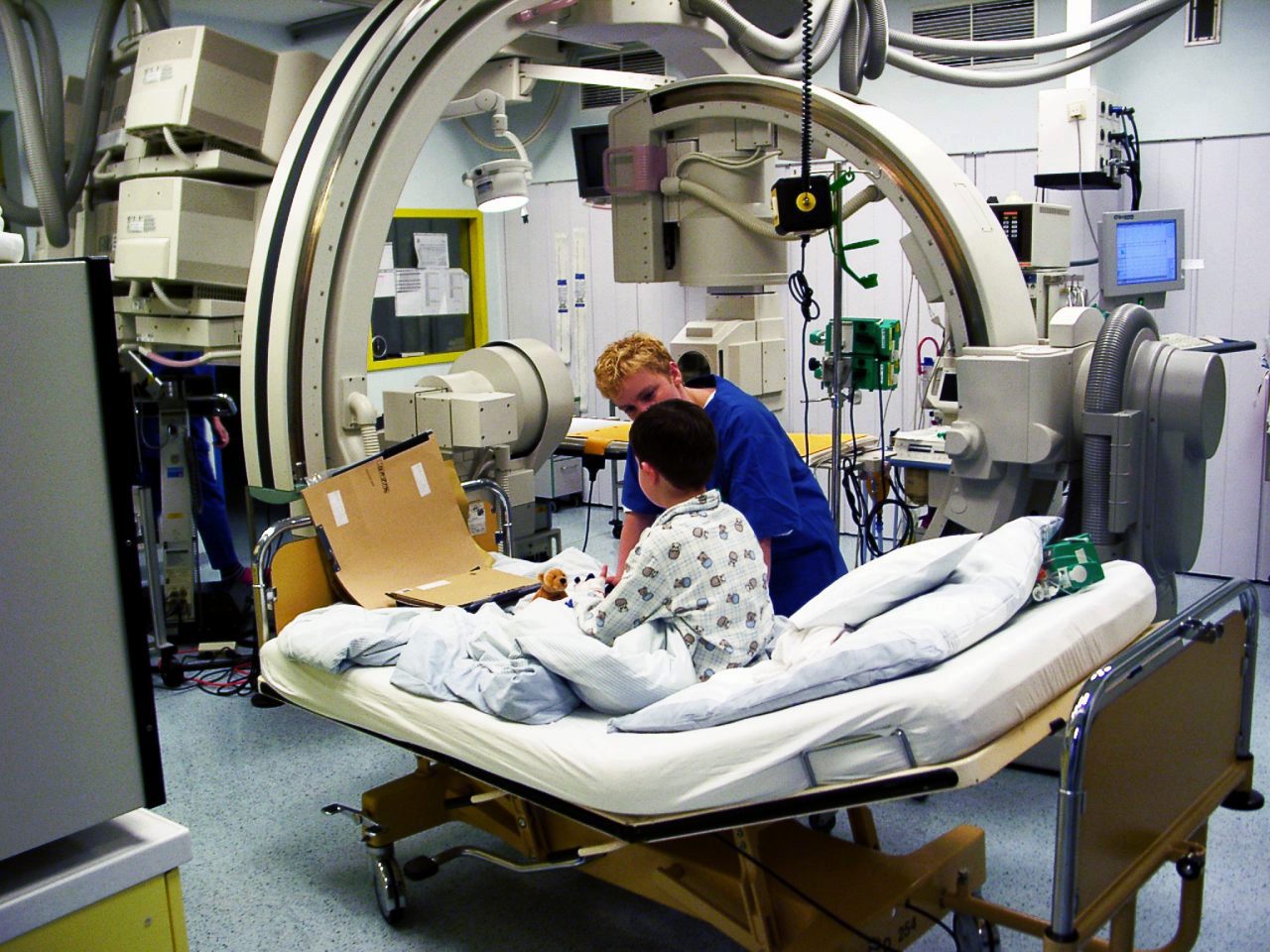
Catheter ablation is usually performed by an electrophysiologist (a specially trained cardiologist) in a cath lab.[9]

Catheter ablation procedure involves advancing several flexible catheters into the patient's blood vessels, usually either in the femoral vein, Internal jugular vein, or subclavian vein. The catheters are then advanced towards the heart. The catheters have electrodes at the tips that can measure the electrical signals from the heart. These electrodes create a map of the abnormal pathways causing arrhythmias. Then, the electrophysiologist uses the map to identify areas from which abnormal heart rhythms originate.[10]

Once the abnormal areas are located, catheters are used to deliver energy via local heating or freezing to ablate (destroy) the abnormal tissue that is causing the arrhythmia. The energy is applied cautiously to avoid damaging healthy heart tissue.[10] Originally, a DC impulse was used to create lesions in the intra-cardiac conduction system.[11] However, due to a high incidence of complications, widespread use was never achieved.

In contrast to the thermal methods (extreme heat or cold) electroporation is being used and evaluated as a means of killing very small areas of heart muscle. The cardiac catheter delivers trains of high-voltage ultra-rapid electrical pulses that form irreversible pores in cell membranes, resulting in cell death of cardiac muscle, while not killing adjacent tissues (esophagus and phrenic nerve).[12] It is thought to allow better selectivity than the previous thermal techniques, which used heat or cold to kill larger volumes of muscle.[13]

One type of catheter ablation is pulmonary vein isolation, where the ablation is done in the left atrium in the area where the 4 pulmonary veins connect.[14][15] Radiofrequency ablation for atrial fibrillation can be unipolar (one electrode) or bipolar (two electrodes).[16] Although bipolar can be more successful, it is technically more difficult, resulting in unipolar being used more often.[16] But bipolar is more effective in preventing recurrent atrial arrhythmias.[17]

During the procedure, the patient's heart rhythm is monitored continuously. The electrophysiologist can observe changes to the patient's cardiac electrical activity to determine the success of the ablation. If the cardiac rhythm shows no abnormal signals or arrhythmias, the catheters are withdrawn from the heart and the incision is closed.

Epicardial ablation

[edit]

For patients for whom catheter ablations fail, they may then have an epicardial ablation performed. In this type of ablation, instead of a catheter being threaded through a vein in the groin area, the "most direct and safest route to the space outside the heart" is used by going into the subxiphoid region - just under the breastbone at the bottom of the rib cage.[18]

A needle then enters the pericardial space around the heart, where then a wire is inserted, the needle is removed, and a plastic tube is inserted over the wire. That tube is then where the ablation catheter is threaded to then burn off the offending area of the heart. Following epicardial ablation, often a small plastic tube may be left in place overnight to drain any fluid that may accumulate in the pericardial space.[18]

At most centers, epicardial ablation is not usually performed, but it is at "selected centers" such as Stanford.[18]

Recovery or rehabilitation

[edit]

After catheter ablation the patients are moved to a cardiac recovery unit, intensive care unit, or cardiovascular intensive care unit where they are not allowed to move for 4–6 hours. Minimizing movement helps prevent bleeding from the site of catheter insertion. Some people have to stay overnight for observation, some need to stay much longer and others are able to go home on the same day. This all depends on the problem, the length of the operation and whether or not general anaesthetic was used.[citation needed]

Blanking period

[edit]

Recurrence of atrial fibrillation within three months of an ablation is seen in most patients, but many of those patients become free of atrial fibrillation in the long term.[19] For this reason the first three months after an ablation are described as the blanking period, during which no further intervention is to be attempted.[19]

In 35 to 65 percent of all cases, atrial arrhythmias occur within the first three months after ablation. If this is the case in the first month, it is a particular indication of possible late recurrences.

The early recurrences of arrhythmias such as atrial fibrillation, atrial flutter, left atrial (arising from the left atrium) tachycardia are abbreviated as ERAT in the medical literature. They are considered temporary and benign and occur in up to 40 percent of patients. However, half of this group with symptomatic ERAT after ablation will relapse.[20]

Research has shown that ERAT primarily occurs within the first two weeks after ablation. Tissue edema after ablation disappears within a month. That is why a three-month blanking period has been criticized because it appears to be too long. A period of four weeks after surgical or transcatheteral ablations is considered to be more sensible.[21]

According to the latest studies, arrhythmia recurrences that occur in the first few weeks after catheter ablation for atrial fibrillation are not necessarily considered a failure of the procedure. It is assumed that such early recurrences, in contrast to late recurrences, are caused by temporary local inflammatory reactions in the atrium as a result of the procedure and heal on their own. However, a study by Korean cardiologists showed that in almost 70 percent of the cases examined, early recurrences were also followed by late recurrences.[22]

Recurrence during the nine months following the blanking period, occurs in 25% to 40% of patients, the variability greatly affected by obesity and the severity of atrial fibrillation before the ablation.[19]

Medication after ablation

[edit]

Despite ablation, medication often cannot be avoided. Studies show that around 30 to 40 percent of participants continue to be treated with antiarrhythmic drugs despite atrial fibrillation ablation, which is due, among other things, to the early recurrences that occur during the blanking period, which are caused by local inflammatory reactions in the atrium. Such early recurrences can be prevented by using antiarrhythmic drugs. However, the benefit of such therapy is questionable, particularly if it continues beyond the blanking period.[23]

Complications

[edit]

Some potential complications associated with the procedure include:[24]

  • Bleeding - catheter insertion into arteries or veins can cause bleeding at the insertion site.
  • Blood vessel damage - insertion of the catheter can also damage the blood vessels and lead to hematoma, which is a collection of blood outside the blood vessels, or vessel perforation.
  • Infection - infections can occur at the catheter insertion site or in the heart tissue. Patients require additional treatment if infection is a complication.
  • Blood clots - catheterization can cause blood clots to form in the vessels. These clots can be thrombotic, possibly causing embolism in major organs.
  • Pericardial effusion - the ablation procedure can irritate the heart tissue and lead to accumulation of fluid under the pericardium (lining of the heart).
  • Cardiac tamponade - Similarly, if greater amounts of fluid accumulate around the heart due to irritation of the heart tissue, it can put pressure on the heart leading to tamponade. This is a serious condition as it affects the heart's ability to pump blood to the body and thus requires immediate intervention.
  • Arrhythmia - the ablation procedure can result in a new rhythm disturbance in the heart.

Patients may also experience a return of the arrhythmia after the procedure, requiring them to undergo further treatment. However, in general this procedure is considered a safe, effective, and minimally invasive method to treat arrhythmias. Studies have shown that the overall complication rate of cardiac ablation procedures is about 6%.[medical citation needed]

References

[edit]

Further reading

[edit]
[edit]
Revisions and contributorsEdit on WikipediaRead on Wikipedia
from Grokipedia
Catheter ablation is a minimally invasive procedure used to treat irregular heart rhythms, known as arrhythmias, by destroying small areas of heart tissue that cause faulty electrical signals. Thin, flexible tubes called catheters are inserted through blood vessels, usually in the groin, and guided to the heart using imaging techniques like X-rays, where energy—most commonly radiofrequency heat, extreme cold, or pulsed field electrical pulses—is applied to create precise scars that restore normal heart rhythm. This approach has become a first-line therapy for various tachyarrhythmias since its evolution in the 1980s, replacing earlier, riskier methods like direct current shocks. The procedure typically begins with an electrophysiology study to map the heart's electrical activity, identifying the exact sites of abnormal signals, followed by ablation using catheters equipped with electrodes. It is most commonly indicated for conditions such as (AFib), (SVT), , and , particularly when medications are ineffective or cause intolerable side effects. For symptomatic SVT like atrioventricular nodal reentrant tachycardia (AVNRT) or (AVRT), success rates exceed 90%, significantly improving patients' quality of life by reducing recurrence. Although generally safe, catheter ablation carries risks including at the insertion site, , blood clots, heart perforation leading to (1-2% incidence), , and the rare need for a pacemaker (0.5% for ). Recovery is typically quick, with most patients resuming normal activities within days, though repeat procedures may be necessary in 20-40% of AFib cases. Advances in three-dimensional mapping, contact-force sensing catheters, and pulsed field ablation have enhanced precision and outcomes, making it one of the most frequently performed interventions worldwide.

Definition and History

Definition and Purpose

Catheter ablation is a in which thin, flexible tubes called catheters are inserted into the heart through blood vessels, typically in the , to deliver targeted that destroys small areas of abnormal cardiac tissue responsible for arrhythmias. The sources include radiofrequency (RF) , which generates to create lesions; cryoenergy, which freezes tissue to form balls that disrupt electrical conduction; and pulsed field , a nonthermal method using high-voltage electrical fields to selectively ablate myocardial cells via irreversible . This approach allows precise mapping and treatment of faulty electrical pathways without the need for open-heart surgery. The core purpose of catheter ablation is to restore normal sinus rhythm by isolating or eliminating aberrant electrical signals that trigger or sustain arrhythmias, such as atrial fibrillation (AFib), supraventricular tachycardia (SVT), and ventricular tachycardia (VT). By creating scar tissue—known as lesions—that acts as an electrical barrier, the procedure interrupts reentrant circuits or ectopic foci, preventing the propagation of irregular impulses across the heart. For instance, in AFib, ablation often targets the pulmonary veins, where sleeves of myocardial tissue can generate rapid ectopic beats that initiate fibrillation; isolating these veins from the left atrium blocks the signals at their source. This technique represents an evolution from earlier surgical ablation methods, such as the Cox-Maze procedure, which involved open-heart incisions to create lesion sets in the atria for AFib treatment, toward percutaneous catheter-based approaches that reduce invasiveness, recovery time, and procedural risks. Over the past five decades, advancements in catheter technology and energy delivery have made a cornerstone therapy for drug-refractory arrhythmias, prioritizing safety and efficacy in restoring cardiac electrical stability.

Historical Development

The development of catheter ablation began in the late with experimental work on high-energy (DC) shocks for interrupting atrioventricular conduction in animal models, led by Melvin Scheinman at the . The first successful human ablation was performed by Scheinman in 1981, targeting the atrioventricular junction in a patient with drug-refractory using DC shocks delivered through a catheter, marking a pivotal shift from surgical interventions to techniques for treating supraventricular arrhythmias. This approach was initially applied to accessory pathways in Wolff-Parkinson-White (WPW) syndrome, with early successes reported by Scheinman and collaborators, including Fred Morady, using DC energy for posteroseptal pathways in the mid-1980s, achieving around 65% efficacy without major complications like . The transition to radiofrequency (RF) energy in the late represented a major technological advancement, pioneered by K. Stephen Huang and colleagues, who demonstrated its safety and efficacy for closed-chest ablation of cardiac tissues, avoiding the barotrauma risks of DC shocks. Huang's group reported the first clinical applications of RF catheter ablation in for atrioventricular nodal modification, followed by extensions to accessory pathways in WPW syndrome by the early , with Warren Jackman and others achieving high success rates (over 90%) for right-sided pathways using improved catheter designs. During the , advancements in mapping technology further refined the procedure; multipolar mapping catheters enabled precise localization of arrhythmogenic substrates, and the introduction of the CARTO three-dimensional electroanatomic mapping system by Biosense Webster in 1997 revolutionized by integrating real-time anatomical and electrical data, reducing procedure times and fluoroscopy exposure. The 2000s saw widespread adoption of catheter ablation for (AFib), catalyzed by Michel Haïssaguerre's 1998 discovery that ectopic triggers from initiate paroxysmal AFib, leading to the development of pulmonary vein isolation (PVI) as a standard technique using RF energy. emerged as an alternative energy source in the early 2000s, with initial human applications for ablation in 1998 and subsequent FDA approval of cryoballoon systems for PVI in 2010, offering advantages in lesion contiguity and reduced esophageal injury risk. Key contributors like Haïssaguerre and Jackman drove these innovations, transforming from an experimental therapy to a first-line curative option for symptomatic arrhythmias. In the and , procedural evolution emphasized safety and precision, with pulsed field ablation (PFA) gaining prominence as a nonthermal method using irreversible to create targeted lesions while sparing surrounding tissues; the FDA approved the first PFA system for PVI in December 2023. Post-2023 developments include integration of (AI) for mapping, such as AI-guided spatiotemporal dispersion analysis to identify individualized ablation targets in persistent AFib, improving outcomes beyond standard PVI. Overall, these advancements shifted catheter ablation from invasive open-heart surgeries to minimally invasive outpatient procedures, dramatically reducing complication rates to under 1% and enabling broader accessibility for millions of patients worldwide.

Indications and Patient Selection

Common Medical Uses

Catheter ablation serves as a primary intervention for several cardiac arrhythmias, particularly those refractory to pharmacological therapy. In (AFib), it is most commonly applied to paroxysmal and persistent forms through pulmonary vein isolation (PVI), which targets the electrical triggers originating from the to restore . For supraventricular (SVT), including atrioventricular nodal reentrant tachycardia (AVNRT) and (AVRT), ablation disrupts the abnormal reentrant circuits, often via slow pathway modification or accessory pathway elimination. (VT) in patients with structural heart disease, such as ischemic or nonischemic , benefits from substrate-based ablation to map and eliminate arrhythmogenic areas within scarred myocardium. Typical is effectively treated with cavotricuspid isthmus (CTI) ablation, creating a linear lesion to block the macroreentrant circuit around the tricuspid annulus. Major guidelines endorse catheter ablation with Class I recommendations for symptomatic, drug-refractory cases across these conditions. The 2023 AHA/ACC/ACCP/HRS guidelines specifically highlight its role in AFib , including as first-line therapy in select patients with and reduced . Similarly, the 2015 AHA/ACC/HRS SVT guidelines recommend ablation for ongoing of AVNRT and AVRT, while the 2017 AHA/ACC/HRS VT guidelines support it after antiarrhythmic drug failure in structural heart disease. For AFib patients, catheter ablation contributes to risk reduction by decreasing AF burden and thromboembolic events, as evidenced by meta-analyses of randomized trials showing a significant decrease in ischemic incidence post-procedure. In specific scenarios, focal ablation targets premature ventricular contractions () that induce by suppressing ventricular function through high PVC burden, with guidelines recommending it when medications fail. Hybrid approaches, combining endocardial catheter ablation with epicardial surgical lesions, are utilized for longstanding persistent AFib to address more diffuse atrial substrates beyond isolated pulmonary veins. Catheter ablation is a well-established procedure, reflecting its . There is growing among younger patients to avert lifelong antiarrhythmic medications and associated side effects, supported by of and efficacy in this demographic.

Selection Criteria

Patient selection for catheter ablation begins with diagnostic prerequisites to confirm the arrhythmia mechanism and assess structural heart disease. An electrophysiology study (EPS) is essential to induce and map the arrhythmia, guiding ablation strategy and confirming eligibility in conditions such as (AF), (VT), and (SVT). Imaging modalities, including and cardiac magnetic resonance imaging (MRI), evaluate left atrial size, ventricular function, and substrate like or , which influence procedural success. Inclusion criteria prioritize patients with symptomatic, recurrent arrhythmias refractory to at least one antiarrhythmic drug, as ablation offers superior rhythm control in such cases for AF, VT, and SVT. For AF, a CHA2DS2-VASc score of 2 or higher indicates elevated stroke risk, supporting ablation to maintain sinus rhythm and reduce thromboembolic events, particularly in heart failure with reduced ejection fraction. In VT, frequent premature ventricular complexes exceeding 15% burden or sustained monomorphic VT in structural heart disease warrant consideration when drugs fail. These criteria apply to common indications like paroxysmal AF, scar-related VT post-myocardial infarction, and atrioventricular nodal reentrant tachycardia. Exclusion criteria and relative contraindications include uncontrolled comorbidities such as severe (New York Heart Association class IV), active infection, or high procedural risk from recent . A score of 3 or greater signals elevated bleeding risk, prompting caution with anticoagulation management during ablation. Left atrial , confirmed by transesophageal echocardiography, or inaccessible arrhythmia substrates like deep intramural foci in VT also preclude the procedure. Shared decision-making is integral, involving discussions of alternatives such as ongoing or device implantation like pacemakers, alongside pre-procedure risk stratification to align with patient preferences and quality-of-life goals. This process weighs ablation's benefits in symptom relief against potential complications, particularly in older patients or those with multiple comorbidities.

Procedure Overview

Preoperative Preparation

Preoperative preparation for catheter ablation involves a series of steps to ensure , optimize procedural outcomes, and minimize risks such as or . Patients undergo comprehensive evaluation and education to align expectations with the procedure's goals and potential complications. This phase typically begins several weeks in advance, incorporating adjustments to medications, diagnostic assessments, and logistical planning for the electrophysiology laboratory setting. Patient education is a of preparation, focusing on that details the procedure's benefits, such as symptom relief in like or , alongside risks including , , or recurrence rates of 20-40% depending on the arrhythmia type. Discussions emphasize lifestyle modifications, such as for at least 6 hours prior to the procedure to facilitate , and post-procedure recovery expectations, including monitoring for complications like at access sites. This education, classified as a Class I recommendation, ensures patients understand alternatives like antiarrhythmic drugs and actively participate in decision-making. Medication management requires careful tailoring based on the underlying and risk profile. Antiarrhythmic drugs are often held for 3-5 half-lives before the procedure to enhance inducibility for mapping, though continuation may be appropriate in select cases like persistent to maintain stability; this decision is guided by electrophysiologist discretion. Anticoagulation therapy, crucial for preventing periprocedural , is continued uninterrupted in high-risk (e.g., CHA₂DS₂-VASc score ≥2), with bridging using if temporary interruption is needed for non- cases; novel oral anticoagulants are preferred over antagonists when possible. Diagnostic tests are performed to confirm arrhythmia substrate, assess comorbidities, and plan . These include a recent 12-lead electrocardiogram (ECG) and Holter monitoring to document the , transthoracic to evaluate cardiac structure and function, and transesophageal (TEE) if is present or anticoagulation duration is less than 3 weeks to exclude left atrial —a Class I recommendation. Blood work encompasses a panel, , renal function tests (e.g., for contrast dye clearance), and electrolytes to ensure and organ readiness. Sedation planning involves evaluating for conscious sedation versus general , considering factors like patient anxiety or apnea risk, with an anesthesiologist consultation for high-risk individuals. The procedure occurs in a specialized (EP) laboratory equipped with for real-time imaging, intracardiac or 3D mapping systems for precise navigation, and continuous hemodynamic monitoring including arterial lines and defibrillator readiness. High-volume centers with on-site backup are preferred to handle potential complications like , aligning with expert consensus for optimal safety. This setup ensures seamless integration of multidisciplinary teams, including electrophysiologists, nurses, and technicians.

Intraoperative Technique

The intraoperative technique for catheter ablation begins with vascular access, typically obtained via puncture of the femoral s under real-time guidance to minimize complications such as or arterial puncture. A micropuncture needle is advanced into the , followed by insertion of a guidewire and placement of sheaths (usually 6-8 French) to facilitate advancement. For procedures targeting the left atrium, such as pulmonary isolation in , transseptal puncture is performed using a specialized needle and guidewire under fluoroscopic and intracardiac echocardiography guidance to cross the interatrial septum, allowing catheters to reach the left heart chambers. Right heart access is achieved directly via the . Electrophysiological mapping follows access to delineate substrates. Multipolar mapping s, such as the 10- or 20-pole circular , are positioned at key sites like the ostia to record local timings and assess isolation. Three-dimensional electroanatomical mapping systems, including CARTO (Biosense Webster) and EnSite (Abbott), integrate position, voltage, and data to construct real-time anatomical models of the atria, enabling identification of circuits through mapping (timing of electrical wavefronts) and voltage mapping (low-voltage areas indicating scar). These systems facilitate precise navigation, reducing time and improving targeting. The procedure is performed under conscious sedation combined with local anesthesia at the vascular access sites (typically the groin), allowing patients to remain relaxed and often awake. For ablations targeting supraventricular tachycardia (SVT), the procedure is generally not painful, with patients typically experiencing little to no discomfort. Some patients may feel mild warmth, tightness, or pressure in the chest during energy application, but these sensations are usually mild, not severe or unbearable, due to the effects of sedation and analgesia. Ablation energy is then delivered to create circumferential lesions that interrupt abnormal electrical pathways. For , irrigated-tip catheters apply energy at 50-60 W for 20-60 seconds per lesion in standard protocols, though high-power short-duration approaches (50 W for 5-10 seconds) are increasingly used to achieve transmural lesions with lower risk of complications like esophageal injury. employs a achieving a nadir of approximately -50°C to -60°C for 2-4 minutes per application, targeting pulmonary veins to form contiguous lesions via freezing-induced . Emerging pulsed field ablation uses non-thermal irreversible with high-voltage pulses (approximately 2,000 V) delivered in subsecond bursts to selectively ablate myocardial cells while sparing adjacent structures like the or . Lesion efficacy is confirmed through multiple methods to ensure durable block. Entrance and exit block at pulmonary veins is verified by high-output pacing and absence of capture, while pace mapping matches local electrograms to the clinical . Lesion integrity is assessed by monitoring impedance drops (typically 10-15 Ω indicating good contact and heating) and elimination of local electrograms. The overall procedure duration ranges from 2-4 hours, depending on arrhythmia complexity and mapping needs.

Types of Ablation

Endocardial Ablation

Endocardial ablation represents the standard transvenous approach to catheter-based treatment, where specialized are advanced from the through the to access the endocardial surfaces of the heart chambers, such as the atria and ventricles. This method allows precise mapping and delivery directly from within the cardiac cavities, typically using sheaths for stability and under fluoroscopic guidance. To mitigate risks associated with tissue overheating, irrigated-tip are employed for radiofrequency (RF) ; these devices circulate saline through the catheter tip to cool the electrode, preventing charring, coagulum formation, and development while enabling deeper creation. As the primary technique for over 90% of catheter ablation procedures, endocardial ablation is particularly suited for supraventricular tachycardias and is the cornerstone for managing common arrhythmias like (AF) and . In AF, isolation (PVI) is achieved by creating circumferential s around the ostia using point-by-point RF applications or circular mapping catheters to electrically isolate triggers originating from these veins. For typical , cavotricuspid (CTI) ablation involves delivering a linear across the between the and tricuspid annulus to interrupt the reentrant circuit, often confirmed by demonstrating bidirectional block. This approach offers several advantages, including its minimally invasive nature compared to surgical or pericardial methods, which reduces procedural time and recovery duration while minimizing risks such as or adhesions. Real-time intracardiac (ICE) further enhances safety and efficacy by providing high-resolution imaging for catheter positioning, transseptal puncture guidance, and early detection of complications like formation, often eliminating the need for general . However, limitations include challenges in targeting epicardial substrates for (VT), particularly in structural heart disease where arrhythmogenic foci may lie outside endocardial reach, necessitating alternative strategies in cases. Additionally, overheating during RF delivery can lead to steam pops—intracardiac vaporization events that risk perforation—with an incidence of approximately 1.5% across lesions despite irrigation.

Epicardial Ablation

Epicardial ablation represents an alternative percutaneous approach to accessing the outer surface of the heart, particularly for ventricular tachycardia (VT) circuits or substrates that are inaccessible or refractory to standard endocardial methods. This technique is employed in challenging cases where the arrhythmogenic substrate involves the epicardium, such as in nonischemic cardiomyopathies or postinfarction scars with transmural involvement. By targeting the pericardial space, it allows for direct mapping and ablation of epicardial reentrant circuits, complementing endocardial approaches in hybrid procedures. Access to the epicardial space is typically achieved via a subxiphoid pericardial puncture using a specialized 17-gauge Tuohy needle, advanced under fluoroscopic guidance in right anterior oblique and left anterior oblique views to avoid vascular structures. Once the needle tip tents the , a small injection of contrast confirms entry into the space by demonstrating layering without vascular . A guidewire is then advanced, followed by the insertion of steerable sheaths, such as the Agilis NxT, which facilitate navigation and stability for mapping and ablation across the epicardial surface. Indications for epicardial ablation primarily include VT refractory to prior endocardial ablation, particularly in patients with ischemic where epicardial breakthroughs or circuits are identified via electrocardiographic patterns or imaging like cardiac magnetic resonance. It is also utilized for epicardial circuits in (AFib), such as in persistent or longstanding cases involving posterior wall or substrates. This approach is required in approximately 5-10% of VT ablation procedures overall, with higher rates (up to 13%) in ischemic VT cohorts where endocardial efforts fail. The technique employs similar energy sources to endocardial ablation, with radiofrequency (RF) energy being predominant for creating lesions, though may be used adjunctively. Combined endocardial-epicardial mapping is often performed to identify and homogenize the arrhythmogenic substrate, involving voltage mapping to target low-voltage areas and late potentials across both surfaces for comprehensive modification. This homogenization strategy has demonstrated reduced VT recurrence compared to limited endocardial ablation alone in ischemic patients. However, epicardial ablation carries a higher of injury (3-5%), due to the nerve's proximity to the lateral right ventricle and left atrial appendage, often mitigated by high-output pacing monitoring or displacement maneuvers like intrapericardial saline infusion. Since 2023, integration of pulsed field ablation (PFA) into epicardial procedures has emerged to minimize risks like coronary artery injury, as PFA's nonthermal, electroporation-based mechanism selectively targets myocardial tissue while sparing adjacent vascular and neural structures. Early studies from 2024 report acute success rates of 70-84% in VT cases using epicardial PFA, with no reported coronary complications and sustained freedom from in over 70% at follow-up. As of 2025, a of non-randomized studies reports pooled acute procedural success of 90.1% and freedom from VT recurrence in approximately 75% of cases, with continued low complication rates.

Effectiveness and Outcomes

Success Rates

Catheter ablation success rates vary by type, with metrics typically defined as freedom from recurrence off antiarrhythmic drugs after a 3-month blanking period, during which early recurrences are not counted toward failure due to post-procedural . For paroxysmal (AF), pulmonary vein isolation achieves 70-80% freedom from AF at 1 year in clinical trials, with rates up to 85% in select cohorts without antiarrhythmic drugs. In persistent AF, single-procedure success is lower at approximately 50%, often requiring multiple sessions to reach 55-60% freedom from at 1 year. Supraventricular tachycardia (SVT) and Wolff-Parkinson-White (WPW) syndrome demonstrate high acute success rates of 90-95%, with meta-analyses reporting overall efficacy exceeding 94% for accessory pathway ablation. For (VT) in non-ischemic , success rates range from 60-75%, with 1-year event-free survival around 50-70% after single or multiple procedures, depending on substrate mapping. Long-term durability at 5 years is approximately 80% with repeat ablations, based on meta-analyses showing 79.8% freedom from in multi-procedure cases. Emerging pulsed field (PFA) techniques show over 90% early procedural success, with 99.7% acute pulmonary vein isolation rates in 2024 FDA-approved studies for paroxysmal and persistent .

Influencing Factors

Several patient-related factors influence the outcomes of catheter ablation for arrhythmias such as (). Advanced age, particularly over 65 years, is associated with reduced procedural success rates, with studies showing a decline from approximately 69% in patients ≤55 years to 51% in those aged 56-65 years and 41% in ≥66 years, potentially due to comorbidities and altered atrial substrate. , defined as a greater than 30 kg/m², significantly increases the risk of recurrence post-ablation, with recurrence rates rising to 48% at 12 months in obese patients compared to lower rates in normal-weight individuals, linked to increased atrial fat and inflammation. Similarly, a left atrial exceeding 50 mm is a strong predictor of ablation failure, conferring a of 2.03 for recurrence, as larger atria harbor more extensive fibrotic remodeling that hinders durable formation. Arrhythmia characteristics also play a key role in determining success. Paroxysmal generally yields higher ablation success rates than persistent , with freedom from recurrence around 70-80% at one year for paroxysmal cases versus 50% or less for persistent forms, owing to less diffuse atrial remodeling in the former. In (VT), particularly scar-related cases, the extent of myocardial scar burden quantified by cardiac (MRI) with late gadolinium enhancement predicts outcomes; higher scar volumes correlate with increased VT inducibility and recurrence, guiding targeted of conducting channels within the scar. Technical aspects of the procedure further modulate efficacy. Operator and center experience are critical, with high-volume centers performing over 100 ablations annually demonstrating improved outcomes and fewer complications compared to low-volume sites, attributed to refined techniques and better resource utilization. The use of contact force-sensing catheters enhances lesion durability by ensuring adequate tissue contact (typically ≥10 ), resulting in more transmural and persistent pulmonary vein isolations, which reduce reconnection rates and long-term arrhythmia recurrence. Recent advancements post-2023 have introduced predictive tools to refine outcomes. algorithms, such as those analyzing pre- computed tomography images, enable prediction of AF recurrence with areas under the curve of 0.76 for ensemble models, allowing for personalized strategies; for instance, a 2024 study highlighted AI-enabled imaging's role in identifying high-risk patients for targeted interventions. Additionally, adherence to post- anticoagulation therapy is vital for prevention, as non-adherence increases thromboembolic risk despite successful control, underscoring the need for ongoing management in patients with persistent CHA2DS2-VASc scores.

Risks and Complications

Procedural Risks

Catheter ablation procedures carry several immediate risks related to vascular access, primarily involving the femoral veins or arteries used for insertion. hematomas occur in approximately 2-4% of cases, manifesting as localized bleeding or swelling at the puncture site, while pseudoaneurysms, which involve arterial wall disruption leading to a false aneurysm, affect about 0.5% of patients. These complications can be mitigated through guidance during vascular access, which significantly reduces the incidence of both major and minor vascular events by improving puncture accuracy and minimizing arterial injury. Cardiac perforation leading to represents another acute procedural hazard, with an overall risk of 0.5-1% during ablation (as of 2020 data), though this elevates in procedures involving transseptal puncture for left atrial access. Perforation may result from mechanical trauma by catheters or sheaths, or excessive energy delivery, causing and hemodynamic compromise; early detection relies on continuous monitoring of intracardiac pressures or to prompt if needed. Thromboembolic events, such as or , occur in 0.1-0.5% of cases (recent estimates around 0.2%) due to potential formation on catheters or in the left atrium during manipulation. These risks are largely prevented by periprocedural anticoagulation with unfractionated , targeting an activated (ACT) of 300-350 seconds to maintain systemic anticoagulation throughout the procedure. Energy delivery-specific complications include severe esophageal injury with , such as atrio-esophageal , reported in about 0.04-0.1% of procedures, potentially leading to thermal damage adjacent to the posterior left atrium. Monitoring luminal esophageal temperature with probes allows real-time adjustment of energy to keep rises below 41°C, thereby reducing injury risk. In , palsy arises transiently in around 3% of cases, often during right superior isolation due to cryothermal proximity to the nerve, with most instances resolving spontaneously through interruption of freezing upon diaphragmatic monitoring.

Post-Procedural Complications

Post-procedural complications following catheter ablation encompass delayed adverse events that manifest hours to months after the procedure, distinct from immediate intra-operative risks. As of 2023, the overall rate of major complications was approximately 4.5%, with severe events occurring in 2.4% of cases, based on a of 89 randomized controlled trials involving 15,701 patients with (AF). Recent large-scale studies (2024-2025) report rates of 1-2%. These rates have declined over time due to technological advancements and operator experience, though they remain higher in epicardial approaches, ranging from 8% to 17.5%. Arrhythmia recurrence is common in the early post-procedural phase, particularly during the 3-month blanking period, when inflammatory changes and reverse remodeling can trigger episodes without indicating procedural failure. Early recurrences occur in 16% to 67% of patients, with rates often around 20-50% depending on type and monitoring method. Late proarrhythmia, such as , affects about 5% of cases beyond the blanking period and may require re-intervention. Infections, including , are infrequent, with an incidence of 0.1% to 0.5%, often mitigated by prophylaxis in high-risk patients. A particularly severe form involves atrio-esophageal , occurring in 0.01% to 0.1% of AF ablations, primarily with radiofrequency energy; it carries a of up to 40% even with prompt surgical management. Systemic complications include after isolation, now rare at less than 1% due to improved mapping and energy delivery, typically treated with stenting if symptomatic. from poses a minimal lifetime cancer increase of less than 0.1%, equivalent to about 1 in 1,500 procedures for typical exposure durations. Newer modalities like pulsed field ablation have demonstrated major complication rates as low as 1% in large cohorts as of 2024.

Recovery and Follow-Up

Immediate Recovery

Following catheter ablation, patients are typically transferred to a recovery area for observation lasting 4 to 6 hours, during which they remain on bed rest to minimize the risk of bleeding at the catheter insertion site. For procedures addressing more complex arrhythmias such as atrial fibrillation (AFib) or ventricular tachycardia (VT), an overnight hospital stay may be necessary to ensure stability. During this period, patients must lie flat for 2 to 6 hours while the vascular sheath is in place, after which pressure is applied to the groin site upon sheath removal to promote hemostasis. Continuous electrocardiogram (ECG) monitoring is performed to detect any early arrhythmias, alongside regular assessments of vital signs and the groin insertion site for signs of hematoma or bleeding. Mild discomfort or soreness at the insertion site or mild chest discomfort, which is common due to procedural irritation, is managed with oral analgesics such as acetaminophen or prescribed non-opioid medications. Discharge occurs once the patient's rhythm is stable and there are no indications of complications such as , with most patients released the same day if criteria are met. Patients receive instructions to restrict strenuous activities, including no heavy lifting for at least one week, and are advised to arrange for transportation home. Upon discharge, patients can expect mild soreness or bruising at the insertion sites, which typically resolve within a few days to a week. They should avoid driving for 2–3 days, heavy lifting over 10 pounds, or strenuous activity for 1–2 weeks. Normal non-strenuous activities can be resumed within a few days, and return to work (if not physically demanding) is usually possible in 5–7 days. Mild fatigue, chest discomfort, or irregular heartbeats are common in the early weeks following AFib ablation and usually improve over time. For patients on pre-procedure anticoagulation, particularly those with AFib, therapy is generally resumed within 6 hours post-procedure to mitigate thromboembolic risk, often starting with (LMWH) or unfractionated shortly after sheath removal, followed by oral agents like or non-vitamin K antagonist oral anticoagulants (NOACs) within 4 to 8 hours if renal function permits. For AFib ablation, antiarrhythmic medications may be continued or initiated during the initial 3-month blanking period to suppress potential early recurrences. Patients are also encouraged to resume oral intake as tolerated once nausea subsides, typically within a few hours. Close monitoring for complications such as or is essential during this phase.

Long-Term Management

Long-term management after catheter ablation varies by the type of treated and the patient's underlying condition. For (SVT), such as atrioventricular nodal reentrant tachycardia (AVNRT) or (AVRT), follow-up typically consists of a single visit at 1 to 3 months post-procedure to confirm procedural success and assess for rare recurrences. Given success rates exceeding 95%, no routine long-term medications, anticoagulation, or continuous monitoring are generally required if the patient remains asymptomatic. For (VT), particularly in patients with structural heart disease, long-term management includes periodic device interrogations if an (ICD) is present, ongoing surveillance for recurrence, and potential continuation of antiarrhythmic drugs. Follow-up schedules are individualized, often involving visits every 3 to 6 months initially, with or other imaging as needed to monitor cardiac function. Following catheter ablation for (AF), patients typically undergo a structured follow-up to monitor for recurrences and ensure procedural success, including visits at 1, 3, 6, and 12 months post-procedure. This regimen often incorporates ECG or Holter monitoring at these intervals to detect AF episodes, with more intensive surveillance in the first year. Since 2023, guidelines have increasingly supported the use of wearable devices, such as smartwatches with photoplethysmography, for continuous AF detection in post-ablation patients, particularly those at higher risk of recurrence, as these tools have demonstrated high accuracy in clinical validation studies. Antiarrhythmic medications are generally continued for at least 3 months post-ablation during the blanking period to stabilize rhythm, after which they may be tapered or discontinued if no recurrence occurs and symptoms resolve. For patients with , lifelong oral anticoagulation is recommended based on risk assessed by the CHA2DS2-VASc score, regardless of successful ablation, with oral anticoagulants (DOACs) preferred over due to their efficacy and safety profile. Lifestyle modifications play a critical role in sustaining ablation benefits and reducing recurrence risk, including targeted weight loss (aiming for ≥10% reduction in obese patients), regular moderate-to-vigorous exercise (at least 210 minutes weekly), and alcohol reduction or abstinence. The LEGACY trial demonstrated that sustained weight loss through such interventions significantly lowers AF burden and improves sinus rhythm maintenance compared to modest or no weight change. In cases of documented recurrence, repeat ablation is considered, occurring in approximately 20-30% of patients, often yielding additional success rates of 50-60%. Long-term outcomes are tracked through annual to evaluate left atrial function, size, and remodeling, which can inform and the need for further intervention. Patients receive on recognizing symptoms such as , , or that warrant immediate emergency evaluation to prevent complications.

References

Add your contribution
Related Hubs
User Avatar
No comments yet.