Hubbry Logo
Heart valveHeart valveMain
Open search
Heart valve
Community hub
Heart valve
logo
8 pages, 0 posts
0 subscribers
Be the first to start a discussion here.
Heart valve
Heart valve
from Wikipedia
Heart valve
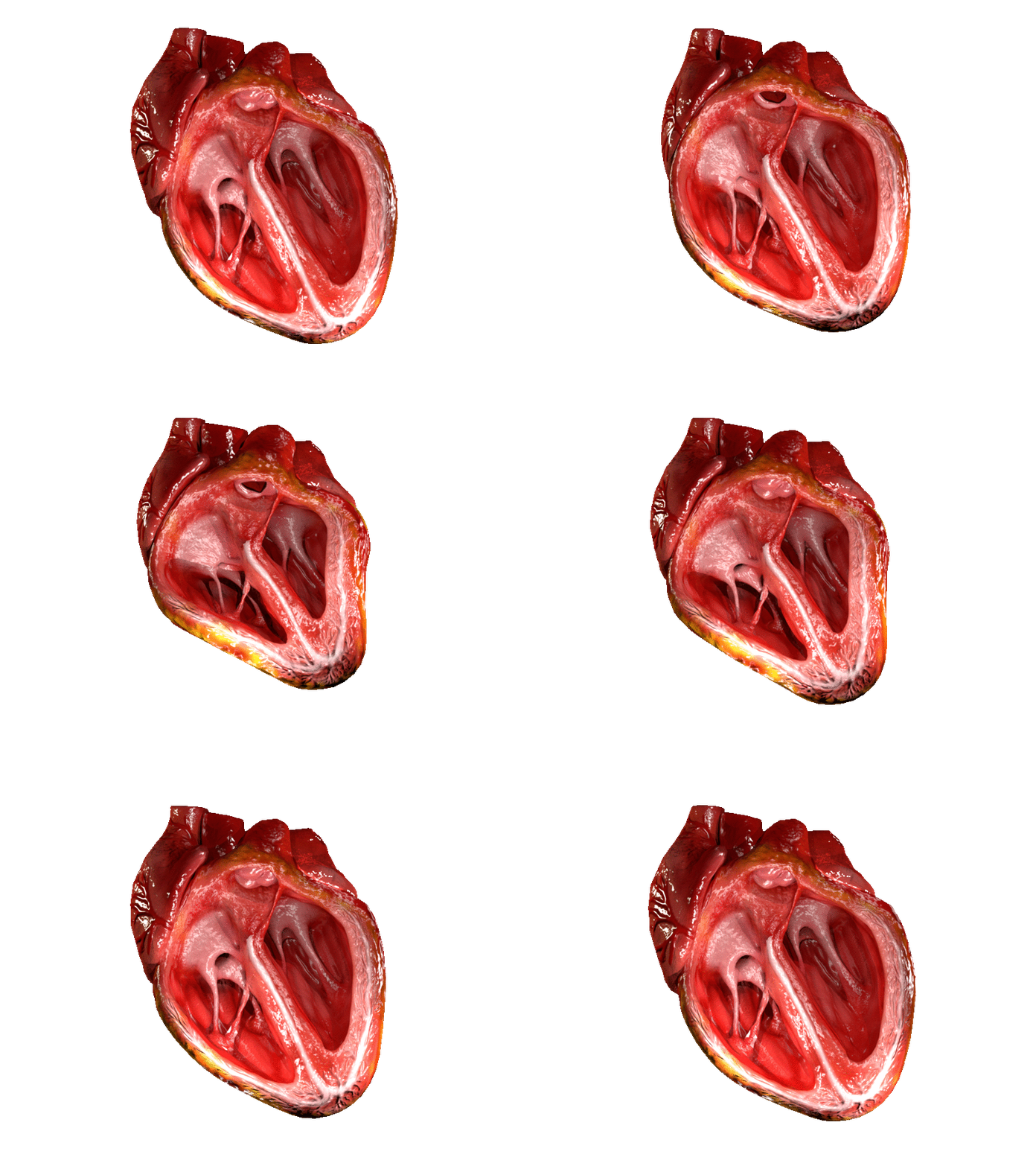
Valves of the heart in motion. The front wall of the heart is removed in this image.
Details
SystemCardiovascular
Identifiers
MeSHD006351
TA23973
FMA7110
Anatomical terminology

A heart valve (cardiac valve) is a biological one-way valve that allows blood to flow in one direction through the chambers of the heart. A mammalian heart usually has four valves. Together, the valves determine the direction of blood flow through the heart. Heart valves are opened or closed by a difference in blood pressure on each side.[1][2][3]

The mammalian heart has two atrioventricular valves separating the upper atria from the lower ventricles: the mitral valve in the left heart, and the tricuspid valve in the right heart. The two semilunar valves are at the entrance of the arteries leaving the heart. These are the aortic valve at the aorta, and the pulmonary valve at the pulmonary artery.

The heart also has a coronary sinus valve and an inferior vena cava valve, not discussed here.

Structure

[edit]
Structure of the heart valves
Blood flow through the valves

The heart valves and the chambers are lined with endocardium. Heart valves separate the atria from the ventricles, or the ventricles from a blood vessel. Heart valves are situated around the fibrous rings of the cardiac skeleton. The valves incorporate flaps called leaflets or cusps, similar to a duckbill valve or flutter valve, which are pushed open to allow blood flow and which then close together to seal and prevent backflow. The mitral valve has two cusps, whereas the others have three. There are nodules at the tips of the cusps that make the seal tighter.

The pulmonary valve has left, right, and anterior cusps.[4] The aortic valve has left, right, and posterior cusps.[5] The tricuspid valve has anterior, posterior, and septal cusps; and the mitral valve has just anterior and posterior cusps.

The valves of the human heart can be grouped in two sets:[6]

  • Two atrioventricular valves to prevent backflow of blood from the ventricles into the atria:
    • Tricuspid valve or right atrioventricular valve, between the right atrium and right ventricle
    • Mitral valve or bicuspid valve, between the left atrium and left ventricle
  • Two semilunar valves to prevent the backflow of blood into the ventricle:
    • Pulmonary valve, located at the opening between the right ventricle and the pulmonary trunk
    • Aortic valve, located at the opening between the left ventricle and the aorta.
Valve Number of flaps/cusps location prevent backflow of blood
Atrioventricular valves 3 (right), 2 (left) From the ventricles into the atria
Tricuspid valve 3 between the right atrium and right ventricle.
Bicuspid or mitral valve 2 between the left atrium and left ventricle.
Semilunar valves 3 (half-moon shaped) flaps into the ventricle
Pulmonary semilunar valve 3 (half-moon shaped) flaps at the opening between the right ventricle and the pulmonary trunk
Aortic semilunar valve 3 (half-moon shaped) flaps at the opening between the left ventricle and the aorta

Atrioventricular valves

[edit]
3D - loop of a heart viewed from the apex, with the apical part of the ventricles removed and the mitral valve clearly visible. Due to missing data, the leaflets of the tricuspid and aortic valves are not clearly visible, but the openings are; the pulmonary valve is not visible. On the left are two standard 2D views (taken from the 3D dataset) showing tricuspid and mitral valves (above) and aortal valve (below).

The atrioventricular valves are the mitral valve, and the tricuspid valve, which are situated between the atria and the ventricles, and prevent backflow from the ventricles into the atria during systole. They are anchored to the walls of the ventricles by chordae tendineae, which prevent them from inverting.

The chordae tendineae are attached to papillary muscles that cause tension to better hold the valve. Together, the papillary muscles and the chordae tendineae are known as the subvalvular apparatus. The function of the subvalvular apparatus is to keep the valves from prolapsing into the atria when they close.[7] The subvalvular apparatus has no effect on the opening and closure of the valves, however, which is caused entirely by the pressure gradient across the valve. The peculiar insertion of chords on the leaflet free margin, however, provides systolic stress sharing between chords according to their different thickness.[8]

The closure of the AV valves is heard as lub, the first heart sound (S1). The closure of the SL valves is heard as dub, the second heart sound (S2).

The mitral valve is also called the bicuspid valve because it contains two leaflets or cusps. The mitral valve gets its name from the resemblance to a bishop's mitre (a type of hat). It is on the left side of the heart and allows the blood to flow from the left atrium into the left ventricle.

During diastole, a normally-functioning mitral valve opens as a result of increased pressure from the left atrium as it fills with blood (preloading). As atrial pressure increases above that of the left ventricle, the mitral valve opens. Opening facilitates the passive flow of blood into the left ventricle. Diastole ends with atrial contraction, which ejects the final 30% of blood that is transferred from the left atrium to the left ventricle. This amount of blood is known as the end diastolic volume (EDV), and the mitral valve closes at the end of atrial contraction to prevent a reversal of blood flow.

The tricuspid valve has three leaflets or cusps and is on the right side of the heart. It is between the right atrium and the right ventricle, and stops the backflow of blood between the two.

Semilunar valves

[edit]

The aortic and pulmonary valves are located at the base of the aorta and the pulmonary trunk respectively. These are also called the "semilunar valves". These two arteries receive blood from the ventricles and their semilunar valves permit blood to be forced into the arteries, and prevent backflow from the arteries into the ventricles. These valves do not have chordae tendineae, and are more similar to the valves in veins than they are to the atrioventricular valves. The closure of the semilunar valves causes the second heart sound.

The aortic valve, which has three cusps, lies between the left ventricle and the aorta. During ventricular systole, pressure rises in the left ventricle and when it is greater than the pressure in the aorta, the aortic valve opens, allowing blood to exit the left ventricle into the aorta. When ventricular systole ends, pressure in the left ventricle rapidly drops and the pressure in the aorta forces the aortic valve to close. The closure of the aortic valve contributes the A2 component of the second heart sound.

The pulmonary valve (sometimes referred to as the pulmonic valve) lies between the right ventricle and the pulmonary artery, and has three cusps. Similar to the aortic valve, the pulmonary valve opens in ventricular systole, when the pressure in the right ventricle rises above the pressure in the pulmonary artery. At the end of ventricular systole, when the pressure in the right ventricle falls rapidly, the pressure in the pulmonary artery will close the pulmonary valve. The closure of the pulmonary valve contributes the P2 component of the second heart sound. The right heart is a low-pressure system, so the P2 component of the second heart sound is usually softer than the A2 component of the second heart sound. However, it is physiologically normal in some young people to hear both components separated during inhalation.

Development

[edit]

In the developing heart, the valves between the atria and ventricles, the bicuspid and the tricuspid valves, develop on either side of the atrioventricular canals.[9] The upward extension of the bases of the ventricles causes the canal to become invaginated into the ventricle cavities. The invaginated margins form the rudiments of the lateral cusps of the AV valves. The middle and septal cusps develop from the downward extension of the septum intermedium.

The semilunar valves (the pulmonary and aortic valves) are formed from four thickenings at the cardiac end of the truncus arteriosus.[9] These thickenings are called endocardial cushions.[citation needed] The truncus arteriosus is originally a single outflow tract from the embryonic heart that will later split to become the ascending aorta and pulmonary trunk. Before it has split, four thickenings occur. There are anterior, posterior, and two lateral thickenings. A septum begins to form between what will later become the ascending aorta and pulmonary tract. As the septum forms, the two lateral thickenings are split, so that the ascending aorta and pulmonary trunk have three thickenings each (an anterior or posterior, and half of each of the lateral thickenings). The thickenings are the origins of the three cusps of the semilunar valves. The valves are visible as unique structures by the ninth week. As they mature, they rotate slightly as the outward vessels spiral, and move slightly closer to the heart.[9]

Physiology

[edit]

In general, the motion of the heart valves is determined using the Navier–Stokes equation, using boundary conditions of the blood pressures, pericardial fluid, and external loading as the constraints. The motion of the heart valves is used as a boundary condition in the Navier–Stokes equation in determining the fluid dynamics of blood ejection from the left and right ventricles into the aorta and the lung.

Wiggers diagram, showing various events during a cardiac cycle, with closures and openings of the aortic and mitral marked in the pressure curves.
This is further explanation of the echocardiogram above. MV: Mitral valve, TV: Tricuspid valve, AV: Aortic valve, Septum: Interventricular septum. Continuous lines demarcate septum and free wall seen in echocardiogram, dotted line is a suggestion of where the free wall of the right ventricle should be. The red line represents where the upper left loop in the echocardiogram transects the 3D-loop, the blue line represents the lower loop.
Relationship between pressure and flow in open valves

The pressure drop, , across an open heart valve relates to the flow rate, Q, through the valve:

If:

  • Inflow energy conserved
  • Stagnant region behind leaflets
  • Outflow momentum conserved
  • Flat velocity profile
Valves with a single degree of freedom

Usually, the aortic and mitral valves are incorporated in valve studies within a single degree of freedom. These relationships are based on the idea of the valve being a structure with a single degree of freedom. These relationships are based on the Euler equations.

Equations for the aortic valve in this case:

where:

u = axial velocity
p = pressure
A = cross sectional area of valve
L = axial length of valve
Λ(t) = single degree of freedom; when

Atrioventricular valve

Clinical significance

[edit]

Valvular heart disease is a general term referring to dysfunction of the valves, and is primarily in two forms, either regurgitation, (also insufficiency, or incompetence) where a dysfunctional valve lets blood flow in the wrong direction,[10] or stenosis, when a valve is narrow.[11]

Regurgitation occurs when a valve becomes insufficient and malfunctions, allowing some blood to flow in the wrong direction. This insufficiency can affect any of the valves as in aortic insufficiency, mitral insufficiency, pulmonary insufficiency and tricuspid insufficiency. The other form of valvular heart disease is stenosis, a narrowing of the valve. This is a result of the valve becoming thickened and any of the heart valves can be affected, as in mitral valve stenosis, tricuspid valve stenosis, pulmonary valve stenosis and aortic valve stenosis. Stenosis of the mitral valve is a common complication of rheumatic fever. Inflammation of the valves can be caused by infective endocarditis, usually a bacterial infection but can sometimes be caused by other organisms. Bacteria can more readily attach to damaged valves.[12] Another type of endocarditis which doesn't provoke an inflammatory response, is nonbacterial thrombotic endocarditis. This is commonly found on previously undamaged valves.[12] A major valvular heart disease is mitral valve prolapse, which is a weakening of connective tissue called myxomatous degeneration of the valve. This sees the displacement of a thickened mitral valve cusp into the left atrium during systole.[11]

Disease of the heart valves can be congenital, such as aortic regurgitation or acquired, for example infective endocarditis. Different forms are associated with cardiovascular disease, connective tissue disorders and hypertension. The symptoms of the disease will depend on the affected valve, the type of disease, and the severity of the disease. For example, valvular disease of the aortic valve, such as aortic stenosis or aortic regurgitation, may cause breathlessness, whereas valvular diseases of the tricuspid valve may lead to dysfunction of the liver and jaundice. When valvular heart disease results from infectious causes, such as infective endocarditis, an affected person may have a fever and unique signs such as splinter haemorrhages of the nails, Janeway lesions, Osler nodes and Roth spots. A particularly feared complication of valvular disease is the creation of emboli because of turbulent blood flow, and the development of heart failure.[11]

Valvular heart disease is diagnosed by echocardiography, which is a form of ultrasound. Damaged and defective heart valves can be repaired, or replaced with artificial heart valves. Infectious causes may also require treatment with antibiotics.[11]

Congenital heart disease

[edit]

The most common form of valvular anomaly is a congenital heart defect (CHD), called a bicuspid aortic valve. This results from the fusing of two of the cusps during embryonic development forming a bicuspid valve instead of a tricuspid valve. This condition is often undiagnosed until calcific aortic stenosis has developed, and this usually happens around ten years earlier than would otherwise develop.[13][14]

Less common CHD's are tricuspid and pulmonary atresia, and Ebstein's anomaly. Tricuspid atresia is the complete absence of the tricuspid valve which can lead to an underdeveloped or absent right ventricle. Pulmonary atresia is the complete closure of the pulmonary valve. Ebstein's anomaly is the displacement of the septal leaflet of the tricuspid valve causing a larger atrium and a smaller ventricle than normal.

History

[edit]

Heart valves were first documented by Leonardo da Vinci over 500 years ago.[15] Da Vinci achieved this by doing dissections on cows, pigs, and humans and studying the dissections. Da Vinci also performed vivo studies on pigs, by using small metallic tracers to analyze the movement of blood in the heart. Da Vinci made wax casts of the bull heart to construct glass models of the bull heart to study the hydraulic characteristics of blood flowing through the heart and heart valves. This was done to make a circulation model that would mimic human circulation. Da Vinci used seeds to visualize turbulences and blood flow.[16]

Illustration of the valves of the heart when the ventricles are contracting.

The first medically proven and adopted artificial heart valve was the Star-Edwards valve, invented by Miles "Lowell" Edwards. The valve was first implanted in a patient in 1960 and remained in use, globally, until it was replaced in 2007 by Edwards' company, Edwards Lifesciences, with a new ring design.[17] Types of artificial heart valve include pericardial heart valves and the Bjork–Shiley valve.

References

[edit]
[edit]
Revisions and contributorsEdit on WikipediaRead on Wikipedia
from Grokipedia
A heart valve is one of the four specialized flaps of tissue within the human heart that open and close to regulate unidirectional blood flow through its chambers during the , preventing regurgitation and ensuring efficient circulation of oxygenated and deoxygenated blood. These valves include the , located between the right atrium and right ventricle; the (also known as the bicuspid valve), between the left atrium and left ventricle; the , at the entrance to the from the right ventricle; and the , at the base of the from the left ventricle. The tricuspid and mitral valves, classified as atrioventricular (AV) valves, consist of thin, flexible leaflets—three for the tricuspid and two for the mitral—anchored by chordae tendineae to papillary muscles in the ventricles, which prevent prolapse during ventricular contraction. In contrast, the pulmonary and aortic valves are semilunar valves with three cusps each, lacking chordae tendineae and instead supported by fibrous annuli within the arterial roots, allowing them to withstand high-pressure ejection of blood into the pulmonary circulation and systemic aorta, respectively. Structurally, all heart valves are avascular connective tissues less than 1 mm thick, composed of layered (ECM) including a collagen-rich fibrosa for tensile strength, an elastin-rich layer (atrialis in AV valves and ventricularis in semilunar valves) for flexibility, and a proteoglycan-rich spongiosa for cushioning, populated by valve interstitial cells (VICs) and lined by endothelial cells to maintain under mechanical stress. Functionally, the valves operate passively via gradients: AV valves open during to fill the ventricles and close during to block atrial backflow, while semilunar valves open during for ventricular outflow and close during to preserve in the great vessels. This coordinated action produces the characteristic "lub-dub" and supports the heart's role as a dual for pulmonary and systemic circuits. Heart valves develop embryonically from through epithelial-to-mesenchymal transition and signaling pathways like BMP, Wnt, and Notch, with cells contributing to semilunar valves. Malformations, such as bicuspid aortic valves affecting about 1% of the population, can predispose to dysfunction like or regurgitation, underscoring the valves' in cardiovascular health.

Anatomy and Structure

Atrioventricular valves

The atrioventricular valves, consisting of the on the left side and the on the right side of the heart, are located between the atria and ventricles, featuring leaflet structures anchored by to prevent during ventricular contraction. The , also known as the bicuspid valve, is positioned at the inlet of the left ventricle and comprises two main leaflets: the anterior leaflet, which is larger and semicircular, covering approximately one-third of the annular circumference but two-thirds of the valvular orifice, and the posterior leaflet, which is narrower but spans two-thirds of the annulus and is divided into three scallops (P1, P2, P3). These leaflets are connected via fibrous that attach to two papillary muscles in the left ventricle, with primary chordae linking to the leaflet edges and secondary chordae to the ventricular surfaces for support. The mitral annulus is a fibrous, ovoid ring surrounding the valve orifice, measuring an average diameter of 25-35 mm in adults, which provides structural stability and contracts during . The , situated at the inlet of the right ventricle, features three leaflets: the anterior (largest and most mobile), posterior (variable in size with multiple scallops), and septal (least mobile, attaching near the ). It has a larger orifice than the , with an average annular diameter of 30-40 mm and a valve area of 7-9 cm², and is supported by multiple attaching to three main papillary muscles in the right ventricle, including fan-like insertions that enhance stability. Microscopically, the leaflets of both atrioventricular valves consist of layered with a fibrosa layer rich in dense fibers for tensile strength, a spongiosa layer of glycosaminoglycans and proteoglycans for flexibility, and an atrialis layer with fibers; the surfaces are lined by that maintains and valve integrity. Leaflet thicknesses typically range from 1-2 mm, varying slightly by region with thicker fibrosa near the annulus.

Semilunar valves

The semilunar valves, consisting of the aortic and pulmonary valves, are positioned at the outlets of the left and right ventricles, respectively, to facilitate unidirectional flow into the major arteries. These valves feature thin, crescent-shaped cusps that open passively under ventricular pressure and close to prevent regurgitation. Unlike atrioventricular valves, they lack and attachments, relying instead on their semilunar geometry and fibrous reinforcements for function. The , located between the left ventricle and the , comprises three cusps: the right coronary, left coronary, and non-coronary cusps, each named based on the overlying sinuses from which the typically originate. These cusps exhibit a semilunar shape, with free edges that coapt centrally during closure, forming a tight seal supported by a central nodule of Arantius and lateral lunulae for flexibility. The is housed within the aortic root, featuring three dilatations known as the sinuses of Valsalva, which correspond to each cusp and help maintain coronary blood flow during by preventing occlusion of the coronary ostia. Three commissures, fibrous ridges at the sinotubular junction, anchor the cusps and ensure even spacing for proper opening. The normal aortic valve annulus diameter ranges from 20 to 30 mm in adults, varying with body size and sex, while cusp heights typically measure 12 to 25 mm. The , situated between the right and the pulmonary trunk, also has three cusps: anterior, right, and left, arranged in a semilunar configuration similar to the but with thinner, more delicate leaflets adapted to lower gradients. These cusps attach superiorly to the pulmonary trunk and inferiorly to the infundibulum (conus arteriosus) of the right ventricle, forming pulmonary sinuses analogous to the sinuses of Valsalva. The thinner leaflets, with lunulae along their free edges, contribute to efficient closure without the need for additional support structures. The normal pulmonary valve annulus diameter ranges from 18 to 26 mm in adults, slightly larger on average than the aortic, while cusp heights are comparable, around 1 to 2 cm, though effective coaptation heights may be lower due to the valve's pliability. Microscopically, both semilunar valves integrate with the heart's fibrous through a collagenous annulus at the ventriculo-arterial junction, reinforced by interleaflet fibrous triangles that connect to the ventricular and muscular walls, providing stability without . Each cusp consists of three layers: the fibrosa (collagen-rich outer layer facing the artery), spongiosa (proteoglycan-rich middle layer for flexibility), and ventricularis (elastin-rich inner layer facing the ventricle), enabling passive mechanics. The receives vascular supply primarily from the via a microvascular network in the basal cusp regions, supporting nutrient diffusion and tissue maintenance; the , in contrast, derives nourishment mainly from of the pulmonary trunk, with limited intrinsic vascularization.

Embryonic development

The embryonic development of heart valves begins during the fourth week of gestation, when endocardial cushions start to form in the atrioventricular (AV) canal and the outflow tract, specifically the truncus arteriosus. These cushions arise as swellings of the cardiac jelly, an extracellular matrix, through the deposition of proteoglycans like hyaluronan and versican, triggered by myocardial signals such as BMP2. By the end of the fourth week (approximately days 27-31), the cushions become populated by mesenchymal cells via epithelial-to-mesenchymal transition (EMT), where endocardial endothelial cells delaminate and invade the matrix, marking the initiation of valvulogenesis. This process is essential for partitioning the heart and forming functional valves by the fifth to ninth weeks. Atrioventricular valve development occurs primarily in the , where two pairs of —inferior (ventral) and superior (dorsal)—emerge around week 4. During weeks 5-6, the inferior and superior cushions fuse to create a mesenchymal that divides the AV canal into left and right orifices, precursors to the mitral and tricuspid valves, respectively. Lateral cushions contribute to the (free wall) leaflets, while a mesenchymal cap on the septal leaflets undergoes remodeling through and excavation, thinning the tissue into mature leaflets by weeks 7-9. This remodeling involves cessation and reorganization to form the fibrous leaflets connected to and papillary muscles. Semilunar valve development takes place in the during the fifth week, as form along the truncal ridges. Neural crest cells migrate into the outflow tract around weeks 4-5, contributing to the cushions and aiding in the formation of the aorticopulmonary , which divides the truncus into the and pulmonary trunk. By weeks 6-7, the cushions develop into nodular swellings that undergo proteolytic remodeling and excavation, sculpting three cusps per valve through localized and matrix degradation, resulting in the thin, mobile semilunar valves by week 9. Hemodynamic forces from emerging blood flow further guide this maturation. Key regulatory processes include signaling pathways that orchestrate EMT and maturation. Notch signaling, particularly via NOTCH1 and downstream effectors like and Hesr2, induces EMT in endocardial cells and establishes valve polarity, while TGF-β pathways, including TGF-β2 and BMP2, promote mesenchymal invasion and production during formation. plays a critical role in remodeling, selectively eliminating cells from cores to shape leaflets, with disruptions in these processes linked to congenital malformations such as .

Physiology and Function

Valve mechanics

Heart valves operate through intricate biomechanical processes that ensure unidirectional blood flow during the , primarily driven by hemodynamic forces and the material properties of their leaflets. The atrioventricular (AV) valves, including the mitral and tricuspid, and the semilunar valves, including the aortic and pulmonary, exhibit distinct yet complementary dynamics, with leaflets undergoing rapid , tension, and shear over approximately 3 billion cycles in a lifetime. These rely on the passive interaction of valve structures with transvalvular gradients, enabling efficient opening and closure without significant energy expenditure from the valve tissues themselves. The opening and closing mechanisms differ between AV and semilunar valves. During ventricular , AV valves close passively as ventricular exceeds atrial ; papillary muscles contract to tense the , approximating the leaflets and preventing or eversion into the atria. This process occurs rapidly, within about 50 milliseconds, under peak transvalvular of up to 120 mmHg. In contrast, semilunar valves function passively, opening during when ventricular exceeds arterial (e.g., left ventricle surpassing aortic by 80-120 mmHg), allowing forward flow, and closing in early via and reversal of the , aided by vortices in the sinuses of Valsalva that promote cusp coaptation. Biomechanical properties of the valve leaflets are essential for withstanding cyclic loading while maintaining flexibility and sealing integrity. Leaflets exhibit anisotropic, nonlinear stress-strain relationships due to their tri-layered : the fibrosa (collagen-rich) provides tensile strength to resist stresses, with ultimate tensile stress around 1.7 MPa for human valves during closure, the spongiosa (proteoglycan-rich) enables low for smooth flexure at strain rates of 500-1000% per second, and the ventricularis or atrialis (elastin-rich) facilitates and extensibility with areal strains of 15-30%. Coaptation zones, where leaflets seal against each other, form under biaxial tension through fiber realignment and crimping, ensuring a competent closure with minimal leakage; disruptions in these zones can lead to incomplete , though normal mechanics achieve effective sealing via 10-20% cyclic stretch. Transvalvular pressure gradients, which drive these mechanics, can be estimated using the simplified Bernoulli principle, relating the () across a to (v) as = 4v², where v is typically measured via in meters per second; this equation approximates the conversion of kinetic energy to , providing key for normal gradients (e.g., <10 mmHg across AV valves in diastole). In the cardiac cycle, AV valves close at the onset of systole to isolate the atria, while semilunar valves open to eject , reversing in diastole when semilunar valves close under arterial backpressure (≈80 mmHg) and AV valves open for ventricular filling, all coordinated by pressure differentials that minimize energy loss.

Blood flow regulation

Heart valves play a critical role in ensuring unidirectional blood flow through the heart, preventing backflow and facilitating efficient propulsion of blood during the cardiac cycle. By opening and closing in precise coordination with atrial and ventricular contractions, these valves direct blood from the atria to the ventricles and then to the pulmonary and systemic circulations, maintaining overall cardiac output. This regulation is essential for sustaining adequate perfusion to vital organs without excessive energy expenditure by the myocardium. During the cardiac cycle, atrioventricular (AV) valves, including the mitral and tricuspid, open during diastole to allow passive filling of the ventricles from the atria, driven by the pressure gradient between these chambers. As ventricular pressure rises in early systole, the AV valves close to prevent regurgitation, while semilunar valves (aortic and pulmonary) open to enable ejection of blood into the aorta and pulmonary artery, respectively. This sequential action ensures that blood moves forward without mixing between chambers or reversing direction, optimizing the heart's pumping efficiency. The semilunar valves close at the end of systole as ventricular pressure falls below arterial pressure, completing the cycle and preparing for the next diastolic phase. Blood flow across healthy heart valves is predominantly laminar, characterized by smooth, layered movement that minimizes resistance and energy loss, though brief transitions to turbulent flow may occur during rapid acceleration or deceleration phases, such as valve opening and closure. Turbulent flow, involving chaotic eddies and higher shear stress, is generally avoided in normal physiology to preserve endothelial integrity and efficient circulation. Stroke volume (SV), the amount of blood ejected per beat, is calculated as the difference between end-diastolic volume (EDV) and end-systolic volume (ESV), reflecting the valves' contribution to complete ventricular emptying and filling. Compensatory mechanisms further enhance valve-regulated flow, such as the atrial kick, where late diastolic atrial contraction boosts ventricular filling by 20-30% in healthy individuals, augmenting preload through open AV valves. For semilunar valve efficiency, the timing of ventricular contraction aligns with rising intracardiac pressure to ensure rapid opening and sustained forward flow during systole, reducing the workload on the ventricle. These dynamics integrate with overall heart function to determine ejection fraction (EF), a key measure of systolic performance calculated as EF=SVEDV×100%EF = \frac{SV}{EDV} \times 100\%, where efficient valve operation typically yields an EF of 50-70% in adults, underscoring their role in maintaining cardiac output.

Clinical Aspects

Congenital heart defects

Congenital heart defects involving the heart valves are structural malformations present at birth that disrupt normal blood flow through the heart, often leading to significant hemodynamic consequences such as ventricular hypertrophy, cyanosis, or heart failure if untreated. These anomalies arise during embryonic development and can affect any of the four heart valves, though the aortic, tricuspid, and mitral valves are most commonly implicated. Bicuspid aortic valve (BAV), the most prevalent congenital valve defect, occurs when the aortic valve has two cusps instead of three, with a population prevalence of 1-2%. This abnormality alters systolic ejection, increasing turbulent flow and shear stress on the valve and proximal aorta. Ebstein's anomaly of the tricuspid valve involves apical displacement and dysplasia of the septal and posterior leaflets, resulting in severe tricuspid regurgitation and a reduced functional right ventricle, which impairs right ventricular filling and can cause atrialization of part of the ventricle. In hypoplastic left heart syndrome (HLHS), the mitral valve is often underdeveloped or stenotic, contributing to underdevelopment of the left ventricle and aorta, thereby obstructing left-sided blood flow and forcing reliance on a patent ductus arteriosus for systemic perfusion. The pathophysiology of these defects centers on disrupted hemodynamics from birth, where abnormal valve morphology leads to inefficient closure or opening, promoting volume or pressure overload. In , the fused cusps cause eccentric flow patterns that accelerate valve calcification and endothelial dysfunction, often resulting in early aortic stenosis or regurgitation and subsequent left ventricular hypertrophy. produces significant tricuspid regurgitation, leading to right atrial enlargement, cyanosis due to right-to-left shunting through an atrial septal defect, and reduced cardiac output from the "atrialized" right ventricle. with mitral involvement exacerbates left heart hypoplasia, causing pulmonary venous congestion and systemic hypoperfusion, which manifests as cyanosis and metabolic acidosis in neonates. Genetic factors play a key role; for instance, mutations in the NOTCH1 gene, a regulator of cardiac development, are associated with BAV by impairing endocardial cushion formation and valve leaflet separation, accounting for a subset of familial cases. Congenital valve diseases contribute to the overall incidence of congenital heart disease, which affects approximately 0.8% of live births worldwide. Among these, valve-specific anomalies like BAV represent about 1-2% of all live births, while occurs in roughly 1 in 200,000 births, and HLHS in 2-3 per 10,000. Long-term risks are particularly pronounced in BAV, where altered flow promotes progressive aortic root dilation, increasing the lifetime risk of aortic aneurysm or dissection by up to 20-fold compared to tricuspid valves. These valve defects are frequently associated with genetic syndromes that amplify their hemodynamic impact. In Turner syndrome, caused by monosomy X, BAV prevalence reaches 15-30%, heightening risks of aortic dilation and dissection due to combined genetic and estrogen deficiency effects on vascular elasticity. DiGeorge syndrome, resulting from 22q11.2 deletion, is linked to conotruncal defects such as tetralogy of Fallot or interrupted aortic arch, which often involve semilunar valve abnormalities like pulmonary stenosis or absent aortic valve, stemming from neural crest cell migration defects during embryogenesis.

Acquired valvular diseases

Acquired valvular diseases encompass a range of non-congenital conditions that impair heart valve function, primarily through mechanisms such as inflammation, fibrosis, calcification, or structural disruption following postnatal insults like infection or ischemia. These disorders often develop progressively and can lead to stenosis (narrowing) or regurgitation (leakage), compromising cardiac output and increasing the risk of heart failure, arrhythmias, or thromboembolism. Unlike congenital anomalies, acquired diseases typically manifest in adulthood, with etiologies tied to environmental, infectious, or degenerative factors prevalent in specific populations. Rheumatic heart disease (RHD) arises as a delayed autoimmune sequela of acute rheumatic fever, triggered by an abnormal immune response to group A Streptococcus pyogenes pharyngeal infections, resulting in valvular inflammation and progressive scarring. This post-streptococcal process leads to fibrosis, chordal thickening, and fusion of valve leaflets, predominantly affecting the mitral valve in nearly all cases. In developing regions, such as sub-Saharan Africa and South Asia, RHD remains highly prevalent, with an estimated 55 million cases worldwide and up to 444 per 100,000 population in endemic areas, causing over 360,000 deaths annually, mostly among young adults. Mitral stenosis, a hallmark late-stage manifestation characterized by restricted leaflet motion and a mean gradient ≥4 mmHg, accounts for a significant proportion of RHD cases in these settings, often exceeding 50% in newly diagnosed patients in resource-limited areas like Uganda. Degenerative calcification of the aortic valve, also known as calcific aortic valve disease, represents the leading cause of aortic stenosis in industrialized populations, driven by age-related fibrocalcific remodeling, lipid deposition, and osteogenic differentiation of valve interstitial cells. This process begins as aortic sclerosis, involving focal thickening and calcification without significant obstruction, and progresses to stenosis as calcium nodules stiffen the leaflets, reducing valve area and increasing transvalvular pressure gradients. Aortic sclerosis affects approximately 25% of individuals over 65 years in developed countries, with progression to hemodynamically significant stenosis occurring at a rate of 1.8–1.9% per year. By age 80, severe stenosis impacts up to 10% of the elderly, often culminating in left ventricular hypertrophy and symptomatic heart failure if untreated. Infective endocarditis involves microbial colonization of valvular endocardium, where bacteria adhere to damaged endothelium or prosthetic surfaces via platelet-fibrin thrombi, forming destructive vegetations that erode leaflets and cause regurgitation or perforation. Predisposing factors include valvular abnormalities, intravenous drug use, or invasive procedures, with Staphylococcus aureus being a common culprit due to its virulence factors promoting adhesion and biofilm formation. Diagnosis relies on the modified Duke criteria, requiring either two major criteria (e.g., persistent bacteremia with typical organisms and echocardiographic evidence of vegetation) or one major plus three minor criteria (e.g., fever, predisposing condition, vascular phenomena). Despite antibiotics and supportive care, in-hospital mortality ranges from 18% to 30%, rising to 40% at one year, particularly in prosthetic valve cases. Ischemic valvular dysfunction often stems from acute myocardial infarction (MI), where infarction of the papillary muscles—key supports for the mitral valve—leads to rupture and severe regurgitation. The posteromedial papillary muscle is especially vulnerable due to its singular blood supply from the posterior descending artery, with rupture typically occurring 2–7 days post-MI in 0.07–0.26% of cases, predominantly after inferior wall infarcts. This results in acute, eccentric mitral regurgitation, flooding the left atrium with blood and precipitating cardiogenic shock, pulmonary edema, and multiorgan failure. Without emergent intervention, mortality approaches 75% within 24 hours, underscoring the ischemic cascade's rapid decompensation of valvular integrity.

Diagnosis and Assessment

Imaging modalities

Echocardiography serves as the cornerstone for non-invasive assessment of heart valve structure and function, providing real-time imaging of valve anatomy, motion, and hemodynamics. Transthoracic echocardiography (TTE) is the initial modality of choice for evaluating suspected or known valvular heart disease due to its accessibility and ability to assess valve morphology, chamber sizes, ventricular function, and transvalvular gradients using two-dimensional (2D) and Doppler techniques. Transesophageal echocardiography (TEE), performed via a probe in the esophagus, offers superior spatial resolution (approximately 0.1-0.5 mm) compared to TTE (0.5-1 mm), making it essential when TTE images are suboptimal, such as for detailed prosthetic valve evaluation or pre-procedural planning. Both TTE and TEE can incorporate three-dimensional (3D) imaging to enhance visualization of complex valve geometries, such as mitral valve prolapse or regurgitation jets, though 3D modes may have reduced temporal resolution. The 2025 ESC/EACTS guidelines emphasize the use of 3D echocardiography for accurate assessment of valve pathophysiology and severity. Doppler echocardiography, integral to both TTE and TEE, quantifies valve dysfunction through velocity measurements and pressure gradients; for instance, a mean transaortic gradient exceeding 40 mmHg or peak velocity of at least 4 m/s indicates severe aortic stenosis. The continuity equation, derived from the principle of flow conservation, calculates aortic valve area (AVA) as follows: AVA=CSALVOT×VTILVOTVTIAo\text{AVA} = \frac{\text{CSA}_{\text{LVOT}} \times \text{VTI}_{\text{LVOT}}}{\text{VTI}_{\text{Ao}}} where CSALVOT\text{CSA}_{\text{LVOT}} is the left ventricular outflow tract cross-sectional area, and VTILVOT\text{VTI}_{\text{LVOT}} and VTIAo\text{VTI}_{\text{Ao}} are the velocity-time integrals in the LVOT and across the aortic valve, respectively; an AVA ≤1.0 cm² signifies severe stenosis. Color Doppler complements these by mapping regurgitant flows, while spectral Doppler assesses severity through parameters like vena contracta width or proximal isovelocity surface area. Cardiac magnetic resonance imaging (MRI) and computed tomography (CT) provide complementary advanced imaging for valve assessment, particularly when echocardiography is inconclusive. Cardiac MRI excels in tissue characterization and quantitative flow analysis, with spatial resolution of 1.2-1.5 mm per pixel, enabling precise measurement of regurgitant volumes and fractions via phase-contrast sequences; gadolinium-based contrast enhancement aids in detecting fibrosis or inflammation in valve leaflets during regurgitation evaluation. Cardiac CT, offering sub-millimeter resolution (0.4-0.6 mm isotropic voxels), is valuable for quantifying aortic valve calcification (e.g., Agatston scores >2000 AU in men or >1300 AU in women for severe low-flow, low-gradient ) and pre-procedural annulus sizing. Both modalities apply the for valve area quantification in discrepant cases, supporting surgical planning by detailing valve geometry and associated aortic root pathology. Fluoroscopy, often used intraoperatively or during catheter-based procedures, provides high temporal resolution (up to 30 frames per second) for real-time guidance of valve deployment, such as in transcatheter aortic valve replacement, by visualizing device position and leaflet motion without contrast in mechanical prostheses. Its spatial resolution (approximately 0.2-0.5 mm) allows detection of restricted leaflet excursion in thrombosis, though it lacks soft-tissue detail and requires integration with echocardiography for comprehensive assessment.

Clinical evaluation

Clinical evaluation of heart valve disorders begins with a detailed to identify symptoms that reflect disease severity and guide further assessment. Common symptoms include dyspnea on exertion, which is classified using the New York Heart Association (NYHA) functional classes I through IV, ranging from no limitation in ordinary activity (class I) to symptoms at rest (class IV). and syncope also signal advanced valvular pathology, often prompting urgent evaluation. Murmur characteristics, such as the low-pitched diastolic rumble heard in , provide initial clues during history recall of prior auscultatory findings. Laboratory biomarkers, such as B-type natriuretic peptide (BNP ≥300 pg/mL) or N-terminal pro-BNP (NT-proBNP ≥1000 pg/mL), aid in assessing disease severity, prognosis, and response to therapy, particularly in heart failure associated with valvular disease. Exercise testing, including treadmill or bicycle protocols, is recommended for asymptomatic patients with severe valvular disease to evaluate exercise capacity, provoke latent symptoms, and assess hemodynamic responses like blood pressure changes or arrhythmias. Physical examination complements history by detecting signs of hemodynamic compromise. may reveal , palpable vibrations from turbulent flow in severe or regurgitation, typically at the site of the affected . A displaced apical impulse suggests left ventricular enlargement due to chronic volume or pressure overload from valvular lesions. Jugular venous distension indicates elevated right-sided pressures, commonly in or secondary to left-sided valve disease. focuses on and murmurs, with changes in intensity or timing warranting correlation with symptoms. Risk stratification employs standardized tools to assess perioperative and thromboembolic risks. The EuroSCORE II evaluates surgical mortality risk for valve procedures, incorporating factors such as age, comorbidities, and operative urgency to predict in-hospital outcomes. For patients with complicated by , the CHA2DS2-VASc score guides anticoagulation by estimating annual stroke risk based on age, sex, vascular disease, and other factors, excluding cases of rheumatic or mechanical prostheses. The ACC/AHA guidelines stage from A (at risk, no structural disease) to D (symptomatic severe disease requiring intervention), integrating symptoms, , and hemodynamic impact to inform progression monitoring; this staging aligns with equivalents in the 2025 ESC/EACTS guidelines. This staging facilitates risk assessment alongside clinical findings, emphasizing symptom onset as a threshold for advanced stages.

Treatment and Management

Medical therapies

Medical therapies for heart valve disease primarily aim to alleviate symptoms, manage complications such as and , and prevent infections like , while optimizing patient in non-surgical candidates or as adjunctive measures. These interventions include pharmacological agents tailored to specific valvular pathologies and modifications to support cardiovascular . Guidelines from major societies emphasize individualized approaches based on disease severity, valve type, and comorbidities. In patients with valvular regurgitation complicated by , diuretics are recommended to reduce and alleviate symptoms such as dyspnea and . For instance, like are commonly used in severe to manage congestion, classified as a Class I recommendation with Level of Evidence C in the 2020 ACC/AHA guidelines. Vasodilators, particularly (ACE) inhibitors or angiotensin receptor blockers (ARBs), are employed to decrease and improve left ventricular function, especially in chronic with or in secondary with with reduced (HFrEF); these are supported by Class I (Level B) for HFrEF contexts and Class IIb (Level C) for in . Such therapies do not alter the underlying valve pathology but provide symptomatic relief pending definitive intervention. Anticoagulation is essential for preventing thromboembolic events in patients with mechanical prosthetic valves or certain native valve conditions. , a , is the standard therapy for mechanical valves, targeting an international normalized ratio (INR) of 2.5 (range 2.0-3.0) for aortic positions and 3.0 (range 2.5-3.5) for mitral positions, as per Class I (Level B) recommendations in the 2020 ACC/AHA guidelines and Class I (Level A) in the 2025 ESC/EACTS guidelines. Direct oral anticoagulants (DOACs) are contraindicated in patients with mechanical valves or rheumatic due to increased risk of valve , earning a Class III (Level B) recommendation in ACC/AHA and Class III (Level A) in ESC/EACTS. For bioprosthetic valves or native valves (excluding rheumatic ) with , DOACs may be reasonable after the initial postoperative period, classified as Class IIa (Level B). Antibiotic prophylaxis remains a key strategy to prevent in high-risk patients with . According to the 2020 ACC/ guidelines, prophylaxis is reasonable (Class IIa, Level C) for individuals with prosthetic valves, prior endocarditis, or certain congenital defects during high-risk procedures such as dental manipulations that involve manipulation of gingival tissue or periapical region of teeth. The () specifies regimens like amoxicillin 2 g orally 30-60 minutes prior for adults, with alternatives for penicillin-allergic patients, aligning with evidence that such measures reduce bacteremia-related complications in susceptible populations. The 2025 ESC/EACTS guidelines similarly endorse prophylaxis (Class IIa, Level B) for high-risk patients undergoing invasive procedures on infected or . Lifestyle interventions complement by promoting symptom control and delaying progression in or mildly symptomatic patients. Sodium restriction to less than 2 g per day is advised to minimize fluid retention and reduce the need for diuretics, particularly in those with symptoms from regurgitation or , as a Class I (Level C) recommendation in both ACC/AHA and ESC/EACTS guidelines. For patients, regular is encouraged to enhance and functional capacity, tailored to avoid excessive strain on the affected ; this includes moderate activities like walking or for 30 minutes most days, with exercise testing recommended for risk stratification (Class I, Level B in ESC/EACTS). Patients should consult healthcare providers to customize regimens, ensuring avoidance of isometric exercises or competitive sports in severe cases.

Surgical and interventional procedures

Surgical and interventional procedures for heart valves encompass both open-heart surgeries and minimally invasive catheter-based techniques aimed at repairing or replacing dysfunctional valves to restore normal blood flow and alleviate symptoms of valvular disease. These interventions are typically indicated for severe or regurgitation confirmed by preoperative imaging, such as . Valve repair is preferred when feasible, as it preserves native tissue and avoids prosthetic complications, while replacement is reserved for irreparable cases. Valve repair techniques focus on restoring the valve's structure and function without full substitution. For mitral regurgitation, annuloplasty involves suturing a prosthetic ring around the mitral annulus to reduce its dilatation and improve leaflet coaptation, often combined with leaflet resection or chordal replacement using polytetrafluoroethylene sutures. Transcatheter edge-to-edge repair (TEER), such as with the MitraClip device, is an established interventional option for high-risk patients with symptomatic severe primary or secondary mitral regurgitation, involving catheter-based clipping of leaflets to reduce regurgitation; it is recommended as Class IIa (Level B) in the 2025 ESC/EACTS guidelines, with procedural success rates exceeding 90% and significant symptom improvement in eligible patients. This approach achieves freedom from significant regurgitation in over 90% of cases at one year. For mitral stenosis, particularly rheumatic in origin, commissurotomy separates fused commissures to enlarge the valve orifice, performed via open surgery with cardiopulmonary bypass or percutaneously using balloon inflation. Open commissurotomy increases valve area and reduces left atrial pressure, with procedural success exceeding 95% in suitable candidates. Valve replacement is indicated when repair is not possible, involving excision of the native valve and implantation of a . Bioprosthetic valves, derived from porcine or bovine tissue, offer hemodynamic performance similar to native valves and do not require lifelong anticoagulation, but their durability is limited to approximately 10-15 years before structural degeneration, necessitating potential reintervention. In contrast, mechanical valves, typically made of , provide superior long-term durability exceeding 20 years but mandate lifelong anticoagulation with to prevent , increasing bleeding risks. The choice depends on patient age, comorbidities, and lifestyle, with bioprosthetics favored in older patients to avoid anticoagulation burdens. Transcatheter approaches have revolutionized treatment for high-surgical-risk patients. (TAVR) deploys a collapsible bioprosthetic via access to treat , achieving procedural success rates over 95% in recent low-risk trials, with low rates of residual regurgitation. Transcatheter mitral valve replacement (TMVR) is an emerging option for severe in inoperable patients, using dedicated devices to anchor a prosthetic transseptally, showing feasibility and reduced left obstruction in early 2025 studies. Overall outcomes for these procedures demonstrate low of 1-5%, varying by risk profile and valve type, with isolated repairs carrying the lowest rates around 1-3%. Long-term for valve repairs reaches approximately 80% at 10 years, outperforming replacements due to preservation of native and avoidance of prosthetic-related complications.

History and Advancements

Historical discoveries

The earliest descriptions of heart valves emerged in ancient during the AD, when the Roman physician , through dissections of animal hearts, identified the presence of four valves and their function in permitting unidirectional flow. Although Galen's understanding was limited by his adherence to humoral and in septal pores for blood passage between ventricles, his observations marked the initial recognition of valvular structures as essential components of cardiac anatomy. Renaissance advancements significantly refined these early insights, particularly through the work of Andreas Vesalius in his 1543 publication De Humani Corporis Fabrica. Based on direct human cadaver dissections, Vesalius provided accurate illustrations and descriptions of the atrioventricular (AV) valves, including the mitral and tricuspid structures, correcting Galenic inaccuracies such as exaggerated valve counts and emphasizing their anatomical integration with chordae tendineae. This text revolutionized anatomical study by prioritizing empirical observation over ancient authority, laying groundwork for precise valvular anatomy. A pivotal development occurred in 1628 with William Harvey's Exercitatio Anatomica de Motu Cordis et Sanguinis in Animalibus, which affirmed the functional role of heart valves in systemic circulation. Harvey demonstrated through vivisections and ligature experiments that valves prevent retrograde blood flow, propelling it unidirectionally from the heart through arteries and back via veins, thus establishing the heart as a muscular pump central to a closed circulatory loop. His findings integrated valvular mechanics into a cohesive physiological model, challenging prevailing Galenic views. In the mid-19th century, pathological understanding advanced with Rudolf Virchow's investigations into cellular processes, particularly in the 1850s, where he linked to valvular damage through descriptions of intimal overgrowths and verrucous lesions in . Virchow's cellular framework revealed how rheumatic led to fibrotic thickening and fusion of valve leaflets, providing a mechanistic basis for chronic valvular dysfunction observed in post-rheumatic hearts.

Modern innovations

The development of prosthetic heart valves marked a pivotal advancement in the mid-20th century, transitioning from experimental concepts to clinical reality. In 1952, Charles Hufnagel implanted the first , a ball-cage made of plastic, into a patient at Hospital, addressing aortic insufficiency in an era before was routine. This caged-ball prosthesis, initially placed in the to avoid intracardiac surgery, demonstrated feasibility despite limitations like and , paving the way for durable mechanical replacements. Building on this foundation, the Starr-Edwards caged-ball valve, introduced in 1960, became the first successful mechanical prosthesis for intracardiac use following the advent of open-heart surgery. Implanted by Albert Starr on September 21, 1960, at the Medical School, it featured a ball within a metal cage and cloth-covered struts, offering reliable function with long-term durability in thousands of patients worldwide. Over subsequent decades, iterative designs reduced complications such as , though lifelong anticoagulation remained necessary. The transcatheter revolution transformed valvular therapy in the early , enabling minimally invasive . On April 16, 2002, Alain Cribier performed the first-in-human (TAVR) in , , using a balloon-expandable bovine pericardial valve delivered retrogradely via femoral access in an inoperable patient with severe . This breakthrough, building on prior balloon valvuloplasty work, shifted paradigms from surgical to interventions. The U.S. approved the Edwards SAPIEN balloon-expandable valve in November 2011 for high-risk patients, based on the PARTNER trial demonstrating superior outcomes over medical therapy. By 2025, next-generation TAVR devices have incorporated self-expanding nitinol frames for improved conformability and reduced paravalvular leak, expanding eligibility to low-risk and younger patients. Innovations like the Evolut PRO/PRO+ and Navitor valves feature outer skirts and adaptive seals to optimize anchoring in calcified annuli, with clinical data showing lower rates of moderate-to-severe regurgitation (under 1%) and permanent pacemaker implantation (around 10-15%). In August 2025, the European Society of Cardiology updated guidelines to recommend considering TAVR earlier, with an age cutoff of 70 years for suitable patients. Globally, TAVR procedures have exceeded 1,000,000 cumulatively as of 2025, with annual volumes reaching approximately 200,000, significantly reducing reliance on open-heart surgery for aortic stenosis by providing a less invasive alternative that reduces the one-year risk of death, stroke, or rehospitalization by 46% compared to surgical replacement in low-risk patients. Tissue engineering represents a frontier in regenerative valvular therapy, aiming for living, growth-compatible replacements. Stem cell-seeded scaffolds, using autologous mononuclear cells on bioresorbable matrices like polyglycolic acid, have progressed to pivotal clinical trials by 2025, with over 40 implants in adult and pediatric patients demonstrating safety and remodeling potential without . These phase II/III studies, such as those evaluating decellularized valves, show host cell repopulation and reduced compared to lifeless bioprosthetics, though long-term durability data remain pending. Initial results indicate viability for congenital defects, with expected phase III advancement in the coming years.

References

Add your contribution
Related Hubs
User Avatar
No comments yet.