


Community hub
Recent from talks
Contribute something
Nothing was collected or created yet.
Cosmetic industry
View on Wikipedia
The cosmetic industry describes the industry that manufactures and distributes cosmetic products. These include colour cosmetics, like foundation and mascara, skincare such as moisturisers and cleansers, haircare such as shampoos, conditioners and hair colours, and toiletries such as bubble bath and soap. The manufacturing segment of the industry is dominated by a small number of multinational corporations that originated in the early 20th century, but the distribution and sale of cosmetics is spread among a wide range of different businesses. Cosmetics must be safe when customers use them in accordance with the label's instructions or in the conventional or expected manner. One measure a producer may take to guarantee the safety of a cosmetic product is product testing. FDA occasionally does testing as part of its research program or when looking into potential safety issues with a product. Both the cosmetics business and consumers can benefit from the FDA's resources on product testing.
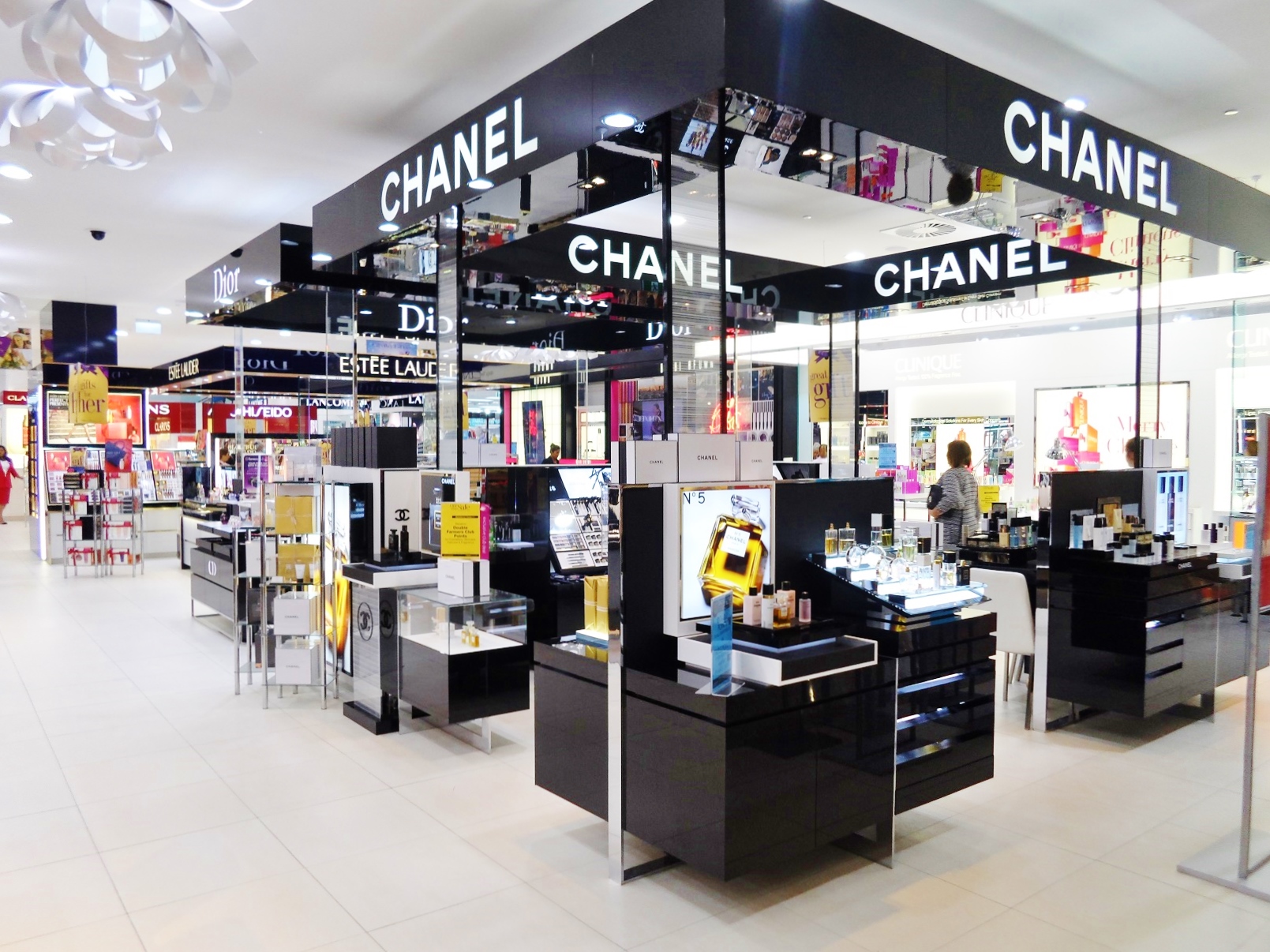
The largest cosmetic companies are L'Oreal, Estée Lauder, Coty, Nivea, Shiseido and Chanel.[1] The market volume of the cosmetics industry in Europe and the United States is about EUR €70 billion per year, according to a 2005 publication.[2] The worldwide cosmetics and perfume industry currently generates an estimated annual turnover of US$170 billion (according to Eurostaf – May 2007). Europe is the leading market, representing approximately €63 billion[as of?].
By region
[edit]Americas
[edit]United States
[edit]Within the United States, the state of California has the largest concentration of beauty establishments in America at 25.5%, followed by New Jersey at 8.1% of American beauty establishments.[3] Since 2016, the number of cosmetic stores rises between 3 and 4% each year and employment in this division is rising each year 13-16%.[citation needed]
California has the largest concentration due to social media marketing from celebrities and 'beauty gurus'. For example, Kylie Jenner's company Kylie Cosmetics, is valued at $800 million and sold an estimated $330 million worth of makeup in 2017. YouTube and social media influencers Jeffree Star (Jeffree Star Cosmetics), and Michelle Phan (Ipsy), and pop-star Rihanna with her Fenty Beauty line of cosmetics, have also contributed to California's rising popularity in the beauty industry.[citation needed]
Because the US dollar is so valuable to other countries around the world, it has become extremely expensive for most countries to import American beauty products and to export their own products to America. However, there are a few countries with beauty products that are in popular demand in America due to their quality and value including France, Canada, Italy, and the United Kingdom.
As of 2018, "These four countries account for 45.2% of all industry imports as domestic consumers demand luxury products".[3] South Korean and Japanese skincare products which are designed to be more gentle and innovative, are also becoming more popularized in the United States due to their quality and affordability. The U.S. has held the same regulation over this industry since 1938 under the FD&C Act, which has gained additional amendments over time.[4]
Canada
[edit]Canada is a big influencer in the American beauty industry due to its proximity to the United States and because it falls under the North American Free Trade Agreement (NAFTA). This agreement "eliminates most tariffs on products traded between Canada, Mexico, and the United States,"[5] and allows Canada to trade superfluously. Canada accounts for an estimated 13.6% of imports and 19.9% of cosmetic exports in 2018.[3] [citation needed]Because Mexico also benefits from the NAFTA trade agreement, they represent another top cosmetic importer and exporter for lower-priced beauty products which are manufactured in mass and sold in large drug store chains in America.[citation needed]
Europe
[edit]France
[edit]Cosmetic sales in France reached €6.5 billion in 2006, according to FIPAR (Fédération des Industries de la Parfumerie – the French federation for the perfume industry).[6] France is another country in which the cosmetic industry plays an important role, both nationally and internationally. Most products with a label, "Made in France" are valued on the international market. According to data from 2008, the cosmetic industry has grown constantly in France for 40 consecutive years. Famous cosmetic brands produced in France include Vichy, Yves Saint Laurent, Yves Rocher, Bioderma and L'Oreal. L'Oreal is known for its mass production of hair and makeup products which are produced in mass and sold in drug stores in America as well as internationally. L'Oreal has gained popularity especially due to its app Makeup Genius which allows users to try on makeup using their phone camera in addition to working with Los Angeles-based NYX Cosmetics and Estee Lauder's MAC Cosmetics, L'Oreal is one of the leading cosmetic brands in the United States. According to the company's latest financial report of 2017, North America accounted for 13.6% of the company's global cosmetic sales.[7]

Germany
[edit]In Germany, the cosmetic industry generated €12.6 billion of retail sales in 2008,[7] which, at the time, made the German cosmetic industry the third largest in the world after Japan and the United States. It has been shown that Germany's cosmetic industry grew nearly 5 percent in one year, from 2007 to 2008. German exports in this industry reached €5.8 billion in 2008, whereas imports of cosmetics totaled €3 billion.[7] Germany gains most of its imported cosmetics from France, Switzerland, the United States and Italy.[citation needed]
Italy
[edit]In Italy, the cosmetics industry makes a significant contribution in the national economy, known by its commitment to innovation, quality, and the status enjoyed by the "Made in Italy" label. According to a 2022 Cosmetics Europe study, Italy ranks third among national markets for cosmetics, with a market value of €11.5 billion, trailing only behind Germany and France.[8] The sector's value was reported at $17.5 billion in 2017.[9]
The cosmetic sector demonstrates steady growth, exhibited by brands like Gucci Beauty, Armani Beauty, Dolce&Gabbana Beauty, among others.[10][11] For instance, in a September 2021 sales report, Gucci's perfumes and makeup were significant contributors to Coty's Prestige Division, which reported revenues of $870.7 million.[12] Additionally, in 2022, Dolce&Gabbana Beauty established itself as a standalone entity with a valuation of €1 billion, as it became the first Italian company to take direct control over its beauty operations, from production through to sales and marketing.[10][13] Furthermore, Italian brands Armani and Valentino have been instrumental in increasing the sales of the L'Oreal luxury division, their French licensee, in 2022.[14]
Belarus
[edit]The Belarusian cosmetics market consists of Belarusian companies. There are more than 20 cosmetic companies in Belarus - Belita, Vitex, Lux Visage, Mastige, Modum, Rekish Cosmetics. The volume of the cosmetic market is more than 300 million euros per year.[citation needed]
Asia
[edit]The cosmetic industry in Asia is mainly dominated by regional cosmetic brands. Shiseido Co. Ltd, a popular cosmetic brand based in Japan, has 82.1% of its sales in Asia.[15] No other Western company in the top 10 match these kinds of regional sales. Furthermore, geographic dispersion of sales by Asian cosmetic companies in Asia accounted for 92.42% of sales, while geographic dispersion of assets of Asian cosmetic companies in Asia was 87.05%.[15] Western cosmetic companies often have failed to gain footholds in various countries. For example, in Japan, many advertisement campaigns that find success in the West, such as celebrity appearances and references to science, did not sway a sample group of respondents to purchase the foreign brands.[16] However, despite the lack of Western cosmetic presence, the growing trend of "fair skin", or whiting one's skin, can expose consumers skin to harmful chemicals when using "fairness creams".[17]
While there has been significant economic growth in many Asian markets, regulation pertaining to chemicals in cosmetic products has been concurrently lacking. SK-II, a cosmetic product owned by P&G, was found to contain banned heavy metals in China in 2006.[18] Another study found that women who had recently moved to Vancouver, Canada from East and South Asia had higher levels of lead in their blood than South and East Asian immigrants who had been living in Canada for longer.[19] One of sources of lead was determined to be some facial powders marketed in various regions of Asia.[20]
Indonesia
[edit]Indonesia is one of the fastest-growing cosmetics markets in Southeast Asia, fueled by rising middle-class income and demand for halal and vegan-certified beauty products. In 2019, the Indonesian government began enforcing mandatory halal certification for cosmetics, overseen by the Indonesian Ulema Council (MUI) and the Food and Drug Authority (BPOM).[21]
The Indonesian cosmetics sector is composed of established consumer brands such as Wardah, Sariayu, and Martha Tilaar, as well as private label OEM/ODM manufacturers like Formula Jelita International, which produce halal-certified and vegan cosmetic products for local and international markets.[22]
According to Euromonitor, Indonesia's cosmetics market has grown rapidly, with a market size estimated at over US$7 billion in 2022, driven by online retail and increasing consumer awareness of product safety and ethical sourcing.[23]
Fashion designer collaboration
[edit]Due to the popularity of cosmetics, especially fragrances and perfumes, many designers who are not necessarily involved in the cosmetic industry came up with different perfumes carrying their names. Moreover, some actors and singers have their own perfume line (such as Celine Dion). Designer perfumes are, like any other designer products, the most expensive in the industry as the consumer pays not only for the product but also for the brand.[citation needed]
Marketing
[edit]The cosmetic industry worldwide seems to be continuously developing, now more than ever with the advent of the Internet companies. Many famous companies sell their cosmetic products online also, in countries in which they do not have representatives.
Research on the email marketing of cosmetics to consumers suggests they are goal-oriented with email content that is seen as useful, motivating recipients to visit a store to test the cosmetics or talk to sales representatives. Useful content included special sales offerings and new product information rather than information about makeup trends.[24]
Controversies
[edit]Colorism
[edit]Many companies advertise white or light skin as not only a cosmetic change, but a lifestyle change. White beauty implies a lifestyle of "sophistication, beauty, power, and wealth." Mass advertising and marketing from the US and Europe, as well as multiple mass media forms are used to reach other cultures to influence their purchasing habits. Many of the skin lightening products sold usually have celebrity endorsements, further increasing sales and the desire for lighter skin. These products can cause serious damage to skin and pose a health risk to the consumer.[25] Not only do these products cause harmful health/skin conditions but it equates beauty with whiteness, which ultimately reinforces white supremacy and hetero-patriarchal beauty standards.
In a study done by S. S. Agrawal and Pallavi Sharma on eleven skin lightening products sold in India, it was found that "mercury was detected in all the samples of the skin lightening creams in the range of 0.14–0.36 ppm." This study also observed that none of the brands tested include mercury as an ingredient on the packaging, which may mislead consumers regarding health risks. In a report by the World Health Organization, it was stated that "skin whitening products can cause leukemia, liver and kidney cancer and could also result in severe skin conditions."[26] Though these health risks exist, women of color in many parts of the world are purchasing skin lightening creams.
Choma and Prusaczyk's survey of women of color in the US and India "show[s] that chronic surveillance of skin tone predicts skin tone dissatisfaction and skin bleaching." Some companies in the cosmetic industry have capitalized off of the cultural pressure and standards for having lighter skin. This study concluded that "skin bleaching is not merely a physical or aesthetic change, but one with potentially wide-ranging implications on psychological well-being and, more broadly, the perpetuation of racist ideologies and beauty standards."[27]
Impact on environment
[edit]Some components found in cosmetics, as well as their production, have been found to have negative environmental impact.[28][29][30][31] For example, Palm oil is found in lipstick, and shampoo. Palm oil is connected to the destruction of forests and habitats of endangered species, including orangutans, tigers, elephants, and rhinos.[32][33]
Animal testing
[edit]Animal testing has been a large controversy in the cosmetic industry. Animal tests performed include the Draize eye irritancy test, where test chemicals are applied to rabbits' eyes and left on for several days,[34] and toxicity tests such as LD50, where a substance's toxicity is tested by determining the concentration at which it will kill 50% of the test animals.[35]
Due to public outcry as well as financial and temporal considerations, animal testing in cosmetics has steadily been decreasing over time and replaced with non-animal tests.[36] One of these non-animal tests is the Environmental Protection Agency's ToxCast which has a similar accuracy compared to animal tests but achieves results with fewer economic costs and less time.[36]
An EU ban of marketing cosmetic products which have been tested on animals became effective in 2013.[37] There are a few exceptions to this law. Animal testing data for cosmetics can be used if the data for the ingredient used in the cosmetic originated from testing for non-cosmetic products.[37] Secondly, if a country outside of the EU requires animal testing and the cosmetic product was tested in that country, the ban also does not apply.[37] Cosmetic tests on animals are still legal in several countries, such as the US, Japan, Russia,[36] and China.
There are a number of cosmetics companies that claim they are "cruelty-free," such as Bath & Body Works, Aveda, ELF, and Milani,[38] but some argue that because the label of "cruelty-free" both lacks regulation and standardized third-party certification, it has little real weight.[34] Brands that claim to be cruelty free often advertize this with a logo of a rabbit on their products.
In some cases, cosmetic testing is done on humans, which also leads to a related discussion of best practices and ethics.[39]
Labor rights and body politics
[edit]A number of studies have focused on social issues such as labor rights and sociology of the body.[40][41][42] Research has found that some retail stores have discriminatory hiring practices and prefer to hire class-privileged workers to promote their upscale image.[41]
See also
[edit]References
[edit]- ^ "Top 10 Cosmetic Companies in the World: The List". American Cosmetic Association. 2023. Retrieved 5 March 2023.
- ^ Schneider, Günther; Gohla, Sven; Schreiber, Jörg; Kaden, Waltraud; Schönrock, Uwe; Schmidt-Lewerkühne, Hartmut; Kuschel, Annegret; Petsitis, Xenia; Pape, Wolfgang; Ippen, Hellmut; Diembeck, Walter (2001). "Skin Cosmetics". Ullmann's Encyclopedia of Industrial Chemistry. doi:10.1002/14356007.a24_219. ISBN 3-527-30673-0.
- ^ a b c "Industry Research Reports". www.ibisworld.com.au. Retrieved 2019-03-25.
- ^ Salvador, Amparo; Chisvert, Alberto (2017). Analysis of Cosmetic Products. Elsevier. ISBN 978-0-444-63516-7.[page needed]
- ^ "NAFTA's Economic Impact". Council on Foreign Relations. Retrieved 2019-03-25.
- ^ "France continues to lead the way in cosmetics". Retrieved 2010-08-04.
- ^ a b c "Cosmetic Industry". Archived from the original on 2010-09-08. Retrieved 2010-08-04.
- ^ "Cosmetics Industry. Cosmetics and personal care industry overview". Cosmetics Europe - The Personal Care Association. Retrieved April 3, 2025.
- ^ "Italy - Cosmetics and Toiletries | Privacy Shield". Privacy Shield. Retrieved April 3, 2025.
- ^ a b "10 Best Italian Lipstick Brands for a Timeless Beauty". This Way To Italy. 2023-08-10. Retrieved April 3, 2025.
- ^ Valente, Sergio (January 10, 2018). "Italian Beauty". Made In Italy. Retrieved April 3, 2025.
- ^ "Coty Q1 Revenues Soar 22% Led by Prestige Business". CEW Daily. 2021-11-09. Retrieved 2025-04-04.
- ^ May, Amanda (2024-08-07). "How D&G beauty is transforming into a €3 billion business". Cosmetics Business. Retrieved 2025-04-04.
- ^ Gagne, Yasmin (2024-03-03). "Why we're willing to spend more on beauty products than ever before". Fast Company. Retrieved 2025-04-04.
- ^ a b Oh, Chang Hoon; Rugman, Alan M. (April 2006). "Regional Sales of Multinationals in the World Cosmetics Industry" (PDF). European Management Journal. 24 (2–3): 163–173. doi:10.1016/j.emj.2006.03.006.
- ^ Barnes, Bradley; Yamamoto, Maki (28 April 2008). "Exploring international cosmetics advertising in Japan". Journal of Marketing Management. 24 (3–4): 299–316. doi:10.1362/026725708X306112. S2CID 167830492.
- ^ Shankar, P. Ravi; Giri, Bishnu Rath; Palaian, Subish (25 July 2006). "Fairness Creams in South Asia—A Case of Disease Mongering?". PLOS Medicine. 3 (7) e315. doi:10.1371/journal.pmed.0030315. PMC 1518681. PMID 16848620.
- ^ Tai, Susan H. C. (June 2008). "Beauty and the Beast: The Brand Crisis of SK-II Cosmetics in China". Asian Case Research Journal. 12 (1): 57–71. doi:10.1142/S0218927508001023.
- ^ Dix-Cooper, Linda; Kosatsky, Tom (April 2018). "Blood mercury, lead and cadmium levels and determinants of exposure among newcomer South and East Asian women of reproductive age living in Vancouver, Canada". Science of the Total Environment. 619–620: 1409–1419. Bibcode:2018ScTEn.619.1409D. doi:10.1016/j.scitotenv.2017.11.126. PMID 29734617.
- ^ Iqbal, MP (January 2012). "Lead pollution - a risk factor for cardiovascular disease in Asian developing countries". Pakistan Journal of Pharmaceutical Sciences. 25 (1): 289–294. PMID 22186343.
- ^ https://www.cnbcindonesia.com/lifestyle/20191017163510-33-107810/resmi-berlaku-produk-harus-berlabel-halal-atau-haram [bare URL]
- ^ https://www.formulajelita.com/about-us-2/ [bare URL]
- ^ "Beauty and Personal Care in Indonesia".
- ^ Martin, Brett A. S.; Van Durme, Joël; Raulas, Mika; Merisavo, Marko (September 2003). "Email Advertising: Exploratory Insights from Finland". Journal of Advertising Research. 43 (3): 293–300. doi:10.1017/s0021849903030265.
- ^ Hunter, Margaret L. (1 June 2011). "Buying racial capital: skin-bleaching and cosmetic surgery in a globalized world" (PDF). Journal of Pan African Studies. 4 (4): 142–165. Gale A306514739.
- ^ Agrawal, S.S.; Sharma, Pallavi (March 2017). "Current status of mercury level in skin whitening creams". Current Medicine Research and Practice. 7 (2): 47–50. doi:10.1016/j.cmrp.2017.02.001.
- ^ Harper, Kathryn; Choma, Becky L. (June 2019). "Internalised White Ideal, Skin Tone Surveillance, and Hair Surveillance Predict Skin and Hair Dissatisfaction and Skin Bleaching among African American and Indian Women". Sex Roles. 80 (11–12): 735–744. doi:10.1007/s11199-018-0966-9. S2CID 150156045.
- ^ Dhanirama, Danelle; Gronow, Jan; Voulvoulis, Nikolaos (2012-07-01). "Cosmetics as a potential source of environmental contamination in the UK". Environmental Technology. 33 (14): 1597–1608. Bibcode:2012EnvTe..33.1597D. doi:10.1080/09593330.2011.640353. ISSN 0959-3330. PMID 22988620. S2CID 19751576.
- ^ Csorba, Luiela Magdalena; Boglea, Vanina Adoriana (2011-02-15). "Sustainable cosmetics: a major instrument in protecting the consumer's interest". Regional and Business Studies. 3 (1 Suppl): 167–176. ISSN 2732-2726.
- ^ Guerranti, C.; Martellini, T.; Perra, G.; Scopetani, C.; Cincinelli, A. (2019-05-01). "Microplastics in cosmetics: Environmental issues and needs for global bans". Environmental Toxicology and Pharmacology. 68: 75–79. Bibcode:2019EnvTP..68...75G. doi:10.1016/j.etap.2019.03.007. hdl:11380/1303876. ISSN 1382-6689. PMID 30877953. S2CID 81977316.
- ^ Prothero, Andrea; McDonagh, Pierre (1992-04-01). "Producing Environmentally Acceptable Cosmetics? The Impact of Environmentalism on the United Kingdom Cosmetics and Toiletries Industry". Journal of Marketing Management. 8 (2): 147–166. doi:10.1080/0267257X.1992.9964186. ISSN 0267-257X.
- ^ Products containing palm oil
- ^ Tullis, Paul (19 February 2019). "How the world got hooked on palm oil". The Guardian.
- ^ a b Winders, Delcianna J (April 2006). "Combining Reflexive Law and False Advertising Law to Standardize 'Cruelty-Free' Labeling of Cosmetics". NYU Law Review. 81 (1).
- ^ Rowan, Andrew (1 January 1983). "The LD50--The Beginning of the End". Experimentation Collection.
- ^ a b c Rowan, Andrew N. (October 2015). "Ending the Use of Animals in Toxicity Testing and Risk Evaluation". Cambridge Quarterly of Healthcare Ethics. 24 (4): 448–458. doi:10.1017/S0963180115000109. PMID 26364779. S2CID 5720148. ProQuest 1711663923.
- ^ a b c Fischer, Kristian (December 2015). "Animal Testing and Marketing Bans of the EU Cosmetics Legislation". European Journal of Risk Regulation. 6 (4): 613–621. doi:10.1017/S1867299X00005158. S2CID 168066036. ProQuest 1752184361.
- ^ "These Companies DON'T Test on Animals". PETA. January 13, 2016. Retrieved March 25, 2019.
- ^ Pauwels, M.; Rogiers, V. (2004-06-15). "Safety evaluation of cosmetics in the EU: Reality and challenges for the toxicologist". Toxicology Letters. 151 (1): 7–17. doi:10.1016/j.toxlet.2004.01.026. ISSN 0378-4274. PMID 15177635.
- ^ Baldoz, Rick; Koeber, Charles (2009). The Critical Study of Work: Labor, Technology, and Global Production. Temple University Press. ISBN 978-1-59213-809-8.
- ^ a b Lan, Pei-Chia (2003). "Working in a Neon Cage: Bodily Labor of Cosmetics Saleswomen in Taiwan". Feminist Studies. 29 (1): 21–45. ISSN 0046-3663. JSTOR 3178467.
- ^ Otis, Eileen (2016-02-01). "China's Beauty Proletariat: The Body Politics of Hegemony in a Walmart Cosmetics Department". Positions: Asia Critique. 24 (1): 155–177. doi:10.1215/10679847-3320089. ISSN 1067-9847. S2CID 147443582.
Further reading
[edit]- Winter, Ruth (2005) [2005]. A Consumer's Dictionary of Cosmetic Ingredients: Complete Information About the Harmful and Desirable Ingredients in Cosmetics (Paperback). US: Three Rivers Press. ISBN 1-4000-5233-5.
- Begoun, Paula (2003) [2003]. Don't Go to the Cosmetics Counter Without Me(Paperback). US: Beginning Press. ISBN 1-877988-30-8.
- Carrasco, Francisco (2009) [2009]. Diccionario de Ingredientes Cosmeticos(Paperback) (in Spanish). Spain: www.imagenpersonal.net. ISBN 978-84-613-4979-1.
- Etcoff, Nancy L.; Stock, Shannon; Haley, Lauren E.; Vickery, Sarah A.; House, David M. (2011). "Cosmetics as a Feature of the Extended Human Phenotype: Modulation of the Perception of Biologically Important Facial Signals". PLOS ONE. 6 (10) e25656. Bibcode:2011PLoSO...625656E. doi:10.1371/journal.pone.0025656. PMC 3185017. PMID 21991328.
- Louis, Catherine Saint (12 October 2011). "Up the Career Ladder, Lipstick In Hand". The New York Times.

| International | |
|---|---|
| National | |
| Other | |

Cosmetic industry
View on GrokipediaHistory
Ancient Origins and Pre-Industrial Development
The earliest archaeological evidence for cosmetics appears in ancient Egyptian contexts, with slate palettes used for grinding pigments dating to the Predynastic period (c. 6000–3150 BCE), alongside scented oils and ointments applied to skin for cleansing and odor masking.[11] In Egypt by 4000 BCE, both men and women across social classes employed kohl (from galena or soot) for eyeliner, green malachite for eyeshadow symbolizing deities like Horus and Re, red ochre for cheeks, and white powders or fats for skin lightening and moisturizing, serving purposes of beautification, religious appeal to gods, medicinal protection (e.g., lead compounds aiding immune response), and insect repulsion.[12][11] These practices extended to burial rituals, as evidenced by unguent jars in 1st Dynasty tombs (c. 3100–2907 BCE).[13] In Mesopotamia, contemporaneous with early Egyptian use, cosmetics included henna for hair and nail dyeing, body oils derived from sesame or almond, and early lip colorants made from crushed pigments mixed with fats and waxes, often applied for ritual and status enhancement.[14] Greeks from the 8th century BCE onward adopted and refined these, using the term kosmetika for protective unguents; women applied red ochre or lichen-based rouge to cheeks, kohl for eyes, and beechwood ash or leech-derived dyes for hair, as referenced in Homer's Iliad and Odyssey, while emphasizing natural enhancement over excess to align with ideals of moderation.[11] Romans expanded this legacy by the 1st century CE, with women favoring asses' milk soaks for skin softening, white lead (cerussa) mixed with vinegar or chalk for pallor denoting elite status, and floral perfumes; poet Ovid (43 BCE–17 CE) detailed recipes in Ars Amatoria, though male use drew ridicule except among emperors like Otho (r. 69 CE).[11] In ancient China, cosmetic practices emerged by the Spring and Autumn Period (770–476 BCE), involving fermented rice powders for face whitening and plant-based creams for skin nourishment, as indicated by textual records and a 2700-year-old face cream artifact containing lead white and ginseng compounds for anti-aging and whitening effects tied to Confucian ideals of refinement.[15] Ancient India similarly utilized herbal preparations from at least 2500 BCE, with texts like the Charaka Samhita describing turmeric, sandalwood, and saffron pastes for skin lightening, acne treatment, and fragrance, rooted in Ayurvedic traditions emphasizing balance of bodily humors over mere aesthetics.[16] During the Byzantine era (4th century CE onward) and into medieval Europe, Roman traditions persisted with hair dyes, lotions from crucibles, and imported Middle Eastern perfumes via Crusades (from c. 1095 CE), though Christian doctrines often condemned cosmetics as vain or deceptive, associating them with prostitutes; men nonetheless sought anti-aging treatments like hair washes and baldness remedies.[11][17] In Renaissance Italy (14th–16th centuries), elite women pursued pale, hairless skin using lead-based powders and mercury-tinged rouges for rosy cheeks, alongside small breasts and blonde hair as beauty markers, with recipes documented in period texts; Venetian ceruse achieved luminous pallor but caused lead poisoning, reflecting trade in toxic minerals from alchemical pursuits.[18][19] These artisanal, home-produced formulations dominated pre-industrial eras, reliant on local botanicals, minerals, and animal derivatives, until mass manufacturing emerged post-1750.[20]Industrialization and 20th-Century Commercialization
The industrialization of the cosmetic industry began in the late 19th century, driven by chemical advancements that enabled the shift from artisanal, natural-based formulations to synthetic ingredients suitable for mass production.[19] Synthetic dyes, developed from coal tar derivatives, provided vibrant, stable colors unattainable with plant or mineral sources, while preservatives like parabens extended product shelf life and reduced spoilage risks inherent in handmade goods.[21] These innovations lowered costs and standardized quality, allowing manufacturers to scale operations beyond small-scale apothecaries to factory settings, aligning with broader Industrial Revolution efficiencies in consumer goods.[22] Key entrepreneurial ventures marked the early 20th-century commercialization. In 1909, French chemist Eugène Schueller founded Société Française de Cosmétiques, later renamed L'Oréal, after patenting the first synthetic hair dye using paraphenylenediamine.[19] That same year, Max Factor established Max Factor & Company in Los Angeles, initially supplying greasepaint and flexible makeup for theater performers, which adapted to cinema's close-up demands and pioneered panchromatic film-compatible formulations.[23] These firms capitalized on emerging markets, with Factor's products gaining traction through Hollywood distribution by the 1910s, while Schueller's dyes targeted salons and home users amid rising demand for hair coloring.[24] Commercial expansion accelerated post-World War I, fueled by advertising and cultural shifts. Women's magazines and department stores promoted branded cosmetics, eroding Victorian taboos against visible makeup and targeting middle-class consumers with accessible pricing enabled by assembly-line production.[25] The 1920s flapper era and film industry's influence amplified this, as stars like Clara Bow endorsed products, driving exponential revenue growth; by 1925, U.S. women reportedly spent around $6 million daily on beauty items.[26] Regulatory responses followed, with the U.S. Pure Food and Drug Act of 1906 indirectly curbing adulterated cosmetics, and the 1938 Federal Food, Drug, and Cosmetic Act mandating labeling of ingredients while banning false efficacy claims, thus formalizing industry standards amid deceptive marketing concerns.[27] This framework supported sustained commercialization, transitioning cosmetics from niche luxury to everyday commodity by mid-century.[24]Post-1945 Globalization and Modern Expansion
Following World War II, the cosmetics industry underwent significant globalization, propelled by economic recovery, rising affluence, and advancements in marketing and distribution. In the United States, sales exceeded $1 billion amid a burgeoning middle class and increased female workforce participation, which boosted demand for beauty products.[28] American firms like Revlon and Avon pioneered international expansion, leveraging direct sales models and advertising to penetrate European and Latin American markets during the 1950s and 1960s.[29] Estée Lauder initiated overseas operations in 1960, focusing on department store counters in Europe and Asia.[30] By the 1970s, multinational research and development efforts intensified, with companies such as L'Oréal establishing subsidiaries in Japan and technical pacts in the Soviet Union by 1976 to adapt formulations to local preferences. This era saw toiletries globalize faster than color cosmetics, as firms invested in localized branding rather than imposing uniform Western ideals, resulting in varied beauty standards across regions. Revlon achieved distribution in over 100 countries by the late 20th century, supported by acquisitions and joint ventures. The 1980s onward marked accelerated entry into Asia, where markets like China transitioned from near-zero consumption under restrictive regimes to rapid growth following economic liberalization.[31] In India and Brazil, rising disposable incomes and urbanization similarly spurred demand, with Western brands competing against emerging local players.[32] By the 1990s, innovations such as multifunctional products and global supply chains further embedded the industry worldwide, culminating in a market valued at $446 billion in retail sales by 2023.[33] E-commerce and social media in the 2000s enhanced accessibility, enabling brands to reach consumers in remote areas while regulatory harmonization, like EU standards, facilitated cross-border trade.[34]Economic Overview
Global Market Size and Projections
The global cosmetics market, encompassing skincare, makeup, haircare, and related personal care products, generated retail sales of approximately $446 billion in 2023, reflecting a 10% increase from the prior year driven by premiumization and e-commerce expansion.[33] Industry forecasts anticipate moderated annual growth of around 5% from 2025 onward, potentially reaching over $570 billion by 2030, tempered by economic uncertainties and supply chain pressures but supported by rising demand in Asia-Pacific and Latin America.[35] Alternative projections from market research firms vary due to differing scopes and methodologies, with one estimate valuing the market at $424.72 billion in 2024 and forecasting expansion to $760.61 billion by 2034 at a compound annual growth rate (CAGR) of 6%, attributed to innovation in clean beauty and personalization technologies.[36] Another analysis pegs 2024 revenue at $335.95 billion, projecting $556.21 billion by 2032 with a 6.64% CAGR, highlighting contributions from anti-aging products and sustainable formulations amid demographic shifts toward older consumers.[4] Broader beauty and personal care segments, including non-decorative items, are expected to hit $677.19 billion in 2025, growing at 3.37% annually through 2029, as per data aggregating online and offline channels.[37]| Source | 2023/2024 Value (USD Billion) | Projected Value (USD Billion) | Timeframe | CAGR (%) |
|---|---|---|---|---|
| McKinsey | 446 (2023) | ~570 (est. 2030) | 2025–2030 | 5.0 |
| Precedence Research | 424.72 (2024) | 760.61 | By 2034 | 6.0 |
| Fortune Business Insights | 335.95 (2024) | 556.21 | By 2032 | 6.64 |
| Statista (Beauty & Personal Care) | N/A | 677.19 | 2025 | 3.37 (to 2029) |
Key Companies and Competitive Landscape
The cosmetic industry is dominated by a handful of multinational conglomerates that leverage extensive brand portfolios, global distribution networks, and acquisitions to maintain market leadership, though the overall market remains fragmented with the top five players accounting for about 34% of global share.[4] These firms compete intensely on product innovation, pricing strategies, and regional expansion, particularly in high-growth areas like Asia-Pacific and e-commerce channels, while facing pressure from independent brands and private labels that capture niche segments through digital marketing and consumer trends toward personalization.[3] Key companies include L'Oréal S.A., the largest by revenue with approximately $45 billion in beauty sales for 2024, driven by divisions like consumer products (e.g., L'Oréal Paris, Maybelline) contributing over 37% of its total.[40] [41] Unilever follows with $26.3 billion in beauty revenue, focusing on mass-market brands such as Dove and Vaseline, bolstered by sustainable formulations amid rising demand for ethical products.[40] The Estée Lauder Companies reported $15.61 billion in net sales for fiscal 2024 (ended June 30), emphasizing prestige skincare and makeup like Clinique and MAC, though it faced a 2% decline due to inventory adjustments and softer demand in China.[42] Procter & Gamble generated $14.8 billion from beauty, powered by brands including Olay and Pantene, with strength in haircare and drugstore channels.[40]| Company | Beauty Sales 2024 (USD Billion) | Key Focus Areas |
|---|---|---|
| L'Oréal | 45 | Mass and luxury, global R&D |
| Unilever | 26.3 | Sustainable personal care |
| Estée Lauder | 15.61 (fiscal) | Prestige skincare, makeup |
| Procter & Gamble | 14.8 | Haircare, drugstore staples |
Employment, Trade, and Broader Economic Contributions
The cosmetics industry supports millions of direct and indirect jobs globally, spanning manufacturing, research and development, supply chain logistics, marketing, retail, and related services. In the United States, the sector generated 4.6 million jobs in 2022, reflecting a 17% increase from 2018 and encompassing roles from production to distribution and sales.[45] In Europe, the industry employed nearly 2.94 million people in 2023, including approximately 265,742 direct positions in cosmetics production and personal care activities.[46] [47] Globally, cosmetics manufacturing alone accounted for about 654,100 jobs in 2024, though total employment, including downstream retail and services, likely exceeds tens of millions given the sector's retail sales footprint.[48] International trade in beauty, cosmetics, and skincare products has expanded rapidly, with global exports totaling $74.2 billion in 2024, a 19.3% rise from the prior year.[49] In 2023, exports reached $73 billion worldwide, driven by demand in Asia and North America, while the United States exported $6.86 billion, primarily to China ($1.14 billion), Canada ($1.09 billion), and the United Kingdom ($477 million).[50] [51] Major exporting nations include France, the United States, and South Korea, with the latter's K-beauty segment alone exporting $7.4 billion in the third quarter of 2024, up 19.3% year-over-year.[52] Imports complement this trade, supporting domestic markets but also highlighting dependencies on global sourcing for ingredients and finished goods. Beyond direct employment and trade, the cosmetics sector amplifies economic activity through multiplier effects in supply chains, innovation, and consumer spending, contributing substantially to gross domestic product (GDP) in key regions. In the United States, it added $308.7 billion to GDP in 2022, equivalent to generating $203.3 billion in labor income and fostering upstream and downstream linkages.[53] In the European Union, the industry supported €180 billion in GDP contributions through all impact channels in recent assessments, sustaining nearly 3.2 million jobs with indirect effects.[54] [55] In the United Kingdom, beauty and personal care added £30.4 billion to GDP in 2024, a 9% nominal increase from the previous year.[56] These impacts stem from high-value exports, R&D investments, and integration with broader consumer goods ecosystems, though they vary by regulatory environments and raw material sourcing efficiencies.Production Processes
Ingredients Sourcing and Formulation
The cosmetic industry procures ingredients primarily from botanical sources such as plant extracts, essential oils, and butters; mineral origins like talc and mica; limited animal-derived materials including lanolin and beeswax; and synthetic compounds manufactured through petrochemical or fermentation processes. Natural ingredients constitute a growing segment, with the global natural cosmetics ingredients market projected to reach USD 104.8 billion by 2032 at a CAGR of 9.53% from 2024, driven by demand for sustainability amid concerns over synthetic alternatives' environmental footprint.[57] However, synthetic ingredients dominate due to their uniformity, scalability, and lower volatility in performance, comprising the majority of formulations despite natural emollients holding the largest share within the natural subcategory by value and volume as of 2024.[58] Sourcing practices emphasize traceability and ethical standards to address challenges like inconsistent quality from variable harvests, complex global supply chains vulnerable to geopolitical disruptions, and high costs for certified sustainable materials. For instance, palm oil derivatives, used in emulsifiers and surfactants, face scrutiny for contributing to deforestation, prompting initiatives like the Roundtable on Sustainable Palm Oil certification adopted by major suppliers since 2004.[59] Regulatory hurdles, including compliance with EU REACH and FDA guidelines on heavy metals and allergens, complicate procurement, with adulteration risks in botanical imports necessitating third-party verification.[60] Strategies to mitigate these include biotechnology for bio-identical actives, upcycling agricultural byproducts, and local sourcing to reduce carbon footprints, though scalability remains limited for startups facing 20-50% higher costs for organic certifications.[61][62] Formulation begins with R&D selection of active ingredients (e.g., retinoids for anti-aging or hyaluronic acid for hydration), bases, emulsifiers, thickeners, and preservatives, followed by lab-scale blending to achieve desired texture, stability, and pH balance typically between 4.5-5.5 for skin compatibility.[63] This R&D phase imposes high upfront investments for startups in formulation, labs, testing, and quality ingredients, often ranging from $100,000 to $300,000 for product development alone.[64] The process involves sequential phases: aqueous and oil phases are heated separately (often to 70-80°C), emulsified using high-shear mixers, cooled while adding heat-sensitive actives, and tested for microbial stability via challenge assays per ISO 11930 standards.[65] Efficacy evaluation includes in vitro assays for claims substantiation and sensory panels for consumer attributes, with iterative adjustments to prevent phase separation or oxidation, ensuring shelf life of 2-3 years under ICH stability guidelines.[66] Safety prioritization mitigates risks like irritation from undeclared allergens, as evidenced by post-market recalls for undeclared parabens in 15% of EU notifications in 2023.[67]| Ingredient Category | Common Examples | Sourcing Considerations |
|---|---|---|
| Botanicals | Aloe vera, shea butter | Sustainable farming to avoid overharvesting; certifications like Fair Trade for ethical labor.[68] |
| Synthetics | Silicones, parabens | Petrochemical derivation; regulatory scrutiny for endocrine disruption potential.[58] |
| Minerals | Zinc oxide, titanium dioxide | Mining ethics; nanoparticle regulations under EU SCCS opinions since 2013.[60] |
Manufacturing Techniques and Quality Control
Cosmetic manufacturing typically involves batch production processes tailored to product types such as emulsions, powders, and aerosols, with key techniques including mixing, emulsification, homogenization, and packaging. For emulsion-based products like creams and lotions, which constitute a significant portion of the market, separate oil and aqueous phases are prepared under controlled temperatures—often heating to 70-80°C to facilitate phase compatibility—before combining via high-shear mixing to form a pre-emulsion.[70][71] Homogenization follows, where the mixture is forced through narrow valves under high pressure (up to 500 bar) to reduce droplet sizes to 1-5 micrometers, ensuring stability and uniform texture without phase separation.[72][73] Dry products like powders undergo milling and sifting to achieve particle uniformity, while aerosols require precise propellant integration under inert atmospheres to prevent oxidation.[74] These techniques prioritize scalability from lab-scale (1-5 kg batches) to industrial volumes (up to 5,000 kg), though startups face challenges with high minimum order quantities, often 10,000-50,000 units for custom formulations, limiting market testing and requiring substantial capital.[75] with automation in filling and sealing to minimize human error.[76] Quality control is embedded across manufacturing stages to mitigate risks of contamination, instability, or adulteration, guided by Good Manufacturing Practices (GMP) outlined in ISO 22716 and FDA recommendations. Raw materials undergo identity verification, purity assays, and microbial testing upon receipt, rejecting lots exceeding limits such as 100 CFU/g for total aerobic count.[77][78] In-process controls monitor parameters like pH (typically 4.5-7.0 for skin compatibility), viscosity, and temperature during mixing and homogenization, with deviations triggering batch holds.[79] Finished products face comprehensive testing for stability (accelerated at 40°C/75% RH for 3 months), heavy metal content (e.g., lead <10 ppm per FDA thresholds), and preservative efficacy to ensure shelf life of 2-3 years.[80][81] Under the U.S. Modernization of Cosmetics Regulation Act (MoCRA) of 2022, mandatory GMP compliance deadlines extend to December 29, 2025, requiring facilities to implement documented procedures for personnel training, equipment calibration, and record-keeping to support safety substantiation.[82] Internationally, EU regulations enforce similar standards via Regulation (EC) No 1223/2009, mandating notification and conformity assessments, which have reduced reported adverse events by emphasizing microbial limits (e.g., Pseudomonas aeruginosa absent in 0.5g samples).[83] Non-compliance risks include batch recalls, as seen in 2023 FDA actions against firms with elevated microbial contamination exceeding 1,000 CFU/g.[78] These measures, while not pharmaceutical-grade, prioritize causal factors like hygiene and environmental controls over unsubstantiated claims, ensuring product integrity without over-reliance on post-market surveillance.[84]Supply Chain Logistics and Challenges
The cosmetic industry's supply chain relies on global networks for ingredient procurement, with raw materials like botanical extracts, minerals, and chemicals sourced from regions such as Asia, Latin America, and Africa, followed by formulation and manufacturing predominantly in North Asia, including China and South Korea, where efficient production capabilities support high-volume output.[85] Logistics involve multi-modal transport—primarily sea freight for bulk shipments from manufacturing hubs to distribution centers in Europe and North America, supplemented by air cargo for time-sensitive premium goods—enabling delivery to retailers and e-commerce platforms, though this exposes operations to port congestions and extended lead times averaging 30-60 days for ocean routes.[86] Singapore, for instance, handled cosmetics exports valued at $5.5 billion in 2023, representing 7.6% of global trade volume.[87] Major challenges stem from supply disruptions, including geopolitical tensions and tariffs that elevate ingredient costs; U.S.-China trade frictions since 2018 have increased expenses for imported actives by 5-10%, prompting some brands to reformulate or diversify suppliers, with these rising supply chain costs, disruptions, and tariffs particularly squeezing margins for startups by forcing cost absorption or price hikes that threaten competitiveness.[88][89] Raw material shortages, exacerbated by events like the Russia-Ukraine conflict disrupting logistics routes, have delayed product launches and forced reliance on alternative sources, while packaging components such as glass bottles and pumps face periodic scarcities due to upstream manufacturing constraints in glass and plastic sectors.[90] Ethical sourcing issues compound these, particularly for mica—used in 40-50% of shimmering cosmetics—where child labor in informal mines in India and Madagascar affects up to 20,000 children, and palm oil, comprising key emollients, links to deforestation amid inadequate traceability in complex supplier chains.[91][92] Fulfillment logistics demand specialized handling for temperature-sensitive and fragile items, such as perfumes requiring controlled environments to prevent degradation, with non-compliance risking product spoilage rates exceeding 5% in unoptimized chains.[93] Demand volatility from seasonal peaks—like holiday surges increasing orders by 200-300%—strains inventory management, while lack of end-to-end visibility affects 52% of brands, leading to overstocking or stockouts.[94] Regulatory variances across markets necessitate compliance with transport rules for hazardous materials, such as alcohol-based formulations classified as dangerous goods under IATA standards.[93] Counterfeiting infiltrates distribution channels, with fake cosmetics contributing to the broader illicit trade valued at $467 billion globally in recent estimates, posing health risks from contaminated formulations and eroding brand trust through undetected infiltration at ports and online marketplaces.[95] These inefficiencies, including raw material volatility and fulfillment bottlenecks, are projected to forfeit $86 billion in industry growth potential through 2025 by hindering innovation and scalability.[96] Efforts to mitigate include supplier diversification and digital tracking, though persistent global interdependencies amplify vulnerability to cascading failures.[94]Technological Innovations
Advances in Product Development
Recent advances in cosmetic product development have emphasized nanotechnology to enhance ingredient delivery and efficacy, with nanoemulsions and liposomes improving skin penetration by factors of up to 10-fold compared to conventional formulations.[97] These nanostructures stabilize active compounds like vitamins and peptides, reducing degradation and enabling targeted release, as demonstrated in studies on nanostructured lipid carriers that maintain bioactivity under varying pH conditions.[98] By 2022, over 800 nanotechnology-based cosmetic patents had been filed globally, reflecting a surge in R&D focused on overcoming barriers such as poor solubility and bioavailability inherent in traditional emulsions.[99] In vitro and computational modeling have transformed safety and efficacy testing, replacing animal models with reconstructed human skin equivalents and 3D bioprinted tissues that replicate epidermal-dermal interactions with 90% accuracy in predicting irritation responses.[100] These methods, advanced since 2020, incorporate quantitative structure-activity relationship (QSAR) algorithms to forecast dermal absorption and toxicity, accelerating development timelines by 30-50% while complying with regulatory bans on animal testing in regions like the EU.[101] For instance, skin-on-a-chip platforms integrate microfluidics to simulate blood flow and immune responses, enabling high-throughput screening of formulations for conditions like acne or aging without ethical concerns.[100] Formulation techniques have evolved toward multifunctional products via lipid nanoparticles, which encapsulate hydrophilic and hydrophobic actives simultaneously, achieving sustained release over 24-48 hours and minimizing irritation from preservatives.[98] Research from 2024 highlights how these particles enhance collagen synthesis by 25% in fibroblast models, supporting claims of anti-aging efficacy backed by biophysical assays rather than anecdotal evidence.[102] Additionally, microneedle patches integrated into product development deliver actives transdermally with minimal invasiveness, incorporating dissolvable polymers that degrade post-application, as evidenced by clinical trials showing improved hydration retention compared to topical creams.[103] Microbiome-targeted ingredients represent another frontier, with prebiotic oligosaccharides formulated to modulate skin flora, reducing pathogenic bacteria like Staphylococcus aureus by up to 40% in dysbiotic models without disrupting beneficial microbes.[102] These developments stem from metagenomic sequencing advancements post-2020, allowing precise identification of microbial imbalances linked to conditions such as atopic dermatitis.[102] Overall, these innovations prioritize empirical validation through instrumental measurements like corneometry and spectroscopy, ensuring product claims align with measurable outcomes rather than subjective perceptions.[104]Integration of AI, Biotech, and Personalization
Artificial intelligence (AI) has increasingly integrated into cosmetic product development by accelerating ingredient discovery and formulation processes through machine learning algorithms that predict molecular interactions and efficacy. For instance, AI models analyze vast datasets of chemical compounds to identify novel actives, reducing development timelines from years to months, as demonstrated in platforms used by companies like AmorePacific for predictive skincare formulations. Biotech complements this by employing synthetic biology to produce bioidentical ingredients, such as fermentation-derived hyaluronic acid and squalane, which offer higher purity and sustainability compared to plant-extracted alternatives, addressing supply chain vulnerabilities from natural sourcing. Bioengineered actives are increasingly utilized for their enhanced efficacy in addressing specific skin and hair concerns, enabling personalized formulations that target underlying issues; for example, biotech-derived peptides stimulate hair follicles in products addressing loss. Dermatologists recommend such products based on individual needs, with clinics reporting higher endorsement rates for lab-engineered actives. This segment represents a fast-expanding market within cosmetics, driven by innovation and consumer demand.[105][106][107][108][109] Personalization emerges at the intersection of these technologies, where AI-driven skin analysis tools, such as smartphone apps employing computer vision for real-time diagnostics of hydration, wrinkles, and pigmentation, generate tailored recommendations. L'Oréal's Perso device, launched in 2021 and refined with AI updates by 2024, dispenses custom serums based on user-inputted skin data and environmental factors, integrating biotech-sourced peptides for targeted efficacy. The AI in beauty market, valued at approximately $4.4 billion in 2025, is projected to reach $9.44 billion by 2029 at a 21% compound annual growth rate, largely fueled by such personalization tools that enhance consumer retention through data-informed customization.[110][111] Biotech-enabled personalization extends to genetic profiling, where DNA testing identifies predispositions to conditions like photoaging or collagen degradation, informing bespoke formulations. Companies such as Novogenia utilize genetic analysis to blend active ingredients matched to individual profiles, producing cosmetics with bioengineered collagens and fermented extracts for optimized bioavailability. The personalized skincare segment, encompassing these AI-biotech hybrids, grew from $30.63 billion in 2024 toward a forecasted $66.37 billion by 2034 at an 8.04% CAGR, though efficacy claims often rely on proprietary data with limited independent clinical validation, highlighting the need for rigorous post-market studies to substantiate long-term benefits over generic products.[112][113][114]Sustainability-Driven Reforms
The cosmetic industry has increasingly adopted technological innovations to address sustainability challenges, such as resource depletion, waste generation, and carbon emissions, spurred by consumer demand and regulatory pressures. Biotech advancements enable the production of lab-grown ingredients, including fermented actives and bio-based alternatives to traditional botanicals, reducing dependency on environmentally taxing wild harvesting or monoculture farming. For instance, fermentation processes utilize microorganisms to derive high-efficacy compounds like peptides and antioxidants from upcycled food industry byproducts, minimizing waste and land use; these processes provide green, high-purity raw materials, lower environmental impact by minimizing dependence on animal and plant resources, and support vegan production.[115][116][105][117] These methods, scaled commercially since the early 2020s, allow for precise control over ingredient purity and yield, with companies reporting up to 90% reductions in water and energy inputs compared to conventional extraction.[118] Upcycling technologies further exemplify reforms by transforming agricultural and food waste—such as coffee grounds or fruit peels—into functional cosmetic actives via enzymatic or microbial processes, fostering a circular economy model. The global upcycled cosmetic ingredients market, valued at $231.5 million in 2021, is projected to reach $433.5 million by 2031, driven by verifiable sustainability metrics like reduced landfill contributions.[119][120] Innovations in algae-derived compounds and plant stem cell cultivation, often integrated with AI-optimized bioreactors, enhance scalability while preserving biodiversity; for example, algae biotech yields omega-rich oils without overfishing pressures.[121] This shift counters criticisms of greenwashing in the sector by prioritizing empirical lifecycle assessments, though independent verification remains essential given varying corporate transparency.[122] Packaging reforms leverage material science innovations, including bio-based polymers and post-consumer recycled content, to curb the industry's contribution to plastic pollution—estimated at over 120 billion units annually. Refillable systems with modular designs and biodegradable films from cellulose or mycelium reduce virgin material use by 50-70% in pilot implementations, while smart labels incorporating RFID enable traceability for recycled content claims.[123][124] Advances in compostable alternatives, such as molded fiber from agricultural residues, decompose without microplastic release, aligning with EU directives mandating recyclable packaging by 2030.[125] These technologies, validated through standardized testing for durability and efficacy, reflect a broader pivot toward zero-waste formulations, including waterless concentrates that cut shipping emissions.[126] Production-level reforms incorporate AI-driven process optimization to minimize energy consumption and emissions, with predictive modeling for supply chain efficiency reducing Scope 3 impacts. Biotech-enabled precision fermentation, for example, replaces palm oil derivatives linked to deforestation, with scalable facilities operational since 2022 achieving carbon-neutral status via renewable energy integration.[127] The sustainable beauty market, encompassing these innovations, grew to $190.7 billion in 2024 and is forecasted to hit $433.2 billion by 2034 at an 8.6% CAGR, underscoring economic viability amid scrutiny of unsubstantiated eco-claims.[128] Despite progress, challenges persist in scaling biotech without compromising ingredient stability, necessitating ongoing R&D to ensure reforms deliver causal environmental benefits rather than performative measures.[129]Marketing Dynamics
Advertising Evolution and Strategies
The advertising of cosmetics originated with rudimentary print promotions in European newspapers during the 17th and 18th centuries, primarily for whitening powders and beauty patches aimed at affluent consumers.[25] By the late 19th century, mass-produced items like Pears Soap utilized illustrated trade cards and early celebrity associations, such as actress Lillie Langtry's endorsement in the 1890s, marking an initial shift toward aspirational imagery linking products to social status.[130] In the United States, brands like Pond's Extract Company engaged agencies such as J. Walter Thompson in 1886, pioneering slogan-driven campaigns like "Avoid sunburn, freckles and chaps" by 1904, which emphasized functional benefits amid growing commercialization.[25] The early 20th century saw accelerated evolution tied to cultural shifts and media expansion, with cinema influencing demand for products like Helena Rubinstein's mascara and Max Factor's pancake makeup in the 1910s-1920s.[131] The 1920s flapper era propelled mass-market accessibility through dime-store distribution and print ads in magazines, while companies like Madame C.J. Walker's targeted Black consumers via newspapers, becoming a leading advertiser by 1919.[25] Post-World War II, television emerged as a dominant medium; Revlon sponsored high-profile shows like "The $64,000 Question" in 1955 and launched the "Fire & Ice" campaign in 1952 featuring model Dorian Leigh, blending celebrity endorsements with bold color imagery to drive lipstick sales.[25][132] Cover Girl's 1961 launch further exemplified youth-oriented TV and print strategies, consolidating cosmetics as a staple of broadcast advertising by the 1950s.[25][131] From the 1980s onward, advertising increasingly leveraged celebrity power, with campaigns like Maybelline's featuring Lynda Carter, amid rising scrutiny over truthful claims under U.S. Federal Trade Commission oversight.[25] The digital revolution in the late 1990s and 2000s shifted focus to online platforms, where social media enabled direct consumer engagement; by 2022, beauty companies allocated an estimated $7.7 billion to advertising, with digital channels comprising 34.1% of total spend.[133][134] Platforms like Instagram and TikTok facilitated influencer partnerships, evolving from traditional endorsements to user-generated content and short-form videos, as seen in viral trends amplifying product visibility.[135] In 2021, the sector invested over $1.2 billion in static display ads alone, reflecting data-driven targeting via algorithms for personalized recommendations.[136] Core strategies emphasize high-quality visuals, psychological appeals to self-improvement, and performance metrics; brands deploy influencer collaborations for authenticity, with tactics like AI-powered personalization yielding custom tutorials and suggestions to boost engagement.[137][138] Loyalty programs, referral incentives, and review amplification sustain repeat purchases, while regulatory constraints in regions like the EU—mandating non-misleading claims under the Cosmetics Regulation—prompt substantiated efficacy messaging over exaggerated promises.[139] These approaches prioritize measurable ROI, with digital tactics enabling precise audience segmentation by demographics and behavior, though effectiveness varies amid platform algorithm changes and consumer ad fatigue.[137]Consumer Trends and Digital Influence
Consumers increasingly prioritize products formulated with natural and organic ingredients, reflecting a broader demand for "clean beauty" that avoids synthetic chemicals, parabens, and sulfates. The clean beauty market is projected to reach USD 163.35 billion in 2025, growing at a compound annual growth rate (CAGR) of 10.12% to USD 264.55 billion by 2030, driven by consumer concerns over health and environmental impacts.[140] This trend correlates with sustainability preferences, as 75% of beauty executives in a 2025 survey anticipate continued emphasis on eco-friendly packaging and sourcing, amid regulatory pressures and supply chain transparency demands.[3] Skincare segments have outpaced makeup, with global beauty market growth moderating to 5% annually through 2030, as consumers favor multifunctional, science-backed formulations over traditional color cosmetics.[35] Personalization emerges as a key driver, enabled by AI-driven diagnostics and augmented reality (AR) tools that allow virtual try-ons and tailored recommendations. In a 2025 McKinsey report, 70% of surveyed consumers expect personalized experiences, influencing brand loyalty and reducing return rates in e-commerce.[141] Younger demographics, particularly Gen Z, amplify this shift, with over 70% of their beauty purchases influenced by platforms like TikTok and Instagram, where short-form videos demonstrate efficacy and user-generated content builds trust. In 2025, Gen Z prioritized affordable, sustainable, clean, and natural skincare products emphasizing skin health over perfection, with key preferences including barrier repair via ingredients like ceramides and centella, multifunctional minimalism, transparent labeling, and ethical/sustainable options such as cruelty-free formulations and low-waste packaging. They favored accessible brands like CeraVe and The Ordinary, valuing dermatologist-tested and non-toxic claims, while seeking authenticity and inclusivity. Beauty and skincare routines, tutorials, product reviews, before-and-after transformations, and viral challenges perform particularly well due to their visual and satisfying appeal, ties to massive product trends, and propensity to rack up shares and saves, fueling viral engagement.[142][143][144][145][146] Digital channels have transformed purchasing, with e-commerce accounting for 41% of global beauty and personal care sales in the first half of 2024, up from prior years due to seamless integration of social commerce.[147] Social media platforms drive discovery and conversion, as 46% of U.S. consumers reported increased beauty spending in 2023 attributable to influencer content and ads, with TikTok Shops alone generating over 370 million units sold worldwide in beauty categories that year.[148][149] Globally, online cosmetics sales are forecasted to hit USD 53 billion in 2025, fueled by social commerce's role in 22% of beauty product sales via platforms like TikTok in 2024.[150][151] This influence extends to decision-making, where 40.6% of Gen Z users cite frequent impact from TikTok influencers on cosmetic buys, often prioritizing authenticity over traditional advertising.[152] However, challenges persist, including misinformation risks from unverified endorsements, prompting brands to invest in verified creator partnerships and data analytics for targeted campaigns.[153]Collaborations and Branding Tactics
The cosmetic industry frequently employs collaborations with celebrities and influencers to expand market reach and drive sales through borrowed audience trust and cultural relevance. For instance, Rihanna's Fenty Beauty, launched in September 2017 through a partnership with LVMH, achieved $72 million in sales within its first month by emphasizing inclusive shade ranges, disrupting traditional market segmentation.[154] By 2024, Fenty Beauty generated approximately $450 million in net sales, contributing to a brand valuation estimated between $1 billion and $2 billion.[155] Similarly, Kylie Jenner's Kylie Cosmetics, self-launched in 2015 via initial lip kit drops on social media, reached a $1.2 billion valuation by 2020, when Coty acquired a 51% stake for $600 million, leveraging Jenner's personal following for rapid scaling.[156] MAC Cosmetics has sustained a long history of celebrity collaborations since the 1990s, with limited-edition collections featuring artists like Selena Quintanilla (posthumously in 2016), Rihanna, and Nicki Minaj, often ranking among the brand's top sellers due to scarcity-driven demand.[157] These partnerships, including the ongoing VIVA GLAM campaign initiated in 1994—which has raised over $500 million for HIV/AIDS initiatives through sales of signature lip products—demonstrate how cause-linked endorsements enhance brand loyalty while generating verifiable charitable impact.[158] Influencer collaborations, such as ColourPop's frequent tie-ups with YouTube creators and TikTok personalities, further exemplify tactics that prioritize micro-audience authenticity over broad advertising, yielding high engagement rates in digital-first campaigns.[159] Branding tactics often center on co-branding and limited-edition releases to foster exclusivity and urgency, prompting impulse purchases amid competitive saturation. Co-branding, as seen in e.l.f. Beauty's 2023 partnership with American Eagle Outfitters for Gen Z-targeted makeup and skincare, merges complementary demographics to access untapped segments without sole reliance on internal innovation.[160] Limited editions, employed by brands like Glossier in influencer-co-designed palettes, exploit psychological scarcity to boost perceived value, with studies indicating such strategies elevate brand equity through enhanced emotional and social signaling.[161] These approaches, while effective for short-term revenue spikes—evidenced by Kylie Cosmetics' early sell-outs—require precise inventory management to avoid backlash from stock shortages or perceived artificial hype.[162]Regulatory Landscape
United States Framework and Recent Reforms
In the United States, the cosmetic industry is primarily regulated by the Food and Drug Administration (FDA) under the Federal Food, Drug, and Cosmetic Act (FD&C Act) of 1938, which defines cosmetics as articles intended for cleansing, beautifying, promoting attractiveness, or altering the appearance of the human body by application to the body or its parts.[163] Unlike drugs, cosmetics do not require pre-market approval or proof of safety and efficacy from the FDA; manufacturers bear the responsibility for ensuring product safety and proper labeling, with the agency relying on post-market enforcement to address adulterated (containing harmful substances or produced under insanitary conditions) or misbranded (falsely or misleadingly labeled) products.[164] [165] The Fair Packaging and Labeling Act of 1966 supplements these requirements by mandating accurate ingredient lists and net quantity declarations on cosmetic labels.[166] The Modernization of Cosmetics Regulation Act (MoCRA), enacted on December 29, 2022, as part of the Consolidated Appropriations Act, 2023, represents the most substantial update to federal cosmetics oversight since 1938, expanding FDA authority without imposing pre-market review.[167] Key provisions include mandatory registration of manufacturing facilities and listing of cosmetic products with the FDA, initially due by July 1, 2023, but extended to December 29, 2023, via agency guidance to allow system development; as of September 2025, the FDA's Cosmetics Direct portal facilitates ongoing submissions.[168] MoCRA also requires manufacturers to maintain records substantiating product safety, implement current good manufacturing practices (cGMP)—with FDA-proposed regulations due by December 29, 2025—and report serious adverse events within 15 business days.[169] [170] Additional MoCRA mandates address labeling for fragrance allergens (FDA guidance expected by December 29, 2025) and grant the agency explicit authority to mandate recalls of adulterated or misbranded cosmetics posing health risks, previously limited to voluntary actions or court orders.[167] Imported cosmetics must comply with these standards, aligning domestic and foreign producers under uniform rules.[163] Implementation has proceeded through FDA guidance documents and proposed rules, with full cGMP enforcement anticipated post-2025, though critics note persistent gaps in pre-market safety testing compared to drug regulations.[171] No major legislative reforms have followed MoCRA through October 2025, focusing efforts on operationalizing its framework amid industry pushback on compliance costs. These requirements pose significant challenges for cosmetics startups, which must navigate complex and fragmented laws, including MoCRA's increased federal oversight and restrictions in nearly 20 states banning or limiting ingredients such as PFAS, formaldehyde, and microplastics.[172] Global regulatory inconsistencies further complicate international sales, often necessitating costly reformulations or resulting in market exclusions.[173]European Union Standards and Pre-Market Controls
The European Union's regulatory framework for cosmetics is primarily governed by Regulation (EC) No 1223/2009, which entered into force on 11 December 2010 and harmonizes rules across member states to ensure product safety and facilitate the internal market.[174] Unlike pre-market approval systems in some jurisdictions, the EU imposes no centralized authorization process; instead, manufacturers or importers bear full responsibility for compliance, including conducting a safety assessment prior to market placement.[175] A Responsible Person, domiciled within the EU, must be appointed to oversee compliance, maintain product information files (PIFs), and handle notifications.[176] Pre-market controls mandate a Cosmetic Product Safety Report (CPSR), prepared by a qualified safety assessor with relevant expertise, evaluating risks based on ingredients, exposure, stability, and toxicological data without relying on animal testing.[175][177] The CPSR must demonstrate a positive safety profile under normal or reasonably foreseeable use conditions, incorporating margins of safety calculations and any necessary exposure assessments.[178] Following the safety assessment, notification is required via the Cosmetic Products Notification Portal (CPNP), a free online system where details on formulation, labeling, and the Responsible Person are submitted before products enter the market; this enables enforcement authorities' access but does not constitute approval.[179] Non-compliance, such as unnotified products, can result in market withdrawal or penalties enforced by national authorities.[180] The regulation prohibits animal testing, with a ban on marketing finished cosmetic products tested on animals effective since 11 September 2004, extended to ingredients or combinations thereof since 11 March 2009, and a full sales ban on any animal-tested cosmetics—regardless of testing location—implemented on 11 March 2013.[181][182] Annexes II and III list banned or restricted substances, such as certain preservatives and colorants, with concentration limits; nanomaterials must be notified six months in advance if newly introduced.[174] Claims on efficacy or safety require substantiation through documented evidence, while labeling must include ingredients in INCI format, allergen warnings, and a PAO symbol for shelf life.[183] Post-market surveillance complements these controls, allowing rapid response to adverse events via the Responsible Person's vigilance system.[184]Variations in Asia, Latin America, and Emerging Markets
In Asia, cosmetic regulations exhibit significant diversity across countries, lacking a continent-wide unified framework, which contrasts with the harmonized approaches in regions like the European Union. The Association of Southeast Asian Nations (ASEAN) has implemented the ASEAN Cosmetic Directive (ACD), adopted progressively since 2013, to standardize notification procedures, good manufacturing practices (GMP), labeling, and post-market surveillance among its 10 member states, including Indonesia, Thailand, and the Philippines; this requires product information filing with a lead country's reference authority before market entry, emphasizing safety assessments without mandatory pre-market approval for most products.[185] In China, the National Medical Products Administration (NMPA) enforces stringent pre-market registration for "special" cosmetics (e.g., hair dyes, sunscreens) involving toxicological testing and clinical trials, while ordinary cosmetics undergo post-market notification, with recent 2024 updates tightening ingredient safety monitoring and banning over 1,000 substances.[186] Japan's Ministry of Health, Labour and Welfare classifies certain cosmetics as quasi-drugs, requiring approval for efficacy claims like acne treatment, with standards updated in 2024 to align with international safety data on nanomaterials.[187] India, under the Central Drugs Standard Control Organization (CDSCO) and Bureau of Indian Standards (BIS), mandates import licenses, manufacturing licenses, and compliance with Cosmetics Rules 2020, including risk-based testing and labeling in English or local languages, with 2025 drafts introducing stricter import testing for heavy metals and microbes.[188] Latin America's regulatory landscape remains fragmented, with countries adopting varying degrees of pre- and post-market controls influenced by Mercosur (Southern Common Market) technical resolutions for members like Brazil, Argentina, and Uruguay, which emphasize ingredient restrictions mirroring EU bans on substances like parabens but allow flexibility in efficacy claims.[189] Brazil's National Health Surveillance Agency (ANVISA) classifies cosmetics by risk level under RDC 907/2024, effective October 2024, requiring notification for low-risk products and full registration for higher-risk ones like those with nanotechnology, alongside mandatory Portuguese labeling, stability testing, and GMP certification, positioning Brazil as one of the strictest in the region with over 20,000 registered products annually.[190] In Mexico, the Federal Commission for Protection against Sanitary Risks (COFEPRIS) does not require pre-market registration but mandates sanitary notification for importers and compliance with Official Mexican Standard NOM-141 for labeling in Spanish, including full ingredient lists in descending order, expiration dates, and warnings, with 2024 enforcement focusing on undeclared allergens and counterfeit imports.[191] Other nations like Colombia employ sanitary registration via INVIMA, involving dossier submissions and fees averaging $500–$1,000 per product, while Andean Community guidelines promote harmonization but permit national variations in banned lists, such as additional restrictions on hydroquinone in Peru.[192] Emerging markets, encompassing parts of Africa, the Middle East, and South Asia beyond major economies, often feature less mature frameworks prioritizing import controls and basic safety over comprehensive pre-market scrutiny, leading to reliance on self-certification and sporadic enforcement. In India, as noted, regulations under the Drugs and Cosmetics Act 1940 emphasize laboratory testing for imported goods, with 2024 amendments requiring cosmetic licenses for all manufacturers by mid-2025 to curb substandard products amid a market valued at $20 billion.[193] African countries vary widely; South Africa mandates registration with the South African Health Products Regulatory Authority (SAHPRA) including efficacy data for claims, while Nigeria's National Agency for Food and Drug Administration and Control (NAFDAC) requires product assessment certificates and local testing, banning imports without Good Manufacturing Practice (GMP) proof since 2023 updates, though enforcement challenges persist due to informal markets.[194] In the Middle East, Gulf Cooperation Council (GCC) states like Saudi Arabia enforce unified standards via the Saudi Food and Drug Authority (SFDA), demanding free sale certificates from origin countries and halal certification for many products, with 2025 rules expanding microbial limits and nanomaterial disclosures; these markets collectively imported $5.6 billion in cosmetics in 2023, highlighting growth amid regulatory evolution toward EU-like safety dossiers.[195] Overall, these variations stem from differing priorities—Asia's focus on rapid innovation with targeted rigor, Latin America's blend of harmonization and national safeguards, and emerging markets' emphasis on building capacity against adulterated imports—necessitating tailored compliance strategies for multinational firms.[196]Regional Variations
North America
The North American cosmetics market, dominated by the United States and Canada, generated projected revenues of US$24.86 billion in 2025, representing about 24% of the global cosmetics sector.[197] The U.S. alone accounted for approximately USD 101.48 billion in cosmetics sales in 2024, driven by high consumer disposable incomes, extensive retail infrastructure, and a cultural emphasis on personal grooming and appearance enhancement.[36] This region contrasts with global markets by prioritizing prestige and premium products over mass-market volumes, with non-luxury segments comprising around 70% of sales yet showing slower growth compared to organic and natural formulations.[197] Key players such as L'Oréal, The Estée Lauder Companies, Procter & Gamble, Coty, and Beiersdorf maintain dominance through innovation in skincare, makeup, and fragrances, leveraging extensive distribution via department stores, specialty retailers like Sephora, and e-commerce platforms.[198] [133] These firms benefit from the region's mature supply chains and R&D investments, which outpace many emerging markets in developing multifunctional and tech-integrated products, such as AI-driven personalization tools.[199] U.S. prestige beauty sales, a core driver, reached USD 33.9 billion in 2024, reflecting a 7% year-over-year increase amid sustained post-pandemic demand.[200] Consumer preferences in North America favor "clean" and sustainable ingredients, with demand for natural/organic cosmetics rising due to heightened awareness of synthetic chemical risks, though empirical evidence on long-term efficacy remains mixed and often industry-funded.[197] E-commerce and social media influence, including influencer endorsements and direct-to-consumer brands, have accelerated growth in skincare (projected at 6% annually), outstripping global averages and shifting spending toward personalized and inclusive formulations targeting diverse demographics.[3] [201] Regulatory leniency under the FDA's voluntary pre-market review—unlike stricter EU mandates—fosters rapid product launches but raises scrutiny over unsubstantiated claims, with academic critiques highlighting potential over-reliance on self-regulation amid biased industry studies.[202] Canada mirrors U.S. patterns but with smaller scale, emphasizing bilingual packaging and indigenous ingredient sourcing, while cross-border trade amplifies U.S. influence; overall, the region's high per-capita spending (exceeding USD 300 annually in the U.S.) underscores economic maturity but exposes vulnerabilities to inflation and shifting priorities toward value-driven purchases.[203] [204]Europe
Europe represents the second-largest regional market for cosmetics globally, with retail sales reaching €104 billion in 2024, driven primarily by mature consumer bases in Western countries.[205] Germany leads with €16.94 billion in sales, followed by France, the United Kingdom, and Italy, which together account for over half of the continental total.[206] The industry generates €29 billion in annual added value for the European economy, including €11 billion directly from manufacturing and related activities, supporting over 2.5 million jobs across the value chain.[207] France dominates production and innovation, hosting the world's largest cosmetics firm, L'Oréal, alongside luxury brands like Chanel and Dior, which emphasize high-end skincare and fragrances rooted in historical perfumery traditions.[208] Italy specializes in premium makeup and color cosmetics, with companies such as KIKO S.p.A. and a network of SMEs contributing to exports exceeding €10 billion annually in beauty products.[209] Germany focuses on mass-market personal care, led by Beiersdorf AG's Nivea brand, while the UK market blends domestic production with strong e-commerce penetration for both premium and affordable segments.[210] Western Europe exhibits higher per capita consumption and preference for premium and natural formulations, influenced by stringent safety standards and affluent demographics, whereas Eastern Europe, including Poland—the fastest-growing major market—shows accelerated expansion through rising disposable incomes and influx of Western brands, though with lower overall volumes and greater emphasis on value-oriented products.[211] This east-west divide reflects economic disparities, with Western markets achieving steady 3-5% CAGR through innovation in sustainable packaging and biotech ingredients, while Eastern regions prioritize accessible skincare amid urbanization.[212] Export-oriented production in hubs like France and Italy sustains a positive trade balance, with the EU as a net exporter of €20 billion in cosmetics yearly.[207]Asia-Pacific
The Asia-Pacific region dominates the global cosmetics market, accounting for approximately 45% of worldwide revenue in 2023.[6] The market generated USD 133.2 billion in 2023 and is projected to grow at a compound annual growth rate (CAGR) of 6.6% from 2024 to 2030, driven by rising disposable incomes, urbanization, and a burgeoning middle class in countries like China and India.[213] China holds the largest share within the region, contributing over 42% of Asia-Pacific beauty and personal care sales in 2024, fueled by e-commerce platforms where digital channels now exceed 40% of total beauty sales.[214] [215] In Northeast Asia, Japan and South Korea lead in innovation and skincare specialization. Japan's market emphasizes anti-aging formulations tailored to an aging population, with consumers prioritizing science-backed, high-quality products amid a mature industry valued for its technological advancements in delivery systems and ingredients like collagen derivatives.[216] South Korea's K-beauty phenomenon drives global trends through multi-step routines, sheet masks, and essences, with digital sales comprising 50% of the market and a focus on functional ingredients such as hyaluronic acid and snail mucin.[215] Consumer preferences here favor premium, efficacy-driven items over mass-market options, reflecting high skincare literacy and routine-oriented habits. Southeast Asia and South Asia exhibit rapid growth through natural and affordable segments. India's cosmetics sector integrates traditional Ayurvedic elements like turmeric and neem, appealing to a young demographic with increasing demand for herbal formulations amid a projected market expansion tied to economic growth.[217] In Australia and New Zealand, preferences lean toward clean-label products with strict ingredient scrutiny, emphasizing sun protection due to high UV exposure and a cultural shift toward sustainable, reef-safe sunscreens.[218] Region-wide trends include a pivot to sustainable cosmetics, with consumers in China, India, and Australia seeking natural ingredients to address microplastic concerns, alongside value-oriented purchasing amid economic pressures.[219] [217]Rest of the World
In Latin America, the cosmetics market reached USD 20.6 billion in 2023 and is projected to expand at a compound annual growth rate (CAGR) of 4.6% from 2024 to 2030, driven by rising disposable incomes and demand for personal care products in countries like Brazil, which holds over 61% of the South American market share.[220] [221] Brazil's beauty and personal care sector alone is forecast to exceed USD 32 billion by 2028, with strong consumer interest in skin care and grooming amid urbanization.[222] Regulatory frameworks vary by country; for instance, Mercosur nations require pre-market notifications and Spanish-language labeling listing ingredients, while Colombia mandates sanitary registration and bans animal testing for cosmetics.[223] [224] Good manufacturing practices (GMP) are emphasized across the region to ensure product safety, though enforcement differs, with Andean Community (CAN) countries imposing ingredient restrictions and prohibiting therapeutic claims.[225] [226] Africa's cosmetics sector is experiencing robust growth, with the beauty and personal care market expected to increase by USD 8.18 billion between 2024 and 2028 at a CAGR of 8.51%, fueled by an expanding middle class, urbanization, and demand for affordable, locally adapted products.[227] [228] The overall beauty market is projected to reach USD 65.93 billion by the end of 2024, with skin care comprising about 39% of cosmeceutical sales at USD 1.62 billion in 2024.[229] [230] Hair care stands out as a key segment, anticipated to hit USD 16 billion by 2028 due to diverse hair types and cultural preferences for extensions and treatments among the region's young population.[231] Regulations are fragmented; East African standards draw from EU models like Regulation (EC) No 1223/2009 for safety, requiring notifications and ingredient limits, while countries like Egypt demand registration with the Central Administration for Pharmaceutical Affairs (CAPP).[193] [232] Local manufacturing lags behind imports, which rose 4.2% to 290,000 tons in 2024, highlighting supply chain dependencies.[233] The Middle East cosmetics market was valued at USD 18.57 billion in 2024 and is set to grow to USD 25.45 billion by 2033 at a CAGR of 3.56%, with premium and clean beauty products gaining traction amid rising consumer awareness of ingredients and sustainability.[234] [235] The broader MENA beauty and personal care sector is forecasted to reach USD 95.2 billion by 2030 at a 9.0% CAGR, supported by wealth growth and e-commerce penetration in markets like the UAE and Saudi Arabia.[236] Production increased 2.5% to 395,000 tons in 2024, reflecting domestic capacity expansion.[237] Compliance involves Gulf Standardization Organization (GSO) standards like 1943/2016 for safety and labeling, with UAE requiring Emirates Conformity Assessment Scheme (ECAS) certification and Saudi Arabia mandating SFDA registration alongside halal considerations for certain ingredients.[238] [232] Morocco aligns with EU norms via Directorate for Medicines and Pharmacy (DMP) registration, emphasizing pre-market safety assessments.[232]Controversies and Criticisms
Environmental Impact Assessments
The cosmetic industry generates substantial packaging waste, with approximately 120 billion units produced annually worldwide, of which 95% are not recycled and contribute to landfill accumulation, incineration, or environmental litter.[239][240] This includes around 10 million tonnes of plastic packaging, exacerbating marine pollution where microplastics from degraded packaging affect over 633 species through ingestion and habitat disruption.[239] Peer-reviewed analyses indicate that primary microplastics, intentionally added to cosmetics such as exfoliants, constitute a direct pathway for plastic particles smaller than 5 mm to enter aquatic ecosystems, with U.S. EPA research identifying cosmetics as a key source alongside wastewater effluents.[241] Microplastic content persists in personal care products despite regulatory bans on microbeads in regions like the U.S. and EU; a 2024 review of 38 studies found microplastics in 16.4% of 2,379 analyzed cosmetics and personal care products (C&PCPs), primarily polyethylene, which evades filtration and accumulates in sediments and food chains.[242] Earlier data from 2022 showed only 12% of surveyed products contained plastic microbeads, reflecting an 18% decline post-bans, yet broader inclusion of microplastic ingredients like polymers in formulations continues to release particles during use and disposal.[243] These emissions contribute to global microplastic pollution, estimated by UNEP to include contributions from cosmetics entering waterways via rinsing, with persistence in environments for centuries.[244] Sourcing of ingredients like palm oil, prevalent in emulsifiers and moisturizers, links the industry to tropical deforestation; production has driven 5% of global tropical forest loss according to FAO data, with expansions clearing approximately 500 square miles of Southeast Asian rainforest between 2015 and 2018 by major suppliers.[245][246] This habitat destruction releases stored carbon and threatens biodiversity, with palm-derived materials comprising a significant portion of cosmetic formulations despite certifications like RSPO aiming to mitigate impacts through sustainable practices.[247] Manufacturing processes demand high water volumes, with the industry consuming about 10.4 million tons in 2020 alone, alongside effluent discharges containing surfactants, preservatives, and dyes that elevate biochemical oxygen demand in receiving waters.[248][249] Wastewater from production often includes non-biodegradable compounds, contributing to eutrophication and toxicity in aquatic systems, as documented in reviews of industrial outflows lacking advanced treatment.[249] Overall, these factors underscore the industry's disproportionate resource intensity relative to its $500+ billion market value, prompting assessments that highlight gaps in circular economy adoption despite voluntary sustainability pledges by major firms.[250]Animal Testing Debates and Alternatives
The debate over animal testing in the cosmetic industry centers on balancing consumer safety against ethical concerns regarding animal welfare, with proponents arguing it provides essential data on toxicity and irritation that alternatives cannot fully replicate, while opponents highlight its limited predictive value for human responses due to interspecies physiological differences.[251][252] Globally, an estimated 500,000 animals, primarily rabbits, guinea pigs, and mice, are used annually in cosmetic safety testing, though this represents a fraction of total laboratory animal use compared to pharmaceuticals.[253] The industry has reduced reliance on such tests since the 1980s, driven by regulatory pressures and advancements in non-animal methods, yet testing persists in regions without bans for liability protection and market access, such as China until partial reforms in 2021.[254] Regulatory responses have accelerated the shift away from animal testing. The European Union implemented a stepwise ban, prohibiting testing on finished cosmetic products in 2004, on ingredients in 2009, and marketing of animal-tested products worldwide effective March 11, 2013, under Regulation (EC) No 1223/2009, without evidence of increased safety incidents post-ban.[182] In the United States, the Food and Drug Administration does not mandate animal testing for cosmetics, emphasizing voluntary use and encouraging alternatives that meet safety standards, though manufacturers often conduct it to mitigate legal risks from adverse reactions.[255] Industry groups like the Personal Care Products Council support phasing out animal tests where validated alternatives exist, noting cosmetics pose lower risks than drugs, but caution that unvalidated methods could overlook rare toxicities like carcinogenicity.[256] Critics of animal testing cite its poor concordance with human outcomes—for instance, the rabbit Draize eye irritation test correlates with human data in only about 50-60% of cases due to differences in corneal structure—arguing it inflicts unnecessary suffering for marginally useful information in a sector focused on non-therapeutic products.[257] Proponents counter that whole-animal models reveal systemic effects, such as dermal absorption leading to organ damage, which isolated cell-based tests may miss, and that abrupt bans risk under-detecting hazards in novel ingredients like nanomaterials.[251] Peer-reviewed analyses affirm that while animal tests have historical value, their replacement is feasible for key endpoints like acute irritation, as species extrapolation often fails causally—for example, substances safe in rodents may irritate human skin via unmetabolized pathways.[252] Alternatives, guided by the 3Rs principle (replacement, reduction, refinement) formalized in 1959, include in vitro reconstructed human tissue models and computational (in silico) predictions. Validated methods like EpiSkin and EpiDerm, OECD-approved since 2007-2010, use human-derived keratinocytes to assess skin irritation and corrosion, matching rabbit Draize results with 80-90% accuracy and enabling standalone replacement without animal data. These 3D reconstructed human skin models offer sustainable advantages, including improved testing accuracy, ethical compliance by replacing animal experiments, and reduced reliance on animal testing.[258] For sensitization, the Local Lymph Node Assay has been refined to minimize animal use, while direct peptide reactivity assays and keratinocyte cytokine release tests provide non-animal options validated by the European Centre for the Validation of Alternative Methods.[252] In silico tools, such as quantitative structure-activity relationship models, predict toxicity based on chemical structure, with recent NIST enhancements improving allergen screening speed and reliability over traditional guinea pig tests.[259] Comprehensive reviews indicate these new approach methodologies (NAMs) cover most cosmetic endpoints, though gaps remain for reproductive and chronic toxicities, prompting integrated testing strategies combining multiple NAMs for robust safety assessments.[260] Adoption has grown, with over 1,800 cosmetic ingredients pre-approved as safe without new animal data in the EU's CosIng database, demonstrating practical viability.[181]Health Risk Evaluations
Cosmetic products have been associated with various health risks, primarily stemming from chemical ingredients and contaminants, including skin sensitization, allergic contact dermatitis, and potential systemic effects such as endocrine disruption and carcinogenicity. Peer-reviewed studies from 2020 to 2025 indicate that frequent exposure to certain preservatives like parabens and phthalates may contribute to reproductive and hormonal imbalances, though causal links remain under investigation due to confounding factors in observational data.[261][262] The U.S. Food and Drug Administration (FDA) emphasizes that while cosmetics are not pre-approved for safety, manufacturers must substantiate product safety under the Modernization of Cosmetics Regulation Act of 2022 (MoCRA), with monitoring focused on adverse events like microbial contamination leading to infections.[167][263] Contaminants represent a significant evaluated risk, exemplified by benzene detection in sunscreens. In 2021, independent testing by Valisure identified benzene—a known carcinogen—in 27% of 294 sunscreen batches, with concentrations up to three times the FDA's conditionally restricted limit of 2 parts per million, prompting voluntary recalls by brands including Johnson & Johnson.[264] Subsequent toxicological assessments suggested that typical dermal exposure levels pose low cancer risk, but the findings underscored manufacturing vulnerabilities like degradation of UV filters.[265] Similarly, talc in body powders has faced scrutiny for asbestos contamination, historically linked to ovarian cancer via peritoneal transport of fibers; epidemiological evidence shows elevated risk (odds ratios 1.2–3.0) for perineal use, though asbestos-free talc's role is debated, with FDA sampling confirming rare modern contamination.[266][267][268] Per- and polyfluoroalkyl substances (PFAS), used for water resistance in products like foundations and eyeliners, have prompted health risk evaluations due to bioaccumulation and associations with liver enzyme changes, immune suppression, and thyroid disruption in cohort studies. FDA analysis of 2023 samples found PFAS in over 50% of cosmetics tested, but concluded consumer exposure levels unlikely to cause harm based on margin-of-safety calculations exceeding 100-fold protective factors.[269][270] In the European Union, the Scientific Committee on Consumer Safety (SCCS) conducts ingredient-specific assessments, deeming certain PFAS unsafe at concentrations above 0.01% due to reproductive toxicity data from animal models, while approving others with restrictions.[271] The Cosmetic Ingredient Review (CIR) panel, an independent U.S. body, has evaluated over 4,000 ingredients since 1976, classifying many as safe with caveats for sensitive populations, such as avoiding formaldehyde releasers in leave-on products due to sensitization rates up to 9% in patch tests.[272]| Ingredient/Contaminant | Primary Health Concern | Key Evaluation Findings | Regulatory Response |
|---|---|---|---|
| Benzene (contaminant) | Carcinogenicity (leukemia) | Detected in 27% of sunscreens; low dermal risk but manufacturing issue | FDA recalls; no daily exposure limit set for topicals[264] |
| Asbestos in talc | Ovarian cancer | Historical contamination; odds ratio 1.2–3.0 for genital use | FDA testing; asbestos-free standards enforced[267] |
| PFAS | Endocrine/reproductive effects | Bioaccumulation; low acute risk at cosmetic levels | EU bans select types >0.01%; FDA monitoring[269] |
| Parabens/Phthalates | Endocrine disruption | Weak estrogenic activity; inconsistent human links | CIR safe up to 0.4%; EU limits on certain types[272][271] |