


Community hub
0 subscribers8 pages, 0 posts
Recent from talks
All channels
Be the first to start a discussion here.
Be the first to start a discussion here.
Be the first to start a discussion here.
Be the first to start a discussion here.
Contribute something
Welcome to the community hub built to collect knowledge and have discussions related to Cucujiformia.
Nothing was collected or created yet.
Cucujiformia
View on Wikipediafrom Wikipedia
 | This article relies largely or entirely on a single source. (May 2024) |
| Cucujiformia | |
|---|---|

| |
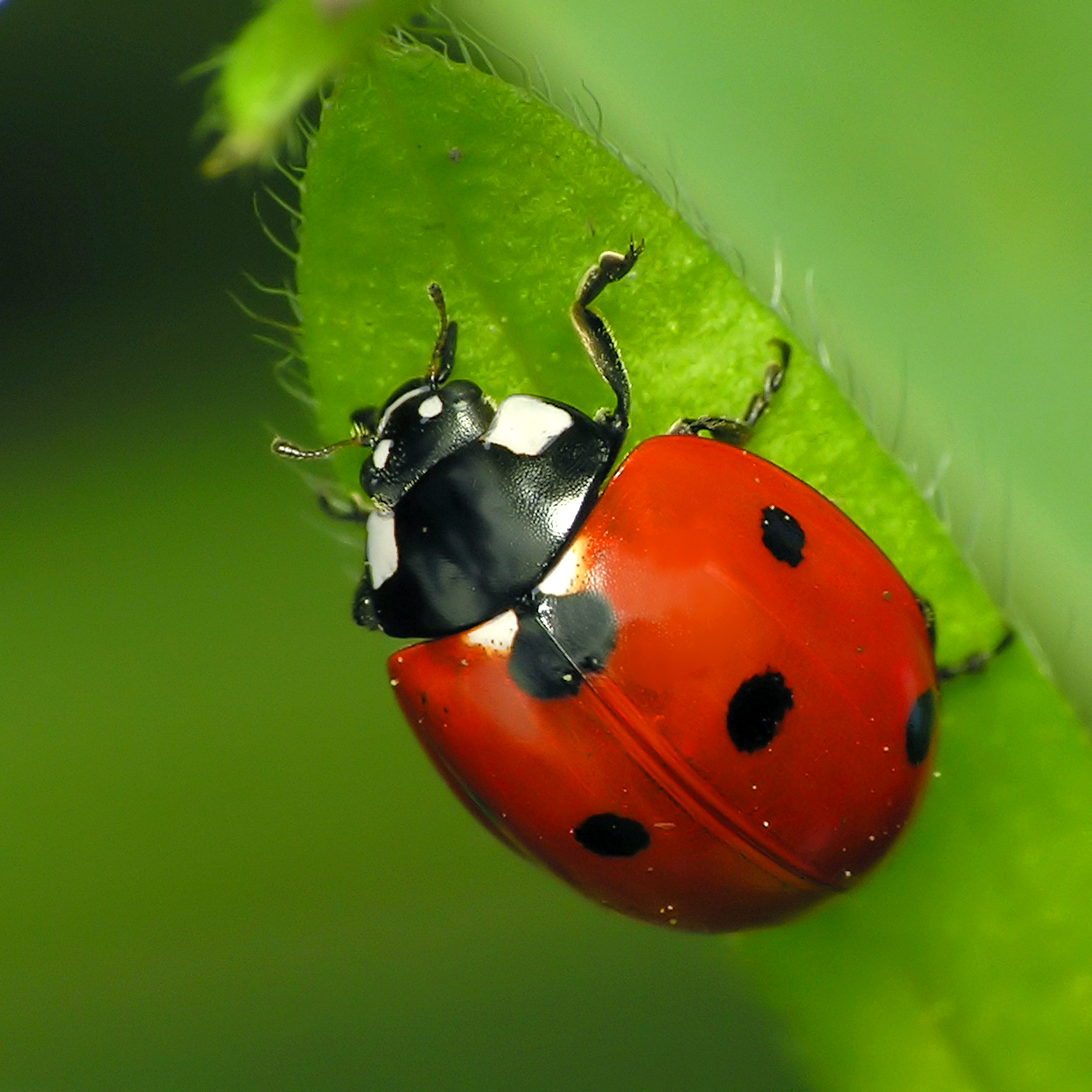
| Coccinella septempunctata | |
Scientific classification 
| |
| Kingdom: | Animalia |
| Phylum: | Arthropoda |
| Class: | Insecta |
| Order: | Coleoptera |
| Suborder: | Polyphaga |
| Infraorder: | Cucujiformia Lameere, 1938 |
| Superfamilies | |
Cucujiformia is an infraorder of polyphagan beetles, representing most plant-eating beetles.[1]
| Cucujiformia | |
.jpg)
_(10113622594).png)
.png)
.jpg)
.jpg)


The infraorder contains the seven superfamilies:
- Chrysomeloidea (~7 families including longhorn beetles and leaf beetles)
- Cleroidea (checkered beetles, bark-gnawing beetles and soft-winged flower beetles)
- Coccinelloidea (15 families, includes ladybirds and fungus beetles)
- Cucujoidea (~27 families)
- Curculionoidea (~8 families primarily consisting of weevils and also including snout beetles and bark beetles)
- Lymexyloidea (ship-timber beetles)
- Tenebrionoidea (formerly "Heteromera") (30 families including blister beetles and ant-like beetles)
References
[edit]- ^ Robertson, James A.; Ślipiński, Adam; Moulton, Matthew; et al. (2015). "Phylogeny and classification of Cucujoidea and the recognition of a new superfamily Coccinelloidea (Coleoptera: Cucujiformia)". Systematic Entomology. 40 (4): 745–778. doi:10.1111/syen.12138. S2CID 55206626.
External links
[edit]- "Cucujiformia". Atlas of Living Australia. Archived from the original on 2018-04-16. Retrieved 2018-04-16.
| Authority control databases: National |
|---|

Cucujiformia
View on Grokipediafrom Grokipedia
Cucujiformia is a major series of beetles within the suborder Polyphaga of the order Coleoptera, comprising over 200,000 described species across nine superfamilies and representing one of the most diverse and ecologically significant clades in the animal kingdom.[1] This group originated in the Late Triassic to earliest Jurassic (approximately 249–220 million years ago) and underwent major diversification during the Jurassic and Early Cretaceous periods, evolving a wide array of feeding strategies that include phytophagy (plant-feeding) on leaves, seeds, wood, and pollen, as well as predation on other insects.[2]
The classification of Cucujiformia has been refined through recent phylogenomic studies, which recognize Cleroidea as the earliest-diverging superfamily, followed by the clade Lymexyloidea + Tenebrionoidea, Coccinelloidea, and a paraphyletic traditional Cucujoidea now divided into Erotyloidea, Nitiduloidea, and Cucujoidea sensu novo.[2] The remaining superfamilies, Chrysomeloidea and Curculionoidea, form the derived subclade Phytophaga, which is exclusively herbivorous and includes economically important groups such as longhorn beetles, leaf beetles, and weevils.[2] These superfamilies collectively account for the majority of plant-associated beetles, with many species playing key roles in ecosystems as pollinators, decomposers, or agricultural pests.[1]
Cucujiformia exhibits remarkable morphological and behavioral diversity, from the wood-boring habits of Lymexyloidea to the predatory lifestyles in Tenebrionoidea and Cleroidea, and the specialized mouthparts in Curculionoidea adapted for seed and fruit consumption.[2] Fossil records, particularly from Cretaceous amber deposits, reveal early evolutionary innovations such as setiferous processes in larvae for fungus-feeding, highlighting the group's ancient adaptations to diverse niches.[1] Ongoing research continues to resolve internal relationships, with recent updates elevating certain families and incorporating fossil taxa to better understand its evolutionary history.[1]
These superfamilies represent the core taxonomic structure of Cucujiformia, with Curculionoidea and Chrysomeloidea dominating in species numbers and contributing significantly to global beetle diversity.[22] The groupings highlight the clade's radiation into varied niches, though ongoing taxonomic revisions continue to adjust family boundaries based on molecular data.[22]
Taxonomy
Classification
Cucujiformia is an infraorder within the suborder Polyphaga of the order Coleoptera, encompassing the largest clade of phytophagous beetles.[3] This group is distinguished by shared morphological traits such as cryptonephric Malpighian tubules and a tendency toward plant-feeding habits across its lineages.[3] The infraorder comprises nine superfamilies: Cleroidea, Lymexyloidea, Tenebrionoidea, Coccinelloidea, Erotyloidea, Nitiduloidea, Cucujoidea, Chrysomeloidea, and Curculionoidea.[3] These superfamilies collectively account for over 200,000 described species, representing the vast majority of plant-eating beetles in the world.[1] Key families within these superfamilies include Coccinellidae (ladybird beetles) in Coccinelloidea, known for their predatory habits on aphids; Cleridae (checkered beetles) in Cleroidea; Lymexylidae (ship-timber beetles) in Lymexyloidea; Tenebrionidae (darkling beetles) and Meloidae (blister beetles) in Tenebrionoidea; Erotylidae (pleasing fungus beetles) in Erotyloidea; Nitidulidae (sap beetles) in Nitiduloidea; Cucujidae (flat bark beetles) in Cucujoidea; Cerambycidae (longhorn beetles) and Chrysomelidae (leaf beetles) in Chrysomeloidea; and Curculionidae (true weevils) in Curculionoidea, the most species-rich family in Coleoptera.[3]Historical Development
The Cucujiformia was originally established by Antoine Lameere in 1938 as a series within the suborder Polyphaga of the order Coleoptera, encompassing a diverse assemblage of beetle families characterized by advanced morphological features such as the cucujiform configuration of the hindwing.[1] This classification reflected early 20th-century efforts to organize Polyphaga into higher-level groups based primarily on wing venation and other adult structures, positioning Cucujiformia as a major evolutionary lineage alongside Scarabaeiformia and Elateriformia. Early taxonomic treatments grouped numerous families under the superfamily Cucujoidea, which functioned as a broad repository for heterogeneous cucujiform beetles lacking unambiguous synapomorphies, including what would later become distinct superfamilies like Tenebrionoidea and Cleroidea.[4] Roy A. Crowson, in his seminal 1955 monograph, highlighted the extraordinary diversity of Cucujoidea—encompassing up to 37 families at the time—and proposed subdividing it into series such as the primitive Protocucujidae and the derived Cerylonid Series, while separating Tenebrionoidea and Cleroidea as independent superfamilies to address evident paraphyly within the traditional Cucujoidea.[4] Throughout the late 20th century, morphological analyses further underscored the non-monophyly of Cucujoidea, with studies revealing polyphyletic arrangements across multiple clades; for instance, Hunt et al. (2007) used molecular data from 54 cucujoid exemplars to demonstrate that Cucujoidea did not form a single lineage, while Lawrence et al. (2011) corroborated this through cladistic analysis of 516 morphological characters, placing disparate cucujoid families in at least five separate positions within Cucujiformia. A pivotal revision came in 2015 with the comprehensive molecular phylogenetic study by Robertson et al., which analyzed DNA sequences from eight genes across 384 taxa and formally recognized the non-monophyly of traditional Cucujoidea while elevating the Cerylonid Series to the distinct superfamily Coccinelloidea, comprising 15 families including Coccinellidae and Endomychidae.[4] This work redefined superfamily boundaries by transferring Byturidae and Biphyllidae from Cucujoidea to Cleroidea, reducing the latter to 25 core families such as Erotylidae and Nitidulidae, and recovering Tenebrionoidea as closely allied with Lymexyloidea, thereby resolving long-standing ambiguities in cucujiform relationships and establishing a more phylogenetically informed framework for the infraorder.[4] Subsequent phylogenomic studies have further refined this classification. A 2022 study by Cai et al., using transcriptomic data from over 100 taxa, confirmed the basal position of Cleroidea and the clade (Lymexyloidea + Tenebrionoidea), while dividing the remaining "cucujoid" lineages into three superfamilies: Erotyloidea, Nitiduloidea, and Cucujoidea sensu stricto, resulting in nine superfamilies total.[3] These updates, incorporating fossil evidence and expanded genomic sampling, continue to clarify the internal relationships within Cucujiformia as of 2025.[1]Description
Adult Morphology
Adults of Cucujiformia typically possess an elongate body form, characterized by a compact prosternum and procoxal cavities that are closed posteriorly, features that distinguish this infraorder from other polyphagan beetles. This morphology supports a streamlined structure adapted to diverse terrestrial habitats, with body lengths ranging from under 1 mm in minute species to over 100 mm in larger forms like some cerambycids. The closed procoxal cavities contribute to the rigidity of the thoracic region, enhancing stability during locomotion.[5][6] The antennae are generally 11-segmented, arising from the frons and exhibiting variation across superfamilies; for example, in Cucujoidea, they often form a distinct club composed of three to seven apical segments, aiding in chemosensory detection of food sources or mates. In contrast, antennae in Chrysomeloidea may be filiform or serrate, reflecting adaptations to specific ecological niches. The head is typically hypognathous, with well-developed compound eyes and chewing mouthparts featuring robust mandibles.[7][8] The elytra generally extend to fully cover the abdomen, providing protection to the hindwings and underlying soft tissues, though reductions occur in some flightless taxa. The abdominal sternites form a characteristic five-ventrite configuration in most species, with ventrites 1–2 often fused and the posterior ventrite bearing the functional genitalia. Mouthparts are primarily masticatory, with mandibular structure varying by diet: herbivores, such as many chrysomelids, have broad, grinding molars for processing tough plant material, while predators exhibit sharper, piercing apices. These adaptations underscore the infraorder's remarkable diversity in feeding strategies.[9][10]Larval Characteristics
Larvae of Cucujiformia exhibit considerable morphological diversity, largely correlated with their ecological roles and feeding strategies across the various superfamilies. In predatory lineages such as Cleroidea, larvae are predominantly campodeiform, characterized by an elongate, dorso-ventrally flattened body that is heavily sclerotized for active locomotion and prey capture.[11] These larvae often inhabit concealed environments like under bark, where their robust form facilitates hunting small arthropods.[12] In contrast, phytophagous superfamilies like Chrysomeloidea feature eruciform larvae, which are soft-bodied, cylindrical, and somewhat vermiform, adapted for chewing foliage or boring into plant tissues.[13] The head capsule is prognathous and sclerotized in most species, bearing a variable number of stemmata—typically six, arranged in two groups of three—for detecting light and movement, along with paired urogomphi on the terminal abdominal segment that aid in anchorage or defense.[11] Thoracic legs are usually present and functional, consisting of five segments, but they are often reduced or vestigial in wood-boring forms, such as those in Cerambycidae, where locomotion relies more on body undulations within tunnels.[14] The pupal stage in Cucujiformia is typically exarate and adecticous, with appendages free from the body and mandibles non-functional, allowing for a protected transformation within earthen cells, wood cavities, or leaf litter chambers constructed by the mature larva. This pupation strategy minimizes exposure to predators and environmental stresses, reflecting adaptations to the clade's terrestrial and often concealed lifestyles.[15]Phylogeny and Evolution
Evolutionary Origins
Cucujiformia, the largest clade within the beetle suborder Polyphaga, traces its origins to the Late Triassic to earliest Jurassic approximately 249–220 million years ago (Mya), emerging as part of the early radiation of Polyphaga during the late Paleozoic.[2] This initial diversification occurred amid the recovery of terrestrial ecosystems following the Carboniferous rainforests collapse, with Polyphaga evolving key adaptations such as enhanced chewing mouthparts that facilitated exploitation of diverse plant and fungal resources.[10] Its position as a major derived clade within Polyphaga, sister to Bostrichiformia, highlights its role in the suborder's evolutionary expansion, predating the dominance of more derived beetle lineages.[2] Phylogenomic analyses position Cucujiformia as sister to Bostrichiformia within the broader series of Polyphaga, with some studies suggesting alternative affinities to other infraorders like Staphyliniformia, though robust support favors the Bostrichiformia linkage based on comprehensive genomic sampling.[2][16] This relationship highlights Cucujiformia's placement among the "core" Polyphaga, distinct from earlier-diverging suborders such as Myxophaga, and reflects shared morphological traits like the cucujiform siphon and prothoracic structure that evolved in the Permian.[2] The clade's monophyly is strongly corroborated by large-scale phylogenomic datasets, emphasizing its evolutionary coherence despite internal complexities. A major burst of diversification within Cucujiformia occurred during the Jurassic and Cretaceous periods (201–66 Mya), coinciding with the rapid evolution and ecological dominance of angiosperms, which provided novel phytophagous opportunities and drove co-evolutionary dynamics.[10] This radiation enabled the transition to specialized herbivory in many lineages, with molecular clock estimates indicating Jurassic–Cretaceous origins for most superfamilies. Transcriptomic studies further reveal the paraphyly of the traditional superfamily Cucujoidea, rendering it a grade rather than a natural group, and provide strong support for a restructured classification into seven superfamilies (Coccinelloidea, Cleroidea, Cucujoidea sensu stricto, Erotyloidea, Lymexyloidea, Nitiduloidea, and Tenebrionoidea).[17] These findings, derived from over 30 transcriptomes, underscore the clade's adaptive success tied to angiosperm proliferation.Fossil Record
The fossil record of Cucujiformia is sparse in the Paleozoic but becomes more evident from the Mesozoic onward, with potential ancestral traces in the suborder Polyphaga during the Late Permian. Wood-boring traces in permineralized gymnosperm wood from South China, dated to approximately 252–259 Ma, suggest the presence of xylophagous Polyphaga ancestors, marking some of the earliest indirect evidence for cucujiform-like beetles, though no body fossils are known from this period.[18] Direct body fossils of Cucujiformia first appear in the Middle Jurassic, indicating an initial diversification within the suborder Polyphaga.[19] The Jurassic record includes early representatives of basal superfamilies, particularly Cleroidea. The oldest known clerid beetles (Cleridae, Cleroidea), three species in new genera, were described from compression fossils in the Jiulongshan Formation of Inner Mongolia, China, dated to the Callovian stage at about 165 Ma; these elongate, predatory forms exhibit typical clerid antennal and tarsal features. Additional Jurassic fossils encompass Cucujoidea, such as Palaeoboganium jurassicum (Boganiidae) from the Daohugou Beds in China (ca. 168–152 Ma), highlighting early ecological roles in fungal associations.[19] Diversification accelerated in the Cretaceous, with numerous inclusions preserved in amber revealing a broader range of superfamilies. In Chrysomeloidea, early Cerambycidae are documented by Sinopraecipuus bilobatus from lacustrine deposits of the Yixian Formation in Liaoning, China, dated to the Lower Cretaceous at approximately 122 Ma; this longhorn beetle features bilobed scutellum and elongate antennae, suggesting primitive wood-boring habits.[20] Burmese amber (ca. 99 Ma) yields diverse Cleroidea and Cucujoidea larvae and adults, including the first immature cleroid, indicating predatory lifestyles in humid forest ecosystems. Lymexyloidea appears in the Lower Cretaceous Crato Formation of Brazil (ca. 110 Ma), with further Eocene records like Raractocetus sverlilo from Rovno amber in Ukraine (ca. 35–40 Ma), a ship-timber beetle with reduced elytra adapted for wood habitation. Significant gaps persist in the fossil record, notably for Coccinelloidea, where Mesozoic representatives are rare and limited to mid-Cretaceous Kachin amber (e.g., Anamorphidae and Endomychidae) and Early Cretaceous Lebanese amber (e.g., Archelatrius in Latridiidae-like forms). No Jurassic fossils are known for this superfamily, and most diversity emerges post-Cretaceous in Eocene ambers like Baltic and Rovno, with over five new genera described from that period, reflecting a delayed radiation possibly tied to angiosperm expansion.[21]Diversity
Superfamilies and Families
Cucujiformia is classified into nine superfamilies, encompassing over 200,000 described species (as of 2025) distributed across roughly 92 families worldwide.[1][22] This diversity reflects the clade's evolutionary success, with superfamilies varying widely in species richness and ecological roles, from phytophagous herbivores to predators and wood-borers. Recent phylogenomic analyses have refined these groupings, elevating former series within the broad Cucujoidea to superfamily status, including Erotyloidea, Nitiduloidea, and Coccinelloidea.[22]| Superfamily | Approximate Species | Prominent Families and Characteristics |
|---|---|---|
| Coccinelloidea | ~8,000 | Coccinellidae (~6,000 species; predatory lady beetles known for aphid consumption and bright coloration).[22][23] Includes other small families like Endomychidae (handsome fungus beetles). |
| Cleroidea | ~10,000 | Cleridae (~4,000 species; checkered beetles, often predatory on wood-boring insects); Melyridae (soft-winged flower beetles, pollinator associates with ~3,000 species).[22][24] |
| Lymexyloidea | ~70 | Lymexylidae (ship-timber beetles; wood-boring species that infest timber, with bioluminescent traits in some larvae).[22] |
| Tenebrionoidea | ~35,000 | Tenebrionidae (~20,000 species; darkling beetles, adapted to arid environments); Meloidae (~3,000 species; blister beetles, producing cantharidin).[22][25] |
| Erotyloidea | ~3,500 | Erotylidae (pleasing fungus beetles; mycophagous, with vibrant colors and patterns, distributed in tropical forests).[22][26] |
| Nitiduloidea | ~4,500 | Nitidulidae (sap beetles; associated with fermenting plant sap, fruits, and fungi, including pests of stored products).[22][27] |
| Cucujoidea (sensu stricto) | ~14,000 | Cucujidae (~70 species; flat bark beetles, predatory under bark); includes diverse families like Silvanidae (silvanid flat bark beetles) and Passandridae (parasitoid beetles).[22][17] |
| Chrysomeloidea | ~63,000 | Chrysomelidae (~37,000 species; leaf beetles, leaf-feeding herbivores); Cerambycidae (~27,000 species; longhorn beetles, wood-borers with elongated antennae).[22][28] |
| Curculionoidea | ~100,000 | Curculionidae (~83,000 species; true weevils, with elongated snouts for plant tissue manipulation); Brentidae (straight-snouted weevils).[22][29] |